2027 Online Special Education Doctorate Programs for First-Time Doctoral Students

Co-Founder and Chief Data Scientist
Choosing an online special education doctorate is a high-stakes decision, especially if this would be your first doctoral program. NCES reported in 2024 that 7.5 million U.S. public school students ages 3-21 received IDEA services, or about 15% of enrollment, underscoring the need for advanced special education leadership.
This guide is for educators, administrators, clinicians, and policy-focused professionals comparing doctoral pathways. You will learn how programs differ, what support first-time doctoral students need, and how to judge cost, flexibility, research demands, and career fit before enrolling.
Key Things You Should Know
- The best online special education doctorate for a first-time doctoral student is usually a structured EdD or applied doctorate with clear milestones, active faculty mentoring, and transparent dissertation or capstone support—not simply the fastest or most famous program.
- Most online special education doctorates require prior graduate study, professional education experience, and strong academic writing; a master's degree can help, but it does not automatically mean you are ready for doctoral research.
- Use salary data carefully: BLS May 2024 figures show broader education roles such as instructional coordinators had a median wage of $74,720, but a doctorate does not guarantee a raise or promotion without a role that actually rewards doctoral preparation.
Which Online Special Education Doctorate Programs Are Best for First-Time Doctoral Students?
The best online special education doctorate programs for first-time doctoral students are not always the most accelerated programs. They are the programs that match your career goal, offer enough doctoral onboarding, and make the research or applied-project process understandable before you commit.
For many first-time doctoral students, a professional doctorate such as an EdD is the most practical fit because it connects research to school leadership, inclusive practice, policy implementation, teacher preparation, or systems change. A PhD may be better if your goal is university research, tenure-track teaching, grant-funded scholarship, or advanced methodological training.
The table below compares common online doctorate pathways by fit. Use it to identify the type of program that aligns with your background before comparing individual universities.
| Program type | Best fit for first-time doctoral students who want to... | Typical strength | Main caution |
| Online EdD in Special Education | Lead special education programs, improve district practices, train educators, or design evidence-based interventions | Applied research, practitioner focus, leadership orientation | May not provide the same depth of research-methods preparation as a PhD |
| Online PhD in Special Education | Pursue university teaching, scholarship, policy research, or research-intensive roles | Original research, theory, methodology, publication preparation | Often requires stronger research readiness and more independent scholarship |
| Online EdD in Educational Leadership with Special Education Focus | Move into district leadership, compliance, supervision, or systems-level improvement | Leadership, organizational change, policy implementation | May offer fewer specialized special education courses than a dedicated program |
| Hybrid Doctorate in Special Education | Benefit from online study while gaining in-person mentoring, seminars, or residencies | Balance of flexibility and faculty contact | Travel and residency costs can reduce flexibility |
Accelerated formats can be attractive, but first-time doctoral students should be cautious about speed. If you are comparing 1 year EdD programs online, look closely at whether the program is designed for students entering with substantial transferable doctoral credits, a completed research agenda, or unusually intensive course loads.
A strong first-time-friendly program usually has several features that reduce uncertainty during the transition into doctoral study. Before applying, look for evidence that the program provides these supports rather than assuming they are included:
- Required orientation to doctoral writing, research ethics, library databases, and academic expectations
- Early advisor assignment instead of waiting until the dissertation or capstone phase
- Sequenced research courses that build from literature review to methodology and analysis
- Transparent dissertation, capstone, or applied-project milestones with examples of completed work
- Faculty whose scholarship or professional work aligns with your intended special education focus
- Published information about residency, synchronous class, internship, practicum, or field-based expectations
A red flag is a program that markets itself as easy, fast, or flexible but gives little detail about doctoral supervision. First-time doctoral students usually need structure, feedback, and realistic pacing more than they need the shortest possible timeline.
What Should First-Time Students Expect From an Online Special Education Doctorate?
An online special education doctorate is an advanced graduate degree focused on improving outcomes for students with disabilities through research, leadership, policy, teacher preparation, assessment, assistive technology, inclusive instruction, and systems change. The online format changes how you attend class, but it does not make the academic level easier.
First-time doctoral students should expect a major shift from consuming knowledge to producing, evaluating, and applying knowledge. Coursework may begin with disability policy, research methods, advanced pedagogy, leadership, and equity, then move toward a dissertation, capstone, or applied research project.
This comparison shows how the main doctoral pathways differ. It can help you decide whether you need a research-intensive program or a practitioner-oriented program.
| Feature | EdD or professional doctorate | PhD |
| Primary purpose | Apply research to solve practice-based problems in schools, agencies, districts, or higher education | Create an original scholarship that advances theory, evidence, or methodology |
| Common final project | Dissertation in practice, capstone, improvement project, or applied dissertation | Traditional dissertation based on original research |
| Student profile | Working educators, administrators, specialists, consultants, and practitioner-leaders | Aspiring faculty, researchers, policy scholars, and research directors |
| Research intensity | Moderate to high, usually tied to professional settings | High, with deeper emphasis on methods, theory, and publication |
| Career alignment | Leadership, program improvement, district roles, faculty in practice-focused programs, consulting | University research, tenure-track pathways, advanced policy research, research leadership |
Special education doctoral study is also affected by current trends. Schools and agencies increasingly need leaders who understand AI-supported accessibility tools, data-informed intervention, inclusive instructional design, behavioral support, legal compliance, and family-school collaboration. For first-time doctoral students, this means program fit should be judged not only by course titles but also by whether the curriculum reflects current practice in disability services and education technology.
You should also expect doctoral work to be less predictable than a master's program. Readings are longer, assignments are more open-ended, and feedback often asks you to revise your thinking rather than simply correct errors. That adjustment is normal, but it can be difficult if the program does not provide clear expectations and regular advising.
What Admissions Requirements Should First-Time Applicants Expect for an Online Special Education Doctorate?
Admissions requirements vary by school, but most online special education doctorate programs expect applicants to show graduate-level academic ability, professional purpose, and readiness for advanced research or applied inquiry. First-time doctoral applicants should read requirements closely because "online" does not mean open admission.
The table below summarizes common admissions expectations and what they signal. Use it to identify gaps before you spend money on applications.
| Requirement | What programs usually look for | How first-time doctoral applicants should prepare |
| Master's degree | A graduate degree in special education, education, curriculum, psychology, counseling, leadership, or a related field | Confirm whether your degree meets content prerequisites and whether bridge courses are required |
| Graduate GPA | Evidence of strong academic performance, often through a minimum GPA threshold | Use your statement or interview to explain any weak academic history with context and evidence of improvement |
| Professional experience | Teaching, special education services, administration, advocacy, intervention, assessment, or related leadership | Connect your work experience to a clear doctoral problem of practice or research interest |
| Writing sample | Ability to analyze literature, make an argument, and use academic sources | Submit polished graduate work or a professional paper revised for scholarly tone and citation quality |
| Statement of purpose | A coherent reason for doctoral study and a realistic career goal | Avoid generic passion statements; name the issue, population, or system you want to study or improve |
| Recommendations | Evidence that you can handle independent graduate study and professional leadership | Choose recommenders who can discuss your writing, problem-solving, persistence, and impact |
| Licensure or certification | Sometimes required, especially in practitioner-focused or educator-preparation contexts | Verify whether the doctorate leads to, requires, or does not affect state licensure |
First-time applicants often make the mistake of assuming that a master's degree is enough. A doctorate requires a stronger match between your background, your intended research or applied problem, and the faculty available to guide you.
Before applying, take these practical steps to assess readiness and reduce application risk:
- Review each program's prerequisites and identify whether your master's coursework included research methods, statistics, special education law, assessment, and intervention foundations.
- Write a one-paragraph doctoral problem statement explaining the special education issue you want to investigate or improve.
- Compare your problem statement with faculty profiles, recent dissertations, and course descriptions to see whether the program can support your focus.
- Ask admissions staff whether first-time doctoral students receive research onboarding, writing support, and advisor access before the final project stage.
- Confirm whether licensure, certification, practicum, residency, or field-based requirements apply in your state or professional setting.
If your academic writing is weak, your career goal is unclear, or you do not yet have relevant professional experience, a graduate certificate, second master's course sequence, or additional field experience may be a better next step than immediate doctoral enrollment.
Doctoral research support is one of the biggest differences between a manageable online doctorate and a frustrating one. First-time doctoral students should look for a program that teaches research as a sequence rather than expecting students to figure it out alone.
Good support usually begins in the first term, not after coursework ends. Strong programs make the research process visible through scaffolded assignments, literature review coaching, methodology courses, and advisor feedback tied to your developing topic.
When comparing programs, ask about the following support structures because each one affects your ability to progress from idea to completed project:
- Doctoral orientation that explains research expectations, academic integrity, citation management, and institutional review board requirements
- Required courses in qualitative, quantitative, mixed-methods, or improvement-science research relevant to special education settings
- Library and database training focused on peer-reviewed special education, disability policy, intervention, and learning sciences literature
- Writing center support for doctoral-level synthesis, argumentation, literature reviews, and APA style
- Milestone reviews that help students complete topic approval, proposal development, ethics approval, data collection, analysis, and final defense
- Access to faculty or methodologists who can advise on school-based data, small sample sizes, disability categories, privacy, and ethical research with vulnerable populations
The rise of AI writing and research tools makes doctoral integrity more important. Programs may allow AI for brainstorming, accessibility, or editing, but they typically expect students to produce original analysis and disclose or follow institutional AI policies. First-time doctoral students should choose a program that gives clear guidance on acceptable AI use rather than leaving students to guess.
A common red flag is a program that lists research courses but does not explain how students move from coursework to dissertation or capstone supervision. If the school cannot describe who supports you at each milestone, you may face delays later.
The dissertation or capstone is often where first-time doctoral students struggle most. The format matters because it determines how independent your work will be, how much original research is required, and how directly the final project connects to your career.
The table below explains common final-project models. Use it to compare not just the name of the requirement, but the level of research independence it usually involves.
| Final requirement | What it usually involves | Best fit | First-time student concern |
| Traditional dissertation | Original research question, formal literature review, methodology, data collection or analysis, and defense | Students pursuing research, faculty, or policy-scholar roles | Requires strong persistence, methods preparation, and independent writing |
| Dissertation in practice | Applied inquiry focused on a real problem in a school, district, agency, or educational organization | Practitioner-leaders improving programs or systems | Still rigorous; access to a research site and usable data may be required |
| Capstone project | Applied project, evaluation, intervention design, policy analysis, or implementation plan | Students seeking practical leadership outcomes | Quality varies; confirm that expectations are doctoral-level and well supervised |
| Applied research project | Focused study or evaluation connected to professional practice | Working professionals with a defined problem of practice | May depend heavily on employer, district, or agency cooperation |
Support matters because the final project is not just another assignment. It requires topic narrowing, committee approval, research ethics review, data access, analysis, revision, and defense or presentation.
Before enrolling, first-time doctoral students should ask direct questions about the final project process. These questions help reveal whether the program has a real support structure or only a general promise of advising:
- When are students assigned a dissertation or capstone chair?
- How many students does each chair typically supervise at one time?
- Are topic-development seminars built into coursework?
- What happens if a student's chair leaves the university or cannot continue?
- Are students allowed to use workplace-based data, and what permissions are required?
- Does the program publish typical milestone timelines or examples of completed projects?
For first-time doctoral students, a slightly longer program with stronger final-project coaching may be a better investment than a shorter program where students are left to navigate the dissertation or capstone process alone.
Online special education doctorates can be flexible, but flexibility is not the same as low workload. Many first-time doctoral students are working educators or administrators, so the best program is one whose schedule fits your real life rather than your ideal week.
The table below compares common online delivery formats. Use it to identify the structure that matches your work schedule, family responsibilities, and need for live interaction.
| Format | How it works | Best for | Potential drawback |
| Asynchronous online | Students complete weekly work without required live class meetings | Students with variable work schedules or caregiving responsibilities | Requires strong self-management and may feel isolating |
| Synchronous online | Students attend live virtual classes at scheduled times | Students who benefit from discussion, accountability, and direct faculty access | Evening or weekend meetings may conflict with work or family obligations |
| Cohort-based online | Students move through courses with the same group | First-time doctoral students who want peer support and predictable sequencing | Less flexibility to slow down, stop out, or customize pacing |
| Hybrid or low-residency | Most work is online, with required campus visits or intensives | Students who value in-person mentoring and networking | Travel, lodging, and time away from work can add cost and stress |
Part-time study is often realistic for working professionals, but it can extend time to completion. Full-time study can shorten the timeline, yet it may be difficult for special education teachers, coordinators, and administrators during the school year.
When assessing flexibility, look beyond the phrase "100% online." A program may still require live sessions, summer institutes, practicum hours, dissertation defenses, research-site permissions, or synchronous advising.
Students comparing flexible education doctorates may also want to review the cheapest online EdD programs, but affordability should be evaluated alongside pacing, support, and completion requirements. A lower tuition rate is less helpful if limited advising or unclear milestones increase time to degree.
A practical test is to create a sample doctoral week before applying. Include reading, discussion posts, research tasks, live meetings, writing, commuting, grading or school duties, caregiving, and rest. If the plan only works when nothing goes wrong, the program may not be flexible enough for your actual life.
Cohorts, mentorship, and student support can determine whether a first-time doctoral student feels guided or isolated. Because online students may not have casual hallway access to faculty, programs need intentional systems for connection.
A cohort model can be especially helpful for students new to doctoral study. It creates peer accountability, shared deadlines, and a community of professionals who understand the challenge of balancing research, work, and personal commitments.
Mentorship is equally important. In a strong program, mentoring is not limited to dissertation feedback; it includes helping students shape research questions, understand the field, interpret feedback, and connect doctoral work to career goals.
Before committing, use these questions to evaluate the support environment. They are designed to uncover how the program actually works after admission.
- Will I have a faculty advisor from the beginning, or only after completing coursework?
- How often are students expected to meet with advisors or committee members?
- Are there online writing groups, research labs, dissertation boot camps, or peer-review sessions?
- Do faculty mentor students in special education topics that match my interests, such as autism, assistive technology, behavior support, inclusion, transition, or policy?
- How does the program support students who fall behind because of work, caregiving, illness, or school-year demands?
- Are career services tailored to doctoral-level education roles, or are they primarily undergraduate-focused?
First-time doctoral students should be wary of programs that rely entirely on student independence. Independence is part of doctoral study, but a well-designed online doctorate should still offer clear advising channels, predictable feedback, and a community that reduces isolation.
Most first-time doctoral students should plan for multiple years of study, even in online formats. Program length depends on credits, transfer policies, whether you study full time or part time, the final-project model, and how quickly you complete dissertation or capstone milestones.
The table below shows common planning factors. These are not guarantees, but they can help you compare programs using the same cost and time categories.
| Factor | What to compare | Why it matters |
| Credit requirement | Total post-master's credits and whether prior graduate credits transfer | More required credits usually increase tuition and time |
| Enrollment pace | Full-time, part-time, continuous enrollment, and summer requirements | Pacing affects workload, financial aid eligibility, and completion time |
| Tuition model | Per-credit tuition, flat-rate terms, dissertation continuation fees, and technology fees | Total cost can exceed advertised tuition if fees and extension terms are overlooked |
| Residency or travel | Campus intensives, conferences, defense travel, or required in-person events | Travel costs can make an online program more expensive than expected |
| Final-project timeline | Proposal, ethics review, data collection, analysis, revisions, and defense | Dissertation or capstone delays are a common reason students pay for extra terms |
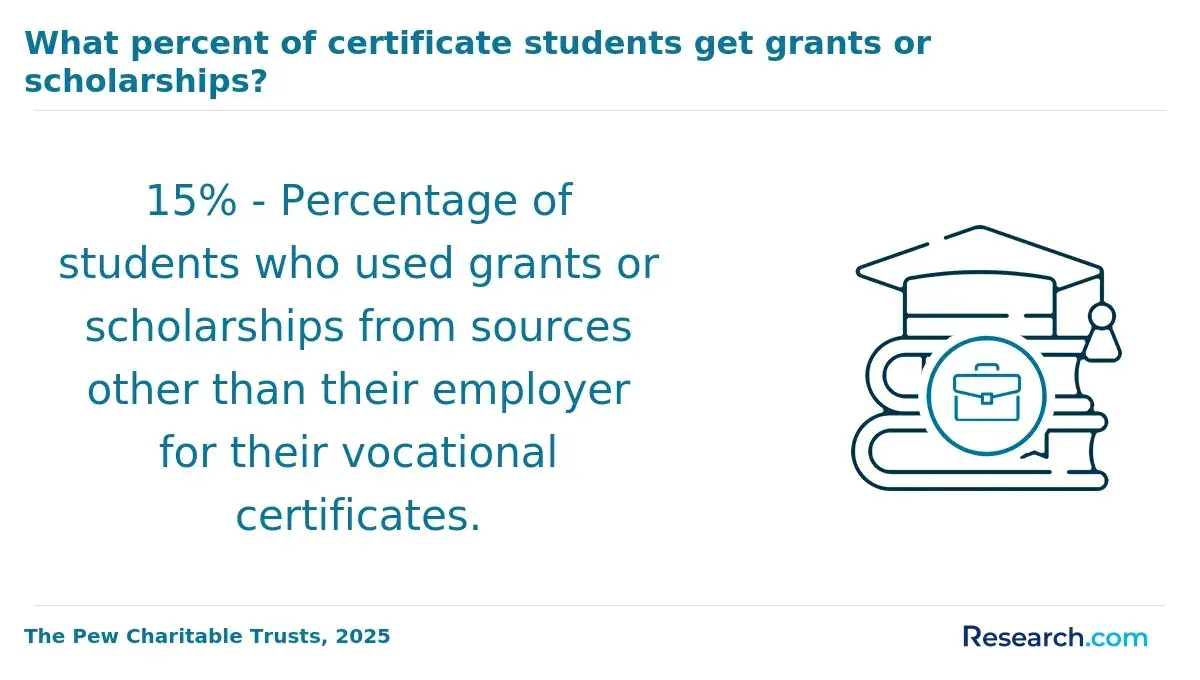
Federal loan rules are also important for cost planning. Graduate and professional students may be eligible for up to $20,500 per academic year in Direct Unsubsidized Loans, while additional borrowing may require Graduate PLUS Loans or other funding; this means the annual loan limit may not cover the full cost of a high-tuition doctoral program.
To estimate total cost, do more than multiply tuition by credits. First-time doctoral students should build a full completion budget that includes direct and indirect expenses.
- Calculate tuition using the total number of required credits after the confirmed transfer credit, not the maximum transfer credit advertised.
- Add mandatory fees, technology fees, dissertation continuation fees, graduation fees, and background-check or field-placement costs if applicable.
- Estimate travel for residencies, campus intensives, conferences, or required presentations.
- Account for books, software, statistical tools, transcription, accessibility tools, and professional memberships.
- Ask your employer about tuition assistance, salary lanes, leadership stipends, release time, or professional development funds.
- Compare likely debt to the specific career outcome you are pursuing, not to a general assumption that "doctorates pay more."
The common mistake is focusing only on the lowest tuition rate. A program that costs less per credit but offers weak dissertation support can become more expensive if you need extra terms to finish.
An online special education doctorate can support advancement into leadership, higher education, research, consulting, policy, curriculum, or systems-improvement roles. However, the value of the degree depends on whether your target role actually requires or rewards doctoral preparation.
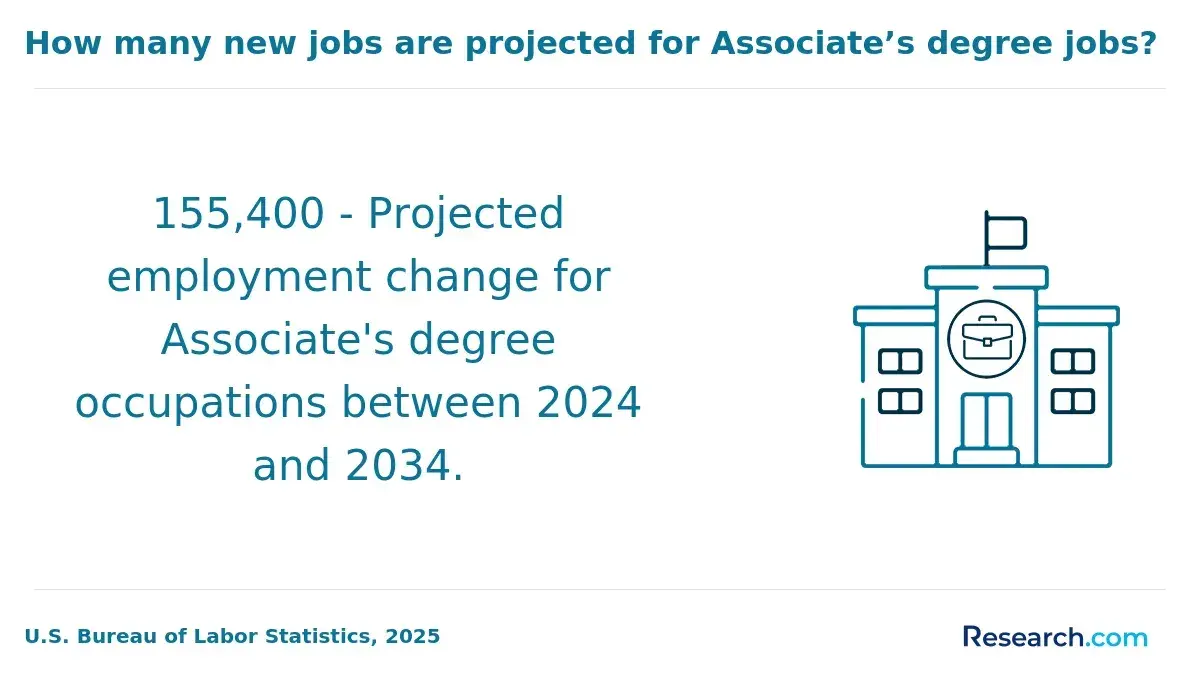
BLS May 2024 wage data can provide salary context, but it should not be read as a promise of doctorate-level earnings. The table below lists broader U.S. occupations that may align with special education doctoral training, depending on experience, employer, licensure, and role requirements.
| Potential role or pathway | How a doctorate may help | BLS May 2024 median wage context |
| Instructional coordinator | Supports curriculum, intervention design, teacher development, and program evaluation | $74,720 for instructional coordinators |
| Postsecondary teacher | Supports teaching, research, supervision, and faculty roles in education or special education programs | $83,980 for postsecondary teachers overall |
| Education administrator | Supports district, school, compliance, program leadership, or student services administration | $104,070 for elementary, middle, and high school principals |
| Special education teacher leader | Supports advanced practice, mentoring, intervention leadership, and systems improvement | $65,910 for special education teachers |
Career outcomes vary because special education is closely tied to state licensure, district salary schedules, higher education hiring practices, and local demand. A doctorate may be valuable for a district director role but unnecessary for a classroom teaching role unless your district's compensation system recognizes advanced degrees.
Students interested in curriculum, online learning, accessibility, or faculty development may also compare doctoral study with shorter graduate options such as the best online instructional design master's programs. For some career goals, a targeted master's or certificate can provide faster skill development with less debt.
First-time doctoral students should define the intended outcome before enrolling. If your goal is a promotion, ask whether the employer requires a doctorate. If your goal is higher education, review faculty job postings to see whether a PhD, EdD, publication record, teaching experience, or licensure is preferred. If your goal is consulting, assess whether clients will value doctoral credentials, specialized expertise, and measurable results.
How Should First-Time Students Choose an Online Special Education Doctorate Program?
First-time doctoral students should choose an online special education doctorate by working backward from the career goal, then testing each program against academic fit, support, affordability, flexibility, and final-project expectations. The right program is the one you can complete and use-not simply the one with the strongest marketing.
A useful decision process is to move in order from purpose to practicality. These steps can help you avoid applying to programs that are impressive but poorly matched to your needs:
- Define the career outcome you want, such as district leadership, higher education, policy, teacher preparation, consulting, research, or program evaluation.
- Choose the doctoral type that fits that outcome, using an EdD for applied leadership goals and a PhD for research-intensive or tenure-track goals when appropriate.
- Verify institutional accreditation and, when relevant, programmatic recognition, educator-preparation approval, or state licensure implications.
- Compare faculty expertise with your intended focus area, including disability category, age group, intervention type, policy issue, or research method.
- Request clear information about dissertation, capstone, or applied-project milestones before enrolling.
- Estimate the full cost of completion, including fees, travel, books, software, extra terms, and lost income if you reduce work hours.
- Ask about completion timelines, stop-out policies, advisor changes, student support, and career outcomes for students in your intended pathway.
Common mistakes can make a doctoral program harder or more expensive than expected. First-time doctoral students should watch for these red flags before signing an enrollment agreement.
- Choosing a program based only on ranking, brand name, or speed
- Assuming online coursework means flexible deadlines or lighter academic expectations
- Ignoring synchronous meetings, residencies, fieldwork, or research-site requirements
- Failing to verify whether the doctorate affects licensure, certification, or salary advancement in your state or district
- Overlooking dissertation continuation fees or costs tied to delayed completion
- Applying without a clear problem of practice, research interest, or career outcome
- Choosing a program with limited faculty expertise in your area of special education
- Assuming a doctorate will automatically lead to higher earnings, faculty employment, or leadership promotion
A doctorate may not be the right next step if your goal is clinical counseling, direct mental health licensure, or a counseling-related career that requires a different educational pathway. In that case, comparing options such as the cheapest online counseling degree programs may be more appropriate than entering a special education doctorate.
The bottom line: an online special education doctorate can be worth it for first-time doctoral students who have a defined professional goal, relevant experience, realistic funding plan, and enough support to complete advanced research. If those pieces are not yet in place, strengthening your academic preparation or gaining more focused professional experience may lead to a better doctoral decision later.
Other Things You Should Know About Special Education
No. A doctorate is an advanced academic degree, while certification or licensure is regulated by states. Some doctoral programs may require or support educator credentials, but you should verify requirements with your state licensing agency and the university.
Often, yes, but specialization options vary by program. Check electives, faculty expertise, research centers, dissertation topics, and field-based project opportunities before assuming the program can support your area of interest.
Many universities do not distinguish online and campus delivery on the diploma, but policies vary. Ask the registrar how the degree, transcript, and concentration will appear before enrolling.
Yes, many doctoral students present at conferences or co-author work with faculty, especially in research-active programs. If publication matters for your career goal, ask whether faculty mentor online students in conference proposals, journal submissions, or research groups.
- Funding your Degree https://gradsense.org/funding-your-degree/
- 10 Best Ed.D. in Special Education Programs of 2025 https://www.eddprograms.org/schools/special-education/
- Online EdD Programs in Special Education (SPED) - Doctor of Education https://www.onlineeddprograms.com/specializations/special-education
- Find your way to PhD funding - MSc/PhD Advice 12464 https://www.postgraduatestudentships.co.uk/advice/find-your-way-to-phd-funding/12464
- Complete Guide to Scholarships & Grants [2026 Update] https://www.applykite.com/blog/phd-guide-funding
- Chapter 61: Theoretical Overview Of The Practicum Programs For Special Education Pre-Service Teachers https://www.europeanproceedings.com/article/10.15405/epes.22032.61
- Financing your studies https://www.graduateinstitute.ch/fees-financial-aid
- How to Pay for a Ph.D in 2026 - ELFI https://www.elfi.com/how-to-pay-for-a-ph-d/
- Educational Funding https://phdproject.org/educational-funding/
- The Top 15 Accredited Online Special Education Doctoral Degree Programs of 2026 | Special Education Degrees https://www.special-education-degree.net/the-top-accredited-online-special-education-doctoral-degree-programs/