2027 Weekly Start Online Degrees vs Self-Paced Accelerated Nursing Education Degree Programs

Co-Founder and Chief Data Scientist
Many prospective nursing educators struggle to choose between weekly start online degrees and self-paced accelerated nursing education programs. According to the National League for Nursing, nearly 60% of nursing students seek flexible scheduling options to accommodate work and family commitments.
This article compares these two popular formats, examining their benefits and challenges, to guide prospective students in selecting the most effective path for advancing their nursing education careers.
Key Benefits of Weekly Start Online Degrees vs Self-Paced Accelerated Nursing Education Degree Programs
- Weekly start online degrees offer flexibility by allowing students to begin courses any week, accommodating varied schedules and enhancing timely graduation rates in nursing education programs.
- Self-paced accelerated nursing education programs reduce costs by shortening program duration, minimizing tuition fees and enabling faster workforce entry, benefiting budget-conscious students.
- Both formats support student success: weekly starts maintain consistent engagement, while self-paced programs foster individualized learning, improving knowledge retention and clinical competencies.
How Are Weekly Start Online Degrees and Self-Paced Accelerated Nursing Education Programs Structured?
Choosing between these two formats depends largely on personal learning style and availability. Weekly start online nursing degree structure promotes disciplined weekly engagement, ideal for students who thrive with routine.
In contrast, the self paced accelerated nursing education format appeals to highly motivated learners who desire flexibility and faster completion.
Weekly Start Online Degrees
- Course Pacing: These programs follow a fixed schedule with new classes beginning every week or every few weeks, enabling continuous enrollment.
- Term Length: Courses typically last 5 to 8 weeks, requiring students to commit to a structured timeline.
- Assignment Schedules: Students must complete weekly assignments, participate in discussions, and meet set deadlines throughout the term, fostering consistent engagement.
- Time Commitment: Expected weekly hours usually range from 12 to 15 hours per course, making it manageable for students balancing multiple responsibilities.
Self-Paced Accelerated Degrees
- Course Pacing: These nursing education programs allow students to progress at their own speed without rigid start dates or set weekly deadlines.
- Term Length: Students can often complete terms in less than half the usual time by dedicating intense study periods, accommodating motivation and schedule flexibility.
- Assignment Schedules: Assessments have open submission windows and may include proctored exams scheduled individually, offering flexibility.
- Time Commitment: Weekly hours vary widely, ranging from 20 to 40 hours depending on the student's pace and goal to accelerate completion.
Those exploring advanced healthcare career options might also consider a PharmD degree as a complementary path.
Are Weekly Start Online Nursing Education Programs Easier to Get Into vs Self-Paced Accelerated Programs?
Admissions ease is a crucial factor for many students choosing between weekly start online nursing program admissions and self-paced accelerated nursing program acceptance rates.
Here are key differences to consider:
- GPA Requirements: Weekly start programs generally require a minimum GPA around 3.0, reflecting standard academic readiness. Self-paced accelerated nursing programs often demand higher GPAs, typically 3.3 or above, due to their intensive pacing and workload.
- Prerequisite Coursework: Both formats require foundational courses like anatomy, physiology, and microbiology with no major differences, ensuring students have similar preparatory backgrounds.
- Standardized Testing: Tests such as the TEAS exam are widely used in admissions and tend to hold equal weight across weekly start and accelerated programs.
- Holistic Admissions: A growing number of programs evaluate candidates beyond academics, considering professional experience and letters of recommendation to gain a full picture of readiness.
- Application Flow: Rolling weekly start admissions maintain a steady inflow of applications, which can balance acceptance rates against bursts of applications common in accelerated program cycles.
Prospective students interested in exploring flexible nursing paths may also find value in researching online DNP programs without dissertation, which provide additional options balancing workload and program structure.
How Long Does a Weekly Start Online Degree Take to Complete vs Self-Paced Accelerated Nursing Education Degree?
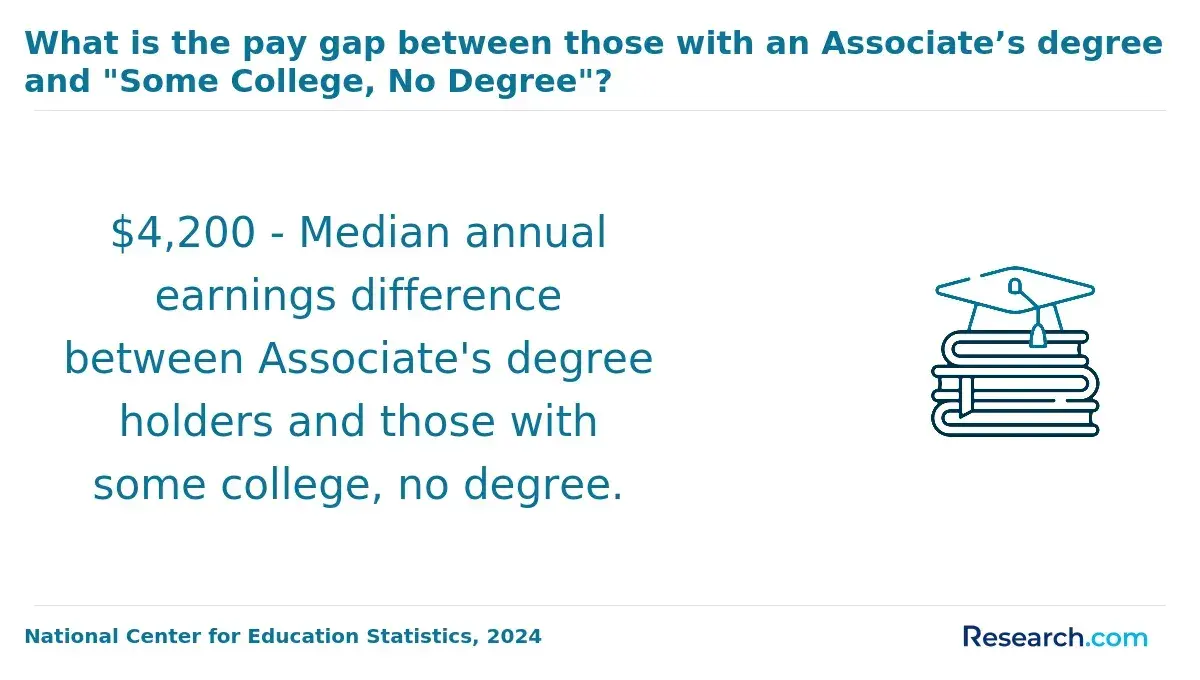
Completion time significantly impacts students' financial planning, career progression, and education management. Data from the National Center for Education Statistics indicates that the average duration for completing an online bachelor's degree is about six years, reflecting a clear demand for faster pathways.
Comparing weekly start online degrees to self-paced accelerated nursing education programs reveals key differences influencing how long each takes.
- Term length: Weekly start programs operate on fixed schedules with terms typically lasting 6 to 12 weeks, providing a predictable rhythm. Conversely, self-paced accelerated nursing education allows students to condense or extend terms based on individual progress.
- Pacing control: Students in weekly start formats follow prearranged timelines, limiting flexibility but offering consistent structure. Self-paced learners adjust their study speed, potentially completing coursework more quickly but requiring greater self-discipline.
- Credit load: Weekly start degrees generally assign moderate credit loads per term to maintain pacing, while accelerated nursing programs often demand heavier credit loads, encouraging faster completion.
- Transfer credits: Both program types may accept transfer credits, but policies vary widely; when accepted, these credits can shorten the total time needed for degree completion.
- Enrollment flexibility: Weekly start courses feature regular enrollment opportunities but follow strict course sequences. In contrast, self-paced nursing programs typically offer enrollment anytime, allowing students to begin or pause studies as needed.
When speaking with a professional who completed a self-paced accelerated online nursing education degree, he described the journey as intense but rewarding.
"Balancing work and study wasn't easy," he noted, "especially managing the heavier credit loads in shorter timeframes."
He emphasized the importance of strong time management skills and staying motivated without fixed deadlines. The ability to control his schedule was crucial, though "it sometimes felt isolating without a traditional classroom environment."
His experience highlighted that while accelerated, self-paced formats offer speed, they demand considerable personal commitment and planning to succeed.
Flexibility is essential for nursing students managing work, family, and other obligations. Weekly start online degrees offer regularly scheduled enrollment and paced coursework, while self-paced accelerated nursing education programs allow learners to begin anytime and progress at their own speed.
Comparing these formats highlights important differences in how they accommodate students' diverse needs.
- Scheduling control: Weekly start programs require adherence to a set calendar with fixed deadlines, ensuring uniform progress. Conversely, self-paced offerings let students decide when and how quickly to complete coursework, supporting individual rhythms.
- Pacing speed: Weekly start formats maintain consistent pacing across cohorts, suitable for learners who prefer structure. Self-paced students can speed up or slow down without affecting others, ideal for fluctuating availability.
- Start dates: Weekly start options provide multiple scheduled enrollment points, typically weekly or monthly. Self-paced programs feature open enrollment, enabling students to begin at any time throughout the year.
- Assignment deadlines: Weekly start courses have stricter deadlines to keep cohorts aligned, whereas self-paced programs usually offer flexible or no fixed deadlines, allowing pauses or extensions without penalty.
- Instructor interaction: Weekly start programs often include live sessions or regular check-ins, fostering direct engagement. Self-paced learners generally experience more asynchronous communication, with fewer synchronous opportunities.
- Ability to pause: Pausing progress is straightforward in self-paced formats, which accommodate interruptions easily. Weekly start students face tighter progress policies, making breaks more challenging without academic consequences.
Perceived difficulty plays a vital role for students deciding between self-paced accelerated and weekly start online nursing education programs, as it directly impacts motivation and chances of success.
This comparison highlights key factors that influence the challenges students face in these two approaches.
- Workload intensity: Self-paced accelerated programs condense course material into shorter terms, often requiring students to tackle a heavier weekly workload. Weekly start programs spread assignments and readings evenly over a longer period, which can prevent overload by creating a steadier learning rhythm.
- Pacing expectations: In self-paced formats, students must push themselves to maintain rapid progress without external checkpoints. Conversely, weekly start courses provide fixed schedules tied to module releases, helping learners keep pace and avoid last-minute cramming.
- Self-discipline required: Accelerated self-paced learners need strong internal motivation to meet tight deadlines independently. Weekly start students benefit from the structure of regular deadlines and instructor reminders, making it easier to stay on track even when motivation dips.
- Assessment structure: Self-paced programs may cluster exams and projects into fewer, larger assessments, increasing pressure during those periods. Weekly start formats typically distribute evaluations more frequently, offering continual opportunities for feedback and progress measurement.
- Instructor interaction: Weekly start options often encourage routine communication with instructors and peers, fostering support networks. Self-paced courses tend to have less consistent instructor contact, requiring learners to seek help proactively.
When I spoke with a graduate of a weekly start online nursing education program about her experience, she reflected on the steady pace as both a challenge and a benefit. She mentioned feeling pressured each week to keep up with assignments but appreciated the predictable schedule that broke down the workload into manageable segments.
"It wasn't easy," she said, "especially balancing work and study, but knowing exactly when everything was due helped me plan my weeks."
She also valued the regular feedback from instructors, which kept her motivated and confident. Her outlook suggests that while challenging, the weekly format provided a supportive framework that many find less overwhelming than an accelerated pace.
Grading methods play a crucial role in shaping student workload, academic stress, and expectations for progress in nursing education programs. These methods directly impact how students manage their time and understand their performance.
Comparing weekly start online degrees to self-paced accelerated programs reveals distinct differences in grading approaches that can influence a student's experience.
- Assessment frequency: Weekly start programs feature frequent and scheduled assessments such as quizzes, discussions, and assignments that keep students engaged regularly. In contrast, self-paced accelerated programs have fewer, more spaced-out assessments, granting students the ability to complete work on their own timetable.
- Mastery requirements: In weekly start formats, students demonstrate mastery through incremental tasks tied to weekly content, encouraging steady learning. Self-paced programs often require completion of comprehensive projects or exams that assess cumulative knowledge.
- Pacing of evaluations: Weekly start courses follow a fixed calendar with deadlines set by the institution, ensuring consistent academic rhythm. Self-paced programs allow learners to determine their own schedule, creating flexibility but demanding strong self-regulation to meet objectives.
- Feedback timing: Due to structured deadlines, weekly start programs typically provide quicker feedback, which helps students promptly adjust their understanding. Feedback in self-paced formats might be delayed because submissions are less frequent and spread over longer periods.
- Grading flexibility: The strict timelines of weekly start courses limit grading adaptability, requiring adherence to preset milestones. Self-paced formats offer more grading flexibility, but students must exercise discipline to avoid last-minute workloads and maintain steady progress.
Tuition models are a key factor when selecting an online nursing education program, influencing affordability and financial planning. Different structures affect how students manage payments and the overall cost based on their pacing and course load.
- Pricing Structure: Weekly start programs often have fixed costs aligned with set terms, offering straightforward payment schedules. Self-paced accelerated programs vary more, as costs may depend on how quickly a student completes the coursework.
- Time-to-Completion: Accelerated formats allow faster completion, potentially reducing tuition by shortening enrollment duration. Weekly start programs typically follow a standard semester length, with less flexibility to finish early.
- Cost Predictability: Weekly start programs provide consistent pricing each term, making budgeting simpler. In contrast, self-paced programs can be less predictable due to variable progression rates and possible extended access fees.
- Course Intensity: Accelerated paths demand a heavier workload over a shorter span, which can influence tuition by concentrating credits into fewer terms. Weekly start formats spread courses more evenly, maintaining steady tuition costs.
- Additional Fees: Both formats might include technology or resource fees, but these are usually more transparent in weekly start programs. Self-paced students should be aware of potential charges for extended platform access.
- Transfer Credits and Prior Learning: Both models welcome transfer credits and prior experience, which can reduce required courses and lower total expenses. Leveraging these options is crucial for minimizing tuition regardless of the program format.
Strong instructor support and academic guidance are crucial factors in student success for online nursing education degree programs. Such support helps students manage challenging coursework, receive timely feedback, and stay motivated throughout their studies.
Below is a comparison of instructor support characteristics between weekly start online nursing programs and self paced accelerated nursing education student assistance.
- Instructor Availability: Weekly start programs offer more consistent access to instructors through scheduled virtual office hours and live sessions, while self-paced accelerated formats provide access primarily through asynchronous methods such as emails and discussion boards.
- Response Times: Weekly start programs typically guarantee responses within 24 to 48 hours, allowing for timely academic progress, whereas self-paced programs may have longer response windows of 48 to 72 hours due to a more flexible schedule.
- Structured Interaction: Students in weekly start online nursing programs experience structured interaction through regular live webinars and group discussions. In contrast, self-paced learners engage mainly in independent study with less frequent mandatory interaction.
- Opportunities for Live Communication: Weekly start formats include scheduled Q&A or webinars facilitating real-time communication, while self-paced courses usually rely on asynchronous contact without compulsory live meetings.
- Academic Advising: Regular advising and progress check-ins are integrated into weekly start nursing programs to support retention, whereas self-paced accelerated nursing education programs provide milestone-based advising focused on major achievements.
- Student Independence: Weekly start programs benefit students seeking structured guidance, while self paced accelerated nursing education student assistance suits those confident in managing their own time and studies.
Prospective students considering a nursing education degree may also explore options like a healthcare administration online degree for complementary skills in the healthcare field.
Employer perception of online nursing education degree programs significantly influences career outcomes such as hiring decisions and opportunities for advancement.
How a prospective student's program format is viewed can impact an employer's assessment of their skills, reliability, and readiness for workplace demands.
- Perceived Rigor: Weekly start online programs often signal a more structured academic experience with fixed deadlines, which employers may interpret as more rigorous. In contrast, some employers see self-paced accelerated nursing education programs as less stringent due to the absence of strict checkpoints, though this perception varies by industry and individual employer.
- Completion Timelines: Self-paced accelerated degrees typically allow for faster completion, appealing to candidates balancing work and personal responsibilities. Weekly start online nursing degrees employer preference can lean toward steady, predictable progress, reflecting consistent performance over time.
- Time Management Skills: Weekly formats showcase a candidate's ability to manage time within scheduled frameworks, a skill closely aligned with many healthcare environments. Self-paced programs demonstrate self-discipline and independent motivation as learners must maintain their own pace without external deadlines.
- Adaptability: Self-paced accelerated program graduates may be seen as adaptable and able to handle changing priorities, valuable traits in dynamic nursing roles. Weekly start online degrees emphasize adherence to schedules, highlighting reliability and accountability in team settings.
- Collaboration Experience: Weekly start programs often incorporate group projects and discussions on fixed timelines, fostering teamwork skills that employers value. Self-paced formats may offer fewer structured collaborative opportunities, potentially limiting perceived experience in this area.
- Alignment with Workforce Needs: Employers increasingly prioritize program quality and accreditation over format alone. Research by the National Council of State Boards of Nursing (NCSBN) shows that graduates from accredited accelerated programs perform similarly on licensing exams regardless of pacing, focusing employer attention on outcomes rather than path.
Those considering nursing education may also explore related fields; for example, the cheapest online health science degree options can complement nursing careers or offer alternative pathways.
Salary outcomes are a key consideration for students choosing between weekly start online and self-paced accelerated nursing education programs. Studies show that graduates from both types of programs typically enter the workforce with similar starting salaries, often within national averages for nursing educators.
Several factors influence how salaries may vary between graduates of these two program structures:
- Employer Perception: Weekly start online programs are often seen as more structured and rigorous, which may align better with employer expectations. This perception can affect hiring decisions and thus initial salary offers.
- Time-to-Completion: Self-paced accelerated programs enable faster completion, allowing graduates to enter the workforce sooner. This can lead to earlier salary increases and career advancement, impacting long-term earnings potential.
- Skills and Competencies: The depth of curriculum and opportunities for interaction vary by program. Weekly start schedules often provide more consistent mentorship and networking, while accelerated programs focus on rapid skill acquisition.
- Career Advancement: Graduates from self-paced accelerated programs may gain a competitive edge over time by accumulating work experience faster. However, weekly start program graduates might benefit from established cohort networks to support advancement.
- Return on Investment: According to a study by the National Institute for Nursing, accelerated nursing graduates can achieve up to 10% higher salaries within five years due to quicker entry and progression. Such potential returns are especially relevant when considering the cheapest DNP online program options available.
When assessing salary comparison for weekly start nursing degrees, it is important to weigh these factors alongside personal learning preferences and career goals for a comprehensive view of potential outcomes.
What Graduates Say About Their Weekly Start Online Degrees vs Self-Paced Accelerated Nursing Education Degrees
- Dianne: "I chose the weekly start online nursing education degree program because it fit perfectly with my dynamic work schedule and allowed me to begin my studies without waiting months for a new semester. The consistent, smaller tuition payments each week made managing the overall cost much more feasible compared to a lump sum, especially since the average attendance cost was a concern for me. This flexible approach has directly contributed to a promotion at my hospital, proving that investing in timely education can accelerate professional growth."
- Gwyn: "The self-paced accelerated nursing education program was the ideal choice for me because I needed to complete my degree quickly while balancing family responsibilities. Although the upfront cost felt daunting, I carefully budgeted and utilized financial aid options, understanding that the $15,000 to $30,000 average cost was a strategic investment in my future. Completing the program ahead of schedule boosted my confidence and allowed me to secure a specialized nursing role much sooner than anticipated."
- Chris: "From a professional standpoint, enrolling in the weekly start online nursing education degree provided the perfect structure to maintain momentum without overwhelming my daily routine. The cost, approximately $20,000 on average, was mitigated by employer tuition assistance, which made the program a smart financial decision. Since graduation, I've been able to contribute to advanced patient care initiatives, underscoring the degree's significant impact on my nursing career."
Other Things You Should Know About Nursing Education Degrees
In 2027, weekly start online degrees typically follow a structured schedule with set start dates, leading to a consistent pace and less variance in completion time. In contrast, self-paced accelerated programs allow students more flexibility, often enabling quicker degree completion based on individual progress and effort.
Both weekly start online and self-paced accelerated nursing education programs typically require a reliable internet connection, a computer or tablet, and access to learning management systems (LMS).
However, weekly start programs may have scheduled live sessions, requiring software for video conferencing, while self-paced programs rely more on asynchronous content accessible anytime. Students should ensure their devices meet technical specifications outlined by the program.
Yes. Most prelicensure nursing degrees require supervised clinical hours in approved settings, even when coursework is self-paced. Programs must also meet state board of nursing rules, and clinical placements are usually arranged through the school before students can enter direct patient-care courses.
- Online vs. On-Campus RN to BSN Programs: What's the Difference? | Lindenwood https://online.lindenwood.edu/blog/online-vs-on-campus-rn-to-bsn-programs-whats-the-difference/
- Accelerated Nursing Programs: 10 Helpful Tips to Fast-Track Your Nursing Career - Prereqcourses https://www.prereqcourses.com/accelerated-nursing-programs/
- How to Become a Nurse Online: Can You Get a Nursing Degree Remotely & Advance Your Education Flexibly and Efficiently? https://nightingale.edu/blog/online-nursing-programs.html
- Is Nursing School Hard? Why It’s Worth the Effort - Averett ABSN https://absn.averett.edu/blog/is-nursing-school-hard/
- STU | Realistic Fast-Track RN-BSN Programs for Aspiring Nurses https://online.stu.edu/degrees/healthcare/rn-to-bsn/6-month-versus-12-month-programs/
- ABSN vs. BSN: Is an Accelerated Nursing Program Worth It? https://onlinedegrees.elmhurst.edu/blog/absn-vs-bsn-is-an-accelerated-nursing-program-worth-it
- Online Nursing Prerequisites: Complete Guide & Cost Savings | StraighterLine https://straighterline.com/blog/which-online-nursing-prerequisites-should-you-take-online
- Your Questions About Online Nursing School, Answered https://www.allnursingschools.com/how-to-get-into-nursing-school/online-programs/
- Online vs Hybrid vs Campus Learning in Healthcare: Which Is Right for You? https://www.edumed.org/articles/online-vs-hybrid-vs-campus/
- Graduation Time vs Cost: Best Value Online Nursing Programs in 2025 https://nursfpxwriters.com/graduation-time-vs-cost-which-online-nursing-program-gives-the-best-value-in-2025/