2027 Return on Investment of an Online African and African American Studies Bachelor's Degree: Salary vs Cost

Co-Founder and Chief Data Scientist
Consider a mid-career professional seeking to transition into the field of African and African American Studies through an online bachelor's degree. With tuition averaging $25,000 for accredited programs, the cost poses a question-will the salary boost offset this investment? Recent data shows that graduates with a bachelor's in African and African American Studies earn a median annual income of approximately $50,000, compared to $38,000 for those with only a high school diploma.
This article examines the salary outcomes versus program costs to help prospective students assess the financial viability and long-term return on their online degree investment.
Key Things to Know About the Return on Investment of an Online African and African American Studies Bachelor's Degree
- Real tuition costs for online African and African American Studies bachelor's programs average between $15,000 and $35,000-significantly lower than many traditional on-campus options, easing financial barriers for first-generation and working students.
- Graduates report median salaries around $50,000 annually, with growth potential in education, social services, and public policy sectors, supporting a positive financial return within five to seven years post-graduation.
- Non-financial returns include enhanced job security, expanded career advancement opportunities, and valuable professional development, making these degrees attractive for career changers seeking meaningful and stable employment.
What Is the True Cost of Earning an Online African and African American Studies Bachelor's Degree From Enrollment to Graduation?
The true cost of earning an online African and African American Studies bachelor’s degree extends beyond tuition to include fees, materials, and other indirect expenses. While total tuition can vary widely depending on the institution and pricing structure, additional costs such as technology fees, textbooks, and administrative charges can significantly increase the overall investment. Understanding these combined expenses—from enrollment through graduation—helps students plan more effectively and avoid unexpected financial burdens.
- Tuition Fees: Tuition is the largest expense and varies widely depending on the institution. Data from IPEDS and university net price calculators show that published tuition for online African and African American Studies bachelor's degrees ranges from $15,000 to $40,000. After financial aid, net tuition more commonly falls between $10,000 and $25,000, reflecting the difference between sticker price and out-of-pocket costs.
- Technology Fees: Many online programs impose additional fees to support digital platforms and technical services. These charges generally range from $500 to $1,500 over the entire program, influenced by the school's infrastructure and resources offered.
- Textbooks and Course Materials: Required digital or physical materials, including textbooks and software, usually cost between $1,000 and $2,000. Several programs reduce this burden by providing materials within tuition or adopting open educational resources, which can lower overall expenses.
- Proctoring and Testing Fees: Remote proctoring for exams adds another layer of cost, typically $30 to $50 per exam. Over the length of the degree, these fees may accumulate to between $300 and $600.
- Indirect Costs: Beyond direct expenses, students need to consider reliable internet access, an appropriate computer or tablet, and time investment that can affect affordability. These factors vary by individual but are important when assessing total educational cost.
Combining net tuition and ancillary fees, a realistic total cost range to complete an online African and African American Studies bachelor's degree is approximately $12,000 to $30,000. This comprehensive figure offers a baseline for first-generation students, working professionals, or career changers to evaluate the return on investment of an online African and African American Studies bachelor's degree from enrollment to graduation. When comparing actual tuition costs for online African and African American Studies bachelor's degree programs in the United States, this range aligns with verified data from IPEDS and the National Center for Education Statistics.
Prospective students interested in further advancing their education or career options may also explore online MBA programs affordable to complement their bachelor's degree.
How Does the Starting Salary for African and African American Studies Bachelor's Degree Graduates Compare to the Total Cost of the Degree?
Graduates with a bachelor's degree in African and African American Studies often begin careers in education, social services, community advocacy, and cultural institutions. According to the Bureau of Labor Statistics (BLS) Occupational Outlook Handbook, median starting annual salaries for these roles typically range from $38,000 to $45,000. For example, entry-level social workers earn around $43,500, while cultural and social service specialists average approximately $40,000. This data provides crucial context for the starting salary for African and African American Studies graduates in the US.
The total cost of completing an online African and African American Studies bachelor's degree varies significantly by institution and financial aid availability. Tuition and fees range from about $15,000 at more affordable public in-state programs to as much as $45,000 at private or out-of-state schools without substantial aid. This variability influences the total cost versus earnings of an online African and African American Studies bachelor's degree and shapes the financial return on investment (ROI) for students.
In the best-case scenario-assuming $15,000 in total costs and a $45,000 starting salary-it takes approximately four months of full salary to recover the degree investment. Conversely, the worst case, with $45,000 in tuition and a $38,000 starting salary, extends the payback period beyond 14 months. Projected salary growth of 3% to 5% annually over a decade further improves long-term earnings, emphasizing that entry pay is just the beginning. Continuing education or professional development can accelerate this growth, making the degree more financially rewarding over time.
- Entry-Level Salaries: Median starting pay ranges from $38,000 to $45,000, reflecting common roles in social work and cultural organizations tied to this degree.
- Degree Cost Variation: Tuition for online programs varies widely from $15,000 to $45,000, with financial aid significantly affecting affordability and ROI.
- Payback Period: Tuition can be recouped in as little as four months in the best scenario, while the worst case requires over a year of earnings.
- Salary Growth Potential: Annual increases of 3% to 5% over ten years substantially enhance the overall return on investment beyond the starting salary.
- Non-Financial Benefits: The degree offers opportunities for career advancement, job security, and ongoing professional development, vital beyond immediate salary considerations.
For students comparing programs, exploring options like the fastest online psychology degree can provide useful models of accelerated pathways and tuition structures to consider alongside African and African American Studies choices.
What Is the Average Return on Investment (ROI) for an Online African and African American Studies Bachelor's Degree Over a 10-Year Career?
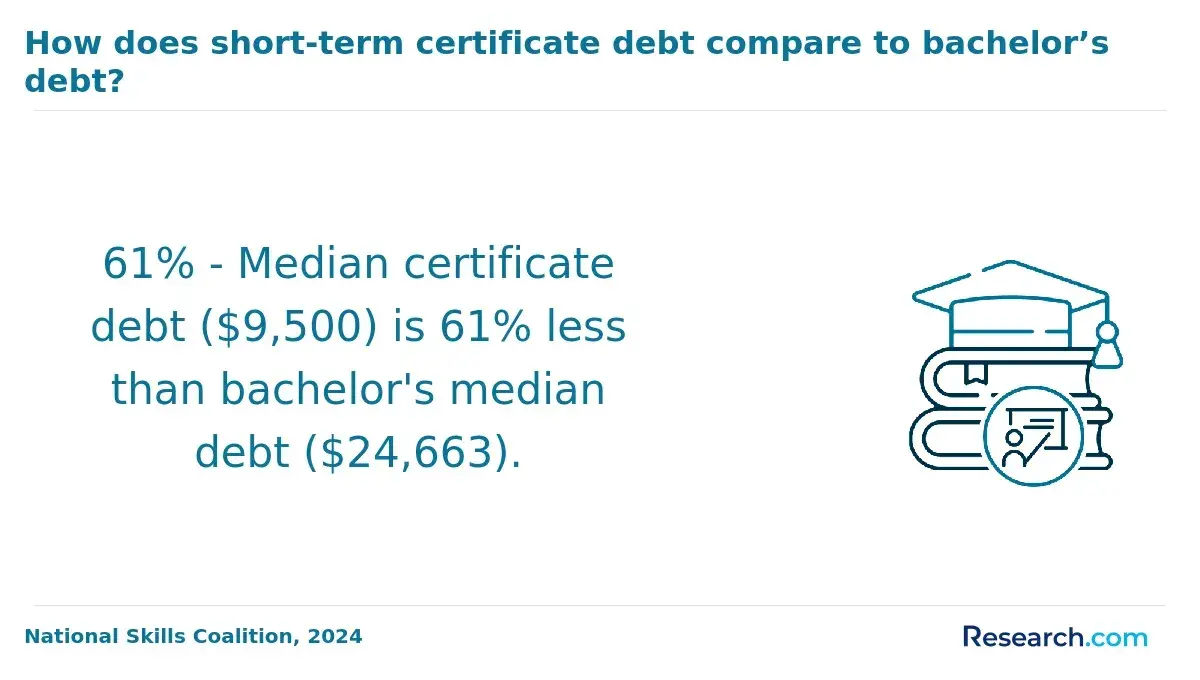
Return on investment (ROI) in higher education compares the financial gains a graduate makes over 10 years to the costs spent earning their degree. For an online African and African American Studies bachelor's degree, this means subtracting the total program cost from the additional income earned compared to someone with only a high school diploma or an associate degree in a related field. According to data from the Georgetown University Center on Education and the Workforce, bachelor's degree holders typically earn about $1 million over a decade, while high school graduates earn around $630,000.
Using median wage figures from the Bureau of Labor Statistics for professions linked to African and African American Studies-such as social workers, educators, and community service managers-the starting salary averages roughly $45,000. Applying a 3% yearly raise, total earnings over 10 years reach approximately $520,000. When you consider an average online bachelor's degree cost near $40,000, the net financial benefit compared to a high school graduate results in an ROI of about $80,000 to $90,000 over a decade.
This figure is below the national average ROI reported by PayScale's College ROI Report, which ranges from $200,000 to $250,000 for bachelor's degrees overall. However, the degree's value goes beyond salary-offering better job security, pathways for career progression, and growth opportunities that aren't easily measured but are vital for long-term success.
- Definition of ROI: The ten-year earnings premium minus degree costs compared to a high school or associate degree holder in a similar field provides a clear measure of investment return.
- Sample Earnings: Median starting pay is about $45,000 with steady 3% annual increases, totaling around $520,000 in a decade.
- Cost Considerations: The estimated $40,000 cost for an online degree impacts net ROI calculations significantly.
- National Comparison: ROI for African and African American Studies degrees is moderate relative to the $200,000+ average for all bachelor's degrees.
A professional who completed an online African and African American Studies bachelor's degree after meticulously assessing the cost against potential returns described the experience as a cautious but hopeful journey. He recalled weighing the tuition expense carefully, mindful of his limited budget and the uncertainty of career outcomes. "It wasn't just about the numbers; I considered how the degree would open doors beyond what I could immediately quantify," he said. Despite occasional doubts and the challenge of balancing work with coursework, the flexibility of the program and the relevance of the curriculum gave him confidence that his investment would pay off-not just financially, but in personal and professional growth. Reflecting on this decision, he noted, "Understanding the ROI helped me commit, but the true payoff has been in the opportunities and stability I've gained since graduating."
How Do Online African and African American Studies Program Tuition Rates Compare Across Public, Private, and For-Profit Institutions?
Online African and African American studies program tuition rates can vary significantly across public, private, and for-profit institutions. Public universities generally offer the most affordable options—often with lower per-credit rates, especially for in-state students—while private institutions tend to charge higher tuition for more specialized resources and support. For-profit schools may have flexible pricing models or lower upfront costs in some cases, but comparing all three options helps students assess overall value, affordability, and financial aid opportunities.
- Public Institutions: Online African and African American Studies programs at public universities generally offer the most cost-effective tuition, especially for in-state students. Many institutions provide flat-rate tuition models, allowing consistent fees regardless of credit hours each term. However, out-of-state learners face substantially higher rates, which can impact affordability and long-term budgeting.
- Private Nonprofit Institutions: These schools usually have higher tuition compared to public options. Yet, they often compensate with robust financial aid, smaller class sizes, and specialized faculty focused on african and African American Studies, which may improve academic support and enhance graduation success. This often translates to stronger career pathways and better ROI despite steeper sticker prices.
- For-Profit Colleges: For-profit colleges sometimes promote lower tuition rates and flexible schedules that appear attractive for budget-conscious students. Nevertheless, these institutions frequently report lower graduation rates and face skepticism among employers, which can undermine career advancement. Graduation outcomes and networking limitations may compromise salary growth and job security, reducing total ROI.
Considering cost differences for public private and for-profit African and African American Studies programs requires weighing tuition against these outcome disparities. The cheapest tuition does not always lead to the best ROI if graduation rates and employer perceptions differ greatly. Students should carefully evaluate their options, balancing financial constraints with professional goals. For more on affordable programs, explore the best masters in data science online as a parallel example of cost-benefit analysis in online education.
What Long-Term Salary Growth Can African and African American Studies Bachelor's Degree Holders Expect Over a 20- to 30-Year Career?
African and African American studies bachelor’s degree holders can expect moderate but steady long-term salary growth over a 20- to 30-year career. Early-career salaries typically start lower but can increase significantly with experience, with earnings rising from entry-level levels to around $50,000+ within the first several years and higher with advancement or specialization.
- Early Career Growth: Starting salaries for African and African American Studies bachelor's degree holders generally fall between $40,000 and $50,000 annually. Entry-level roles often include educators, program coordinators, or researchers, with gradual pay increases linked to skill acquisition and expanding responsibilities over the first five years.
- Mid-Career Advancement: Between five and ten years of experience, many professionals move into higher-level positions such as senior researchers, academic instructors, or nonprofit managers. This stage typically sees salaries rise to the $60,000-$75,000 range, reflecting deeper expertise and some leadership duties.
- Peak Career Phase: By ten to fifteen years, many achieve advanced roles-like policy analysts, university faculty members, or program directors-with earnings frequently approaching or surpassing $80,000. This period represents the most significant acceleration in salary growth, influenced by sector and location.
- Long-Term Flattening: After 15 to 20 years, salary increases usually level off, but total compensation remains steady. Job security, retirement benefits, and reputation in the field often become key rewards at this career stage.
- Lifetime Earnings Premium: Over a 30-year career, African and African American Studies graduates typically earn $400,000 to $600,000 more than non-degree holders in related roles. This includes salary gains and advancement opportunities that compound earnings over time.
A professional who built her career after completing an online African and African American Studies bachelor's degree shared how navigating job competition and adapting to different work environments strengthened her persistence and growth. She recalled the initial challenges balancing coursework with part-time employment but emphasized that the program's flexible format allowed her to steadily improve her qualifications. Her experience highlighted how the degree provided not only upward salary potential but also a sense of professional identity and confidence that opened doors to leadership roles she hadn't anticipated at the start.
How Does the ROI of an Online African and African American Studies Bachelor's Degree Compare to an Associate Degree or a Professional Certificate?
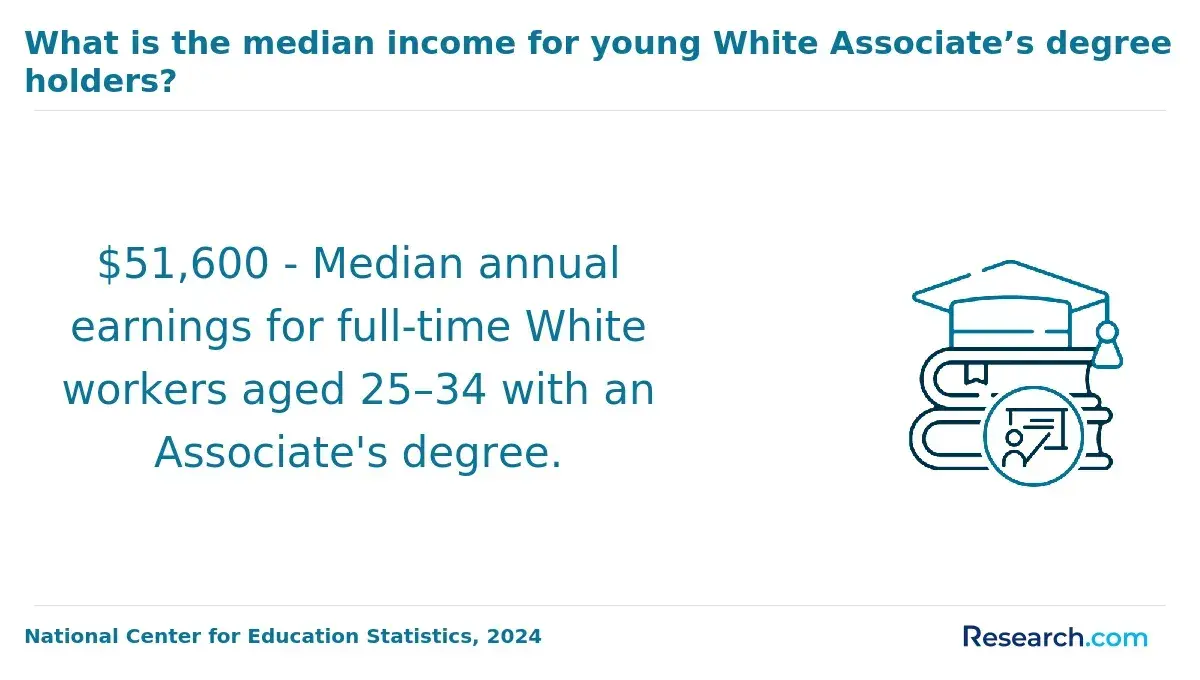
The return on investment (ROI) of an online African and African American studies bachelor’s degree is generally higher than that of an associate degree or a professional certificate over the long term. While associate degrees and certificates offer lower upfront costs and faster entry into the workforce, a bachelor’s degree provides more comprehensive education, broader career opportunities, and greater earning potential over time. Considering factors such as career flexibility, advancement opportunities, and long-term income growth can help students better evaluate the overall value of each credential.
- Cost of Credential: An associate degree in African and African American Studies typically requires two years of study, with tuition costs ranging from $6,000 to $15,000. Professional certificates tend to be less expensive, often between $1,000 and $4,000, but focus on narrower skills. Bachelor's degrees usually demand four years and cost between $20,000 and $50,000 for online programs, representing a larger upfront investment.
- Median Salary Outcomes: Data from the Bureau of Labor Statistics shows that bachelor's degree holders earn median wages about 65% higher than those with only an associate degree in related fields. Certificate holders see smaller gains, around 10% to 20% above a high school diploma, rarely matching the earnings of degree holders. Over two decades, these earnings disparities grow significantly.
- Short-Term Versus Long-Term ROI: For students needing rapid workforce entry or facing budget limits, certificates or associate degrees may offer quicker returns due to lower costs and shorter completion times. Certificates are particularly useful for career changers seeking specialized skills promptly.
- Long-Term Career Advancement: A bachelor's degree often opens doors to leadership roles, job security, and positions in research, education, or policy related to African and African American Studies. It also qualifies graduates for advanced study, enhancing earning potential over time.
Students weighing cost against career goals should consider their timeline and financial capacity carefully. If immediate employment or limited funds are priorities, certificates or associate degrees reduce debt risk and provide viable credentials. If long-term growth and higher income matter more, investing in a bachelor's degree can deliver better returns despite higher initial expenses.
Overall, while certificates and associate degrees offer accessible, budget-friendly paths, the bachelor's degree provides greater total earnings and advancement opportunities throughout a career in African and African American Studies.
Which Online African and African American Studies Specializations or Concentrations Yield the Highest Earning Potential After Graduation?
Specializing within an online African and African American Studies bachelor's degree can significantly influence post-graduation salary outcomes, as confirmed by Bureau of Labor Statistics (BLS) data. Different tracks align with varied career paths offering distinct median salaries and investment considerations.
- Public Policy and Social Justice: Graduates focusing here often work in government, non-profits, or advocacy roles. BLS reports median salaries between $65,000 and $75,000, reflecting a 10-20% salary premium over generalist social services graduates.
- Education and Curriculum Development: This track prepares students for teaching or educational administration, with median middle school teacher salaries around $60,000. Additional state certifications or licensure can increase total costs and extend time-to-return on investment (ROI), particularly for those without prior qualifications.
- Business and Cultural Consulting: Combining cultural expertise with business skills opens opportunities in diversity consulting and corporate training, with salaries typically ranging from $70,000 to $85,000. These roles usually require no extra certification, enabling a faster ROI.
- Media and Communications: Careers in journalism, digital storytelling, or public relations offer median salaries near $60,000. Salary growth depends heavily on professional experience and networks rather than initial specialization.
- Advanced Studies and Research: Academic research and educator roles have median salaries about $80,000 but often demand master's or doctoral degrees and ongoing certification, requiring more time and financial investment.
Non-financial benefits-including career advancement, job security, and professional growth-also weigh heavily in selecting a specialization. For students balancing budget and career goals, choosing concentrations linked to robust career support and manageable credentialing demands optimizes time-to-ROI, making these factors as crucial as salary data.
How Do Employer Tuition Reimbursement and Financial Aid Reduce the Net Cost of an Online African and African American Studies Bachelor's Degree?
Employer tuition reimbursement programs can substantially lower the out-of-pocket cost for students pursuing an online African and African American Studies bachelor's degree. Under IRS Section 127, employers can provide up to $5,250 annually in tax-free tuition assistance, allowing working students to advance their education without immediate personal debt. According to the Society for Human Resource Management (SHRM), around 55% of U.S. employers offer some form of tuition assistance, making this a widely accessible benefit for many adult learners balancing careers and studies. These programs typically cover partial or full tuition expenses, which significantly reduces the financial burden on working students.
Beyond employer benefits, combining federal and institutional financial aid is crucial for minimizing net tuition costs. Grants and scholarships-which do not require repayment-often cover large segments of tuition fees, while subsidized federal loans offer favorable borrowing terms, reducing long-term debt. For individuals considering online African and African American Studies programs, coordinating employer tuition reimbursement with grants and scholarships enables a much more affordable path to degree completion.
For example, a student paying $20,000 annually in tuition might receive $5,250 through employer tuition reimbursement, a $4,000 institutional scholarship, and a $3,500 Pell Grant. This lowers the effective annual cost to $7,250 before any additional loans or financial aid. Such strategic use of financial resources plays a pivotal role in making an online degree achievable within a tight budget. Working professionals and career changers may also consider other options like human services online degree programs for potentially faster completion and cost savings.
- Employer Tuition Reimbursement: Up to $5,250 annually in tax-free tuition help under IRS Section 127 eases financial strain for working students pursuing African and African American Studies bachelor's programs.
- Prevalence Among Employers: More than half of U.S. employers offer tuition benefits, making it a common resource for students balancing work and online study commitments.
- Federal and Institutional Aid: Grants, scholarships, and subsidized loans provide crucial support by reducing overall net tuition, often without adding to student debt.
- Combined Aid Impact: Layering employer reimbursement with scholarships and grants can cut annual tuition costs by over half, lowering financial barriers to completion.
- Worked Example: A student with $20,000 tuition can reduce their annual cost to roughly $7,250 through employer reimbursement and federal aid, demonstrating attainable degree financing.
What Hidden Costs Should Students Factor Into the Total Investment of an Online African and African American Studies Bachelor's Degree?
When calculating the return on investment for an online African and African American Studies bachelor's degree, students often overlook several hidden costs that add significantly to their total financial commitment. These additional expenses-beyond tuition-can extend the time it takes to break even on education-related spending.
Technology fees are a common charge, typically ranging from $100 to $300 annually. These fees cover access to online learning platforms, library resources, and technical support. Proctoring services, often required for remote exams, cost between $25 and $50 per exam, accumulating quickly over multiple classes.
Graduation fees add another one-time cost, generally between $100 and $200. Some courses may require specific software licenses, particularly for data analysis or multimedia classes, costing $50 to $150 per course. Additionally, professional organization memberships relevant to African and African American Studies students, although optional, may add $50 to $100 annually and enhance career development.
According to College Board analysis and institutional disclosures from IPEDS data, these miscellaneous fees can increase total program costs by 10 to 15 percent beyond base tuition. For students budgeting on a tight income, factoring in these hidden costs is crucial to understand the full financial picture and the real timeline before salary gains offset the investment.
Prospective students should always request a comprehensive cost-of-attendance breakdown-including all fees, not just tuition-prior to enrollment. This helps select a program aligned with their financial and career goals, avoiding unexpected financial strain.
- Technology Fees: Many programs add $100-$300 yearly fees for platform access and technical support that increase total costs beyond tuition.
- Proctoring Services: Remote exam monitoring fees of $25-$50 per test accumulate over multiple courses and should be included in budgeting.
- Graduation and Administrative Fees: One-time costs such as graduation fees typically range from $100 to $200, impacting final program expenses.
- Course-Specific Software: Specialized software licenses required by some courses may cost $50-$150 each, raising semester costs.
- Professional Memberships: Optional memberships for career growth add $50-$100 annually and provide valuable networking opportunities.
For those evaluating the hidden costs of online African and African American Studies degree programs alongside tuition and salary outcomes, it is also useful to compare different paths like the shortest online masters degree to understand potential timelines and return on investment considerations.
How Does the Accreditation Status of an Online African and African American Studies Program Affect Graduate Salary and Employability?
Regional accreditation is awarded by recognized bodies that evaluate entire institutions, ensuring they meet broad academic and operational standards. Programmatic accreditation targets specific departments or fields but is less common in African and African American Studies programs. Graduates holding degrees from regionally accredited schools generally have better opportunities for employment and higher starting salaries because employers trust these credentials to represent thorough and reputable education.
Survey data from the National Association of Colleges and Employers (NACE) and the Society for Human Resource Management (SHRM) show that hiring managers prefer candidates with regionally accredited degrees. They often view degrees from nationally accredited or non-accredited institutions as less reliable, which can limit salary offers and career advancement.
Choosing a program lacking proper accreditation may restrict eligibility for licensure examinations, admission to graduate programs, and jobs in government or healthcare sectors that require accredited credentials. Prospective students should confirm accreditation status using the U.S. Department of Education's database and the Council for Higher Education Accreditation (CHEA) before enrolling.
- Regional Accreditation Importance: Serves as a mark of institutional quality, enhancing job prospects and salary potential for graduates.
- Employer Preference Patterns: Recruiters prioritize degrees from regionally accredited schools due to perceived academic rigor and reliability.
- Licensure and Advanced Study Eligibility: Accreditation impacts whether graduates can pursue professional licenses or advanced degrees.
- Career Longevity and Advancement: Holding a degree from an accredited program supports job security and paths to leadership roles.
- Accreditation Verification: Students should utilize official accreditation verification tools to confirm program legitimacy before committing.
What Entry-Level Job Titles and Salary Ranges Are Available to Graduates of Online African and African American Studies Bachelor's Programs?
Graduates with a bachelor's in African and African American Studies often begin careers in various sectors such as education, government, nonprofit, corporate, and media. Entry-level salaries fluctuate considerably depending on the field and additional credentials like internships or certifications, which can enhance earning potential and accelerate payoff of educational expenses.
- Research Assistant: Median starting salaries range from $38,000 to $45,000, mostly in nonprofit or higher education institutions. Skills in data analysis or research methodologies can push earnings higher.
- Community Outreach Coordinator: Typically earns between $35,000 and $42,000 within government or nonprofit sectors. Engagement in social work or public relations internships widens opportunities and salary gains.
- Historical Preservation Specialist: Entry pay usually runs from $40,000 to $46,000, common in cultural organizations or state agencies. Certifications in museum studies or preservation enhance compensation.
- Social Services Assistant: Median starting wages fall between $33,000 and $39,000, primarily in healthcare or social service environments. Relevant volunteer experience increases market appeal and income.
- Public Relations Assistant: Starting salaries span $38,000 to $44,000 across nonprofit, government, and corporate communication roles. Proficiency in digital media often leads to higher pay.
- Human Resources Coordinator: Entry-level pay averages from $40,000 to $47,000, especially in finance and corporate settings. Professional credentials such as SHRM-CP raise initial offers.
- Journalism Assistant: Salaries vary from $32,000 to $42,000 in media or publishing sectors. Training in multimedia storytelling tends to improve starting salaries.
- Policy Analyst Assistant: Median salaries range between $42,000 and $50,000 in government or think tanks. Internships with legislative or policy organizations significantly boost compensation prospects.
These roles demonstrate a wide income spectrum that influences how quickly graduates recover tuition costs. Gaining relevant experience, certifications, or specialized skills can enhance both salary and career growth, helping maximize the full return on investment and long-term job security in diverse industries linked to African and African American Studies.
What Graduates Say About the Return on Investment of Their Online African and African American Studies Bachelor's Degree
- Robert: "I chose the online African and African American Studies bachelor's degree after carefully weighing the cost against its potential ROI-it was clear the program offered excellent value in terms of both affordability and quality. Beyond the financial aspect, the degree opened doors to career advancement opportunities I hadn't anticipated, especially within educational and nonprofit sectors. The flexibility of the online format also gave me job security while I pursued further certifications, making the investment worthwhile on multiple levels."
- Case: "Reflecting on my decision to pursue this degree online, I found the non-financial returns just as impactful as the monetary ones. The program deepened my understanding of cultural histories and social dynamics, which enhanced my professional credibility and opened pathways in community leadership roles. This degree became a catalyst for professional growth-helping me transition into a career that aligns with my passion and values, far exceeding my initial expectations."
- Sebastian: "From a professional standpoint, the African and African American Studies bachelor's degree fundamentally transformed my career trajectory. The ROI extended beyond salary increases to include networking opportunities and increased visibility in my field. Choosing the online program balanced my full-time work commitments while enabling me to build expertise that led directly to promotions and greater job stability-making the investment both practical and rewarding."
Other Things You Should Know About African and African American Studies Degrees
On average, graduates with a bachelor's degree in African and African American Studies can expect to recover their tuition investment within 7 to 10 years, depending on factors like program cost and post-graduation salary. Salary increases often start modestly but can grow with experience and additional qualifications. This timeline varies most significantly with the graduate's career path and industry choice.
Employer surveys indicate that skills gained in African and African American Studies-such as critical thinking, cultural competency, and research-are increasingly valued in diverse fields. Labor market data confirms steady demand for graduates in education, community outreach, nonprofit management, and diversity consulting. However, the degree is often viewed as a specialized credential that pairs best with experience or further education.
Prospective students can use cost-benefit analysis calculators that incorporate tuition, fees, potential salaries, and graduation rates to estimate the financial return of different programs. These tools help compare programs by projecting how long it will take to recover costs and what the long-term earning potential is. Incorporating personal factors such as current income and career goals yields a clearer picture of each program's value.
References
- Bachelor of Arts in African American Studies University of Houston https://www.hotcoursesabroad.com/india/course/us-usa/bachelor-of-arts-african-american-studies/57607278/program
- Employer-offered educational assistance programs can help pay for college | Internal Revenue Service https://www.irs.gov/newsroom/employer-offered-educational-assistance-programs-can-help-pay-for-college
- Explaining the High Cost of Higher Education to Black Americans A Focus on Black American Women https://www.scirp.org/journal/paperinformation
- Hidden Cost of Studying Abroad | What Universities Don’t Tell You https://isbss-edu.org/hidden-cost-of-studying-abroad/
- Bachelor’s Degrees Offering the Highest and Lowest Return on Investment Revealed https://www.investopedia.com/bachelors-degrees-offering-the-highest-and-lowest-return-on-investment-revealed-11929932
- How does a college degree improve graduates’ employment and earnings potential? - APLU https://www.aplu.org/our-work/4-policy-and-advocacy/publicuvalues/employment-earnings/
- Why ROI Matters https://agb.org/trusteeship-article/why-roi-matters/
- ROI in Higher Education - FREOPP https://freopp.org/roi-in-higher-education/
- Concentration: Africana & Black Studies - Rosemont College https://rosemont.edu/college/academics/professional-studies/undergraduate/africana-studies-concentration/
- Employer Tuition Assestance Boosts Student Success, Provides Revenue to Community Colleges http://perspectives.acct.org/stories/employer-tuition-assistance