2027 Remote Jobs You Can Get With a Sport Psychology Master's Degree

Co-Founder and Chief Data Scientist
Consider a working professional holding a Sport Psychology master's degree who aims to switch careers without sacrificing location flexibility. Despite rising remote work opportunities-44% of specialized mental health roles now offer remote or hybrid options as of 2024-most employers still require clinical licensure, in-person assessments, or hybrid availability. This disconnect challenges graduates seeking truly location-independent roles aligned with their expertise.
Understanding which remote positions actually value a Sport Psychology master's, and which impose hidden onsite or credential barriers, is critical. This article evaluates realistic remote job prospects for sport psychology graduates, helping readers discern viable, flexible careers in a shifting labor market.
Key Things to Know About Remote Jobs You Can Get With a Sport Psychology Master's Degree
- Remote roles often exclude clinical licensure-required services integral to sport psychology, limiting master's holders primarily to consulting, coaching, or research jobs, reflecting a tradeoff between flexibility and professional scope.
- A 2024 industry report shows 48% of sport psychology employers prefer hybrid models over fully remote, indicating persistent employer concerns about fully remote role supervision and client engagement.
- Master's programs with hands-on practicum components can delay entry into remote roles, as acquiring remote-relevant experience often requires additional time and financial investment beyond degree completion.
What Remote Jobs Can You Get With a Sport Psychology Master's Degree?
Remote jobs available to those with a sport psychology master's degree typically emphasize roles where psychological expertise intersects with digital communication and assessment tools rather than traditional clinical practice, which often demands in-person licensure and supervision. For example, mental performance coaching conducted via telehealth platforms enables professionals to support athletes and teams on focus, motivation, and resilience without physical presence, but this requires strong client engagement skills and comfort with virtual interaction.
Employers in sports organizations and wellness programs often seek candidates who can deliver measurable improvements remotely while navigating nuances like time zone differences and the absence of hands-on evaluation. Many graduate degree holders find the best remote fit involves roles with less direct clinical contact and more emphasis on consulting or education, which reflects labor market realities where flexible career options in sport psychology depend heavily on digital competency and demonstrated impact through virtual delivery.
Program development for online workshops and e-learning is another growing remote niche, capitalizing on a demand for scalable training solutions in athletic and wellness contexts. However, positions in research or grant writing, although well suited to remote work, often require advanced analytical skills and familiarity with complex data systems, restricting access to candidates with relevant technical backgrounds or prior remote project management experience. The U.S. Bureau of Labor Statistics notes research roles increasingly incorporate remote data analysis, yet hybrid arrangements remain prevalent due to collaborative demands of academic and consulting settings. Graduate students and working professionals evaluating remote jobs with a sport psychology master's degree must therefore weigh employer expectations around experience, technological proficiency, and flexibility, while also considering how a role's remote or hybrid status affects not only daily workflow but long-term career trajectory. For those exploring alternative pathways, examining less competitive nursing programs can sometimes offer insights into how flexible models in allied health fields might inform sport psychology career planning in telehealth contexts.
Which Industries Hire Remote Professionals With a Sport Psychology Master's Degree?
Remote opportunities for professionals holding a sport psychology master's degree vary notably by industry, shaped largely by the specific demands and flexibility of each sector. Healthcare and wellness companies lead in remote hiring, offering roles such as telehealth consultants and mental skills coaches that capitalize on the growing telebehavioral health infrastructure; recent data from the U.S. Bureau of Labor Statistics highlights an 18% rise in remote behavioral health services between 2022 and 2024, emphasizing this sector's rapid digital adaptation. In contrast, the sports and fitness industry offers more limited full-time remote roles due to the traditional necessity for physical presence, but emerging niches in digital coaching and virtual athlete mental performance consulting are expanding due to online platform growth and social media engagement. These differences underscore how licensing requirements, client interaction modes, and organizational practices strongly influence both the nature and availability of remote work in this field.
Educational and research institutions also provide remote roles primarily focused on program development, online instruction, and data analysis, taking advantage of the broader institutional shifts toward remote learning and collaborative research. Meanwhile, corporate wellness and consulting firms have increasingly incorporated sport psychology techniques into their remote mental resilience and employee well-being programs, reflecting a 22% year-on-year increase in consultancy contracts involving these experts, according to industry hiring reports. However, many sport psychology positions still entail hybrid arrangements that require occasional travel or onsite work to fulfill licensing or assessment obligations, meaning graduates must navigate these tradeoffs when targeting long-term remote employment. Sector choice directly impacts role availability, expectations for digital proficiency, and career progression paths, thus shaping how professionals apply their master's credentials in practical, often constrained contexts.
One remote sport psychology professional recalled evaluating job openings across healthcare, academia, and corporate sectors, initially feeling frustrated by the inconsistent remote flexibility advertised. They noted that healthcare roles often demanded strict licensing and some in-person commitments, while academic positions valued research and teaching experience but required familiarity with virtual learning platforms. Corporate consultancy roles intrigued them but demanded quick adaptation to diverse client needs and high digital communication skills. Through revised applications tailored to each sector's distinct requirements, they found greater success pursuing corporate wellness contracts that supported fully remote schedules, underscoring how strategic alignment with industry-specific expectations is crucial for securing meaningful remote employment in sport psychology.
What Are the Highest-Paying Remote Jobs for Sport Psychology Master's Degree Graduates?
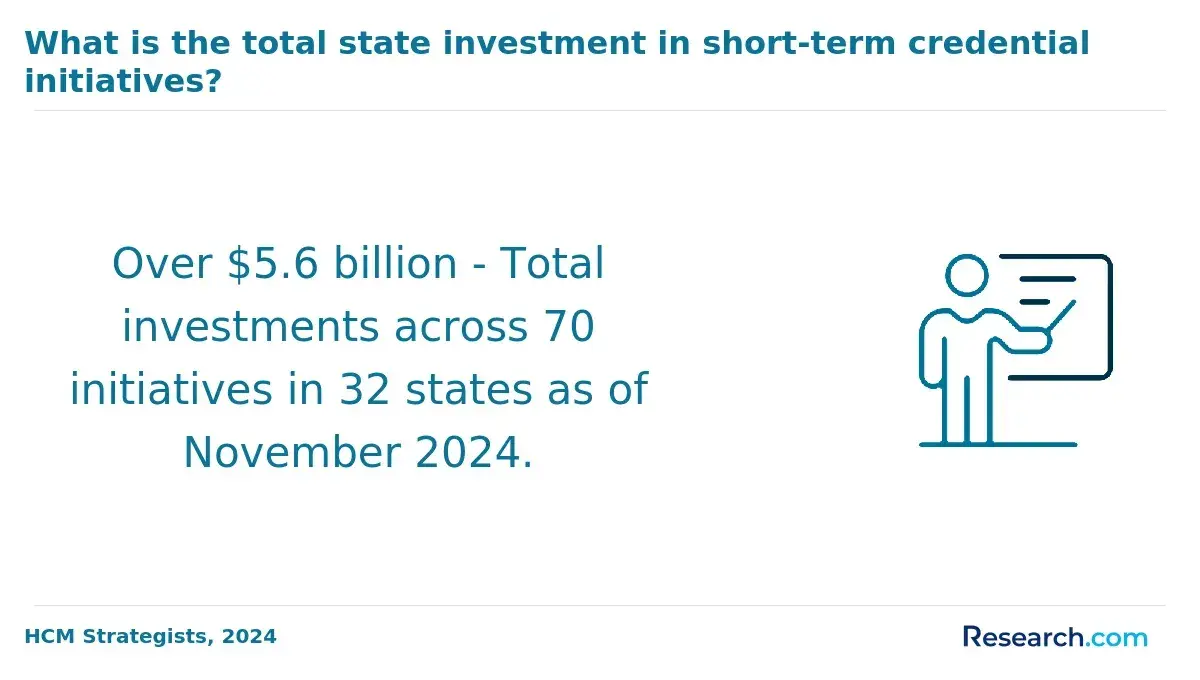
Securing high-paying remote roles with a master's degree in sport psychology typically hinges on a combination of niche expertise, proven client outcomes, and the capacity to engage virtually with high-performance populations. Positions as consultants or performance coaches for elite athletes represent the upper tier of earning potential, but they require an established reputation and flexible willingness to support occasional onsite needs. According to 2024 figures from the U.S. Bureau of Labor Statistics, sports psychologists and related consultants command median salaries exceeding $80,000, with top professionals who serve elite clients surpassing $130,000, highlighting the premium placed on specialized experience and client networks in competitive remote markets.
Academic and corporate research roles focusing on psychological resilience or human performance offer another avenue, with most jobs allowing fully remote setups but often necessitating advanced credentials like publications or project leadership to advance salary prospects. Telehealth counseling positions are expanding rapidly, yet state licensure mandates create geographic and regulatory barriers that limit universal remote eligibility. While counseling roles provide greater schedule stability, they commonly involve contract-based arrangements and variable caseloads, influencing long-term income reliability. Entry-level online curriculum development for sport psychology, though lower paid initially, may serve as a stepping stone for professionals building digital portfolios and remote teaching credentials.
The realistic availability of fully remote jobs remains constrained within the sport psychology field by employer preferences for hybrid models and the critical need for licensure or in-person engagement in many roles. Graduates targeting the highest remote income must carefully evaluate how technical specialization-such as cognitive behavioral skills or biofeedback expertise-intersects with industry demand and licensure frameworks. Ultimately, success in remote positions is often tied to sustained professional visibility, strategic networking, and the ability to demonstrate measurable impact on athlete outcomes in virtual environments, rather than assuming broad access to conventional 100% remote roles.
Can You Get a Remote Job With a Sport Psychology Master's Degree and Little or No Experience?
Securing remote sport psychology jobs for beginners with a master's degree and minimal direct experience is achievable but often requires strategic positioning. Employers in this niche prioritize candidates who supplement academic credentials with applied experience, particularly in roles demanding client interaction or program delivery. According to a 2024 survey by the American Psychological Association, over 60% of sport psychology employers expect evidence of practical, client-facing experience even for entry-level remote positions, underscoring that degrees alone rarely suffice in competitive hiring contexts.
Entry-level remote positions with a sport psychology master's degree frequently hinge on transferable skills such as research assistance, digital content development, or administrative tasks within sports organizations. Candidates who proactively engage in remote internships, practicums, or build portfolios that showcase communication and virtual collaboration skills tend to enhance their employability. Credentialing and licensure requirements also play a significant role, as many roles mandate supervised hours often difficult to acquire remotely without prior in-person experience, which creates a notable barrier for newcomers.
For those navigating this landscape, realistic assessment of available opportunities is critical. Targeting roles with lower experience thresholds or domains that value skill demonstrations over traditional credentials can facilitate entry into remote sport psychology work. In parallel, exploring allied fields or research-related positions, including those accessible through pathways like nursing schools that don't require TEAS or HESI, may provide alternative routes to build relevant expertise and expand professional networks in remote settings.
What Skills Do Employers Look for in Remote Candidates With a Sport Psychology Master's Degree?
Remote roles in sport psychology demand more than just academic credentials; employers highly value candidates who can independently navigate client needs, manage projects, and communicate effectively across digital platforms. Proficiency in asynchronous written communication and familiarity with telehealth or data management tools are often prerequisites, reflecting the reliance on clear documentation and technology fluency in remote settings. Demonstrating applied skills through practicum experiences, certifications, or portfolios that spotlight successful virtual interventions and outcomes can markedly improve hiring prospects. Notably, a 2024 U.S. Bureau of Labor Statistics report found that 68% of employers highlight strong written communication as essential for remote mental health positions, underscoring its critical role in sustaining therapeutic relationships and interdisciplinary collaboration.
However, possession of a master's in sport psychology alone rarely assures remote work readiness. Employers often scrutinize candidates for tangible experience with digital collaboration tools and evidence of self-directed time management, given the absence of direct supervision in virtual environments. Challenges arise when candidates lack habitually clear documentation practices or a grounded understanding of remote-specific licensing and ethical standards, which can hinder onboarding and compliance. Additionally, competition with professionals who bring remote work histories or industry-specific digital proficiencies creates tradeoffs where academic achievement must be balanced against demonstrated operational fit and adaptability to remote work dynamics.
One candidate shared that during their remote job interview, the hiring manager emphasized scenarios requiring independent management of multiple clients while using telehealth platforms. With limited prior exposure to asynchronous team communication, the candidate felt initial hesitation but leveraged case studies and past remote practicum reflections to illustrate adaptability and problem-solving. The employer's questions about maintaining client confidentiality offsite and managing technology disruptions prompted discussions that helped the candidate align their sport psychology expertise with practical remote demands, ultimately fostering confidence on both sides about the candidate's remote readiness beyond formal degree credentials.
How Can a Sport Psychology Master's Degree Help You Qualify for Remote Leadership and Management Roles?
A master's degree in sport psychology enhances qualifications for remote leadership roles by cultivating specialized skills in motivation, mental resilience, and performance optimization-competencies that align with employer demands for strategic communication and distributed team coordination. Unlike in-person management, remote leadership requires an emphasis on measurable outcomes, asynchronous communication, and trust-building across locations. For example, a manager overseeing global teams must leverage cognitive-behavioral methods to tailor engagement strategies and maintain accountability without direct supervision, demonstrating how sport psychology training can translate into effective remote project ownership and cross-functional decision-making.
Organizations advancing internal candidates into remote leadership increasingly prioritize leaders capable of analytical judgment and compliance awareness with nuanced organizational dynamics. Graduates with sport psychology credentials develop expertise in psychological assessment and digital collaboration, essential for managing virtual teams across multiple time zones, which remains a key hiring reality in management careers in sport psychology offering remote work. However, these roles often demand supplemental hands-on experience with remote platforms alongside academic credentials, a tradeoff that impacts competitiveness for location-independent positions. Practical exposure to digital tools complements the degree's data-informed leadership approach, which employers value for integrating performance analytics with team motivation techniques.
Understanding such practical considerations is crucial for candidates evaluating how a sport psychology master's degree can serve as a foundation for remote leadership opportunities for sport psychology graduates. Those exploring flexible, remote pathways should also consider how related health and professional transitions can intersect; for instance, programs like CMA to LPN offer alternative career trajectories that emphasize practical skillsets, contrasting the more conceptual orientation of sport psychology master's credentials.
Can You Work as a Freelance Consultant With a Sport Psychology Master's Degree?
Working as a freelance consultant with a sport psychology master's degree demands far more than subject matter expertise. Unlike clinical psychology, sport psychology consulting lacks standardized licensure requirements, placing greater emphasis on demonstrable results and professional reputation to attract clients such as athletes, teams, or sports organizations. For example, a consultant working remotely with collegiate athletic departments must establish trust through verifiable success stories and strategic communications while navigating confidentiality and ethical boundaries without the institutional oversight present in traditional roles.
Income variability and client acquisition present substantive challenges in this field. Data from recent workforce surveys show nearly half of specialized psychology freelancers experience inconsistent revenue streams in their early years, making the establishment of retainer agreements or long-term contracts essential for financial stability. Additionally, consultants must carefully define their scope of practice, balancing advisory roles related to performance and wellness with legally sensitive activities typically reserved for licensed professionals, which can limit service offerings and complicate marketing efforts.
This independent path also requires ongoing investment in credentials and professional development to maintain client trust and comply with evolving ethical standards. While flexibility and remote options are advantages, freelancers must prioritize business skills such as client outreach and project management to sustain their practices. Decisions between pursuing contract roles, employment, or fully independent consulting should weigh these operational realities against one's risk tolerance and network access within the sport psychology ecosystem.
Where Can You Find Legitimate Remote Jobs for Sport Psychology Master's Degree Holders?
Legitimate remote jobs for sport psychology master's degree holders remain limited due to the profession's hands-on demands and regulatory requirements, often involving licensure and geographic restrictions. Employers tend to prioritize candidates with verifiable credentials and demonstrated remote work competencies, reflecting the hybrid realities of telehealth, virtual coaching, or remote research roles. For example, a candidate targeting a remote mental skills coaching position may face stiff competition and need to navigate employer skepticism around effective assessment and intervention at a distance. According to a 2024 workforce analytics report, nearly 35% of roles advertised as remote in this field are hybrid or misclassified, underscoring the necessity of critical evaluation and direct employer contact during the job search.
Targeting niche channels such as professional associations' job boards, alumni networks from accredited sport psychology programs, and specialized consulting firms remains most effective for uncovering rigorously vetted remote positions. General job aggregators may yield leads but require careful cross-verification to avoid scams, particularly listings promising quick certification or untenable pay. Additionally, employers increasingly expect applicants to demonstrate practical remote collaboration skills beyond academic qualifications, which can tip the balance in a crowded applicant pool. Navigating these tradeoffs demands a selective, informed approach that aligns realistic expectations with evolving employer standards in sport psychology's specialized remote job market.
What is the Salary Potential for Remote Professionals with a Sport Psychology Master's Degree?
Salary potential for remote professionals with a sport psychology master's degree is closely tied to the intersection of role specialization, licensure status, and industry demand rather than the degree alone. Remote positions in private consulting or clinical roles that require certification often command salaries exceeding $90,000 annually, reflecting employers' preference for credentialed expertise capable of handling complex cases with minimal oversight. By contrast, early-career professionals without licensure typically find starting salaries closer to $45,000 to $55,000, highlighting the significant tradeoffs between gaining licensure and entering the workforce more quickly. According to 2024 data from the Society for Sport Psychology, the median salary among remote sport psychology professionals is approximately $65,000, indicating that employers value demonstrated experience and the ability to deliver remote services effectively.
The average remote earnings with a sport psychology master's degree vary by industry and client type, with wellness coaching firms and collegiate athletic departments clustering in the moderate salary range, while specialized consulting or corporate wellness roles achieve higher pay due to their competitive, results-driven environments. Geographic location, while less relevant for remote work, can influence employer budgets and wage standards, especially when a position remains linked to a specific local market despite remote flexibility. This suggests that professionals should assess both their credentials and market segmentation carefully to optimize earning outcomes. Individuals exploring flexible career paths may also consider related healthcare roles-understanding pathways such as how to be a nurse practitioner-to expand their remote work options.
What is the Long-Term Career Outlook for Remote Jobs Requiring a Sport Psychology Master's Degree?
The long-term career outlook for remote jobs requiring a sport psychology master's degree remains cautiously viable but multifaceted. While the U.S. Bureau of Labor Statistics projects a 13% growth for psychologists overall from 2022 to 2032, sport psychology as a specialized niche faces regulatory and market constraints that temper remote work expansion. Licensing requirements restrict cross-state practice, forcing many professionals to navigate complex legal landscapes that can limit geographic flexibility and virtual service delivery. This regulatory environment influences both employer expectations and how professionals structure their remote engagements, often blending telehealth with in-person components.
Remote work growth in sport psychology careers is further shaped by evolving employer demand for hybrid skill sets that combine clinical expertise with digital fluency and data analysis capabilities. A 2024 American Psychological Association report shows nearly 60% of licensed psychologists engage in some remote work, underscoring growing acceptance but also highlighting increased competition. For graduates, progressing sustainably often requires diversifying into areas like wellness coaching or digital programming. Those seeking practical program options may consider pathways such as the easiest audiology programs to get into, which exemplify accessible healthcare-related graduate routes that complement the skill sets valued in remote mental health markets.
What Do Graduates Say About Working Remotely With a Sport Psychology Master's Degree?
- Taylor: "Having completed my master's in sport psychology, I quickly realized that employers in this field often prioritize practical experience and certifications over formal licensure. For remote roles, building a solid portfolio of case studies and client outcomes was invaluable in landing contracts. This hands-on approach helped me bypass some of the typical bottlenecks in credentialing and get to work faster."
- Cruz: "I approached my sport psychology career with the expectation of traditional clinical advancement, but working remote reshaped that perspective. While remote jobs offer flexibility and decent entry-level salaries, I found that without full licensure, long-term salary growth and leadership roles were limited. This prompted me to pivot and add specialized certifications to maintain competitiveness."
- Luka: "After graduation, I faced stiff competition for sport psychology positions, especially those that allowed remote work. Internships and smaller freelance projects proved crucial in gaining the experience employers sought, more so than academic accolades. Reflecting on this, I advise new grads to focus on building a diverse skill set and network early to navigate the field's practical hiring realities."
Other Things You Should Know About Sport Psychology Degrees
Remote positions in this field often blend clinical consultation, coaching, and research, which can vary widely in structure and client interaction frequency. Roles that require synchronous sessions or live coaching demand strict scheduling, potentially limiting flexibility despite being remote. Prospective candidates should prioritize positions offering asynchronous tasks or mixed formats if maintaining fluid work-life boundaries is critical. Understanding these nuances helps avoid burnout and supports sustainable productivity in remote settings.
Many remote sport psychology jobs still expect demonstrated hands-on skills, especially in assessment and intervention with athletes or teams. Graduates without strong, supervised practical experiences may face barriers securing remote roles that require nuanced client rapport and real-time feedback. Prioritizing programs with integrated applied practicums or arranging local fieldwork can significantly improve employability and the ability to transfer clinical skills to virtual environments.
The decision hinges on the desired career path: remote research or academic roles lean heavily on analytical and methodological expertise, while applied positions prioritize client-facing experience and intervention skills. Candidates should evaluate their long-term goals and select programs that balance coursework accordingly. For most remote applied positions, emphasizing practicum experience and telehealth competencies tends to yield better employment outcomes than a sole focus on research.
References
- 19.4: Jobs and Careers in Sport Psychology https://med.libretexts.org/Bookshelves/Sports_and_Exercise/Essentials_of_Exercise_and_Sport_Psychology__-_An_Open_Access_Textbook_(Zenko_and_Jones)/19%3A_Taking_the_Field-_An_Introduction_to_the_Field_of_Sport_Psychology/19.04%3A_Jobs_and_Careers_in_Sport_Psychology
- Sport and Exercise Psychology Career Opportunities https://ahn.mnsu.edu/academic-programs/sport-and-exercise-psychology/career-opportunities/
- Sport Psychology Jobs: Complete Salary Guide https://www.drpaulmccarthy.com/post/sport-psychology-jobs-complete-salary-guide
- They don’t tell you this stuff – it is such a reality check - Performance in Mind https://performanceinmind.co.uk/2022/09/25/reality-check/
- Sport and Exercise Psychology (Online) https://springfield.edu/graduate-programs/sport-and-exercise-psychology-online
- Sports Psychology Master's: Courses, Requirements, & Careers https://www.psychology.org/degrees/sports-psychology/masters/
- Careers in Sport Psychology Articles https://www.sports-psychology.com/careers-sports-psychology/
- Remote Masters In Psychology Jobs https://www.virtualvocations.com/q-remote-masters-in-psychology-jobs.html