2027 Highest-Paying Sport Psychology Master's Specializations Ranked

Co-Founder and Chief Data Scientist
Salary variation across sport psychology master's specializations often reflects differences in labor market scarcity, credentialing demands, and the technical complexity embedded within specific roles. Employers increasingly pay premiums for expertise aligning with evolving organizational priorities, such as integrated performance analytics or leadership capacity in high-stakes environments.
Geographic concentration and sector-specific compensation structures also influence earnings, with some specializations demanding advanced licensure or offering clearer pathways to supervisory positions. These factors interplay to shape not only immediate salary outcomes but also long-term career trajectories.
This article provides a nuanced comparison of sport psychology master's specializations based on compensation trends, workforce alignment, and professional advancement potential.
Key Benefits of the Highest-Paying Sport Psychology Master's Specializations
- Specializations emphasizing performance enhancement demand extended fieldwork, increasing program duration but solidifying advanced skill sets that employers prioritize for high-stakes client outcomes.
- Data from 2024 shows rising employer preference for candidates with clinical sport psychology credentials, signaling a shift toward integrated mental health services in athletic settings and greater interdisciplinary collaboration.
- Programs focusing on applied biomechanics reduce nonclinical coursework, cutting time and tuition costs but may limit flexibility for graduates targeting broader mental health roles beyond sports contexts.
What Are the Top-Paying Careers for Sport Psychology Master's Graduates?
Salary potential within sport psychology master's specializations is less about holding the degree alone and more about how well an individual's expertise aligns with evolving labor market demands and organizational priorities.
Compensation differences in these careers frequently reflect the burden of regulatory compliance, the impact of technological advancements in sport performance, and the level of leadership accountability assumed by practitioners.
Understanding these forces is essential for evaluating the top-paying careers for sport psychology graduates.
- Licensed Clinical Sport Psychologist ($85,000-$110,000): Clinical licensure combined with specialization in athlete mental health or performance optimization creates a scarce skill set commanding the highest pay. This role involves legal responsibilities, direct client care, and integrating evidence-based interventions under strict regulatory oversight.
- Performance Consultant ($75,000-$100,000): Consulting roles that partner with professional sports franchises or Olympic programs require advanced psychological assessment and data-driven mental skills training. Glassdoor's 2024 compensation data underscores how specialized consultants earn more due to their measurable impact on team dynamics and competitive outcomes.
- University Athletic Program Sport Psychologist ($60,000-$90,000): Embedded in academic athletics departments, these psychologists balance service delivery with compliance and student-athlete development. Their wider institutional impact and often unionized environments yield stable yet competitive pay scales.
- Sports Rehabilitation Coordinator/Mental Skills Trainer ($65,000-$85,000): Salaries here reflect operational responsibility within integrated healthcare and training settings. These professionals are vital in applied sport psychology for coordinating rehabilitation protocols and psychological resilience programs.
- Applied Sport Psychology Researcher/Data Analyst ($60,000-$80,000): Research positions focus on advancing performance science through data analytics, influencing organizational strategy through evidence-based insights.
- Sports Performance Coach with Psychological Specialization ($55,000-$75,000): Coaches integrating psychological principles into physical training protocols address a niche but growing demand for holistic athlete development.
- Corporate Wellness Coach with Sport Psychology Focus ($50,000-$70,000): These professionals inhabit a hybrid culture emphasizing mental fitness and physical health within organizational wellness programs. Their earnings depend heavily on industry sector and client base.
- Exercise Psychologist Specializing in Athlete Wellbeing ($50,000-$68,000): Positions emphasizing lifestyle, motivation, and behavioral interventions within athletic populations reflect a broader wellness trend, but often suffer from limited role scaling outside specialty clinics, restricting salary growth.
- Youth Sport Development Specialist ($45,000-$65,000): With a focus on early athlete mental skill acquisition and motivation, these specialists operate where demand is geographically and institutionally patchy, impacting earning potential.
- Fitness Specialist with Sport Psychology Training ($40,000-$60,000): This entry-level tier combines exercise science with foundational psychological insights, appealing primarily in commercial fitness or recreational programming. Although offering lower compensation relative to more specialized roles, it provides critical experience for later advancement into applied sport psychology specialties.
The highest salary specializations in sport psychology master's programs commonly intersect with advanced certifications, clinical licensure, or consultancy roles that carry direct influence over athlete health, performance outcomes, and organizational liabilities.
Economic pressures favor professionals who can translate psychological theory into measurable competitive advantage while negotiating regulatory hurdles and maintaining ethical standards. For those considering specialization, awareness of these structural factors offers clearer guidance than salary tables alone.
Graduates weighing their paths should consider that the scarcity of licensed clinical sport psychologists is a key driver of top-tier salaries, but this comes with longer training timelines and risk of professional burnout.
In contrast, roles like research and performance consulting, while slightly lower paid, demand high technical competence and provide leadership opportunities within multidisciplinary teams. Those seeking robust returns on degree investment may also analyze tradeoffs relating to geographic concentration, organizational affiliation, and career mobility.
Prospective students and professionals assessing these trajectories would benefit from resources outlining program affordability and return on investment.
For instance, evaluations of the best DNP programs reveal how cost and credentialing affect long-term career viability, a consideration equally relevant to sport psychology specializations where certification and applied experience heavily influence earning potential.
Which Industries Pay the Highest Salaries for Sport Psychology Master's Graduates?
Salary differences for sport psychology master's graduates are primarily shaped by the intersection of economic scale, industry-specific risks, and the demand for specialized expertise rather than degree completion alone.
The value of sport psychology knowledge transforms when applied in contexts where mental performance affects high-stakes financial outcomes, compliance pressures, or elite talent management, driving compensation upward accordingly.
- Professional Sports Organizations (Approx. $80,000-$130,000): Teams within the NFL, NBA, MLB, and Major League Soccer operate with massive revenue streams, creating a financial ecosystem where optimizing athlete mental health directly influences performance and returns.
- Private Practice Consulting (Approx. $70,000-$120,000+): Consultants carving out independent niches can leverage location and reputation to command premium fees, particularly in metropolitan hubs with dense sports markets.
- Corporate Wellness Programs (Approx. $65,000-$95,000): Sector growth stems from sustained investment by finance, technology, and healthcare industries aiming to reduce burnout and elevate workforce mental resilience.
- Collegiate Athletics (Approx. $50,000-$75,000): Universities and colleges prioritize athlete development and educational outcomes, often under tighter funding constraints and institutional oversight. Compensation trends from the U.S. Bureau of Labor Statistics reflect the balance of job security and meaningful mission-driven work but typically lower wages due to limited revenue-generating pressure.
- Military and Defense (Approx. $60,000-$90,000): With an emphasis on mental toughness and performance under stress, sport psychology roles here integrate closely with physical training regimens. McKinsey workforce analyses note that salaries reflect both government pay scales and specialized mental health skill demands tied to high-stakes operational readiness.
- Rehabilitation and Physical Therapy Centers (Approx. $55,000-$80,000): These settings embed sport psychology within multidisciplinary teams targeting recovery and resilience. Salary benchmarks from Robert Half capture the integration complexity and moderate client volume, balancing clinical depth with insurance reimbursement constraints.
- Community Recreation and Youth Sports (Approx. $40,000-$60,000): Predominantly funded through public budgets and local programs, these roles emphasize developmental impact over financial returns. BLS data indicate lower compensation reflecting resource limits and less competitive pressures for specialized sport psychology talent.
- Sports Equipment and Technology Firms (Approx. $65,000-$90,000): Emerging demand arises as companies integrate mental performance insights into innovative products and services. Lightcast identifies a niche market valuing sport psychology expertise for product design validation and consumer experience.
- Research and Academia (Approx. $50,000-$85,000): Salaries here reflect funding variability and grant dependency but are buoyed by institutions prioritizing evidence-based applied sport psychology. According to the U.S. Bureau of Labor Statistics, these roles often require publication records and grant acquisition skills, adding entry barriers yet providing intellectual influence and career longevity.
- Sports Media and Broadcasting (Approx. $55,000-$85,000): This sector increasingly incorporates sport psychology to enhance on-air analysis and athlete storytelling, with pay levels supported by media companies' advertising revenues and shifting audience demand. PayScale highlights the competitive nature of these roles and the premium on communication skills alongside psychological expertise.
Which Sport Psychology Specializations Have the Strongest Job Outlook?
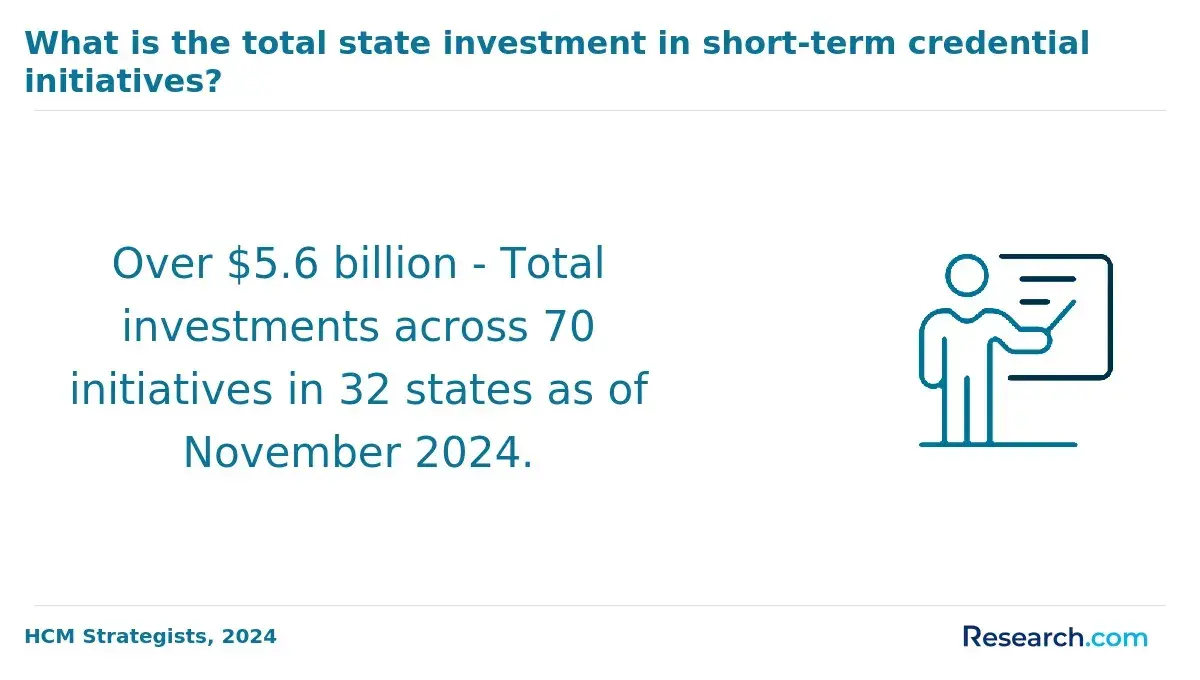
Job outlook in sport psychology specializations reflects not just current employment volumes but more critically, alignment with shifts in industry demands, healthcare integration, and corporate performance priorities.
Specializations attuned to emerging mental health initiatives, interdisciplinary collaboration, and data-driven performance enhancement predict stronger hiring growth, given ongoing regulatory changes and evolving talent needs in both sports and adjacent sectors.
- Performance Enhancement and Mental Skills Training: This area ranks highest due to its direct relevance to increasing mental health awareness and the expanding role of psychological resilience in athlete success. Data from the U.S. Bureau of Labor Statistics and Glassdoor Economic Research indicates an 8-10% projected growth over the next decade, a rate notably above average occupations.
- Rehabilitation Psychology in Sports Medicine: Supported by substantial healthcare system expansions, this specialization benefits from the growing integration of psychology into multidisciplinary recovery teams. BLS data reports nearly 9% growth in rehabilitation-oriented psychology roles, underpinned by an aging patient-athlete population and more robust insurance coverage for comprehensive recovery services.
- Youth and Developmental Sport Psychology: While projected job growth of 5-6% is moderate, this specialization's expanding role in early intervention and community-based mental health remains significant. Increasing youth sports participation and school-focused programs sustain demand, but practitioners often face constraints related to public funding and organizational budgets.
- Organizational Consulting in Sports and Athletics: Occupying a niche with around 4-5% growth, this path is closely tied to broader economic conditions influencing discretionary spending by professional teams and franchises. Demand hinges on expertise in team dynamics and leadership development, but cyclical market fluctuations create income variability.
One sport psychology graduate specializing in performance enhancement recounted the challenge of selecting a focus amid competing opportunities.
Initially hesitant about the uncertainty in clinical sports settings, they found reassurance in the consistent demand reported by labor statistics paired with firsthand industry feedback highlighting growth in corporate mental skills programs.
While transitioning into wellness sectors required learning new organizational cultures, the specialization's wide applicability eased professional pivots and ultimately offered a more secure standing than purely clinical roles often subject to healthcare policy shifts.
Which Sport Psychology Master's Specializations Have the Best Long-Term Salary Growth?
Long-term salary growth in sport psychology master's specializations depends heavily on career progression ceilings, scarcity of advanced specialists, and shifting industry demands rather than initial pay.
Certain specializations show more robust earnings expansion as professionals gain leadership roles or adapt to emerging sectors, compounding value over time despite modest starting salaries.
This dynamic highlights how structural labor market changes influence salary trajectories more than static benchmarks.
- Performance Enhancement and Applied Cognitive Training: This specialization benefits from rising integration of technology-driven modalities such as neurofeedback and biofeedback in mental skills coaching. As sectors like esports and high-performance athletics broaden, demand for specialists who blend psychological science with cognitive tech grows steadily.
- Clinical Sport Psychology with Mental Health Integration: Professionals able to navigate diagnostic and therapeutic roles within athletic contexts are increasingly valued as awareness of athlete well-being intensifies. This path shows strong upward wage trajectories supported by regulatory expansion and increased institutional funding directed at mental health services for athletes.
- Leadership and Organizational Psychology in Sports Settings: Specialists who facilitate team dynamics and organizational culture at sports franchises or leagues frequently advance into management roles with significantly higher compensation. This specialization benefits from relatively high leadership conversion rates and the growth of complex sports governance structures.
- Youth and Community Sport Psychology: While stable in job availability, this focus experiences slower salary growth due to constrained budgets within educational and nonprofit sectors. The limited capacity for wage escalation reflects systemic underfunding rather than lack of professional demand.
For those weighing career advancement and salary potential in sport psychology master's programs, understanding these differential growth patterns is essential.
Additionally, training choices such as pursuing credentialing in areas related to mental health or applied cognitive technologies can better position candidates for these evolving labor market realities.
More detailed workforce insights, including comparisons with certifications like CCS medical coding, reinforce the importance of aligning specialization with sustainable long-term value rather than short-term salary.
What Skills Lead to the Highest Salaries in Sport Psychology Careers?
In sport psychology, salary outcomes hinge significantly on specialized skill sets rather than on degrees alone. Consistently, mastery of certain competencies facilitates access to senior roles, accelerates promotions, and opens doors to higher-paying sectors, reflecting labor market realities documented by sources like the U.S. Bureau of Labor Statistics and Glassdoor Economic Research.
- Clinical Counseling and Therapeutic Skills: Expertise in diagnosing and treating mental health conditions such as anxiety and depression among athletes positions professionals for premium compensation. The scarcity of clinicians with both psychological and athletic insights amplifies their value in integrated support roles demanding evidence-based interventions.
- Data Analysis and Performance Metrics Interpretation: With sports organizations increasingly leaning on analytics, mastery of quantitative tools to evaluate biometric and psychological data creates a competitive edge. PayScale data suggest that these technical competencies yield roles resistant to automation and influential in strategic decision-making.
- Consulting and Communication Skills: Effective translation of psychological concepts into practical strategies for athletes and coaching staff directly impacts team performance outcomes. This interpersonal proficiency is highly rewarded as it drives measurable improvements and fosters collaborative leadership.
- Coaching Psychology Expertise: Specialized knowledge in motivation, leadership psychology, and goal-setting enhances an individual's capacity to deliver performance gains aligned with organizational objectives. Such niche expertise often correlates with elevated salary brackets due to its direct contribution to competitive success.
- Credentialing and Leadership Experience: Holding advanced licenses or certifications combined with supervisory responsibilities often propels psychologists into senior positions where compensation reflects their regulatory authority and program management roles, as supported by labor market analyses.
A sport psychology professional reflecting on their master's journey recalled grappling with uncertainty during the rolling admissions period. Early application efforts led to delays in hearing back, provoking hesitation about committing to programs as spots filled.
Strategic late-stage submission in the final quarter improved chances but required balancing multiple offers amid time pressure. This experience underscored how timing and preparedness in admissions can intersect with eventual skill development paths that influence long-term salary potential.
Which Certifications Increase Salary Potential After Graduation?
Certifications serve as critical labor market signals in sport psychology careers, accelerating salary growth by enabling access to specialized roles, enhancing credibility in competitive hiring, and shortening time-to-promotion within technical or leadership tracks.
Rather than optional add-ons, these credentials validate competencies that employers increasingly demand, underscoring a candidate's readiness for advanced performance and clinical responsibilities.
- Certified Mental Performance Consultant (CMPC): Widely recognized as the gold standard in sport psychology, the CMPC credential from the Association for Applied Sport Psychology (AASP) boosts salary potential by roughly 15% to 25%, according to PayScale and Glassdoor data.
- Licensed Professional Counselor (LPC) or Equivalent State Licensure: While not unique to sport psychology, LPC licensure expands practice scope to clinical therapy, substantially increasing employability and median wages. Bureau of Labor Statistics data highlights wage premiums around 20% for licensed counselors.
- Neurofeedback and Biofeedback Certifications: Certifications through bodies like the Biofeedback Certification International Alliance (BCIA) represent emerging niche credentials. Although salary impact is less uniformly documented, industry reports suggest these certifications enhance practitioner differentiation and client base growth.
Decisions about pursuing these certifications should weigh salary uplift against time and financial investments. For those weighing specialization options, understanding credential signals rooted in employment data and labor market demand is essential.
Those interested in augmenting their mental health qualifications might also explore the value of a medical assistant course online as a complementary skill pathway to diversify their healthcare credentials alongside sport psychology expertise.
How Do Online and Campus Specialization Salaries Compare?
Salary disparities between online and campus-based sport psychology master's specializations largely stem from structural program differences rather than delivery format alone.
Campus programs often provide richer experiential learning through internships, practicum opportunities, and cohort networking, which signal stronger readiness and build employer confidence. These elements foster enhanced early-career positioning and salary negotiation power.
According to 2024 data from the National Center for Education Statistics, campus graduates report starting salaries about 7% higher on average, reflecting these factors more than the online mode itself.
For working professionals pursuing online specializations, part-time pacing and limited access to hands-on placements can delay initial salary gains despite often having relevant prior experience.
Campus students may benefit from intensive face-to-face interactions and direct engagement with athletic or clinical populations, accelerating early workforce integration and employer connections.
Yet, some employer sectors increasingly prioritize licensure and competency over program modality, meaning that credential recognition can converge over time if online curricula incorporate thorough applied training and maintain accreditation rigor.
Advanced specializations involving performance enhancement or clinical licensure particularly highlight these nuances, as employer preference for campus-based practicum remains strong in licensure-dependent roles.
However, online programs with robust industry partnerships and project-based learning can mitigate traditional deficits, supporting competitive compensation trajectories. Ultimately, how salary outcomes evolve depends more on the quality of experiential learning integration and workforce alignment than online versus campus label alone.
Which Specializations Are Best for Career Advancement Among Working Professionals?
Career advancement for working professionals in master's-level sport psychology hinges significantly on choosing specializations that align with leadership trajectories and organizational influence.
Simply completing a degree does not guarantee upward mobility; instead, selecting fields that interface with managerial roles or high-impact functions within sports entities can accelerate responsibility growth and compensation improvements.
- Applied Performance Psychology: This specialization offers rapid advancement in elite athletic and high-stakes performance environments by embedding practitioners into critical roles where psychological techniques directly enhance outcomes.
- Organizational Consulting within Sports: Professionals with skills bridging sport psychology and business leadership are increasingly sought after for roles shaping culture, leadership, and team dynamics.
- Clinical Sport Psychology: Despite longer credentialing timelines, this specialization positions working professionals for stable, licensed roles in rehabilitation and mental health services within sports organizations. U.S. Bureau of Labor Statistics reports emphasize steady demand growth and salary premiums tied to licensure, though advancement pace tends to be slower due to certification requirements.
Are the Highest-Paying Sport Psychology Specializations Also the Most Stressful?
Higher-paying sport psychology master's specializations frequently correlate with increased stress due to the complex responsibilities they entail. Positions involving clinical intervention with elite athletes or high-stakes rehabilitation require nuanced decision-making authority, rapid responsiveness, and stringent regulatory compliance, which elevate professional pressure.
The financial premium in these roles typically reflects not just expertise but also accountability for measurable performance outcomes under tight deadlines.
According to recent 2024 workforce analyses, close to 60% of professionals in these high-compensation roles report elevated burnout risk linked to sustained client intensity and ethical demands, underscoring the significant intersection between salary and occupational stress.
Stress levels within sport psychology careers vary substantially depending on organizational context, team dynamics, and career phase, indicating the relationship between compensation and stress is far from linear.
For example, academic research and corporate wellness roles may offer comparable financial rewards in select regions yet sustain lower acute stress by emphasizing project deliverables over immediate athlete outcomes.
Factors such as institutional support systems, automation in data collection, and collaborative team environments can mitigate workload intensity even in competitive settings.
Those evaluating the highest-paying sport psychology master's specializations and stress levels must therefore assess beyond salary alone, considering long-term sustainability alongside industry demand and personal resilience.
Prospective students may also explore alternatives like accelerated FNP programs that show different balance points between pay and workload within healthcare fields.
How Can Students Align Specialization Choices With Long-Term Career Goals?
Specialization choices within sport psychology master's programs shape not just academic focus but long-term career trajectories, impacting earning potential and leadership opportunities.
Aligning specialization with labor market demand and personal career direction directly influences employability and long-term salary growth in these fields. Strategic planning beyond immediate academic needs is crucial for sustained career success.
- Analyze Labor Market Demand: Examine labor market forecasts from authoritative sources like the U.S. Bureau of Labor Statistics to identify specializations with growing employer demand. Understanding which niches, such as performance enhancement or mental health support, show sustained expansion aids in selecting enduring and financially viable career paths.
- Evaluate Skill Transferability: Prioritize specializations that develop versatile skills-such as data analysis, behavioral science, or wellness program design-that translate beyond traditional sport psychology roles. This flexibility enhances resilience against market fluctuations and widens opportunities in sectors like corporate wellness or human factors.
- Map Specialization-to-Role Pathways: Distinguish between specialization tracks linked to clinical roles requiring licensure and those focused on consulting or coaching. Clinical tracks often demand additional certification but offer broader job markets and higher wages, while consulting paths might allow faster entry but less predictable income growth.
- Balance Short-Term Access and Long-Term Growth: Consider trade-offs between immediate employability and potential for career advancement. Quick-entry positions may fulfill urgent job needs but could limit salary progression, whereas longer-term pathways often demand more investment with correspondingly greater upward mobility.
- Factor in Lifestyle Implications: Recognize that intensive clinical roles often involve heavier workloads and complex caseloads, affecting work-life balance. Alternatively, research or consulting specializations might provide greater scheduling flexibility but can carry less job security and fewer defined advancement routes.
Students evaluating options might also explore related fields, such as forensic psychology, by considering specialized programs like an online master's degree in forensic psychology for additional career diversification.
Aligning sport psychology specialization with career goals therefore requires nuanced, evidence-based decisions grounded in long-term career growth in sport psychology masters fields as well as strategic skill development across evolving workforce demands.
What Graduates Say About the Highest-Paying Sport Psychology Master's Specializations
- Taylor: "After finishing my online sport psychology master's specialization, I found that employers valued my internship experience and portfolio much more than my licensure status. While some roles demanded certification, many entry-level positions leaned heavily on demonstrated skills and practical knowledge, which I had built through hands-on projects. This helped me secure a position quickly, though I'm planning to pursue licensure to unlock future leadership opportunities."
- Cruz: "The flexible schedule of the online sport psychology program allowed me to keep working full-time while studying, which was critical for me. Post-graduation, I noticed that remote work options were more common in this field than I expected, making it easier to balance family life. However, salary growth feels somewhat limited if you don't have a clinical license, so I'm considering additional certifications to broaden my prospects."
- Luka: "I entered the sport psychology specialization hoping to pivot my career toward performance coaching, but the reality was more complex. Many roles I targeted required either licensure or extensive field experience, so I supplemented my degree with volunteer work and workshops. The toughest part was competing with candidates with formal clinical backgrounds, but I've since carved out a niche focusing on mental toughness for amateur athletes."
Other Things You Should Know About Sport Psychology Degrees
Longer programs with more extensive practicum or internship hours tend to better prepare graduates for competitive roles that command higher salaries. Specializations that embed rigorous supervised experience signal readiness to employers, often leading to faster salary growth.
However, these programs require greater upfront time and financial commitment, so prospective students must weigh whether the short-term investment is feasible against the potential for quicker access to high-paying positions.
In 2027, the program length and practicum requirements significantly impact earning potential in sport psychology. Longer programs with rigorous practicum components foster in-depth skill development, often leading to higher-paying job opportunities. Graduates with extensive practical experience are more competitive in the job market, enhancing salary prospects.
Accreditation and recognized program quality are critical factors since many employers require credentials linked to accredited institutions for higher-paying roles. Graduates from non-accredited programs or less established specializations may face limited access to top-tier employers or must invest additional time in certifications.
Therefore, choosing an accredited specialization with a demonstrated track record of graduate success can materially improve salary prospects and professional mobility.
While online programs offer greater accessibility and can accommodate working professionals, some employers still prefer candidates with traditional in-person training for higher-paying positions due to perceived differences in networking and hands-on experiences.
Given this, students aiming for top salary tiers should evaluate how each specialization integrates experiential learning and employer connections regardless of format, with a slight preference for programs balancing flexible delivery with robust practical components.
References
- Online M.S. in Sport & Performance Psychology at UWS https://www.uws.edu/academics/programs/sport-performance-psychology/ms/
- 10 Awesome Masters in Sports Psychology Careers & Jobs https://mastersinpsychologyguide.com/articles/10-awesome-masters-in-sports-psychology-jobs/
- Why should you study a Master in Sports Psychology? https://www.impulsyn.com/blog/why-should-you-study-a-master-in-sports-psychology/
- How to Land High-Paying Sport Psychology Jobs: An Expert's Step-by-Step Guide https://www.drpaulmccarthy.com/post/how-to-land-high-paying-sport-psychology-jobs-an-expert-s-step-by-step-guide
- Online Sports Psychology Degree Programs | Psychology.org https://www.psychology.org/online-degrees/sports-psychology/
- Master's in Sport and Performance Psychology https://www.commonwealthu.edu/academics/programs/sports-performance-psychology-ms
- 20 Best Sports Psychology Online Masters Degree Programs - Sports Management Degree Guide https://www.sports-management-degrees.com/best-online-masters-sports-psychology/
- Best Accredited Sport Psychology Degrees and Programs https://www.psychologydegree411.com/degrees/sport-psychology/
- Top 5 Highest-Paying Psychology Careers - Rivier Academics https://www.rivier.edu/academics/online/resources/program-resources/top-5-highest-paying-psychology-careers-rivier-university/