2027 Can You Study Sport Psychology Master's Programs Part-Time? Options & Duration

Co-Founder and Chief Data Scientist
Enrollment patterns in sport psychology master's programs reveal substantial variation in how institutions structure part-time study, influencing duration, course sequencing, and practicum integration. Students balancing work, family, and licensure requirements face intricate scheduling challenges, where extended timelines may complicate internship completion or delay graduation.
Employers increasingly expect timely credentialing combined with practical experience, pressuring candidates to align academic progress with professional demands. Navigating these trade-offs involves assessing cohort dynamics, research obligations, and access to advising or resources that differ widely between programs.
This article examines part-time sport psychology graduate options, realistic completion periods, and critical factors shaping informed program selection decisions.
Key Benefits of Studying Sport Psychology Master's Programs Part-Time
- Part-time online sport psychology master's programs extend completion timelines, which may reduce immediate opportunity costs but delay full credentialing, affecting early career advancement in competitive clinical or research roles.
- Employers increasingly value demonstrated applied competencies over mere degree completion timing; part-time candidates must proactively showcase practical experience to offset slower academic progress in sport psychology hiring.
- Data from 2024 indicate a 17% rise in part-time enrollment in applied psychology fields, reflecting growing demand for flexible schedules; this trend signals broader acceptance yet warrants caution about inconsistent cohort networking opportunities.
Can You Study a Sport Psychology Master's Program Part-Time?
Part-time study in sport psychology master's programs is most viable for students whose professional, family, or personal commitments limit the ability to engage in full-time coursework.
The feasibility of this option often hinges on how a program structures its curriculum—particularly whether course sequencing, practicum placements, and research projects can be staggered without disrupting overall progression.
Programs emphasizing project-based coursework, internships, or clinical hours may pose additional scheduling challenges, making part-time enrollment more complex, especially when professional licensing or hands-on experience is essential.
The demand for flexible pacing, reflected in the growing popularity of part-time sport psychology master's programs flexibility, must be carefully weighed against these structural factors to ensure manageable progress throughout study.
Choosing part-time enrollment extends the duration of sport psychology master's study options, commonly doubling the timeline compared to full-time study, and this tradeoff has significant implications. Longer time-to-completion can affect how quickly students build competencies, establish professional networks, and meet eligibility criteria for certification or licensure.
Although flexibility allows balancing work and education, it may also slow skill development and delay career advancement, particularly in fields where evolving standards and employer expectations require up-to-date knowledge and experience.
These practical realities mean that flexibility, while valuable, is not an unqualified advantage, and part-time students must proactively address potential momentum loss and industry shifts over their extended academic timeframe.
Working professionals managing existing careers or students with substantial personal commitments commonly derive the most benefit from part-time study, as it permits ongoing income and life balance without pausing professional development entirely.
Career changers or those seeking a smoother transition into sport psychology might find this route advantageous if they can accept a longer, more measured pathway.
Part-time enrollment demands rigorous self-discipline and strategic planning to maintain engagement and career momentum, especially since research consistently shows nearly 30% of graduate students nationally prefer part-time study, indicating broad demand for adaptable scheduling.
Prospective students should also consider variations in program accreditation and the availability of evening, weekend, or online courses that sustain applied training quality, ensuring their chosen path aligns with both educational outcomes and long-term career goals.
For a deeper comparison of flexible options suited to busy students, some may also explore related fields like nursing via resources such as the easiest RN program to get into.
How Long Does It Take to Complete a Part-Time Sport Psychology Master's Degree?
Part-time sport psychology master's programs typically range from three to five years to complete, though this timeline is highly variable depending on how many courses a student takes each semester and the structure of the program.
Unlike full-time tracks where students often enroll in three to four classes per term, part-time students usually take one or two, significantly extending their path to graduation.
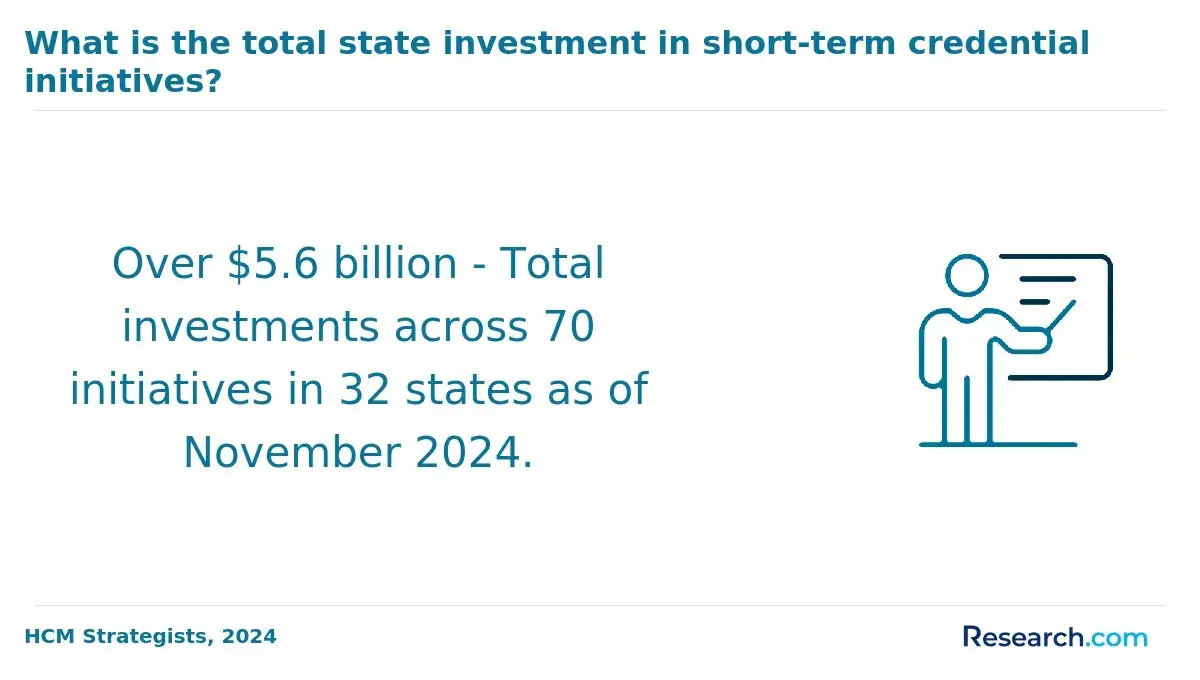
According to a 2024 national education survey, about 65% of part-time graduate students in applied psychology finish within four years, but a substantial portion require more time due to competing responsibilities. This variation highlights that completion is not a fixed endpoint but a function of enrollment intensity and institutional pacing.
Key factors influencing duration include course sequencing and availability, especially when prerequisite chains or limited class offerings delay progress. Internship and practicum requirements, which can demand 500 to 700 supervised hours, add complexity when students are also managing full-time employment.
Programs with flexible scheduling—such as evening, weekend, or hybrid formats—may facilitate steady advancement, but when course options are rigid or scarce, students face unwelcome delays. Beyond curriculum logistics, personal circumstances like work hours, family commitments, and motivation heavily shape how quickly students can complete their degrees.
Extended part-time study impacts not only timing but also professional and financial planning. Prolonged programs risk misalignment of skills with evolving industry standards, and delays can postpone eligibility for licensure or certification, affecting when students can fully enter or progress within their careers.
Balancing these tradeoffs requires weighing the benefits of flexibility against the potential costs of a stretched timeline, as both accelerate completion and extend study present distinct challenges to momentum and economic stability.
One part-time student recalled waiting anxiously during a rolling admissions cycle, uncertain if delaying application submission to gather stronger reference letters would push their start date beyond an optimal window. The extended uncertainty forced them to weigh the advantage of a more competitive application against the risks of beginning the program later.
Ultimately, the decision to submit earlier with incomplete materials stemmed from a priority to start accruing credits and practicums sooner, illustrating the timing dilemmas prospects can face before even beginning coursework.
How Are Part-Time Sport Psychology Master's Courses Structured?
Part-time sport psychology master's programs are intentionally designed to strike a balance between flexible scheduling and maintaining academic rigor, with significant variation in structure that shapes student outcomes.
Understanding these structural elements is essential for managing workload effectively and achieving meaningful professional growth alongside ongoing career and personal commitments.
- Extended Duration and Pacing: Programs often span two to four years, allowing students to distribute coursework over longer periods. This pacing helps reduce short-term pressure but requires sustained motivation and time management to avoid burnout, which can impact retention of complex theoretical and applied material.
- Hybrid Delivery Models: A combination of asynchronous online lectures and synchronous workshops or seminars is common, blending flexibility with essential peer and faculty interaction. While asynchronous components enable learning around work schedules, the synchronous sessions support deeper engagement and collaborative skill development critical in applied sport psychology settings.
- Modular Coursework and Applied Practicums: Curricula typically include core modules on mental skills, performance enhancement, and research methods, paired with supervised field experiences. This structure ensures academic knowledge is anchored in practical application, yet the extended timeline can challenge skill integration unless actively reinforced throughout the program.
- Time Commitment Beyond Class Hours: Research projects, clinical placements, and reflective activities extend workload beyond formal instruction. Students must navigate cumulative demands spread unevenly across semesters, making proactive planning vital for balancing academic, professional, and personal responsibilities effectively.
- Alignment with Employer Expectations: Many employers in high-performance sport prioritize practical experience and certification alongside academic credentials. Programs that emphasize applied training within part-time frameworks better prepare students to meet such professional standards, highlighting the importance of integration between coursework and experiential learning.
According to a 2024 report from the Council for Higher Education Accreditation, approximately 68% of part-time graduate students prefer hybrid formats, reflecting an ongoing shift toward models that accommodate work-study balance while striving to maintain educational quality and engagement in advanced sport psychology training.
Can Students Work Full-Time While Earning a Part-Time Sport Psychology Master's Degree?
Maintaining full-time employment while enrolled in a part-time sport psychology master's degree can be achievable when programs offer asynchronous learning and predictable scheduling, allowing for better integration with work commitments.
Students with relevant professional backgrounds may find the transition smoother, as prior experience can reduce the learning curve and help manage academic tasks efficiently.
A 2024 report by the National Center for Education Statistics indicates that about 40% of part-time graduate students simultaneously hold full-time jobs, underscoring that balancing work and study is common but demands deliberate planning.
Effective time management and employer flexibility, such as remote work or adjustable hours, are critical enablers for those pursuing sport psychology graduate programs while working full time.
Nevertheless, real-world challenges persist in balancing work commitments with part-time sport psychology graduate programs, notably the risk of cognitive overload from overlapping responsibilities. Extended program durations typical of part-time studies can slow academic progression and delay credentialing compared to full-time enrollment.
Students may also experience diminished networking opportunities and face burnout when professional duties clash with clinical practicum hours and course deadlines. These tradeoffs necessitate a realistic assessment of personal limits and employer support before committing to this path.
For professionals considering clinical or applied graduate pathways, exploring advanced options such as PhD programs for nurses may also provide insights into balancing rigorous study with employment.
Which Universities Offer the Best Part-Time Sport Psychology Master's Programs?
Choosing a part-time sport psychology master's program involves evaluating factors that extend beyond institutional brand, as these decisions directly influence employability, skill development, and career flexibility.
What defines the "best" program varies widely depending on where a student is in their career, their capacity to balance work or family commitments, and their targeted specialization within sport psychology.
- Curriculum Integration of Theory and Practice: Programs balancing rigorous academic content with applied learning opportunities produce graduates better prepared for consulting roles or clinical work. A curriculum that includes supervised practicum or project-based assignments fosters tangible skills valued by employers and helps bridge the gap between academic knowledge and real-world demands.
- Faculty Expertise and Industry Connections: Access to instructors actively engaged in contemporary research or professional practice can enhance mentorship quality and networking opportunities. Faculty involvement in current sport psychology trends and professional organizations often correlates with stronger internship placements and clearer pathways to certification.
- Flexibility and Pacing of Coursework: Part-time programs must offer adaptable scheduling, including asynchronous courses, to accommodate working professionals. Flexibility reduces dropout risk and allows completion timelines aligned with individual circumstances, though longer durations may delay some career milestones.
- Accreditation and Credentialing Support: Enrollment in programs accredited by recognized bodies like the APA or AASP ensures curriculum adherence to industry standards, which affects eligibility for licensure or certification. Employers increasingly prioritize these credentials in hiring, linking accreditation directly with professional credibility.
- Access to Applied Opportunities: Programs with established partnerships for internships, consulting projects, or mentorships provide critical hands-on experiences that deepen understanding and improve employability. Absence of these components can limit readiness for the nuanced demands of sport psychology roles.
Data from the National Center for Education Statistics in 2024 shows that nearly 40% of psychology graduate students choose part-time enrollment, reflecting a broad need for programs that reconcile educational rigor with life responsibilities.
This trend underscores the importance of carefully comparing how programs accommodate working adults without compromising skill acquisition or career progression potential.
One graduate recalled a challenging admissions cycle marked by rolling deadlines and variable response times. Balancing full-time work and family, they hesitated to apply early, unsure if their preparations were sufficient. The program's flexible intake process ultimately provided a window for last-minute submission, but waiting for acceptance induced significant stress.
This experience highlighted the importance of early engagement and understanding specific program timelines when selecting part-time options in sport psychology.
How Much Does a Part-Time Sport Psychology Master's Degree Cost?
The cost of part-time sport psychology master's programs generally falls between $15,000 and $45,000, based on aggregated 2024 data from sources like the U.S. National Center for Education Statistics and institutional disclosures.
Public universities tend to offer more affordable tuition, especially to in-state students, often in the $15,000-$25,000 range, while private or research-intensive institutions may charge $30,000 or more. These figures reflect whole program costs rather than annual tuition, which is important for prospective students to understand as they plan financially.
For those comparing related fields, programs such as an online degree in exercise science exhibit similar pricing variability influenced by institutional reputation and delivery mode.
Tuition pricing variability stems largely from credit-hour billing models, residency status disparity, and program prestige. Part-time students are typically billed per credit, so total cost increases with pace and class load.
Delivery format also affects fees: fully online programs often reduce costs by eliminating campus fees and commuting expenses, but some maintain comparable pricing if they offer mentor supervision or extensive practicum access.
Part-time learners extending their studies over several years may incur additional administrative or technology fees and risk tuition rate escalations, which can increase the aggregate financial commitment beyond initial estimates. This complexity means that affordable part-time sport psychology graduate degrees are often those balancing cost with program quality and flexibility.
Spreading tuition payments over a longer period allows working professionals to manage cash flow but can result in higher total tuition due to changing fees and extended enrollment duration. Some students offset costs through employer tuition reimbursement or financial aid aligned with specific sport psychology career paths.
For career changers or those seeking specialization, shorter certificate options offer a potentially lower-cost alternative but may not deliver the comprehensive training that employers prioritize. Balancing these factors with long-term career goals is essential when evaluating part-time sport psychology master's program tuition costs.
Do Programs Help Arrange Flexible Clinical Placements for Part-Time Students?
Academic programs offering part-time sport psychology master's degrees often rely on established partnerships with clinics, sports organizations, and wellness providers to help students secure clinical placements that accommodate their schedules.
These arrangements typically involve distributed placement networks and coordinated scheduling frameworks designed to align practicum hours with students' work or family commitments.
The degree of flexibility available to part-time learners varies significantly based on a program's institutional support and how practically the curriculum integrates practicum requirements within an academic calendar.
Despite institutional efforts, part-time students frequently encounter constraints such as limited availability of sites with suitable hours, minimum practicum hour thresholds, and geographic limitations that restrict placement options. Many agencies giving priority to full-time interns for predictability further complicate scheduling flexibility.
Additionally, professional accreditation and licensing standards often mandate specific hour completions and supervision intensity, imposing structural rigidity even when programs advertise adaptable placement pathways. These factors contribute to longer overall timelines for part-time students compared to full-time cohorts.
Maximizing placement success in part-time sport psychology programs often depends on proactive planning, including early engagement with program coordinators and leveraging employer-related practicum opportunities when possible.
Students benefit from choosing programs with robust clinical pipelines and diverse placement settings that support remote or telehealth practicum options.
According to recent data from the Council for Accreditation of Counseling & Related Educational Programs (CACREP), about 68% of graduate programs actively assist part-time students in aligning practicum scheduling with their outside responsibilities, reflecting growing recognition of these student needs but also signaling persistent operational complexities.
What Challenges Do Students Face in Part-Time Sport Psychology Master's Programs?
Part-time sport psychology master's programs offer flexibility but introduce significant academic and logistical pressures distinct from full-time study. The challenges stem from balancing program demands with professional and personal responsibilities, compounded by how programs are structured and the intensity of coursework.
Navigating these factors influences not only academic success but also timely program completion and employability prospects.
- Time Management Stress and Extended Duration: Juggling coursework alongside work and family obligations often leads to heightened stress and imbalanced time allocation. The National Association of Graduate Students reports over 65% of part-time learners experience significant difficulties managing these competing demands, which frequently delays graduation and prolongs degree completion.
- Limited Networking and Experiential Learning: Reduced on-campus presence and fewer opportunities for collaborative research or extracurricular activities diminish vital networking prospects. This is especially problematic in sport psychology, where hands-on clinical placements and mentorship heavily influence access to employment and practical skill development.
- Challenges Meeting Clinical Hour Requirements: Many certification bodies expect extensive supervised clinical hours typically completed full-time. Part-time students must navigate scheduling conflicts and employer expectations, complicating timely accumulation of required practical experience and potentially delaying credentialing or licensure.
- Inflexible Scheduling and Technological Barriers: Not all programs offer robust asynchronous or online options tailored for part-time learners, limiting accessibility for those balancing demanding jobs or remote locations. This lack of flexibility can hinder consistent progress and exacerbate cognitive overload from overlapping commitments.
These structural and practical challenges necessitate careful evaluation by prospective students to align their part-time study with career goals and life circumstances within sport psychology.
Which Careers Benefit Most From Part-Time Graduate Education?
Part-time graduate education in sport psychology serves as a strategic lever for accelerating career growth in professions where practical experience, credentialing, and ongoing skill development closely influence advancement.
Its value peaks in roles where working professionals must integrate advanced psychological concepts without pausing employment, thereby ensuring continuous professional momentum.
Such programs address nuanced career progression challenges by enabling direct workplace application and fulfilling structured professional requirements simultaneously.
- Licensed Mental Health Professionals: For clinicians advancing into athlete and performance psychology, part-time study allows integration of supervised clinical hours required for licensure with advanced sport psychology coursework. This concurrent approach enhances employability and client specialization, as 62% of therapists in part-time programs reported significant gains in these areas, underpinning merit-based salary growth and promotion eligibility.
- Athletic Trainers and Physical Therapists: These practitioners leverage part-time sport psychology master's programs career benefits by applying psychological recovery techniques in real time. The immediate transfer of knowledge to patient care elevates treatment efficacy and supports a dual focus on practical skill enhancement and academic advancement, crucial in a healthcare landscape with increasing performance expectations.
- Coaches and Sports Performance Consultants: Coaches working in competitive or corporate environments benefit from part-time formats that align educational content with ongoing professional responsibilities. The ability to apply mental skills training directly within their work context facilitates faster advancement-over half of credentialed coaches report accelerated career trajectories when their studies do not necessitate a career interruption.
- Educators and Faculty Members: Part-time programs support faculty who expand teaching and research portfolios without disrupting existing academic duties. This flexibility is particularly relevant within kinesiology and psychology departments where integrating sport psychology knowledge diversifies curriculum delivery and research scope, aligning with interdisciplinary academic trends.
When evaluating whether a program fits personal and professional constraints, working professionals may also consider broader labor market outcomes. For example, those researching sport industry compensation might explore how much do sports analysts make to understand related financial benchmarks.
What Factors Matter Most When Comparing Program Flexibility?
Program flexibility in sport psychology master's curricula extends beyond mere scheduling convenience and is better understood as a combination of structural, academic, and logistical features that influence a student's ability to manage workload, maintain career continuity, and achieve learning goals.
Flexibility perceptions vary widely depending on how programs handle pacing, delivery formats, and practical experience requirements, making a nuanced evaluation essential, especially for those balancing full-time work with sport psychology graduate study.
- Course Scheduling Structure: Programs that offer part-time options and allow individualized credit loads enable students to adjust their pace and reduce burnout. The average time to completion is a vital metric, as overly rigid schedules can force students to extend studies longer than necessary or drop out.
- Delivery Method-Asynchronous vs. Synchronous: Fully asynchronous formats provide maximum temporal autonomy, crucial for working professionals in different time zones, whereas synchronous or hybrid models may enhance engagement but require strict attendance, impacting flexibility.
- Practicum and Internship Requirements: Programs with flexible geographic placements or virtual practicum components accommodate remote learners better. Since many employers expect accredited practicum experiences for certification readiness, the nature and location constraints of these requirements significantly affect accessibility.
- Administrative Responsiveness and Support: Prompt faculty mentoring, clear communication, and accessible resources facilitate scheduling adjustments and academic progression, directly influencing a student's ability to balance responsibilities without compromising education quality.
- Peer Collaboration Opportunities: Cohort-based versus modular formats differ in how they enable or limit meaningful peer interaction, which is important for skills application and professional networking within sport psychology.
According to the National Center for Education Statistics, nearly 47% of graduate students highlight program scheduling and format flexibility as crucial decision factors. Evaluating flexibility through these lenses helps prospective students anticipate real-world trade-offs and align program structures with their personal and professional demands.
Those seeking to balance full-time work with sport psychology graduate study should also consider how program design affects timely completion and practical skill acquisition, which are critical for employment outcomes.
Additional considerations include understanding how much do athletic directors make and related career trajectories that influence the value of a program's flexibility relative to long-term employability.
What Graduates Say About Studying Sport Psychology Master's Programs Part-Time
- Taylor: "Completing my part-time sport psychology master's while working full-time was a balancing act, but it gave me the flexibility I needed. I quickly learned that securing internships and building a strong portfolio mattered more to employers than licensure alone, especially when applying to collegiate programs. That hands-on experience opened doors faster than I expected, even if the salary growth remains somewhat capped without clinical credentials."
- Cruz: "After graduating, I found the hiring landscape surprisingly competitive; many roles favored candidates with certifications beyond the master's, and some preferred licensed professionals. I had to pivot by focusing on remote consulting positions, which provided better work-life balance and a chance to build client relationships on my schedule. The program gave me valuable theoretical foundations, but real-world experience was the key to standing out in this field."
- Luka: "I approached the program with a clear goal to enter the workforce quickly and appreciated how the part-time format allowed me to maintain my current job. Post-graduation, I noticed that while some employers prioritized licensure, others highly valued my internship hours and demonstrated adaptability. Advancing in sport psychology without a license is possible, but it often means accepting trade-offs in role scope and salary; understanding that early on helped me plan my next steps strategically."
Other Things You Should Know About Sport Psychology Degrees
Part-time students often face reduced access to the informal networking that comes with full-time, on-campus engagement. This can limit connections with peers, faculty, and visiting professionals, which are crucial for career advancement in sport psychology. Prospective students should weigh whether their chosen program offers structured networking events or online communities specifically tailored to part-time cohorts to compensate for this gap.
Because many part-time sport psychology programs stretch over several years, sustaining consistent clinical experience can be challenging. Students must proactively manage placements or internships outside of the program's schedule, potentially balancing them with work and family obligations. Selecting programs that allow flexible practicum hours or provide support in arranging placements aligned with a part-time timeline is critical for maintaining applied skills and meeting certification requirements.
Employer perceptions of part-time degrees vary, but in sport psychology, the emphasis is more on demonstrated competencies, supervised experience, and certifications than program pacing. However, prolonged part-time studies might raise questions about candidate focus or ability to manage workload under pressure, especially in competitive environments. For career changers or professionals seeking advancement, highlighting applied experience and relevant skills often outweighs concerns related to part-time status, but students should be ready to contextualize their educational timeline.
Students can balance part-time study and practical experience by creating a structured schedule to manage coursework and hands-on experience. Prioritizing programs that offer flexible online classes and local practicum opportunities can also help. Effective time management skills are crucial to maintain both educational and experiential commitments.
References
- 42 Best Postgraduate Sports Psychology courses abroad 2026 https://www.hotcoursesabroad.com/study/training-degrees/international/postgraduate/sports-psychology-courses/slevel/3/cgory/pk.8b-4/sin/ct/programs.html
- Master of Science in Sport Psychology https://www.moravian.edu/behavioral-community-health/sport-psychology
- Sport and Exercise Psychology https://www.staffs.ac.uk/course/sport-exercise-psychology-msc
- Sport Psychology | Part-time - Masters Degree at Liverpool John Moores University 58513 https://www.masterscompare.co.uk/masters-course/sport-psychology-part-time/58513
- The Challenges of Sports Psychology Education | JohnFMurray.com https://johnfmurray.com/the-challenges-of-sports-psychology-education-johnfmurray-com/
- 10 Most Affordable Online Master’s in Sports Psychology 2022 - Sports Management Degree Guide https://www.sports-management-degrees.com/affordable-online-masters-sports-psychology/
- Sports Psychology Master's: Courses, Requirements, & Careers https://www.psychology.org/degrees/sports-psychology/masters/
- Why should you study a Master in Sports Psychology? https://www.impulsyn.com/blog/why-should-you-study-a-master-in-sports-psychology/
- Sport and Exercise Section: Students - Canadian Psychological Association https://cpa.ca/sections/sportandexercise/students/