2027 Online Social & Behavioral Sciences Degrees for Public Service Roles

Co-Founder and Chief Data Scientist
Professionals aiming to transition into public service roles often face the critical obstacle of balancing work and education without sacrificing career momentum. The evolving job market demands expertise grounded in social and behavioral sciences, yet many practical candidates cannot commit to traditional, on-campus programs. Recent data from the National Center for Education Statistics reveals a 12% growth in online enrollment among adult learners in social science fields, signaling a significant shift toward flexible education models that accommodate workforce demands and life responsibilities.
This article evaluates the latest online social & behavioral sciences degrees tailored to public service careers, providing actionable insights to help prospective students navigate program selection based on accessibility, curriculum relevance, and career mobility.
Key Things You Should Know
- Enrollment in online social & behavioral sciences degrees increased 18% since 2022, yet wage growth for graduates remains 5% below national averages, indicating a tradeoff between accessible education and immediate labor market returns.
- Federal workforce data from 2024 show 62% of public service employers prioritize degrees with applied research components, pressuring programs to integrate measurable impact methodologies beyond theory.
- Average program durations extend 25% longer than other online degrees in 2024, raising total tuition costs by 15%, which complicates timing and affordability decisions for career pivoters and part-time students.
What are online social and behavioral sciences degrees for public service roles?
Online social and behavioral sciences degrees for public service careers equip students with analytical skills essential for roles requiring evidence-based decision making in diverse agencies. These programs combine psychology, sociology, criminology, and public administration to address policy and community management challenges. For working professionals, online formats offer flexibility but demand self-discipline to engage fully with virtual resources and compensate for limited in-person mentorship.
Employers expect proficiency in data interpretation, program evaluation, and communication. For instance, a criminal justice analyst in a federal agency applies behavioral data to guide enforcement strategies, while a city health department official leverages social science frameworks to design targeted interventions. Accreditation and curriculum rigor directly affect employability, especially in competitive federal and state-level positions.
The median wage for life, physical, and social science occupations was $78,980 in May 2024, significantly above the $49,500 median wage across all occupations, indicating strong financial prospects. However, prospective students should weigh the tradeoffs between convenience and direct networking opportunities when choosing between traditional or online social and behavioral sciences programs for public sector roles.
Those seeking expedited credentialing can consider accelerated tracks; resources like the fastest online psychology degree outline options conducive to shorter timeframes without sacrificing academic depth.
Which public service jobs use social and behavioral sciences degrees?
The fastest growth projections within public service careers requiring social and behavioral sciences degrees are concentrated in substance abuse and mental health counseling, with a 17% employment increase expected from 2024 to 2034. This stark growth rate, nearly triple that of the average across all occupations, signals acute demand but also distinct challenges for candidates entering these roles. For example, mental health counselors must combine deep behavioral knowledge with clinical skills to navigate high caseloads frequently encountered in government jobs utilizing social and behavioral sciences education, such as community clinics and hospital settings.
Positions like social workers and probation officers illustrate the complex interplay of sociology and psychology with legal frameworks, requiring professionals to assess diverse client needs and implement interventions in environments shaped by systemic pressures. Licensure credentials such as Licensed Professional Counselor (LPC) or Licensed Clinical Social Worker (LCSW) are often non-negotiable prerequisites, reinforcing the need for programs that balance rigorous theory with applicable clinical practice.
Employers emphasize practical experience and the capacity to interpret behavioral data trends as essential qualifications. Graduates should anticipate resource constraints and elevated responsibility within public agencies or nonprofits, making resilience and adaptive strategies indispensable. Those evaluating programs for a strategic pivot would benefit from reviewing NASP accredited programs that marry academic grounding with workforce alignment.
Are online social and behavioral sciences degrees accredited?
Accreditation status decisively shapes the value of online social and behavioral sciences degrees for public service careers, where regulatory compliance and credential legitimacy are non-negotiable. Employers in public agencies commonly verify that candidates' education comes from accredited social and behavioral sciences programs for public service to ensure foundational competencies and reduce hiring risk. Without that verification, graduates often find themselves restricted from licensure or key roles, regardless of coursework completed.
For example, becoming a licensed social worker almost always requires graduation from a Council on Social Work Education-accredited program, a criterion many online degrees fail to meet. Similarly, management roles in community service prefer candidates with accredited degrees, recognizing these as indicators of adequate training and practical readiness.
Prospective students should weigh whether an online option's flexibility outweighs potential credentialing risks, especially regarding practicums. For those also considering career alternatives in forensic fields, data on how much do forensic psychologists make may provide useful comparative context on salary prospects.
How do online and campus programs compare?
Choosing between online and campus social and behavioral sciences degree programs hinges on balancing flexibility with experiential depth. Online formats serve working professionals needing adaptable schedules, facilitating education without job interruption or relocation. However, these programs often lack the direct fieldwork many public service employers expect, which is crucial for hands-on roles such as health policy advising, where practical experience correlates with average salaries around $128,250 annually.
Comparing online and traditional social and behavioral sciences education reveals distinct tradeoffs in employer expectations and networking opportunities. Campus programs often provide essential real-time interactions, internships, and community engagement that sharpen collaborative problem-solving skills and cultural competence-traits valued in public agencies. Conversely, online cohorts rely on virtual simulations and group projects, which can fall short in replicating the situational nuances needed in social policy roles.
Prospective students managing full-time work and family obligations may prioritize online options to avoid disruptions, but should consider whether local internships and mentorship possibilities align with their career goals. Those targeting public service roles that emphasize direct community involvement might find campus or hybrid formats more advantageous.
When weighing program choice, assessing your work schedule flexibility, access to relevant field sites, and employer demands in your target sector is critical. For a tailored comparison of educational routes, exploring the best online human resource management masters degree programs can offer additional insight into flexible yet professionally rigorous pathways.
What courses are in these degree programs?
Professionals pursuing an online social & behavioral sciences degree aimed at public service roles must navigate a balance between theoretical insight and applied policy impact. Core coursework in sociology, psychology, public policy, research methods, and statistics builds essential analytical skills for roles in government agencies or nonprofits, but the value hinges on the ability to translate data into actionable solutions.
Many programs emphasize areas such as criminology, ethics, and program evaluation to prepare students for frontline social work, law enforcement support, or community outreach. For example, designing intervention programs demands fluency in behavioral theory and data analytics to assess outcomes effectively, a skill highly sought after but often underdeveloped without targeted experience.
Experiential elements-including capstone projects and internships-mirror on-the-ground challenges and are regarded by employers as critical for proving practical competency. These components confront students with real logistical issues like adhering to protocols and collaborating across sectors, which purely academic instruction cannot replicate.
The asynchronous format offers scheduling flexibility but increases the need for discipline and time management. Mastery of technical tools such as SPSS or R is another hurdle; these software proficiencies are increasingly mandatory for credible policy analysis and reporting.
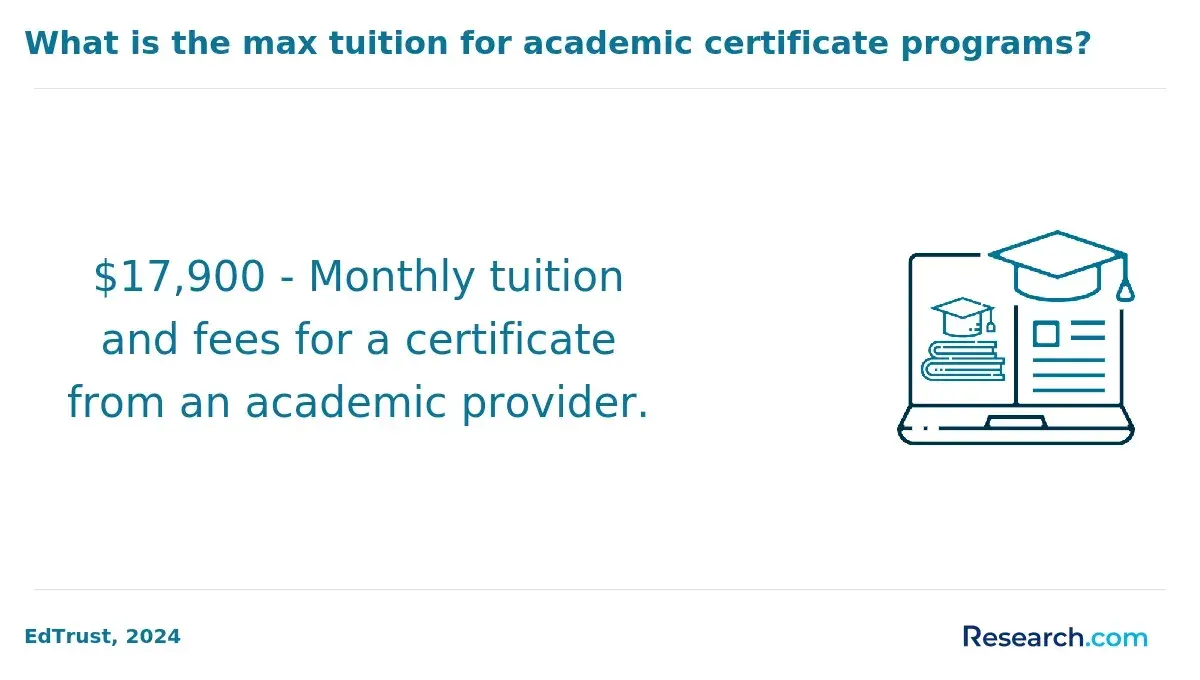
Walsh University reports an average program cost of $18,000 for an online B.A. in social & behavioral sciences, with labor market data projecting 9% job growth and average salaries near $49,380 (2022-2032). This economic profile fits risk-averse individuals aiming for a career pivot with controlled debt exposure and tangible return on investment.
What admission requirements do online programs usually have?
Admission standards for online social & behavioral sciences programs targeting public service roles directly impact career trajectories in sectors like public health, where behavioral scientists command median salaries around $80,450 nationally and up to $103,640 in states such as Virginia. Entry typically requires a bachelor's degree in psychology, sociology, or related fields, with GPAs around 2.5 to 3.0 reflecting the baseline academic readiness employers expect.
Programs often require GRE scores, though many waive this for working adults balancing education and employment. Candidates commonly submit personal statements illustrating their grasp of behavioral science within public service, alongside recommendation letters to demonstrate reliability and aptitude. Work experience in fields such as community outreach can substitute for some prerequisites, though it frequently lengthens program completion due to foundational coursework needs.
International applicants must anticipate extra steps-including English proficiency verification and credential evaluations-which may delay enrollment timelines. Selecting an accredited program aligned with specific career goals is essential; mismatches lead to skill gaps and inefficient credential acquisition.
Prospective students should evaluate these factors relative to workforce demands and personal schedules to avoid costly delays and ensure education aligns with practical public health roles. Data from PublicHealth.org highlights clear salary benchmarks tied to these qualifications, emphasizing the real-world return on rigorous admission preparation.
How long do these degrees take and what do they cost?
Social & behavioral sciences degrees targeting public service careers usually demand four years for a bachelor's and 1-2 years for a master's, with accelerated bachelor's paths reducing duration to about three years at the cost of intensive year-round study. This intensification can strain working students balancing employment and coursework.
Tuition varies significantly: public institutions charge $7,000 to $22,000 annually (in-state), while private schools range from $20,000 to over $40,000 per year. Graduate degrees typically cost between $15,000 and $35,000 in total. Beyond tuition, students should anticipate expenses like background check fees, internship coordination, and technology requirements that influence net affordability.
Online formats offer scheduling flexibility beneficial for employed learners but limit access to face-to-face networking and essential practicums relevant to fields such as criminal justice and correctional treatment. For example, probation officers require verified applied experience often facilitated through agency partnerships, which some online programs lack.
Employers generally expect a bachelor's credential from accredited programs emphasizing applied behavioral sciences integrated with justice or public policy studies. Median pay for related roles such as correctional treatment specialists hovers near $59,860 with modest 2.5% job growth, indicating steady but competitive demand.
What salaries do public service graduates earn?
Graduates in social & behavioral sciences face a salary range heavily influenced by role specificity, credentials, and geography. Entry-level positions in counseling or human services often start around $40,000 annually, but advancing beyond this requires additional qualifications such as certifications or master's degrees. For instance, community health workers earn near $48,000 with a projected 11% employment growth over a decade, signaling expanding opportunities in preventative health. Social workers command closer to $60,000 median salaries, supported by steady 6% growth, particularly in clinical and child welfare sectors.
Employment sector plays a decisive role in compensation structures. Government agencies and large nonprofits typically offer higher starting wages and more stable benefits compared to smaller organizations. Candidates aiming for clinical licensure or administrative leadership are likely to access upwards of $65,000 to $75,000 as experience accumulates.
Key tradeoffs to consider include the modest starting salaries offset by long-term steady growth and the necessity for credentials beyond a bachelor's to progress meaningfully. Geographic variations-urban versus rural-can create a 10% to 20% salary difference, often neutralized by cost-of-living disparities. Given limited wage inflation in public agencies, strategic planning around internships, credentialing, and employer stability is essential for sustainable career advancement.
What is the job outlook for social and behavioral sciences graduates?
Employment growth for social and behavioral sciences graduates in public service roles tends toward measured expansion, with sectors like legislative work growing by approximately 3.4%, offering median salaries near $48,090. This growth favors established government and nonprofit organizations rather than fast-evolving industries, signaling a landscape where job security competes with modest pay.
Graduates must navigate a tradeoff: many public service roles prioritize consistent benefits and pension plans over high salaries. Employers demand applied competencies such as data analysis, program evaluation, and community engagement, which go beyond theory. Absence of these practical skills risks underemployment or being outpaced by candidates who blend social science backgrounds with technical expertise.
For example, a social science graduate pursuing a policy analyst position in municipal government must master quantitative research and stakeholder communication to operate effectively amid budget constraints. Nonprofit leadership candidates should develop grant writing and coalition-building capabilities to secure funding and influence policy.
Long-term adaptability in public service often requires certifications in project management or public administration alongside foundational social and behavioral sciences knowledge. This hybrid skill set enhances resilience against shifting organizational priorities and supports career mobility within complex political environments.
Do public service careers require licensing or certification?
Licensing and certification impose distinct constraints on career trajectories within social & behavioral sicences public service roles. Clinical positions-such as social workers and substance abuse counselors-require state-issued licenses that demand accredited degrees, supervised clinical hours, and passing stringent exams. This lengthy certification pipeline often delays workforce entry and restricts mobility without meeting these formal requirements.
In contrast, many administrative roles in public administration or policy do not mandate licensure but expect certifications or specialized training in areas like grant management, program evaluation, or government compliance. For example, a social scientist employed by a public health department may bypass formal licensure but must consistently update federal compliance certifications to maintain eligibility.
This bifurcation creates practical tradeoffs for prospective students and professionals:
- Clinical roles offer stability but require a significant upfront investment in certification processes.
- Administrative roles may allow faster entry but depend heavily on targeted professional development and certificates aligned with evolving regulatory frameworks.
The U.S. Bureau of Labor Statistics projects about 144,700 openings annually in life, physical, and social science occupations-reflecting demand growth and replacement needs. However, educational attainment alone rarely suffices; failing to secure relevant licenses or certifications effectively eliminates candidacy regardless of labor market expansion.
Other Things You Should Know About Social & Behavioral Sicences
Many online programs offer asynchronous coursework, which allows students to manage their studies around work schedules. However, some programs require synchronous sessions or fieldwork that may conflict with typical public service hours. When choosing a program, prioritize those with flexible scheduling and clear policies on practicum placements to avoid work-study conflicts that can lead to delayed graduation or burnout.
In 2027, online Social & Behavioral Sciences degrees equip graduates with critical thinking, communication, and research skills vital for public service roles. These programs often include coursework in policy analysis, community development, and human behavior, providing a strong foundation for roles in government, non-profits, and community organizations.
Broader degrees provide a versatile foundation but may lack depth in areas like criminal justice or public administration, which employers often value for public service roles. Specialized tracks can improve job placement and career advancement within specific sectors but reduce flexibility if career goals change. Candidates should weigh immediate employment priorities against long-term adaptability when selecting program focus.
Employer acceptance largely depends on the institution's reputation and accreditation status rather than the online format itself. However, some public agencies remain cautious of purely online degrees for senior roles, favoring candidates with hybrid or traditional campus experience. Prospective students should seek programs with strong alumni networks and internship opportunities to enhance practical exposure and employer trust.
References
- 10 Careers for Social Work Majors https://www.umassglobal.edu/blog-news/careers-for-social-work-majors
- How long does it take to get a bachelor's degree? | edX https://www.edx.org/resources/how-long-does-it-take-to-get-a-bachelors-degree
- Social/Behavioral Sciences and Public Service - Central Arizona College https://centralaz.edu/academics/areas-of-interest/social-behavioral-sciences-and-public-service/
- Where to use Behavioural and Social Science | BSPHN https://www.bsphn.org.uk/advice/where-to-use-behavioural-and-social-science
- Social and Behavioral Health https://www.publichealthdegrees.org/specializations/social-behavioral-science/
- Online Behavioral Science Degree Programs | University of Phoenix https://www.phoenix.edu/online-behavioral-sciences-degrees.html
- Social and Behavioral Science Careers and Education | PublicHealthOnline.org https://www.publichealthonline.org/social-and-behavioral-science/
- Online, Affordable, Programs for American-Accredited Degrees https://www.uopeople.edu/programs/
- Civil Service grades and pay https://www.civil-service-careers.gov.uk/civil-service-grades-and-pay/
- Career Path in the public service https://www.publicjobs.ie/en/information-hub/civil-service-career-path