2027 Best Online Bachelor's in Political Science With Public-Sector Communication Training

Co-Founder and Chief Data Scientist
Public sector professionals and aspiring policy analysts increasingly face an expectation to master both political science theories and sophisticated communication strategies tailored to government and community engagement. However, balancing current employment with degree completion remains a barrier, as nearly 60% of part-time college enrollees cite schedule inflexibility as their primary obstacle, according to the National Center for Education Statistics. This trend signals a shift toward demand for programs that integrate flexible, targeted training relevant to public-sector roles without derailing career momentum. This article evaluates the best online bachelor's in political science programs designed to address these precise challenges by combining academic rigor with applied public-sector communication skills.
Key Things You Should Know
- Graduates with public-sector communication training alongside a political science bachelor's face a 13% median wage premium in government roles, per 2024 Bureau of Labor Statistics data, emphasizing direct employability tradeoffs versus broader academic paths.
- Employers prioritize measurable communication analytics and crisis messaging skills over general political theory, causing 47% of job listings in 2025 Public Affairs Career Report to explicitly require applied communication competences.
- Accelerated online programs reduce total tuition by up to 20% but require compressed scheduling incompatible with full-time public-sector internships, limiting experiential learning critical for public policy influence roles.
What is an online bachelor's in political science with a public-sector communication focus?
An online bachelor's degree in political science with public-sector communication training targets a niche where policy expertise must meet strategic messaging demands within government and advocacy environments. Graduates equipped with these dual competencies are more competitive for roles requiring the translation of complex legislative or regulatory language into accessible public communications-common in federal agencies, lobbying firms, and non-profits. Employment in political science is expected to rise by 7% from 2022 to 2032, driven largely by this need for professionals who can combine analytical rigor with stakeholder engagement.
This bachelor's program in political science and public-sector communication blends foundational political theory, policy analysis, and research methods with practical communication skills such as crisis response, media relations, and digital outreach specific to public institutions. As a result, students often face the challenge of balancing abstract political concepts with applied communication tasks like drafting press releases or coordinating stakeholder messaging, requiring strong writing and critical thinking abilities.
Choosing this focus differentiates candidates who are intent on administrative, advocacy, or communication roles within the public sector rather than purely academic or research-intensive careers. Success in these roles often depends on bridging the gap between policy content and public perception, which this specialized training addresses. Students evaluating such programs should consider the tradeoff between theory depth and communication application relevant to their career goals.
For those budgeting their studies, examining comprehensive cost and tuition data is advised; prospective students may find the online animal science degree resource useful as a comparative reference on program expenses.
How does an online political science degree compare with an on-campus program for this specialty?
Online political science degrees that incorporate public-sector communication training can rival on-campus programs in outcomes-provided they include synchronous sessions and active networking components. The workforce increasingly demands candidates who demonstrate strong communication skills tailored to government and civic contexts, where roles for public relations specialists are expected to grow 6% from 2022 to 2032, according to the Bureau of Labor Statistics. This forecast spotlights the advantage of programs combining political analysis with targeted communication strategies.
Working professionals often choose online political science degree versus on-campus program benefits for the flexibility to maintain employment while studying. However, success depends on disciplined self-management and seeking virtual internships or remote group projects to compensate for limited face-to-face mentorship and experiential learning. Public-sector communications roles require coalition-building and stakeholder engagement skills that are often developed through hands-on experience.
In contrast, on-campus programs offer structured access to faculty, government simulations, and direct networking, benefiting recent graduates or those switching fields with fewer outside constraints. Decision-makers should evaluate curricula for project-based learning and employer connections, as political science hiring prioritizes applied skills and verifiable experience regardless of delivery mode.
Students considering interdisciplinary opportunities may explore related fields such as library science: discover more about what is library science to understand complementary career pathways.
Which accreditation and institutional quality standards matter most for these online programs?
Choosing an online political science program that aligns with regional accreditation standards in the US is a practical necessity rather than a formality. Employers, particularly in federal and nonprofit government sectors, demand credentials from institutions accredited by recognized bodies like the Middle States Commission on Higher Education or the Higher Learning Commission to ensure uniform academic rigor and reliable credit transfer. Programs lacking these regional institution quality criteria for US political science degrees often limit graduates' access to competitive analyst and communication roles, as many government agencies enforce strict educational vetting at entry level.
Beyond accreditation, program quality hinges on faculty expertise, curriculum relevance, and the integration of public-sector communication skills-areas that directly influence employer confidence and workplace readiness. Applied coursework in government communication strategies and policy writing sharpens essential skills for roles such as federal policy analysts, who must tailor political analysis to bureaucratic or public audiences.
Operationally, graduates face a tangible salary premium; for example, federal social science positions report median starting salaries of $59,060 per the National Association of Colleges and Employers. Students targeting these outcomes should also prioritize programs that provide career advising focused on public-sector employment and internship pipelines, which significantly enhance job placement rates. For those weighing financial investment, consulting options like the online data science masters affordability landscape can offer comparative insight on managing educational costs against career benefit.
What core courses and communication training are included in these political science programs?
Online bachelor's in political science programs with public-sector communication training train a rare blend of analytical rigor and applied messaging skills essential for effective governance and crisis management. Core courses cover political theory, comparative politics, American government, public policy analysis, and research methods, fostering a systematic grasp of political structures. Complementing this foundation, communication training emphasizes crafting clear policy narratives, managing public perception during emergencies, and media engagement tailored to government contexts.
For instance, students completing a crisis communication module learn to design rapid-response frameworks for natural disasters or health emergencies, where misinformation risks public trust. Public affairs training sharpens outreach strategies targeting culturally diverse populations, improving policy compliance.
Not all programs balance these demands equally; selecting degrees with extensive practicum opportunities offers stronger career readiness than those prioritizing theoretical study alone. A 2024 LinkedIn review noted a 27% increase in U.S. public sector roles referencing "public communication" or "public affairs" since 2019, emphasizing demand for policymakers fluent in communication tactics.
Hands-on simulations such as press conferences and stakeholder negotiations develop real-world negotiation and messaging skills under pressure. Those aiming for practical credentials might compare options against alternatives like the cheapest paralegal certificate online when weighing time, cost, and career pivot feasibility within public administration.
Core courses in online political science programs with public-sector communication training integrate these diverse skillsets to prepare students for evolving public-sector roles.
What are the typical admission requirements for an online bachelor's in political science?
Admission to an online bachelor's in political science requires more than just meeting minimum academic benchmarks; it reflects real employer expectations for analytical and communication competencies. Most programs require a high school diploma or GED and transcripts showing a cumulative GPA around 2.0 to 2.5, though selective programs may demand higher. Standardized tests like the SAT or ACT are often waived, but a well-crafted personal statement targeting policy and public-sector communication skills remains essential to differentiate applicants.
Letters of recommendation or a professional resume become especially valuable for candidates pivoting careers, compensating for less traditional academic backgrounds. Some programs mandate prerequisite coursework in social sciences or communications, potentially extending completion time for those lacking prior exposure. International students must verify English proficiency through exams like TOEFL unless granted exemptions.
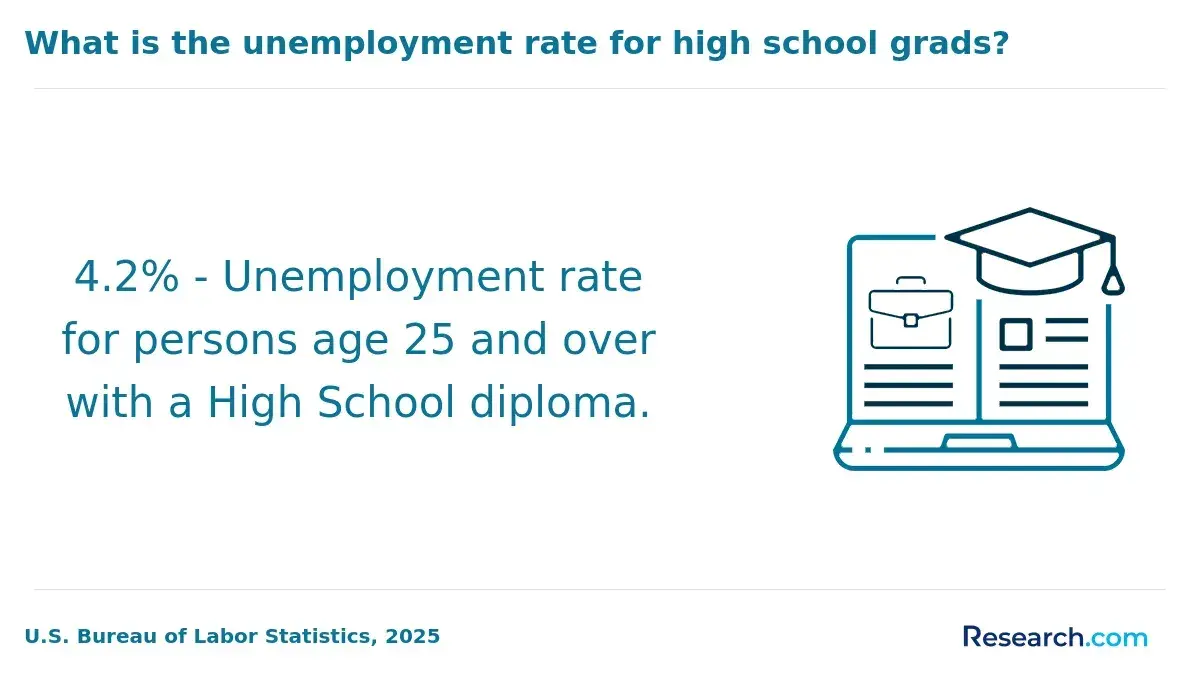
The economic implications of these requirements are significant. Workers with a bachelor's in social sciences, including political science, earn a median annual wage around $65,000 versus $47,000 for high school graduates according to the Federal Reserve Bank of New York's 2024 data. This wage gap highlights how employers value the cognitive and communication skills cultivated by the degree.
Applicants should strategically align their application materials with these realities to improve acceptance odds and position themselves for roles such as legislative advising or public affairs management where nuanced, evidence-based communication is critical.
How long do these online programs take, and what tuition, fees, and hidden costs should you expect?
Completing a bachelor's degree in political science with a focus on public-sector communication involves crucial tradeoffs between time, cost, and workforce demands that merit close scrutiny. While accelerated options can shrink completion time to around three years for those leveraging prior credits or heavier semester loads, most students take four to six years, balancing jobs and field-related experience that employers value in government and nonprofit roles.
Tuition rates vary widely-public institutions charge roughly $300 to $600 per credit, with private colleges typically doubling those fees. Online learning cuts expenses significantly by eliminating campus housing and transportation costs, aligning with findings from the 2025 BestColleges Online Education Trends report that online students spend on average $7,800 less annually than their on-campus peers.
Students should also factor in less obvious expenses like technology fees ($100-$300 per term), textbooks (up to $1,200 over four years), and proctoring costs. Additionally, restricted access to in-person internships and networking may require investment in memberships or travel to connect with local professionals, which can be decisive for job placement.
For working professionals, selecting between accelerated and traditional pacing is a strategic decision impacting financial planning and employability. Employers emphasize practical experience paired with credentials, so students must assess how program format integrates with their career objectives and real-world commitments.
What careers in government, public policy, and public-sector communication can this degree support?
A bachelor's degree in political science combined with public-sector communication skills equips graduates for nuanced roles demanding both policy insight and strategic messaging. Employers increasingly prioritize professionals proficient in digital advocacy platforms and media literacy, now included in over 60% of political science curricula as per the 2024 APSA undergraduate curriculum survey. This reflects the sector's need for individuals who can manage public narratives in politically complex environments.
Typical positions include:
- Policy analysts who synthesize empirical data into actionable legislative proposals for decision-makers.
- Communications specialists crafting targeted messaging amid diverse constituencies.
- Legislative assistants coordinating between officials and community stakeholders.
- Public affairs officers handling crisis communication to influence public perception and policy outcomes.
Professionals transitioning from unrelated fields face hurdles if lacking internships or certifications in strategic communication tools, a gap that intensifies the learning curve for government or public affairs roles. For example, a journalist moving into a government analyst position must rapidly acquire proficiency in policy drafting and formal communication protocols. This degree's combination of political theory and communication practice partially bridges that gap but necessitates ongoing skill development, especially in digital advocacy technologies prominent in today's public-sector messaging.
What salary ranges and advancement opportunities exist for graduates in public-sector communication roles?
Graduates with online bachelor's degrees in political science and public-sector communication face starting salaries typically between $50,000 and $70,000, influenced by employer type and region. Entry-level roles in municipal government or nonpartisan public affairs usually start near $50,000, while federal agencies and large metropolitan offices may offer $65,000 or more. The U.S. Bureau of Labor Statistics 2024 data for public relations specialists indicates a median wage around $62,000, with the top 10% earning above $110,000, illustrating room for upward mobility through experience and specialization.
Advancement depends heavily on strategic communication, policy analysis, and digital engagement skills. By years five to seven, those moving into managerial or specialized roles-such as public information officers or policy communication directors-often see salaries between $75,000 and $100,000. Unlike strictly political positions, public-sector communication can lead to nonprofit, think tank, or advocacy roles, where success hinges more on public engagement expertise than electoral experience.
Practical tradeoffs exist: communication roles usually pay less initially than policy analyst positions but may accelerate promotion through measurable outreach or crisis communication outcomes.
State and local government roles emphasize writing and stakeholder relations, while federal offices often require security clearances and advanced credentials for higher-level positions. Understanding these nuances upfront can prevent mid-career stagnation and direct focus toward essential skills like data analytics, media relations, and public opinion research, which employers increasingly expect.
How can you evaluate online program quality, faculty expertise, and student support services?
Quality assessment of online political science programs hinges on measurable faculty expertise, curriculum relevance, and accreditation by recognized bodies like regional agencies or the Higher Learning Commission. Programs that lack faculty with documented policy communication experience or active government consulting roles risk leaving students without critical insights into regulatory environments and stakeholder engagement strategies.
Key program characteristics to evaluate include:
- Comprehensive syllabi covering political science theory, public-sector communication practices, and applicable research methodologies
- Faculty credentials supported by advanced degrees, publication records, and practical public affairs involvement
- Robust student support such as specialized career counseling, internships, mentorships, and tailored academic advising
For working professionals targeting roles like public-sector communication manager, weak career services can undermine the ability to capitalize on strong labor market growth projected by the Bureau of Labor Statistics, despite median salaries near $129,430. Limited access to alumni networks or experiential learning may delay employment outcomes, weakening return on investment.
Without these elements, students face tradeoffs that impact their employability and professional integration. Therefore, a rigorous vetting process ensures alignment between program offerings and labor market realities, ultimately influencing practical skill acquisition and career trajectory within political science fields.
What steps should working adults take to choose and succeed in an online political science program?
Choosing an online political science program as a working adult requires balancing cost, flexibility, and tangible career outcomes. Tuition for leading programs ranges broadly from about $6,500 to $15,000 annually, making it essential to evaluate whether higher price points translate into measurable benefits such as stronger employer networks or specialized skills in public-sector communication.
Program structures that offer asynchronous courses with clear deadlines accommodate professional schedules better and can expedite degree completion through credit transfer or recognition of prior learning. Employers frequently seek candidates with practical experience like internships or capstone projects that relate directly to government or nonprofit roles, not just theoretical knowledge.
Financial aid or employer tuition reimbursement options significantly impact the net cost and debt load, which should be weighed against employment rates and average starting salaries. For example, graduates equipped with public-sector communication competencies can expect entry salaries near $55,000, based on Bureau of Labor Statistics data.
Finally, aligning program curriculum to concrete career trajectories-such as government relations versus policy analysis-ensures skill development matches job market demands. This alignment directly influences a graduate's ability to pivot roles or advance within public service despite constraints on time or resources.
Other Things You Should Know About Political Science
Internships provide critical, practical experience that significantly improves job prospects in political science and public-sector communication. Employers expect candidates to demonstrate real-world application of communication skills in government or nonprofit settings. Prioritizing programs that integrate or facilitate relevant internships enhances networking opportunities and practical learning, which purely academic tracks often lack.
Online programs offer scheduling flexibility but often maintain rigorous workloads, particularly when combining political science core material with specialized communication training. Students must manage overlapping deadlines for research, writing, and group projects that simulate public-sector tasks. The tradeoff is between convenience and time commitment; success depends on strong self-discipline and prioritizing programs with structured progress milestones and responsive faculty support.
A strong program should teach policy writing, media relations, crisis messaging, public speaking, and audience analysis. Many schools build these into 3-credit courses, plus a capstone or practicum that requires producing memos, press releases, or briefing notes for government or nonprofit settings.
References
- Public Sector Salary Overview https://employer.macildowie.com/blog/public-sector-salary-guide
- What are the costs of distance learning? https://www.pfh.de/en/blog/what-are-the-costs-of-distance-learning
- Career Path in the public service https://www.publicjobs.ie/en/information-hub/civil-service-career-path
- Streamlining Accreditation Preparation with Program Review https://www.qualitymatters.org/qa-resources/resource-center/articles-resources/streamline-accreditation-prep
- Working in Policy https://www.civil-service-careers.gov.uk/professions/working-in-policy/
- What is it Like? https://www.whitworth.edu/cms/academics/what-is-it-like/political-science/
- Hidden Costs in Online Degrees: What You Should Know Before Enrolling https://www.onlinecu.in/blog/cu/hidden-costs-to-consider-in-online-degrees
- Political Science https://www.ualberta.ca/en/undergraduate-programs/bachelor-of-arts-with-honors-political-science.html
- What to Look for in a Great Political Science Program https://www.siena.edu/news/story/what-to-look-for-in-a-great-political-science-program/
- Public Policy and Political Communication https://en.ehuniversity.lt/study-programs/public-policy-and-political-communication/