2027 Remote Jobs You Can Get With a Psychopharmacology Master's Degree

Co-Founder and Chief Data Scientist
Consider a licensed healthcare professional with a master's degree in psychopharmacology seeking a fully remote role to balance caregiving responsibilities without sacrificing career growth. While remote job listings in psychopharmacology-related fields have grown by 18% in 2024, many still require hybrid hours, clinical licensure, or specialized technical skills, limiting true location independence.
Employers increasingly prioritize candidates with demonstrable experience using telehealth platforms or regulatory expertise in medication management, reflecting a shift toward integrated digital healthcare. This landscape challenges graduates to distinguish between flexible roles and those with hidden on-site or credential demands.
This article explores viable remote careers for psychopharmacology master's holders and clarifies realistic employment opportunities.
Key Things to Know About Remote Jobs You Can Get With a Psychopharmacology Master's Degree
- Remote clinical trial coordination roles often require licensure beyond a psychopharmacology master's degree, limiting immediate remote eligibility and necessitating strategic credential planning.
- A 2024 workforce report shows 38% of employers expect advanced data analysis skills for remote psychopharmacology roles, underscoring the need to leverage graduate-level research competencies.
- Many remote job postings for this degree specify hybrid models, reflecting an industry tradeoff favoring partial onsite presence to ensure compliance with regulatory and patient-safety demands.
What Remote Jobs Can You Get With a Psychopharmacology Master's Degree?
Remote job opportunities with a psychopharmacology master's degree tend to cluster around specialized functions where in-depth drug knowledge and clinical insight combine with strong communication or research skills. For example, remote clinical research coordinator positions have become more accessible, allowing professionals to manage study protocols, ensure regulatory compliance, and analyze medication effects largely through virtual platforms. However, these roles often require prior clinical experience or additional certification, and employers may favor candidates who can navigate hybrid setups that mix remote tasks with occasional on-site visits for critical trial phases or regulatory meetings.
Medical writing and scientific communication represent another core area of remote work for psychopharmacology graduates, as demand rises for clear, evidence-based content that bridges complex pharmacological science and healthcare consumers or professionals. The 2024 data from the American Medical Writers Association reflects a 25% increase in remote healthcare writing positions, highlighting the importance of developing both technical expertise and audience-tailored messaging skills. Yet, these roles typically require a strong portfolio of published work or prior industry connections, and they might favor candidates who demonstrate fluency in specific therapeutic areas or regulatory writing standards.
Telehealth-related roles, including behavioral health consulting and remote pharmaceutical sales, further illustrate how psychopharmacology knowledge translates into digital client-facing positions, albeit with nuanced hiring considerations. According to the Bureau of Labor Statistics, remote pharmaceutical support jobs are growing annually by 15%, but candidates must be prepared for hybrid work arrangements or regional licensure requirements depending on employer policies. Those evaluating remote career paths for psychopharmacology graduates should also consider that some positions integrate ongoing education and provider engagement, which demand advanced communication and technical competencies beyond foundational drug expertise. For professionals contemplating shifts or expansions in their credentials, exploring credentials like clinical research certifications or technical writing courses can enhance eligibility, much like the approach recommended for healthcare pathways like an RN to BSN when clinical flexibility is prioritized.
Which Industries Hire Remote Professionals With a Psychopharmacology Master's Degree?
Demand for remote professionals with a psychopharmacology master's degree is concentrated mainly in healthcare technology, pharmaceutical research, and health informatics, where specialized knowledge of neuropharmacology and medication protocols is essential. Digital therapeutics firms and telepsychiatry services represent a significant source of remote roles, driven by a 25% expansion in telehealth since 2022 according to the U.S. Bureau of Labor Statistics. However, regulatory limitations and the need for clinical supervision largely restrict fully remote positions in direct mental health practice, pushing many roles toward hybrid models. Conversely, pharmaceutical companies are more open to remote work for positions like clinical trial monitoring and drug safety analytics, where data interpretation and regulatory expertise can be exercised independently of physical lab presence.
In health informatics, psychopharmacology graduates find opportunities contributing to AI systems and electronic health records that demand a nuanced understanding of psychotropic medications to optimize decision support tools. These roles tend to offer more flexibility but often require integration with cross-disciplinary teams and ongoing digital collaboration. Government agencies and public health organizations occasionally recruit remote specialists for policy and surveillance roles, although these jobs may impose constraints involving security clearances or geography. For professionals navigating these sectors, recognizing how industry-specific demands shape remote work expectations and advancement opportunities is critical, particularly since some employers value the psychopharmacology credential more for its regulatory acumen than direct clinical applicability in virtual environments.
A mid-career professional with a psychopharmacology master's degree shared that her search for remote roles revealed a stark contrast between industries: while pharmaceutical companies welcomed her background for remote drug safety roles, telepsychiatry providers required partial onsite involvement due to licensing rules. She noted the frustration in tailoring applications to meet distinct expectations, finding that some health informatics employers prioritized coding or data science skills above her psychopharmacology expertise. Ultimately, she accepted a hybrid position where remote work was complemented by monthly in-person team meetings, emphasizing the importance of flexibility and clear communication about remote scope when considering roles in this field.
What Are the Highest-Paying Remote Jobs for Psychopharmacology Master's Degree Graduates?
Highly compensated remote roles for graduates with a master's degree in Psychopharmacology tend to prioritize a combination of scientific expertise and operational leadership within specialized sectors such as clinical research and regulatory affairs. For example, coordinating psychotropic drug trials in contract research organizations offers both location flexibility and premium pay, but success in these roles often hinges on demonstrated experience managing decentralized studies and a track record of compliance with rigorous protocols. Employers typically favor candidates who can navigate complex drug safety data without requiring direct clinical licensure, which underscores the advantage of combining psychopharmacological knowledge with strong project management skills.
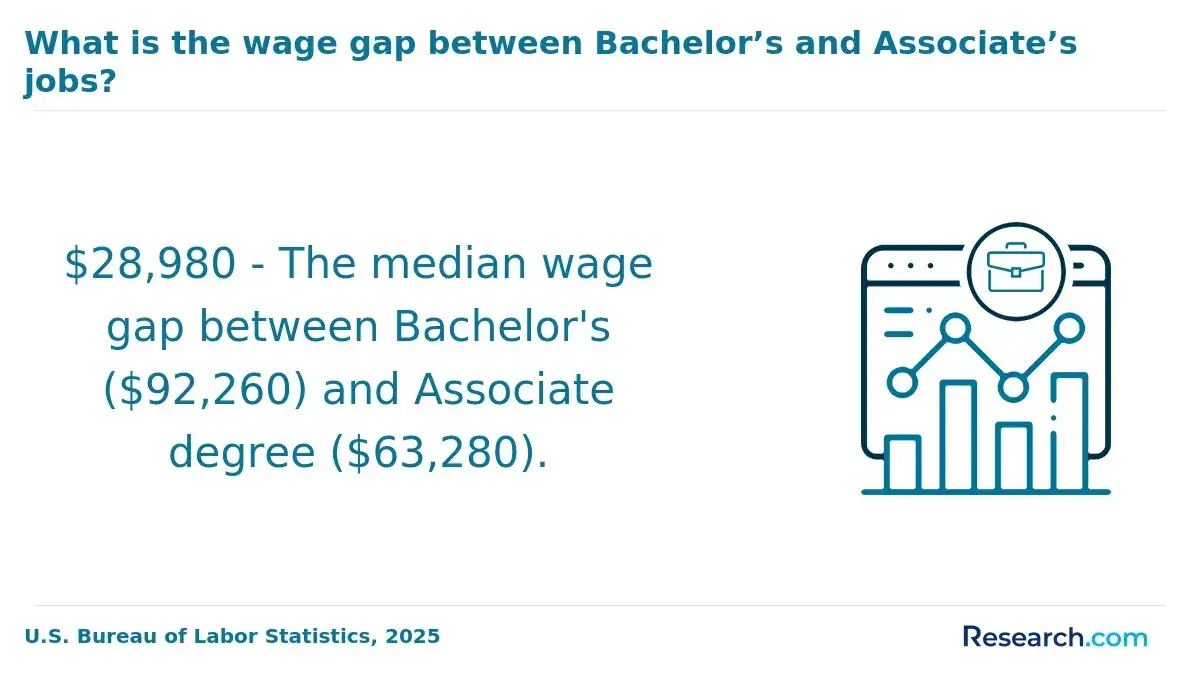
While telehealth and behavioral health consultant positions offer growing remote opportunities, they frequently require hybrid commitments or partnership with licensed prescribers, limiting full autonomy and capping earning potential relative to fully remote research or regulatory roles. According to the U.S. Bureau of Labor Statistics in 2024, specialists with advanced regulatory or advisory expertise command the highest salaries, reflecting industry demand for remote professionals who ensure medication safety and efficacy in fast-evolving biopharma markets. Navigating these roles requires balancing credential and certification investments against realistic availability, competition for purely remote positions, and a willingness to accept some hybrid elements if higher remuneration is a priority.
Can You Get a Remote Job With a Psychopharmacology Master's Degree and Little or No Experience?
Securing remote jobs for psychopharmacology master's graduates with no experience remains a nuanced challenge shaped by employer preferences for hands-on practice or licensure, especially in roles with clinical responsibilities. While the degree provides foundational knowledge, entry-level remote careers in psychopharmacology often emphasize regulatory work, clinical trial support, or data management, where technical aptitude and familiarity with research protocols carry more weight than direct patient interaction. For instance, a typical hiring scenario might favor candidates who supplement their education with internships or volunteer projects, as over 65% of employers reported valuing such practical experience alongside advanced degrees in a 2024 workforce study.
Remote opportunities tend to skew toward positions in pharmacovigilance, compliance, or research assistance, reflecting industry constraints like state licensing rules that restrict unsupervised clinical roles for those lacking certification. This differentiation shapes career pathways distinctly, requiring recent graduates and career changers to realistically assess which remote psychopharmacology jobs align with their current credentials and skill sets. Building a portfolio through remote internships or contractual research projects becomes a strategic approach, especially as some employers prioritize demonstrated competence with statistical software or regulatory frameworks over traditional clinical experience.
Given the variability in job requirements and competitive nature of remote roles in this field, candidates should consider acquiring targeted experience through options such as online college classes at your own pace to develop relevant technical skills. This pragmatic pathway may improve employability in research-intensive or compliance-oriented roles, enabling professionals to navigate diverse entry points in remote psychopharmacology careers while acknowledging that fully remote clinical practice remains limited without licensure or extensive supervised experience.
What Skills Do Employers Look for in Remote Candidates With a Psychopharmacology Master's Degree?
Effectiveness in remote psychopharmacology roles hinges on a blend of deep subject-matter expertise and advanced remote working skills that go beyond academic knowledge. Employers expect candidates to demonstrate not only command of psychopharmacological concepts such as neurochemical mechanisms and medication safety but also proficiency in managing complex projects independently and communicating clearly through written channels. Digital collaboration tools and familiarity with healthcare data systems are increasingly critical, as is showing tangible evidence of these skills through practical experiences, such as capstone projects, certifications, or relevant remote practicum assignments. According to a 2024 report by the U.S. Bureau of Labor Statistics and the Future of Jobs Institute, more than 70% of hiring managers rate digital communication and remote teamwork abilities as essential for healthcare professionals working offsite.
However, holding a master's degree alone rarely assures readiness for remote psychopharmacology positions. Many graduates face challenges if their programs lacked hands-on training with electronic health records, remote trial platforms, or asynchronous communication protocols frequently used in telehealth settings. Employers may hesitate when candidates show insufficient understanding of regulatory compliance or lack prior experience integrating psychopharmacology expertise with virtual client management. The competitive landscape often favors individuals who pair academic credentials with demonstrable remote work histories or specialized training addressing the nuances of virtual healthcare delivery.
One candidate reported a cautious but ultimately positive hiring process shaped by an early assignment to draft detailed remote case reports that required independent data consolidation and adherence to strict privacy standards. Although initially uncertain about meeting expectations without direct supervision, the candidate's ability to communicate progress proactively and leverage project management tools reassured supervisors. The experience underscored how employers scrutinize candidates' practical adaptability and professional judgment as much as their academic background when considering them for remote psychopharmacology roles.
How Can a Psychopharmacology Master's Degree Help You Qualify for Remote Leadership and Management Roles?
A master's degree in psychopharmacology equips candidates with specialized expertise critical for remote leadership roles that demand strategic communication, cross-functional decision-making, and analytical judgment. Employers in healthcare and pharmaceutical sectors increasingly seek managers who can navigate complex clinical and regulatory environments while coordinating dispersed teams. Unlike in-person supervision, remote management prioritizes measurable outcomes, trust-building across locations, and proficiency in asynchronous communication and digital collaboration tools. Candidates without this blend of clinical insight and remote operational skills risk falling short on accountability and team cohesion when managing projects such as clinical trials or telehealth services.
For working professionals evaluating psychopharmacology master's degree qualifications for remote management positions, strong competencies in regulatory compliance, ethical oversight, and data analysis stand out as enablers of project ownership and virtual team leadership. However, this degree alone does not guarantee readiness for location-independent roles; practical experience with remote team workflows and organizational culture adaptation often makes the difference between theoretical knowledge and effective leadership. Decision-makers intending to leverage a psychopharmacology master's should also consider augmenting it with hands-on digital collaboration practice to align with remote job expectations highlighted by market growth trends such as those tracked by the U.S. Bureau of Labor Statistics.
In exploring advanced healthcare management trajectories, further academic credentials-such as doctorate in health administration programs-may complement a psychopharmacology master's for those targeting senior remote leadership positions. Ultimately, the degree's value in securing remote roles hinges on combining domain expertise with the pragmatic realities of distributed team supervision, regulatory adherence, and strategic project management, a calculus essential for career changers and graduate degree holders pursuing flexible, location-independent employment.
Can You Work as a Freelance Consultant With a Psychopharmacology Master's Degree?
Freelance consulting with a psychopharmacology master's degree can be viable but requires careful navigation of specialization and client expectations. Consulting in this field typically centers on projects involving drug development advisory, regulatory compliance insights, or mental health product evaluation, where detailed knowledge of psychopharmacological mechanisms adds value. However, consultants must distinguish their role from licensed clinical practice, as many regulatory or clinical trial advisory positions demand familiarity with FDA standards or additional certifications beyond academic credentials. For example, a freelance consultant advising a biotech startup on neuropsychiatric drug efficacy must balance scientific expertise with stringent regulatory guidelines, all while managing the limitations of remote client engagement.
The variability in freelance project work means income stability hinges on consistently securing contracts across diverse clients, often requiring proactive networking and demonstrable credibility via published work or professional affiliations. According to the 2024 U.S. Bureau of Labor Statistics, demand for specialized healthcare consultants is rising steadily, but competition is strong, particularly for remote roles where establishing trust without in-person interaction poses challenges. Effective consultants leverage detailed portfolios and clear communication to clarify the scope of non-clinical advisory services, ensuring compliance boundaries and client expectations align. The choice between steady employment and freelance consulting thus involves weighing income predictability against the autonomy of project selection and the necessity for ongoing skill renewal in a rapidly evolving regulatory environment.
Where Can You Find Legitimate Remote Jobs for Psychopharmacology Master's Degree Holders?
Securing legitimate remote jobs with a master's degree in psychopharmacology requires navigating a competitive landscape where employer expectations extend beyond academic credentials to include verified licensure, demonstrated clinical experience, and precise alignment with specialized roles. The U.S. Bureau of Labor Statistics projects healthcare-related remote positions to grow by 12% over the next decade, underscoring increased demand but also intensifying competition for quality positions within telehealth, pharmaceutical research, and digital mental health sectors. Job seekers often face tradeoffs between broad job board exposure and targeted industry-specific channels, as generic platforms may yield high-volume but low-relevance listings, raising risks of encountering unvetted or fraudulent roles.
Graduates are advised to prioritize opportunities sourced through professional associations such as the American College of Neuropsychopharmacology and specialized healthcare employers, where postings typically include detailed credential requirements, transparent salary ranges, and secure application processes. Alumni networks and field-specific communities can reveal unadvertised roles while offering real-time employer reputation insights, mitigating risks of low-quality offers. Geographic licensure restrictions and employer preferences for clinical certification continue to limit fully remote options in some cases, requiring candidates to balance flexibility with compliance. Employer websites and curated recruiting platforms focusing on telepsychiatry or pharmaceutical innovation offer more reliably vetted listings, critical given employer screening practices that emphasize detailed role descriptions and verifiable qualifications.
What is the Salary Potential for Remote Professionals with a Psychopharmacology Master's Degree?
Salary potential for remote professionals with a psychopharmacology master's degree is largely determined by a combination of role specialization, industry demand, experience, and credentialing rather than the remote work format itself. Clinical roles that merge psychopharmacology with psychiatric or counseling expertise typically earn median salaries between $70,000 and $100,000 annually, according to 2024 labor data from the U.S. Bureau of Labor Statistics. However, positions emphasizing research or pharmaceutical consulting often fall in the range of $60,000 to $85,000, reflecting different market segments and hiring benchmarks that do not necessarily increase due to location independence.
Licensure and certification, such as becoming a Licensed Clinical Psychologist or Certified Psychiatric Pharmacist, significantly impact earnings by enabling independent practice or telehealth services, a factor often overlooked in early career planning. Many employers calibrate pay scales based on regional cost of living, even for remote jobs, which means that professionals in metropolitan-adjacent companies may see salaries aligned with local standards rather than a universal remote premium. For working adults weighing remote roles with a psychopharmacology master's degree, average earnings for remote psychopharmacology professionals in the US vary widely, and negotiating pay should emphasize measurable contributions, such as improving treatment outcomes or driving research advancement.
Those seeking to strengthen their qualifications would benefit from exploring BACB accredited schools and similar specialized programs that enhance practical competencies relevant to emerging remote roles. Realistic salary expectations must factor in that entry-level remote positions may start near $50,000, while senior specialists with extensive expertise can reach six figures, making ongoing professional development essential in this competitive, location-flexible landscape.
What is the Long-Term Career Outlook for Remote Jobs Requiring a Psychopharmacology Master's Degree?
The long-term career growth for remote psychopharmacology roles hinges on the balance between expanding telehealth adoption and the stringent regulatory landscape governing medication management. While demand for healthcare specialists with pharmacological expertise is forecasted to grow faster than average through 2032, restrictions on prescribing rights and licensure reduce the availability of fully remote patient-facing positions. Employers increasingly expect candidates to combine advanced technical skills, such as data analysis and familiarity with electronic health records, with ongoing certification to meet evolving legal and clinical standards, making continuous skill development a critical factor for sustainable employment.
Future job prospects with a psychopharmacology master's degree in remote work are shaped by hybrid models that allow some geographic flexibility but often require professional collaboration aligned with state-specific regulations. Automation and AI enhance but do not replace specialized knowledge, challenging graduates to adapt by integrating technology with clinical expertise. This landscape favors those willing to pursue additional licensure or certifications over those relying solely on foundational academic credentials. Candidates unfamiliar with these evolving requirements and regulatory nuances may face obstacles in career mobility and progression.
For those comparing pathways to remote healthcare roles, understanding operational realities is key-as illustrated in fields like speech pathology, where prospects and acceptance rates can vary widely; for insights on this, see how hard is it to get into speech pathology grad school. Ultimately, professionals who integrate practical telehealth competencies and keep abreast of licensure opportunities position themselves advantageously amid a competitive and highly specialized market.
What Do Graduates Say About Working Remotely With a Psychopharmacology Master's Degree?
- Tony: "After completing my master's in psychopharmacology, I quickly realized that many employers place greater value on practical experience like internships and freelance consulting work rather than just licensure. Navigating remote job opportunities meant focusing heavily on building a robust portfolio that demonstrated my applied skills, especially in medication management and patient counseling scenarios. This pragmatic approach helped me secure roles faster, even if advancement felt slower without additional certifications."
- Denver: "Graduating with a psychopharmacology master's gave me a flexible path to enter the workforce remotely, but the challenge was clear: competing for advanced clinical roles often required licensure I didn't have. I chose to leverage my academic background alongside specialized certifications and by highlighting collaborative research projects in my applications, which opened doors to interdisciplinary teams and telehealth settings. The trade-off was a more gradual salary increase, but the remote flexibility and diverse work made it worthwhile."
- Kai: "My experience post-master's in psychopharmacology involved a significant career pivot after discovering that many remote positions favored candidates with direct patient interaction or prescriber status. I adapted by focusing on roles supporting drug development and clinical trial coordination, where my expertise in pharmacodynamics proved valuable. This shift emphasized that understanding hiring realities early can shape smarter choices-sometimes it's less about the degree and more about where you apply that knowledge."
Other Things You Should Know About Psychopharmacology Degrees
In 2027, remote job options for those with a psychopharmacology master's degree include roles such as mental health consultants, telehealth counselors specializing in medication management, and researchers focusing on pharmacological studies. These positions leverage your expertise to provide remote support, analysis, and guidance to various healthcare teams and clients.
Remote positions often require navigating complex interdisciplinary communication, which can be harder without face-to-face interaction. In psychopharmacology, this means staying aligned with prescribing physicians, therapists, or regulatory bodies remotely can introduce delays or misunderstandings that affect patient outcomes. Candidates considering remote roles should assess whether their communication and digital collaboration skills meet these higher coordination demands, as inadequate preparation here may limit effectiveness and job satisfaction.
Yes, focusing on programs aligned with state or national certification requirements can significantly broaden remote job prospects, especially in regulated environments like telemedicine or pharmaceutical consulting. Without relevant licensure, many remote positions will remain inaccessible, regardless of academic credentials. Prioritizing programs that incorporate or support licensure preparation ensures smoother eligibility for remote roles that require formal qualifications alongside domain expertise.
Remote work often increases autonomy but can also shift workload burdens, requiring greater self-management amid less direct supervision. For psychopharmacology graduates, this means balancing independent decision-making in drug management with limited immediate oversight, which may heighten responsibility and stress. Those considering remote paths should weigh their comfort with this tradeoff and seek roles that offer clear protocols and remote supervision support to mitigate potential risks.
References
- What can you do with an online master's in clinical psychology? | edX https://www.edx.org/resources/what-can-you-do-with-a-masters-in-clinical-psychology
- What can I do with an MSc in Psychology? Career options in psychology | Walbrook https://www.walbrook.ac.uk/subjects/psychology/msc-psychology-jobs-career-path/
- Online M.S. Clinical Psychopharmacology - The Chicago School https://www.thechicagoschool.edu/programs/psychology/clinical-psychopharmacology/ms/
- Remote Masters In Psychology Jobs https://www.virtualvocations.com/q-remote-masters-in-psychology-jobs.html
- 200+ Best Paying Careers in Psychology & Counseling https://mastersinpsychologyguide.com/articles/top-200-best-paying-masters-psychology-jobs/
- Top 5 Highest-Paying Psychology Careers - Rivier Academics https://www.rivier.edu/academics/online/resources/program-resources/top-5-highest-paying-psychology-careers-rivier-university/
- Clinical Psychopharmacology MS https://www.fdu.edu/program/ms-clinical-psychopharmacology-post-doctoral/
- Clinical Psychologist Careers and Salary https://teach.com/online-ed/psychology-degrees/online-masters-in-clinical-psychology/salary-and-career-outlook/
- Master's in Psychology Jobs - What jobs can you do with a master's in psychology? - PsychologyJobs.com https://psychologyjobs.com/career-advice/masters-psychology-jobs/
- Jobs With A Master's Degree In Psychology | Psychology.org https://www.psychology.org/resources/jobs-with-a-masters-in-psychology/