2027 Online Organizational Leadership Degrees With Strong Employer-Relevant Leadership Skills

Co-Founder and Chief Data Scientist
Many professionals with degrees outside of leadership fields encounter challenges when aiming for roles that require strong employer-relevant leadership skills. Without targeted training, their transition into managerial or executive positions may stall, limiting career growth and earning potential.
Employers increasingly seek candidates who combine practical leadership abilities with academic credentials tailored to modern organizational needs. This article explores online organizational leadership degrees designed to equip students with applicable skills and credentials recognized by employers. It aims to guide readers through flexible, accredited programs that support career pivots and boost leadership competence in competitive job markets.
Key Things You Should Know
- Online organizational leadership degrees in 2026 emphasize strategic decision-making and change management, aligning with employer demands for adaptable leaders in evolving industries.
- Programs increasingly integrate real-world projects and virtual internships, enhancing practical skills sought by 78% of hiring managers in leadership roles.
- Graduates report a 15% higher employment rate within six months compared to traditional degrees, reflecting growing employer trust in online organizational leadership education.
What is an online organizational leadership degree and how does it build real-world leadership skills?
An online organizational leadership degree programs for practical skills development focus on equipping students with tools to manage teams, solve complex organizational challenges, and lead strategic initiatives effectively. Coursework often includes communication, decision-making, ethical leadership, and change management, critical for leadership roles across industries.
Courses typically cover conflict resolution, organizational behavior, project management, and data-informed leadership decisions. This hands-on learning uses case studies, simulations, and collaborative projects to mirror real workplace scenarios, helping students analyze leadership failures or design change implementation plans. Such practical approaches ensure graduates develop employer-relevant leadership abilities that translate directly into workplace effectiveness.
In the U.S., master's degrees dominate this field, representing 61.4% of all organizational leadership degrees awarded (Data USA). This trend reflects strong demand from employers for advanced education combined with applicable leadership competencies. Careers benefiting from these degrees span healthcare, education, corporate, and government sectors, particularly in middle and upper management roles.
Online delivery suits working professionals by allowing credential achievement without career interruptions. Selecting programs with accredited curricula and opportunities such as capstone projects or internships helps students gain leadership skills valued by employers. Students interested in advanced credentials may also explore online doctoral programs in leadership to further enhance their expertise.
How do online organizational leadership programs compare with on-campus options for flexibility and quality?
Online organizational leadership programs provide greater flexibility compared to on-campus options, making them ideal for working professionals and those balancing family responsibilities. Many offer asynchronous coursework, allowing students to complete assignments on their own schedules. This flexible approach contrasts sharply with on-campus programs, which typically require attendance during fixed hours.
For instance, a full-time employee can pursue an online degree during evenings or weekends, whereas on-campus students must accommodate class times and campus activities. Such flexibility is a key factor in the growing appeal of online programs.
The quality of online versus on-campus organizational leadership degrees has improved significantly, with many online programs matching or exceeding traditional rigor. Accreditation and faculty qualifications remain vital criteria in evaluating program quality. Leading institutions deliver identical curricula online and in person, often leveraging advanced platforms that promote interaction through video discussions, group projects, and timely feedback.
Some students prefer on-campus learning for direct networking, mentorship, and immediate resource access. Hybrid models can offer a balance by combining online convenience with occasional in-person experiences. Considering the career relevance of leadership skills, the U.S. Bureau of Labor Statistics projects faster-than-average employment growth in management roles, emphasizing the value of programs providing practical leadership training aligned with workplace needs.
When selecting a program format, it is important to consider personal time constraints, learning preferences, and professional goals. Verify accreditation, faculty expertise, and the program's ability to develop critical leadership skills. For those interested in specialized pathways, exploring programs like the online construction management degree can also offer relevant leadership opportunities.
Which accreditations should online organizational leadership degrees have to be respected by employers?
Reputable online organizational leadership degree accreditation standards focus on recognition from respected bodies to ensure program quality and employer respect. The most important accreditations come from the Council for Higher Education Accreditation (CHEA)-recognized agencies or U.S. Department of Education (USDE)-approved regional accreditors like The Higher Learning Commission (HLC), Middle States Commission on Higher Education (MSCHE), and Southern Association of Colleges and Schools Commission on Colleges (SACSCOC).
These accreditations indicate that institutions adhere to rigorous academic criteria and prepare graduates for leadership roles.
Additionally, employer-recognized accreditations for organizational leadership programs sometimes include endorsements from organizations such as the International Leadership Association (ILA), reinforcing that the curriculum aligns with contemporary leadership practices. Such specific accreditations, though less common, add distinct value.
According to the LinkedIn Workplace Learning Report, leadership and management remain top in-demand skills globally, surpassing technical abilities for the second year running. Accredited online programs integrating these skills increase graduates' competitiveness.
Prospective students should verify if programs prioritize practical leadership competencies like strategic decision-making and team development while providing transparent data on graduation rates and employer engagement.
Many unaccredited or nationally accredited schools lack these rigorous standards, impacting graduate outcomes negatively. For more insight into related cost considerations, see construction management degree online cost.
What courses and leadership competencies are typically covered in an online organizational leadership curriculum?
Online organizational leadership courses with employer-relevant skills focus on developing essential leadership competencies through a diverse curriculum. Core courses often include strategic management, organizational behavior, ethics in leadership, and effective communication. These programs teach students to analyze workplace culture, manage teams, and resolve conflicts effectively.
Leadership competencies developed in organizational leadership programs emphasize decision-making, emotional intelligence, and change management. Conflict resolution courses provide practical negotiation and mediation strategies vital for fostering productive environments. Additionally, project management and data-driven decision-making classes equip students with tools to lead initiatives and evaluate organizational performance.
Many programs also cover specialized topics such as diversity and inclusion leadership, highlighting the importance of managing diverse teams. Innovation and technology management prepare students to adapt leadership styles in evolving industries, while ethics-driven leadership frameworks promote integrity and corporate social responsibility.
These skills align closely with market demands. According to the U.S. Bureau of Labor Statistics via Appalachian State University Online, management consultants-a common career path for graduates-had a median annual wage of $101,190 in May 2024, with employment projected to grow 11% through 2033. The high value on leadership abilities in advisory roles underscores the importance of these courses for career readiness.
For those interested in health information management, exploring the best online CAHIIM accredited health information management degree programs can be beneficial.
What admission requirements and prior experience do online organizational leadership programs usually expect?
Applicants to online organizational leadership programs typically need a high school diploma or equivalent for bachelor's degrees and a relevant bachelor's degree for master's programs. Many schools expect a minimum GPA around 2.5 to 3.0 on a 4.0 scale. While SAT or ACT scores are less frequently required, highly selective institutions may still request them. Graduate programs often value 2 to 5 years of professional experience in supervisory, managerial, or leadership roles.
Admission materials usually include letters of recommendation emphasizing leadership potential, a statement of purpose detailing career goals, and sometimes résumés highlighting work history and leadership duties. Some programs require prerequisite courses in business, management, or psychology, particularly for specialized tracks. Experience requirements may differ based on the focus; public sector leadership programs prioritize government or nonprofit experience, while corporate tracks favor private-sector management backgrounds.
Conditional admission or additional leadership training options exist for students without direct experience. Demonstrating communication and critical thinking skills through interviews or writing samples can also impact acceptance. Management occupations, which many graduates enter, had a median annual wage of $122,090 as reported by the U.S. Bureau of Labor Statistics, exceeding the overall median by more than 2.4 times, underscoring the career benefits of meeting these admission standards.
How long do online organizational leadership degrees take and what scheduling formats are available?
Degrees in organizational leadership vary in length, typically requiring between 18 months and four years depending on the degree level and the student's pacing. Associate degrees generally take about two years, bachelor's degrees around four years of full-time study, and master's degrees usually require 18 to 24 months. Accelerated options are often available, allowing students to finish sooner through more intensive coursework or continuous terms.
Programs offer diverse scheduling to meet different needs:
- Part-time options enable working professionals to balance studies with employment.
- Asynchronous classes let students learn anytime, offering flexibility for busy schedules.
- Synchronous courses provide live instruction for real-time interaction with instructors and peers.
- Hybrid models combine online learning with occasional in-person sessions for applied experience.
Several schools allow credit transfers or testing out of certain classes, which can shorten overall program length. Selecting the right format hinges on your work commitments, learning style, and career objectives, empowering you to tailor your education.
According to Data USA's 2023 profile of organizational leadership, graduates report a median annual income of approximately $76,300 two years after finishing their degree, indicating a strong financial return on investment for this field.
How much do online organizational leadership degrees cost and what financial aid can students access?
Online organizational leadership degrees usually cost between $300 and $800 per credit hour, depending on factors like the institution's prestige, whether it's public or private, and the program's duration. For a 36-credit bachelor's or master's program, total tuition typically ranges from $10,800 to $28,800. In-state tuition rates or flat-rate fees for full-time students can reduce these costs significantly, benefiting those carrying a full course load.
Financial aid options play a vital role in managing tuition expenses. Federal aid programs include Pell Grants, Direct Subsidized and Unsubsidized Loans, and work-study opportunities-all of which require FAFSA submission and financial need verification. Many schools also offer institutional scholarships or grants based on merit or demographics, making funding more accessible for online students.
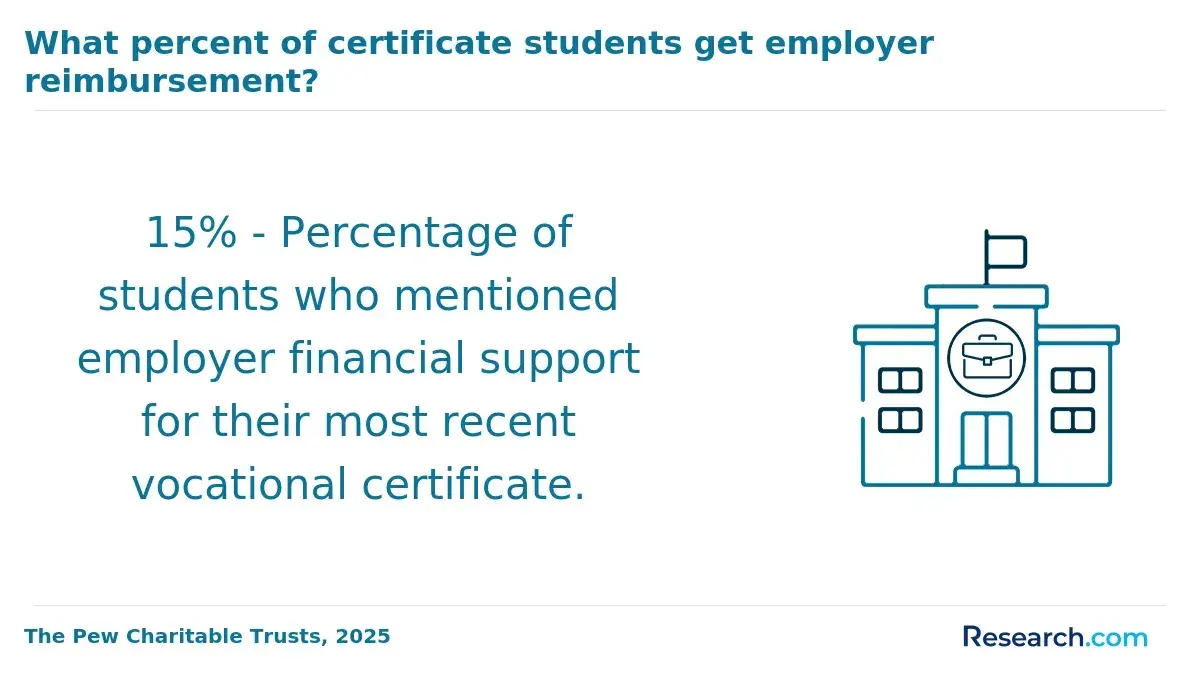
Employer tuition assistance can offset costs, especially for working professionals pursuing degrees related to their current jobs or career advancement. Veterans and active military personnel may use GI Bill benefits to cover tuition at many accredited online programs.
Private loans and payment plans are available but often come with higher interest rates and added risk. Additional expenses such as technology fees, textbooks, and course materials should also be factored in when calculating total program costs.
Choosing an accredited program is critical, as completions increased from 33,969 to 37,353 in recent years, reflecting rising demand and employer recognition (Data USA).
What careers can you pursue with an online organizational leadership degree and in which industries?
An online organizational leadership degree prepares graduates for varied roles such as project managers, operations managers, human resources directors, and training and development managers. These careers demand strong leadership, strategic planning, and effective team management skills. Employers across industries recognize the value of leaders who can optimize workflows and boost workforce productivity.
Key industries hiring organizational leadership professionals include healthcare, technology, education, nonprofit, manufacturing, and government sectors. For instance, healthcare leaders coordinate multidisciplinary teams and implement policy changes, while tech managers oversee remote or hybrid teams and drive innovation. Education leaders focus on staff management and institutional growth. Nonprofits need leaders proficient in fundraising and volunteer coordination, whereas manufacturing and government emphasize process efficiency and compliance.
A focus on remote work and digital collaboration is central to modern organizational leadership programs. Over 70% of organizations now prioritize virtual collaboration and remote team leadership as essential skills for new managers, according to a University of Cincinnati survey. Graduates develop expertise in digital communication platforms, conflict resolution in virtual settings, and global team coordination.
These competencies increase employability across industries adapting to remote work and digital transformation trends.
What salary ranges and job growth can graduates with organizational leadership degrees expect?
Graduates with organizational leadership degrees often secure competitive salaries and benefit from strong job growth. According to data from Appalachian State University referencing the U.S. Bureau of Labor Statistics, training and development managers-a frequent role for such graduates-had a median annual salary of $127,090 in May 2024. This field is expected to grow by 7% from 2023 to 2033, which is faster than the average for all occupations.
Salary levels typically depend on industry, location, and experience. Entry-level roles in human resources, operations, or team leadership commonly start between $60,000 and $75,000. Mid-level managers with solid leadership experience can expect $90,000 to $110,000, while senior positions, especially in training, development, or executive leadership, may exceed $120,000.
Job growth is strong in sectors like healthcare administration, nonprofit management, corporate training, and educational leadership. Professionals with organizational leadership degrees often find their skills highly transferable, enabling transitions from corporate environments to government agencies or consulting careers.
- Median salary for training and development managers: $127,090
- Projected job growth: 7% (2023-2033)
- Entry-level salary range: $60,000-$75,000
- Mid-level salary range: $90,000-$110,000
- Senior roles salary: above $120,000
This data emphasizes the value of leadership skills across diverse industries and supports informed career planning for graduates and students exploring organizational leadership pathways.
How can you evaluate and choose a high-quality online organizational leadership program aligned with your goals?
When choosing an online organizational leadership program, start by clarifying your career goals-whether it's entering management, advancing your current role, or specializing in sectors like healthcare or nonprofit leadership. Seek programs with courses tailored to these areas.
Accreditation is crucial. Prioritize schools recognized by agencies such as the Higher Learning Commission to ensure academic quality and industry acceptance. Examine the curriculum for practical leadership skills like conflict resolution, strategic planning, and ethical decision-making, alongside opportunities for real-world application through capstones or internships.
Faculty expertise is a key factor; select programs led by instructors with documented leadership experience and strong academic backgrounds. Online platforms should offer interactive tools, live discussions, and accessible support to enhance learning engagement.
Flexibility is important if you balance work or personal commitments. Look for options like part-time study or accelerated paths that influence completion time and financial investment.
Evaluate career services, including employer connections and internship support. According to the U.S. Bureau of Labor Statistics, management roles are projected to grow substantially by 2034 with median pay among the highest, highlighting the value of leadership skills acquired through accredited programs.
Compare tuition costs and availability of financial aid, and seek alumni feedback on outcomes and satisfaction before deciding.
Other Things You Should Know About Organizational Leadership
Organizational leadership programs commonly emphasize transformational, servant, and situational leadership styles. These styles focus on motivating teams, fostering collaboration, and adapting leadership approaches based on the needs of individuals and contexts. Coursework often includes studying how to apply these styles effectively in various organizational environments.
Yes, many organizational leadership programs are designed to accommodate students with little or no prior management experience. The curriculum builds foundational leadership skills alongside advanced concepts, enabling learners to develop confidence and competence for supervisory and managerial roles.
Ethical decision-making is a fundamental part of most organizational leadership programs. Students study ethics frameworks, corporate social responsibility, and dilemmas leaders face to prepare for responsible leadership that aligns with organizational values and stakeholder interests.
In 2027, online organizational leadership degrees focus on transformational, servant, and adaptive leadership styles. These styles are integrated into the curriculum to equip students with flexible and people-centered approaches, aligning with modern employer demands for leaders who can drive change and foster collaboration.
References
- Earn Your Organizational Leadership Degree Online https://waldorf.edu/lp/online-organizational-leadership-degree/
- Leadership (MS) https://www.uagrantham.edu/online-degrees/leadership-master-of-science/
- Top 40 Low-Cost Online Master's in Educational Leadership https://www.greatvaluecolleges.net/affordable/online-masters-organizational-leadership/
- How to Create a Leadership Development Program https://www.techclass.com/resources/learning-and-development-articles/how-to-create-a-leadership-development-program-step-by-step
- Online Master’s in Organizational Leadership Degree Programs (Online MSOL Programs) https://www.onlineeducation.com/business/masters-in-organizational-leadership-programs
- DDI Leadership Development Courses That Get Results https://www.ddi.com/solutions/leadership-courses
- Organizational Leadership (BAAS) Competency-Based https://www.etamu.edu/programs/organizational-leadership-baas-orgl/
- Top 45 Online Master's in Organizational Leadership - Organizational Psychology Degrees https://www.organizationalpsychologydegrees.com/best/online-masters-in-organizational-leadership/
- Choose the Right Leadership Development Program | Intellezy https://www.intellezy.com/blog/choosing-the-right-leadership-development-program-for-your-organization
- Best Organizational Leadership Degrees | Online Masters vs Bachelors https://www.businessstudent.com/online-degrees/organizational-leadership-degree/