2027 Real Estate Degrees Explained: Are They Classified as Professional Degrees?

Co-Founder and Chief Data Scientist
Many prospective students mistakenly believe that a real estate degree automatically qualifies as a professional degree necessary for licensure or career advancement. In reality, only a small portion of real estate programs meet the formal criteria for professional degrees recognized by accreditation bodies. According to the National Center for Education Statistics, less than 15% of employment in advanced real estate roles requires a professional degree. Understanding the distinctions between degree types, accreditation, and industry expectations is critical for making informed educational investments. This article clarifies these distinctions and provides practical guidance on how real estate degrees impact licensure, career prospects, and earning potential.
Key Benefits of Professional Real Estate Degrees
- Obtaining a professional real estate degree enhances career advancement and leadership prospects, often qualifying graduates for managerial roles in competitive markets.
- Graduates typically experience higher earning potential, with studies showing advanced degree holders earn 20-35% more than those with only a bachelor's degree.
- These degrees enable eligibility for regulated roles such as licensed appraisers or brokers, providing long-term job stability in evolving real estate sectors.
What Is Considered a Professional Real Estate Degree?
Choosing the right education pathway is essential for students seeking quick entry into the real estate workforce and those focused on licensure. Nearly 25% of students enrolling in real estate programs select professional degrees tailored to licensure preparation and practical skills, reflecting strong workforce demand.
A common way to clarify misconceptions about these programs is by contrasting myths with facts.
Degree Definition
- Myth: A professional real estate degree is any degree related to real estate studies.
- Fact: A professional real estate degree specifically prepares students for careers in real estate through applied skills and licensure-focused training.
Licensure Preparation
- Myth: General business or undergraduate degrees cover all requirements for real estate licensure.
- Fact: Only professional real estate degrees embed state licensure coursework essential for passing licensing exams.
Credential Focus
- Myth: Industry credentialing can be pursued independently after any real estate-related degree.
- Fact: Professional degrees emphasize preparation for industry-recognized credentialing exams, aligning education with licensing needs.
Recognizing the real estate professional degree requirements helps students identify programs that facilitate immediate employment. For those exploring specialized fields, similar to choosing AI degrees online, understanding degree structure ensures informed decisions about education and career goals.
Who Should Pursue a Professional Real Estate Degree?
Identifying who benefits from a professional real estate degree is crucial for students seeking career-focused, practice-oriented education that aligns with their goals. Enrollment in real estate programs has grown by approximately 20% over the past five years, highlighting increasing industry demand. To clarify common misconceptions, consider the following myth-versus-fact pairs.
Advanced Experience
- Myth: A professional real estate degree is only for experienced agents looking to advance.
- Fact: While early-career professionals gain significant benefits, individuals seeking licensure or specialized roles in property management, appraisal, or development also find these degrees essential.
Career Changers
- Myth: Career changers don't need a professional real estate degree to enter the field.
- Fact: Career changers can leverage a professional real estate degree to build foundational knowledge and credibility quickly, which enhances job prospects in competitive markets.
Licensure Needs
- Myth: Licensure or certification can always be obtained without formal education.
- Fact: Many individuals pursue degrees to meet industry regulations or gain accreditation essential for certain career paths requiring a real estate degree.
Industry Specialists
- Myth: Specialization isn't necessary to work in regulated real estate sectors.
- Fact: Specialists targeting regulated markets benefit from focused education that addresses compliance and market nuances.
Students interested in furthering their education with practical, accredited programs might also explore related fields such as counseling degrees online accredited, which offer alternative pathways for professional development.
What Are the Most Common Professional Real Estate Degree Programs?
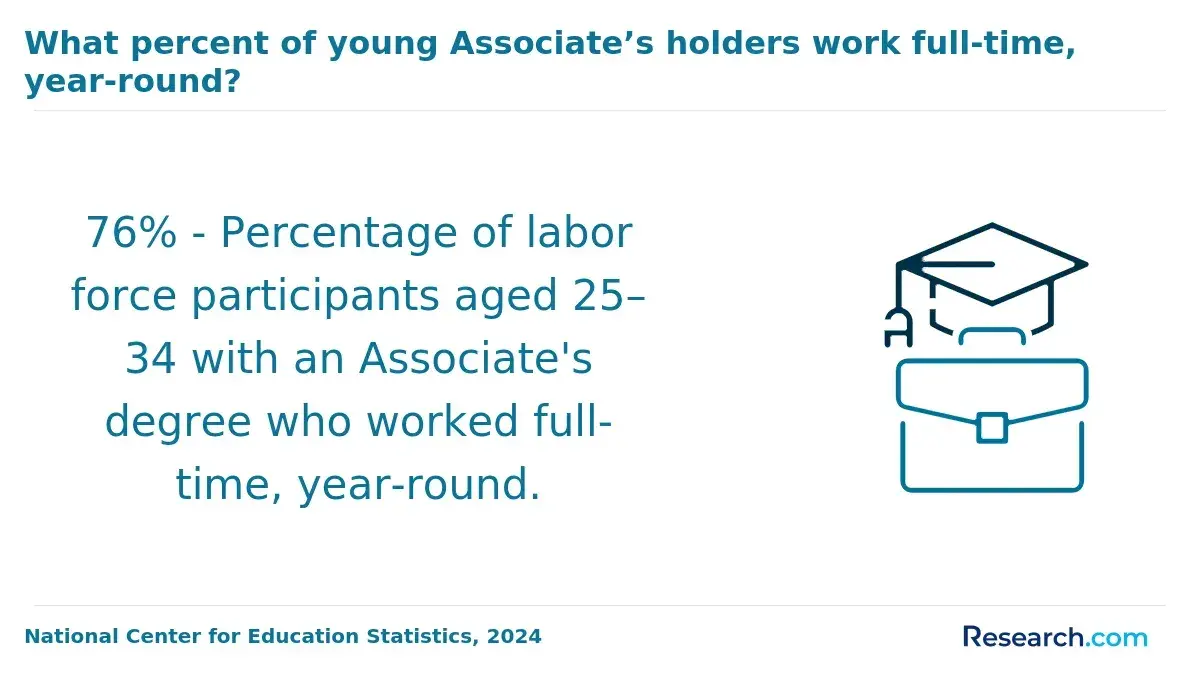
Knowing the variety of professional real estate programs enables students to choose options that align with their specific career objectives. With rising interest in the field, enrollment in real estate education continues to grow, reflecting an 8% projected job increase over the next decade according to the U.S. Bureau of Labor Statistics.
Common programs include:
- Bachelor of Science in real estate: This degree covers real estate finance, economics, property law, and market analysis. It offers a well-rounded foundation that prepares students for diverse roles in the industry.
- Master's in real estate development: Focused on advanced project management and urban planning, this program equips students to handle complex development initiatives and large-scale real estate projects.
- Real estate law degrees: Concentrating on legal frameworks, these programs delve into property transactions, regulations, and compliance, essential for understanding the legal side of real estate.
The Bachelor of Science remains especially popular due to its balance of practical finance knowledge and legal market insights, creating flexibility across various sectors in real estate.
Accreditation is a key concern for students evaluating professional real estate degree programs because it confirms that programs meet recognized quality standards affecting licensing and career prospects. Data shows over 70% of prospective students prioritize accredited programs when selecting their education path in this field. Below is a myth-versus-fact guide clarifying common misconceptions about accrediting organizations for real estate degree programs.
Accrediting agencies
- Myth: All professional real estate degree programs are accredited by the same national bodies as law or medical degrees.
- Fact: Real estate programs are generally accredited by regional institutional bodies recognized by the U.S. Department of Education, not specialized national accreditors.
Programmatic accreditation
- Myth: Specialized programmatic accreditation for real estate degrees is common and guarantees licensure eligibility.
- Fact: While some programs seek industry-related recognition, institutional accreditation primarily influences federal financial aid, credit transfer, and employer recognition.
Licensure impact
- Myth: Accreditation status does not affect eligibility for real estate licensing exams.
- Fact: Accreditation often impacts licensing exam eligibility in many states, making accredited programs important for licensure paths.
Career outcomes
- Myth: Accreditation has little effect on employment opportunities after graduation.
- Fact: Accredited programs tend to offer better graduate outcomes, supporting career advancement in the real estate sector.
Students seeking professional real estate degrees should also consider related fields and financing options available to them, such as exploring an online masters in psychology to complement their knowledge. Understanding the role of accreditation and the distinctions between institutional and programmatic accreditation helps clarify the value and legitimacy of their educational investment.
Knowing the admission requirements helps prospective students judge if they meet the standards and what to expect from professional real estate programs. The field is increasingly competitive, with recent data showing a rise in applicants holding backgrounds in finance and business-related disciplines. Here is a summary of typical admission criteria.
- Educational Background- Most programs require at least a high school diploma or equivalent. Some prefer candidates with prior college coursework or an associate degree to confirm foundational skills in communication and analysis.
- Standardized Test Scores- Undergraduate real estate degrees often ask for SAT or ACT results. These scores provide insight into academic readiness and predict success in rigorous coursework.
- Academic Performance- A minimum GPA is usually necessary, reflecting consistent achievement in earlier studies. This benchmark helps ensure applicants can meet program demands.
- Application Materials- Letters of recommendation and personal statements allow candidates to express motivation and relevant experiences. These also reveal professional goals aligned with real estate's complexities.
A graduate of a professional real estate degree shared that navigating admissions was both challenging and eye-opening. "Submitting recommendation letters felt daunting because I wanted to highlight my unique experiences," he said. He also mentioned that crafting a personal statement pushed him to clarify why real estate, combining legal and financial aspects, was his chosen career path. "The process made me realize how seriously the program takes preparation, which motivated me to step up academically and professionally before even starting."
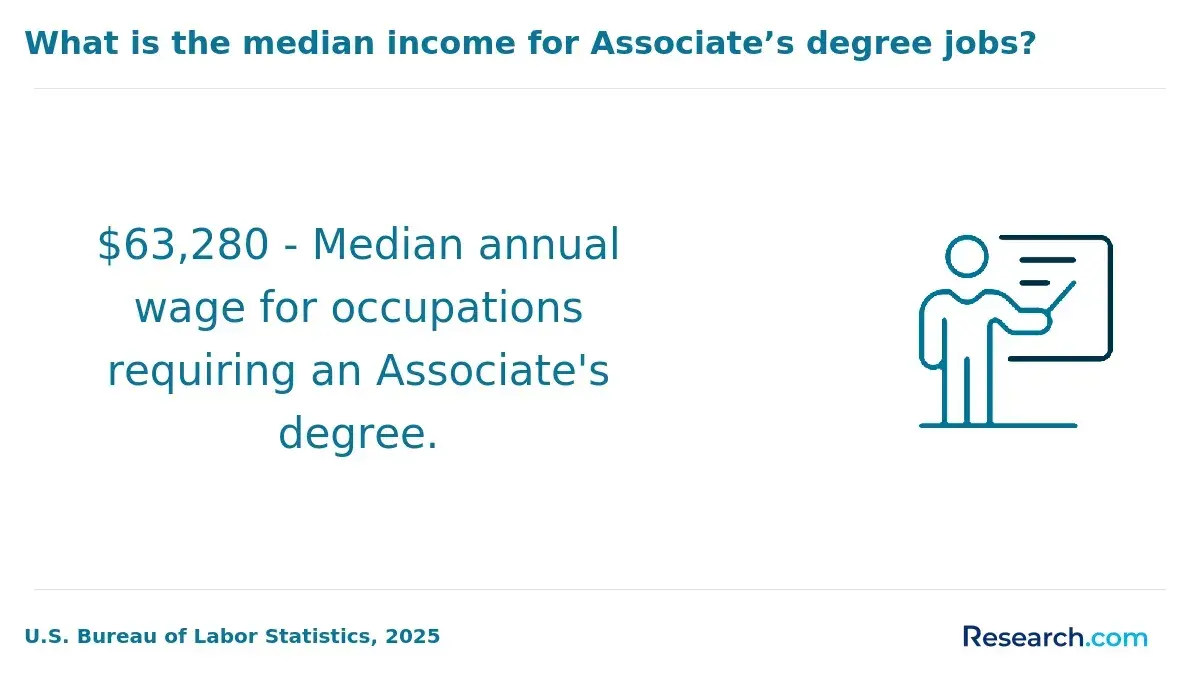
Knowing the curriculum and practical training included in a professional real estate degree is essential for prospective students assessing how well programs prepare them for licensure, certification, or career growth. Different programs vary in meeting industry requirements, so clarity on required courses for professional real estate degree helps guide informed choices. Below is an outline of common academic and experiential components in these programs.
- Core Real Estate Courses: These typically cover fundamental principles such as property valuation, investment strategies, real estate finance, and market analysis. The courses build analytical skills and legal awareness necessary to understand complex real estate transactions and regulatory environments.
- Property Law and Urban Economics: Instruction on property rights, contracts, zoning laws, and urban economic factors provides a solid legal and economic framework. This foundation is vital for complying with regulations and making informed business decisions.
- Practical Training in Real Estate Programs: Many degrees integrate internships, project-based learning, or fieldwork to allow students to apply theoretical knowledge to real-world situations. This hands-on experience develops negotiation, appraisal, and client communication skills crucial for brokerage, property management, or development roles.
- Professional Development and Ethics: Coursework often includes ethics and professionalism, preparing graduates to navigate ethical dilemmas and maintain integrity in competitive markets.
Given that not all real estate degrees guarantee eligibility for professional licensing, assessing both coursework and experiential components is critical. Students seeking higher earning potential or career advancement should also consider how a degree aligns with degrees that make the most money and industry demands.
Understanding the cost of professional real estate degrees is essential for prospective students evaluating their education investment and planning their finances. On average, tuition for real estate degree programs ranges between $10,000 and $40,000, reflecting factors such as institution type and program prestige. Recent analyses indicate that the average total program cost, including all fees, is approximately $25,000.
These financial considerations are critical in comparing programs and assessing the value of a professional real estate degree. Below are key cost components that influence overall affordability:
- Tuition: This is typically the largest expense of a real estate degree. Costs vary widely between public and private institutions and depend on the length and reputation of the program. Tuition is the baseline amount that prospective students should budget for.
- Course materials and textbooks: These fees can add several hundred to over a thousand dollars annually. Specialized textbooks and up-to-date real estate market resources often drive these costs higher than general education materials.
- Technology fees: Many programs require fees for access to online platforms, specialized software, or virtual classrooms. These mandatory fees reflect the increasing reliance on digital tools in real estate education.
- Application and administrative fees: Often one-time charges, these upfront costs contribute to the initial financial outlay required before starting the program.
- Licensing exam preparation: Some curricula include exam prep within tuition, but others require separate payment. These courses are essential for those pursuing licensure and can impact total expenses.
Prospective students should also explore financial aid options, scholarships, and employer sponsorships that can offset the cost. Additionally, those considering shorter or less costly options might compare associate degrees related to real estate, which can sometimes reduce the initial investment.
Careful budgeting and understanding the full cost of attendance help students make informed decisions when pursuing a real estate degree, balancing cost against potential career advancement and earning potential.
Financial aid eligibility is a common concern for students exploring professional real estate programs due to the variety in program types and accreditation. Many wonder if these programs qualify for federal aid, which can significantly ease the financial burden of pursuing advanced education.
Approximately 45% of graduate students in business-related areas, including real estate, rely on some form of financial assistance such as federal loans or employer tuition benefits. To clarify common misconceptions, here is a myth versus fact overview.
Federal Aid Eligibility
- Myth: Professional real estate programs are not eligible for federal student aid.
- Fact: Many accredited real estate degree programs do qualify for federal financial aid, including federal loans and grants, provided the institution participates in Title IV programs.
Scholarships and Assistance
- Myth: Financial aid options for real estate students are limited to federal loans only.
- Fact: Students may access employer-sponsored scholarships, private scholarships targeted at real estate fields, and public service loan forgiveness if working in qualifying government roles.
When I spoke with a recent graduate of a professional real estate degree, she shared her experience navigating financial aid. "At first, I was unsure if my program qualified for federal aid," she explained. The process of verifying accreditation and financial aid options was daunting but essential. She found that her school's Title IV eligibility made her loan applications smoother and allowed her to use a combination of federal loans and employer tuition reimbursement. This support eased the stress about funding and let her focus on building career skills. "Understanding the mix of aid available was empowering; it made the investment feel achievable without overwhelming debt," she reflected, emphasizing the importance of research and persistence in securing aid.
Students exploring professional real estate programs must clarify which careers require formal degrees to avoid unnecessary time and costs. Labor projections indicate a 4% employment growth for real estate brokers and sales agents from 2022 to 2032, highlighting the importance of licensing and skills over formal education alone.
Below are common misconceptions and truths about degree requirements in real estate careers.
Licensing Need
- Myth: A professional real estate degree is essential to become a licensed agent or broker.
- Fact: Most U.S. states require completing state-approved pre-licensing courses and passing an exam, but do not mandate a formal degree.
Specialized Roles
- Myth: Careers like appraisal or property management always demand professional degrees.
- Fact: While advanced education can help, many specialized roles value experience and industry certifications over formal degrees.
Certification Importance
- Myth: Holding a professional degree is required for all real estate certifications.
- Fact: Many certifications, such as real estate appraiser credentials, require specific coursework and exams rather than a degree labeled "professional."
Aligning educational choices with actual career requirements ensures efficient use of resources and better preparation for licensure or certification pathways in real estate fields.
Evaluating the financial impact of professional real estate degrees is crucial for students thinking about investing time and money in specialized education. Salary potential can shape both immediate income and future career opportunities. Below are common misconceptions and realities regarding the value of these degrees.
Salary Expectations
- Myth: Holding a professional real estate degree automatically results in significantly higher pay than other degrees.
- Fact: Increased earnings depend largely on variables like job role, experience level, market conditions, and location, with degrees often providing access to specialized roles but no guaranteed salary jump.
Career Advancement
- Myth: A professional real estate degree is the only way to reach top-paying jobs and progress professionally.
- Fact: Practical experience, certifications, and networking play major roles in career growth, though a degree can strengthen knowledge in areas like finance and law, making candidates eligible for more advanced positions.
Return on Investment
- Myth: The cost and effort of obtaining a professional real estate degree rarely pay off financially.
- Fact: Well-designed, accredited programs often enhance long-term earning potential by improving marketability, skills, and professional connections, making them worthwhile investments for many students.
When deciding on enrolling, students should carefully assess tuition expenses, program quality, and personal ambitions. Remember, a degree is one factor among many that influence earning power and career development in real estate.
What Graduates Say About Their Professional Real Estate Degree
- Tino: "Choosing to enroll in a professional real estate degree program was one of the best decisions I've made. The flexibility allowed me to balance my job and studies seamlessly, and with an average cost of attendance that felt reasonable, it was a smart investment. This degree has truly propelled my career forward, opening doors to opportunities I hadn't imagined."
- Zev: "The structure of the real estate program gave me the freedom to learn at my own pace, which was essential as I juggled family commitments alongside coursework. Reflecting on the journey, the program's affordability combined with its comprehensive curriculum made it a wise choice. It's gratifying to see how this education has refined my professional skills and expanded my network."
- Garni: "As a professional already established in the field, pursuing a real estate degree provided me with the strategic knowledge I needed to advance further. The program's flexible schedule accommodated my workload perfectly, and considering the average cost, it was a sound investment in my future. This credential has enhanced my credibility and significantly impacted my career trajectory."
Other Things You Should Know About Real Estate Degrees
While professional real estate degrees provide valuable knowledge, they do not typically replace state licensing requirements. Most states require aspiring real estate agents or brokers to complete specific pre-licensing courses and pass an exam regardless of degree status. However, having a degree can sometimes waive certain course prerequisites or speed up the licensing process in some jurisdictions.
Yes, in 2027, many universities offer online real estate degree programs. These programs are designed to be flexible, allowing students to complete coursework remotely. Online options include undergraduate and master's programs, which often provide comprehensive curricula covering real estate principles, finance, and law.
A real estate degree should come from a regionally accredited institution, and a business school may also hold AACSB accreditation. For licensing, the program should also meet state real estate commission rules. Check the U.S. Department of Education database and your state’s licensing board before enrolling.
- Myth Vs Facts: Real Estate Agents https://www.knowledgebroker.ca/b/blog/myth-vs-facts-real-estate-agents.html
- What Degree Do You Need for Real Estate Agent Careers? https://www.coursera.org/articles/what-degree-do-you-need-for-real-estate-agent
- Don’t Believe These 7 Myths About a Real Estate Career - Superior School of Real Estate https://www.superiorschoolnc.com/career-hub/explore/dont-believe-these-7-myths-about-a-real-estate-career/
- Masters in Real Estate / Masters in Real Estate Development : An Overview and Guide for Cornell, Columbia, MIT and Harvard. | Wall Street Oasis https://www.wallstreetoasis.com/forum/real-estate/masters-in-real-estate-masters-in-real-estate-development-an-overview-and-guide
- Real Estate Myth-Busting: Unveiling the Truth Behind Common Misconceptions | Pinnacle Real Estate Academy https://pinnaclerealestateacademy.com/real-estate-myth-busting-unveiling-the-truth-behind-common-misconceptions
- Debunking Common Myths About Real Estate Careers https://baumschoolofrealestate.com/blog/debunking-common-myths-about-real-estate-careers
- Undergraduate real estate programs in the United States - Wikipedia https://en.wikipedia.org/wiki/Undergraduate_real_estate_programs_in_the_United_States
- What are the different types of real estate training courses? - INSEEC https://www.inseec.com/en/guides/orientation-guide/what-are-the-different-types-of-real-estate-training-courses
- Debunking the Myths About Professional Certifications https://certiprof.com/blogs/news/debunking-the-myths-about-professional-certifications
- How to Become a Certified Real Estate Professional https://www.euromatech.com/articles/how-to-become-a-certified-real-estate-professional/