2027 Best Real Estate Degrees for Working Adults

Co-Founder and Chief Data Scientist
Balancing a full-time job while pursuing a real estate degree can overwhelm many working adults, risking stalled careers or lost income. Currently, the National Association of Realtors reports that over 75% of real estate professionals hold some level of formal education, emphasizing the sector's growing demand for qualified credentials. With flexible, accredited programs designed for adult learners, it is possible to advance without sacrificing employment. This article explores the best real estate degrees tailored to working professionals, highlighting options that offer balance, affordability, and career-impacting skills to help adult students achieve professional growth efficiently.
Key Things to Know About Real Estate Degrees for Working Adults
- Many programs offer flexible scheduling, including evening and weekend classes, allowing working adults to balance education with full-time employment effectively.
- Online and hybrid formats have grown by over 40% since 2020, providing accessible options without sacrificing quality or engagement.
- Degrees focused on current market trends and employer partnerships increase job placement rates, aligning skills with real estate industry demands.
What Are the Best Real Estate Degrees for Working Adults?
The best real estate degrees for working adults depend greatly on factors such as schedule flexibility, career alignment, and return on investment. Increasingly, part-time enrollment and online education options enable adult learners to balance full-time employment with advancing their credentials. This trend reflects a growing demand for programs that accommodate diverse pacing and learning styles without compromising career progress.
Several real estate degree options are especially suitable for employed students seeking flexible, accredited programs. These degrees combine practical knowledge with formats that support working professionals' needs.
- Bachelor's in Real Estate Management: This degree blends real estate principles with business management fundamentals. It often features online or hybrid formats, allowing students to progress without disrupting work schedules.
- Bachelor's in Business Administration with Real Estate Concentration: Offering a broad business foundation alongside specialized real estate coursework, this option is typically available part-time, catering well to working adults pursuing career advancement.
- Master's in Real Estate Development: Focused on finance, investment, and property development, this degree is designed for professionals through evening or weekend classes, helping them balance education with job responsibilities.
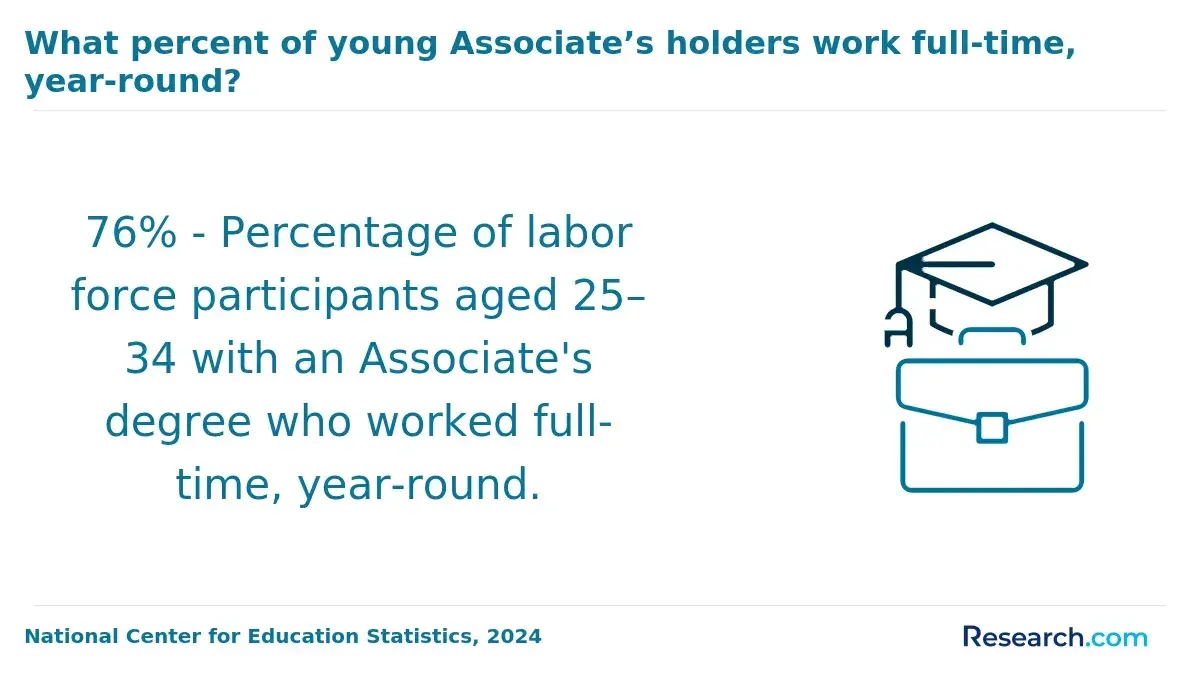
- Associate Degree in Real Estate: Providing a quicker entry point into the field, this degree emphasizes practical skills and licensing preparation, ideal for those aiming for entry-level positions while working.
- Certificate Programs in Real Estate Finance or Property Management: These short-term, targeted programs help professionals enhance skills and credentials without the long-term commitment of a full degree.
Working adults looking for the best real estate degree programs for working adults should prioritize flexibility and employer recognition to maximize career benefits. For those interested in related fields, exploring online speech pathology programs showcases how industry-specific online options expand accessibility across professions.
What Are the Admission Requirements for Working Adults in Real Estate Degree Programs?
Admission requirements for working adults in real estate degree programs often reflect the need for flexibility and recognition of varied professional backgrounds. In fact, over 40% of graduate students in the U.S. are now enrolled part-time, highlighting the importance of adaptable learning schedules for adult learners balancing careers. These programs aim to accommodate career commitments while maintaining academic rigor.
Common considerations in admission criteria for working adults real estate degrees include:
- Relevant Work Experience: Many programs value professional experience in real estate or related fields, sometimes allowing it to substitute for traditional academic prerequisites. This ensures candidates demonstrate practical knowledge and readiness for graduate-level study.
- GPA Flexibility: The minimum GPA required for admission is often more flexible compared to traditional programs, recognizing that adult learners may have diverse educational backgrounds and career interruptions.
- Test Waivers: Standardized tests like the GRE or GMAT are frequently waived for applicants with substantial professional experience, reducing barriers for career professionals.
- Professional Recommendations: Letters focusing on workplace achievements and skills provide valuable insight into an applicant's capabilities beyond academic performance.
- Flexible Enrollment Options: Part-time and online learning formats are commonly offered to help working professionals pursue their education without sacrificing employment, similar to the flexibility seen in some online engineering programs.
What Coursework Is Required in Real Estate Degree Programs for Working Adults?
Coursework in real estate degree programs designed for working adults balances career relevance, practical skills, and flexibility to fit busy schedules. Nearly 60% of adult learners choose part-time or online formats, allowing them to pursue education while maintaining full-time employment.
Core subjects in real estate degree coursework for working adults cover essential industry knowledge and practical application. Typical areas of study include:
- Real Estate Finance: Focuses on property valuation, investment analysis, and financing techniques, enabling professionals to make sound decisions in property transactions.
- Property Law and Ethics: Explores contracts, zoning regulations, and ethical standards, ensuring students grasp legal responsibilities and industry compliance.
- Real Estate Market Analysis: Teaches market research methods, demand forecasting, and economic trend evaluation to guide effective opportunity assessment.
- Property Management: Covers tenant relations, maintenance, and budget management, preparing learners to efficiently supervise residential or commercial properties.
- Real Estate Development: Examines project planning, land use, and sustainable development practices, equipping professionals for roles in urban planning and growth management.
This targeted coursework supports professionals advancing their careers by providing relevant skills, structured through flexible learning options such as evening classes, accelerated programs, and online modules. Many pursuing real estate degrees complement their studies with online executive MBA programs to further enhance leadership and business skills. Ultimately, these programs cater to the needs of career changers and adult learners seeking accredited real estate degree programs that integrate practical knowledge with adaptable formats.
Completion time for a real estate degree often varies among working adults due to balancing education with job responsibilities. On average, part-time students might take between four and six years to earn their degree, longer than the usual four years for full-time students.
Several elements impact how long it takes to finish:
- Program format: Flexible online or hybrid courses can accommodate busy schedules but may either speed up or slow down progress depending on how the student manages their time.
- Course load: Enrolling in fewer classes each term helps juggle work commitments but extends the overall time needed to graduate.
- Prior credits: Transferring previously earned college credits can reduce the number of required courses, accelerating completion.
- Work schedule: Demanding or unpredictable job hours can limit effective study time and delay finishing the degree.
- Accelerated options: Some programs provide condensed courses or summer sessions that allow students to graduate sooner if they can commit extra effort.
One professional who completed an online real estate degree while working shared that maintaining a steady pace was crucial. He described juggling work deadlines and family responsibilities while dedicating evenings to study as challenging but rewarding. "It wasn't easy balancing everything, and there were moments of doubt," he admitted. Utilizing a structured schedule and setting small, achievable goals helped him stay on track. Ultimately, flexibility in the program and personal determination made completing his degree possible within five years, a timeline he feels was realistic considering his other demands.
For working adults, managing the cost of a real estate degree is essential as they juggle education with financial commitments. Enrollment in part-time real estate programs has risen by 12% over the past five years, highlighting growing interest in affordable, flexible options for employed learners.
Several factors impact the overall expense of earning this degree:
- Tuition per Credit: This typically represents the largest cost and can vary significantly across schools. Rates may be higher for part-time students or those who live out-of-state.
- Program Length: Shorter, accelerated tracks tend to reduce total costs but demand more intensive study periods. Longer programs may spread payments but sometimes incur extra fees during extended enrollment.
- Additional Fees: Technology, registration, and possible insurance or lab fees often add up, increasing overall expenses beyond just tuition.
- Textbooks and Materials: Required books and software can cost hundreds per term, though digital resources may help lower these expenses.
- Learning Format: Online courses usually have lower tuition per credit and eliminate travel costs, making them appealing for working professionals.
Many adult learners reduce their financial burden through employer tuition reimbursement, scholarships, and selecting accredited programs that provide financial support tailored to non-traditional students.
Balancing work, studies, and personal life makes financial aid essential for adults pursuing real estate degrees, as tuition and related costs can quickly become overwhelming without support. Several tailored options help ease the financial burden and accommodate busy schedules.
Key financial aid options for working adults include:
- Federal financial aid: Programs such as Pell Grants and student loans offer financial relief through grants and low-interest borrowing, but require completing the FAFSA application to determine eligibility.
- Employer tuition assistance: Many employers provide reimbursement or direct assistance for job-related education, often allowing flexible hours to help balance work and study commitments.
- Adult learner scholarships: Numerous private organizations award scholarships that recognize the unique challenges of adult students, factoring in work experience as well as academic achievement.
- Grants from states and private sources: These no-repay, needs-based grants support adults returning to school, frequently depending on income level or enrollment status.
- Flexible payment plans: Schools may offer installment options to spread out tuition costs, reducing financial pressure for those working full time.
When I spoke with a professional who completed a real estate degree while maintaining full-time employment, she described the process as a balancing act filled with both obstacles and rewards. "Managing coursework after long workdays was draining," she said, "but knowing I had access to a manageable payment plan and some employer support made the financial side less stressful." She shared that applying for scholarships exclusively aimed at adults gave her confidence and recognition beyond traditional academic metrics, which was motivating. Reflecting on her journey, she emphasized that financial aid was not just about money-it provided the flexibility and encouragement that kept her committed during the toughest periods.
Working adults earning a Real estate degree juggle the demands of full-time jobs, family, and coursework, making it challenging to maintain steady academic progress. Support services offered by institutions are essential in helping these students balance their responsibilities and achieve success.
- Flexible scheduling: This service lets students select class times that align with their work and personal commitments, minimizing conflicts and lowering stress. Flexibility helps prevent course delays and supports consistent advancement.
- Online learning support: Technical help and user-friendly resources guide students through virtual platforms, improving accessibility for those who study remotely. This support ensures students stay connected and engaged regardless of location.
- Academic advising: Personalized counseling assists learners in choosing courses that fit degree requirements and career goals. Advisors help map a clear path to graduation, reducing unnecessary classes and easing academic planning.
- Career services: These programs connect students with internships, networking opportunities, and job placement assistance. Linking education to employment helps working adults translate their studies into real-world professional growth.
- Tutoring and mentorship: One-on-one or group support deepens comprehension of complex material and nurtures a sense of community. Mentorship encourages persistence and boosts motivation, which can be vital for adult learners balancing multiple roles.
Accreditation for real estate programs signifies formal approval from recognized agencies that verify the curriculum meets strict educational standards. For working adults, this means the program's content is reliable, current, and tailored to industry needs, which directly impacts degree quality. Employers tend to favor candidates with accredited degrees, enhancing job prospects and promotion potential. Additionally, only accredited programs typically provide access to federal financial aid and scholarships, making education more affordable. Notably, more than 40% of U.S. graduate students are adults balancing work and study, driving the rise of flexible accredited programs designed for this demographic.
Accreditation also enhances the long-term value of a real estate degree by ensuring earned credits can be transferred if students pursue further education. It plays a crucial role in meeting requirements for professional licensure or certification within the real estate field. This validation supports career progression by strengthening the degree's acceptance and legitimacy across employers and professional bodies. Thus, accredited real estate degrees offer working professionals a sound investment toward sustained career growth and industry recognition.
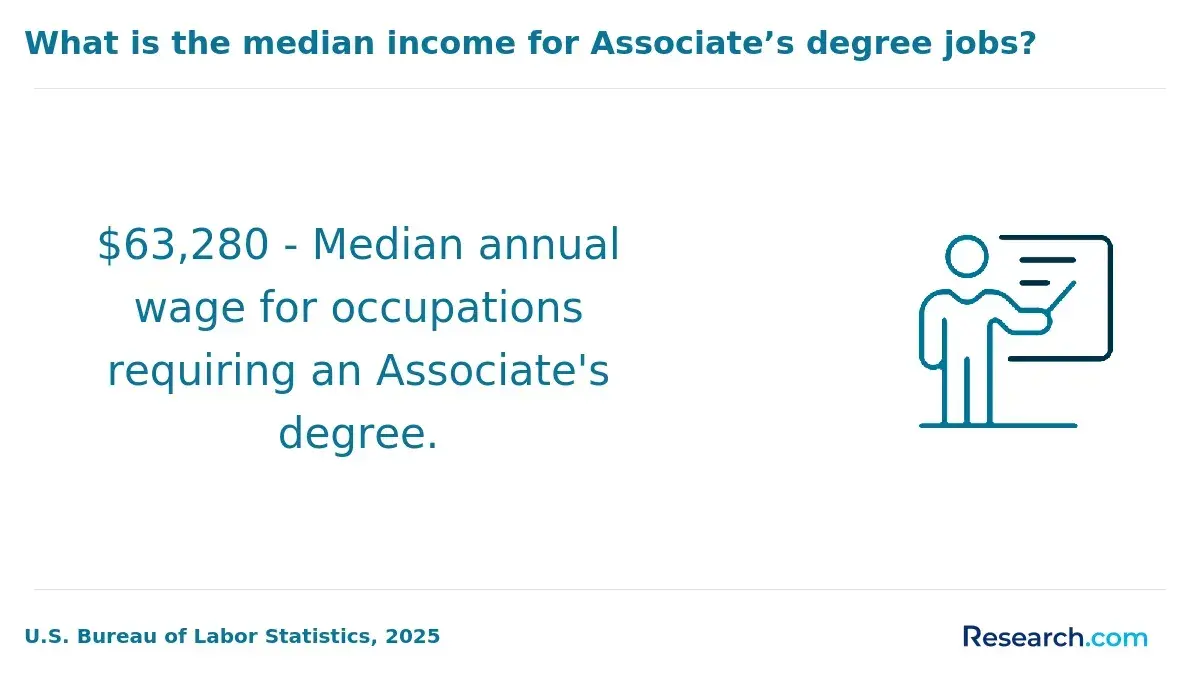
Salary growth is a major driver for working adults pursuing a real estate degree, as earning potential often improves with advanced education. Industry data shows that professionals with a real estate degree usually make between $50,000 and $90,000 annually, though this depends on various factors.
- Industry demand: Real estate markets that are actively growing tend to offer higher wages, making location a key consideration for salary increases linked to a real estate degree.
- Role advancement: Obtaining a real estate degree can unlock opportunities to move into management, brokerage, or development roles, which typically offer better compensation than entry-level positions.
- Employer policies: Some organizations provide salary raises or bonuses to employees with formal education, while others may prioritize experience, affecting how a real estate degree influences pay.
- Experience and education synergy: Years of practical experience combined with a degree often lead to greater salary gains, as employers value the blend of skills and academic knowledge.
- Specialization: Focusing on niche areas like commercial real estate or property appraisal can open doors to more lucrative roles within the industry.
Working adults aiming for real estate degree career growth benefit most from flexible, accredited programs that accommodate full-time employment. Balancing work and education allows professionals to upskill without pausing their careers, enhancing their chances for salary growth and advancement. Those interested in further leadership or management credentials may explore an online doctorate in organizational leadership as an additional path for growth.
A real estate degree helps working adults qualify for higher-level, more specialized, or leadership-oriented roles beyond entry-level positions. For professionals with practical real estate experience, this degree deepens knowledge in market analysis, property law, and investment strategies, strengthening their candidacy for career advancement.
Here are common upward-mobility jobs for working professionals with a real estate degree:
- Real Estate Development Manager: Oversees property development projects from initial planning through completion, coordinating with contractors, investors, and local authorities. This role demands a strategic grasp of market conditions and financing options, skills enhanced through formal real estate education.
- Commercial Real Estate Broker: Handles complex transactions involving large commercial properties. Advanced education improves the ability to navigate legal frameworks, market trends, and client negotiations, key factors for success in this role.
- Property Asset Manager: Focuses on managing and optimizing real estate portfolios to maximize asset value and return on investment. This position requires analytical and management skills often honed through degree programs.
- Real Estate Investment Analyst: Conducts financial analyses and market research to support investment decisions. Coursework in finance and economics, typical in many real estate degrees, underpins the expertise needed here.
- Real Estate Portfolio Manager: Leads strategic management of multiple real estate assets, balancing risk and growth. Leadership abilities and deep market insights from a real estate degree contribute to thriving in this position.
Working adults seeking flexible options can explore programs like an associates degree to begin or enhance their careers. Many accredited programs cater specifically to real estate careers for working adults, supporting job advancement and specialization.
What Graduates Say About Their Real Estate Degrees for Working Adults
- William: "Choosing to enroll in an online real estate degree program while working full time was one of the best decisions I've made. The flexibility allowed me to study without sacrificing my job, and the cost-averaging around $20,000-was manageable compared to traditional programs. Completing the degree has opened doors to higher positions and increased my confidence in negotiating property deals. "
- Zev: "Balancing work and part-time education was challenging, but the value of the real estate program justified every effort. The tuition felt like a worthwhile investment, especially knowing that the average cost sits near $18,000 for working adults. Since graduating, I've noticed a clear boost in my career trajectory and credibility with clients. "
- Grayson: "As a professional, I carefully weighed the cost and benefits of continuing education in real estate while working. The program's cost was reasonable-typically under $25,000-and the part-time format allowed me to gain real-world experience simultaneously. This blend of theory and practice has profoundly impacted my career growth and strategic understanding of the market. "
Other Things You Should Know About Real Estate Degrees
Yes, many programs are designed for working adults to earn a real estate degree while maintaining their jobs. Online programs and evening or weekend classes offer flexibility, allowing students to balance work commitments while completing degree requirements at their own pace.
Yes, some credits transfer if the program is regionally accredited and the state approves the coursework. Real estate commissions often require specific pre-licensing classes, such as 60 to 90 hours, so students should confirm transfer rules with the state licensing board before enrolling.
Yes, in 2027, many institutions offer real estate degrees that can be completed entirely online. These flexible programs cater to working adults by allowing them to study at their own pace, making it easier to balance work and education effectively.
- Deep Dive: Careers in Commercial Real Estate (Updated Nov 2025) https://www.adventuresincre.com/careers-in-real-estate/
- Graduate Real Estate Institute Scholarships and Financial Aid https://www.fordham.edu/school-of-professional-and-continuing-studies/academics/real-estate-institute/admissions-and-aid/graduate-real-estate-institute-scholarships/
- List of Masters in Real Estate Programs - Campus & Online https://yescollege.com/degrees/masters-real-estate/
- Grants and Funding https://www.nar.realtor/about-nar/grants-and-funding
- Frequently Asked Questions about Earning a Real Estate License https://www.kapre.com/resources/real-estate/faq-earning-real-estate-license
- Why Real Estate Can Be Your Perfect Side Hustle or Second Career https://www.aceableagent.com/blog/why-real-estate-can-be-your-perfect-side-hustle-or-second-career/
- Real Estate Trading Services Licensing Course https://www.sauder.ubc.ca/programs/real-estate/licensing-registration-courses/bc-licensing-courses/real-estate-trading-services-licensing
- Frequently Asked Real Estate License Questions https://www.msrealtycourses.com/frequently-asked-real-estate-license-questions/
- IREM Foundation Scholarships https://www.iremfoundation.org/scholarships
- 2025 Most Popular Real Estate Degrees Online https://www.onlineu.com/degrees/real-estate