
2027 What Prerequisites Do You Need for a Real Estate Degree? Entry Requirements, Credits & Eligibility Rules

Co-Founder and Chief Data Scientist
Many prospective real estate students feel uncertain about prerequisite requirements, as these vary widely across institutions. A recent survey found that nearly 40% of applicants to real estate programs lacked one or more required foundational courses, causing delays in admission or extended study timelines. This confusion often stems from differences in entry requirements and credit acceptance policies.
This article aims to clarify common prerequisites, eligibility rules, and credit expectations for real estate degrees. Understanding these elements is essential for applicants to prepare effectively, ensuring smoother admission processes and timely progress toward their qualifications in the competitive real estate field.
Key Things to Know About the Prerequisites for a Real Estate Degree
- Applicants typically need foundational courses in economics, finance, or business, emphasizing quantitative skills and market analysis for real estate degree eligibility.
- Minimum GPA requirements usually range from 2.5 to 3.0, reflecting academic readiness and consistency in relevant subjects.
- Programs often require 60+ undergraduate credits with demonstrated skills in communication, critical thinking, and basic legal knowledge related to property laws.
Do real estate programs require specific high school prerequisites?
Most real estate programs do not mandate strict high school prerequisites, but requirements can vary across institutions and program types. Some schools recommend foundational coursework to better prepare students for the demands of real estate studies, contributing to improved eligibility and academic success. Understanding typical high school prerequisites for real estate degree 2026 can help prospective students plan accordingly.
- Mathematics: Often including algebra and basic statistics, math is essential for handling financial calculations, property appraisal techniques, and market analysis, which are key components of early real estate coursework.
- English: Strong skills in reading comprehension and composition support effective written and verbal communication, crucial for client relations, contract drafting, and report writing.
- Social Studies: Subjects like economics and geography provide valuable context for understanding market trends, location dynamics, and economic factors influencing property values.
These recommended entry requirements for real estate programs 2026 are supported by data from the National Center for Education Statistics (NCES, 2023), which found that programs with clearer prerequisite guidelines experienced about 15% higher student retention rates. Students focusing on these foundational subjects tend to be better equipped to navigate the complexities of real estate education.
For working adults who require an accelerated path to career advancement, exploring programs categorized as the fastest high paying degree options can provide flexible educational pathways. These options are often compatible with demanding schedules while still allowing learners to efficiently meet essential prerequisites.
What college-level prerequisites are required before starting a real estate degree?
Prospective students aiming to pursue a real estate degree in 2026 should be aware of essential college-level prerequisites to ensure academic readiness and smooth progression through the program. Adequate preparation in foundational subjects supports success in more specialized real estate coursework. Below are the most commonly required prerequisite courses for real estate degree programs.
- Introductory Economics or Finance: These courses establish a critical understanding of market principles and financial systems, enabling students to grasp property valuation and investment strategies effectively.
- Basic Statistics: Statistical knowledge equips students with the skills to analyze real estate data and market trends, supporting strong decision-making and forecasting abilities.
- English Composition or Business Writing: Proficiency in writing and communication is vital for drafting contracts, negotiating deals, and preparing professional reports.
- Accounting or Mathematics: These subjects provide essential tools for financial calculations and budget planning within real estate transactions and development projects.
- Introductory Science or Lab Courses: While less common, these courses occasionally foster analytical thinking and problem-solving skills applicable in real estate analytics.
Many students preparing to enter specialized degree programs complete foundational courses in economics or finance, as these subjects build crucial analytical skills. For individuals exploring initial steps in higher education and seeking programs that prioritize financial accessibility, the accredited online colleges free to apply for resources can offer valuable insights into cost-effective and flexible entry pathways.
How many credits can you transfer into a real estate degree?
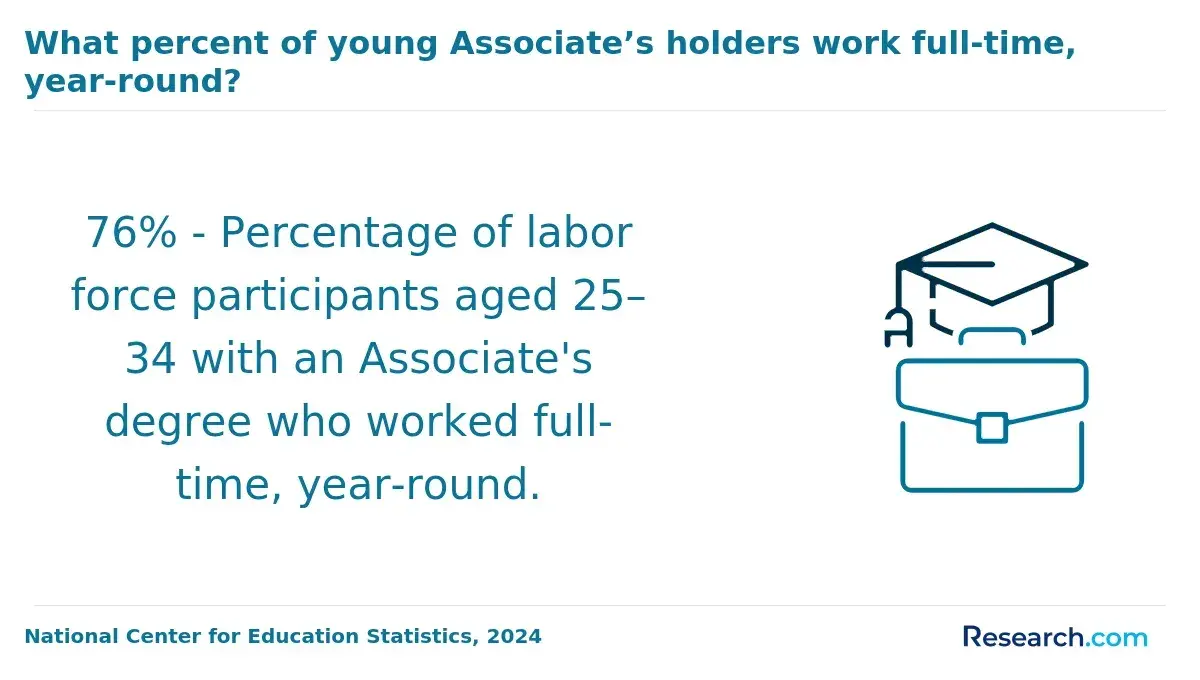
Typically, students can transfer between 50% to 75% of the credit requirements toward a real estate degree, depending largely on the institution, program design, and accreditation. For bachelor's degrees, this usually translates to about 60 to 90 transferable credits, while associate programs often cap transfers at 30 to 40 credits.
Transfer eligibility hinges on factors like whether the previous courses were completed at an accredited college and match the academic level of the real estate program. Most schools require a minimum grade of C for transfer credits and expect students to fulfill residency requirements by completing 30 to 45 credits directly at the degree-awarding institution.
Additionally, credit relevance is vital; courses closely related to real estate topics like finance, property management, or law tend to transfer more easily than unrelated electives. Many schools restrict the acceptance of credits earned through non-traditional means such as CLEP exams or professional certifications.
Transfer pathways and articulation agreements between institutions can simplify credit evaluation, especially when schools share regional or specialized accreditation. When discussing credit transfers, a student of a real estate degree program shared her experience: "It was challenging to navigate which credits would actually count because each school had its own interpretation of core versus elective courses.
I appreciated the clear guidance once I contacted the registrar, but it took some patience to gather syllabi and transcripts for evaluation." She added that although it was a bit stressful initially, understanding these nuances helped her feel more confident about how her previous education contributed to her degree progress.
Most real estate degree programs in 2026 no longer require SAT or ACT scores, reflecting the widespread adoption of test-optional and test-free admissions policies. However, some competitive programs and specific public university systems still request or recommend these standardized test results.
Additionally, merit-based scholarships in certain states may consider SAT or ACT scores as part of their evaluation criteria. This movement away from testing stems from a broader higher education trend, with over 1,600 U.S. colleges waiving standardized test requirements to promote accessibility and fairness in admissions.
Instead of relying on test scores, many programs prioritize a comprehensive review of applicants' academic and personal achievements. Key factors include a strong high school GPA and completion of relevant coursework like economics, math, or business fundamentals.
Admissions committees often look for personal essays that outline motivation and career objectives, as well as letters of recommendation. Some schools may also request portfolios or evidence of practical experience, such as internships, to better assess candidates' readiness and alignment with the real estate field.
Success in a real estate degree program begins with mastering key skills that support both academic achievement and practical career application. These abilities allow students to navigate complex financial, legal, and market aspects inherent to the field.
Several vital competencies form the foundation for a strong start in real estate education:
- Foundational academic skills: Proficiency in math and reading comprehension is essential for handling financial calculations, contract details, and market data interpretation.
- Technical and software knowledge: Familiarity with MLS platforms, property management software, and data tools like Excel enhances efficiency in managing listings and conducting research.
- Analytical and problem-solving abilities: Critical thinking helps evaluate property values, legal concerns, and investment risks, facilitating sound decision-making.
- Communication skills: Clear written and verbal communication is crucial for negotiations, networking, and drafting agreements.
- Field-specific readiness: Understanding local and federal real estate laws, along with ethical standards, prepares students for licensure and industry challenges.
When I spoke with a recent graduate about what skills mattered most before enrolling, he shared how daunting it was to balance the rigorous coursework with learning complex software systems simultaneously.
"I wish I had spent more time beforehand getting comfortable with spreadsheets and legal terminology," he admitted. This prep work, he reflected, would have made his transition smoother and helped build confidence early on in his studies.
Professional experience requirements for admission to a real estate degree program vary widely depending on the institution, program level, and area of focus. Undergraduate programs typically do not require prior work experience and prioritize academic performance and test scores. Graduate programs, including master's degrees and MBAs with real estate concentrations, often suggest or mandate 1 to 3 years of relevant experience.
Roles in property management, real estate sales, finance, or urban planning commonly strengthen applications. Some specialized courses, particularly those targeting commercial real estate or development, may require experience to ensure students are prepared for advanced study.
Programs that emphasize professional experience do so because practical insights enrich class discussions and hands-on learning, which are essential in real estate education. Admissions committees consider relevant work history as evidence of a candidate's ability to engage with complex topics and contribute unique viewpoints.
Still, many competitive programs admit applicants without experience if they show strong academic skills and motivation. Recent data indicates about 60% of graduate real estate programs favor applicants with experience, while 40% accept those directly from undergraduate or unrelated backgrounds.
Online real estate degree programs require specific technology prerequisites to ensure students can fully engage with coursework and access all learning materials seamlessly. These standards are essential for maintaining a consistent educational experience, especially in a field that depends on real-time market data and effective virtual communication.
The most common online real estate degree technology requirements 2026 include:
- Hardware requirements: A reliable computer with at least an Intel i5 processor or equivalent, 8GB of RAM, and a webcam. These specifications support virtual meetings, presentations, and the multitasking demands of learning platforms and real estate software.
- Internet speed: A stable broadband connection with minimum download speeds of 10 Mbps. This ensures smooth streaming of lectures, fast downloading of resources, and timely submission of assignments without disruption.
- Software and platforms: Up-to-date web browsers such as Chrome or Firefox, PDF readers, and office suites like Microsoft Office or Google Workspace are required. Learning management systems (LMS) such as Blackboard, Canvas, or Moodle are commonly used to facilitate coursework and communication.
- Digital literacy skills: Proficiency in navigating online platforms, submitting assignments electronically, and effectively using email or video conferencing tools is necessary. These technical skills prerequisites for real estate degree programs allow students to stay engaged with interactive case studies, virtual property tours, and market analysis tools.
Students interested in advanced real estate education options that emphasize technology-driven learning environments might look for post-graduate programs that offer significant acceleration.
For information on the feasibility and structure of highly specialized, fast-tracked paths, one might research educational models similar to a 12 month doctoral program, which can offer flexibility for experienced professionals.
International students seeking admission to real estate programs in 2026 face additional prerequisites beyond those for domestic applicants. These extra requirements ensure eligibility and facilitate the verification of academic and financial credentials.
Below is a common list of prerequisites for international candidates.
- Proof of English proficiency: Applicants must demonstrate adequate English language skills, often through standardized tests such as TOEFL or IELTS. This ensures they can fully participate in coursework and communicate effectively in academic settings.
- Academic credential evaluation: International transcripts and diplomas typically require evaluation by a recognized agency to confirm equivalency to U.S. education standards. This process helps institutions assess the applicant's academic history accurately.
- Financial documentation: Students must provide evidence of sufficient funds to cover tuition and living expenses. This often includes bank statements or sponsorship letters, which verify that the applicant can support their education and stay without financial hardship.
- Student visa compliance: Enrollment is contingent on obtaining the proper visa, usually an F-1 student visa, which requires acceptance documents and proof of enrollment status. Students must maintain this status throughout their studies in the United States.
- Prerequisite coursework: Some programs may require completion of foundational courses related to business or real estate. Applicants should verify specific course requirements with the institution to ensure eligibility.
Including these comprehensive eligibility criteria is important for maintaining enrollment standards and providing all students, particularly international candidates, with the best chance of success. Program eligibility often requires balancing part-time study with professional experience, especially for specialized fields like real estate, which may have state-specific entry requirements, credit transfer policies, and licensing prerequisites in states like New York or California.
For detailed information on eligibility rules, credit transfer policies, and available financial aid resources, prospective domestic students should refer to resources from FAFSA approved online schools.
Clarifying the differences between general university admission standards and specific real estate program prerequisites is crucial for applicants planning their academic timelines and ensuring eligibility. These distinctions determine how soon students can begin specialized coursework and what preparatory steps they must take.
General University Admission Requirements
- Minimum GPA Thresholds: Most universities require a GPA between 2.5 and 3.0 for admission, reflecting broad academic readiness.
- English Proficiency: Non-native speakers must demonstrate language skills via TOEFL or IELTS to meet communication standards.
- General Education Coursework: Completion of foundational classes in humanities, social sciences, and writing establishes baseline intellectual skills before specialization.
Real Estate Program-Specific Prerequisites
- Essential Subject Background: Applicants often must complete courses in mathematics (algebra, statistics, calculus), economics, or business to prepare for analytical real estate content.
- Skill Demonstrations: Some programs request portfolios or evidence of prior professional experience in property management or finance to verify readiness.
- Focused Coursework Requirements: For example, the University of Florida's real estate bachelor's program requires calculus and microeconomics to support higher-level real estate finance studies.
Impact on Eligibility and Preparation
- Extended Study Time: Completing prerequisite courses before enrollment can lengthen total education duration.
- Additional Documentation: Candidates lacking related backgrounds may need to submit portfolios or letters attesting to relevant work experience.
- Preparation Filter: These requisites ensure applicants possess the quantitative and technical ability necessary for rigorous real estate coursework.
Reflecting these challenges, nearly 60% of real estate students in 2023, according to the National Association of Realtors' Education Foundation, reported requiring extra preparatory classes before beginning their core degree programs.
Prospective students exploring the best colleges should note that meeting both university and program-specific prerequisites is essential to access opportunities in real estate education and careers.
Do you need to pay for prerequisite courses before applying to a real estate program? Generally, yes. Most schools require foundational courses that come with associated tuition and fees. These prerequisites are often completed at the same institution offering the real estate degree, where costs are charged by credit hour.
Alternatively, students may choose community colleges or accredited online providers, which tend to be more affordable. According to the College Board, community college credits typically range from $100 to $400 per credit, though prices vary significantly based on institution and location.
To reduce expenses, many students pursue financial aid or grants that cover prerequisite classes. Scholarships focused on real estate or related fields can also offset costs. Transferring credits from previous coursework is another common approach to avoid repeating classes. Additionally, selecting community colleges or online options accredited by the real estate program's institution can help keep tuition manageable.
What Graduates Say About the Prerequisites for Their Real Estate Degree
- Harry: "Getting into the real estate degree program required me to complete some foundational courses, but the investment was well worth it considering the average tuition cost. Though it felt like a significant financial commitment at first, I've seen how this education has opened doors to lucrative opportunities and invaluable industry connections. I'm thrilled with how much the degree has accelerated my career growth."
- Sofia: "Reflecting on my journey, meeting the prerequisite requirements for the real estate degree was challenging yet manageable, and the overall cost aligned with what I expected for specialized education. The program gave me a deep understanding of market dynamics, which has been instrumental in making informed, strategic decisions professionally. It was a smart expense that paid dividends in skills and confidence."
- Lucia: "The real estate degree program's prerequisite demands prepared me thoroughly before enrollment, and the tuition fees-though not insignificant-were justified by the quality of instruction and resources provided. This credential has become a cornerstone of my professional identity, enhancing credibility and career stability in a competitive market. I view the cost as an essential investment in my long-term professional development."
Other Things You Should Know About Real Estate Degrees
Yes. Most accredited real estate degree programs require official transcripts from every college previously attended, usually sent directly from each institution. Admissions offices use them to verify completed credits, GPA, and whether transfer courses meet prerequisite standards before enrollment.
Background checks are rare as part of the admission process for real estate degree programs but might be required for programs with internships or placements in sensitive real estate environments. Certain universities or affiliated institutions could require this to ensure candidates meet ethical and legal standards before participation in practical training components.
Many real estate programs require demonstration of basic math proficiency, often through placement or proficiency exams, especially in areas like finance and statistics. This ensures students are prepared for coursework involving calculations related to property valuation, mortgage analysis, and market trends. Requirements vary, so it is essential to verify with the chosen institution.
In 2027, letters of recommendation are often requested by universities to understand an applicant's potential and character. While not universally mandatory, they are a strong component of a competitive application, helping admission teams assess qualities beyond academic transcripts.
- Do I Need a College Degree to Be a Real Estate Agent? https://www.kapre.com/resources/real-estate/college-degree-real-estate-agent
- Online learning — The Australian Real Estate Training College https://www.realestatetraining.com.au/online-learning
- Real Estate https://www.shu.ac.uk/courses/business-and-management/bsc-honours-real-estate/full-time
- Top 10 Real Estate Agent Skills and Qualities https://www.coursera.org/articles/real-estate-agent-skills
- International Applicants https://realestate.smeal.psu.edu/program-admissions/international-applicants
- Admission for Diploma, Certificate and AIC Programs https://www.sauder.ubc.ca/programs/real-estate/credit-programs/admission-registration
- Real Estate at Ulster University. BSc (Hons) Full-time, in Belfast - 2026/27 entry year. https://www.ulster.ac.uk/courses/202627/real-estate-41226
- What A Levels Do I Need to Be a Real Estate Agent? https://www.savemyexams.com/learning-hub/a-level-choices/a-levels-for-real-estate-agent/
- Guidance on Getting Started in Real Estate https://www.thestudentroom.co.uk/showthread.php
- How to Become a Real Estate Agent Without a Degree | Allied https://www.alliedschools.com/blog/do-you-need-college-for-real-estate/


