
2027 Does a Real Estate Degree Require Internships or Clinical Hours?

Co-Founder and Chief Data Scientist
Many prospective real estate students face uncertainty about whether internships or clinical hours are mandatory to complete their degree programs. This uncertainty complicates planning for time and finances, especially as 68% of real estate graduates who completed internships report smoother transitions into full-time employment. As the real estate sector increasingly values practical experience, understanding internship requirements becomes crucial for timely graduation and effective career entry.
This article, prepared by career planning experts, will clarify common internship and clinical hour expectations in real estate degree programs and explain how these components impact program duration, readiness, and employment prospects in the industry.
Key Things to Know About Real Estate Degree Internships or Clinical Hours
- Most real estate degrees require hands-on internships or clinical hours to meet licensure standards and ensure practical skill development before graduation.
- Online programs often arrange virtual or local in-person internships, while campus-based courses may pair students with partner agencies for direct field experience.
- Practical requirements typically extend program timelines but enhance career readiness and improve employment rates, with 75% of graduates reporting job placement within six months.
Does a Real Estate Degree Require Internships or Clinical Hours?
Real estate degree programs do not universally require internships or clinical hours; these requirements vary by institution and program. Many programs offer internships as optional experiences aimed at enhancing practical skills, while others make them mandatory to meet accreditation or state education standards. Unlike fields such as healthcare or social work, clinical hours for real estate programs are not a formal prerequisite. Instead, real estate education often emphasizes gaining industry exposure through internships and cooperative education placements that complement academic learning.
Internships in real estate typically occur during junior or senior years, providing students with hands-on experience in brokerage firms, property management, or development companies. These placements help develop key skills like client negotiation, market analysis, and transaction processes, which are essential for career readiness. Prospective students should review whether internships are required, as they often involve 120 to 200 hours of supervised work that builds professional networks and knowledge of regulatory standards.
According to the National Association of Realtors, practical experience is highly valued, with 70% of employers seeking candidates who have completed relevant internships. For those exploring related fields, programs such as online SLP degrees may also offer experiential learning components to enhance employment prospects.
Are Internships Paid or Unpaid in Real Estate Programs?
Internships in real estate programs vary between paid and unpaid opportunities, with compensation often depending on the employer and location. This distinction is important for students considering program costs and career planning, as it impacts their overall financial and professional experience. Recent data shows that about 60% of real estate internships in the U.S. offer some form of payment, indicating a gradual rise in paid positions within the field.
Here are key points to understand about internship pay in real estate programs:
- Payment Structures: Some internships provide hourly wages or stipends, while others remain unpaid but may offer academic credit or essential hands-on experience.
- Influencing Factors: Whether an internship is paid often depends on the company's size, budget, and the responsibilities assigned. Larger firms tend to offer paid roles to attract top talent, whereas smaller companies might focus on unpaid opportunities geared toward learning and networking.
- Value of Unpaid Internships: Even unpaid real estate internships hold significant career value by enabling students to build professional connections and acquire skills necessary for the industry.
- Budgeting and Planning: For those weighing unpaid vs paid real estate internships, understanding compensation nature is crucial in managing education expenses and timing career entry.
Students interested in complementary fields might also explore options such as an online engineering degree to broaden their professional scope alongside real estate studies.
What Is the Difference Between Internships or Clinical Hours in Real Estate Degree Levels?
Comparing requirements for internships versus clinical hours across real estate degree levels helps students set realistic expectations for academic workload and career readiness. These experiential elements differ in duration, complexity, and supervision, shaping professional skill development.
Below is an overview of how these requirements typically vary.
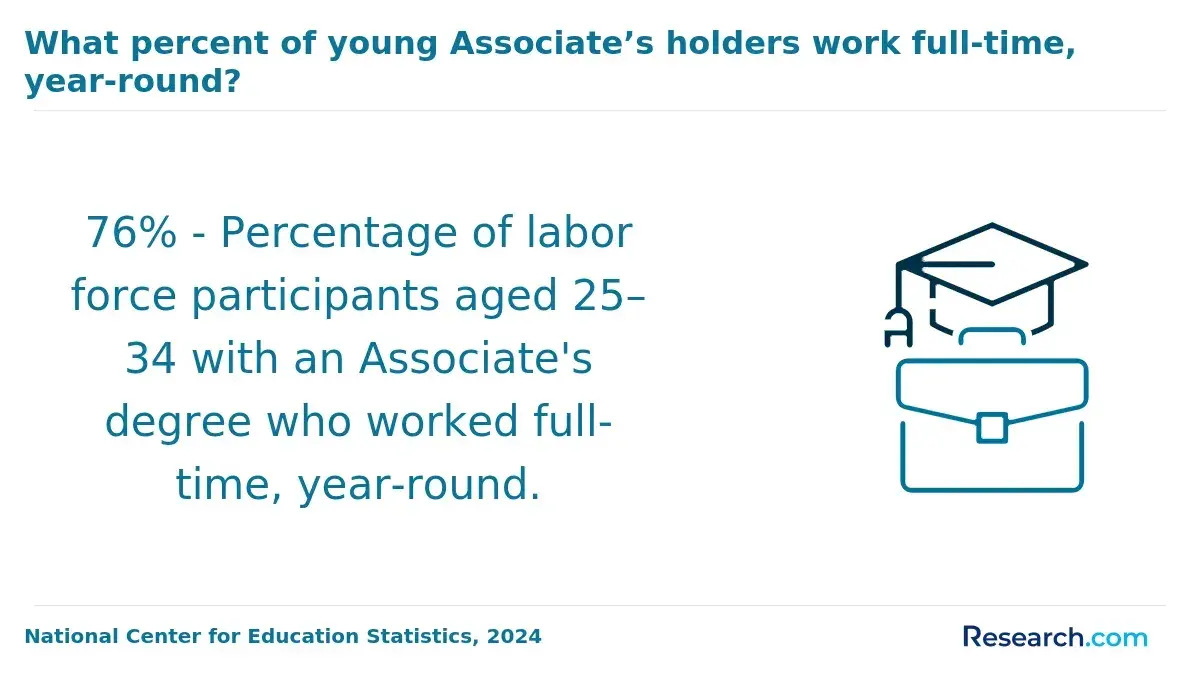
- Associate degree: Internships at this level usually involve about 100 to 150 hours performing entry-level tasks such as market research and client communication under close supervision. These real estate degree internship requirements emphasize foundational skills and broad industry exposure.
- Bachelor's degree: Students often complete 200 to 400 hours in more responsible internships involving activities like property valuation and contract review. Supervision allows more autonomy, helping learners apply classroom knowledge practically while preparing for more complex career roles.
- Master's degree: Clinical hours here tend to be more specialized, focusing on advanced real estate analysis, investment strategies, or legal frameworks. The experience is intensive and quality-driven, expecting independent problem solving with consultative supervision to develop high-level professional competencies.
The variation in experiential requirements at different levels is crucial when considering real estate degree internship requirements or clinical hours in real estate programs. For those exploring graduate options, reviewing resources on cheap psychology masters programs can provide helpful insights into flexible, affordable pathways that balance practical experience and academic study.
Accelerated real estate programs integrate internships or clinical hours by embedding practical experience within an intensified academic schedule. Internships are often coordinated simultaneously with coursework, requiring students to juggle demanding classwork alongside hands-on training without lengthening program duration.
The compressed format necessitates excellent organization and time management due to heightened workload and fast-paced learning. To accommodate this, programs frequently collaborate with real estate firms to offer adaptable, part-time internship opportunities tailored to students' busy schedules.
Students navigate the balance between experiential learning and accelerated studies through various program strategies that uphold state licensure and professional readiness. Common approaches include supervised real-world projects replacing some clinical hours and the option for remote internships that enhance flexibility.
About 30% of students in these fast-track programs engage in internship experiences, highlighting a growing trend toward valuing practical exposure despite shortened timelines. Close monitoring ensures students meet regulatory standards while maintaining a rigorous preparation for careers in real estate.
Internship or clinical hour requirements for online and on-campus real estate programs generally align, with both formats maintaining comparable expectations to ensure students gain practical experience. These programs typically demand a similar amount of hands-on training or project work that meets established professional standards.
Online education in professional fields like real estate has seen a 21% rise in enrollment, reflecting the growing integration of structured experiential learning components. Both delivery modes emphasize achieving clear learning outcomes, including skill development under industry supervision and performance-based evaluations.
The main difference lies in how students fulfill these internship requirements. Online learners often benefit from greater flexibility in scheduling and can select placements that suit their geographic location or allow remote participation. This contrasts with on-campus students, who may rely more on local opportunities and in-person supervision. Additionally, virtual mentorship and networking play a larger role in online internships, enabling participants to meet program criteria without traditional physical presence, while maintaining the core goals of real-world application and professional readiness.
Specialization choices within real estate degree programs significantly influence internship or clinical hour requirements because each focus area emphasizes different practical skills essential for career readiness. For instance, commercial real estate specializations often demand internships involving market trend analysis or brokerage firm exposure, while property management tracks may require hands-on experience in tenant relations and facility maintenance.
A 2023 industry report noted that about 65% of students specializing in finance or investment-related real estate degrees completed internships exceeding 300 hours, underscoring the regulatory and complexity demands involved. Choosing a specialization affects not only the type but also the intensity and setting of experiential learning crucial for mastering the profession's specific tools and challenges related to real estate program specialization and hands-on training expectations.
These variations in internship demands directly impact scheduling and workload, with some students committing to longer weekly hours or stricter timelines during academic terms, while others might have part-time or flexible internships tailored to their specialization's pace. Such differences help shape career preparation by allowing students to build targeted professional networks and gain relevant experience aligned with their future roles.
Prospective students should consider these factors carefully when planning their academic path, balancing internship commitments with coursework. Those seeking an affordable online bachelor's degree in real estate will find that understanding how specialization influences internship requirements can ensure better alignment with their professional goals and time management strategies.
Work experience can sometimes serve as a substitute for internship requirements in real estate degree programs, but acceptance depends heavily on the specific institution and level of study. This question is particularly relevant for working students who may lack time or opportunities for traditional internships.
Programs typically consider whether prior or current professional experience is directly related to real estate, has sufficient duration, and is supported by employer verification. For example, individuals with several years managing properties or working in real estate sales often meet criteria to replace formal internship hours.
Factors influencing approval include the alignment of work responsibilities with program goals, length and depth of the experience, and validation from credible sources or employers. However, programs with a strong focus on applied learning or clinical training often still require internships for hands-on exposure. Policies vary widely, so students should consult their advisors to understand substitution options and ensure their background qualifies.
Internships and clinical rotations in real estate programs typically range from 8 to 16 weeks, with many requiring between 120 and 240 hours of practical experience. This time commitment is crucial for gaining hands-on skills and building professional connections, as evidenced by 75% of recent graduates who felt their internship duration adequately prepared them for the industry.
Below are common internship length models and factors that affect their structure.
- Short-term internships: These usually last 6 to 8 weeks and focus on specific projects or tasks. They are often designed for students seeking targeted exposure without a long-term time commitment, fitting well with accelerated or part-time programs.
- Semester-long rotations: Spanning 12 to 16 weeks, these internships align with academic semesters and integrate closely with coursework. This format provides comprehensive exposure to real estate practices and allows students to engage with a variety of transactions over a sustained period.
- Extended internships: Often exceeding a single semester, these rotations enable students to follow complex deals from initiation through completion. They are favored in full-time, residential, commercial, or investment-focused programs and may accommodate flexible scheduling to meet varying accreditation or licensing hour requirements.
The length and scheduling of internships depend heavily on program design, accreditation mandates, and specialization within the real estate field. Flexibility has increased to support working students or those pursuing certifications, making it easier to balance practical training with other commitments. Licensing regulations in different states may also set minimum standards that influence internship duration across institutions.
Job placement outcomes are a major concern for students pursuing a real estate degree, as many seek practical paths to secure employment after graduation. Research shows that graduates with internship experience are 25% more likely to receive job offers within six months of completing their studies. This highlights the significant impact of real estate degree internships and job placement on career opportunities.
Consider these key factors that illustrate how internships influence post-graduation employment:
- Employer Preferences: Companies often favor candidates with internship experience because it signals hands-on knowledge and readiness for real-world responsibilities. Internships expose students to daily tasks like property management and market analysis, enhancing their practical understanding beyond textbooks.
- Networking Opportunities: Internships provide essential avenues for building professional connections within the industry. Relationships formed during this time frequently lead to job recommendations and direct interviews, which can jumpstart a career.
- Skill Development: Completing an internship helps students develop relevant skills that increase their employability. These include client relations, workplace adaptability, and confidence in handling industry-specific challenges.
- Pathway to Full-Time Roles: Many real estate firms treat internships as extended interviews, where strong performance often results in full-time job offers. This makes internships a critical step in job placement strategies for early-career professionals.
Students interested in accelerating their education while gaining valuable experience might explore one year masters programs, which can complement internship opportunities and further improve career prospects in real estate. The relationship between the impact of internships on real estate career opportunities and educational programs is increasingly well documented, emphasizing the benefits of immersive, practical learning.
Practical experience often boosts starting salaries for graduates by providing real-world skills that reduce training time and enhance early job performance. A 2022 industry survey revealed that real estate graduates who completed internships earned about 10-15% more initially than those without such experience.
Several reasons explain this positive influence on compensation.
- Employer valuation of experience: Companies prefer candidates with actual project involvement or client interactions because they are seen as less of a hiring risk and ready to contribute quickly in real estate roles.
- Negotiation leverage: Graduates who have completed internships usually feel more confident requesting higher pay since they can demonstrate relevant skills and workplace familiarity.
- Industry standards: Certain real estate sectors, like commercial real estate or property management, place greater emphasis on hands-on experience due to the complexity of tasks and decision-making involved.
- Program-specific differences: Degree paths that incorporate mandatory internships or experiential learning elements tend to produce graduates with higher initial salaries. Hybrid and online programs offering virtual internships also help students gain experience valued by employers.
It's important to acknowledge that the salary impact varies by specialization within real estate. For example, those focusing on development or investment analysis usually see a stronger boost from internships than peers in residential sales. Overall, programs requiring clinical hours or other practical training are structured to better prepare students for early career challenges while enhancing their marketability to employers.
What Graduates Say About Their Real Estate Degree Internships or Clinical Hours
- Valentino: "Completing the internship requirement in my online real estate degree program was a surprisingly smooth experience. Despite initial concerns about cost, I found the internship fees quite reasonable compared to traditional on-site programs, averaging around $1,200. This hands-on experience not only confirmed my passion for commercial real estate but also significantly boosted my confidence when I entered the job market."
- Zed: "The real estate internship required in my online degree program was an invaluable part of my education, although it did come with an unexpected financial commitment-approximately $1,000 for placement and supervision fees. Reflecting on this, the professional connections and practical skills I gained were well worth the investment, shaping my approach to property management significantly. "
- Grayson: "From a professional standpoint, the internship component of my online real estate degree was essential in bridging academic theory with industry practice. While the cost, close to $1,150, was a thoughtful consideration, the experience provided me with critical insights and networking opportunities that have"
Other Things You Should Know About Real Estate Degrees
Many real estate degree programs use a capstone project in place of an internship. A capstone is usually completed in the final semester and may count for 3 to 6 credit hours. It often involves a market analysis, investment report, or case study reviewed by faculty.
Many real estate degree programs offer academic credit for internships, but this depends on the institution's policies and internship structure. Students typically must complete a certain number of hours, maintain a reflective journal or report, and have a faculty supervisor to earn academic credit. Credits earned through internships can contribute to degree completion requirements.
Yes, internships in real estate often serve as pipelines for full-time positions. Companies may evaluate interns for cultural fit and job performance during the internship period, which can result in job offers upon graduation. Securing an internship with a reputable firm can significantly improve employment prospects in the competitive real estate sector.
- Real Estate Internships—What to Know Before You Hire | Market Leader https://www.marketleader.com/blog/real-estate-interns/
- Internship in Real Estate https://www.uclaextension.edu/real-estate/real-estate/course/internship-real-estate-mgmt-x-47635
- Real Estate Internship for Students – What to Know Before Hiring https://www.estateagenttoday.co.uk/article/2024/09/real-estate-internship-for-students-what-to-know-before-hiring/
- Work experience in the property sector https://gradireland.com/careers-advice/construction-and-property/work-experience-property-sector
- Guide to Real Estate Internships | Higherin https://higherin.com/career-guides/property-real-estate/property-internships
- Online Real Estate Undergraduate Tutors Spires | Is a Degree in Property Worth Pursuing? https://spires.co/online-real-estate-tutors/undergraduate/is-a-degree-in-property-worth-pursuing
- Key Reasons to Intern with a Real Estate Firm - Real Estate Blog in India | Property Buying Tips, Projects & Market News – Homesfy https://homesfy.in/blog/real-estate-career/key-reasons-to-intern-with-a-real-estate-firm/
- How to Find the Right Internship in an Estate Agency | PropAcademy https://www.propacademy.co.za/right-internship-in-an-estate-agency/


