2027 Purdue Global vs. DePaul: Comparing Online Legal Studies Master's Programs

Co-Founder and Chief Data Scientist
Purdue Global and DePaul may both appeal to professionals who want graduate-level legal knowledge without becoming attorneys, but the better choice depends on more than a program's name. Tuition can change, online classes can still require scheduled attendance, and a legal studies degree serves a different purpose from a law degree. This guide compares the decisions that matter most: what each program teaches, how study fits around work, what the full cost may be, and whether either credential advances your specific career goal.
Key Things You Should Know
- Neither online legal studies master's is a Juris Doctor (JD); neither degree alone qualifies a graduate to practice law.
- Do not choose on advertised tuition alone. Request each school's current full-program estimate, including required fees, and check whether its quoted credits use the same academic unit.
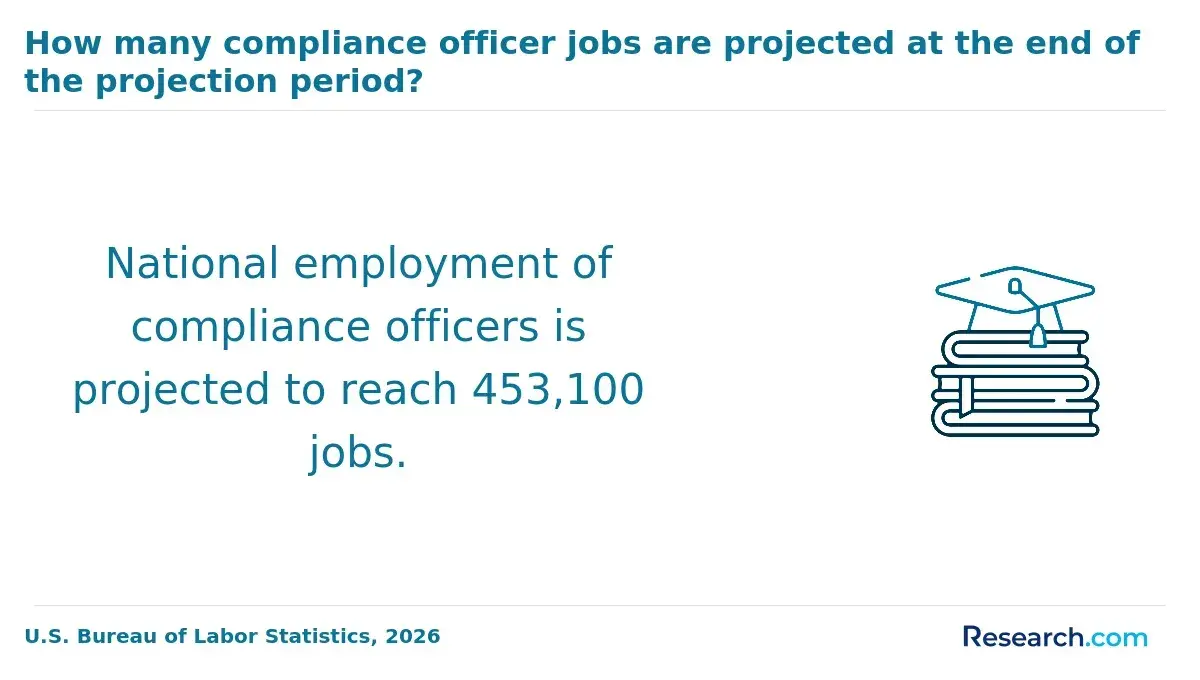
- For context, the U.S. median annual pay for compliance officers was $80,730 in May 2025, with 4% projected job growth for 2025-2035; that occupation-wide figure is not a forecast for graduates of either program.
What is the difference between Purdue Global and DePaul's online legal studies master's programs?
The central comparison is between two graduate routes to understanding law in professional settings - not two routes to attorney licensure. Purdue Global's legal studies master's and DePaul's legal studies master's should be evaluated by their current official credential names, required courses, credit units, online attendance rules, and total charges. Those details matter more than a school's general reputation.
The table separates what the programs have in common from the facts an applicant needs to confirm in the current catalog. It is especially useful when comparing offers that describe credits or online flexibility differently.
| Decision criterion | Purdue Global | DePaul |
| Educational purpose | Graduate legal study for roles that use legal knowledge without attorney licensure | Graduate legal study for roles that use legal knowledge without attorney licensure |
| Credential and credit unit | Confirm the exact degree title and required quarter credits in the current catalog | Confirm the exact degree title, required credits, and academic calendar in the current catalog |
| Best curriculum test | Check whether required courses build the research, writing, and regulatory skills your job needs | Check whether required courses and available electives address the legal issues in your field |
| Best schedule test | Confirm live meetings, term dates, and course availability | Confirm live meetings, term dates, and course availability |
Neither institution is automatically the stronger choice. A course sequence aligned with your work can be worth more than a broader set of electives you cannot fit into your schedule; the reverse can also be true.
Is an online master's in legal studies equivalent to a law degree?
No. A legal studies master's is a non-JD degree intended to develop legal knowledge; a JD is the professional law degree ordinarily used as part of the path to attorney licensure. Bar admission also depends on jurisdiction-specific rules. Neither Purdue Global's nor DePaul's legal studies master's, by itself, authorizes a graduate to represent clients or practice law.
If your goal is paralegal work rather than graduate-level policy or compliance work, a master's may be more education than you need. Compare employer requirements with online pathways to an associate degree in paralegal studies before taking on graduate tuition. Paralegals work under appropriate attorney supervision; their education does not authorize independent legal practice.
Which program is more affordable: Purdue Global or DePaul?
There is no responsible price winner without comparable, current quotes for your enrollment plan. A per-credit rate is not a total program price, and quarter credits should not be compared directly with semester credits as though they represented identical coursework. Scholarships, employer assistance, transfer decisions, and the number of terms you attend can also change your out-of-pocket cost.
Ask both schools for a written estimate covering required credits, tuition, mandatory fees, books or research resources, and any technology or campus-related costs. Compare the estimates at the same expected course load, then subtract only funding you are eligible to receive. If the degree is chiefly for a business-facing role, business law programs to compare when you work full time may reveal a less costly or more targeted alternative.
Federal graduate aid may be an option for eligible students in eligible programs, but borrowing raises the final cost through interest. Confirm program eligibility and your individual aid offer with each financial aid office rather than assuming that online enrollment guarantees aid.
How do Purdue Global and DePaul's online program formats compare?
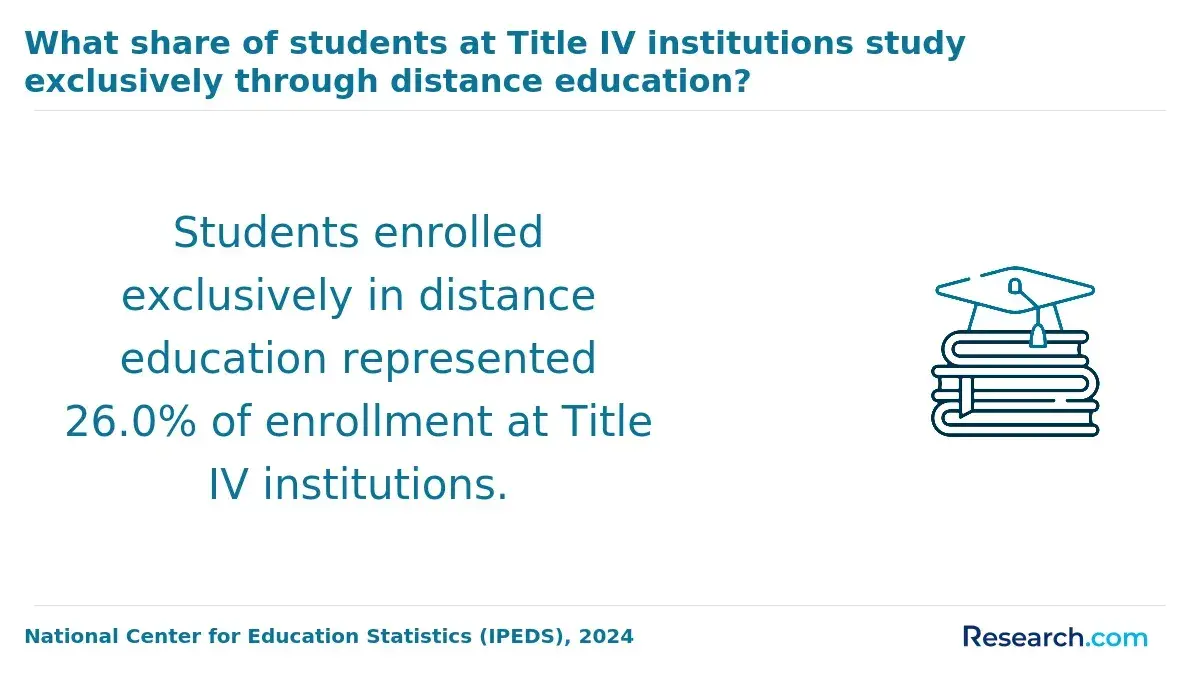
"Online" describes where coursework is delivered, not whether you can complete it whenever you want. For each program, distinguish recorded lessons from required live classes, fixed assignment deadlines, proctored exams, group work, and any campus visits. Also ask whether the courses you need run every term; a flexible weekly schedule does little good if a required course delays graduation.
If your main constraint is how quickly you can gain job-ready legal-support skills, compare the master's timelines with our list of accelerated online paralegal programs. Those programs serve a different educational goal, so compare their training and employer relevance - not speed alone.
What courses do Purdue Global and DePaul include in their curricula?
Read each current degree audit rather than relying on a list of topics in a program overview. For both schools, identify which courses are required, which are electives, and which subjects are available only in particular terms. Look for the legal research and writing, legal systems, contracts, regulation, or dispute-resolution coursework most relevant to the work you expect to do.
For a compliance goal, examine assignments involving regulatory interpretation and organizational decision-making. For legal-support work, look for sustained research, document analysis, and writing practice. A course title alone does not establish hands-on access to a legal research platform or proficiency with it; ask for a recent syllabus if that skill is important to you.
What are the admission requirements for each online legal studies program?
Check each school's current graduate admissions page for its bachelor's-degree requirement, transcript rules, application materials, deadlines, and any program-specific conditions. Treat a recommended background in law or business differently from a formal prerequisite. Ask whether previous graduate coursework can apply to the degree; the receiving school decides whether and how credit transfers.
If preparing an application essay is a concern, compare the published requirements with choosing legal studies programs by their essay requirements. Do not assume a general university application checklist overrides a program-specific requirement.
How long does each online legal studies master's program take?
Neither program has one completion time that applies to every student. The useful comparison is a personalized plan based on required credits, courses offered each term, your intended course load, and any accepted prior credit. Ask each adviser for a term-by-term schedule showing the earliest realistic finish date and a part-time finish date that works with your job.
A faster plan may reduce the number of terms in which you pay fees, but it can also increase weekly workload or require you to cut paid work hours. Compare that opportunity cost alongside tuition.
What careers can graduates pursue with an online legal studies master's?
Possible directions include compliance, contract administration, policy work, and legal-support roles, depending on a graduate's prior experience and an employer's requirements. These degrees may help someone apply legal concepts at work; they are not required across those occupations and do not substitute for experience, a role-specific credential, or a JD where one is necessary.
If you already work in an industry with substantial contracts or regulation, first compare your employer's advancement criteria with the program's electives. An employer-sponsored course, graduate certificate, or targeted training could meet a narrower need at lower cost. For a business-oriented goal, the courses and schedules in business law programs to compare when you work full time would be relevant - but that comparison should not replace a careful review of either school's actual curriculum.
What salaries and job outlook can legal studies graduates expect?
There is no single salary for a legal studies master's: pay depends on the occupation, location, experience, and employer, not just the degree. The U.S. Bureau of Labor Statistics reports median annual pay of $80,730 in May 2025 for compliance officers and 4% projected growth for 2025-2035. That benchmark may be useful if compliance is your goal, but it does not measure what either school's graduates earn.
For paralegals and legal assistants, the U.S. median was $62,890 in May 2025, with 0% projected growth for 2025-2035 and about 40,800 projected openings per year. Openings can arise as workers leave an occupation even when total employment changes little. Before borrowing for a master's, compare postings for the job you actually want with your current qualifications.
How can you choose an accredited online legal studies program?
Verify each university's current institutional accreditation through the institution and its recognized accreditor. Then confirm that the specific online degree, its current requirements, and its delivery arrangements match what admissions has described. Accreditation establishes an institutional status; it does not establish that a degree leads to licensure or a particular job.
Do not confuse institutional accreditation with American Bar Association (ABA) approval of qualifying paralegal education programs. ABA program approval is a separate question and should not be presumed for either legal studies master's. If ABA-approved paralegal training is what an employer requests, review most affordable ABA-approved online paralegal programs and verify each program's current status with the ABA before applying.
Before committing, get each school's degree audit, full cost estimate, sample term schedule, and written answers about live attendance and transfer credit. The strongest choice is the one whose verified coursework and feasible schedule address your career gap at a cost you can justify.
Other Things You Should Know About Law & Paralegal
Possibly, but a degree and professional certification are different. Eligibility depends on the certifying organization's rules, including any education and experience requirements. Completing a master's does not automatically award certification.
Ask the program whether it offers a practical project and permits work-based topics. Employer confidentiality and school rules may limit what you can submit, even when the project relates to your job.
That varies by role and employer. If you need expertise in a particular area, check whether the concentration is formally recorded, which courses it requires, and whether recent job postings ask for those skills.
If you may seek tuition assistance or need schedule accommodations, ask about company policy before enrolling. Confirm any reimbursement cap, grade requirement, or obligation to repay assistance if you leave.
References
- Types of Financial Aid: Grants, Work-Study, and Loans | studentaid.gov https://studentaid.gov/understand-aid/types
- Legal Specialization | ca.gov https://www.calbar.ca.gov/legal-professionals/legal-specialization
- Chapter 3 - Courses and Enrollment, Full Course of Study, and Reduced Course Load | USCIS https://www.uscis.gov/policy-manual/volume-2-part-f-chapter-3
- Cost of Attendance (Budget) | 2026-2027 Federal Student Aid Handbook https://fsapartners.ed.gov/knowledge-center/fsa-handbook/2026-2027/vol3/ch2-cost-attendance-budget
- Accreditation in the U.S. | ed.gov http://www.ed.gov/laws-and-policy/higher-education-laws-and-policy/college-accreditation/accreditation-in-the-us
- How to Choose the Right LLM Specialization for Your Career Goals | Drexel University Kline School of Law https://drexel.edu/law/news/legal-studies-blog/how-to-choose-the-right-llm-specialization-for-your-career-goals/
- Different Types of Law Degrees - Pepperdine Caruso Law Blog https://law.pepperdine.edu/blog/posts/types-of-law-degrees.htm
- Online Master's Degree Programs | Purdue Global https://www.purdueglobal.edu/degree-programs/online-masters-degrees/
- Instructional Modality or Location | miami.edu https://ua.miami.edu/academic-planning/modality-location.html
- Online Learning Frequently Asked Questions | Florida Atlantic University https://www.fau.edu/class/esuccess/faq/