2027 Political Science Master's Degree vs Doctorate: Career Paths & Salary Differences

Co-Founder and Chief Data Scientist
Choosing between a Political Science master's degree and a doctorate can define career paths and income potential in profound ways-especially for those aiming to balance professional growth with financial investment. Graduates often face uncertainty about how each degree affects access to roles in academia, government, or private sectors, as well as long-term promotion prospects and salary trajectories.
According to the National Association of Colleges and Employers 2024 report, Political Science doctorate holders earn a median starting salary 35% higher than master's graduates, yet the extended education timeline impacts overall return on investment. This article clarifies these differences-offering data-driven insights to guide degree decisions aligned with career and lifestyle goals.
Key Things to Know About Career Paths & Salary Differences Between a Political Science Master's Degree and a Doctorate
- Master's holders typically enter public policy, analysis, or NGO roles faster-doctorates often pursue academia or high-level research positions with longer entry timelines but higher promotion ceilings.
- Starting salaries for doctoral graduates average 25% higher, with salaries growing more steadily-master's degree earners see quicker early gains but slower long-term growth.
- Return on investment favors doctorates in research-focused sectors, yet master's degrees offer better flexibility and quicker ROI in government and nonprofit markets amid rising 2024 demand.
What is the difference between a political science master's degree and a doctorate, and which should you pursue?
A political science master's degree usually takes 1 to 2 years to complete and often offers thesis or non-thesis options. In contrast, a doctorate-such as a PhD-spans 4 to 7 years, focused heavily on original research and dissertation work.
These structural differences reflect distinct academic and professional goals tailored to different student needs.
- Duration and Structure: Master's programs prioritize a faster pathway emphasizing advanced foundational knowledge, while doctoral studies involve an extended commitment to producing significant new scholarship.
- Curriculum Focus: Political science master's degrees equip students with practical skills for entry-level or mid-tier roles in government and policy fields. Doctoral programs demand a deep theoretical understanding aimed at academic or high-level research careers.
- Research Requirements: The master's degree may include a smaller research project or comprehensive exams, whereas doctorate candidates complete an original dissertation with substantive contributions to the field.
- Career Intent: Master's graduates often pursue professional advancement in diverse interdisciplinary or administrative roles. Doctoral degree holders prepare for university faculty positions, senior research roles, or leadership jobs in think tanks and international organizations.
- Time Commitment and Investment: Shorter duration makes the master's degree a quicker return on investment, ideal for those balancing career and education. Doctoral studies require a longer-term personal and financial dedication.
- Professional Outcomes: Political science master's degree vs doctorate career outcomes typically differ-master's holders excel in policy advising or consulting, while doctorate recipients influence policy through academia or senior research appointments.
The differences between political science graduate degrees and professional paths also shape salary trajectories and promotion potential across sectors and regions. For students assessing their options-including those considering return to school after earning an online bachelor's degree understanding these distinctions helps align educational choices with long-term ambitions and market demands.
What career paths are exclusively available to political science doctorate holders that are closed to master's graduates?
Certain career roles within political science establish an absolute requirement for a doctorate-positions master's degree holders simply cannot attain regardless of skill or experience. These limitations shape long-term career planning and underscore the value of understanding credential-level differences across political science sectors.
- Academic Tenure-Track Positions: Universities demand a PhD for tenure-track faculty roles due to accreditation standards and responsibilities like conducting original research, mentoring graduate students, and participating in governance-duties beyond the scope of master's credentials.
- Independent Research Leadership: Roles such as directors or principal investigators at think tanks and federal agencies often require a doctorate to ensure advanced methodological expertise necessary for study design, funding acquisition, and influential publishing, marking the political science doctorate as essential for leadership in research.
- Senior Government Scientist or Policy Analyst Roles: High-level government analyst or advisory jobs-especially in national security, foreign policy, or legislative analysis-mandate a doctorate to signify mastery of specialized knowledge and advanced analytic skills critical to shaping policy.
- Professional Licensing and Certification: Although rare in political science compared to fields like social work, some interdisciplinary policy or behavioral science certifications require a doctoral degree, impacting eligibility for leadership in public administration or electoral consultancy.
Job posting data from platforms like LinkedIn consistently show these doctorate-exclusive roles exclude master's holders, reinforcing this credentialing ceiling that affects many seeking advanced academic and research roles for political science PhD graduates. While workforce shortages have prompted some organizations to relax strict PhD requirements-favoring applied experience-these exceptions remain limited.
Students assessing whether to pursue a doctorate must honestly weigh the intensified commitment and cost against specific career paths, especially those involving independent research or senior government roles. For those interested in broader career opportunities, combining a Political Science master's degree with an affordable executive MBA can sometimes open alternative leadership trajectories.
Ultimately, identifying which advanced academic and research roles for political science PhD graduates align best with personal ambitions provides a necessary framework for deciding how the degree will impact promotion potential and long-term financial and professional outlook.
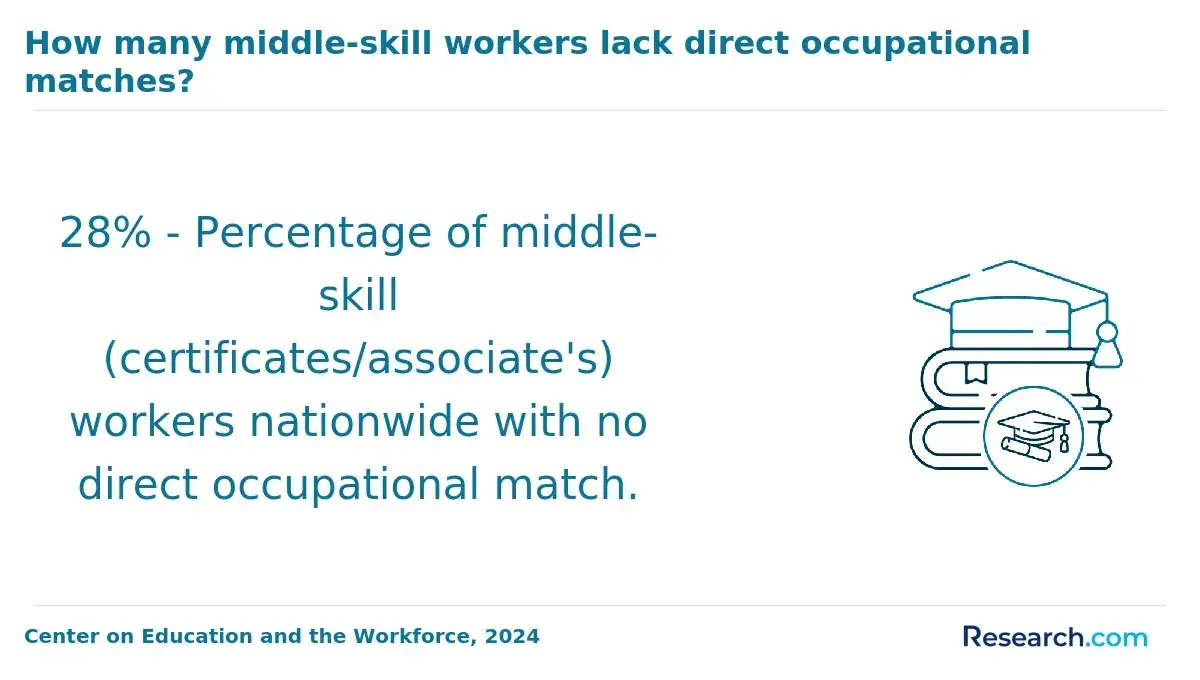
What career paths are best suited to political science master's graduates in today's job market?
Master's degrees in political science open doors to careers emphasizing practical skills and immediate application over deep theoretical research, distinguishing them from doctorate paths. Data from the U.S. Bureau of Labor Statistics and surveys by the National Association of Colleges and Employers highlight that employers value master's graduates for roles requiring adaptability and actionable knowledge rather than extensive academic credentials.
- Policy Analysis: Graduates often secure roles in government agencies, advocacy groups, and think tanks-designing and implementing policies with clear advancement potential that outpaces doctoral roles.
- Public Administration: Master's holders thrive in municipal, state, and federal administration tasks such as budgeting and legislative liaison work, roles demanding organizational expertise without doctoral prerequisites.
- Political Consulting: Campaign strategy, political advising, and communications are sectors favoring master's-trained professionals combined with practical experience, enabling quicker workforce entry and superior early salaries versus doctoral candidates.
- International Relations: Diplomatic services and development organizations prioritize master's credentials for hands-on policy and operational expertise instead of academic specialization.
- Career Advantages: The shorter two-year program duration and reduced student debt burden accelerate earning potential and return on investment compared to doctoral studies.
One professional who completed a political science master's shared that navigating job applications initially felt daunting, given the competitive landscape. He remarked, "Balancing coursework alongside internships built real world skills that employers explicitly sought." He noted how the degree's practical orientation helped him to bypass the longer doctoral training and gain meaningful employment faster while feeling confident that his education aligned exactly with the roles he targeted.
How do long-term salary trajectories differ between political science master's and doctorate degree holders over a full career?
Salary growth for political science master's and doctorate degree holders varies significantly over a 20-30 year span, shaped by career stages, sectors, and specialization. Early in their careers, master's graduates often earn competitive wages in practitioner or policy analysis roles where intensive research skills are less crucial, enabling quicker income stabilization.
However, over time, doctoral holders generally experience sharper salary increases as they move into senior research positions, tenured faculty roles, or high-level policy leadership.
- Career Inflection: Around a decade into the career, doctorates start to out-earn master's peers, reflecting transitions into roles with higher responsibility and pay, including university faculty and senior administrative posts.
- Sector Impact: Employment in public or academic institutions tends to widen the earnings gap, while private sector and metropolitan market roles may reduce differences between degree levels.
- Specialization: Fields such as international relations or quantitative methodology enhance a doctorate's salary advantage due to niche expertise demand.
- Employer Scale: Larger organizations often offer structured promotion pathways and compensation packages favoring doctoral credentials, unlike smaller employers.
This nuanced perspective on long-term salary trajectories for political science master's and doctorate degrees highlights the complex interplay of factors affecting earnings beyond the degree itself. Individuals should utilize tools like the BLS Occupational Outlook Handbook and the Georgetown CEW earnings calculator to project personalized career salary growth comparison for political science graduates in the United States rather than relying solely on averages. For those exploring related educational options, considering an accelerated sports management degree online may offer expedited paths in overlapping fields.
What is the return on investment for a political science master's degree versus a political science doctorate?
Calculating the return on investment (ROI) for graduate degrees in political science involves tallying all costs-including tuition, fees, living expenses, and income lost while studying full-time-against the increased lifetime earnings each degree offers compared to a bachelor's.
According to the National Center for Education Statistics, graduate tuition ranges from $20,000 to $40,000 annually depending on institution type. Master's programs typically last two years, while doctorates extend five to seven years, impacting both direct costs and forgone wages.
Earnings data from Georgetown University's Center on Education and the Workforce show political science master's graduates earn around 15% more annually than bachelor's holders. Doctorate holders may see a 30% or higher salary premium but only after a longer delay entering the workforce.
- Cost and Duration: Master's degrees require less time and upfront spending, lowering financial strain. Doctorates increase opportunity costs due to lengthier study.
- Funding Opportunities: Doctoral candidates often benefit from stipends, research assistantships, or tuition waivers, substantially improving net ROI. Such funding is less common in master's programs.
- Timing of Earnings: Longer doctoral programs defer salary gains, so discounting future income is vital when calculating true ROI.
- Non-Financial Rewards: Opportunities for intellectual growth, autonomy, and access to advanced academic or policy roles often come with doctorates, adding value beyond money.
- Personalized Framework: Prospective students should consider program funding transparency, career aims, regional job markets, and sector specifics to judge whether the doctorate's longer commitment justifies the potential benefits.
Reflecting on her political science master's journey, a professional recalled the intense balancing act of managing coursework alongside part-time work while feeling the pressure of time slipping away. She acknowledged the financial tightness but valued how quickly the degree propelled her into meaningful roles and salary growth.
"Though I often wondered if a doctorate was worth the years lost and energy spent, my master's degree struck a practical balance for me-allowing for career advancement without the long wait," she expressed. This blend of financial pragmatism and timely career entry shaped her positive outlook on ROI.
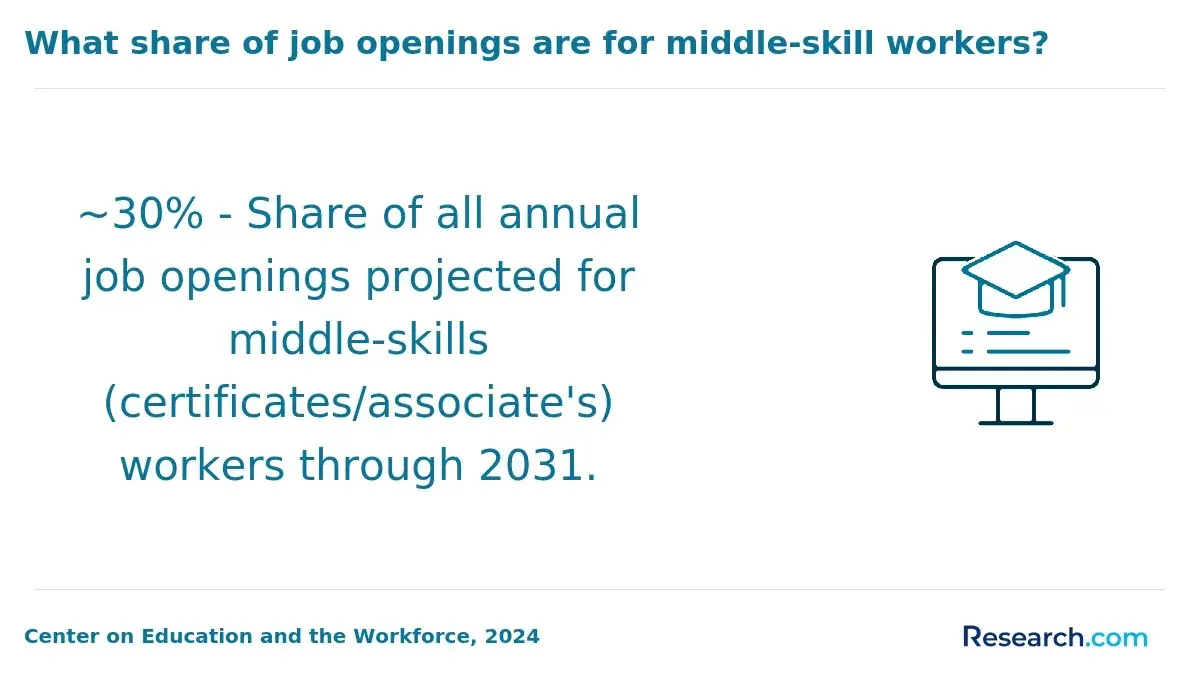
How does a political science master's degree versus a doctorate affect advancement speed and promotion potential?
Career progression in political science varies significantly depending on whether one holds a master's or a doctoral degree, with each credential unlocking distinct pathways and ceilings.
- Credential Ceiling: Doctorate holders often bypass informal barriers to reach senior specialist or principal roles that demand deep research expertise. By contrast, those with master's degrees typically enter management or operational leadership roles more quickly, emphasizing practical application over scholarly inquiry.
- Promotion Velocity: In research-focused environments-such as federal scientific bodies, research universities, and R&D firms-doctorates tend to experience accelerated advancement due to the premium placed on advanced analytic skills. Meanwhile, master's graduates move up faster in sectors like healthcare administration, nonprofit leadership, and corporate analytics, where experience and interpersonal skills drive growth.
- Industry Variation: Fields prioritizing rigorous research credentialing reward doctorates with seniority and higher starting positions. Conversely, industries valuing operational leadership often level the playing field, offering little faster promotion to doctoral degree holders compared to master's professionals.
- Defining Advancement: Advancement should be aligned with one's priorities-whether rank, salary, autonomy, impact, or recognition. Those aiming for academic prestige and research leadership often benefit from doctoral education, while professionals focused on leadership roles within organizations may find a master's degree more advantageous.
- Sector-Specific Outcomes: Master's degrees frequently pave the way to mid-level leadership roles in governments and nonprofits centered on policy execution. Doctoral qualifications unlock higher academic and consultancy positions reliant on extensive research capabilities.
According to a 2024 survey by the American Political Science Association, doctorate holders are 35% more likely to reach senior research roles within ten years compared to master's graduates, underscoring how credential level influences long-term advancement prospects.
What are the time and lifestyle costs of pursuing a political science doctorate compared to a master's degree?
Choosing between a political science master's degree and a doctorate demands careful consideration of time investment, lifestyle changes, and personal sacrifices. A master's program usually spans 1-3 years with structured coursework and a steady schedule that allows many to balance work or family responsibilities.
In contrast, a political science doctorate often requires 4-7 years post-bachelor's, involving intense dissertation research, comprehensive exams, and advisor-dependent timelines that may extend unpredictably based on progress.
- Time Commitment: Doctoral candidates face a significantly longer and less predictable academic timeline. Juggling research and teaching responsibilities alongside their studies can extend the overall duration beyond standard program lengths.
- Lifestyle Impact: The doctorate's demanding and uncertain nature leads to increased stress. A 2024 American Psychological Association survey found over 60% of doctoral students reporting mental health challenges. Master's students experience clearer milestones and a more contained workload.
- Financial Considerations: Prolonged doctoral study often delays full-time employment, raising opportunity costs. Many rely on stipends that may not fully cover living expenses, whereas master's students typically have greater capacity to work simultaneously.
- Personal Circumstances: Factors like family obligations, age, and financial responsibilities heavily influence feasibility. Mid-career professionals or those with dependents frequently find master's programs better suited to maintaining life balance.
- Academic Demands: Doctoral study requires resilience, self-motivation, and comfort with independent research. Master's students benefit from structured classes and well-defined academic expectations.
Prospective students should honestly assess their personal goals, career ambitions, and external commitments when deciding. Opting for a master's degree to preserve quality of life is a financially reasonable and valid choice-reflecting neither lesser dedication nor diminished passion for political science.
How does geographic location influence career and salary outcomes for political science master's versus doctorate holders?
Earnings and career prospects for political science master's and doctorate holders differ significantly across regions. Major metropolitan areas with prominent research universities-like Boston, Washington D.C., and the San Francisco Bay Area-offer the highest doctoral premiums due to strong demand for advanced research and policy skills. In contrast, smaller metro and interior states tend to have narrower salary gaps between these degree levels, reflecting fewer specialized roles that financially reward doctoral credentials. This geographic impact on political science master's and doctorate salaries highlights the critical role of location in career planning.
Industry Clusters: Federal agency centers and biotech corridors create concentrated demand for doctorate-level expertise, especially in policy analysis and strategic roles. Similarly, healthcare hubs value doctoral research skills for health policy and administration careers. However, nonprofit-heavy markets and local government sectors often prioritize experience over doctoral qualifications, which reduces the financial return on advanced degrees. These regional career prospects for political science graduate degrees depend heavily on the dominant industry sectors within each area.
Cost of Living: Nominal pay differences can be deceptive when not adjusted for regional purchasing power. Coastal hubs with high salaries also have steep living costs, which diminish the real-dollar advantage of a doctorate after considering housing, transport, and taxes. Conversely, lower-cost interior markets provide less pay but often show compressed salary differences between master's and doctorate holders, making location choices vital for balancing income against quality of life.
Career Flexibility: Geographic mobility can accelerate career growth for both master's and doctorate holders. Relocating to a high-demand metro can boost earnings enough to match or exceed the doctoral premium found elsewhere. Strategic moves that align with local market needs may sometimes replace additional education as a path to higher income. For those exploring alternate educational routes, short certificate programs that pay well online may also provide practical career advancement options within political science fields.
What role does institution prestige play in political science master's versus doctorate career and salary outcomes?
Institution prestige influences career outcomes differently for political science master's and doctorate graduates-research from the National Bureau of Economic Research and Georgetown CEW challenges the assumption of a uniform prestige premium.
Studies reveal complexities in how prestige relates to placement rates, starting salaries, and long-term earnings.
Academic Hiring: Doctoral candidates benefit most from attending elite institutions, where a strong institutional brand helps secure faculty positions at research universities and competitive programs. A robust dissertation and advisor network remain crucial, often outweighing prestige alone. For master's holders, academic roles are limited and prestige has less impact as they typically pursue non-tenure-track positions.
Private Sector: Outside academia, government agencies, think tanks, and nonprofits prioritize practical skills, internships, and demonstrated policy experience over institutional ranking. Graduates from lower-ranked but skill-focused programs compete effectively through portfolios and relevant work experience, reflecting the institution prestige impact on political science master's and doctorate salaries differs significantly in these fields.
Career Metrics: Prospective students should focus on direct indicators of program quality-alumni placement data, faculty research productivity, recruiting partnerships, and salary reports such as those provided by the U.S. Department of Education's College Scorecard-rather than popular rankings that may not capture political science career realities.
Financial Considerations: Doctoral candidates often achieve better financial outcomes attending fully funded, lower-ranked programs instead of costly prestigious schools, since dissertation quality and mentorship are stronger predictors of long-term success in many sectors.
Sector-Specific Trade-Offs: Geography, political specialization, and employer type create variable prestige effects. Aligning degree choice with personal goals is essential rather than relying on prestige-driven assumptions.
For those exploring graduate studies broadly, including fields related to data and analytics, comparing options like analytics masters programs can provide helpful guidance on how to evaluate program quality and career outcomes before committing to a political science degree path.
How do political science master's and doctorate programs differ in preparing graduates for industry versus academic careers?
Master's programs in political science typically emphasize practical skills like policy analysis and data interpretation, aiming to prepare students for immediate roles in industry sectors such as consulting, government, or nonprofits. Doctoral curricula prioritize theory development and advanced research methods to equip students for scholarly work and academic careers.
Research Emphasis: Doctoral candidates engage in extensive, independent research culminating in a dissertation that pushes the boundaries of political science knowledge. Master's students often work on smaller applied projects or internships that mirror real-world challenges faced by practitioners.
Applied Project Requirements: Applied master's degrees frequently require capstone projects, policy simulations, or client-driven assignments designed to build problem-solving skills for professional workplace settings. Doctoral programs, focused on scholarly contributions, rarely include such industry-oriented components.
Professional Development: Master's students benefit from structured career services, networking events, and workshops tailored to industry job placement. In contrast, doctoral programs emphasize academic publishing, conference participation, and teaching, which don't always translate into the leadership or client management skills valued in business environments.
Industry Preparation: Because doctoral training centers on academic research, graduates may lack experience in teamwork, client relations, and leadership often required in industry positions. Some leading programs now incorporate internships and experiential learning within doctoral training to better bridge this gap.
Prospective students should examine a program's graduate outcomes-specifically ratios of alumni entering academia versus roles in industry, government, or nonprofits. This data provides a clear indication of how well a program's design aligns with various career paths and helps applicants choose degrees that suit their professional ambitions and personal goals.
How do starting salaries for political science master's graduates compare to those for political science doctorate holders?
Starting salaries for political science graduates differ notably depending on whether the degree is a master's or a doctorate-and these variations are closely tied to the employment sector. Academic positions, including university teaching and research, often reward doctoral qualifications with significantly higher entry-level pay, reflecting the advanced expertise and specialized training that doctorates provide.
- Academia Premium: Doctorate holders receive higher starting salaries in academic and research roles due to their extensive specialization and scholarly skills.
- Government Salaries: Entry-level government jobs tend to show narrower wage gaps between master's and doctoral degrees, as pay scales are standardized and less influenced by additional credentialing.
- Industry Variations: In sectors like consulting, think tanks, or political strategy firms, salary differences between degree levels are often minimal, with practical experience and applicable skills impacting pay more than academic credentials.
- Opportunity Cost: Pursuing a doctorate usually means delaying three to five years of master's-level income and potentially accumulating extra debt, so initial salary advantages rarely appear until mid-career, if at all.
This nuanced salary landscape demonstrates that choosing between a master's and doctorate in political science depends on individual goals, sector preferences, and tolerance for initial financial sacrifice. Understanding where and when degree premiums apply allows prospective graduate students to make informed decisions aligned with their professional aspirations.
What Political Science Graduates Say About the Career Paths & Salary Differences Between a Master's Degree and a Doctorate
- Kayden: "Choosing to pursue a doctorate in political science opened doors I didn't even know existed-government agencies and international organizations are often out of reach with just a master's. While the salary growth is definitely steeper with a doctorate, the real payoff comes in long-term promotion potential and the ability to influence policy at higher levels. The investment felt daunting at first, but seeing my career evolve beyond the academic track has made it utterly worthwhile."
- Cannon: "Reflecting on my journey, I can say a master's degree in political science offers solid entry into many roles, but it's the doctorate that truly differentiates your career path and salary trajectory. I noticed master's holders often plateau around mid-level positions, while doctorate graduates have more opportunities for senior roles and consulting work. This has made me appreciate the doctorate's return on investment-not just financially but in professional autonomy and respect within the field."
- Nolan: "From my experience, the master's provides quick access to the workforce, which is appealing for those wanting an immediate career start. However, the doctorate offers a broader professional outlook-higher salary ceilings and greater influence in academic and policy-making circles. Personally, I found the additional years of study challenging but invaluable when it came to long-term career stability and promotion potential in political science."
Other Things You Should Know About Political Science Degrees
Doctoral programs in Political Science are generally more likely to offer comprehensive funding packages, including stipends, tuition waivers, and research assistantships. Master's programs may offer fewer funding opportunities, often requiring students to seek external scholarships or personal financing. This financial support difference reflects the longer duration and research intensity typical of doctoral studies compared to master's degrees.
Employers in academia and research institutions strongly prefer candidates with a doctorate due to the advanced research skills and specialized expertise it confers. For government agencies, think tanks, and policy organizations, a master's degree may be sufficient-especially for analyst or advisory roles-but a doctorate can open doors to higher-level and leadership positions. Overall, the doctorate often signals a commitment to deep specialization, which can influence salary and career advancement.
Choosing to pursue a master's degree first offers practical exposure and can strengthen your doctoral application with research experience and clearer focus areas. Direct entry into a doctoral program is appropriate for those with a strong academic record and a clear research agenda. The master's route generally suits career changers or those needing foundational training before committing to the prolonged doctoral journey.
References
- Deciding if a PhD is right for you https://www.povertyactionlab.org/resource/deciding-if-phd-right-you
- Making sure you're not a bot! https://www.erudit.org/en/journals/cjhe/2019-v49-n2-cjhe04847/1063778ar.pdf
- Master’s vs. Doctorate Degree| University of Bridgeport https://www.bridgeport.edu/news/difference-between-a-masters-and-doctorate-degree/
- Is a Doctorate Better Than a Masters? https://aituedu.org/is-a-doctorate-better-than-a-masters/
- Careers in Political Science https://chss.wwu.edu/political-science/careers-political-science
- We can’t seem to find the page you are looking for. https://www.lpu.in/blog/career-paths-after-m-a-political-science/
- Why should you choose a master's degree in political science? - ESCE https://www.esce.fr/en/faq-all-the-answers-to-your-questions/why-do-a-masters-degree-in-political-science/
- Differentiating postgraduate research by its inclination to academia, industry or societal needs - Universities South Africa https://usaf.ac.za/differentiating-postgraduate-research-by-its-inclination-to-academia-industry-or-societal-needs/
- Is Grad School Worth It? A Comprehensive Return on Investment Analysis - FREOPP https://freopp.org/whitepapers/is-grad-school-worth-it-a-comprehensive-return-on-investment-analysis/
- Master’s vs PhD: Which Degree Is Right for Your Career Goals? https://theredpen.in/blog/masters-vs-phd-everything-you-need-to-know/