2027 RN to BSN Programs for Long-Term Care Nurses

Co-Founder and Chief Data Scientist
Long-term care nurses often confront stalled career advancement due to rigid educational schedules and limited enrollment options in traditional RN to BSN programs. With nearly 60% of nursing students prioritizing online or hybrid formats according to the National Center for Education Statistics' 2024 report, accessibility has become a decisive factor in enrollment. This shift reflects a broader restructuring of adult learner preferences driven by workforce demands, caregiving responsibilities, and employer expectations for quicker degree completion.
Understanding which RN to BSN programs align with these realities, including flexible pacing and accredited online delivery, is vital for those balancing work-life pressures. This article examines key programs tailored for long-term care nurses, offering actionable insights to navigate program structures, admission criteria, and completion timelines for strategic career mobility.
Key Things You Should Know
- Community college graduates risk wage stagnation despite RN to BSN programs averaging $12,000 in incremental tuition costs; the timing of enrollment often delays workforce reentry, dampening short-term income gains, per 2024 NCES data.
- Hospitals increasingly prefer BSN-prepared nurses, correlating with 20% lower patient mortality and 30% fewer readmissions; this intensifies competition but rewards with leadership-track eligibility, according to AHRQ research.
- State-specific mandate variability creates geographic enrollment barriers, with 40% of long-term care facilities in non-BSN-preferred states limiting demand, impacting program ROI and career mobility across the U.S., per BLS workforce analysis.
What is an RN to BSN program and how does it benefit long-term care nurses?
Long-term care nurses without a bachelor's degree in nursing face tangible limits in job responsibility and advancement, as BSN credentials increasingly shape employer preferences for roles in care coordination, quality assurance, and leadership. RN to BSN programs benefit long-term care nurses by equipping them with competencies in evidence-based practice and healthcare management that extend beyond bedside skills, addressing evolving workforce demands.
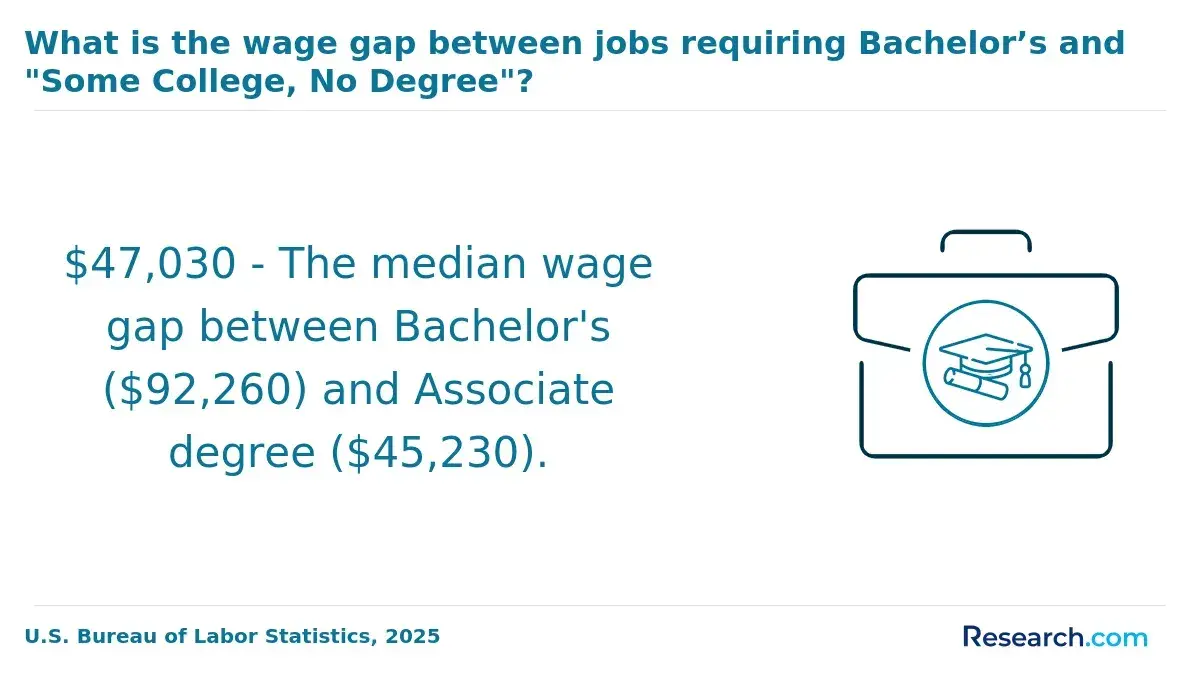
The American Organization for Nursing Leadership reports that over 70% of the RN workforce now holds a BSN or higher, reflecting a shift where long-term care employers often tie pay scales and retention bonuses to educational qualifications. This dynamic can create competitive disadvantages for nurses lacking a BSN, particularly when applying for administrative or clinical educator positions that an associate-level nurse typically cannot access.
Balancing current employment with continuing education presents a practical challenge; programs with flexible online or part-time formats offer pathways to accommodate working professionals. Cost-benefit considerations include weighing tuition and time investment against potential salary gains and increased job security, making it essential to assess program rigor and format in relation to career goals.
For nurses exploring these transitions, examining the easiest RN to BSN program online options can provide insight into accessible educational routes that maintain professional momentum. Understanding how RN to BSN degrees improve long-term care nursing careers shapes strategic decision-making aligned with workforce trends and personal logistics.
Why do long-term care RNs pursue a BSN and how can it advance their careers?
Earning a BSN is increasingly a prerequisite for long-term care nurses seeking supervisory roles or specialized responsibilities. Employers often require BSN credentials to fill positions like Nursing Manager or Nurse Case Manager, where median annual salaries reach approximately $99,314 and $82,258 respectively. This dynamic reflects an industry shift toward advanced clinical judgment that transcends bedside care, emphasizing management of chronic conditions and complex patient populations.
Long-term care nurse career advancement through BSN involves more than pay increases; it adds competencies in healthcare policy, quality improvement, and interdisciplinary communication essential to regulatory compliance and patient safety. For example, a nurse case manager armed with a BSN can effectively coordinate care transitions, reducing costly readmissions between hospitals, nursing homes, and home care. These skills align with employer expectations for roles that handle care coordination and regulatory mandates.
Despite clear benefits of RN to BSN programs for long-term care nurses, practical tradeoffs exist. Nurses must balance tuition costs, time investment, and ongoing clinical duties. Flexible delivery formats-such as online or hybrid options-are critical for shift workers. Selecting accredited ABSN programs online may also reduce program length and financial burden, enabling a faster return on investment.
Ultimately, the BSN pathway mitigates career stagnation risks in a labor market that increasingly prioritizes degree credentials and specialized knowledge. Nurses who strategically pursue these programs are better positioned for job security and higher responsibility roles in long-term care settings.
What are the admission requirements for RN to BSN programs for long-term care nurses?
Meeting admission requirements for RN to BSN programs for long-term care nurses demands more than holding a current, unencumbered registered nurse license; it requires demonstrable clinical readiness and solid academic preparation. Employers increasingly expect BSN credentials for roles beyond bedside nursing, such as charge nurse or director of nursing, linking eligibility criteria for RN to BSN programs for long-term care nurses directly to employment prospects and organizational responsibilities.
Core prerequisites often include an associate degree in nursing or an accredited diploma, along with transcripts confirming completion of foundational science courses like anatomy, physiology, microbiology, and statistics. Admission committees typically look for a GPA near 2.5 to 3.0 and at least one year of verified RN clinical experience, which supports both academic success and practical competence in long-term care settings.
Applicants should anticipate additional steps such as background checks, immunization documentation, personal statements focused on motivations for advancing within long-term care, and sometimes interviews or entrance assessments targeting critical thinking. Letters of recommendation, while optional, can offer a valuable edge.
For candidates evaluating program options, it's important to balance admission stringency with scheduling and preparatory demands to avoid enrollment delays. Those seeking alternatives may explore nursing schools that don t require TEAS test near me, reducing upfront testing barriers without compromising eligibility standards.
How do online RN to BSN programs compare to campus options for long-term care nurses?
Long-term care nurses weighing online RN to BSN programs versus campus options must prioritize flexibility alongside tangible workforce outcomes. Online programs address erratic scheduling by enabling study during off-shift hours, a distinct advantage over fixed campus class times. For example, Western Governors University offers a competency-based online model at $5,325 per six-month term, reflecting significant cost savings often amounting to thousands of dollars compared to traditional campus routes. This is critical when wage constraints and limited personal time constrain many long-term care staff seeking advancement.
While campus programs typically provide direct faculty-supervised clinical experiences, many long-term care nurses already have robust clinical skills. Online formats accommodate this through clinical simulations or employer-approved site placements, which can be equally valid if accredited-and more accessible for nurses in rural or underserved regions lacking local campus options. This geographic flexibility also extends access to diverse courses and faculty expertise beyond regional constraints, improving skill breadth.
Employers increasingly accept accredited online degrees when accompanied by rigorous curricula, though campus programs may offer better in-person networking within local health systems, important for nurses seeking roles tied closely to geographic labor markets. To align with employer expectations and state licensing, nurses must verify that online programs hold regional accreditation and support clinical partnerships comparable to campus options.
The real-world value of flexibility and outcomes of RN to BSN programs for long-term care workers can influence retention and career progression without disrupting employment. Prospective students may also explore related pathways such as best PMHNP programs if considering mental health nursing specialization.
What core courses and clinical experiences do RN to BSN programs include for long-term care practice?
Long-term care nursing demands that RN to BSN programs extend beyond clinical fundamentals to incorporate leadership, healthcare systems understanding, and quality improvement skills. These programs commonly include specialized coursework such as advanced pathophysiology and health assessment focused on aging populations, aligning academic content with the complex realities of environments like nursing homes and assisted living facilities. For instance, California State University Long Beach's curriculum explicitly addresses strategies for healthcare system redesign and quality metrics, a necessary shift as long-term care settings increasingly require nurses capable of system-level leadership.
Employers seek nurses prepared to interpret clinical data, lead interdisciplinary teams, and implement quality initiatives that minimize risks such as falls or medication errors. A BSN nurse in a skilled nursing facility must balance regulatory compliance with patient-centered outcomes, making coursework in healthcare policy and population health essential. Clinical rotations frequently emphasize coordinated care and quality auditing, reinforcing practical competencies.
Students face notable challenges securing clinical placements in long-term care, as provider partnerships are limited and sites heavily regulated. Prioritizing programs offering hands-on experience within these settings is critical for employability. Those targeting leadership trajectories should ensure curriculum and practicums include system-level quality improvement, given its direct impact on both job readiness and career progression. Omitting these elements risks narrowing future roles and mobility within long-term care nursing.
How long does it typically take to complete an RN to BSN program while working in long-term care?
Balancing an RN to BSN program with the demands of long-term care employment presents a strategic tradeoff between accelerated credentialing and manageable workload. Most nurses complete the degree in 12 to 24 months through part-time, online, or hybrid formats that accommodate 12-hour shifts and irregular schedules. Attempting an accelerated track-often requiring full-time study-frequently conflicts with extended clinical hours, making flexible pacing essential.
The economic rationale behind this pursuit is clear: long-term care employers increasingly expect BSN qualifications for supervisory roles such as Nurse Unit Managers, who earn a median salary of $66,587. This expectation pressures working RNs to upgrade credentials despite the additional strain on time and energy.
Key operational considerations include:
- Access to consistent, reliable internet for online coursework
- Negotiation of clinical practicum scheduling, often required even for those with prior LTC experience
- Program entry restrictions that may delay progression, such as fall- or spring-only start dates
- Transfer credit policies that significantly impact total time to completion
Students need to verify waiver options for clinical hours based on LTC experience to avoid unnecessary on-site commitments. Delays in enrollment or failure to navigate program rigidity can extend completion time and defer salary improvements tied to the BSN credential.
What do RN to BSN programs cost, and what financial aid options exist for long-term care nurses?
Choosing an RN to BSN program demands thorough cost-benefit analysis, particularly in long-term care settings where margins are tight and schedules inflexible. Total tuition generally ranges from $10,000 to $20,000 for most online programs, with options like Capella University's FlexPath track offering approximately $14,120 in tuition, balancing cost with accelerated pace. This contrasts with traditional campus-based programs often exceeding $30,000, a difference that can critically impact nurses managing part-time employment and family responsibilities.
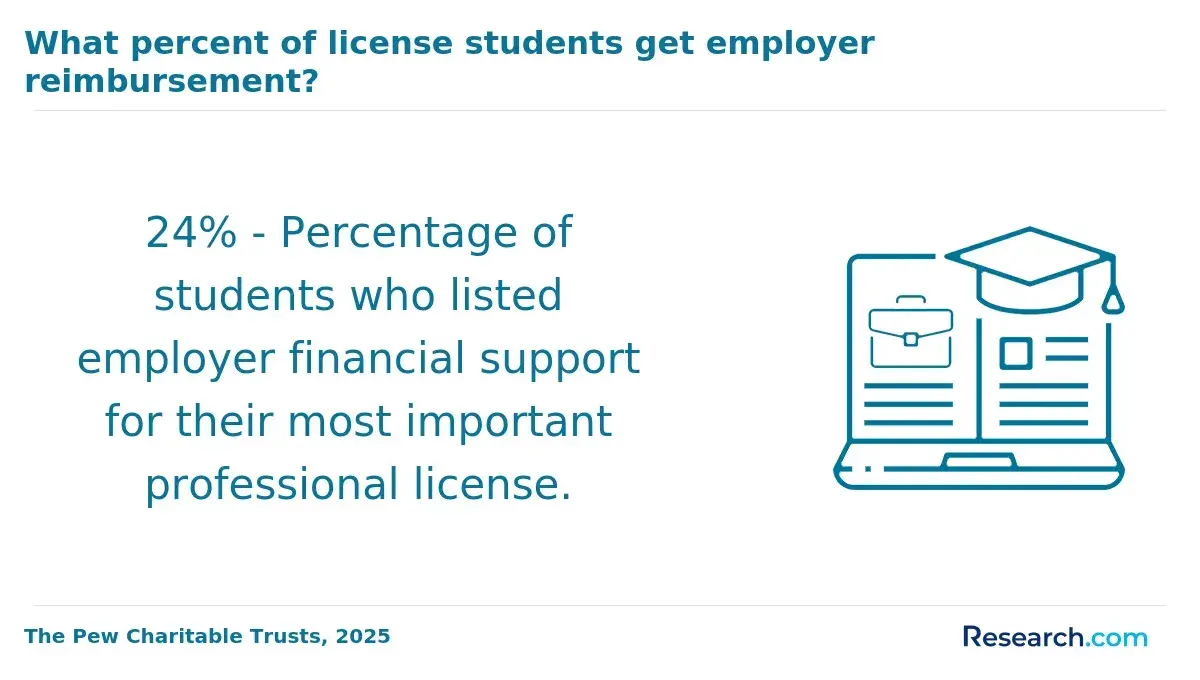
Funding options shape affordability but come with limitations relevant to the long-term care workforce. Federal Pell Grants are often restricted by prior degree completion and income, while federal Direct Loans provide a more accessible, predictable financing route with fixed rates and income-driven repayment structures. Employer tuition reimbursement can offset costs but is inconsistent and often contingent on ongoing employment agreements within employer networks. State and local grants targeting healthcare workforce shortages also present opportunities but vary significantly by region.
Nurses must weigh tuition against the realistic salary uplift post-BSN, typically a 10-15% increase in many long-term care employer pay scales. Additional expenses such as licensing and technology fees add to total cost, making flexible, competency-based programs with credit transfer options strategically advantageous. These programs minimize time away from work and reduce out-of-pocket spending, critical factors for professionals balancing career progression with practical constraints in resource-limited care environments.
How do accreditation and state licensing rules affect RN to BSN programs for long-term care nurses?
The interplay between accreditation and state licensing significantly impacts the viability and outcomes of RN to BSN programs for nurses in long-term care. Without accreditation from bodies like the Commission on Collegiate Nursing Education (CCNE) or the Accreditation Commission for Education in Nursing (ACEN), credits may not transfer, and nurses risk complications in licensure renewal, especially in states with strict educational mandates.
States such as New York and California increasingly require or favor BSN-prepared RNs for advanced roles, affecting labor market competitiveness for associate degree nurses. For example, in these jurisdictions, failure to hold a BSN can limit renewal options or hiring prospects. North Carolina Central University cites data indicating that over 70% of registered nurses will have a bachelor's or higher by 2024, intensifying pressure on ADN holders to pursue RN to BSN pathways.
Practical considerations include ensuring programs meet state board approval and clinical practicum requirements tailored to long-term care settings. Program selection must carefully balance clinical hour mandates and employer expectations, as mismatches can delay completion and licensure.
For long-term care nurses operating within evolving licensure frameworks, prioritizing accredited programs with documented state approval minimizes resource waste and career disruption. This strategic choice aligns with the increasingly BSN-centric workforce landscape and supports seamless advancement within demanding regulatory environments.
What salary outcomes and leadership roles can long-term care nurses expect after earning a BSN?
Long-term care nurses with a BSN numerically outperform their ADN-prepared counterparts in earnings, with median salaries rising from about $58,000 to $67,000 annually according to 2024 U.S. Bureau of Labor Statistics data. This wage gap, typically 15% to 20%, aligns with increasing employer demands for BSN credentials in leadership roles across hospitals and skilled nursing facilities. However, a BSN alone is insufficient for managerial posts without complementing professional development and demonstrated leadership.
Leadership roles accessible to BSN-prepared nurses include charge nurse, nurse manager, and clinical coordinator positions. These roles require managing interdisciplinary teams and navigating complex social determinants of health, integrating regulatory compliance with evolving value-based care models. CSU Long Beach's RN to BSN Programs curriculum emphasizes these competencies-covering cultural, political, and socioeconomic factors critical to quality improvement initiatives tied to Medicare and Medicaid reimbursement.
Consider a nurse advancing from staff RN to unit manager within a nursing home: the BSN provides tools to analyze patient outcome data, design culturally sensitive staff training, and lead cost containment policies. Yet, this advancement involves balancing continued education against workplace demands, making employer-supported flexible scheduling an important factor in successful transition.
Employers prefer BSN graduates for their evidence-based practice integration and strategic leadership potential, but nurses must select RN to BSN programs that prioritize practical leadership, data management, and health equity to maximize both salary and role advancement in long-term care settings.
How can long-term care nurses choose a reputable RN to BSN program that fits their goals?
Long-term care nurses must carefully weigh program accreditation and curricular focus when selecting RN to BSN programs because these factors directly influence employability and career trajectory. Programs recognized by U.S. Department of Education-approved accreditors ensure that courses meet employer and licensing expectations, which is particularly important for practitioners aiming at leadership roles-such as Nursing Manager or Nurse Coordinator-with median salaries near or above $80,000 according to NCCU Online.
Working nurses face practical constraints: asynchronous classes paired with clinical placements that are geographically and contextually aligned reduce conflicts with shift work and minimize disruptions. For example, a full-time nurse in a skilled nursing facility should prioritize programs offering clinical practicums near their workplace or in similar care settings to avoid excessive travel and maintain continuity of patient care.
Cost considerations require balancing tuition against completion and job placement rates, since programs with strong student support services like advising and mentorship tend to yield better outcomes. Employers prefer candidates from programs demonstrating consistent retention and strong employment rates. Nurses should leverage workforce data and licensing board information to ensure alignment with local labor market demands and licensing requirements.
- Accreditation status ensures curriculum credibility and employer acceptance.
- Flexible scheduling and local clinical placements reduce work-life friction.
- Graduation and hiring outcomes reflect the program's real-world value.
- Leadership-focused courses offer pathways to higher-paying management positions.
Other Things You Should Know About RN to BSN Programs
Many long-term care employers increasingly prefer or require a BSN for promotion, especially in management or specialized clinical roles. However, some facilities continue to hire RNs without a BSN for bedside care. Prioritizing enrollment in RN to BSN programs that emphasize leadership and evidence-based practice will better align with employer expectations and future-proof career opportunities.
Some RN to BSN programs include clinical practicum hours that can conflict with nurses' existing schedules. Nurses should verify if programs offer options to complete practicums at their current worksite or allow flexible scheduling. Selecting programs with minimal or integrated practicum demands reduces disruption to income and work-life balance.
Yes. Most RN to BSN programs require an unencumbered, active registered nurse license in the state where the student practices. Some schools also ask for a minimum 2.0 to 2.5 GPA, official ADN transcripts, and recent RN work experience before admission.
References
- Scholarships & Financial Aid https://www.aacnnursing.org/students/scholarships-financial-aid
- How Much Do Long-Term Care Nurses Make? | NursingEducation https://nursingeducation.org/careers/long-term-care-nurse/salary/
- Nursing Prerequisites | Skills & Tools to Become a Nurse | Maryville Nursing https://nursing.maryville.edu/blog/nursing-prerequisites
- Nurse Corps: Funding for Nurses and Nursing Students https://bhw.hrsa.gov/programs/nurse-corps
- RN to BSN Program Online: Bachelor of Science Nursing https://www.chamberlain.edu/academics/nursing-school/rn-to-BSN
- RN to BSN Online Program https://www.bsmcon.edu/rn-BSN-online-program
- Bachelor of Science in Nursing, RN-to-BSN https://www.lonestar.edu/programs-of-study/nursing-BSN.htm
- How to Choose a Nursing Program | All Nursing Schools https://www.allnursingschools.com/how-to-get-into-nursing-school/choose-the-right-school/
- Nursing Financial Aid https://nursinglicensemap.com/resources/nursing-financial-aid/
- Nursing BSN https://www.stmartin.edu/academics/all-programs/nursing-BSN