2027 Online Forensic Science Degrees With Forensic Chemistry Coursework

Co-Founder and Chief Data Scientist
Forensic scientists seeking to specialize in forensic chemistry often confront the challenge of balancing rigorous lab-based coursework with professional and personal obligations, a tension intensified by limited access to traditional campus programs. The Bureau of Labor Statistics reports a 17% growth in forensic science technician roles through 2032, reflecting a surge in demand that pressures prospective students to secure flexible, yet comprehensive educational routes.
Meanwhile, the National Center for Education Statistics highlights a 12% increase in adult enrollment in remote science programs since 2023, evidencing a broader shift toward accessible credentialing that accommodates nontraditional learners. This article examines online forensic science degrees featuring forensic chemistry coursework, aiming to clarify how they address these constraints and support informed, strategic career decisions.
Key Things You Should Know
- Online forensic science degrees with forensic chemistry coursework average 25% lower tuition over four years versus on-campus equivalents, yet extended lab requirement scheduling delays graduation by an average 9 months, per National Center for Education Statistics 2024 data.
- Employers prioritize graduates with accredited hands-on forensic chemistry experience; programs offering integrated virtual and local lab partnerships see 40% higher job placement rates within 12 months, according to the American Academy of Forensic Sciences workforce survey 2024.
- Labor market projections from the Bureau of Labor Statistics 2024 indicate a 10% growth in forensic chemist roles through 2030, but only 30% of online forensic science graduates with chemistry focus meet preferred advanced analytical skill credentials, limiting competitive positioning.
What is an online forensic science degree with a forensic chemistry focus?
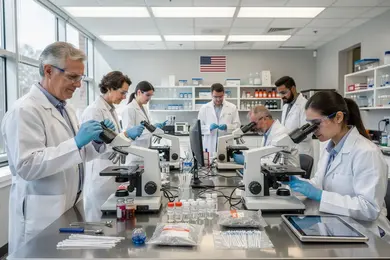
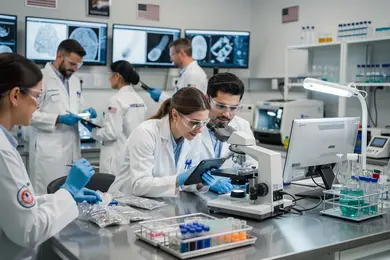
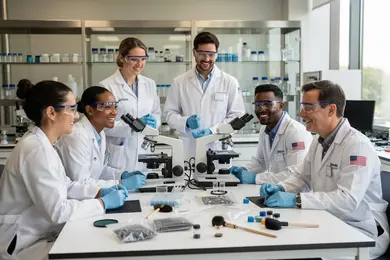
Choosing an online forensic science degree program with a forensic chemistry specialization involves balancing rigorous chemical analysis training with the challenges of remote learning environments. This pathway integrates core forensic principles with advanced courses in analytical chemistry, toxicology, and instrumental methods like chromatography and spectroscopy. Graduates who master laboratory techniques and chemical evidence interpretation align more closely with employer expectations, particularly in crime labs and pharmaceutical or environmental forensics.
An example scenario is a forensic chemist at a state crime lab tasked with identifying substances in seized drugs, requiring strict adherence to chain-of-custody protocols and precise analytical skills. However, distance learning forensic science degrees focusing on forensic chemistry often face practical limitations in delivering adequate lab simulations and internships, which are critical to meeting experiential learning requirements valued by employers.
Key considerations for prospective students include:
- Assessing whether local partnerships or on-site intensives supplement virtual labs.
- Understanding that professional certifications and ongoing education heavily influence career progression.
- Recognizing a projected 14% job growth for forensic science technicians from 2023 to 2033, signaling a growing labor market.
For those exploring similar fields, examining forensic psychology master's programs may offer complementary perspectives on forensic disciplines requiring strong analytical and investigative aptitude.
How do online forensic science programs compare to campus-based programs in quality and outcomes?
Choosing between online and campus forensic science programs often comes down to a critical tradeoff: flexible access versus essential hands-on experience. While online forensic science program quality comparison reveals that many curricula match campus rigor-such as the University of Florida's master's program, which integrates 14 forensic chemistry-focused elective credits-practical lab exposure remains indispensable. Employers prioritize demonstrable skills, especially proficiency with forensic instrumentation and physical evidence handling, over the mode of study. Graduates from accredited online programs that incorporate applied lab partnerships or short in-person residencies maintain competitiveness in crime labs, pharmaceutical analysis, and regulatory roles.
Students must proactively secure sufficient lab experience if pursuing forensic science career outcomes from online vs campus programs are to be equivalent, especially for positions requiring government security clearances or forensic toxicology work. Online programs lacking robust practical components can restrict access to such opportunities.
Successful candidates balance flexible learning with verified hands-on electives closely aligned with current forensic chemistry techniques. Workforce data emphasize this equilibrium as central to hiring decisions and career viability.
For prospective students weighing alternatives, examining how curricula blend theory with applied lab work provides clarity. Additional insights into affordability and program comparisons can be found through a dedicated data science degree analysis, offering a broader view of cost-effective educational pathways related to forensic analytics and data interpretation.
Are online forensic science degrees with forensic chemistry coursework properly accredited?
Accreditation is a critical filter for online forensic science degrees with forensic chemistry coursework, notably when employers or agencies require FEPAC approval. Regional accreditation ensures general academic recognition, but only programs endorsed by the Forensic Science Education Programs Accreditation Commission meet the specialized standards for laboratory rigor and faculty expertise essential for forensic chemistry careers in crime labs. This distinction is practical, as federal and state forensic laboratories frequently restrict entry-level chemist roles to graduates holding FEPAC-accredited degrees.
Graduates from accredited online forensic science programs with forensic chemistry coursework lacking FEPAC endorsement often face restricted access to positions involving toxicology or drug analysis, where certification and hands-on competence are mandatory. However, regional accreditation alone typically suffices for roles in private labs, regulatory compliance, or consulting, where knowledge of forensic chemistry supports the job but does not replace formal lab experience requirements.
Program affordability and practical exposure shape decision-making. For instance, Stevenson University's online master's in forensic science charges $719 per credit with zero fees, illustrating a tradeoff: lower cost and flexibility versus limited lab components and potential employment barriers. Prospective students should verify a program's accreditation and availability of documented practical lab experiences, including hybrid formats, to align education with career goals.
For professionals exploring related fields, a comparative evaluation of credentialing options such as an online exercise physiology degree may sometimes offer clearer workforce pathways. Balancing hands-on training, cost, and accreditation determines practical employability in forensic chemistry, where institutional endorsements directly influence career trajectories.
What forensic chemistry courses and lab experiences are included in these online programs?
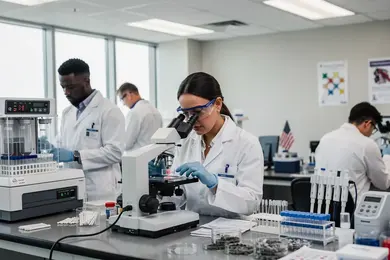
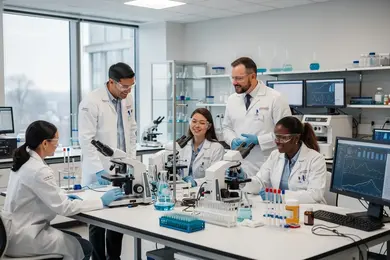
Online forensic chemistry courses with lab components often struggle to balance theoretical rigor with hands-on skill acquisition critical for forensic employers. Coursework typically integrates analytical chemistry, toxicology, instrumental methods, and organic chemistry, frequently paired with virtual or home-based labs designed to simulate evidence testing scenarios. However, these virtual labs can fall short of replicating essential procedural rigor and chain-of-custody demands encountered in actual casework.
Students pursuing online forensic science degree programs with forensic chemistry labs face practical constraints, especially acquiring verifiable lab experience without relocating or interrupting work. Some institutions partner with local facilities to provide supervised wet-lab opportunities to meet accreditation needs, but such options are not universal. For instance, Arizona State University requires 120 credit hours in its online forensic science bachelor's program, reflecting the extensive time commitment for mastering both theory and hands-on application.
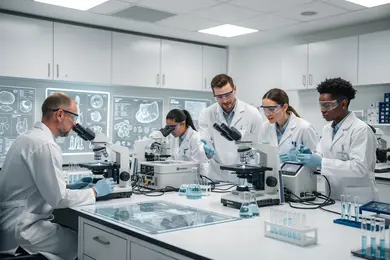
Instrumental methods training enables students to interpret spectroscopic data from gas chromatographs and mass spectrometers-skills critical to identifying substances in forensic samples and valued by crime labs. Yet, a core tradeoff persists between convenience and the logistical challenge of proving lab proficiency, which can influence employability and may require externships or certifications post-degree.
Those evaluating this pathway should weigh the immediate accessibility of online coursework against employer preferences for documented lab competency and consider complementary programs like is library science a good degree for broadening analytical skill sets within forensic contexts.
What are the admission requirements for online forensic science degrees in the U.S.?
Forensic science degree programs in the U.S. require a rigorous STEM background, with admissions committees prioritizing verified coursework in chemistry, biology, and mathematics. Candidates without a strong science foundation face extended timelines due to prerequisite coursework, as seen in criminal justice graduates needing additional chemistry classes before eligibility. This sequencing impacts both time-to-degree and financial outlay, factors often underestimated by applicants.
Undergraduate applicants typically must hold a bachelor's degree with a GPA near 3.0 or higher for competitive programs. Graduate tracks, especially specialized ones like Oklahoma State University's doctoral emphasis on chemistry and toxicology, demand prior degrees in related scientific fields to ensure readiness for complex analytical material. This prerequisite restricts access to those with non-science backgrounds, limiting workforce diversity in advanced forensic roles.
Standardized testing requirements are evolving; many programs waive GRE scores for online learners, responding to shifting workforce trends and recent pandemic adaptations. Practical experience-such as forensic lab work or relevant research-strongly enhances applications by demonstrating applied competencies that academic records alone cannot convey.
Security clearance and background checks are common where federal or state agencies are involved, adding practical barriers for some candidates. A focused personal statement outlining career intentions within forensic chemistry, toxicology, or instrumentation helps differentiate applicants and signals alignment with institutional expectations. Ultimately, assessing academic rigor alongside career objectives shapes admission outcomes and future employability in forensic science fields.
How long do online forensic science programs take, and what do they cost?
Online forensic science programs with a forensic chemistry focus demand a time commitment of 18 to 24 months for full-time students to develop essential hands-on skills through lab simulations and applied coursework. Extending this to part-time study can lengthen completion to around three years, though stretching beyond two years may undermine job competitiveness by delaying entry into forensic laboratory roles where timely, practical expertise is prioritized.
Tuition ranges widely between $15,000 and $40,000 depending on institution type and residency status, with fully online options often reducing ancillary costs like housing but sometimes requiring additional fees for lab kits or occasional campus visits. Employers emphasize accredited programs featuring robust practical training despite higher expenses because such experience directly translates to readiness in public crime labs or private forensic consulting settings.
Job data from the University of Central Florida's online Chemistry, MS - Forensic Science indicates a growing market with 12,000 annual openings and an 8.5% growth projected from 2019 to 2029, exceeding average national job growth rates. This trend signals demand for graduates able to quickly assume technical responsibilities without requiring extended on-the-job training.
When evaluating programs, consider:
- Whether accelerated tracks maintain sufficient lab depth critical for real forensic chemistry challenges.
- How tuition cost aligns with the program's reputation and employer recognition in forensic science circles.
- Flexibility of scheduling to balance current employment or law enforcement duties alongside studies.
What forensic science and forensic chemistry careers can these degrees prepare you for?
Forensic chemistry coursework within forensic science degrees equips graduates with essential skills applied directly to criminal investigations and public safety challenges. Forensic chemists analyze evidence such as drugs, poisons, and explosives, requiring both precise chemical instrumentation expertise and sound theoretical knowledge. For example, in a medical examiner's office, accurately identifying chemical agents in biological samples can determine cause of death, influencing court outcomes.
This specialization involves notable tradeoffs, particularly given the competitive job market and the need for hands-on competencies. Practical considerations include completing internships, passing security clearances, and securing ISO 17025 laboratory accreditation or proficiency in chromatographic and spectrometric techniques to enhance employability.
Alternative roles like regulatory toxicology or environmental forensics extend the application of forensic chemistry beyond criminal cases, but often require additional certifications and targeted industry experience, increasing time and financial investments.
Tuition costs, exemplified by the University of Huddersfield's £9,900 annual fee for home students and nearly double for international students, highlight financial factors students must weigh against U.S. median forensic chemist salaries, which range from about $60,000 to $80,000 depending on region and certification, according to U.S. Bureau of Labor Statistics data.
Prospective students should evaluate program demands, certification pathways, and varied employment settings critically, balancing upfront educational costs with realistic salary prospects and job availability in government agencies or private labs.
What salary ranges and earning potential exist for forensic chemistry-related roles?
Forensic chemistry roles command significantly higher salaries than entry-level forensic science technician positions due to specialized expertise and educational demands. Chemists average around $74,913 per year, nearly double the $37,755 reported for technicians. This gap reflects not only academic requirements-typically a bachelor's degree with substantial chemistry coursework or advanced degrees-but also employer preference for candidates with validated lab experience and applied analytical skills.
In practical hiring contexts, forensic chemistry positions prioritize proficiency in complex chemical analyses over the routine evidence handling emphasized in technician roles. Candidates with certifications such as the American Board of Forensic Toxicology or experience in high-complexity laboratories often access premium pay scales, particularly within federal and state agencies where median salaries exceed $80,000 in specialized urban divisions.
The decision to pursue forensic chemistry education entails weighing the investment in time and cost against clear income benefits. For example:
- A professional shifting from a technician role must consider the extended study time for chemical degree programs versus the more immediate but limited earning potential of technician positions.
- Advancing into supervisory or highly specialized forensic chemistry roles frequently requires graduate-level education and ongoing professional development, pushing salaries into six figures.
Choosing targeted forensic chemistry coursework over broader forensic science credentials can provide a more direct path to salary growth. Understanding these trade-offs is critical for those evaluating educational pathways tailored to meet labor market demands and long-term career viability.
What certifications or licensing apply to forensic scientists and forensic chemists?
Certification and licensure in forensic chemistry impose clear operational limits and opportunities that directly affect employability and career mobility. The American Board of Criminalistics (ABC) certification is often mandatory for forensic chemists pursuing public or private laboratory roles. This credential demands a bachelor's degree in chemistry or forensic chemistry, verified forensic experience, and success on a comprehensive exam-factors that filter candidates primarily on technical expertise rather than generalized credentials.
State licensing requirements are less uniform but can impose critical constraints; for instance, California mandates forensic scientists handling controlled substances to hold a license, which limits cross-state employment flexibility. This regulatory patchwork requires prospective candidates to align their educational choices with jurisdictional demands early on.
Additional certifications from bodies like the International Association for Identification or quality management accreditations such as ISO/IEC 17025 are increasingly employed by federal agencies and private consultancies to ensure adherence to stringent procedural standards.
Educational programs integrating substantial research components, such as Western Oregon University's forensic chemistry coursework with 5-8 elective research credits, provide practical advantages. These programs cultivate analytical skills and investigative rigor that advance readiness for demanding certification exams and foster competencies valued by employers in competitive forensic science markets.
How can students choose a reputable online forensic science program with strong chemistry training?
Choosing an online forensic science program without adequate credit hours and rigorous chemistry training can hamper technical readiness for forensic chemistry roles. For instance, Texas Tech University's M.S. in Forensic Science requires 45 credit hours, reflecting a curriculum depth that balances foundational sciences with specialized forensic applications. Programs offering fewer than 40 credit hours often risk insufficient coverage of organic, inorganic, analytical, and instrumental chemistry, which are essential for interpreting evidence or managing sophisticated lab instruments.
Employers expect candidates to demonstrate hands-on experience alongside theoretical knowledge. Given variability in fully online lab quality, verifying access to supervised in-person labs or partnerships with accredited facilities is critical. Without this, graduates may face challenges in meeting practical skill requirements, limiting employability in crime labs or toxicology units.
The role of accreditation, particularly from bodies like the Forensic Science Education Programs Accreditation Commission (FEPAC), extends beyond prestige-it signals alignment with industry standards emphasizing quantitative and analytical competencies. Prospective students should demand detailed course descriptions focusing on chemistry's forensic applications to assess genuine preparedness.
Cost and time investment present additional tradeoffs. Programs below 30 credit hours typically require supplementary certification or training, delaying workforce entry. More comprehensive 40-50 credit hour master's programs better equip students for regulatory compliance, quality control, and evidence validation demanding nuanced chemical expertise.
Other Things You Should Know About Forensic Science
Most programs require at least 2 to 4 in-person lab courses or on-campus intensives, plus supervised virtual lab modules. Coursework often includes analytical chemistry, instrumental analysis, and evidence handling, with a capstone or practical skills assessment. Some schools also require a criminal justice background check before lab placement.
Specializing in forensic chemistry narrows your expertise but increases employability in targeted roles such as toxicology or drug analysis, where expertise is directly relevant. However, broader forensic science graduates may have more flexibility for cross-disciplinary roles or supervisory positions. Candidates aiming for technical analyst roles should prioritize chemistry-focused programs, while those seeking management or diverse casework should consider more general forensic science degrees.
Working professionals must balance program rigor with their available time, ensuring coursework fits around job demands without sacrificing content quality. Programs with flexible pacing but robust forensic chemistry content allow steady progress without extended delays. Also, employer recognition matters-choosing programs accredited by relevant bodies and known for strong forensic chemistry rigor is essential for career advancement.
References
- Forensic Chemistry | University of Findlay https://www.findlay.edu/academics/business-humanities/forensic-science-chemistry/
- Forensic Chemistry https://www.keele.ac.uk/study/undergraduate/undergraduatecourses/forensicchemistry/
- Forensic Chemist Career Outlook, Salary & Degree Programs https://www.forensicscolleges.com/careers/forensic-chemist
- Forensic Chemist Career https://explorehealthcareers.org/careers/technologists-and-technicians/forensic-chemist/
- Forensic Science Technician Education Requirements: What You Need to Know https://www.scuhs.edu/mshgg-article/forensic-science-technician-education-requirements-what-you-need-to-know/
- Forensic Criminalistics Board Certification Preparation Course - Drug Chemistry https://www.cfsre.org/education/continuing-professional-education/preparation-for-board-certification/drug-chemistry
- Forensic Chemistry Degree Programs | Forensic Science Online https://www.forensicscienceonline.org/specialty/forensic-chemistry/
- What can I do with a degree in Chemistry or Forensic Science? https://www.waynesburg.edu/news/what-can-i-do-degree-chemistry-or-forensic-science
- Compare Forensic Scientist Schools & Training Programs https://www.criminaljusticeprograms.com/specialty/forensic-science-degrees/
- TJB | FSC | Licensing https://www.txcourts.gov/fsc/licensing/