2027 Is an RN to BSN Program Worth It?

Co-Founder and Chief Data Scientist
Facing mounting employer expectations, many registered nurses confront a pivotal dilemma: whether pursuing an RN to BSN program can realistically accelerate career advancement amid demanding schedules and rising tuition costs. The recent National Student Clearinghouse report reveals a 12% annual increase in enrollment for flexible online RN to BSN programs, signaling a shift toward accommodating working adults who cannot pause professional duties.
This growth exposes a tradeoff between accessibility and program rigor that directly impacts clinical competence and job market readiness. This article evaluates how to navigate these complexities by weighing program formats, timelines, and labor market outcomes to determine if the RN to BSN path matches specific career objectives.
Key Things You Should Know
- Over 65% of hospitals now require or prefer BSN-prepared nurses, per the American Nurses Association 2024 workforce report, forcing RNs without a BSN to face limited advancement or higher wage potential.
- A 2024 National Center for Education Statistics review found RN to BSN programs cost between $8,000-$25,000, making financial return dependent on employer tuition reimbursements and projected salary increases within 3-5 years.
- RN to BSN program completion timelines averaging 18-24 months delay entry into leadership roles; candidates must weigh immediate full-time work opportunities against longer-term career trajectory gains.
Is an RN to BSN degree worth it for working registered nurses?
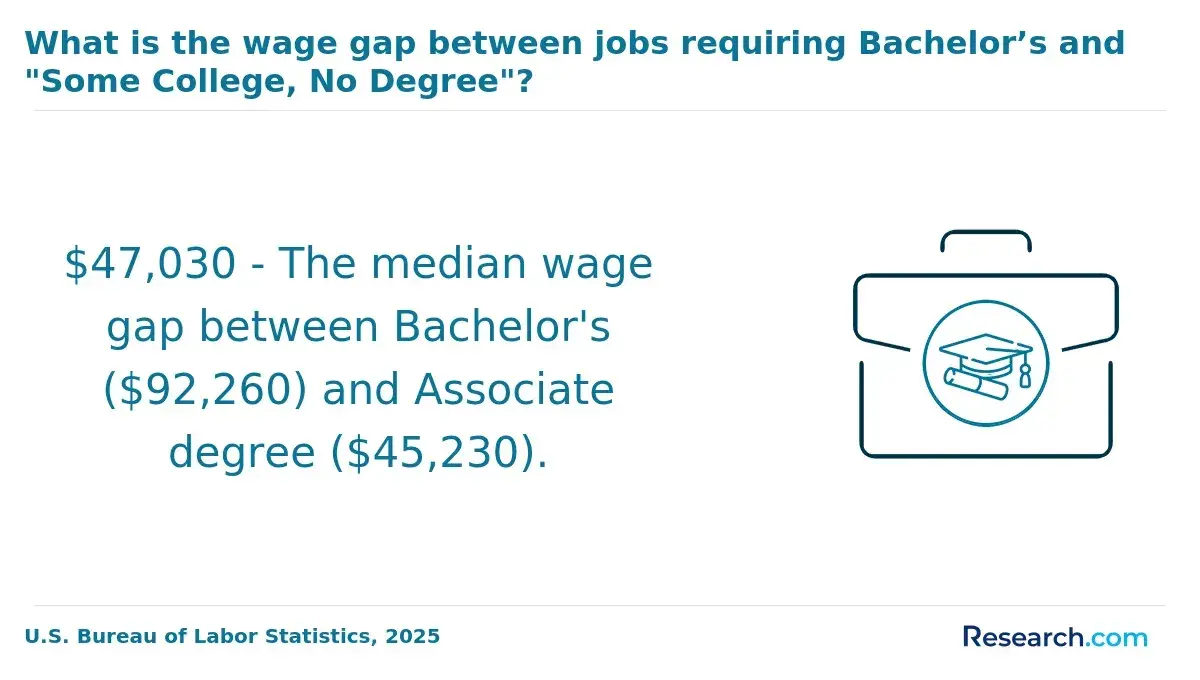
For registered nurses weighing the value of rn to bsn programs for career advancement, the financial and professional returns are significant but highly context-dependent. Nurses with a BSN credential nationally earn approximately $10,400 more per year than those with an ADN, amounting to over $312,000 more across a standard 30-year career. This wage differential substantiates the degree's economic advantage, especially in roles with explicit BSN requirements.
In practical terms, many healthcare employers now mandate or prioritize BSN-prepared nurses for leadership, specialty, and administrative positions. For example, RNs seeking roles as nurse managers or clinical educators often cannot advance without a BSN, creating clear workforce implications that stall professional growth for those with ADN credentials alone.
Balancing employment and study is a core challenge for working nurses. Flexible, part-time online rn to bsn programs accommodate shift work schedules and maintain income streams. Employers may also provide tuition reimbursement or loan forgiveness, helping alleviate upfront costs and long-term debt burden.
That said, for nurses focused exclusively on bedside care in settings where ADN credentials suffice, the immediate return on investment may be less compelling. Deciding to pursue a BSN should consider the evolving credentialing standards and stability of demand for higher-credentialed roles versus current job functions. To rigorously compare program options, the top rated online nursing schools WGU provide insightful benchmarks on program flexibility, cost, and outcomes tailored for working nurses.
How does an RN to BSN impact nursing salary, promotion, and long-term career growth?
RNs considering a strategic shift must weigh the clear economic advantage embedded in earning a BSN. Data from the Nursing Directory's 2026 ROI calculator show that the typical $8,000-$18,000 cost of online RN to BSN programs is often offset within 12 to 18 months by salary boosts. This wage premium is critical in evaluating program affordability versus long-term income growth because it impacts financial stability immediately after graduation. For working nurses assessing the rn to bsn impact on nursing salary and career advancement, this return timeline shapes realistic expectations.
Employers frequently embed BSN requirements into promotion criteria, especially for leadership roles like charge nurse or case manager, creating a structural ceiling for ADN RNs despite experience. Hospitals aiming for Magnet recognition increasingly mandate BSN credentials. As a result, how RN to BSN degree affects promotion and long-term growth in nursing can be decisive in bypassing these institutional barriers.
Broadening career scope beyond bedside care relies heavily on BSN completion. For example, a pediatric nurse targeting healthcare quality management needs this degree to compete effectively. Given the demand for flexibility, prospective students often turn to an ASN program online structure to juggle coursework with work demands, especially in rural or understaffed regions where access shapes feasibility.
Do hospitals and healthcare employers prefer or require a BSN for RN roles?
Hospitals requiring BSN degree for RN positions is no longer an exception but a growing norm, especially among Magnet-recognized institutions and large health systems mandating BSN credentials for many nursing roles. This preference is driven by evidence linking bachelor's-prepared nurses to enhanced clinical judgment and leadership capabilities that associate degree RNs may lack. For example, a regional hospital system recently restricted critical care hires exclusively to BSN holders to meet accreditation demands and improve care outcomes, whereas smaller clinics often maintain associate degree RNs for entry roles but require BSNs for advanced positions.
Employers' growing emphasis on healthcare employer preferences for BSN qualified nurses aligns with data from the Education Data Initiative showing a 682% lifetime return on investment in a bachelor's degree. BSN holders typically earn around $25,356 more annually than those with associate degrees, reinforcing the financial logic behind this trend. Nurses considering RN to BSN Programs must assess if delaying immediate employment eligibility in favor of expanded long-term career pathways outweighs short-term costs and time.
Key tradeoffs include restricted access to specialized roles and lower salary ceilings without a BSN versus the additional time and expense of continued education. Prospective students should also consider state regulations and specific employer requirements carefully before enrolling in an RN to BSN program. For those interested in continuing their education beyond a BSN, exploring PhD nursing programs online provides structured pathways for leadership and research roles within healthcare systems.
What are the admission requirements and prerequisites for RN to BSN programs?
Admission requirements for RN to BSN programs focus heavily on verifying a current, unencumbered RN license coupled with an accredited associate degree or diploma in nursing. Minimum cumulative GPAs near 2.5 to 3.0 are frequently mandated, underscoring consistent academic proficiency in foundational nursing courses. Applicants must provide official transcripts, licensure proof, and often documentation of recent clinical hours or employment to confirm ongoing competence before tackling upper-division coursework.
Prerequisites for RN to BSN program enrollment extend beyond nursing credentials to include courses in anatomy, physiology, microbiology, and statistics, sometimes accompanied by general education classes like English composition or psychology. These ensure applicants possess essential analytical and scientific literacy skills required for evidence-based practices and leadership. Failure to complete these prerequisites before enrollment can prolong program duration, increase costs, and disrupt workforce re-entry plans.
Working RNs pursuing these programs, especially through part-time or online formats, must strategically balance prerequisite completion and employment demands to avoid timeline extensions. For example, nurses employed in acute care or high-demand hospitals risk employment disruptions if prerequisites are delayed. Western Prairie Analytics' 2026 financial model quantifies this pathway's value, showing a nursing BSN from a public state university yields a net present value of +$308,356, an 8.7% internal rate of return, and $3,132,772 more lifetime earnings compared to no-college routes over 47 years.
When considering long-term outcomes, it's important to juxtapose these gains against alternative credentials and their market value-like understanding how a doctorate in nursing salary compares within the broader nursing hierarchy.
How do online RN to BSN programs compare to campus-based options in quality and outcomes?
Choosing between online and campus-based RN to BSN programs involves balancing flexibility against hands-on clinical experience. Online formats offer accelerated paths suitable for nurses juggling shifts or family obligations but require disciplined time management and proactive pursuit of clinical placements. Campus programs, on the other hand, often facilitate direct hospital partnerships and face-to-face mentoring, providing immediate access to networking opportunities and clinical supervision-advantages especially valuable for those targeting leadership or specialty roles.
Employers increasingly focus on BSN credentials over delivery method, emphasizing clinical reasoning, leadership, and evidence-based practice. Data analyzed by the University of North Carolina Wilmington from ZipRecruiter indicates RNs with a BSN earn approximately 27% more than those without, highlighting the credential's tangible impact on earnings and career trajectory.
Decision-making should factor in state licensing rules around clinical hours and access to hospital affiliations, which can vary by program type. For example, a night-shift nurse seeking management roles might choose an online program for scheduling but must compensate for fewer in-person clinical hours by arranging external internships or partnerships. Ultimately, program quality and alignment with professional goals are decisive, demanding scrutiny of accreditation status and clinical integration rather than a sole focus on format.
What accreditation and state board approvals should an RN to BSN program have?
Enrollment in an RN to BSN program without proper accreditation can significantly hinder a nurse's career trajectory, especially regarding licensure and employability. Accreditation from recognized regional bodies, such as the Middle States Commission on Higher Education or the Higher Learning Commission, combined with nursing-specific accreditation by the Commission on Collegiate Nursing Education (CCNE) or the Accreditation Commission for Education in Nursing (ACEN), establishes the program's credibility and aligns it with national clinical standards.
Consider a working nurse in California: without approval from the California Board of Registered Nursing, the BSN earned may not satisfy state licensure or renewal requirements, limiting the nurse's professional scope and eligibility for advanced roles. State board endorsement is as vital as national accreditation since each state enforces distinct clinical and educational standards.
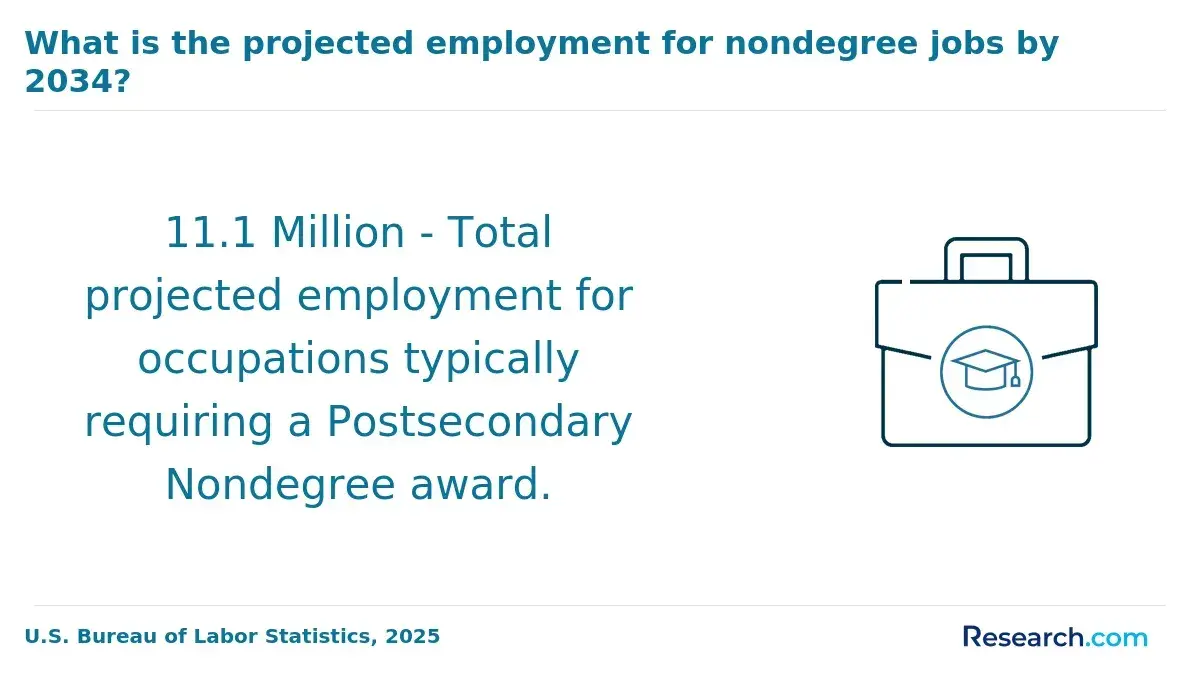
The growing demand for BSN-educated nurses is reflected in projections showing a 9% increase in RN employment over a decade, adding over 177,000 jobs. Employers actively prioritize candidates from accredited RN to BSN programs because these qualifications reliably indicate clinical competence and educational quality. Failure to account for these factors may result in barriers to licensure, delayed employment, or restricted career mobility.
How long does it take to complete an RN to BSN and how flexible is the schedule?
The timeline for completing an RN to BSN program hinges heavily on balancing work demands with educational progression, typically ranging from 12 to 24 months. Nurses working full-time often stretch these programs to two years, leveraging part-time or entirely online formats to accommodate unpredictable shift schedules and family commitments. A full-time student can accelerate completion to about one year, but this is uncommon without significant schedule flexibility or employer support.
Program flexibility varies, with some institutions permitting summer or intersession courses to shorten duration, while others maintain rigid semester schedules that limit acceleration options. In practice, asynchronous learning is often essential for nurses facing night shifts or mandatory overtime, allowing them to maintain continuous employment while progressing academically.
Financial tradeoffs are equally impactful. Public universities typically charge around $8,000 for tuition, whereas private institutions can exceed $30,000, creating a nearly four-fold cost difference that students must weigh against their timeline urgency and long-term career goals. Employers increasingly expect BSN credentials for specialized roles and leadership, meaning the speed and mode of program completion can directly influence promotion prospects and clinical opportunities.
What is the typical curriculum and coursework in RN to BSN bridge programs?
Transitioning from an RN to a BSN role involves more than completing additional coursework; it requires a shift toward analytical thinking and leadership within complex healthcare systems. These programs typically demand 30 to 40 credit hours beyond associate-level nursing, often completed in 12 to 18 months full-time or longer part-time to accommodate working nurses.
The practical outcome is often visible in hospitals pursuing Magnet status or quality accreditations, which increasingly require BSN-prepared staff to maintain standards. This reality means nurses deciding on these programs must weigh the challenges of balancing clinical shifts and coursework, often favoring programs offering online or hybrid options.
Employers expect BSN credentials to correlate with improved patient outcomes and the ability to navigate healthcare policies and administrative responsibilities. MyNursingSchools' 2025 Best ROI Nursing Programs report indicates some public BSN programs deliver a salary-to-tuition ratio above 1.0 in the first year, validating the program's financial practicality for many.
How much do RN to BSN programs cost, and what financial aid or employer tuition benefits exist?
Cost variability in RN to BSN programs presents a strategic decision point: total expenses range from $10,000 to $40,000, heavily influenced by public versus private tuition and delivery mode. Public institutions generally offer more affordable in-state rates averaging around $15,000, compared to private schools exceeding $30,000. These costs correspond to credit-hour prices of roughly $300 to $600. For working nurses considering this investment, the critical question is whether the degree's cost aligns with anticipated salary improvements and role mobility within their healthcare system.
Employer tuition reimbursement programs substantially affect net cost and financial risk. Many hospitals cover 50% to 100% of tuition, requiring students to commit to continued employment of one to three years. This employer support can turn the upfront expense into a cost-effective move, especially since BSN-prepared nurses often access higher salaries-ranging from $7,000 to $15,000 annually-and faster progression to leadership roles in metropolitan hospital settings.
Absent employer backing, candidates face tradeoffs, frequently relying on federal Pell Grants and loans, which increase financial exposure despite a strong return on investment. Recent analyses place the BSN's 20-year ROI above comparable degrees in arts and business, emphasizing income growth and job mobility benefits. Prospective students should thus evaluate not only tuition but also the broader employment context and financial aid landscape when selecting rn to bsn programs.
How can nurses choose a reputable RN to BSN program aligned with their career goals?
Choosing an RN to BSN program requires weighing accreditation, flexibility, curricular relevance, and measurable outcomes against career and financial realities. Accreditation by bodies like CCNE or ACEN affects not only educational quality but also eligibility for federal aid and employer acceptance. Working nurses should prioritize programs offering part-time or online options to avoid income disruption and manage family obligations without extended time to graduation.
Aligning the curriculum with career plans is essential. For example, nurses targeting leadership roles benefit from courses in healthcare policy, organizational management, and evidence-based practice. Clinical partnerships matter too, as affiliations with reputable hospitals improve hands-on experience and professional networking, both critical to employer preference.
Cost considerations must extend beyond tuition to account for return on investment. Data from Nevada State College illustrate that BSN nurses can earn approximately $25,356 more annually than associate degree holders, emphasizing long-term financial gain despite upfront expenses.
Prospective students should demand transparency in graduation rates, licensure pass rates, and graduate employment statistics. Poor outcomes frequently signal diminished career progress and should weigh heavily on program choice decisions.
Other Things You Should Know About RN to BSN Programs
Many RN to BSN programs offer flexible schedules, including part-time and online formats tailored for working nurses. However, maintaining learning quality depends on the student's time management and program design-programs that compress coursework into accelerated terms can reduce comprehensive understanding and increase stress. When evaluating options, prioritize programs with clearly defined support systems, realistic course loads, and pacing that aligns with your work hours to avoid burnout and maximize knowledge retention.
Most RN to BSN programs include clinical or community health practicums to meet accreditation standards and enhance practical skills. These requirements can complicate schedules for employed nurses, especially those enrolled online, as they may need to secure placements or attend scheduled site visits. When choosing a program, consider how clinical components are structured and whether the institution offers placement assistance or flexible timing to minimize disruption to your current job.
While most RN to BSN programs enhance employability, the impact can vary by institution and healthcare setting. In 2027, degrees from accredited and well-regarded programs are more likely to be valued by employers, particularly in competitive roles or specialized areas of nursing. However, individual skills and experience remain crucial.
Cost alone is a limited factor; prioritizing programs with tuition reimbursement options or employer partnerships often results in greater net benefit. However, some reimbursement programs require work commitments or have geographic restrictions that may not fit all career paths. Nurses should analyze reimbursement policies, their employer's support level, and long-term career plans alongside sticker price to select a program that maximizes financial feasibility without sacrificing educational quality.
References
- The Baccalaureate Degree in Nursing as Minimal Preparation for Professional Practice https://www.aacnnursing.org/news-data/position-statements-white-papers/baccalaureate-degree-in-nursing-as-a-minimal-preparation
- How to Choose a Nursing Program | All Nursing Schools https://www.allnursingschools.com/how-to-get-into-nursing-school/choose-the-right-school/
- Selecting a Nursing Program to Advance Your Career https://www.myamericannurse.com/selecting-a-nursing-program-to-advance-your-career/
- RN-to-BSN Degree Programs - A Helpful Guide https://nursinglicensemap.com/nursing-degrees/bachelor-of-science-in-nursing/rn-to-bsn/
- RN-to-BSN Admissions Requirements https://www.muw.edu/nursing/bsn/rnbsn/admissions/
- BSN Admission Requirements https://aurora.edu/academics/undergraduate/nursing/admission-requirements.html
- How to Pay for Nursing School https://credenzahealth.com/career-advice/how-to-pay-for-nursing-school
- BSN Admission Requirements https://uthsc.edu/nursing/bsn-admission-requirements.php
- How to Fund Your RN to BSN: A Guide to Financial Aid, Scholarships, & Costs https://www.chamberlain.edu/blog/how-to-fund-your-rn-to-bsn
- RN vs BSN - What’s Better in 2025? | NEIT https://www.neit.edu/blog/rn-vs-bsn