2027 Paralegal Training for Insurance Defense: Litigation Procedures and Claims Documentation

Co-Founder and Chief Data Scientist
Insurance defense paralegals need more than general legal knowledge: they must keep litigation on schedule while organizing claims records that may be incomplete, sensitive, or contested. If you are choosing a paralegal program or adding a specialty to your existing skills, the most useful question is whether the training prepares you for those tasks. This guide connects coursework to actual work, explains credential and cost trade-offs, and shows what to verify before enrolling.
Key Things You Should Know
- Prioritize litigation procedure, discovery, medical-record handling, and supervised claims-file work over a program's specialty label alone.
- A paralegal certificate is an educational award, not professional certification; ABA program approval and institutional accreditation are also separate distinctions.
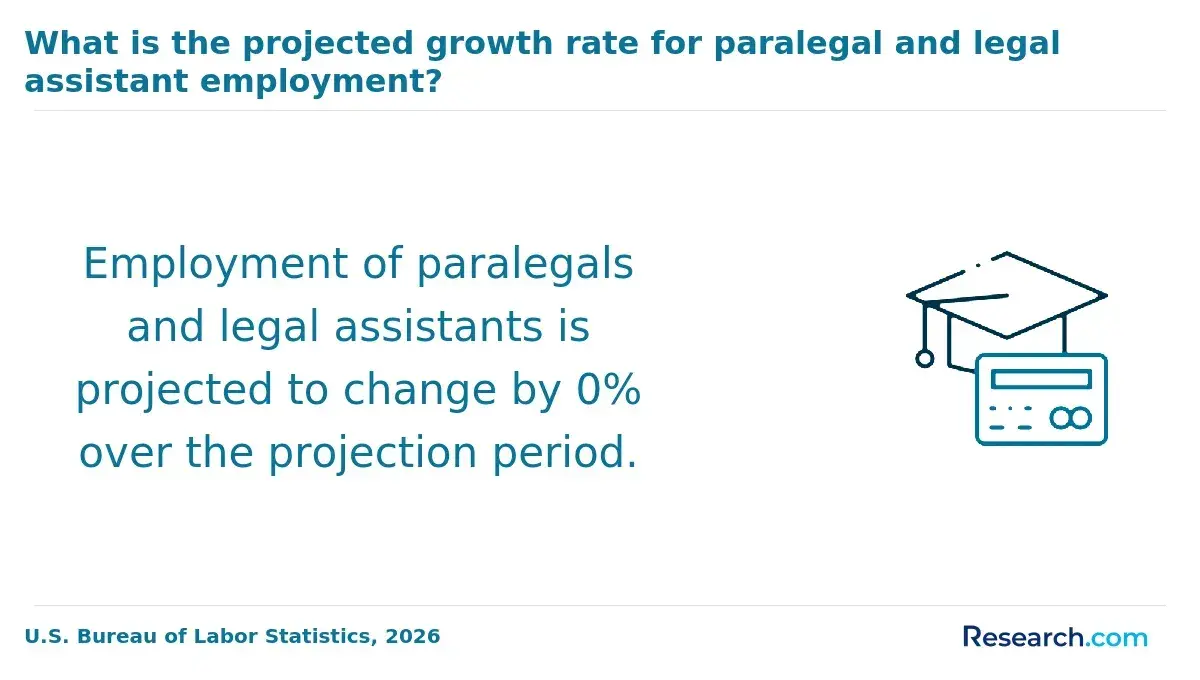
- The Bureau of Labor Statistics reports $62,890 median annual pay for paralegals and legal assistants in May 2025 and projects 0% employment growth for 2025-2035, with about 40,800 openings annually across the broader occupation.
What is insurance defense paralegal training?
Insurance defense paralegal training prepares someone to support attorneys defending insured people or businesses in claims that become lawsuits. It usually combines general paralegal education with practice-specific instruction or supervised experience; an "insurance defense" course or credential is not a universal entry requirement.
The work connects two records: the insurer's claim file, which documents the reported loss and claim handling, and the litigation file, which tracks pleadings, discovery, evidence, and court deadlines. Training is most useful when it teaches students to distinguish factual records from attorney analysis, identify gaps without altering evidence, and route legal judgments to supervising counsel.
What education and certification are required for insurance defense paralegals?
There is no single nationwide insurance defense paralegal degree or certification requirement. Employers commonly seek relevant paralegal education and litigation skills, but their hiring criteria and state rules vary. An associate degree, a bachelor's degree, or a paralegal certificate may be an entry route; certificate admission prerequisites differ, and some certificates are intended for people who already hold a degree.
An educational certificate records completion of a program. Professional certification, such as NALA's Certified Paralegal credential or an NFPA credential, is awarded by a credentialing organization under its own eligibility and examination rules. Neither comes automatically with a school certificate, and neither makes a paralegal an attorney. A non-JD legal studies master's degree also does not qualify its holder to practice law.
If you have substantial college credit, compare certificate admission rules with online paralegal bachelor's transfer eligibility. The receiving school decides which credits count, so obtain a written evaluation before assuming a longer degree will require less time.
What does an insurance defense paralegal do in litigation?
Under attorney supervision, a defense paralegal helps turn a claim into an organized, court-ready case. Early work may include building a chronology, identifying parties and witnesses, obtaining records through authorized channels, and calendaring deadlines under the applicable court rules. During discovery - the formal exchange of case information - the paralegal may organize document productions, track requests and responses, and prepare draft materials for attorney review.
Claims documentation adds a distinct layer. Police reports, photographs, medical records, invoices, correspondence, and adjuster notes may arrive from different sources and cover different periods. A useful file identifies where each item came from, what is missing, and which records may require privilege review, redaction, or a protective order before disclosure. Paralegals may also coordinate deposition exhibits, trial materials, insurer status reports, and billing entries subject to counsel's instructions.
Deadlines, disclosure duties, and the relationship between an insurer and its insured depend on the case and jurisdiction. The attorney makes decisions about coverage, legal advice, settlement authority, and court filings; the paralegal does not independently practice law.
Which courses cover claims documentation and insurance defense procedures?
A strong foundation starts with civil litigation, legal research and writing, ethics, and evidence. The following coursework-to-task comparison helps distinguish instruction that is directly useful in a defense file from a broad course title that offers little practical detail.
| Course or training area | Relevant insurance defense work |
| Civil procedure and litigation | Pleadings, court rules, deadline tracking, discovery, and trial preparation |
| Evidence and legal research | Source evaluation, exhibit organization, and research for attorney review |
| Torts and insurance concepts | Understanding liability allegations, damages, policy terminology, and the limits of a defense assignment |
| Records management and e-discovery | Document collection, preservation, review workflows, and production tracking |
| Professional ethics and privacy | Confidentiality, privilege escalation, sensitive records, and supervised communication |
Ask whether students practice these tasks with sample files and receive feedback; a catalog mention of e-discovery software does not establish hands-on access or proficiency. For a practicing paralegal, targeted continuing education or employer training may be more efficient than another degree. A graduate-level option serves a different purpose: compare the scope of legal studies graduate credentials if broader legal knowledge, rather than immediate litigation-file skills, is your goal.
How do online and campus-based paralegal programs compare?
Either format can teach litigation procedure; the deciding factor is how students practice it. Online study may reduce travel but can still require scheduled live classes, proctored exams, or an in-person internship. Campus instruction may provide easier access to live exercises while imposing commuting and fixed meeting times.
Compare actual assignments and scheduling: Will you draft discovery materials, organize a simulated claim file, and receive instructor feedback? If a placement is required, find out who secures it and whether your current job can qualify. Students considering legal studies master's study on a faster schedule should make a separate decision about graduate-level goals; speed alone does not show that a program teaches the paralegal tasks needed in insurance defense.
What are the admission requirements, program length, and costs?
Requirements depend on the credential. A degree program and a post-degree certificate may admit students with very different prior education, while program length depends on credits, course sequencing, transfer decisions, and whether attendance is part-time. Check the current catalog rather than relying on a general completion-time claim.
Compare total educational cost, not advertised tuition alone: mandatory fees, books, technology, legal-research access, prerequisite courses, travel, and placement expenses can change the decision. Ask the school for its current cost schedule and confirm whether the specific program is credit-bearing and eligible for the financial aid you intend to use. Do not assume that a noncredit certificate qualifies for federal aid.
If you are weighing paralegal training against graduate legal study, choosing a legal studies master's with cost and career fit in mind requires comparing the additional tuition and time with the actual job requirements. A focused litigation course may meet an experienced paralegal's immediate goal at a lower opportunity cost.
How can you choose an accredited insurance defense paralegal program?
First separate two checks: institutional accreditation concerns the school, while ABA approval applies to an individual qualifying paralegal education program. ABA approval is not required for every legitimate paralegal program, and it is not individual certification. Verify any advertised status in the current accreditor information or ABA program directory rather than assuming a school-wide designation covers the course you want.
Then use a short verification sequence before paying an enrollment deposit:
- Confirm the exact credential, admission prerequisites, required courses, and any internship or campus attendance.
- Request examples of litigation and claims-documentation assignments, including how instructor feedback works.
- Obtain the current tuition and mandatory-fee schedule, financial-aid eligibility details, and any transfer-credit decision in writing.
- Check how the program addresses supervision, confidentiality, and current court and discovery practices.
A specialty name without substantive litigation exercises is a warning sign. So is an employment or certification promise that does not identify the separate requirements involved.
What career paths are available in insurance defense paralegal work?
An entry-level legal assistant or litigation support role can lead toward insurance defense paralegal work as responsibilities expand. Experienced paralegals may coordinate larger caseloads, focus on complex discovery or trial preparation, or move into legal operations. Prior claims-adjusting or medical-record experience can help with terminology and file organization, but it does not replace training in court procedure and attorney-supervised legal work.
Some people instead want to move toward insurer compliance, employment matters, or broader legal operations. That is a different training decision: human resources law as a legal studies concentration may be relevant to an employment-focused goal, but it is not a substitute for hands-on insurance defense litigation training.
How much do insurance defense paralegals earn?
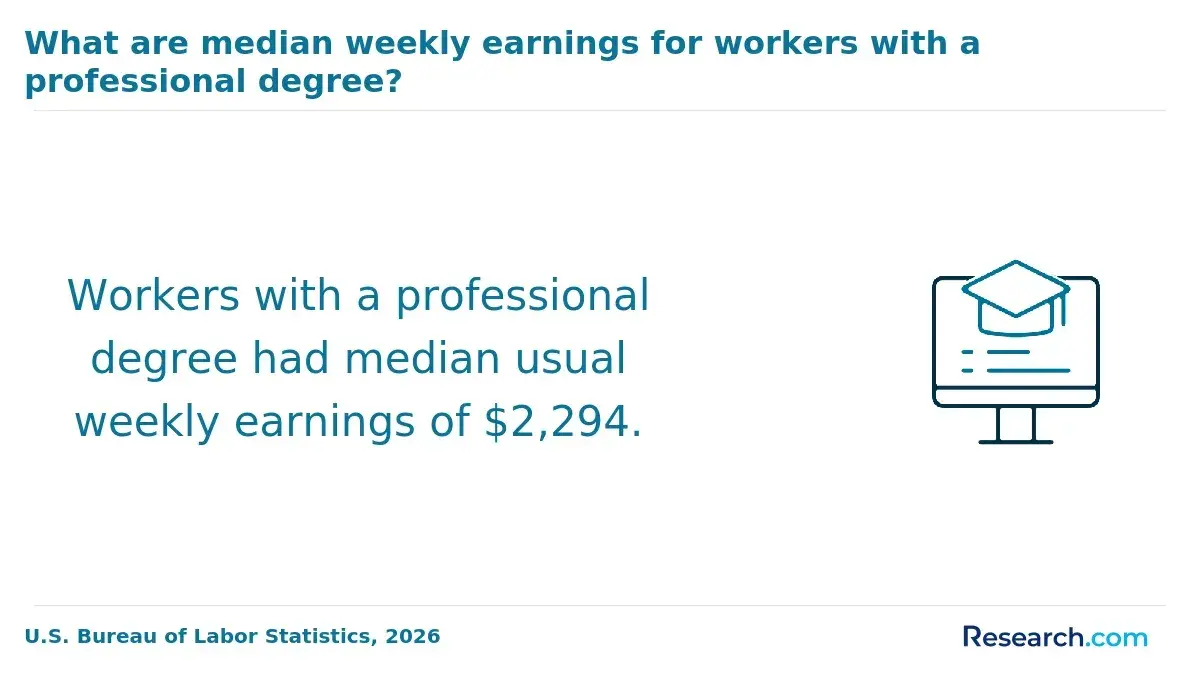
The Bureau of Labor Statistics reports median annual pay of $62,890 in May 2025 for paralegals and legal assistants. That is a benchmark for the broader occupation, not a verified insurance defense-specific salary or a prediction of what a new graduate will earn.
Pay for a particular position may reflect location, experience, employer, and assigned responsibilities. Compare local job postings with the skills a program actually teaches before deciding that a higher-priced credential will produce a worthwhile pay increase.
What is the job outlook for insurance defense paralegals?
The Bureau of Labor Statistics projects 0% growth for paralegals and legal assistants from 2025-2035, yet about 40,800 openings per year across the occupation. Openings can arise even without net growth as workers leave or change jobs. These projections do not separately measure insurance defense positions, so they cannot establish demand for this specialty in a particular city.
For a practical market check, review current local postings for required education, court-filing experience, records work, and insurer reporting. Choose training that closes gaps repeatedly named by the employers you could realistically work for, rather than treating the national outlook as a hiring guarantee.
Other Things You Should Know About Law & Paralegal
Not ordinarily to perform attorney-supervised paralegal work. Adjusting insurance claims is a separate activity with state-specific rules; check the applicable state requirements if a proposed job combines the roles.
That depends on the engagement and applicable state law. Do not assume that paying the legal bill resolves the question; follow supervising counsel's instructions about confidential information and communications.
It should be checked against the underlying records first. Follow employer rules for confidential data, document the source of material facts, and send legal interpretations to the supervising attorney for review.
Skills such as deadline tracking, discovery organization, and records review can transfer. You would still need to learn the different client relationships, case strategy, and workflows of the new practice.
References
- eDiscovery at the University of Michigan | umich.edu https://it.umich.edu/information-technology-policies/general-policies/DM-08
- Litigation Holds and E Discovery - Office of General Counsel https://generalcounsel.ncsu.edu/legal-faqs/lawsuits-and-litigation-faqs/litigation-holds-and-e-discovery/
- Document your insurance claim like a lawyer | Casefleet https://www.casefleet.com/use-cases/insurance-claim-documentation
- Finding Court Rules | The Maryland People's Law Library https://www.peoples-law.org/finding-court-rules
- A Day in the Life of a Litigation Paralegal | americanbar.org https://www.americanbar.org/groups/paralegals/blog/day-in-the-life-of-a-litigation-paralegal/
- How to Redact Legal Documents Properly | U.S. Legal Support https://www.uslegalsupport.com/blog/redact-legal-documents/
- Claims Handling Best Practices and Process Guide | VCA Software https://vcasoftware.com/claims-handling-best-practices/
- The attorney-client privilege and work product doctrine | michbar.org https://www.michbar.org/journal/Details/The-attorney-client-privilege-and-work-product-doctrine-How-to-protect-yourself-your-firm-and-your-clients
- Discovery of the Insurer's Claims File: Exploring the Limits of Plaintiff's Fishing License | IADC https://www.iadclaw.org/defensecounseljournal/discovery-of-the-insurers-claims-file-exploring-the-limits-of-plaintiffs-fishing-license/
- Discovery: The claims file in bad-faith cases | advocatemagazine.com https://www.advocatemagazine.com/article/2018-october/discovery-the-claims-file-in-bad-faith-cases