2027 Online vs On-Campus Intelligence Degree Programs: Pros & Cons

Co-Founder and Chief Data Scientist
The popularity of online intelligence degree programs has surged, with recent data showing that over 40% of U.S. college students now enroll in at least one online course. This growth reflects broader shifts in education, driven by technology and changing student needs. Comparing online and on-campus intelligence degrees reveals clear differences in flexibility, cost, learning environment, and career outcomes.
Understanding these factors is essential for prospective students seeking to make informed decisions. This article examines the advantages and drawbacks of each format to help students select the path that best aligns with their goals and circumstances.
Key Benefits of Online vs On-Campus Intelligence Degrees
- Online intelligence degree programs offer flexible scheduling, allowing 65% of students to balance education with full-time work or family commitments according to recent U.S. Department of Education data.
- These programs often provide access to a broader range of specialized courses and instructors from top institutions, overcoming geographical limitations for 78% of enrolled students.
- On-campus intelligence degrees foster direct interaction and networking opportunities, with studies showing that 82% of graduates gain internships and job placements through campus career services.
Are Online vs. On-Campus Intelligence Programs Structured the Same Way?
Online and on-campus intelligence degree programs differ significantly in their structural design, with online formats prioritizing flexibility and remote access, while on-campus programs emphasize face-to-face interaction and scheduled, in-person activities. These differences shape not only how students learn but also their daily routines, engagement opportunities, and overall educational experience. Below is a comparison of key areas in program structure to highlight how each format affects the intelligence degree journey.
Here are the main structural elements compared between online and on-campus intelligence programs:
- Course Delivery: Online programs deliver all instruction and assessments through digital platforms using pre-recorded lectures, discussion boards, and virtual simulations, enabling learning from any location. On-campus programs require physical presence for live lectures, group work, and hands-on workshops, fostering immediate faculty interaction and real-time feedback.
- Class Schedules: Online courses often offer asynchronous or self-paced options, giving students flexibility to study around work or personal commitments; some include occasional synchronous sessions. Conversely, on-campus programs follow fixed schedules with mandatory attendance, providing consistent routine but less adaptability for students balancing multiple responsibilities.
- Interaction and Collaboration: Engagement in online settings mainly occurs through forums, virtual group projects, and video conferencing, which can limit spontaneous conversations. On-campus students benefit from daily face-to-face networking, easier access to group discussions, and richer social and professional connections on campus.
- Learning Environment: Online learners choose their own study spaces, such as home or public libraries, enhancing convenience but requiring strong self-discipline. In contrast, on-campus students study in dedicated academic facilities with direct access to labs, support services, and a campus community.
- Technology Skills Development: Online programs inherently build digital literacy through constant use of collaboration tools, an increasingly valuable skill in intelligence careers. On-campus programs may incorporate technology but usually do not demand the same extensive digital engagement throughout the curriculum.
Are Admission Requirements the Same for Online vs On-Campus Intelligence Degree Programs?
Colleges and universities offering intelligence degree programs work to maintain consistent academic standards across both online and on-campus formats, ensuring that curriculum quality, faculty credentials, and learning outcomes are equivalent. However, institutions may differ in how they assess applicants' readiness, particularly for the distinct demands of online learning environments.
The following highlights key similarities and differences in admission requirements for online intelligence degree admission requirements compared to the on-campus intelligence program application process:
- Academic Qualifications: Both formats generally require a high school diploma or GED for undergraduate programs and a bachelor's degree for graduate-level admission. Minimum GPA expectations tend to be similar, typically ranging between 2.0 and 3.5, although online programs can offer more flexibility for non-traditional or mid-career students.
- Standardized Test Scores: SAT or ACT scores are often optional or waived in both pathways, reflecting a wider higher education trend. That said, some competitive on-campus programs may still prioritize test scores for admissions or scholarships.
- Work Experience: Most undergraduate tracks do not require prior work experience, but many online programs, especially at the graduate level, favor applicants with relevant professional backgrounds to support adult learners and working professionals.
- Application Materials: Transcripts, letters of recommendation, and personal statements are standard for both formats. Online applicants might also need to submit a resume or CV, helping programs evaluate work history and independence for remote study.
- Technology Readiness: Online programs usually require applicants to demonstrate basic technological skills and reliable access to hardware and internet, a criterion less emphasized by on-campus programs.
- Interview or Assessment: Virtual interviews or readiness assessments are more common in online settings to assess skills like time management and self-motivation, vital for success in online learning.
Prospective students weighing their options should consider these distinctions, especially if they want to explore what certificate programs make the most money after completing their intelligence degree.
Do Online Intelligence Students Receive the Same Academic Support as On-Campus Students?
Universities have significantly expanded their academic support systems to ensure that online intelligence students receive resources and assistance comparable to those available to their on-campus peers. This effort aims to provide equal opportunities for academic success regardless of a student's learning environment.
Below is a comparison of the main academic support services typically offered to both online and on-campus intelligence students.
- Tutoring Services: Both online and on-campus students have access to tutoring, though the delivery differs. Online learners typically use virtual platforms such as live chat, video calls, or scheduled sessions with academic coaches, while on-campus students benefit from immediate face-to-face help at walk-in tutoring centers.
- Career Counseling: Career advising, resume workshops, and job placement support are available in both formats. Online students can participate in virtual career fairs and digital networking events, whereas on-campus students have access to in-person recruiting sessions and alumni events.
- Library Access: Universities provide extensive digital library resources like e-books and research databases for online students, alongside virtual librarian support. On-campus students enjoy these digital materials plus physical library spaces with direct access to print collections.
- Faculty Interaction: Online students engage with faculty through email, discussion boards, and scheduled video office hours, offering flexible communication options. Conversely, on-campus students benefit from in-person meetings, which some find more immediate and personal, though well-designed virtual platforms can help bridge this gap.
The time it takes to complete an Intelligence degree can vary widely depending on whether the program is offered online or on-campus, as well as factors such as student pace and scheduling flexibility. These elements play a crucial role in shaping how quickly a student can finish their studies and earn their credential. Below is a comparison that outlines the typical completion durations for online versus on-campus Intelligence degree programs.
Here is a detailed comparison of the average completion time and flexibility for both delivery formats:
- Online Intelligence Degree Most online bachelor's programs in intelligence are designed for full-time students to finish in about four years, mirroring on-campus timelines while offering more flexibility for part-time learners. Graduate-level online degrees, such as a master's, usually require 18-24 months for full-time students, though many allow students to extend to six years. The asynchronous course format permits students to adjust their pace, often enabling some to accelerate graduation by taking more courses when schedules allow.
- On-Campus Intelligence Degree On-campus undergraduate intelligence degrees generally require four years of full-time study with fixed semester schedules and limited options for acceleration or part-time enrollment. Master's programs usually take 18-24 months but follow a strict academic calendar limiting off-cycle or flexible course completions. On-campus programs tend to offer more direct academic support and networking opportunities but can be less adaptable to students juggling work or family obligations.
Online Intelligence degree programs generally offer lower tuition, fees, and living expenses compared to their on-campus counterparts, making them a more affordable option for many students. However, the total cost varies depending on individual circumstances and specific program offerings. Understanding these factors can help you decide which format best suits your needs and budget, especially when considering a cost comparison online vs on-campus intelligence degrees.
Below is a breakdown of the main cost factors that influence the overall price of each learning format and highlight where online students typically save money.
- Tuition and Fees: Online Intelligence programs often have significantly lower tuition rates. For example, the average tuition for online intelligence degree programs in 2025-26 is around $12,216 annually, compared to $18,981 for on-campus students-about 36% less. Certain schools, like Georgia Tech, offer online master's degrees for as low as $7,395 regardless of residency status.
- Living Expenses: On-campus learners face substantial costs for housing and meal plans, with room and board exceeding $8,000 per year on average. Online students typically save by living at home or choosing more affordable arrangements, reducing expenses by $744 or more annually.
- Technology Costs: While online students must invest in reliable computers, software, and internet services, these expenses are generally offset by the savings on commuting and campus fees. Overall, technology costs add only a modest amount to online learning expenses.
- Financial Aid Availability: Both formats qualify for federal aid, but on-campus students often have access to a wider range of institutional scholarships and grants. Prospective online learners should research financial aid options carefully, as some schools offer fewer merit or need-based awards for remote students.
- Flexibility and Time-to-Degree: Online programs frequently provide accelerated tracks and credit for prior learning, enabling faster completion and reduced tuition. This flexibility benefits working professionals seeking to balance study with other commitments, potentially leading to significant cost savings.
For those exploring the best pathways to advance their education, including options in Intelligence, considering what is the easiest PhD to get online may provide additional insights into program affordability and time investment.
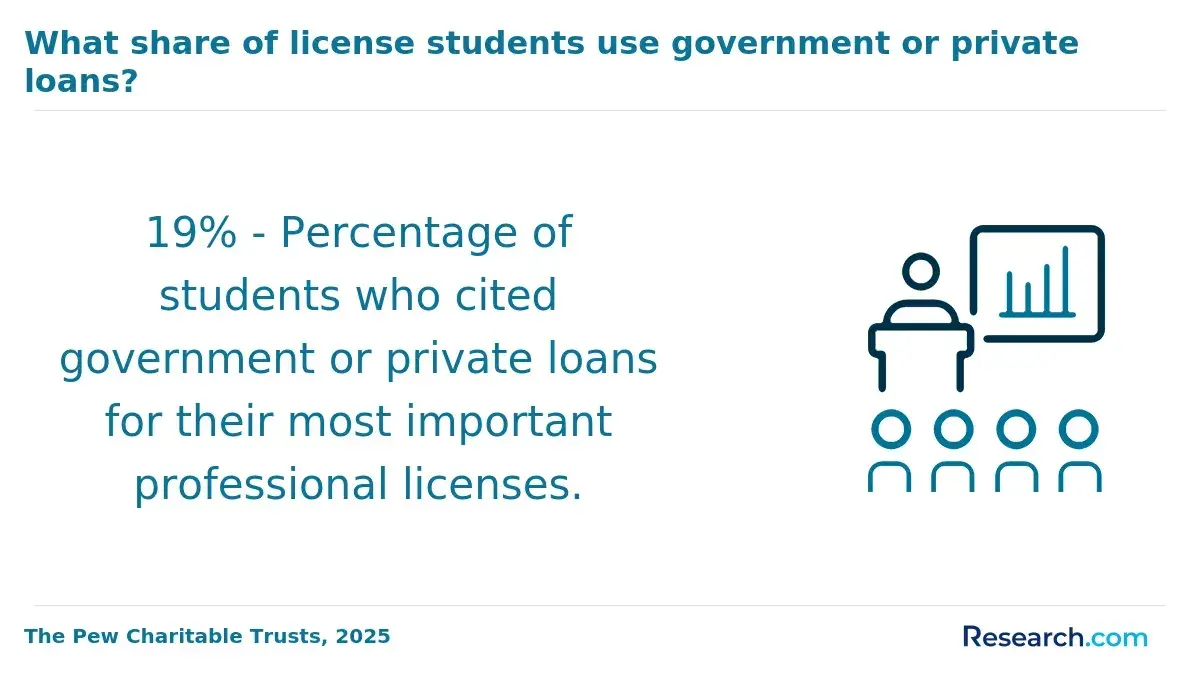
Both online and on-campus intelligence students may qualify for various financial aid options, though eligibility and accessibility often differ depending on the program format and the policies of individual institutions. Understanding these distinctions is important for prospective students seeking the best support for their education.
Below is a comparison of the main financial aid options available to both online and on-campus intelligence students, highlighting key differences in how they apply to each program type.
- Federal Financial Aid (FAFSA, Pell Grants, Federal Loans): Students in accredited programs generally qualify for federal financial aid, including Pell Grants and federal loans. However, online students enrolled part-time may face reduced eligibility for certain loans, as many federal programs require at least half-time enrollment. Pell Grants adjust proportionally, helping online learners who study at a slower pace, making federal financial aid for online intelligence degrees flexible but sometimes limited for part-time students.
- State Aid: State financial aid is often accessible to residents in either format but may favor on-campus or in-state students. Eligibility can depend on whether the online program is offered by a state institution, so students should review state-specific policies as some may limit awards to on-campus enrollees.
- Scholarships and Tuition Reimbursement for On-Campus Intelligence Programs: Institutional scholarships and grants tend to favor on-campus students, many of whom must be full-time to qualify. Online students often have less access to these funds despite comparable financial need. Employer tuition reimbursement is broadly available to both formats, with many professionals benefiting from the flexibility of online programs.
- Private Student Loans: Private loans are offered regardless of program format but depend on lender criteria. Both online and on-campus students must ensure their program meets lender standards, with terms varying independently from the institution.
- Veteran and Military Benefits (GI Bill): Veterans studying fully online receive only half the national housing allowance compared to on-campus peers, significantly affecting the total benefit value. This distinction is crucial for veterans considering online intelligence degrees.
For students exploring options, it's worth noting that online intelligence degrees are generally 35-60% less expensive than on-campus options, and many of the fastest master's online programs offer competitive financial aid packages accommodating this difference. Understanding the nuances of financial aid can empower students to make informed decisions about their educational path.
Accreditation, faculty qualifications, and curriculum standards are key factors that contribute to the credibility of both online and on-campus intelligence programs. Accredited institutions, whether regional like the Higher Learning Commission (HLC) or program-specific such as ABET for computing and engineering, ensure that academic quality and operational standards are rigorously maintained across delivery modes. Many online programs employ instructors with credentials similar to those teaching on campus, highlighting an alignment in faculty expertise.
Additionally, curriculum requirements in intelligence studies are frequently synchronized between online and traditional formats, with organizations like ARTiBA and DASCA applying global benchmarks to uphold learning outcomes and industry relevance. This consistency strengthens the overall trustworthiness of intelligence education, regardless of modality.
Perceptions of online intelligence degrees are evolving, though some distinctions remain among employers and licensing bodies. A 2023 Northeastern University survey found that 61% of employers regard online degrees from reputable, accredited institutions as equal or superior to traditional ones, reflecting a significant shift in acceptance.
However, certain government agencies and specialized intelligence roles still favor on-campus programs due to security clearances or hands-on training requirements. Online graduates are increasingly securing roles in cyber threat analysis, law enforcement intelligence, and private sector security with competitive salaries. Innovations in virtual labs, simulation tools, and strategic industry partnerships have helped online programs offer experiential learning opportunities once exclusive to on-campus settings, further narrowing credibility gaps and expanding access to advanced intelligence education.
Employer attitudes toward online versus on-campus intelligence degrees are becoming more balanced, though some preferences persist. According to the 2024 GMAC Corporate Recruiters Survey, 54% of employers regard graduates from both modalities as equally valuable, signaling growing acceptance of online education in intelligence fields.
However, many employers still associate on-campus graduates with stronger leadership, communication, and technical skills, especially in roles where collaboration and in-person networking play critical roles. This bias is more noticeable in the U.S., where traditional education often holds sway in positions requiring interpersonal expertise. Despite these lingering perceptions, the emphasis is shifting toward candidate skills and experiences over where the degree was earned.
Key factors influencing hiring decisions include university reputation, program accreditation, and demonstrated competencies through internships or relevant work experience. The National Association of Colleges and Employers reports that 87.4% of employers who monitor degree modality have hired online graduates, with 100% offering equivalent starting salaries regardless of degree format.
Moreover, 83% of business leaders perceive online degrees from reputable institutions as on par with on-campus credentials. Changing workplace dynamics, especially the rise of remote and hybrid work models, have accelerated this acceptance by prioritizing adaptability and practical skills over traditional formats. Employers increasingly recognize the flexibility online programs provide, making this path a viable option for those managing work-life commitments.
Salary comparisons between online and on-campus Intelligence graduates are increasingly shaped by factors such as employer reputation, skills, and networking rather than the learning format itself. As the question of do employers pay online Intelligence degree graduates the same as on-campus graduates gains traction, it's clear that the mode of study is just one piece of a complex puzzle. Below are the main trends and factors influencing salary outcomes for intelligence graduates in both formats.
- Employer Perception and Accreditation: Employers today recognize accredited online degrees from reputable institutions almost as favorably as traditional on-campus degrees, especially in tech-driven and remote industries. However, graduating from a top-ranked university, regardless of format, still has the greatest impact on salary potential and leadership opportunities.
- Technical Skills and Specializations: Graduates with expertise in areas like Python programming, machine learning, and cloud-based AI services enjoy salary premiums of 10-20%. These boosts apply equally to online vs on-campus Intelligence degree salary comparison when the skill levels and credentials match.
- Networking and Academic Support: On-campus programs often provide richer face-to-face networking and mentorship that can open doors to higher-paying jobs. While online programs are improving virtual networking and coaching, some graduates may find fewer opportunities for direct professional relationship building which can influence salary growth.
- Cost and Flexibility: Online degrees typically cost 30-60% less, reducing early-career debt burdens and increasing net earnings even if starting salaries are similar. This financial advantage supports greater mobility and investment in further specialization, such as 1 year PhD programs online.
- Industry Trends and Remote Work: The intelligence sector's shift towards remote and digital operations has enhanced the value of online degrees. Graduates demonstrating practical experience and adaptability in virtual collaboration are increasingly favored regardless of their program's delivery method.
Choosing between online and on-campus intelligence programs depends largely on your personal learning preferences, lifestyle, and professional goals. Finding the right fit is crucial for success and satisfaction in your studies. Below are key factors to consider when deciding which format aligns best with your needs:
- Learning Style: Online intelligence degrees often suit self-motivated students who thrive working independently using digital platforms. In contrast, on-campus study benefits those who prefer face-to-face interaction and real-time engagement with instructors and peers.
- Flexibility Needs: Online programs offer significant schedule flexibility, allowing you to balance work, family, or other commitments by studying asynchronously from any location. On-campus formats require regular in-person attendance, which may suit students prioritizing structured routines over convenience.
- Budget: Pursuing intelligence education online tends to be more affordable due to lower tuition fees combined with savings on commuting, housing, and campus-related costs. According to recent data, students recognize the value of online learning especially when offered by nationally accredited online universities.
- Networking Opportunities: On-campus programs provide more direct access to campus events, research labs, student groups, and faculty mentorship. These connections can be critical for professional growth, while online students might need to proactively engage in virtual internships and remote networking activities.
- Access to Campus Resources: Attending classes on-campus grants immediate use of libraries, labs, career centers, and extracurricular activities. Online learners often rely on digital support services, which are improving but may not fully replace hands-on facilities.
Here's What Graduates of Online vs On-Campus Intelligence Programs Have to Say About Their Degree
- Lottie: "Completing my Intelligence degree online was a game-changer for me. Balancing work and family life felt manageable because of the flexible schedule, and the program was just as rigorous as traditional ones. The practical projects helped me land a cybersecurity analyst position quickly, proving that online education can open real doors. I'm grateful for the strong sense of community the virtual forums fostered, which made me feel connected despite the distance. "
- Cielo: "Studying Intelligence on campus gave me unmatched opportunities for in-person collaboration and networking. I thrived in the vibrant classroom discussions and hands-on labs that deepened my understanding of intelligence analysis. This immersive environment helped me build lasting relationships with professors who became mentors and opened doors in the intelligence community. The experience shaped not only my career but also my critical thinking and leadership skills. "
- Devon: "The hybrid Intelligence degree combined the best of both worlds: the convenience of online classes with essential face-to-face interactions. This format taught me how to be adaptable and self-disciplined while benefiting from real-world experiences during on-campus residencies. Leveraging these opportunities, I advanced quickly into a consulting role where I apply cross-functional intelligence solutions. The program's structure prepared me professionally and personally for the dynamic challenges of today's intelligence field. "
Other Things You Should Know About Online & On-Campus Intelligence Degree Programs
Many do. Programs often use live remote proctoring, identity checks, and timed exams through services such as ProctorU or Examity. Some schools also require an on-campus capstone, internship, or in-person skills assessment for courses tied to intelligence analysis, research methods, or regional studies.
In 2027, online intelligence programs may offer limited hands-on experience compared to on-campus programs. While virtual simulations can aid learning, on-campus programs often provide direct access to labs and equipment, which is invaluable for real-world applications and skill development.
Employers increasingly recognize accredited online intelligence programs, especially from reputable institutions. The program's curriculum and the student's skills often carry more weight than the delivery format, though certain employers may prefer traditional on-campus experience.
Online students might struggle with time management, self-discipline, and less immediate access to faculty support. They may also face difficulties with group collaboration and limited exposure to practical, hands-on experiences compared to on-campus settings.
- What do graduates do and earn? https://www.thecompleteuniversityguide.co.uk/student-advice/careers/what-do-graduates-do-and-earn
- AI skills earn greater wage premiums than degrees, report finds https://www.hrdive.com/news/employers-pay-premiums-for-ai-skills/741556/
- Artificial Intelligence Salary Expectations - Noodle.com https://resources.noodle.com/articles/artificial-intelligence-jobs-salary/
- Artificial Intelligence, MS | University of Michigan-Dearborn https://umdearborn.edu/academics/program/artificial-intelligence-ms
- We’ve Made an Important Update to Our Study Formats https://www.iu.org/online-programmes-update/
- Online vs Traditional Degrees: Similarities and Differences https://www.aiu.edu/blog/online-vs-traditional-degrees/
- Online Master's in Artificial Intelligence Management Tuition & Financial Aid https://scs.georgetown.edu/programs/547/online/online-masters-in-artificial-intelligence-management/tuition-financial-aid
- On-campus vs online university degree: pros and cons https://www.idp.com/malaysia/blog/university-online-vs-on-campus/