2027 Return on Investment (ROI) of an Intelligence Degree Program

Co-Founder and Chief Data Scientist
Many prospective students face uncertainty when deciding if investing in an intelligence degree will lead to meaningful career advancement and financial gain. A 2023 study revealed that intelligence analysts with a bachelor's degree earn a median salary 15% higher than those without specialized education. Despite the cost and time commitment, understanding how intelligence education translates into workforce demand and job opportunities remains unclear for many. This article examines the return on investment of intelligence degree programs, analyzing costs, employment trends, and salary outcomes to help readers make informed decisions about pursuing this field.
Key Things to Know About Intelligence Degree ROI
- Graduates with an intelligence degree often see a 15% higher starting salary compared to non-specialized peers, reflecting strong earning potential in government and private sectors.
- Career advancement is accelerated by specialized skills in data analysis, cybersecurity, and threat assessment, opening leadership roles within five years for 60% of graduates.
- Job stability remains high due to consistent demand across industries like defense, finance, and technology, with an average salary growth rate of 4% annually over a decade.
How Is ROI Calculated for a Intelligence Degree Program?
Return on investment (ROI) in higher education measures the financial benefits a student expects to gain from completing a degree compared to the costs and time invested. It helps prospective students evaluate the value of a program by balancing future earnings and career growth against tuition and lost income during study.
Several key factors influence calculating ROI for an intelligence degree program, as detailed below.
- Tuition and fees: This includes all direct expenses such as tuition, books, and program-related fees. Knowing these costs is important to understand the upfront and ongoing financial investment required.
- Opportunity cost: Time spent pursuing the degree often means forgoing full-time work and salary. Assessing this lost income is critical to capturing the degree's true cost and impact on earnings.
- Time to completion: The length of the program affects both direct costs and opportunity costs. Longer durations typically increase overall expenses and delay post-degree salary growth.
- Post-graduation salary outcomes: Expected earnings after graduation are a major component of ROI. Higher starting salaries and quicker wage increases improve the financial return on the degree.
- Career advancement potential: An intelligence degree can open doors to promotions, specialized roles, and long-term salary growth that extend beyond entry-level positions.
When evaluating intelligence degree program cost versus earnings, it's useful to compare these factors carefully. Those interested in related fields may also explore options such as SLP online programs, which offer different profiles of investment and return.
How Much Does a Intelligence Degree Program Cost?
Calculating the total cost of an intelligence degree program is vital for accurately measuring its return on investment, especially as average graduate tuition and fees continue to rise across the U.S., with many students carrying debt over $40,000. To gain a realistic picture of expenses versus benefits, it's important to consider several financial factors.
Major cost elements influencing the ROI of an intelligence degree include:
- Tuition and Fees: This represents the largest portion of expenses and varies significantly by program type, institution, and delivery format such as online or in-person.
- Books and Materials: Specialized resources, including textbooks and necessary software, may add hundreds or thousands to the annual cost.
- Living or Relocation Expenses: Those attending on-campus programs often face additional housing, transportation, and relocation costs that can substantially increase total investment.
- Opportunity Cost: Time dedicated to full-time study may result in lost wages or delays in career advancement, affecting overall financial gains.
- Hidden or Indirect Costs: Additional fees such as application charges, technology requirements, and travel for internships or professional events can add up unexpectedly.
When I spoke with a recent graduate of an intelligence degree program, he emphasized the complexity behind the price tag. "At first, I only thought about tuition," he explained, "but the extra expenses for software licenses and multiple certifications really added up." He shared how managing living expenses, especially relocating closer to campus, strained his budget more than anticipated. "Balancing part-time work while studying was tough, and I worried about the income I was missing," he said. His experience reinforced the idea that truly understanding program costs requires looking beyond tuition to all financial demands, including those hidden and indirect factors that impact the overall investment.
What Financial Aid Is Available for Intelligence Degree Programs?
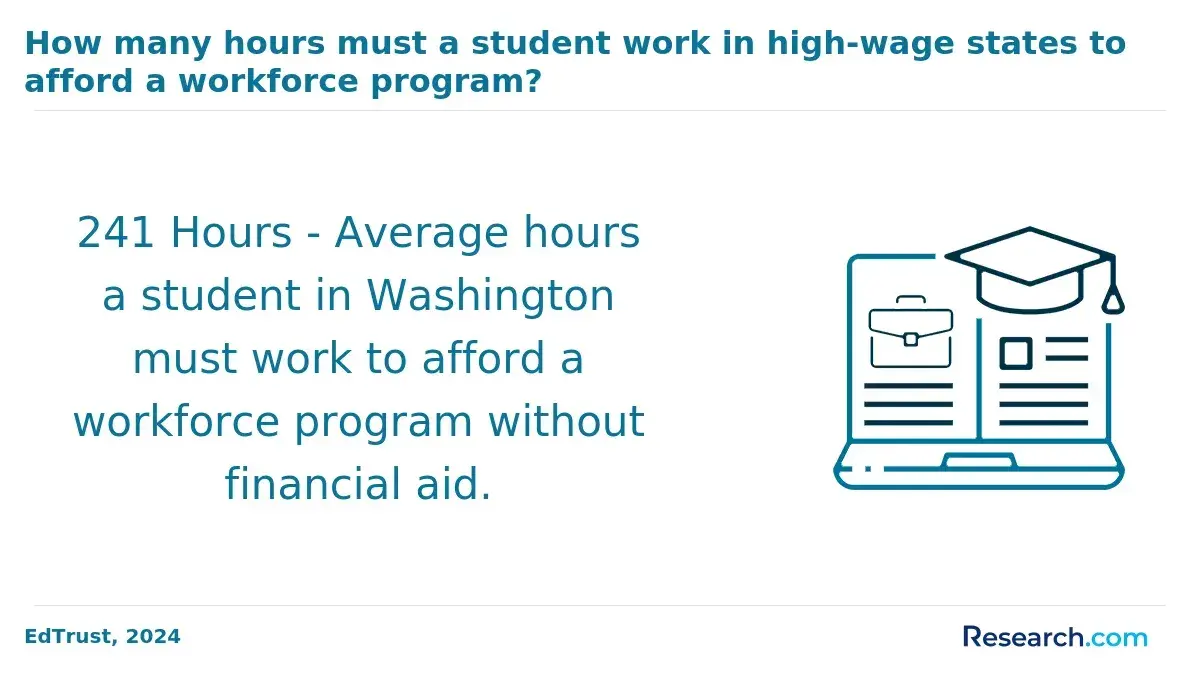
Financial aid can substantially decrease the initial expenses of an intelligence degree, leading to a better long-term return on investment by lowering the amount students need to borrow or repay. Nearly 60% of U.S. graduate students rely on federal loans, which can impact overall debt and financial outcomes if not used carefully.
Below are common types of financial aid that help reduce costs and improve ROI for intelligence programs:
- Scholarships: Merit-based awards that don't require repayment, scholarships reduce out-of-pocket costs and lessen debt, directly improving the net financial benefit of completing the degree.
- Grants: Usually awarded based on financial need, grants provide non-repayable funds that make programs more affordable for lower-income students, easing financial pressure and enhancing accessibility.
- Fellowships: Offering stipends or tuition waivers in exchange for research or teaching roles, fellowships lower overall educational expenses while boosting potential earnings through valuable experience.
- Employer tuition assistance: Some employers provide partial or full tuition reimbursement for work-related courses, which can reduce education costs and increase ROI by supporting career growth.
- Federal loans: While requiring repayment with interest, these loans feature lower rates and flexible repayment plans compared to private options, helping students better manage debt and protect financial returns.
Breakdown of Public Fully Online Title IV Institutions

The length of time needed to earn an intelligence degree significantly affects its return on investment by impacting opportunity costs, the ability to start earning income earlier, and the overall expenses related to education and living. Reducing the time spent in school can enable quicker workforce entry and minimize financial burdens.
Several factors shape how quickly students can complete their intelligence degrees and thus influence the program's financial and career benefits:
- Enrollment status: Students enrolled full-time generally complete their studies faster than part-time students, which can speed up career entry and income generation.
- Program format: Online and accelerated degree options often provide flexible schedules and condensed coursework, shortening the duration needed to graduate.
- Credit transfers: Accepting transfer credits for previous coursework or certifications can reduce the total credits required, cutting both time and costs.
- Practical requirements: Elements like internships or thesis projects may lengthen the program but often enhance employment prospects and salary potential after graduation.
- Flexible scheduling: Evening, weekend, or self-paced courses help working professionals balance education with income, enabling steady progress without sacrificing earnings.
I recently spoke with a graduate of an intelligence degree who shared her reflections on how long it took to finish her program. She explained that juggling a full-time job and evening classes was challenging but necessary to maintain income while advancing her education. Although the internship extended her timeline slightly, the practical experience boosted her confidence and marketability. She noted, "It wasn't just about finishing quickly; gaining relevant skills and contacts made the extra time worthwhile." Her experience highlights that while length of study matters for ROI, quality and real-world application can also significantly influence long-term success.
The delivery format of intelligence degree programs-online versus on-campus-can significantly impact the return on investment (ROI) due to differences in cost, flexibility, and career outcomes. Over the past decade, online enrollment in higher education has surged by more than 30%, reflecting increased acceptance of this format among students balancing work and study commitments. Considering these trends is vital for students exploring the best pathway, especially as they weigh the financial and professional benefits of their education.
Key factors influencing ROI comparison between online and on-campus intelligence programs include:
- Tuition and fees: Online programs generally have lower tuition rates and fewer associated expenses such as commuting or housing, reducing the overall cost of the degree.
- Opportunity cost and work flexibility: Online studies offer higher flexibility, allowing students to maintain full-time employment and minimize income loss during their education, which enhances ROI.
- Networking and career support: On-campus programs often provide stronger networking opportunities, in-person career services, and access to alumni connections, potentially increasing job placement and long-term earning potential.
- Employer perception: While attitudes vary by industry, some employers still prefer traditional, on-campus degrees, which can influence career advancement and salary prospects.
- Time to completion: Both formats typically offer comparable timelines for degree completion, allowing students to plan their education efficiently without sacrificing quality.
For those considering options in related fields, exploring online counseling degrees may offer insight into the advantages and financial outcomes of online program delivery in professional disciplines. Evaluating the return on investment for intelligence degree programs in this context helps prospective students and working professionals find the right balance between cost, career readiness, and flexibility.
Post-graduation salary plays a crucial role in determining the return on investment (ROI) for an intelligence degree, as earnings directly impact how quickly students can offset educational costs and achieve financial stability. The average intelligence degree salary in the United States ranges from $55,000 to $95,000 annually, reflecting the diversity of roles available such as intelligence analyst, cybersecurity specialist, or risk consultant. Several key factors influence these average salaries and thus affect the overall ROI. Consider the following:
- Industry: Salaries vary widely depending on whether graduates enter government, defense, or private sectors, with private sector positions often commanding higher pay due to competitive market demands.
- Geographic location: Urban areas and regions dense with intelligence agencies and contractors tend to offer better compensation than rural locations, directly influencing average intelligence degree graduate earnings.
- Prior experience: Having internships or relevant work experience can lead to higher starting salaries, enhancing ROI by shortening the time needed to recover education expenses.
- Specialization: Expertise in high-demand fields like cybersecurity or counterterrorism typically results in premium salaries due to scarcity of skilled professionals.
- Career level: Entry-level roles provide modest pay, but advancing into senior or managerial positions substantially increases long-term earning potential.
Students also looking for affordable education options might explore programs such as the cheapest online psychology degree to balance cost and career outcomes effectively.
Promotions significantly enhance the return on investment (ROI) of earning an intelligence degree by leading to salary increases, expanded responsibilities, and greater career mobility. These advancements contribute to stronger financial gains and open doors to higher-level positions. A notable workforce trend is the rising focus on credential-based promotion, where formal education increasingly shapes career advancement within the intelligence community and related fields.
The following points highlight key ways an intelligence degree can influence promotion opportunities and improve ROI:
- Leadership Readiness: An intelligence degree signals to employers your preparedness for leadership and complex problem-solving roles. This specialized education demonstrates the skills necessary to manage strategic projects and lead teams effectively.
- Credential Requirements: Many organizations set formal education as a prerequisite for promotion, especially in competitive environments. Holding an intelligence degree fulfills these credential requirements, positioning you ahead of other candidates during career advancement considerations.
- Tuition Support: Employers often offer tuition reimbursement programs, reducing the financial burden of obtaining a degree. This support enhances the degree's ROI by lowering out-of-pocket education costs while boosting qualifications.
- Promotion Policies: Internal promotion strategies frequently prioritize candidates who combine relevant education with practical experience. An intelligence degree paired with work experience strengthens your candidacy for elevated roles within organizations.
- Career Mobility: The blend of an intelligence degree and hands-on experience accelerates career advancement with an intelligence degree, unlocking opportunities for higher salaries and broader job responsibilities.
Ultimately, earning this degree aligns with evolving employer expectations, making it a valuable tool for those seeking promotions after intelligence degree completion. For professionals aiming to combine leadership education with flexible learning, programs like the doctorate organizational leadership online offer accessible pathways to further elevate career prospects.
The return on investment (ROI) for intelligence graduates varies widely across industries due to differences in salary levels, career progression opportunities, and demand for specialized skills. Industries that align closely with the unique expertise of intelligence graduates tend to offer stronger financial rewards and more stable career paths.
Several sectors typically provide the highest paying industries for intelligence graduates. These fields combine robust compensation growth with valuable opportunities to leverage analytical and technical skills.
- Government and National Security: This sector offers excellent job security and steady salary increases, with clear promotion pathways. The ongoing need for defense, homeland security, and related roles ensures sustained demand for intelligence expertise.
- Cybersecurity: Rapid expansion in cybersecurity drives strong salary growth and critical responsibilities for protecting organizations. The blend of technical and intelligence analysis skills is highly valued in this competitive industry.
- Financial Services and Risk Analysis: Intelligence graduates in this sector engage in fraud detection, market insights, and compliance monitoring. High pay combined with fast-paced, intellectually challenging environments supports strong ROI.
- Consulting and Strategic Advisory: Graduates apply intelligence skills for strategic recommendations and decision-making support. Varied client assignments and performance-based rewards contribute to career advancement.
- Technology and Data Analytics: Expertise in interpreting complex data to forecast trends or threats provides significant innovation opportunities. Employers in this field value intelligence skills for driving advancement and competitive advantage.
Prospective students and professionals evaluating the best career fields for intelligence degree ROI should also consider upskilling through certifications online to enhance their marketability and salary potential.
Accreditation signifies that an intelligence degree program satisfies established quality standards set by educational authorities or specialized organizations. This assurance ensures that the curriculum, faculty, and available resources meet both academic and industry expectations. Its importance for ROI lies in the preference employers show for graduates from accredited programs, which often translates into stronger job prospects and higher earning potential. Increasingly, employer recognition and eligibility for government security clearances or relevant certifications are linked to completion of accredited programs, reflecting a key workforce trend.
Accreditation impacts long-term ROI by fostering greater employer confidence, which can enhance employment opportunities and career advancement. It also provides access to federal and state financial aid, making education more affordable. Additionally, credits earned from accredited programs are more easily transferable between institutions, which supports academic and professional flexibility. Furthermore, accreditation facilitates eligibility for crucial licensure and certification exams, thereby improving mobility within intelligence and security careers over time.
The return on investment (ROI) for an intelligence degree hinges on several financial and career-related factors. Program costs vary significantly depending on the school and study format, with completion typically requiring two to four years of full-time study. This time commitment can affect potential earnings during that period. Graduates in intelligence fields often earn between $60,000 and $100,000 annually, with salary growth linked to experience and specialization. Career advancement opportunities are common, especially within government and private sector roles that prioritize education and expertise.
The degree's value also depends on shifting industry demand, which is influenced by geopolitical events and technological change. Flexible program options, such as part-time and online courses, can make obtaining the degree more accessible and reduce opportunity costs. Financial aid availability may further alleviate upfront expenses, positively impacting ROI. Ultimately, the suitability of an intelligence degree relates closely to an individual's career objectives and alignment with the field, as steady but moderate employment growth around 5% suggests careful consideration of costs versus realistic job prospects.
What Graduates Say About The ROI of Their Intelligence Degree
- Amy: "Choosing to pursue an intelligence degree as a traditional student was a strategic move I made with my future in mind. Despite the average cost being around $30,000 per year, I viewed it as an investment that would yield substantial long-term returns. After graduating, I quickly found that the advanced analytical skills I gained opened doors to leadership roles in cybersecurity, making every dollar worth it. "
- Henry: "As an online student, I was initially skeptical about whether the cost of an intelligence degree, which can average $20,000 to $40,000 in total, truly matched the career benefits. Reflecting now, I can confidently say the flexibility and quality of education allowed me to balance work and study effectively, and my enhanced expertise has led to a significant salary increase and exciting job opportunities. The ROI certainly justified the investment."
- Weston: "Completing an intelligence degree part-time was a careful decision influenced by both cost and time commitment, with tuition often being a fraction of full-time programs. While it required patience, the gradual acquisition of critical skills has been invaluable in my professional life, especially in strategic roles within government agencies. I consider the expenses and effort a wise choice for the sustained career growth I am experiencing. "
Other Things You Should Know About Intelligence Degrees
In 2027, work experience significantly boosts the ROI of an intelligence degree by enhancing employability and potentially leading to higher-paying job offers. Graduates with relevant experience often find it easier to secure positions that align well with their skills, rapidly increasing their earnings.
Professional certifications from bodies such as the International Association for Intelligence Education and Analysis or vendor-neutral analytics credentials can improve ROI by signaling specialized skills to employers. Many employers also value security clearance eligibility, which can raise access to higher-paying federal intelligence roles.
- ROI, Salary Trends & Top Recruiters of B.Tech Artificial Intelligence https://www.upes.ac.in/blog/computer-science/ai-engineer-salary-and-scope-after-btech
- How Wentworth Institute of Technology Uses Career Intelligence Data to Scale Job Exploration, Prove ROI, and Drive Record Enrollment - uConnect https://www.gouconnect.com/case-studies/how-wentworth-institute-of-technology-uses-career-intelligence-data-to-scale-job-exploration-prove-roi-and-drive-record-enrollment/
- Developer Nation Community https://www.developernation.net/blog/bridging-intelligence-studies-and-developer-careers-your-pathway-to-cybersecurity-and-ai-roles/
- Competitive Intelligence ROI https://valonaintelligence.com/resources/blog/how-to-measure-the-roi-of-intelligence
- Intelligence Analyst Overview | FBIJOBS https://fbijobs.gov/intelligence-analysts
- Best Value CS Programs: Highest ROI 2026 https://hakia.com/degrees/computer-science/best-value-programs/
- IODP | MI5 - The Security Service https://www.mi5.gov.uk/careers/opportunities/intelligence-officer-development-programme-iodp
- The Most Popular College Degrees Ranked by Return on Investment (ROI) After 5 Years in the Workforce - StudentChoice.org https://www.studentchoice.org/news/the-most-popular-college-degrees-ranked-by-return-on-investment-roi-after-5-years-in-the-workforce/
- Finding the ROI of Online Programs -- Campus Technology https://campustechnology.com/articles/2017/07/19/finding-the-roi-of-online-programs.aspx
- 20 Frequently Asked Questions About ROI https://www.roiinstituteacademy.com/blog/20-frequently-asked-questions-about-roi