2027 Questions to Ask About Online Intelligence Degree Programs Before You Enroll

Co-Founder and Chief Data Scientist
Many prospective students struggle to identify which online intelligence degree program will lead to successful career outcomes. According to the Bureau of Labor Statistics, employment in intelligence-related occupations is projected to grow 5% from 2022 to 2032, slightly faster than average. Despite strong job prospects, program quality, licensure readiness, and true costs vary widely across institutions. Without clear guidance, students risk committing time and money to programs that do not meet professional standards.
This article outlines critical questions to consider before enrolling, helping readers evaluate online intelligence degrees based on practical criteria tied to career success and investment value.
Key Benefits of Enrolling in Online Intelligence Degree Programs
- Online intelligence degrees offer unparalleled flexibility, allowing students to balance coursework with personal and professional obligations through asynchronous classes and adjustable schedules.
- Cost savings are significant, as online programs typically reduce expenses related to commuting, housing, and materials, with some reports indicating up to 40% lower overall costs.
- Maintaining a healthy work-life balance is more feasible, as online study provides opportunities for continuous employment and family involvement without sacrificing educational progress.
Is the Online Intelligence Degree Program Accredited?
Accreditation plays a vital role in selecting accredited online intelligence degree programs because it ensures the institution meets recognized standards of academic quality and rigor. Degrees from accredited programs are more widely recognized by employers and other higher education institutions, which can affect career advancement and licensure eligibility. This is particularly important for intelligence-related careers, where some government and security clearance positions require degrees from accredited schools. According to the National Center for Education Statistics, over 85% of students enrolled in online programs attend accredited institutions, underscoring the value placed on formal accreditation in securing desirable career outcomes.
In intelligence studies, accreditation typically comes from regional bodies recognized by the U.S. Department of Education or the Council for Higher Education Accreditation, though there is no accrediting agency exclusive to intelligence programs. Many programs fall under regional accreditation associated with broader fields such as criminal justice or national security and may have endorsements from relevant professional organizations. Prospective students should verify accreditation status by consulting official accreditor websites like the Middle States Commission on Higher Education or the Higher Learning Commission to confirm regional accreditation, which holds greater credibility. Evaluating online intelligence degree accreditation requirements is essential for eligibility for federal financial aid, credit transfers, and meeting hiring criteria. For additional insights into program affordability and options, consider reviewing available ai degrees.
What Are the Admission Requirements for Online Intelligence Programs?
Admission requirements play a crucial role for prospective students evaluating online intelligence degree programs, helping them understand what qualifications are needed to gain acceptance. Review of these criteria ensures candidates are prepared for the academic challenges and specialized content of intelligence studies. For those exploring the requirements for enrolling in intelligence programs online, several core components are typically requested.
Key criteria often include:
- Academic transcripts: Most programs require a high school diploma or equivalent as a baseline. For advanced standing or graduate-level study, college transcripts demonstrating relevant coursework may be requested to verify preparedness.
- Standardized test scores: Scores from exams like the SAT, ACT, or GRE can play a role in assessing critical thinking and analytical skills essential for the discipline. Not all programs require these, but they remain common admission elements.
- Letters of recommendation: These provide insight into an applicant's academic ability, work ethic, and potential for success based on feedback from teachers, employers, or military supervisors.
- Personal statement or essay: Statement submissions allow candidates to communicate their motivation for pursuing intelligence studies, demonstrating clarity of career goals and alignment with the program's focus.
- Work or military experience: Experience relevant to intelligence, security, or analysis is often valued, as it indicates practical understanding and commitment to this specialized field.
Prospective students comparing online intelligence degree admission criteria should also research costs carefully, as affordability varies widely between programs. Resources such as online business colleges can offer useful insights on program pricing and financial planning.
What Classes Do You Take in an Online Intelligence Program?
Knowing the curriculum helps prospective students weigh how well an online intelligence program prepares them for careers and meets industry demands. Intelligence-related roles are expected to increase by 5% in the coming decade, underscoring the need for relevant training. The following list highlights common course categories found in these programs.
- Core Courses: These foundational classes cover subjects such as intelligence analysis, cybersecurity fundamentals, and national security policy. They emphasize critical thinking, data interpretation, and communication skills essential for intelligence roles in government or private sectors.
- Electives: Students can specialize through electives focusing on areas like cyber threats, counterterrorism, or geopolitical strategy. Tailoring course choices helps build expertise in high-demand fields, enhancing employability.
When I asked a student enrolled in an online intelligence program about his experience with the classes, he described the workload as both rigorous and engaging. He mentioned, "Balancing the detailed analytical assignments with weekly readings was challenging, but it really pushed me to think critically about real-world scenarios." He also appreciated how professors provided timely feedback, making the virtual learning environment feel supportive despite the distance. His takeaway was that the diversity of courses kept the curriculum dynamic and relevant, helping him stay motivated throughout the program.
Breakdown of All 2-Year Online Title IV Institutions

Knowing how long an online intelligence degree takes is crucial for students to coordinate their academic progress with career and financial plans. Accurately estimating program length helps in setting realistic goals and managing expectations throughout the educational journey.
The following outlines typical timeframes associated with different study formats for completing an online intelligence degree:
- Full-time: This path generally requires about four years of study, offering a steady pace that suits students aiming to finish in a traditional timeframe while fully dedicating themselves to coursework.
- Part-time: Extending the program to five or six years, part-time options accommodate those balancing work or personal commitments, allowing greater flexibility but requiring longer completion times.
- Accelerated: Designed for driven learners, accelerated tracks compress the curriculum into two to three years by increasing course loads or utilizing continuous enrollment, enabling faster entry into the workforce.
- Programs with internships or fieldwork: Adding real-world experience such as internships or practical assignments often adds several months up to a year, depending on the placement requirements and scheduling adaptability.
Elements like course availability, transfer credits, and individual time management significantly influence how long a degree takes. It is essential for students to evaluate these factors to ensure their timeline aligns with personal and professional objectives before committing.
Most online intelligence programs either incorporate or encourage internships and practicums to bridge academic concepts with practical application, though these requirements vary by institution. These experiences are commonly designed to fit remote learners, offering on-site placements, virtual internships, or simulated projects that mirror real workplace scenarios. Such hands-on training is vital for honing analytical skills, understanding security procedures, and fulfilling prerequisites for certain professional certifications, thereby enhancing employability after graduation. Prospective students should carefully assess the availability and structure of experiential components, as over 70% of intelligence-related degrees now include some form of practical training, underscoring its growing value in the field.
The author recently spoke with a graduate of an online intelligence degree program about her internship experience. She recalled feeling uncertain at first about balancing a demanding virtual internship alongside coursework, especially since it involved coordinating with a government agency remotely. "It was challenging to manage deadlines while adapting to the protocols and communication style of a real-world intelligence environment," she shared. However, she found the practical exposure invaluable, explaining that it transformed theoretical lessons into actionable skills and boosted her confidence during job interviews. Reflecting on the experience, she emphasized how the internship was a critical stepping stone that helped her transition smoothly into a professional intelligence role.
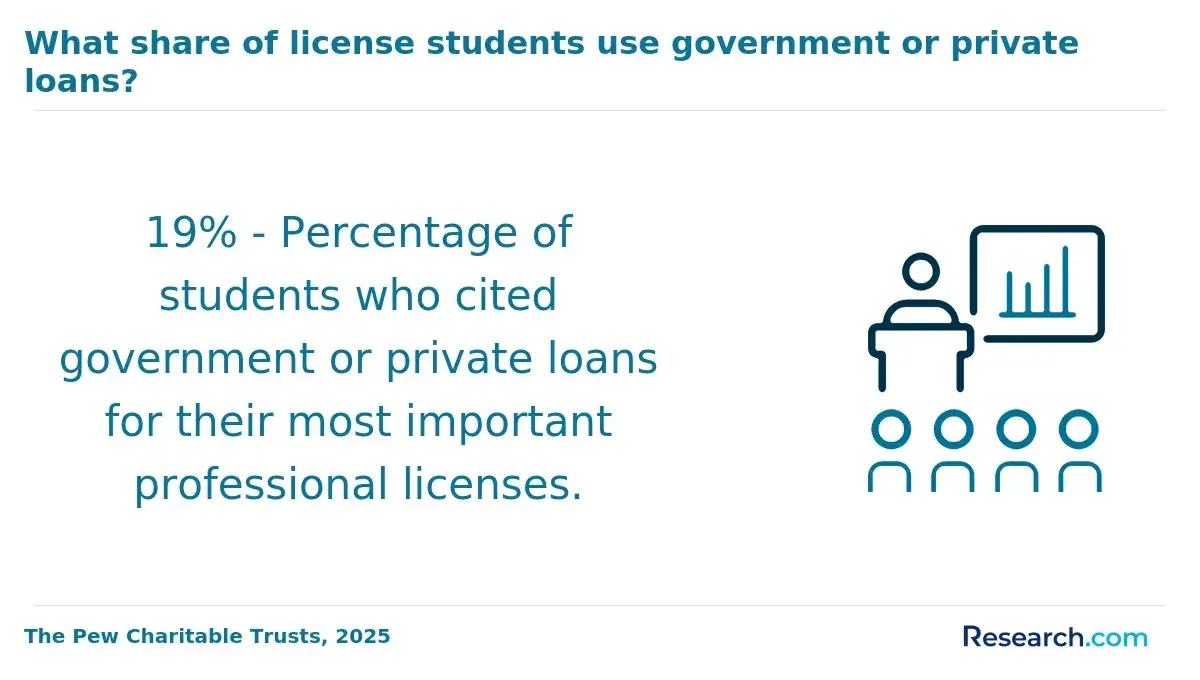
Graduates with an online intelligence degree can pursue licensure, but the process varies depending on the career path they choose. Unlike fields with universal licensing exams, intelligence-related jobs often depend more on obtaining security clearances and professional certifications than traditional licenses.
Typical requirements include possessing a relevant bachelor's or master's degree from an accredited program, passing thorough background checks, and completing certifications such as Certified Intelligence Analyst (CIA). Many online programs offer specialized coursework that prepares students for these certifications and emphasizes legal, ethical, and operational standards.
This focus supports students in meeting licensing requirements for intelligence professionals online, aligning academic training with employer expectations.
Licensure readiness is a crucial factor when evaluating online intelligence programs, as many federal and private-sector positions require proof of formal qualifications and clearance eligibility. Over 70% of intelligence analysts indicate that holding relevant certifications significantly improves both their employment prospects and earning potential. Students interested in how to get licensed with an online intelligence degree should also consider programs that provide practical support for certifications and background investigations.
Those seeking comprehensive academic options might explore online courses for psychology degree as a model for accessible, affordable education with strong professional alignment.
Careful evaluation of program costs is essential for prospective students comparing online intelligence degree options to ensure financial feasibility and value. The average annual tuition and fees for these programs have risen approximately 3% per year, reflecting broader trends in higher education expenses.
Below are typical cost components associated with affordable online intelligence programs that students should consider before enrolling:
- Tuition: Charged per credit hour, tuition varies widely based on whether the institution is public or private. Most programs require between 30 to 60 credit hours, with costs ranging from $300 up to $1,000 or more per credit at prestigious schools.
- Mandatory fees: These include technology support, course materials, and administrative services, often adding several hundred dollars each semester. Fees can fluctuate significantly between programs, impacting the total cost beyond tuition alone.
- Additional expenses: Some programs require specialized software, secure database access, or other resources relevant to intelligence studies, which may incur extra charges. Reliable technology and stable internet connection are also necessary ongoing investments for online learners.
- Cost savings: While online intelligence programs may reduce transportation and housing expenses, students must still plan for technology needs. Comparing total costs, including hidden fees, helps identify truly affordable online intelligence programs suited to individual budget constraints.
Prospective students seeking practical career pathways may also want to explore the easiest college majors with high pay to align educational investment with future income potential.
Understanding financial aid options is essential for prospective students considering online intelligence programs to manage education costs effectively. Many underestimate expenses and miss out on valuable aid that could reduce debt and make their studies more affordable. Recent data shows that over 70% of students pursuing government-related or security fields report receiving some form of financial assistance, reflecting the wide availability of support.
Financial aid can take several forms, each with unique eligibility criteria and benefits. Here are key types of financial aid options for online intelligence degrees prospective students should explore:
- Federal Student Aid: Includes grants, loans, and work-study programs primarily for U.S. citizens and eligible non-citizens. To qualify, students must complete the FAFSA form and demonstrate financial need, which can substantially lower total program costs.
- State Grants and Scholarships: Provided by state governments, these programs often favor residents attending public or private institutions offering intelligence-related curricula. These grants can complement federal aid and provide additional financial relief.
- Employer Tuition Assistance: Many government agencies and private employers offer tuition reimbursement for staff advancing their intelligence careers. Such programs typically require maintaining employment for a period after graduation, creating a valuable incentive for working students.
- Private Scholarships: Offered by organizations specializing in national security, law enforcement, or intelligence fields, these scholarships usually require proof of academic excellence or dedication to the sector. They serve as an important resource to offset education expenses.
Prospective students aiming to reduce their financial burden should investigate these scholarships and grants for intelligence students early in their application process. Additionally, exploring resources like the cheapest online college options that accept FAFSA can help identify affordable pathways to degree completion.
Knowing which careers an online intelligence degree can lead to helps prospective students assess program relevance and job prospects. The U.S. Bureau of Labor Statistics projects that employment for intelligence analysts will grow faster than average, with a 5% increase over the next decade. This positive growth highlights expanding opportunities in the field.
Below are common career paths for graduates of online intelligence programs:
- Intelligence Analyst: Analysts collect and interpret data to identify security threats and support decision-making in government or private sectors. The degree equips students with critical thinking and analytical skills essential for these roles, which often lead to senior analyst or management positions.
- Cybersecurity Specialist: Specialists protect networks and systems from cyber attacks by applying knowledge of information security. Graduates can advance into roles like cybersecurity consultant or chief information security officer.
- Operations Officer: Operations officers manage intelligence collection and mission planning. The program's focus on strategic thinking prepares graduates to coordinate complex projects and progress into leadership roles.
- Risk Analyst: Risk analysts evaluate potential threats to organizations, providing insights to reduce vulnerabilities. With a background in intelligence, graduates can move into risk management or compliance positions.
- Intelligence Consultant: Consultants advise agencies or companies on intelligence strategies and technologies. The degree supports a transition into advisory roles with opportunities to specialize in various intelligence domains.
Knowing the salary outlook helps prospective students assess the financial benefits of completing an online intelligence degree. It also aids in establishing realistic career expectations and planning long-term goals. The median salary for intelligence analysts in the U.S. hovers around $85,000 annually, with consistent growth expected as national security needs expand.
Several important factors contribute to the variation in salaries among online intelligence graduates:
- Level of education: Higher degrees like master's or doctorates often lead to better-paying roles because they signify advanced expertise and research capabilities.
- Specialization: Graduates concentrating in areas such as cyber intelligence, counterintelligence, or data analytics generally receive higher compensation due to the specialized technical skills demanded.
- Experience: Entry-level positions tend to offer lower pay, while professionals with several years in the field can access senior or advisory positions that command increased salaries.
- Geographic location: Pay scales differ across regions, with metropolitan areas and locales hosting government or defense entities typically offering above-average wages.
- Work setting: Employment with federal agencies or large defense contractors usually provides superior salary packages compared to local governments or smaller organizations, reflecting differences in budget and operational scope.
What Graduates Say About Enrolling in an Online Intelligence Degree
- Arthur: "The affordability of the online intelligence degree program was a major factor in my decision to enroll. At around $15,000 for the entire course, it was a practical investment that didn't break the bank. The online format allowed me to balance work and study efficiently, and since graduating, I've seen a significant boost in my career opportunities and confidence. I'm truly grateful for how accessible and career-transforming this program has been."
- Fritz: "Choosing the online intelligence degree was a reflective choice influenced by the program's cost-effectiveness and flexibility. The average tuition was manageable compared to traditional programs, which helped alleviate financial stress. The coursework challenged me intellectually while fitting into my busy schedule. Professionally, the degree elevated my understanding and opened doors to more strategic roles in my field."
- Leo: "I enrolled in the online intelligence degree program after researching its cost and found it remarkably reasonable for the depth of knowledge offered. The virtual learning environment was well-structured and engaging, allowing me to fully immerse myself despite a hectic career. Since completing the program, I've noticed a clear advancement in my professional standing and analytical skills, making the investment well worth it."
Other Things You Should Know About Intelligence Degrees
Most online intelligence degree programs do not require a security clearance for admission. Courses using classified material usually restrict access to U.S. citizens who already hold an active clearance, and some programs require enrollment through a sponsoring agency or employer before any sensitive training begins.
Because many aspects of intelligence involve sensitive or classified information, online programs focus on unclassified yet relevant content and case studies. Some programs partner with government agencies to offer secure, controlled access to certain materials, but most online coursework avoids direct exposure to classified information to comply with security protocols.
- What are the benefits of pursuing an online degree in AI and machine learning? https://www.umu.com/ask/q11122301573854384947
- Master of Science in Artificial Intelligence (MSAI) | Houston Christian University https://hc.edu/online-learning/degrees/msai-artificial-intelligence/
- OSINT Jobs | OpenâSource Intelligence & Security Careers https://www.osint-jobs.com/
- National Security Agency Careers | Apply Now https://www.nsa.gov/careers/
- Earn a Master’s in Artificial Intelligence in One Year - MastersInAI.org https://www.mastersinai.org/degrees/one-year-masters-in-ai/
- Can I get financial aid for an online degree? | edX https://www.edx.org/resources/can-i-get-financial-aid-for-an-online-degree
- Choosing An Online Degree Program: 9 Do's And Don'ts https://www.saintleo.edu/about/stories/blog/choosing-an-online-degree-program-9-dos-and-donts
- Certificate-Program https://www.ni-u.edu/certificates/
- Free Online Certificate in Artificial Intelligence and Career Empowerment https://www.rhsmith.umd.edu/programs/executive-education/learning-opportunities-individuals/free-online-certificate-artificial-intelligence-and-career-empowerment
- Earning an Intelligence Degree and How It Helped Me https://amuedge.com/earning-an-intelligence-degree-and-how-it-helped-me/