2027 Online Public Relations Bachelor's Degree Programs Under $10,000

Co-Founder and Chief Data Scientist
Many prospective students face a common challenge-balancing career advancement with the high cost of education. For those seeking an affordable online public relations bachelor's degree under $10,000, options can seem limited or unclear.
According to recent industry data, enrollment in low-cost online public relations programs has increased by 35% over the past five years, reflecting growing demand for budget-friendly, flexible education paths.
This article explores accredited, cost-effective online public relations bachelor's degree programs, helping readers identify quality options that align with their financial constraints and career goals-offering a practical solution to this rising educational need.
Key Things to Know About Online Public Relations Bachelor's Degree Programs Under $10,000
- Online public relations bachelor's programs under $10,000 significantly reduce student debt compared to traditional degrees, easing financial burdens and improving post-graduation stability.
- These programs offer strong return on investment by combining low tuition with competitive graduate salaries averaging over $50,000 annually in public relations roles.
- Flexibility through asynchronous coursework and credit transfer options supports working adults, military personnel, and career changers balancing education with existing obligations.
What Are the Most Affordable Accredited Online Public Relations Bachelor's Degree Programs Under $10,000?
"Under $10,000 total" in the context of online bachelor's programs means the entire tuition cost for completing the degree is below this threshold. This figure generally covers only tuition, excluding additional expenses like textbooks or technology fees.
Accreditation remains non-negotiable for budget-conscious students because it ensures the program meets strict quality standards and that credits transfer easily.
Online public relations bachelor's degrees with regional accreditation by bodies such as the Higher Learning Commission (HLC), Middle States Commission on Higher Education (MSCHE), Southern Association of Colleges and Schools Commission on Colleges (SACSCOC), and Northwest Commission on Colleges and Universities (NWCCU) provide assurance of educational credibility.
Programmatic accreditation specific to public relations is uncommon at the bachelor's level, but institutional accreditation supports recognition by employers and graduate schools.
The most affordable accredited online public relations bachelor's degree programs under $10,000 in the United States include:
- American Public University System: Tuition about $270 per credit hour with 120 credits, totaling approximately $9,000; regionally accredited by HLC.
- Fort Hays State University: Approximately $218 per credit for 120 credits; accredited by HLC with veteran-friendly financial aid.
- Columbia College: Around $291 per credit hour, 120-credit requirement; accredited by HLC.
- Western Governors University: Flat-rate tuition of approximately $3,895 per six-month term; regional accreditation via NWCCU; offers prior learning assessments for accelerated completion.
- Thomas Edison State University: $371 per credit, totaling near $9,000; accredited by MSCHE, focusing on adult learners and transfer credits.
- Southern New Hampshire University: Tuition about $320 per credit for 120 credits; accredited by NECHE; supports scholarships and flexible pacing options.
- Valdosta State University: Approximately $122 per credit hour with 120 credits totaling $7,200; accredited by SACSCOC, providing robust student support.
- Oregon State University Ecampus: Around $319 per credit hour and requiring 180 credits for their Bachelor of Arts in Communication with a public relations focus; accredited by NWCCU and offers extensive transfer credit opportunities.
These top low-cost online public relations bachelor's degrees with proven accreditation emphasize accessibility and flexible pacing over the smaller class sizes and extensive networking often found in mid-range programs.
Graduates typically earn between $40,000 and $55,000 annually in entry-level public relations roles according to data from the U.S. Bureau of Labor Statistics, with strong potential for career advancement.
For students exploring affordable options across various fields, including business, it is helpful to compare similar structures found in the cheapest online mba programs, which also prioritize affordability and accreditation.
How Do Tuition Costs for Online Public Relations Bachelor's Programs Under $10,000 Compare Across Public and Private Universities?
Tuition costs for online public relations bachelor's degree programs under $10,000 show clear distinctions between public and private nonprofit universities across the United States. Public universities generally offer lower per-credit tuition rates, often ranging between $200 and $300 per credit hour, thanks to state subsidies that reduce instructional expenses.
In contrast, private nonprofits typically charge slightly higher rates from $250 to $400 per credit but can sometimes match or beat public institutions in total cost under particular conditions.
- Tuition Rates: Public universities benefit from state financial support that directly lowers tuition for all students, including online learners. Private universities lack these subsidies and instead rely on tuition and donations, which may increase sticker prices but also enable scholarships that reduce the net cost.
- Total Program Costs: Though public institutions often have lower overall costs, private nonprofits with compact degree requirements-usually around 30 to 40 credits-can maintain total tuition under $10,000. This flexibility caters mainly to transfer or degree completion students.
- Enrollment Size and Scale: Larger public universities leverage economies of scale to spread overhead, decreasing tuition fees. Smaller private institutions face higher per-student costs but offer personalized program delivery through more synchronous classes or smaller cohorts.
- Program Delivery Format: Public universities largely use scalable asynchronous online formats, increasing affordability. Private schools may offer more interactive schedules, impacting operational costs but benefiting student support.
- Financial Aid and Flexibility: Private universities frequently provide institutional aid that lowers net tuition. They also tend to have more flexible transfer credit and prior learning assessments, helping students accelerate graduation and reduce total expenses.
- When Private Can Be Cheaper: In some cases, private institutions with generous credit transfer policies and reduced credit requirements can deliver total program costs below those of public universities with more extensive curricula, despite higher per-credit charges.
For those comparing tuition costs for online public relations bachelor's programs under $10,000, understanding these dynamics can guide decisions, especially for first-generation college students or working adults seeking career advancement on a budget.
Additionally, prospective students might explore options like a 2-year psychology degree online as an alternative path to accelerating academic progress while managing costs.
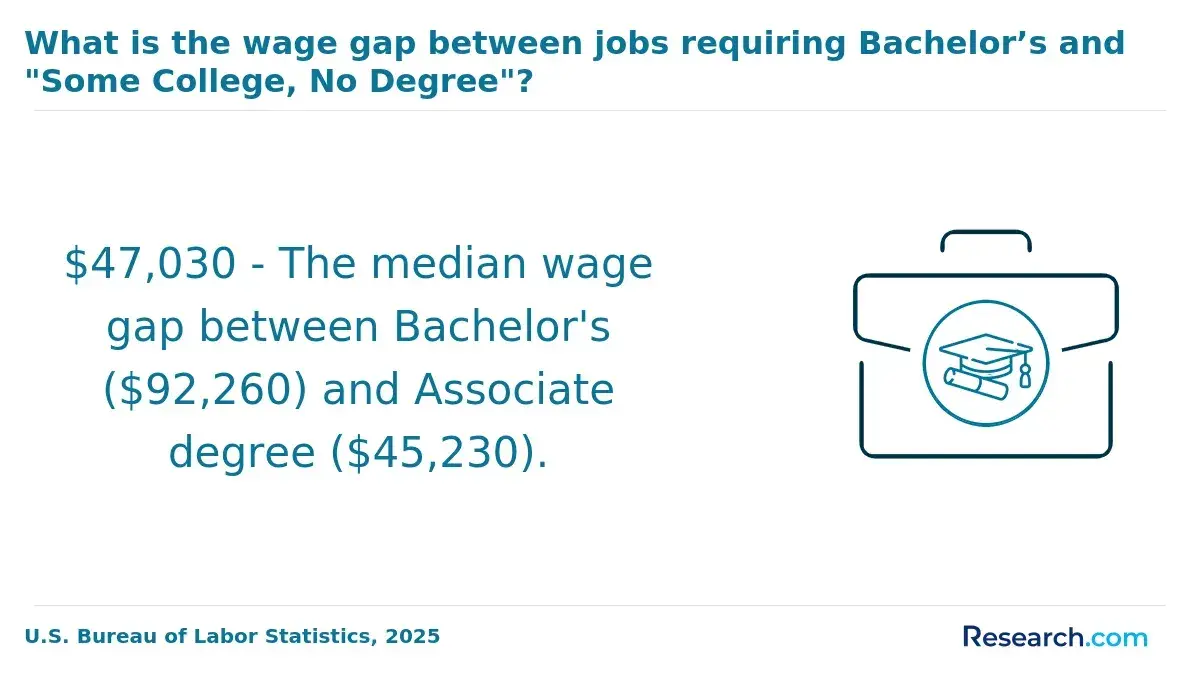
What Is the Typical Duration of an Online Public Relations Bachelor's Degree Under $10,000, and How Can Students Graduate Faster?
Most online public relations bachelor's degrees demand about 120 credit hours, typically spread across four years following a traditional semester schedule. However, many affordable options under $10,000 utilize alternative formats to lower time and cost.
- Accelerated Terms: Some programs break the academic year into shorter eight-week sessions instead of standard semesters. This allows students to concentrate on fewer courses at once and potentially finish their degree in two to three years.
- Year-Round Enrollment: Offering continuous courses during summer and winter terms helps students maintain steady progress without extended breaks, speeding up credit accumulation.
- Competency-Based Education: Learners can advance by showcasing mastery of material rather than fixed classroom hours, helping those with prior experience finish in under two years.
- Credit Transfer and Prior Learning: Many low-cost programs accept transfer credits and recognize previous work or learning assessments, reducing the total credits needed for graduation.
- Institutional Examples: Universities like Western Governors University and Columbia Southern University provide public relations degrees below $10,000, with average completions between 2.5 and 3.5 years.
- Cost and Opportunity Savings: Completing a degree faster means paying less tuition overall and limiting time away from employment, benefiting budget-conscious and first-generation students.
A professional who earned his online public relations bachelor's degree under $10,000 shared his experience transitioning from military service to civilian career life. He recalled initial doubts about managing studies alongside familial and work responsibilities but found that the program's flexible pacing was crucial.
"Being able to focus intensely on shorter terms without long gaps helped me stay motivated and graduate sooner than I expected," he said.
Prior learning assessments also gave him credit for skills gained in the military, "which made a huge difference in cutting down time and cost." His story illustrates how these accelerated, affordable programs can support students facing multiple challenges while aiming to launch a new career efficiently.
Which Online Public Relations Bachelor's Programs Under $10,000 Offer the Best Earning Potential After Graduation?
Choosing the right concentration is vital for those seeking online public relations bachelor's degree programs with high salary potential under $10,000. Data from the Bureau of Labor Statistics Occupational Outlook Handbook highlight career paths with promising median earnings, guiding students toward tracks that maximize long-term return on investment.
Additional support from PayScale and IPEDS underscores the advantage of selecting specialized programs aligned with market demand.
- Corporate Communication: Focuses on internal communication, B2B relations, and brand strategy, with median salaries ranging from $65,000 to $75,000. Graduates benefit from strong hiring rates in corporate environments offering growth opportunities.
- Digital Media and Social Media Strategy: Emphasizes digital marketing skills, content development, and social analytics. Median pay usually falls between $55,000 and $70,000, reflecting the sector's rapid expansion and increasing importance of online engagement.
- Health Communication: Prepares students for roles in healthcare settings and nonprofits, with dependable demand and median earnings near $60,000. Survey data reveal consistent placement in hospitals, government agencies, and public health organizations.
- Public Affairs and Government Relations: Suitable for those interested in policy advocacy and regulatory communication, with salaries approaching $70,000. This track merges public relations expertise with political and governmental sectors.
Balancing tuition savings under $10,000 while choosing these focused concentrations, alongside transferring credits and highlighting accredited programs, strengthens career prospects. Prospective students may also explore options like MSW programs with high acceptance rate to compare pathways toward affordable, impactful degrees.
What Financial Aid and Scholarship Opportunities Can Reduce an Online Public Relations Bachelor's Degree Cost Below $10,000?
Stacking these resources-starting with free money from grants and scholarships before considering loans-can reduce the net cost of an accredited online public relations degree to well under $10,000.
Early FAFSA submission unlocks both federal and state aid, while proactive scholarship applications and maintaining academic standing preserve eligibility.
- Federal Pell Grants: These grants provide need-based, no-repayment aid for eligible students, often covering a substantial portion of tuition costs. FAFSA data shows many first-time undergraduates in public relations qualify, making Pell Grants a foundational source of free funding.
- Subsidized Federal Loans: Designed for students with demonstrated financial need, these loans offer favorable terms such as deferred interest accrual while enrolled. They are best utilized after exhausting grant and scholarship options to minimize debt.
- Institutional Scholarships: Accredited online programs frequently award merit- or need-based scholarships. Applicants should pursue these actively, as they often require separate applications through each school's financial aid office.
- State-Based Aid: State grants or tuition waivers can further lower costs depending on residency and eligibility. These awards typically work in tandem with federal and school-based assistance, strengthening the overall aid package.
- Professional Association Scholarships: Organizations like the Public Relations Society of America and other nonprofits offer scholarships targeted to students pursuing degrees in public relations. These merit-based funds focus on academic achievement and career promise within the field.
When asked about her experience managing financial aid, a professional who completed an online public relations bachelor's program under $10,000 remarked that navigating multiple applications was initially overwhelming but ultimately rewarding.
She highlighted how carefully coordinating grant deadlines, institutional scholarships, and specific association awards helped minimize debt.
"Knowing where to focus my efforts made the process feel less chaotic," she said, emphasizing that persistence and early FAFSA completion were crucial. Her journey underscores that well-planned stacking of aid sources can make a meaningful difference for military-affiliated students seeking affordable, accredited public relations education.
How Many Transfer Credits Do Online Public Relations Bachelor's Programs Under $10,000 Accept, and How Does This Reduce Total Cost?
Transfer credits significantly lower the expense of online public relations bachelor's degrees priced under $10,000 by shortening the time and credits needed to graduate.
Many affordable programs allow students to bring in up to 90 transfer credits from accredited institutions, military service, or standardized exams like CLEP and DSST.
Given that a bachelor's degree typically requires around 120 credits, accepting this volume of transfer credits can cut tuition costs by half or more.
For example, a program charging $9,000 for 120 credits would charge roughly $4,500 if a student transfers 60 credits and pays only for the remaining half. This substantial decrease makes the transfer credit policy one of the most critical factors to consider when selecting an economical public relations program.
Noteworthy institutions with inclusive credit transfer rules include:
- Fort Hays State University: Allows up to 90 transfer credits, covering CLEP, DSST, and military training, helping students finish degrees efficiently and affordably.
- Western Governors University: Recognizes prior learning and professional experience through generous transfer policies, reducing degree completion time and costs.
- Thomas Edison State University: Offers broad acceptance of military, exam-based, and other credits, supporting adult learners in maximizing their transferred coursework.
Before applying, students should carefully review their transcripts and previous learning credits to understand what can be transferred. This proactive assessment aids in choosing programs offering the greatest financial benefit.
Effectively leveraging transfer credits is a vital strategy for working adults and career changers aiming to earn a public relations bachelor's degree affordably and on an accelerated schedule.
What Accreditation Should an Online Public Relations Bachelor's Program Under $10,000 Have to Ensure Quality and Employer Recognition?
Accreditation plays a crucial role in determining the quality and recognition of online public relations bachelor's degree programs under $10,000. The most widely accepted form is regional accreditation-it carries significant weight with employers and graduate schools throughout the United States.
- Regional Accreditation: Considered the gold standard, regional accreditation is awarded by one of six bodies, including the Higher Learning Commission (HLC), Southern Association of Colleges and Schools Commission on Colleges (SACSCOC), and New England Commission of Higher Education (NECHE). Programs accredited regionally usually facilitate smoother credit transfers and are favored by employers in the Public Relations field.
- National Accreditation: Some affordable public relations programs may only have national accreditation, typically more vocational or specialized. While this can be sufficient for certain career paths, many employers and graduate programs regard these degrees as less advantageous. Nationally accredited credits often face challenges in transferability.
- Programmatic Accreditation: Certain low-cost public relations programs earn additional accreditation from field-specific organizations like the Accrediting Council on Education in Journalism and Mass Communications (ACEJMC), enhancing curriculum credibility and faculty expertise.
- Risks of Non-Accredited Programs: Degrees from non-accredited schools or those lacking regional accreditation can hinder career opportunities and financial aid eligibility. They often result in limited employer recognition and difficulties when transferring credits.
- Verification Tool: Prospective students should consult the U.S. Department of Education's accreditation database to confirm a school's status before enrollment to avoid costly missteps.
Recent data from the National Center for Education Statistics reveals that over 90% of employers prefer candidates with degrees from regionally accredited institutions, underscoring the value of choosing programs meeting this benchmark.
What Are the Admission Requirements for Online Public Relations Bachelor's Programs Priced Under $10,000?
Admission requirements for affordable online public relations bachelor's degree programs typically include a high school diploma or GED and vary in selectivity. Many of these programs have adopted test-optional policies regarding the SAT or ACT to ease access for working adults and first-generation college students.
Minimum GPA requirements often range from 2.0 to 3.0 on a 4.0 scale, with more selective institutions placing greater emphasis on academic performance. Some programs may require prerequisite courses in communication or related social sciences, though these are less frequent among lower-cost options.
Open-admission and rolling-admission policies are common among affordable online public relations programs, enabling flexible entry for non-traditional learners and adults balancing education with work or family.
Selective programs may offer stronger academic rigor, enhanced student support services, and broader employer recognition, but they also come with more competitive admissions.
For those who do not initially meet admission standards, strengthening applications through community college coursework, relevant work or internship experience, and compelling personal statements can increase acceptance chances.
Exploring online schools for human services can provide additional pathways and insights on managing admission and program logistics.
- High School or GED Requirements: Most programs require a high school diploma or GED, establishing a basic academic foundation for college readiness.
- GPA Thresholds: Competitive programs expect GPAs around 2.5 to 3.0, while open-admission schools may accept lower GPAs to increase accessibility.
- Standardized Test Policies: Many low-cost online degrees have test-optional admissions, reducing pressure on standardized testing performance.
- Prerequisite Coursework: Some programs expect prior courses in communication or related fields, but many remain flexible regarding formal prerequisites.
- Admission Models: Open-admission and rolling admissions allow greater flexibility for non-traditional students, though selective admissions often bring added academic rigor and support.
- Application Strengthening Advice: Completing community college courses, gaining practical experience, and submitting strong personal statements can offset weaker academic records.
How Do Online Public Relations Bachelor's Programs Under $10,000 Support Student Success Through Advising and Career Services?
Online public relations bachelor's degree programs priced under $10,000 often provide robust support services designed to enhance student success and timely graduation.
These supports help remove common barriers to academic progress, making affordable education a viable option for working adults and first-generation college students seeking reliable online public relations degree advising and career services.
- Comprehensive Academic Advising: Many programs offer personalized advising that guides students through course selection, degree requirements, and transfer credit evaluation. Advisors help students create realistic academic plans, which promotes on-time graduation and prevents costly delays.
- Accessible Tutoring and Mentorship: Low-cost programs increasingly include tutoring in writing, communication, and research skills crucial to public relations careers. Paired mentorship connects students with experienced professionals or alumni who provide career advice and encouragement, fostering both academic and professional growth.
- Mental Health and Wellness Resources: Recognizing the added pressure on non-traditional students, reputable programs provide online counseling and wellness workshops. These resources help sustain student motivation and mental well-being throughout the degree journey.
- Strong Career Services and Internship Support: Even at budget-friendly prices, standout programs coordinate internships and maintain active job boards targeted to public relations roles. Career coaching and resume assistance are frequently available, alongside alumni networks that facilitate job placement.
- Student Satisfaction and Graduation Outcomes: Data from the National Survey of Student Engagement (NSSE) reflect higher satisfaction rates and better support perception in these programs, correlating with improved graduation rates. Efficient student support can directly reduce the total educational cost by minimizing extended enrollment periods.
For working adults, first-generation students, and career changers, these student support features are critical in affordable public relations programs under $10,000. They complement flexible tuition and transfer policies, creating a comprehensive framework for success.
Prospective students should also explore related fields such as online architecture degree programs, which may offer useful comparisons in affordability and student support models.
Graduates from programs offering this level of support often see stronger real-world salary outcomes, making investment in low-cost online public relations degrees a practical choice for career advancement without excessive financial burden.
What Concentrations or Specializations Are Available Within Online Public Relations Bachelor's Programs Under $10,000?
Online bachelor's degrees in public relations priced under $10,000 commonly offer a variety of focus areas that align with specific career goals and labor market trends. Selecting the right concentration can enhance employment chances while matching personal interests.
- Corporate Communication: Centers on managing a company's internal and external messaging. Careers in this track include corporate communicators and media relations specialists, with job growth estimated near 11% through 2028 according to the Bureau of Labor Statistics.
- Media Relations: Focuses on fostering connections with journalists and overseeing press interactions. This specialization supports roles such as public relations specialists and media strategists, typically offering median salaries around $62,810.
- Digital and Social Media: Emphasizes digital branding, social campaigns, and online content. This track reflects some of the fastest job growth in public relations, driven by increasing reliance on online platforms and digital marketing skills.
- Event Planning and Management: Prepares students to organize public events and promotional activities. While no extra certification is mandatory, obtaining credentials like the Certified Meeting Professional could add to overall costs.
- Government and Nonprofit PR: Designed for careers in public affairs, advocacy, and community relations. Most positions require familiarity with regulations but rarely demand additional licensure beyond the degree.
Each specialization connects to distinct employment paths and salary ranges, helping students strategically select programs with strong labor market outcomes. Additional certifications relevant to specific fields may raise expenses beyond tuition, so weighing these factors is key for a balanced return on investment.
What Technology and Learning Platforms Do Online Public Relations Bachelor's Programs Under $10,000 Use?
Learning management systems such as Canvas, Blackboard, and Moodle serve as essential platforms for delivering affordable online public relations programs. These systems efficiently organize course materials, facilitate communication, and enable students to submit assignments and receive instructor feedback promptly.
The usability and reliability of the LMS greatly impact the overall student experience, even in options priced below $10,000.
Specialized software for public relations students often includes campaign simulations, media monitoring tools, and virtual laboratories designed to develop practical skills.
While access to core LMS features is typically covered by tuition, some of these advanced applications may involve extra fees. Prospective students should carefully review program costs to avoid unexpected expenses pushing their total investment over $10,000.
- Learning Management Systems: These platforms structure the course experience, support engagement through interactive tools, and streamline assignment submissions and feedback.
- Simulation Tools: Virtual labs and software provide hands-on practice with media relations and campaign management, enhancing real-world readiness.
- Cost Considerations: Core LMS use is included in tuition, but additional fees for specialized software may apply, affecting overall affordability.
- Accessibility Features: Programs accommodating limited internet speeds and older computers foster inclusive learning environments with fewer obstacles.
- Technical Requirements: Students typically need reliable internet, a device running current software, and video capabilities for full participation in course activities.
Accessibility is an important consideration for learners relying on lower bandwidth or older technology. Many programs offer lightweight LMS versions or offline resources to reduce barriers to participation.
A stable internet connection, a modern web browser, and updated office software are generally the minimum technical requirements. Basic audiovisual hardware is also necessary for interactive sessions, but expensive devices are rarely needed.
What Graduates Say About Their Online Public Relations Bachelor's Degree Programs Under $10,000
- Azai: "Choosing the online public relations bachelor's degree program under $10,000 was a game-changer for me because it perfectly balanced affordability with quality education. I was initially worried about the cost of higher education, but this program proved that gaining valuable skills doesn't have to break the bank. The flexibility and career-focused curriculum helped me land a role in a communications firm shortly after graduation."
- Russell: "Reflecting on my time in the online public relations degree program, I appreciate how the cost made continuing my education achievable without sacrificing my financial stability. It allowed me to focus on learning meaningful strategies and networking rather than stressing about student debt. Since completing the program, I've seen a noticeable boost in my confidence and the professional opportunities available to me."
- Christian: "The professional impact of pursuing the online public relations bachelor's degree program under $10,000 has been profound-my salary increased and my responsibilities grew within months of graduating. I selected this program due to its reputation for blending theory with real-world applications, all while keeping tuition affordable. It's rewarding to know that high-quality education can be accessible and directly beneficial to career advancement."
Other Things You Should Know About Public Relations Degrees
The cost per credit hour for online public relations bachelor's programs under $10,000 is generally much lower than the national average, which can range from $300 to $500 per credit hour.
Affordable programs often charge between $100 and $250 per credit hour, allowing students to complete a full degree without accumulating high tuition debt. These reduced rates make such programs an attractive option for budget-conscious learners.
Yes, several fully online public relations bachelor's degree programs under $10,000 do not impose out-of-state tuition fees. Since these programs operate entirely online, they often use a flat tuition rate regardless of the student's residency. This policy helps students nationwide access affordable education without location-based financial barriers.
The ROI for earning a public relations bachelor's degree under $10,000 tends to be favorable due to the low initial education costs and steady demand for public relations professionals.
Graduates commonly secure roles in media relations, corporate communications, and marketing, with entry-level salaries often starting between $40,000 and $50,000 annually. Lower tuition costs mean shorter payback periods on educational investment, enhancing long-term career value.
Yes, many online public relations bachelor's programs allow students to earn credit through CLEP exams or prior learning assessments. This can help lower degree costs and potentially keep expenses under $10,000 by reducing the number of courses needed for completion.
References
- The 20 Most Affordable Online Bachelor's in Public Relations - Best Marketing Degrees https://www.bestmarketingdegrees.org/the-most-affordable-online-bachelors-in-public-relations/
- Bachelor of Communications Scholarships https://teach.com/online-ed/communications-degrees/online-bachelor-communications/bachelors-communications-scholarships/
- 2025 Most Affordable Online Bachelors in Public Relations [100% Unbiased] https://www.collegeranker.com/most-affordable-online-bachelors-in-public-relations/
- 2025 Most Affordable Online Bachelor's Degrees https://www.onlineu.com/most-affordable-colleges/bachelors-degrees
- The Need of Accreditation in Online Degree Programs https://www.onlinecu.in/blog/cu/the-importance-of-accreditation-in-online-degree-programs.php
- We're Here for You https://www.setonhill.edu/apply-afford/financial-aid-affordability/online-bachelors-degree-certificate-program-aid/index.html
- Program Certification & Accreditation https://www.commissionpred.org/the-professional-bond/program-certification-accreditation/
- Online Bachelor of Arts in Public Relations at William Paterson https://online.wpunj.edu/degrees/undergraduate/bachelor-of-arts-public-relations/
- The Importance of Accreditation for Online BBA Degree Programs https://www.dypatilonline.com/blogs/the-importance-of-accreditation-for-online-bba-degree-programs
- Scholarships & Grants to Reduce Your Degree Cost https://www.umassglobal.edu/tuition-and-aid/financing-your-education/scholarship-and-grants