2027 Online Public Relations Bachelor's Degree Completion Programs for Working Adults

Co-Founder and Chief Data Scientist
Balancing a full-time job while aiming to complete a bachelor's degree in public relations can feel overwhelming, especially when navigating credit transfers and course scheduling. Nearly 60% of online bachelor's degree students report managing work and study as their primary challenge, underscoring the importance of flexible programs. For working adults who already hold some college credits, finding a program that aligns with their professional responsibilities and accelerates graduation is critical. This article analyzes program structures, accreditation, transfer policies, and tuition models to help readers select the optimal online public relations bachelor's degree completion program for their unique career and financial needs.
Key Benefits of Online Public Relations Bachelor's Degree Completion Programs for Working Adults
- Online public relations bachelor's degree completion programs offer flexible scheduling, allowing working adults to balance professional duties with academic progress effectively.
- Fully asynchronous coursework enables students to study without fixed class times, accommodating varying work shifts and minimizing income disruption.
- These programs typically provide accelerated pathways, reducing time to graduation compared to restarting a traditional four-year degree from the beginning.
What Are Online Public Relations Bachelor's Degree Completion Programs, and Who Are They Designed For?
Online public relations bachelor's degree completion programs help adults with some college credits efficiently finish their undergraduate education. Unlike traditional four-year bachelor's programs, completion programs concentrate on the final two years of study, allowing students to transfer previously earned credits and complete degrees through accelerated, flexible formats.
According to the National Center for Education Statistics (NCES), millions of Americans have some college credits but no degree. This group includes community college transfer students, military veterans, and mid-career professionals seeking advancement.
These programs provide a streamlined pathway for these students, especially those searching for the best online public relations degree completion options for college transfer students.
- Accelerated Format: Programs enable degree completion often in two years or less by focusing on upper-division coursework tailored to adults' schedules.
- High Transfer Credit Acceptance: They accept a significant number of prior college credits, minimizing repetitive courses and shortening time to graduation.
- Online or Hybrid Delivery: Courses are offered fully online or through a blend of online and in-person classes to accommodate working adults' busy lives.
- Designed for Working Adults: Curriculums include asynchronous learning and multiple start dates, helping students balance education, work, and family commitments.
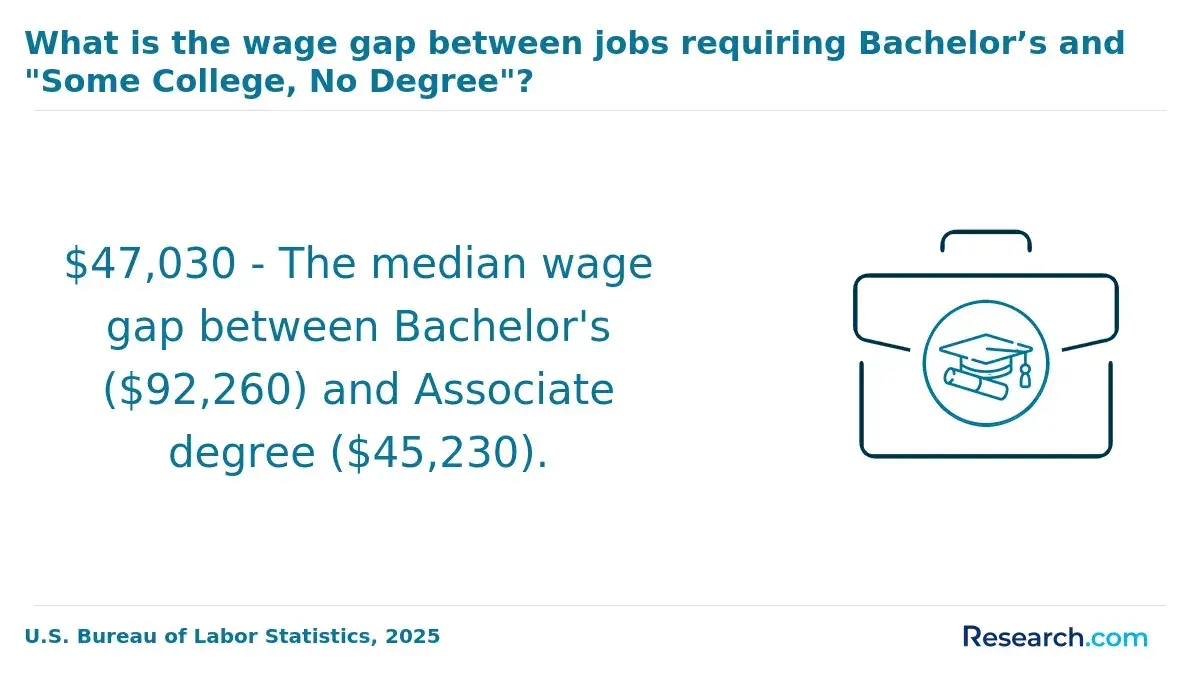
These programs have gained popularity as many employers increasingly require bachelor's degrees for roles that previously did not. Completing an online public relations bachelor's degree through such flexible options helps working adults meet evolving job qualifications and improve career prospects.
For those considering further academic pursuits, exploring the cheapest PhD programs online may also be of interest.
How Do Online Public Relations Degree Completion Programs Differ From Traditional Four-Year Public Relations Bachelor's Degrees?
Online public relations degree completion programs are tailored for students with 60 or more college credits seeking to efficiently finish their bachelor's degrees. These programs differ structurally from traditional four-year public relations degrees, which begin with a full slate of general education and major courses across eight semesters.
Completion programs focus on the final 60 credits or fewer, allowing extensive transfer credits to reduce remaining coursework and time.
- Credit Requirements: Completion programs accept a large volume of transfer credits, concentrating on final degree requirements, while traditional degrees typically demand around 120 total credits encompassing general education, major, and electives.
- Curriculum Sequencing: Completion degrees replace many general education courses with competency-based or experiential options that acknowledge prior learning, such as military service or relevant work experience. Traditional programs follow a fixed progression from foundational subjects to specialized public relations courses.
- Time to Completion: Transfer students often complete online public relations bachelor's degrees for working adults in two years or less through completion programs, whereas traditional degrees generally require four years starting from scratch.
- Cost Structure: IPEDS data indicates that while completion programs' cost-per-credit-hour may be higher due to adult learner services and flexible scheduling, overall degree costs can be lower since fewer credits are needed. Traditional pathways tend to have lower per-credit rates but higher total costs because of full credit requirements.
- Adult Learner Orientation: Completion programs are curriculum-mapped for adult learners, featuring asynchronous classes, accelerated terms, and credit for prior learning, unlike traditional programs mainly designed for recent high school graduates.
Students should consider their priorities when choosing: completion programs offer flexibility and speed for those with prior credits, whereas traditional degrees provide a comprehensive experience.
For those evaluating options, consulting online business schools can offer broader insights into affordability and program structures that complement flexible online public relations bachelor's degrees for working adults.
2026 Update: Portfolio and Internship Fit for Working PR Students
This update reviews how online public relations completion programs handle applied experience, especially for adults who need coursework to connect with their current job and future PR portfolio.
- Whether an internship is required, optional, or may be waived with relevant professional experience.
- How capstone projects are structured and whether they produce portfolio-ready PR materials.
- Whether students can use approved workplace projects for campaigns, media kits, or communication plans.
- What feedback is provided by faculty, clients, or industry practitioners on written and presentation work.
- Whether courses include practical tools for media relations, social media planning, analytics, or crisis communication.
- Any live presentation, team project, or proctored requirement that could affect a working adult’s schedule.
Checking these details helps students choose a program that does more than award credits—it can also help them graduate with stronger evidence of PR skills.
Which Accredited Universities Offer the Most Affordable Online Public Relations Bachelor's Degree Completion Programs?
Programs with the most affordable tuition typically offer flat-rate pricing without in-state versus out-of-state distinctions, easing financial planning. They prioritize transfer credit acceptance and flexible online formats. Additionally, these lower-cost schools maintain regional accreditation vital for degree value, while moderately priced programs often enrich their offerings with enhanced professional affiliations and networking avenues.
- Fort Hays State University: This Kansas university charges a flat tuition rate of $218.67 per credit for all online undergraduate courses, regardless of residency, making it highly cost-effective. It holds regional accreditation from the Higher Learning Commission (HLC). While the public relations curriculum aligns with industry requirements, no specific programmatic accreditation is evident.
- East Carolina University: ECU offers online public relations degree completion at $217.22 per credit hour for in-state students and $828.56 for out-of-state learners. The institution is accredited by the Southern Association of Colleges and Schools Commission on Colleges (SACSCOC). Its proximity to Public Relations Society of America (PRSA) chapters adds valuable networking and professional development opportunities.
- University of Central Florida: UCF's online bachelor's completion program charges $221.32 per credit for Florida residents and $299.87 for non-residents. Accredited by SACSCOC, the Nicholson School of Communication and Media regularly updates its curriculum to stay relevant with evolving public relations industry standards.
- Colorado State University Global: CSU Global applies a uniform tuition rate of $350 per credit hour for online students regardless of residency. Regionally accredited by the HLC, the program supports working adults by allowing generous transfer credits and flexible pacing, despite lacking specialized public relations accreditation.
- University of North Dakota: UND charges $418 per credit hour for all online students and is accredited by the HLC. Its public relations courses fall within the Communication Department, which participates in professional organizations focused on ethical practice and skill development.
How Many Transfer Credits Can Working Adults Apply Toward an Online Public Relations Degree Completion Program?
Working adults pursuing an online public relations degree completion program can typically apply a significant number of prior college credits toward their degree. Most programs accept between 60 and 90 transfer credits, depending on the institution and how closely previous coursework aligns with public relations requirements.
Applying these credits allows learners to complete the remaining courses more efficiently, reducing the overall time needed to earn the degree.
- Typical Credit Caps: Degree completion programs for working adults commonly accept between 60 and 90 semester hours of transfer credits. These credits often come from accredited community colleges, four-year universities, or professional training, helping reduce both time and cost to graduation in an online public relations degree.
- Credit Equivalency Evaluation: Institutions carefully assess transcripts to verify that transferred courses fulfill their public relations curriculum standards. This ensures that prior coursework matches the program's learning outcomes and degree requirements.
- Articulation Agreements: Many universities partner with community colleges through articulation agreements to simplify credit transfer. These arrangements promote smooth transitions and help students avoid losing credits, which is vital considering the U.S. Department of Education's transfer summit found that students typically lose around 40% of credits during transfers.
- Military and Professional Credits: Leading programs often accept ACE-recommended military training credits and relevant professional certifications, which can be applied toward general education or elective courses, benefiting veterans and working professionals pursuing a public relations degree.
- Official Transcript Evaluation: Prospective students should request an official credit evaluation before enrollment. This clarifies transferable credits within transfer credit policies for working adults online public relations programs and aids academic planning to prevent unexpected delays.
Those interested can explore options among nationally accredited online colleges known for transfer-friendly policies and streamlined degree completion.
What Are the Typical Admission Requirements for Online Public Relations Bachelor's Degree Completion Programs?
Admission requirements for online public relations bachelor’s degree completion programs generally focus on prior college coursework, academic performance, and standard application materials. Most programs require applicants to have an associate degree or transferable college credits, along with official transcripts and a minimum GPA, typically around 2.5.
Some schools may also request additional materials such as a personal statement, letters of recommendation, or evidence of prior coursework or experience in communications, media, or related fields.
- Transfer Credit Hours: Completion programs usually require between 24 and 60 semester credit hours from previous studies to ensure students possess a solid academic foundation before advancing.
- GPA Requirements: Most programs set a minimum GPA, typically ranging from 2.0 to 2.5 on a 4.0 scale, indicating readiness for upper-level coursework in public relations.
- Application Materials: Official transcripts are universally required. Programs may additionally request resumes, personal statements, or letters of recommendation to gauge applicants' dedication and career goals.
- Field Prerequisites: Some selective programs expect applicants to have completed introductory public relations or communication courses, ensuring preparedness for specialized study.
- Admission Types: Open-admission programs generally accept most students meeting basic credit thresholds but may offer less rigorous academic support. In contrast, selective programs are more competitive and often provide enhanced faculty engagement and credentials valued by employers.
- Conditional Acceptance: Certain schools allow provisional admission for candidates slightly below standards, requiring coursework completion or GPA improvement within specified periods.
- Improving Eligibility: Completing prerequisite classes at community colleges before applying and maintaining strong academic performance can significantly boost acceptance chances.
How Long Does It Take to Complete an Online Public Relations Bachelor's Degree Completion Program as a Working Adult?
The time to complete an online public relations bachelor's degree widely varies depending on transferred credits and course load. Students starting with about 30 credits often face around 60 remaining credits, which typically requires two years or more of full-time study. Those with 60 to 90 transfer credits can significantly shorten this timeline and may finish in one to two years.
Most working adults enroll part-time, usually taking about six credits-or two courses-each semester. At this pace, finishing 60 credits can take two and a half to three years, balancing work and academics. Alternatively, students who pursue a full-time, accelerated schedule with 12 or more credits per term and include summer sessions may complete the degree in as little as 12 to 18 months.
Eight-week accelerated courses further shorten the timeline by allowing learners to progress through multiple terms annually instead of the traditional two semesters. Competency-based programs also enable learners to advance as they demonstrate mastery, potentially reducing total time to degree. Utilizing summer enrollment alongside regular terms helps maintain progress for busy professionals.
Life factors such as job demands, family responsibilities, and employer tuition assistance influence how quickly a working adult can finish their degree. Flexible scheduling and employer support often prove crucial in setting realistic completion goals.
- Transfer Credit Impact: Greater transfer credits drastically cut remaining coursework, enabling completion in 1 to 2 years for students with 60-90+ credits.
- Part-Time Pace: Taking six credits per semester usually extends degree completion to 2.5-3 years, ideal for balancing work and study.
- Accelerated Enrollment: Full-time study with 12+ credits and summer terms can shorten degree time to 12-18 months.
- Flexible Formats: Eight-week terms and competency-based progression allow faster advancement beyond traditional semester limits.
- Employer Support: Tuition reimbursement and schedule flexibility significantly aid timely degree completion.
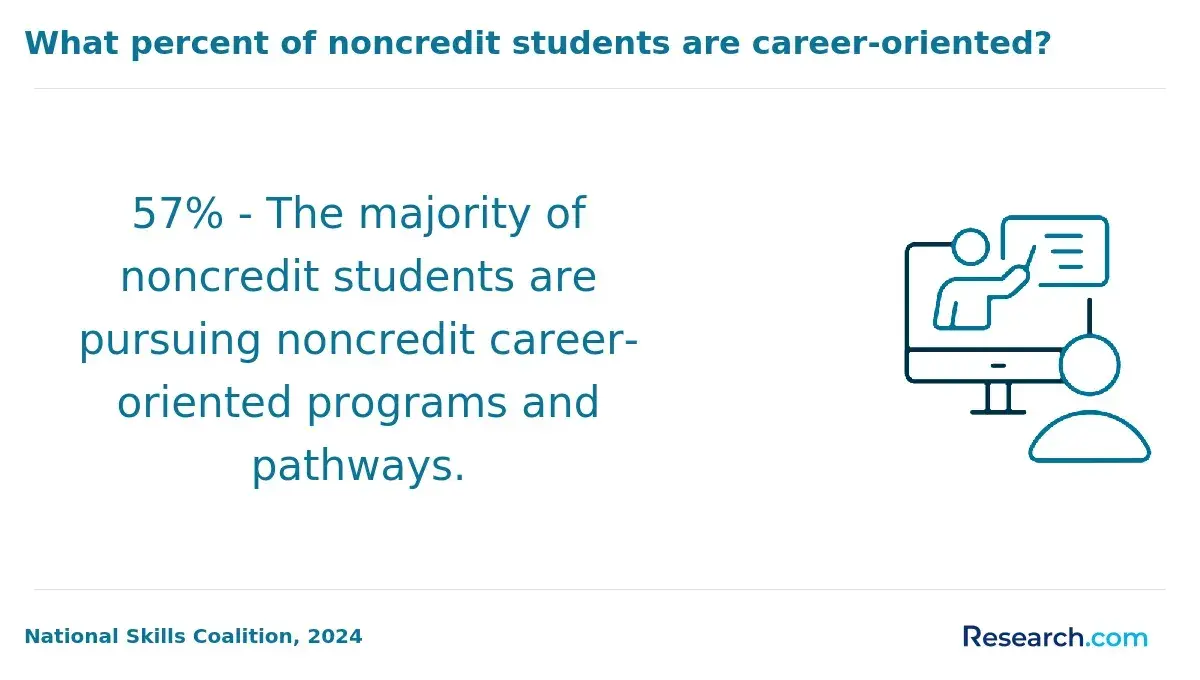
Enrollment in online degree completion programs for working adults has risen over 20% in the past five years, highlighting increasing demand for adaptable education models.
What Financial Aid, Grants, and Employer Tuition Assistance Options Are Available for Online Public Relations Completion Students?
Many working adults completing an online public relations bachelor's degree can access a variety of financial aid options tailored to ease tuition and related costs. Federal Pell Grants and Direct Loans remain available to eligible adult learners who meet enrollment and income requirements. Additionally, many states provide grants specifically for adults returning to college, with eligibility often tied to residency or state employment.
Colleges and universities commonly offer institutional scholarships designed for non-traditional students, including those completing degrees in public relations. These awards typically consider factors such as professional experience, academic progress, and financial need. Employer tuition assistance programs are especially valuable, as Section 127 of the IRS tax code permits employers to provide up to $5,250 annually in tax-free tuition benefits for undergraduate education. Coordination with human resources is essential to secure and utilize these benefits.
Scholarships and fellowships aimed at adult learners resuming their education also provide important funding opportunities. These opportunities are often offered through professional organizations, foundations, and institutions focused on advancing careers in fields like public relations.
Before enrolling, students should follow these key financial aid steps:
- File The FAFSA: Complete the Free Application for Federal Student Aid to determine eligibility for federal and state financial aid programs.
- Research State Grants: Contact your state's higher education agency to identify grants or scholarships available specifically for adult learners returning to school.
- Contact Employer HR: Discuss tuition assistance options under IRS Section 127 and obtain a tuition benefit agreement to maximize employer support.
- Apply For Scholarships: Pursue scholarships and fellowships targeted at adult students completing a public relations degree to reduce education costs.
How Does Per-Credit-Hour Tuition for Online Public Relations Completion Programs Compare Across Accredited Institutions?
The national average tuition per credit hour for online public relations degree completion programs generally ranges from $350 to $450, based on NCES and IPEDS data. This tuition comparison for accredited public relations completion programs serves as a helpful benchmark for students evaluating costs across various schools. Transfer students entering with 60 credits left to complete may face total tuition costs between $21,000 and $27,000, depending on the per-credit rate and total credits required to graduate.
Although 90-credit transfer scenarios are less common, they usually result in higher overall costs due to fewer remaining credits but possibly higher per-credit fees.
Ancillary fees also contribute significantly to total expenses. Technology fees, often $50 to $100 each semester, combined with one-time graduation fees ranging from $100 to $200, add up. Students should also anticipate costs for online proctoring services and textbooks, which may add several hundred dollars each term, increasing the overall price by 10-20% beyond tuition alone. These non-tuition charges can make a notable difference between advertised costs and what students ultimately pay.
- National Average Benchmarks: The average per-credit cost for accredited online public relations completion programs ranges between $350 and $450, offering a clear standard for comparison across institutions.
- Transfer Credit Impact: Total program cost varies based on transfer credits accepted; students with more credits to transfer pay less in remaining tuition but should verify credit policies carefully.
- Ancillary Fees Matter: Technology, graduation, proctoring, and textbooks can increase total expenses, often adding 10-20% beyond per-credit tuition.
- Lowest Rate Caveats: A lower per-credit tuition rate can be offset by larger credit requirements or higher fees, so students should assess total cost rather than focusing solely on tuition price.
Choosing a program solely based on the lowest per-credit tuition can be misleading. Some programs require more total credits or impose higher fees, which inflate total costs. Careful evaluation of credit requirements, transfer policies, and ancillary expenses is essential to identify the best value for completion. Working professionals can also explore options like prior learning assessments or credits from military service to reduce costs effectively.
For working adults balancing career and education, finding affordable options such as an online MBA no GMAT program may highlight the importance of accreditation, credit transfer, and competitive pricing in graduate and professional studies.
What Prior Learning Assessment and Credit-by-Exam Options Exist in Online Public Relations Degree Completion Programs?
Prior learning assessment (PLA) options offer working adults practical pathways to convert existing knowledge into academic credit, significantly shortening time to graduation. CLEP and DSST exams enable students to test out of fundamental coursework, while portfolio assessments allow for demonstration of professional experience and learning with documented evidence.
Military service members benefit from credit evaluations through the American Council on Education (ACE), which reviews military training and corporate programs for transferability.
- Credit-by-Exam Policies: Many online public relations bachelor's programs accept CLEP and DSST exams, allowing students to bypass introductory courses and accelerate progress academically.
- Portfolio Assessment: Students can submit comprehensive portfolios showcasing work experience, certifications, and training to earn college credit through documented prior learning, provided institutions accept such reviews.
- ACE Credit Recommendations: The ACE system evaluates military and corporate training courses for college-level equivalency, facilitating credit transfer especially for veterans and active-duty personnel.
- Maximum Credit Acceptance: The most expansive programs allow up to 30-45 credits via PLA, easing the burden of traditional coursework and lowering overall tuition costs.
- Documentation Preparation: Applicants should maintain detailed descriptions, official transcripts, certificates, and letters verifying learning experiences for smooth credit evaluation.
Online public relations degree completion programs with the most flexible transfer policies often combine these PLA options to accommodate mid-career professionals and military students alike. Focused research on credit-by-exam policies in online public relations bachelor's programs reveals how institutions are increasing their acceptance of nontraditional credits to meet adult learner needs.
For guidance on affordable pathways, see the comprehensive cheapest online degrees that blend affordability with robust prior learning assessment options.
How Do Asynchronous Schedules in Online Public Relations Programs Accommodate Full-Time Working Professionals?
Fully asynchronous online Public relations programs allow students to complete coursework at any time, offering maximum flexibility for those balancing work, family, or travel. Assignments, discussions, and exams are accessible online without live attendance, enabling learners to work across different time zones or varying schedules without penalty.
This format suits shift workers and caregivers who need control over when and where they study.
- Asynchronous Flexibility: Students access lectures and materials on demand, submitting assignments within set windows, ensuring progress without fixed class times.
- Synchronous and Hybrid Formats: These require attendance at scheduled live sessions-beneficial for interactive learning but challenging for those with unpredictable routines.
- Eight-Week Terms: Institutions offering shorter courses let students focus on fewer subjects simultaneously, easing workload and improving time management while maintaining steady progress.
- Time Management: Successful online learners prioritize consistent study blocks, use digital calendars, and set reminders to meet deadlines efficiently.
- Digital Tools: Commonly used apps include task managers, note-taking software, and collaboration platforms that streamline organization and communication in remote studies.
What Concentrations and Career Tracks Are Available Within Online Public Relations Degree Completion Programs?
Online public relations bachelor's completion programs typically integrate their concentration options within the standard 120-credit curriculum, meaning they do not increase total credit requirements or tuition costs. This structure benefits working adults by enabling degree completion without extended timelines or added expenses.
- Corporate Communications: Prepares students for roles like corporate communications specialist and public affairs manager. These careers offer median annual salaries ranging from $65,000 to $75,000 based on U.S. Bureau of Labor Statistics data.
- Social Media Strategy: Focuses on brand management and digital engagement, qualifying graduates for fast-growing positions such as social media coordinator and digital content strategist.
- Media Relations: Equips students to manage press outreach and relationships with journalists. Careers here include media relations manager and press officer, with potential pathways to earn professional certifications like the Accreditation in Public Relations (APR).
- Event Planning and Management: Develops skills in organizing and promoting events, leading to roles like event coordinator or public relations event manager, with typical salaries between $50,000 and $65,000 annually.
- Nonprofit and Government PR: Tailored for public service sectors, this track targets employment in nonprofits and government agencies, offering meaningful work paired with stable demand and competitive pay.
Choosing a concentration should balance personal interests with market demand. Concentrations in digital media and corporate communications often show robust job growth, while media relations can enhance career prospects through certification opportunities. Selecting the right focus can maximize both career advancement and return on educational investment.
What Graduates Say About Online Public Relations Bachelor's Degree Completion Programs for Working Adults
- Azai: "Enrolling in this program was a game-changer for me because its structure is clearly designed with working adults in mind, offering the flexibility I needed to balance work and study. I appreciated the program's accreditation standards, which reassured me of its quality and value in the job market. The smooth transfer credit policy allowed me to make the most of my previous coursework without losing time or money."
- Russell: "Reflecting on my experience, I found the tuition model very transparent and affordable, which made it easier to plan financially while completing my degree. The program's emphasis on recognizing prior learning meant my real-world experience counted toward my degree progress, giving me the confidence that my skills were respected. Most importantly, this degree opened doors professionally, leading to significant growth opportunities in public relations roles."
- Christian: "The combination of a flexible online format and a strong focus on accredited curriculum was exactly what I needed to finish my bachelor's in public relations. Transfer-friendly policies streamlined my journey, making it less overwhelming to transition from previous college credits. As a result, I found the degree highly rewarding in terms of career advancement, and my employer has since acknowledged the enhanced expertise I bring to the team."
Other Things You Should Know About Public Relations Degrees
In 2027, online public relations degree completion programs offer working adults flexible scheduling, allowing study around existing job commitments. They provide personalized learning experiences, often incorporating real-world projects, which means adults can immediately apply public relations concepts and strategies to their current roles, enhancing both academic and professional growth.
Some online public relations degree completion programs offer flat-rate tuition or subscription-based pricing, allowing students to take multiple courses for a single fee within a set time frame. This model can be cost-effective for working adults who want to accelerate their studies. However, not all programs provide this option, so it is important to compare specific tuition structures and payment plans before enrolling.
Completing an online public relations bachelor's degree through a completion program can significantly improve earning potential and career advancement opportunities compared to stopping after some college credits. Graduates typically qualify for higher-level positions and gain access to professional networks that support long-term career growth. While individual results vary, data consistently shows that a bachelor's degree in public relations enhances job security and marketability.
References
- Introduction to Asynchronous Communication https://workmotion.com/academy-post/how-do-you-prioritize-at-work/
- How to Master Asynchronous Work Best Practices: A Practical Guide for Remote Teams https://www.infeedo.ai/blog/asynchronous-work-best-practices-remote-teams
- Asynchronous Work - A Detailed Guide https://4dayweek.io/schedule/asynchronous-work
- Online Prior Learning Assessment (PLA) Programs | Colorado State University Global https://csuglobal.edu/admissions/transfer-students/alternative-credit-options/online-prior-learning-assessment-pla-programs
- Online Public Relations Degree | Programs & Career Options https://www.learnhowtobecome.org/best-online-bachelors-in-public-relations-degree-programs/
- APR Credit https://communication.buffalostate.edu/apr
- Online Accelerated Public Relations Degree - Best Programs of 2026 | UniversityHQ https://universityhq.org/degrees/online-accelerated-public-relations-degree/
- 12 Companies That Will Pay for Your College Education https://www.investopedia.com/companies-pay-college-6829220
- The Future of Work: Embracing Asynchronous Work https://www.concur.be/blog/article/asynchronous-work
- Find a Center https://www.brighthorizons.com/employers/benefits/employer-tuition-assistance