2027 Return on Investment of an Online Public Relations Bachelor's Degree: Salary vs Cost

Co-Founder and Chief Data Scientist
Considering a career pivot into online public relations often raises concerns about whether the financial investment pays off. Many prospective students worry that the cost of an online bachelor's degree might outweigh potential salary gains in an evolving job market. For example, recent data shows that graduates with a public relations degree earn a median annual salary of $61,150, compared to $47,000 for those without a degree in the field.
This article examines the return on investment of an online public relations bachelor's degree-analyzing cost against salary prospects-to guide readers in making informed decisions about their education and career path.
Key Things to Know About the Return on Investment of an Online Public Relations Bachelor's Degree
- Average tuition for online public relations bachelor's programs ranges from $15,000 to $35,000, significantly lower than many on-campus options, easing upfront financial burdens for budget-conscious students.
- Graduates earn median salaries around $60,000 annually-30% higher than those with only a high school diploma-demonstrating strong salary growth potential linked to degree completion.
- Non-financial benefits include enhanced career advancement opportunities, increased job security in a competitive field, and access to professional development resources vital for long-term success.
What Is the True Cost of Earning an Online Public Relations Bachelor's Degree From Enrollment to Graduation?
When evaluating the average cost of online public relations bachelor's degree programs, it's important to consider both direct and indirect expenses that add up from enrollment through graduation. Tuition fees differ substantially based on institution type and residency status. IPEDS data show annual tuition can range from $8,000 at public in-state universities to $25,000 or more at private colleges. Without financial aid, a four-year program could total between $32,000 and $100,000.
- Tuition Fees: Published tuition rates for online public relations degree programs vary widely depending on institution type and residency status. According to IPEDS data, average annual tuition ranges from $8,000 at public in-state universities to $25,000 or more at private institutions. A four-year degree at sticker price can total between $32,000 and $100,000 before aid.
- Technology and Course Fees: Online programs often add fees for learning platforms, technology support, and course-specific resources. Annual costs for these fees usually range from $500 to $1,500, covering proctoring services, virtual labs, and software licenses.
- Textbooks and Materials: Over the course of the degree, students should budget approximately $1,200 to $1,800 for textbooks and materials. While open educational resources can help reduce expenses, traditional textbooks remain a significant cost.
- Net Price vs. Sticker Price: Many students pay significantly less than published tuition due to grants and scholarships. Net price calculators from universities reveal that after financial aid, total costs often fall 30 to 60 percent below sticker price, making the degree more affordable, generally between $20,000 and $60,000.
Prospective students comparing tuition expenses for online public relations degree programs should also factor in non-tuition expenses to get a comprehensive financial picture.
For those considering advanced credentials, exploring opportunities such as a PhD online can be an essential next step in career advancement. Evaluating the full investment-including these costs alongside verified salary outcomes-can guide working professionals and career changers in selecting programs aligned with their goals and budgets.
How Does the Starting Salary for Public Relations Bachelor's Degree Graduates Compare to the Total Cost of the Degree?
The median annual starting salary for graduates holding a bachelor's degree in public relations is about $48,000 according to the Bureau of Labor Statistics (BLS) Occupational Outlook Handbook. Entry-level public relations specialists earn salaries within this range, subject to variations based on geographic location, employer size, and individual negotiation. Comparing this starting salary to the total cost of earning an online public relations degree-including tuition and fees-provides essential perspective on return on investment.
The average total cost of an online public relations bachelor's degree varies significantly, spanning approximately $20,000 to more than $60,000 depending on tuition rates and financial aid availability. In terms of months of starting salary required to cover the degree expense, the best-case scenario involves about 5 to 6 months for low-cost programs, while higher-cost programs might take close to 15 months. This analysis helps prospective students gauge the financial commitment against the likely starting compensation.
Beginning salary is merely the starting point. BLS projections indicate steady employment growth and rising wages for public relations professionals as they gain experience, assume greater responsibilities, or transition into leadership roles. Over a 10-year career span, such salary growth can significantly increase the value of the degree beyond initial earnings.
Those seeking affordable educational options might also explore the cheapest engineering degree online programs to compare costs and ROI strategies across different fields.
- Starting Salary Reality: Median entry-level salaries for public relations specialists hover around $48,000 annually, varying by region and employer.
- Cost Range Consideration: Total degree costs from $20,000 to $60,000 highlight how tuition and financial aid influence ROI for public relations degree holders.
- Payback Period: Entry-level wages typically allow graduates to recoup degree costs within 5 to 15 months depending on tuition expenses.
- Salary Growth Potential: Career advancement and skill development contribute to steady wage increases, improving long-term financial returns.
- Non-Financial Benefits: Job security, professional networking, and ongoing skill enhancement add value beyond initial earnings.
What Is the Average Return on Investment (ROI) for an Online Public Relations Bachelor's Degree Over a 10-Year Career?
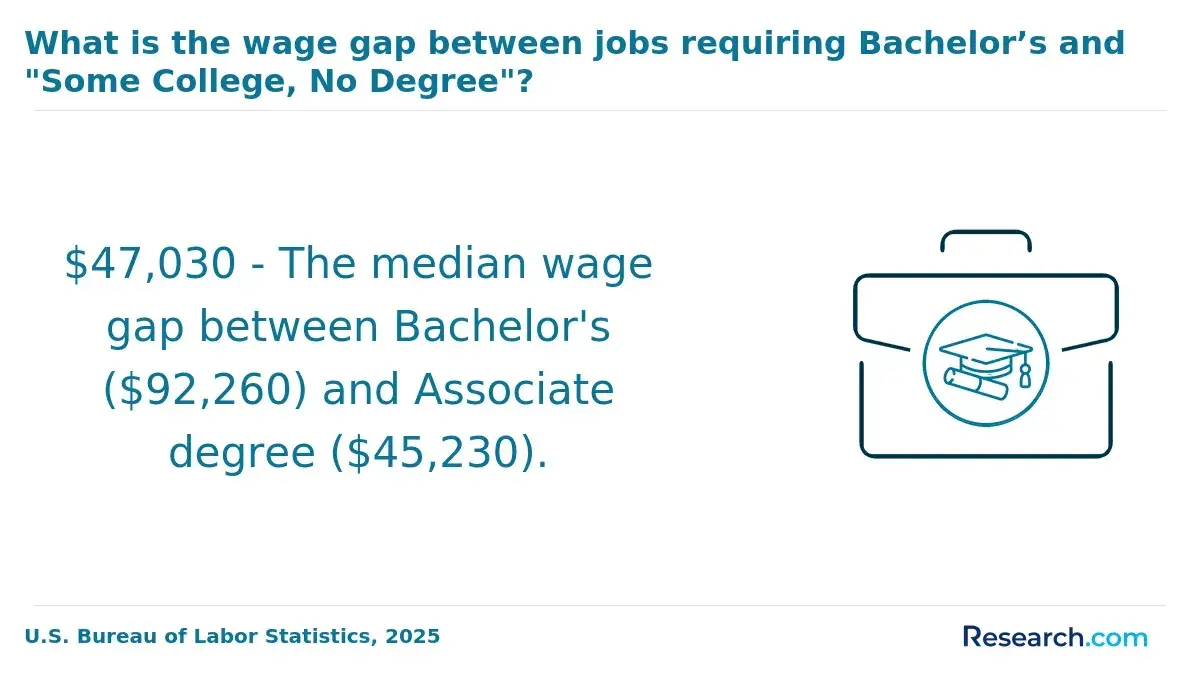
In higher education, return on investment (ROI) measures the financial benefit of earning a degree by subtracting the total cost of the education from the additional earnings gained over 10 years compared to someone with only a high school diploma or an associate degree in the same field. Data from the Georgetown University Center on Education and the Workforce and PayScale's College ROI Report indicate that bachelor's degree holders typically achieve greater lifetime earnings, enhancing their ROI.
According to the Bureau of Labor Statistics, the median annual wage for public relations specialists was about $62,800 in 2023. Assuming an average 3% yearly salary increase, a graduate would earn close to $700,000 cumulatively over 10 years. Conversely, a high school graduate in a similar position might earn roughly $39,000 per year, totaling approximately $453,000 over the decade. With the average cost of an online public relations bachelor's degree ranging between $30,000 and $60,000, the resulting net financial gain is significant.
- Cost of Education: Tuition and fees vary depending on the institution but usually fall between $30,000 and $60,000, representing the upfront investment affecting overall ROI.
- Cumulative Earnings: Over a decade, holders of a public relations bachelor's degree earn about $247,000 more than those with just a high school diploma, factoring in median wages and annual raises.
- ROI Calculation: Deducting tuition costs from additional earnings leads to an average ROI ranging from $187,000 to $217,000, highlighting a robust financial benefit for most students.
- National Comparison: The ROI for public relations degree holders aligns closely with the national average for all bachelor's degrees, which commonly see a 10-year cumulative return between $200,000 and $250,000.
One professional who completed an online public relations bachelor's degree after carefully assessing its cost versus ROI shared his experience. He described feeling cautious initially about the financial commitment but found that analyzing the potential earnings uplift helped clarify his decision.
"I broke down the numbers and saw that despite the upfront expense, the long-term gain was worth it," he explained. Navigating coursework while working full time was challenging, but flexible online scheduling eased the burden. This careful evaluation and balance ultimately gave him confidence that the degree would foster career growth and financial stability.
How Do Online Public Relations Program Tuition Rates Compare Across Public, Private, and For-Profit Institutions?
When comparing online public relations bachelor’s degree programs, tuition is only one part of the overall value equation. The type of institution—private nonprofit, public, or for-profit—can significantly affect both educational costs and long-term return on investment. By weighing factors such as graduation rates, employer perception, and career outcomes alongside tuition, students can make more informed decisions about which program offers the best balance of affordability and future opportunity.
- Private Nonprofit Colleges: Typically charging more than public institutions, these colleges justify higher costs with smaller classes and personalized support. Financial aid and scholarships can help offset tuition fees. Their programs generally see higher graduation rates and better employer recognition, enhancing long-term return on investment (ROI).
- Public Institutions: State universities often offer the most budget-friendly tuition, especially for in-state learners. Many have adopted flat-rate online tuition models that do not vary by residency, making these programs both affordable and accessible. These schools tend to maintain solid graduation rates and strong reputations, key contributors to positive career outcomes for graduates pursuing an online public relations bachelor's degree tuition comparison.
- For-Profit Institutions: Characterized by lower sticker prices and scheduling flexibility, these schools appeal to working adults. However, their graduation rates are often lower, and employer skepticism can influence job placement and wage growth adversely. As a result, upfront affordability might not translate into the best overall ROI.
Although lower tuition at for-profit schools is tempting, it is crucial to factor in career advancement and job security when comparing costs. Evaluating tuition alongside verified salary outcomes and graduation rates, sourced from IPEDS and the Bureau of Labor Statistics, provides a fuller picture of ROI. Prospective students should consider these factors carefully rather than selecting programs solely based on tuition figures. For specialized guidance related to advanced psychology degrees applicable in communication fields, see resources such as psyd psychology online.
What Long-Term Salary Growth Can Public Relations Bachelor's Degree Holders Expect Over a 20- to 30-Year Career?
A public relations bachelor’s degree can deliver increasing financial and professional returns as graduates progress through their careers. While entry-level salaries begin modestly, earnings often rise steadily with experience, leadership responsibilities, and specialization in the field. Beyond salary growth, the degree also supports long-term career advancement, job stability, and expanded opportunities that strengthen its overall return on investment over time.
Early Career Growth: During the initial five years, individuals with a public relations bachelor's degree often experience steady salary progression as they develop practical skills and gain workplace experience. Median wages typically rise from about $40,000 at entry level to approximately $55,000.
Mid-Career Acceleration: Between five and ten years, many advance to positions such as PR specialists or account managers. Salary ranges in this phase generally increase to between $65,000 and $80,000, reflecting heightened responsibilities and potential supervisory duties.
Senior-Level Growth: From around ten to fifteen years, professionals frequently move into senior specialist or managerial roles. Compensation usually surpasses $85,000, coinciding with leadership of campaigns or teams and broader organizational impact.
Peak Career Earnings: Beyond fifteen years and up to thirty, career progression often leads to executive roles like director of communications or vice president of public relations. Salaries in this stage often exceed six figures due to strategic decision-making authority and wider influence.
Cumulative Earnings Premium: Over a 30-year career, Bachelor's degree holders in public relations tend to earn 20% to 30% more cumulatively than peers without degrees in equivalent roles.
Non-Salary Benefits: In addition to higher wages, degree holders gain advantages such as increased job stability, access to ongoing professional development, and enhanced opportunities for career advancement, all contributing appreciably to their overall return on investment.
One professional who built her career after completing the online public relations bachelor's program shared that balancing work and study was challenging, requiring disciplined time management and persistence. She described the experience as demanding but rewarding, especially as the knowledge gained directly translated into better job performance and promotion opportunities. Reflecting on her journey, she emphasized how the degree opened doors to leadership roles she once thought unattainable and strengthened her confidence in navigating complex workplace communications.
How Does the ROI of an Online Public Relations Bachelor's Degree Compare to an Associate Degree or a Professional Certificate?
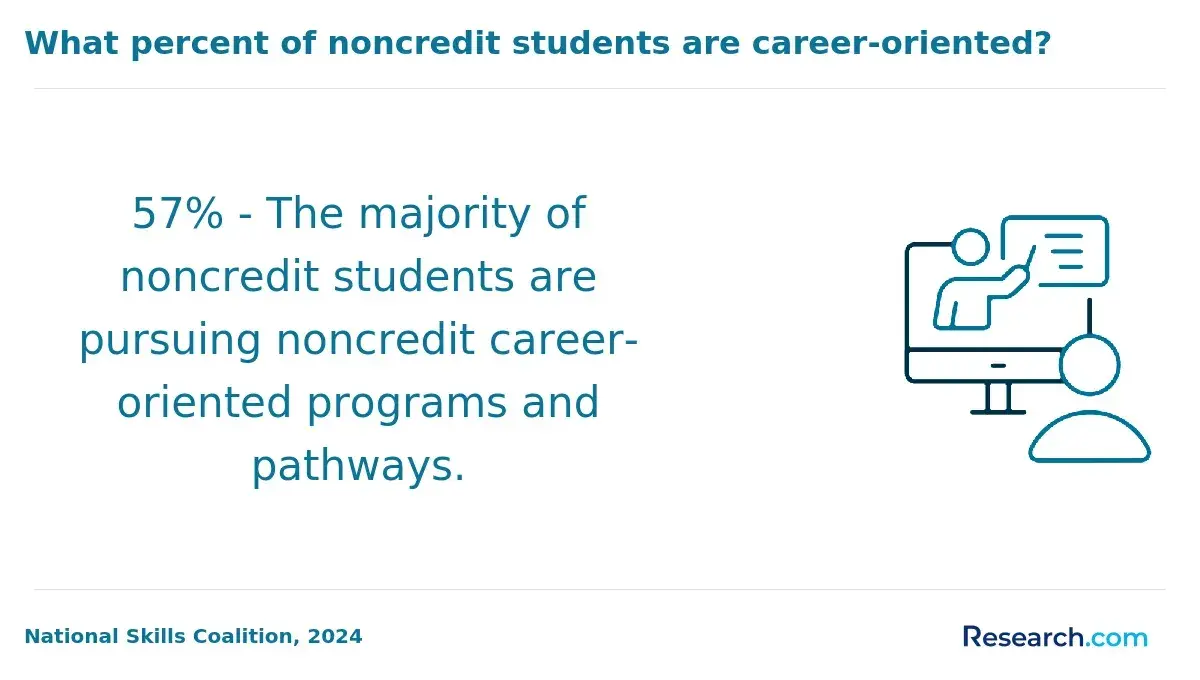
Cost plays a significant role when weighing an online public relations bachelor's degree against associate degrees and professional certificates. Tuition for a bachelor's program generally falls between $30,000 and $60,000, varying by school and residency. In contrast, associate degrees typically cost $10,000 to $20,000, while certificates can be as affordable as $1,000 to $5,000.
- Salary: Entry-level median wages hover around $40,000 for holders of certificates and associate degrees. Those with a bachelor's degree often start near $55,000, with potential to surpass $75,000 as experience grows.
- Short-Term Investment: Certificates and associate degrees offer quicker paths into the workforce at a lower upfront cost. They appeal to individuals prioritizing minimal debt and faster credentialing, enabling entry-level roles without extensive financial burden.
- Long-Term Rewards: Bachelor's degree graduates tend to experience greater salary growth over time alongside expanded opportunities for promotion and leadership. The comprehensive curriculum, including strategic communication and media relations, enriches skills valued by employers.
- Career Advancement: With a bachelor's degree, professionals report more frequent upward mobility and access to managerial positions that typically remain inaccessible to those with lower credentials.
- Decision Framework: Prospective students should align their choice with their career timeline and finances. If immediate employment and debt avoidance are crucial, certificates or associate degrees make practical sense. For those prepared to invest time and money in longer-term professional growth and earning potential, a bachelor's degree is often the more advantageous route.
Balancing tuition costs against potential earnings and career objectives helps clarify which credential maximizes return on investment in public relations. This approach supports informed decisions tailored to individual financial situations and goals.
Which Online Public Relations Specializations or Concentrations Yield the Highest Earning Potential After Graduation?
Choosing a specialization within an online Public Relations bachelor's program can lead to significantly higher salary prospects compared to generalist roles. According to data from the Bureau of Labor Statistics and educational research, here are some of the highest-paying concentrations to consider:
- Corporate Communication: Graduates typically secure positions managing internal and external communications for large corporations. Median salaries range from $60,000 to $75,000, above the $56,000 median for generalist Public Relations specialists. This specialization generally does not require formal certification, reducing additional costs.
- Digital and Social Media Strategy: Focused on managing online brand presence, this track offers median earnings between $65,000 and $80,000. While certifications in digital marketing may incur upfront expenses, they often lead to rapid salary growth, enhancing return on investment.
- Health and Science Communication: Combining Public Relations with healthcare and scientific knowledge, this niche commands median salaries above $70,000. Pursuing certifications in healthcare communication or public health supplements expertise but requires extra time and financial investment.
- Media Relations and Crisis Communication: Specializing in managing media narratives and crisis response, professionals can expect median salaries near $68,000. Licensure is typically not required, though ongoing professional development helps maintain expertise in a dynamic media environment.
- Nonprofit and Community Relations: Median salaries here are lower, typically $50,000 to $60,000, but the concentration offers job stability and advancement, especially with government or nonprofit employers. Optional certifications in nonprofit leadership or fundraising can add value without substantial costs.
Students should weigh potential salary premiums against any additional certification costs and time investments, considering prior experience and long-term career goals to choose a specialization that maximizes earning potential and minimizes time-to-ROI.
How Do Employer Tuition Reimbursement and Financial Aid Reduce the Net Cost of an Online Public Relations Bachelor's Degree?
Employer tuition reimbursement programs can sharply reduce the out-of-pocket cost of earning an online public relations bachelor's degree. According to the Society for Human Resource Management (SHRM), about 56% of U.S. employers offer tuition assistance benefits.
Under IRS Section 127, employees may receive up to $5,250 annually in tax-free tuition benefits-an important advantage that helps workers minimize out-of-pocket expenses. Employers vary in their support, with some covering full tuition, others providing a percentage, or a fixed dollar amount per semester, often tied to grade requirements or length of employment.
Besides employer tuition reimbursement programs for online public relations degree students, federal and institutional financial aid further reduce costs. Grants and scholarships, which do not require repayment, can significantly trim tuition bills.
Subsidized federal loans, offering more favorable repayment terms and interest rates compared to private loans, provide additional financial relief. Combining these aids often lowers the true cost to a fraction of the listed tuition.
Consider a working student whose employer applies the full IRS Section 127 cap of $5,250 annually. Over four years, this totals $21,000 in tuition assistance. Adding $15,000 in need-based federal grants and $10,000 in scholarships can reduce a $40,000 tuition bill by $46,000, covering tuition and extra expenses such as fees and materials. This scenario demonstrates how layering employer tuition reimbursement and federal aid can dramatically lessen financial burdens and support degree completion.
For those interested in related fields, resources on child psychology degrees online might provide helpful comparisons when exploring affordable education paths.
- Tuition Reimbursement Prevalence: More than half of U.S. employers provide tuition assistance, making employer benefits an accessible resource for working professionals seeking an online public relations degree.
- IRS Section 127 Benefits: These tax-free benefits allow employees to receive up to $5,250 per year without tax consequences, often covering a significant portion of tuition expenses.
- Financial Aid Synergy: Grants, scholarships, and subsidized loans combine with employer programs to drastically reduce the net cost, decreasing reliance on costly private loans or personal funds.
- Cost-Saving Example: Employer reimbursement plus federal grants and scholarships can cover or exceed total tuition, illustrating how students can pursue an online public relations degree with minimal financial strain.
What Hidden Costs Should Students Factor Into the Total Investment of an Online Public Relations Bachelor's Degree?
When budgeting for an online public relations bachelor's degree, many students overlook additional expenses beyond tuition that can significantly impact total costs and delay the break-even point for return on investment. Verified disclosures from institutions and College Board data estimate these hidden costs range from $1,000 to $1,500 over four years, representing an important consideration for tight budgets and financial planning.
Technology fees, typically between $50 and $200 per semester, cover online platform maintenance and support, adding up over the duration of the program. Proctoring services for exams often cost $20 to $50 each, expenses seldom included in advertised prices. Graduation fees of $100 to $300 cover administrative processes and commencement activities, while course-specific software licenses can add around $100 annually, particularly relevant for public relations coursework.
Professional organization memberships, such as joining the Public Relations Society of America (PRSA), also create ongoing costs, generally $100 to $200 yearly, yet contribute to networking and career development. These additional expenses affect students' understanding of the unseen financial factors of public relations education and emphasize the importance of requesting a full cost-of-attendance breakdown, beyond tuition alone, before enrollment.
Prospective students must consider these unseen financial factors to accurately assess their investment's value. For those exploring interdisciplinary options, programs such as an online graphic design degree may have different cost structures and hidden fees, underscoring the need for thorough cost comparison.
- Technology Fees: Online programs charge $50-$200 per semester for platform access and support, cumulatively increasing program costs over time.
- Proctoring Costs: Online exams may require paid proctoring services costing $20-$50 each, frequently excluded from initial budgeting.
- Graduation Expenses: Fees between $100 and $300 cover diploma processing and commencement participation at degree completion.
- Software and Licenses: Annual course-specific software licenses add about $100, especially for public relations coursework requiring specialized tools.
- Professional Memberships: Joining organizations like PRSA enhances career prospects but costs $100-$200 yearly, representing ongoing professional investment.
How Does the Accreditation Status of an Online Public Relations Program Affect Graduate Salary and Employability?
Regional accreditation certifies an entire institution meets high academic standards, while programmatic accreditation focuses on the quality of specific fields like public relations. Employers often prioritize degrees from schools with regional or programmatic accreditation because these credentials confirm comprehensive and specialized training.
Hiring managers surveyed by the National Association of Colleges and Employers (NACE) and SHRM show a clear preference for candidates with accredited degrees, which can enhance salary negotiation leverage and improve job prospects.
Graduates from unaccredited or only nationally accredited programs frequently face employment challenges. In addition to limited job opportunities, such candidates may be ineligible for licensure exams, graduate programs, and roles within government and healthcare sectors. These restrictions can hinder long-term professional growth and earning potential.
Before enrolling, students should verify a school's accreditation status through trusted sources such as the U.S. Department of Education's database or the Council for Higher Education Accreditation (CHEA). Confirming this information helps ensure the value and transferability of their degree investment.
- Regional vs. Programmatic Accreditation: Regional accreditation reviews the entire institution, assuring broad academic quality, while programmatic accreditation verifies specialized standards for specific disciplines like public relations.
- Employer Preferences in Hiring: Surveys from NACE and SHRM reveal a strong employer bias favoring candidates with degrees from accredited programs, influencing both employment chances and salary offers.
- Limitations of Non-Accredited Degrees: Degrees lacking proper accreditation may bar graduates from licensure exams, graduate school admissions, and certain sector jobs, restricting career advancement.
- Importance of Verification: Utilizing official databases from the U.S. Department of Education and CHEA allows students to confirm accreditation status before committing financially.
What Entry-Level Job Titles and Salary Ranges Are Available to Graduates of Online Public Relations Bachelor's Programs?
Graduates with an online Public Relations bachelor's degree often start in several entry-level roles, each offering varied salary ranges and industry focuses that impact how quickly they recoup their educational investment.
- Public Relations Assistant: Median starting salaries range from $40,000 to $50,000, with healthcare and technology sectors typically paying higher wages. Relevant internships and specialized coursework can increase initial earnings.
- Communications Coordinator: Entry-level pay spans $42,000 to $52,000, with government and finance sectors offering competitive salaries. Certification in digital communication tools enhances salary potential.
- Social Media Specialist: Salaries usually fall between $38,000 and $48,000, with top-paying jobs in technology and marketing agencies. Internship experience in digital marketing often leads to better offers.
- Marketing Assistant: Starting pay ranges from $39,000 to $50,000, especially in finance and education industries. Coursework in marketing analytics helps improve salary outcomes.
- Media Relations Specialist: Median entry salaries range from $41,000 to $53,000, with healthcare and government sectors leading in pay. Professional certifications in media strategy boost starting salaries.
- Event Coordinator: Entry salaries range from $36,000 to $46,000, particularly higher in corporate and nonprofit areas. Hands-on internship managing events significantly affects pay.
- Content Writer: Starting salaries hover between $37,000 and $47,000, often higher in technology and education. Specializing in multimedia content production can raise earning potential.
- Corporate Communications Specialist: Median entry salaries are $43,000 to $55,000, with finance and government roles generally offering the most. Certifications in corporate tools increase starting compensation.
Internship experience is a critical factor influencing salary within these roles, often pushing starting pay to upper ranges. Specialized certifications and focused coursework also enable graduates to enter the workforce with enhanced earning power, speeding the return on investment for an online Public Relations degree.
What Graduates Say About the Return on Investment of Their Online Public Relations Bachelor's Degree
- Azai: "I chose the online public relations bachelor's degree program because I carefully balanced the cost against the potential return on investment. Beyond the financial benefits, I found that the flexibility allowed me to maintain my current job while studying, which added to the overall value. This program opened many doors for career advancement and gave me the confidence to secure leadership roles within my company."
- Russell: "Reflecting on my experience, the non-financial returns of this public relations degree were just as impactful as the salary increase I received. It provided long-term job security and positioned me as a trusted expert in my field. Pursuing the degree online allowed me to tailor my education around my busy schedule, which was a crucial factor in maximizing the return I got from both time and money invested."
- Christian: "From a professional standpoint, earning my online public relations bachelor's degree significantly boosted my career trajectory. I observed a direct correlation between completing the program and new opportunities that increased my income and expanded my professional network. The cost was reasonable compared to the tangible advancements I achieved-making the entire investment worth it."
Other Things You Should Know About Public Relations Degrees
The time to recover the cost of an online Public Relations bachelor's degree varies depending on tuition expenses and starting salary in the field. On average, graduates can expect to recoup their investment within five to seven years through increased earnings compared to those without a degree. Factors such as part-time work during school or scholarships can shorten this period.
Employer surveys and labor market data consistently emphasize that a bachelor's degree in Public Relations remains a key qualification for entry- and mid-level roles. Many employers value the communication skills, strategic thinking, and digital media literacy that graduates bring. This demand supports steady job placement rates and salary growth potential in the field.
In 2027, geographic location and industry sector are significant factors affecting salary outcomes for Public Relations graduates. Graduates in urban centers or high-demand industries tend to earn more. Understanding these variables is crucial to evaluating a degree's ROI, as they directly impact potential earnings and the speed at which education costs are recouped.
References
- Private vs. Public Colleges: Differences, Pros & Cons https://collegewise.com/blog/private-vs.-public-colleges-differences
- Does College Pay Off? A Comprehensive Return On Investment Analysis - FREOPP https://freopp.org/whitepapers/does-college-pay-off-a-comprehensive-return-on-investment-analysis/
- Public Relations Degree Salary & Jobs Outlook | Masters vs Bachelors https://www.businessstudent.com/careers/salary-outlook-public-relations-degree/
- Factors influencing a student's decision to pursue a communications degree in Spain https://www.intangiblecapital.org/index.php/ic/article/view/277
- Which College Degrees Have the Best Return on Investment? https://www.visualcapitalist.com/which-college-degrees-have-the-greatest-return-on-investment/
- Basic Certificate in Public Relations - Business Degree Central https://businessdegreecentral.com/majors/public-relations-and-advertising/public-relations/basic-certificate/
- Does a Communications Degree Have a Good Return on Investment? - Best Communications Degrees https://www.bestcommunicationsdegrees.com/faq/does-a-communications-degree-have-a-good-return-on-investment/
- Showing ROI in Public Relations: A Goal-Oriented Approach - Novitas Communications https://novitascommunications.com/showing-roi-in-public-relations-a-goal-oriented-approach/
- Public Relations Degree Online https://www.snhu.edu/online-degrees/bachelors/ba-in-communication/public-relations
- Online college courses are popular, why do they still cost so much? https://hechingerreport.org/as-online-higher-education-hits-a-milestone-why-does-it-still-cost-so-much/