2027 Online Health Studies Bachelor's Degrees for Adults Over 40

Co-Founder and Chief Data Scientist
Adults over 40 seeking a career pivot often face challenges balancing work, family, and education-especially in fields like online health studies that demand current technical knowledge and flexibility. Nearly 35% of students enrolled in online health studies bachelor's programs are adult learners managing multiple responsibilities, emphasizing the need for adaptable learning options. This demographic increasingly values fully online curricula tailored to their schedules without compromising academic rigor.
Navigating the growing complexity of healthcare roles requires accessible education paths that accommodate career advancement without starting over. This article explores key features of online health studies bachelor's degrees designed for adults over 40 and how to optimize enrollment decisions.
Key Points About Online Health Studies Bachelor's Degrees for Adults Over 40
- Online health studies bachelor's programs offer flexible schedules ideal for adults over 40 balancing careers and family, boosting degree completion rates by nearly 25% compared to traditional formats.
- These programs provide targeted knowledge in healthcare management and policy, enhancing career advancement opportunities in a growing, 16% faster than average job market.
- Adults over 40 gain a valuable credential that supports transitions into roles with higher earning potential and leadership responsibilities within health services.
What are the best online Health Studies bachelor's degrees for adults over 40?
For adults over 40 already working in healthcare, earning an online bachelor's degree in health studies can be a strategic move to advance careers or pivot within the field. In fact, workforce data shows that by 2030, healthcare occupations will add nearly 2.6 million new jobs, highlighting the importance of selecting a program that combines flexibility with recognized accreditation.
Below are some of the best accredited online health studies bachelor's degrees designed to meet the needs of adult learners balancing professional and personal commitments.
- Arizona State University: Known for its interactive ASU Sync platform, this program offers live sessions that enhance engagement for working adults. It includes a concentration in health care innovation and information systems, appealing to those interested in emerging health technologies.
- University of Florida: This Bachelor of Health Education and Behavior program emphasizes community and public health with grounding in research-backed practices. The program holds Council on Education for Public Health (CEPH) accreditation, underscoring its focus on health promotion and education.
- Liberty University: Offering a faith-based approach, this online health sciences degree incorporates Christian worldview perspectives. It provides numerous specializations like health care management and safety management, which cater to adult students seeking practical, career-aligned options.
- Oregon State University: Their health management and policy degree blends policy analysis with management skills. The program is flexible in pacing and provides digital resources specifically for adult learners balancing work and life.
- University of Central Florida: This program boasts high customizability through multiple electives and is accredited by the Southern Association of Colleges and Schools Commission on Colleges (SACSCOC), ensuring academic rigor consistent with regional standards.
Adult learners interested in accelerating their healthcare credentials might also explore related programs. For example, a medical assistant certification can sometimes be completed in as little as six weeks, offering a fast track to enter or advance within the health services sector alongside pursuing a bachelor's degree. These top programs represent some of the best options for adults seeking accredited online health studies bachelor's degree programs for adult learners.
How much do online Health Studies bachelor's degrees typically cost?
The average cost of an online health studies bachelor's degree tuition varies between $300 and $600 per credit hour. Most programs require about 120 credits to graduate, making total tuition roughly $36,000 to $72,000. Public universities tend to offer more affordable rates for in-state students, whereas private institutions usually charge higher fees. Compared to traditional on-campus health studies degrees, online options may reduce expenses related to commuting and facilities-but this varies by program and school.
In addition to tuition, students should account for secondary expenses often associated with online learning. Technology fees affect around 85% of students, typically ranging from $100 to $300 per semester. Costs for textbooks and software subscriptions can also be higher than in-person classes, due to digital licensing requirements. Some online programs require exam proctoring services, which may add further fees.
For adults over 40 considering an online health studies bachelor's degree, it's important to budget for both tuition and these additional costs. Exploring options like the cheapest online BSN to DNP programs can sometimes provide financial insights relevant for planning your education path.
What are the admission requirements for adult learners enrolling in online Health Studies bachelor's degrees?
Admission criteria for adults enrolling in online health studies bachelor's programs often differ from those for recent high school graduates, focusing more on life experience and prior learning. In fact, a 2025 survey showed that 68% of these programs have adapted their admission processes to better accommodate non-traditional students with diverse backgrounds.
Below are some common requirements reflecting this approach:
- Educational background: While a high school diploma or GED is standard, many programs accept previous college credits or recognized certifications to account for varied educational paths common among older applicants.
- Prerequisite science courses: Foundational knowledge in biology, chemistry, and health topics is essential. Applicants often have the option to complete these online or through community colleges, enabling them to meet requirements at their own pace.
- Relevant experience: Work or volunteer history in healthcare or community settings is highly valued and can substitute for some academic prerequisites, demonstrating practical readiness for the program's demands.
- Personal statement: A reflective essay allows applicants to convey their motivation and explain how their unique life experiences prepare them for success in health studies.
- Technology skills: Given the online format, proving proficiency with digital tools and stable internet access is necessary to engage fully with courses and resources.
When asked about the admission process, a professional who completed an online health studies bachelor's degree shared that balancing work, family, and school was initially daunting. He described the application as "a chance to reflect on my journey," emphasizing that writing the personal statement helped him clarify his goals.
He also appreciated that his healthcare background was recognized, which lessened the academic pressure. Despite some initial tech challenges, support resources ensured he quickly gained confidence in navigating the online platform, making the overall transition smoother than expected.
Is a bachelor's in Health Studies still a wise investment for adults over 40?
Professionals over 40 pursuing an online health studies bachelor's degree frequently experience notable salary increases soon after graduation-typically between 15% and 25% within five years. This boost often comes from new career opportunities, especially in leadership or specialized roles, where advanced credentials grant access to expanded responsibilities and higher job security. Enhanced skills gained through these programs can also support long-term career stability in a competitive healthcare landscape.
Return on investment is further strengthened by the ability to balance coursework with existing job commitments, enabling adult learners to complete their degrees without significant income disruption. Most graduates recover their education expenses within three to six years, leveraging prior work experience to maximize financial and professional gains. The flexibility of online health studies programs makes them especially suited for those seeking both career growth and practical learning.
When asked about his experience, a professional who completed an online health studies bachelor's shared that managing family, work, and studies was challenging but rewarding. He mentioned, "There were late nights and moments of doubt, but the support from instructors and peers made a real difference." Reflecting on the outcome, he noted that beyond salary improvements, earning the degree "opened doors I hadn't anticipated, especially in management," confirming its value even when starting later in life.
How can online Health Studies bachelor's degrees help over-40 professionals at work?
Contemporary online health studies bachelor's programs are crafted to deliver immediately applicable skills, empowering students to address workplace challenges as they learn. Studies show that more than 80% of learners apply concepts from their coursework directly to their current roles, underscoring the importance employers place on lifelong skill development.
Here are the key benefits adult learners gain from such programs:
- Skill Modernization: These degrees help update clinical and administrative competencies to keep pace with rapidly evolving healthcare technologies and compliance standards, ensuring relevance in a changing industry environment.
- Leadership Enhancement: Programs cultivate critical thinking and leadership abilities needed to effectively coordinate multidisciplinary teams, improving patient care and operational efficiency, crucial for career advancement with online health studies bachelor's programs.
- Knowledge Integration: Online health studies for professionals over 40 combine foundational theories with current practices, closing knowledge gaps and facilitating transitions into emerging roles or new career paths.
Such targeted education not only builds confidence but establishes adult learners as valuable contributors in healthcare organizations seeking seasoned professionals with contemporary expertise. For those interested in accelerated pathways, exploring accelerated college programs may provide additional options to expedite degree completion.
What financial aid opportunities are available for adult students enrolling in Health Studies degree programs?
Adult learners over 40 pursuing online health studies bachelor's degrees have access to many targeted financial aid options, important since nearly 85% of college students receive some form of financial assistance. Taking advantage of these resources can significantly reduce the cost of education and support students balancing career and family commitments.
Below are key aid programs designed for nontraditional students specializing in health fields.
- Health Professions Scholarship Program (HPSP): Often offered through state health departments or employer partnerships, this scholarship assists students enrolled in health-related programs. Recipients typically agree to work in underserved areas after graduation in exchange for tuition support.
- Federal Pell Grant: Available to adult learners with demonstrated financial need, Pell Grants provide non-repayable funding for students returning to school. These grants are not exclusive to health studies but remain invaluable for many online health studies degree students.
- Adult Learner Grant: Targeting students over 40 who juggle education with other responsibilities, this grant requires proof of age and enrollment in a bachelor's degree program. Preference is often given to those pursuing health-related majors.
- Health Careers Scholarships: Many universities offer these for students dedicated to health studies programs. Maintaining a specific GPA and demonstrating commitment to public health or clinical services are common eligibility criteria.
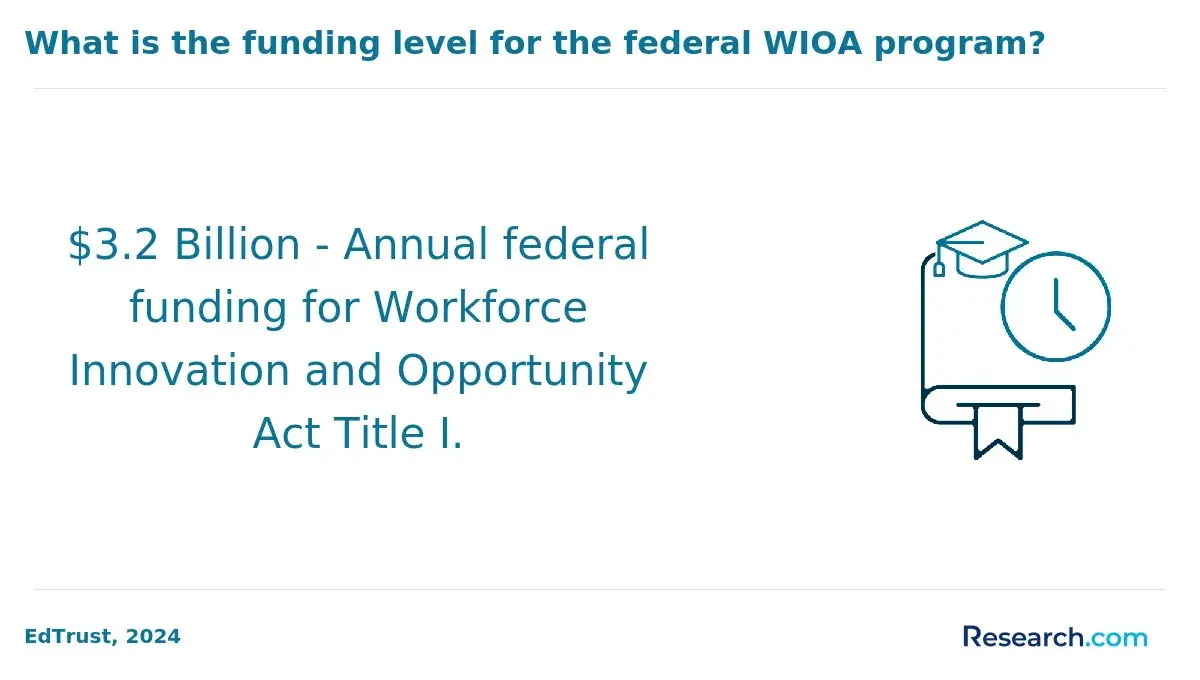
- Workforce Innovation and Opportunity Act (WIOA): This federally supported program helps adult learners upgrade skills for in-demand health careers. Local workforce development boards evaluate eligibility based on employment history and career goals, frequently covering tuition and related expenses.
For those considering earlier entry into health care professions, an online ASN degree can provide a valuable stepping stone. Exploring financial aid options tailored to adult learners in health studies programs can help make such transitions more affordable and accessible.
Can your professional Health Studies certifications be converted into academic credit?
Many online health studies bachelor's degree programs recognize professional certifications as a valuable asset for returning adult students. Through Prior Learning Assessment (PLA), over 95% of public universities in the U.S. allow learners to convert verified knowledge from certifications into academic credit. Certifications such as Certified Nursing Assistant (CNA), Certified Medical Assistant (CMA), and CPR/AED often align closely with degree requirements.
To have certifications counted as credit, students must submit official documentation and may undergo competency exams or portfolio reviews to verify their skills. This process validates practical experience and ensures academic standards are met. For adults over 40 juggling careers and family, PLA can reduce degree completion time by up to one year and lower educational costs by about 30%, making higher education more accessible and efficient.
By converting relevant professional credentials into academic credit, students streamline their path to an online health studies bachelor's degree, leveraging prior experience to avoid redundant coursework. This approach supports adult learners' goals to advance their education while managing existing commitments.
How many previously earned college credits can you transfer into a Health Studies program?
Adult learners over 40 enrolling in online health studies bachelor's programs often have the advantage of transferring a significant number of previously earned college credits-typically between 60 and 90 semester credits. This transfer can equate to around two years of completed coursework, enabling students to shorten the time needed to finish their degree. Such credit transfers help reduce tuition costs and make degree completion more manageable for working adults.
Accepted credits usually come from accredited institutions and must closely align with the health studies curriculum, particularly for core and elective requirements. While general education credits like English, math, and social sciences tend to be more flexible and less time-sensitive, specialized health courses may have expiration periods, commonly five to ten years, due to changes in medical guidelines.
The transfer process involves submitting official transcripts and detailed course information for review, with some programs requiring syllabi to verify equivalency. Approximately 36% of bachelor's degree recipients nationwide have transferred credits, highlighting the widespread practice and its benefits for adult students aiming to advance their education efficiently.
Do you still need SAT or ACT scores for online Health Studies degree admissions at age 40?
For adults over 40 pursuing an online health studies bachelor's degree, submitting SAT or ACT scores is rarely required. Many universities now follow test-optional admissions policies that especially accommodate nontraditional students with professional experience or prior college credits. Some institutions explicitly waive these test requirements for applicants over a certain age, often 25 or 30, though policies differ.
In cases where standardized tests are requested, alternative assessments like GRE scores or placement exams may be accepted. SAT or ACT results might also be relevant for applicants seeking competitive scholarships or enrollment in honors tracks within health studies programs. Prospective students are advised to review each school's admissions criteria and speak with admissions counselors to understand any specific requirements or possible exemptions based on age and experience.
How can adult students evaluate which online Health Studies bachelor's degree to choose?
A structured selection process is essential when comparing online health studies bachelor's degree programs for adult learners to ensure alignment with both personal career objectives and program strengths. Careful consideration helps adults over 40 maximize the value of their investment and educational efforts.
- Flexible Scheduling: Many adults balance education with work and family, so prioritize programs offering asynchronous classes or multiple start dates. This flexibility supports effective time management without sacrificing quality.
- Relevant Curriculum: Focus on programs aligned with current health industry needs that emphasize practical skills like public health, health informatics, and wellness promotion. This ensures your knowledge stays applicable in a quickly evolving field.
- Support Services: Choose schools providing dedicated support for adult learners, including academic advising, career counseling, and technical help. These resources ease transitions back into education and facilitate career advancement.
- Experiential Learning: Seek programs that integrate virtual labs, simulations, or partnerships with healthcare providers to provide hands-on experience, critical for those aiming for roles in clinical or community health.
- Affordability and Aid: Evaluate tuition costs alongside financial aid options such as scholarships for nontraditional students, payment plans, or employer tuition assistance to ensure accessibility while managing financial responsibilities.
For those considering further specialization after completing their bachelor's degree, exploring options such as an online pharmacy school can be a compelling pathway to advance in healthcare fields.
What Graduates Say About Their Online Health Studies Bachelor's Degree
- Shmuel: "Choosing to earn my online health studies bachelor's degree at 40 was driven by the need for flexibility, as balancing family and work commitments was crucial. The affordable tuition of an accredited program made it easier to invest in my future without financial strain. Completing this degree has opened up new career opportunities that I never thought possible at this stage in my life."
- Shlomo: "Reflecting on my journey, pursuing an online health studies degree later in life was a deliberate step to transition into a more meaningful career. The convenience of online classes meant I could study without sacrificing my day job or personal time. I appreciate how the program's recognized accreditation gave me credibility and confidence in advancing within the healthcare field."
- Santiago: "My decision to enroll in an online health studies bachelor's degree at 40 was rooted in my passion for helping others, combined with the need for a cost-effective education. The program's structure supported my professional growth by allowing me to apply new knowledge directly at work. This experience has been invaluable in accelerating my career and expanding my role in the health sector."
Other Things You Should Know About Health Studies Degrees
Yes, online health studies programs are designed with flexibility in mind to accommodate working adults. Most programs offer asynchronous courses, allowing students to complete assignments and lectures at their own pace, and provide support services targeted at adult learners balancing education with careers and family life.
Many online health studies programs provide comprehensive technical support, including tutorials and live help desks, to assist students with limited digital skills. Institutions often offer orientation sessions and user-friendly learning platforms crafted to minimize technological barriers for adult students.
Some online health studies programs allow adults over 40 to earn credit for prior learning or relevant work experience through evaluations or portfolio assessments. This can shorten the time to degree completion and recognize professional competencies gained outside traditional academic settings.
References
- 444 Mature students Undergraduate Health Studies Scholarships available https://www.hotcoursesabroad.com/study/international-scholarships/all/Undergraduate/general-health/mature-students/all/cid/2/h7/1175/nty/scholarship14.html
- Federal Financial Aid - Institute of Health Sciences https://iohs.edu/financial-services/financial-aid/
- Recognition of Prior Learning (RPL) - Convert Your Work Experience into University Credits https://www.libt.co.uk/prospective-students/rpl
- Are Online Degrees Worth It? Costs, Careers, and More Explained https://www.nu.edu/blog/are-online-degrees-worth-it/
- How To Set Up a Credit for Prior Learning Program - Partners https://partners.medcerts.com/blog/how-to-set-up-a-credit-for-prior-learning-program
- 5 Reasons to Pursue an Online Bachelor’s in Health Science Today https://yourhealthmagazine.net/article/health-education/5-reasons-to-pursue-an-online-bachelors-in-health-science-today/
- Undergraduate Medicine Course at RCSI Dublin - Entry requirements https://www.rcsi.com/dublin/undergraduate/medicine/entry-requirements
- 20 Best Online Bachelor's in Public Health - MPH Online https://www.mphonline.org/best-online-bachelors-in-public-health/
- Financial Aid Guide https://www.publichealth.org/resources/financial-aid/