2027 Associate to Bachelor's in Health Studies: Transfer Pathways Explained

Co-Founder and Chief Data Scientist
The transition from an associate to a bachelor's degree in health studies presents a notable challenge rooted in the complex accreditation and curriculum alignment within the industry. Many students face difficulties due to inconsistent transfer policies across institutions and the lack of standardized credit evaluation specific to health studies programs.
According to recent data, only 45% of students who begin in associate-level health studies programs successfully transfer credits toward a bachelor's degree within five years, highlighting significant attrition related to transfer obstacles.
This article will explore the key transfer pathways, common barriers, and strategies to maximize credit acceptance, aiming to guide students and professionals through the complexities of advancing from an associate to a bachelor's degree in health studies efficiently.
Key Points About Transferring from an Associate to Bachelor's in Health Studies
- Many programs offer flexible online and evening courses, accommodating working professionals seeking to balance jobs and education during their transfer to a bachelor's in health studies.
- Accelerated transfer options shorten degree completion time by awarding credit for prior coursework, enabling faster skill acquisition and entry into healthcare careers.
- Transferring can reduce tuition expenses by up to 50%, as students complete foundational courses at community colleges before advancing to bachelor's programs.
Why should you consider an associate to bachelor's in Health Studies transfer pathway?
The strategic blend of affordability and academic readiness makes transferring from an associate to a bachelor's in health studies a valuable pathway. Graduates with a bachelor's degree in this field typically earn around 20% more than those holding only an associate degree. This opens doors to diverse professional opportunities, as outlined below:
- Broader Career Options: A bachelor's degree enables entry into management, research, and specialized roles within healthcare, which are often inaccessible with just an associate degree.
- Increased Earning Potential: Employers increasingly prefer candidates with bachelor's-level education, offering higher salaries and faster career advancement.
- Advanced Skill Development: The curriculum builds on foundational technical skills with greater emphasis on leadership, critical thinking, and health policy knowledge.
- Graduate Study Preparation: Earning a bachelor's degree prepares students for advanced certifications and graduate programs that further enhance expertise and credentials.
Students exploring how to transfer from associate to bachelor's in health studies should also consider the expanding job market—projected to grow by 16% through 2030. Those interested in related fields might explore specialized paths such as online pharmacist programs, which share some overlapping qualifications with health studies professionals.
What are the academic requirements to transfer from an associate to bachelor's in Health Studies?
While specific criteria can vary by institution, successful transfer into a bachelor's in health studies program from an associate degree generally hinges on demonstrated academic consistency and the completion of foundational prerequisites. Below are essential requirements commonly expected:
- Cumulative GPA: Maintaining a competitive grade point average is critical, with most programs requiring a minimum GPA between 2.5 and 3.0 on a 4.0 scale. This demonstrates the student's readiness for the rigors of upper-division coursework and is a key factor in transfer admission decisions.
- Transferable Credits: Prospective transfer students usually need to complete between 60 and 70 semester credit hours, focusing on general education courses such as English composition, math, natural sciences, and social sciences. These credits build essential skills needed in health studies.
- Prerequisite Coursework: Specific courses in anatomy and physiology, microbiology, statistics, and introductory health or public health are typically required. Programs expect grades of C or higher to ensure preparedness for specialized bachelor's level content.
- Curriculum Alignment: Institutions often evaluate the sequencing and content of completed coursework to confirm it matches their bachelor's program requirements. Students might need additional courses if their associate program's health-related classes differ significantly.
For learners exploring further nursing education options, checking reputable sources like online MSN FNP programs can provide valuable guidance.
What documents do you need for a Health Studies transfer application?
Preparing application materials early is crucial for a smooth credit transfer when moving from an associate degree to a bachelor's in health studies. Having the right documents ready helps admissions teams quickly assess eligibility and accelerate the review process. Below are key documents often required during this transition:
- Official Transcripts: Submit comprehensive academic records from your current institution detailing all completed courses. These transcripts are essential for evaluating credit transferability and identifying required coursework in the bachelor's program.
- High School Records: Some programs request high school transcripts, particularly if your associate degree is recent or if prerequisites were completed during that time. This helps verify foundational knowledge important to health-related studies.
- Healthcare Resume: A technical resume highlighting relevant healthcare experience or certifications can strengthen your application by showcasing practical skills and industry readiness.
- Clinical Documentation: Immunization records, background checks, or other clinical clearances may be necessary for programs involving hands-on work or clinical placements, ensuring compliance with health and safety standards.
When I spoke with a student who navigated this transfer path, he mentioned how challenging it was to gather all the required documentation on time. "It wasn't just about getting transcripts; tracking down old immunization records took weeks," he shared.
He also noted the importance of organizing materials early to avoid last-minute stress, explaining that once everything was submitted, he felt more confident and in control of the application process. This insight reflects how detailed preparation truly impacts a successful transfer experience.
Can prior work experience in Health Studies count toward your bachelor's credits?
Health studies programs often account for prior professional expertise to help students avoid retaking foundational courses. Credit for prior learning can reduce both tuition expenses and time to degree completion.
For example, a report from the Council for Adult and Experiential Learning found that students who leverage such credits typically shorten their bachelor's degree path by about a year.
Below are common categories for how transfer credit for prior health studies and work experience can be awarded:
- Professional Certifications: Many programs recognize certifications or licenses relevant to health care, allowing students to convert existing credentials into academic credits that reflect their practical skills.
- Documented Work History: Verified employment in healthcare settings demonstrates hands-on experience which can be evaluated to exempt students from introductory coursework.
- Military Health Service: Experience gained through military or paramilitary health roles is often considered for credit, acknowledging specialized training and duties performed.
- Portfolio Review: Some institutions invite students to submit portfolios that showcase learning and skills acquired outside traditional classrooms, providing a personalized assessment route.
For students interested in exploring accredited programs that offer such pathways, consider researching accredited medical billing and coding schools online with financial aid as a relevant example.
How much can you save if you take a Health Studies transfer pathway?
Choosing to start with an associate degree before transferring to a bachelor's in health studies program offers a significant way to cut educational costs without sacrificing academic quality. Community college tuition typically runs about 60% less per credit hour than that at public universities, which can translate to savings of $15,000 to $20,000 over the entire course of study.
These financial benefits go beyond just tuition; students also pay lower institutional fees and can minimize interest on student loans thanks to the reduced borrowing needed.
This approach not only makes higher education more affordable but also helps manage debt more effectively for those aiming to complete a bachelor's in health studies.
One student who took this route shared that navigating the transfer process was initially overwhelming, especially coordinating credits between schools. However, he emphasized how much the cost savings eased his stress, saying, "Knowing I could lessen my financial burden kept me motivated."
He also noted that the support from advisors and clear transfer agreements made the transition smoother than expected, underscoring how the path can be challenging but ultimately rewarding.
Are there scholarships available for students transferring to a Bachelor's in Health Studies?
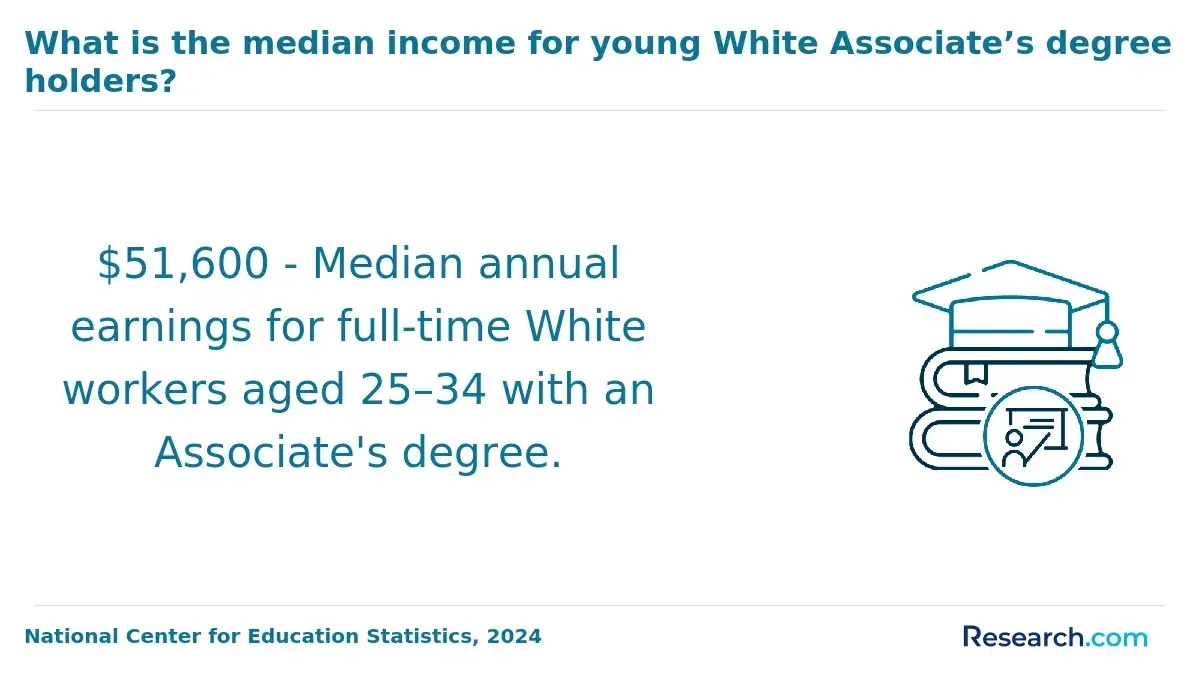
Many colleges, universities, and professional organizations offer targeted financial aid to support students moving from an associate degree to a bachelor's program in health studies. According to a 2023 survey, transfer scholarships in allied health disciplines typically award between $1,000 and $3,500.
Below are key types of scholarships available to transfer students:
- Institutional Transfer Scholarships: These are grants or awards given by colleges to students with strong academic records, often requiring a minimum GPA around 3.0 and full-time enrollment in a bachelor's program. Such scholarships reward academic achievement and commitment within health studies pathways.
- State-Funded Grants: Many states provide financial aid for students pursuing health-related bachelor's degrees, especially in high-demand fields. Eligibility frequently includes residency requirements and enrollment in accredited programs that meet regional workforce demands.
- Professional Organization Scholarships: Health associations and foundations often offer scholarships to promote careers in public health, healthcare administration, and community health. Applicants may need to demonstrate dedication to the field, participation in relevant activities, or plans to serve underserved populations.
- Credit Completion Awards: Certain scholarships require students to have completed a minimum number of college credits, commonly 30 or more, aligning with associate degree completion. These awards encourage students to continue their education seamlessly into bachelor's programs.
Are Health Studies transfer pathways eligible for employer tuition reimbursement?
Many professionals pursuing a bachelor's in health studies can significantly reduce their education expenses by utilizing employer-sponsored tuition reimbursement programs designed to support degree advancement.
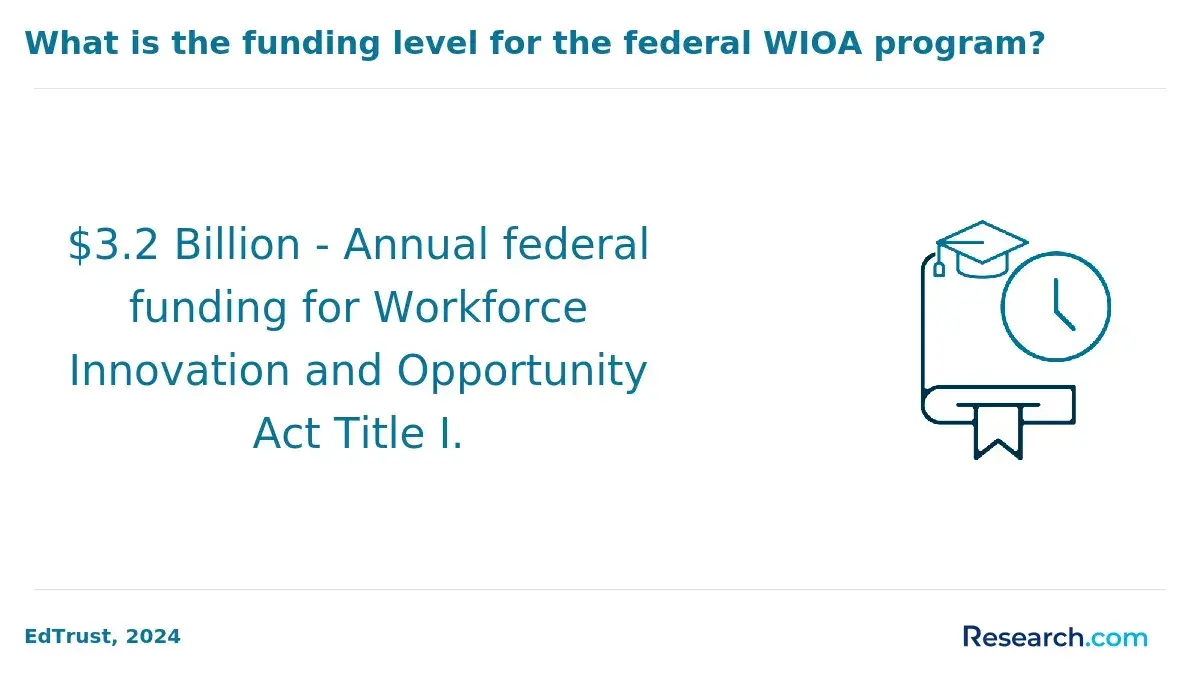
About 54% of U.S. employers offer some form of educational assistance, with average annual tuition reimbursement limits commonly around $5,250. The following points highlight key factors students should consider when exploring these benefits:
- Annual Benefit Caps: Most employers set a maximum reimbursement amount per year, often between $5,000 and $10,000. Staying within these limits is essential to ensure full utilization of the offered financial support.
- Minimum Grade Requirements: To qualify for reimbursement, employees typically must maintain a minimum GPA, usually between 2.5 and 3.0. This requirement helps ensure satisfactory academic progress throughout the program.
- Employment Tenure: Companies often require employees to have worked for a minimum period-commonly six months to one year-before becoming eligible for tuition assistance. Some employers also ask for a commitment to remain employed for a set time post-graduation.
- Accredited Programs: Tuition reimbursement generally applies only to courses at accredited institutions. Confirming that the bachelor's program in health studies is eligible under company policy is critical.
- Degree Completion Pathways: For students transferring from an associate to a bachelor's degree, many employers recognize this progression as eligible for reimbursement. It's important to verify this aligns with the employer's specific guidelines.
How will accreditation standards affect your Health Studies degree transfer?
Accreditation serves as a vital quality guarantee, ensuring an associate degree in health studies meets rigorous academic standards required for bachelor's degree completion. Nearly 85% of health-related bachelor's programs require programmatic accreditation to facilitate credit mobility or professional licensure.
Institutional accreditation evaluates the entire school's quality, while programmatic accreditation focuses specifically on the health studies curriculum. Many universities prioritize credits from programs with recognized programmatic accreditation when considering transfer applications.
Confirming accreditation status helps prevent credit loss, securing the degree's long-term value and ensuring career readiness in health fields.
For students exploring options, programs like an online ultrasound tech school also emphasize the importance of appropriate accreditation for smooth credit transfer and professional recognition.
What careers are available to graduates after completing a Bachelor's in Health Studies?
Advancing from an associate degree to a bachelor's in health studies expands career possibilitie. The U.S. Bureau of Labor Statistics projects a 28% growth in employment for medical and health services managers through 2031. Below are several career options where a bachelor's degree is a key qualification:
- Health Services Manager: Oversees the daily operations of healthcare facilities, ensuring efficient patient care and regulatory compliance. A bachelor's degree equips managers with advanced organizational and leadership skills essential for this role.
- Community Health Educator: Develops and implements public health campaigns to promote wellness and prevent disease. This position requires a solid understanding of health communication and program planning typically gained through a bachelor's curriculum.
- Healthcare Policy Analyst: Analyzes and contributes to the creation of health policies and programs. Bachelor's-level education provides critical analytical and research skills necessary for effective policy development.
- Rehabilitation Specialist: Assists patients in recovering physical, mental, or emotional abilities after illness or injury. The bachelor's degree prepares professionals to design individualized treatment plans and coordinate multidisciplinary care.
- Public Health Specialist: Focuses on preventing disease and promoting health in communities through research and outreach. This role demands specialized knowledge of epidemiology and health promotion strategies taught at the bachelor's level.
What are the most common pitfalls to avoid in a Health Studies transfer?
While the transfer path from an associate degree to a bachelor's degree in health studies is generally streamlined, administrative oversights and missteps can cause unnecessary delays or significant credit loss. Research indicates that students lose an average of 30% of their credits during the transfer process.
Below are common pitfalls students should work to avoid:
- Credit Loss: Differences in course content and accreditation standards often lead to the non-transfer of up to 30% of credits, which can extend the time required to complete a bachelor's degree and increase overall costs.
- Poor Academic Advising: Without thorough guidance, students may select courses that do not meet bachelor's program requirements, resulting in redundant coursework or delays, especially for those shifting focus within health studies or coming from unrelated fields.
- Changing Majors Late: Altering one's major during or after transfer often necessitates additional foundational classes, potentially adding semesters and financial burdens to the educational timeline.
- Ignoring Accreditation: Crediting policies depend heavily on the associate program's accreditation status; failing to verify this can mean many credits won't be recognized by the bachelor's institution.
To navigate transfer requirements for health studies programs successfully, students should consult advisors early, verify accreditation, and request detailed credit evaluations before transferring.
For those interested in advancing to specialized fields, exploring options such as the shortest PMHNP certificate program can prove to be beneficial.
What Graduates Say About Transferring from an Associate to Bachelor's in Health Studies
- Natasha: "Choosing to transfer from an associate degree to a bachelor's in health studies was a strategic move for me to open more career opportunities in healthcare administration. The affordable cost of the transfer pathway made it manageable while I worked part-time. Pursuing this degree has truly expanded my knowledge and confidence in making a real impact in public health."
- Clint: "Reflecting on my journey, I appreciate how the associate to bachelor's pathway in health studies was designed to accommodate working adults like myself. The cost savings compared to starting fresh at a four-year institution was significant, allowing me to focus on learning without financial strain. Now, with my bachelor's, I feel well-prepared to contribute meaningfully to community health initiatives."
- Carol: "I was enthusiastic about transferring because the bachelor's in Health Studies offered specialized courses that my associate degree lacked. The clear transfer credits helped reduce time and tuition fees, making it a smart economic choice. Completing the program has not only advanced my career but also deepened my passion for improving patient outcomes through education and advocacy."
Other Things You Should Know About Health Studies Degrees
Credits from an associate degree in health studies often transfer partially rather than fully to a bachelor's program. Transferability depends on the alignment of course content and the receiving institution's credit evaluation policies. Core general education credits typically transfer more easily than specialized or elective courses.
Articulation agreements in 2027 define clear pathways for transferring associate degree credits in Health Studies to bachelor's programs. They help ensure that students receive maximum credit for courses completed, streamline the transfer process, and minimize the risk of losing credits during the transition.
Standardized tests like the SAT or ACT are usually not required for students transferring from an associate to a bachelor's in health studies. However, some institutions may request placement tests or proof of proficiency in key subjects. It is best to check the specific transfer policies of the target institution.
Students can transfer credits from accredited online associate health studies programs to bachelor's programs, provided the institution recognizes the accreditation. Acceptance depends on the quality and equivalency of the coursework. Many universities now support online transfer students but verify the receiving institution's policies beforehand.
References
- Associate in Science Degree in Public Health Science for Transfer Golden West College https://www.hotcoursesabroad.com/india/course/us-usa/associate-science-degree-public-health-science-transfer/58292660/program.html
- Top 90 Healthcare Scholarships to Apply for in December 2025 https://bold.org/scholarships/by-major/healthcare-scholarships/
- Recognition of Prior Learning (RPL) - Convert Your Work Experience into University Credits https://www.libt.co.uk/prospective-students/rpl
- Why Accreditation Matters https://www.cambridgehealth.edu/online-degrees/what-is-accreditation/why-accreditation-matters/
- 25 Public Health Scholarships and Tips to Apply https://www.publichealthdegrees.org/resources/scholarships/
- Transitioning Associate Degree in Nursing Students to the Bachelor of Science in Nursing and Beyond: A Mandate for Academic Partnerships - R Discovery https://discovery.researcher.life/article/transitioning-associate-degree-in-nursing-students-to-the-bachelor-of-science-in-nursing-and-beyond-a-mandate-for-academic-partnerships/1372f363dd603449848803eb8576c6ea
- Earning an Associate's Before Bachelor's Degree: Pros and Cons | Empowerly https://empowerly.com/grade-levels/earning-an-associates-before-bachelors-degree-pros-and-cons/
- How to Go from an Associate’s Degree to a Bachelor’s Degree | George Fox University https://www.georgefox.edu/adult-degree/articles/associate-to-bachelor-degree.html
- Turning Your College Credits into a Bachelor’s Degree: Taking the Next Step in Your Healthcare Career https://www.mghihp.edu/news-and-more/opinions/health-sciences/turning-your-college-credits-bachelors-degree-taking-next-step-your-healthcare-career
- Get Work or Life Experience Credit Toward Your Degree | SNHU https://www.snhu.edu/admission/transferring-credits/work-life-experience