2027 Online Health Sciences Bachelor's Degrees for Adults Over 40

Co-Founder and Chief Data Scientist
Imagine an adult over 40 seeking a career change but unsure how to balance work, family, and education. Online health sciences bachelor's degree programs offer flexible solutions tailored to this demographic, with asynchronous courses eliminating commute challenges. Studies show that adults aged 40 and above represent over 30% of enrollees in online health sciences programs, reflecting growing demand for accessible, career-oriented education.
These programs also address the need for healthcare professionals amid an aging population and expanding medical services. This article explores how online health sciences bachelor's degrees can empower adult learners to achieve career advancement or transition efficiently and effectively.
Key Points About Online Health Sciences Bachelor's Degrees for Adults Over 40
- Online Health Sciences bachelor's degrees offer flexible scheduling, enabling adults over 40 to balance education with family and work commitments without relocating or disrupting careers.
- Obtaining this credential often leads to career advancement or transition; data shows 65% of mid-career adults report increased job opportunities after their degree completion.
- Programs emphasize practical skills aligned with healthcare industry demands, making the degree a strong investment for those seeking relevance and marketability in evolving health sectors.
What are the best online Health Sciences bachelor's degrees for adults over 40?
For professionals over 40, pursuing an online bachelor's degree in health sciences can be a strategic step toward career advancement or a fresh start in a growing field. According to recent labor market data, healthcare occupations are projected to grow 16% through 2030, emphasizing the importance of selecting accredited programs that offer flexible schedules and relevant curricula.
Below are some of the top accredited health sciences bachelor programs for adult learners designed to meet these needs.
- Arizona State University (ASU): Known for its innovative adaptive learning technology, ASU personalizes coursework to fit adult learners' busy lives. The program includes a concentration in health care innovation and management, addressing emerging trends and preparing students to lead effectively in evolving healthcare settings.
- University of Florida (UF): UF offers a health sciences bachelor's with an emphasis on health education and promotion. Its accreditation by the Commission on Accreditation of Allied Health Education Programs (CAAHEP) ensures high academic standards, and its curriculum integrates evidence-based practice to develop strong research and analytical skills.
- Ohio State University: Tailored for adult learners, Ohio State allows extensive transfer credits and accelerated course options. Their proprietary interactive learning platform fosters collaboration through virtual labs and case studies, enhancing practical problem-solving skills valuable in today's health sciences careers.
- Florida International University (FIU): FIU's online BS in health services administration targets students seeking leadership roles. The program holds specialized accreditation from the Commission on Accreditation of Healthcare Management Education (CAHME), ensuring comprehensive training aligned with current healthcare management standards.
- University of Massachusetts Amherst: This program focuses on community health education and features a unique service learning component. Students gain hands-on experience by working with local public health organizations, bridging theoretical knowledge with real-world practice.
Adult learners also often explore advanced nursing options, and those interested might consider online DNP programs without clinicals as an alternative pathway to enhance their credentials.
How much do online Health Sciences bachelor's degrees typically cost?
Online health sciences bachelor's degree tuition costs typically range from $300 to $600 per credit hour, translating to a total tuition fee between $36,000 and $72,000. These amounts generally align with or fall slightly below traditional on-campus programs. Prospective students must carefully assess these figures against their budget, especially since online options may differ in how they apply fees.
Beyond tuition, adults over 40 should anticipate additional expenses. Common hidden costs include technology fees for access to digital platforms, textbooks or digital materials often excluded from tuition, proctoring fees for exams, and required lab kits or supplies for practical components. The average cost of online health sciences bachelor's programs usually incorporates such secondary fees, which can significantly affect the overall budget.
About 85% of online programs charge a separate technology fee, potentially adding hundreds of dollars annually. While online degrees reduce commuting and housing expenses, those costs saved might be offset by these charges. For those exploring advanced nursing, consider the well-researched options available for DNP programs, which similarly balance tuition and additional fees.
What are the admission requirements for adult learners enrolling in online Health Sciences bachelor's degrees?
Admission for adult students enrolling in an online health sciences bachelor's degree generally differs from that of traditional high school graduates. According to a 2025 report, over 60% of online health sciences programs have adapted their admission processes to recognize the unique experiences of learners over 40.
Key requirements typically focus on demonstrating readiness through various academic and professional measures. Below are some common criteria:
- Academic Credentials: A high school diploma or equivalent is required, but many programs offer alternatives, such as refresher courses or placement exams for those who completed schooling long ago to confirm foundational knowledge.
- Prior College Credit: Applicants often need to have completed college courses in related subjects like biology or chemistry. This can be satisfied through community college credits or evaluations of prior learning and work experiences, allowing adult learners to leverage their career backgrounds.
- Standardized Testing Waivers: Some institutions request ACT or SAT scores but commonly waive these for applicants over a certain age, acknowledging their practical experience and academic history instead.
- Health and Immunization Records: Proof of immunizations or clearance is frequently mandatory, especially for clinical components. Early coordination with healthcare providers ensures these health requirements are met timely.
- Personal Statement: Many programs require a narrative explaining personal motivations and career objectives in health sciences, which helps admissions committees assess an applicant's commitment and alignment with the discipline.
When asked about the admission process, a professional who completed an online health sciences bachelor's program recalled, "Navigating the requirements felt daunting initially, especially updating my academic records after years away from formal education and gathering health documentation. The personal statement was a meaningful chance to share why this degree mattered to me."
He added that flexible testing options and recognition of his work experience eased his path, though balancing enrollment paperwork alongside a full-time job required careful planning and persistence.
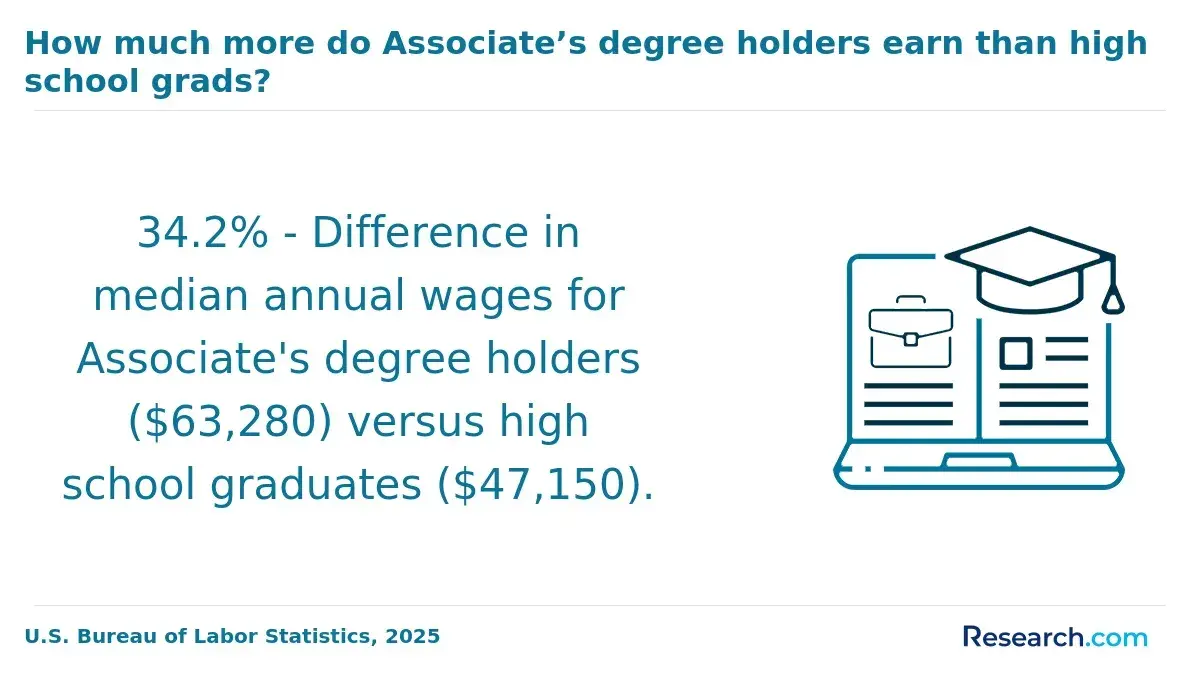
Graduates with a bachelor's degree in health sciences often see a noticeable salary boost-typically between 15% and 25%-within a few years of completion. This increase reflects greater access to roles like healthcare management and clinical coordination, which not only offer higher pay but also stronger job security. For professionals over 40, these degrees open doors to leadership positions that frequently require formal education, improving promotion prospects.
Flexibility in online health sciences programs helps adults balance studies with work, enabling timely graduation. The investment tends to pay off quickly, with most students recovering tuition costs within three to five years thanks to expanded career opportunities and stable employment in a growing sector. This steady return supports long-term financial and professional growth even later in one's career.
The author spoke with a professional who completed an online bachelor's in health sciences after 40. He shared how juggling family commitments and full-time work made the program demanding but rewarding. "At times, it felt overwhelming," he said, "but the flexibility and support kept me going." He emphasized that despite the challenges, earning the degree has "transformed my confidence and career path," confirming its value beyond just financial gain.
Contemporary health sciences curricula are crafted to provide students with skills that can be immediately applied to workplace challenges-empowering professionals to enhance their effectiveness as they learn. According to recent data, nearly 70% of students report integrating their coursework directly into their current roles, highlighting the value of continuous upskilling.
Below are key advantages that online health sciences bachelor's degrees offer for career advancement with online health sciences bachelor's for adults over 40.
- Updated Clinical Competence: Programs help refresh and align clinical and administrative skills with evolving healthcare regulations and digital technologies-ensuring professionals stay current in fast-changing environments.
- Leadership Development: Coursework fosters improved leadership and communication abilities needed to guide interdisciplinary teams and elevate patient-centered care initiatives in a collaborative setting.
- Critical Thinking Enhancement: Students sharpen their ability to analyze emerging research and healthcare trends-enabling them to incorporate evidence-based practices and innovate within their organizations.
These degrees provide validation of adaptability and proficiency, key for professionals over 40 pursuing career advancement with online health sciences bachelor's programs. Balancing work, family, and education is made flexible through remote learning options offered by many online colleges with free applications, removing barriers for busy adults seeking lifelong learning opportunities in healthcare.

Many adult learners over 40 pursuing online health sciences bachelor's degree programs can access various financial aid options tailored to their unique needs. Nearly 85% of college students receive some form of financial aid, highlighting its importance in making higher education more attainable.
Below are several key financial aid opportunities valuable for those seeking scholarships and grants for online health sciences bachelor programs.
- Health Professions Student Loan Program (HPSL): This program offers low-interest loans for students enrolled in accredited health sciences degrees who demonstrate financial need. It helps reduce borrowing costs, especially for those focused on health-related careers.
- Nontraditional Student Grant: Many universities provide this grant specifically for adult learners returning to education, often requiring proof of age (usually over 25 or 30) and enrollment in a degree-seeking program. It supports both part-time and full-time students, though it may not be exclusive to health sciences fields.
- Adult Learner Scholarship: Offered by organizations such as the Council for Adult and Experiential Learning (CAEL), this scholarship assists students pursuing degrees later in life, including health sciences. Eligibility often depends on prior work experience, commitment to studies, and sometimes community involvement.
- Pell Grant: This federal aid program is based on financial need and enrollment status, making it a crucial resource for many adult students. While not health sciences-specific, it significantly offsets tuition costs for eligible students.
- State-Specific Grants: Some states offer grants or scholarships tailored for adult learners in healthcare, such as the California Chafee Grant for students with foster care backgrounds pursuing health-related degrees. It's important to check local education websites for additional options.
For those interested in specialized career paths within the health sciences, researching roles such as medical coding can be beneficial-understanding potential earnings through resources on certified medical coder salary helps align financial planning with career goals.
Many online health sciences bachelor's degree programs allow adult learners to convert professional certifications into academic credit through prior learning assessment (PLA). Institutions commonly accept certifications such as Certified Nursing Assistant (CNA), Emergency Medical Technician (EMT), and Certified Medical Assistant (CMA) because these credentials closely align with foundational health sciences coursework. This option is especially valuable for adults over 40.
The process generally involves submitting proof of certification, course descriptions, or passing a challenge exam to demonstrate proficiency. This approach recognizes real-world skills and minimizes duplicate coursework, which can speed up graduation and reduce tuition costs by up to 30%. For mature students balancing family and work, this pathway provides a practical way to make education more accessible and affordable.
Integrating professional certifications into online health sciences programs validates existing competencies and creates a straightforward academic route for returning students. This structured credit transfer not only fosters adult learner success but also reflects growing institutional support for experiential learning, ensuring a faster, cost-effective path to earning a bachelor's degree.
Adult learners enrolling in online health sciences bachelor's programs can often transfer previously earned college credits, commonly up to 60-90 semester hours, which may equate to two or three years of study. This credit recognition helps accommodate the varied academic histories of nontraditional students and can significantly shorten the time needed to complete the degree, reducing both tuition expenses and overall costs.
National data shows that about 70% of transfer applicants have their credits accepted by their new school. The credit transfer process usually requires the submission of official transcripts for a thorough review. Programs frequently separate general education credits, like English, math, and social sciences, which usually don't expire, from specialized health sciences credits, which can have a validity period of five to seven years due to evolving industry standards.
Adult students should be ready to provide syllabi or detailed course outlines to support proper evaluation, ensuring that they avoid repeating coursework unnecessarily. By understanding these transfer policies early in their academic planning, adult students can better manage their course load, complete their degrees faster, and lower educational expenses, making their return to school more efficient and cost-effective.
Most online health sciences bachelor's degree programs no longer require SAT or ACT scores for admission, especially for adult learners over 40. This change aligns with a wider trend in U.S. higher education toward test-optional policies, fueled in part by the COVID-19 pandemic. Admissions for older students often prioritize professional experience, past college credits, and career accomplishments over standardized testing.
However, some programs might still request test scores from applicants without prior academic credits to evaluate readiness. Additionally, certain competitive scholarships or honors tracks within health sciences programs may require these scores. Prospective students should review each program's admissions details carefully to determine specific requirements and whether conditional admission or alternative assessments like portfolio reviews are available.
A structured selection process is essential for aligning personal career goals with the specific strengths of an online health sciences program. Adult learners must carefully evaluate programs to ensure they meet both academic needs and professional aspirations, particularly when comparing online health sciences bachelor's programs for adults.
- Flexibility: Consider programs offering asynchronous courses, part-time enrollment, and leave of absence options to accommodate work and family commitments. Flexibility reduces stress and improves completion rates for adult students balancing multiple priorities.
- Relevant Curriculum: Choose programs with updated content that reflect current industry standards and emerging trends in health sciences. This ensures graduates gain the applied knowledge and technical skills necessary for evolving job markets.
- Support Services: Look for dedicated advisors, career counseling, and technical support tailored to adult learners. Strong student services foster persistence and professional networking, critical for career advancement.
- Credit Transfer Policies: Evaluate how prior learning and previous credits are recognized. Fair credit evaluation can shorten the time to degree completion and reduce tuition expenses.
- Affordability: Assess tuition costs, fees, and financial aid availability to secure a program that fits your budget without sacrificing quality. Transparent pricing and flexible payment plans ease the financial burden on adult students.
Adult students exploring pathways to advance their credentials may find value in programs highlighting the fastest post master's FNP certificate options, which complement health sciences education with focused clinical expertise.
What Graduates Say About Their Online Health Sciences Bachelor's Degree
- Dante: "Choosing to pursue an online health sciences bachelor's degree at 40 was driven by my desire to pivot into a more fulfilling career without uprooting my family life. The affordability of accredited programs made it manageable to invest in my future without overwhelming financial stress. This degree has opened doors to leadership roles I hadn't anticipated, proving that it's never too late to advance professionally."
- Collin: "Reflecting on my decision to return to school later in life, the flexibility of an online health sciences program was crucial for balancing work, parenting, and education. The cost was reasonable compared to traditional programs, which eased my concerns about student debt at this stage. Completing the degree expanded my expertise and significantly boosted my confidence in the healthcare sector."
- Dylan: "As a professional over 40, I chose an online health sciences bachelor's degree because it aligned perfectly with my busy schedule and aspirations for career growth. The affordable tuition at an accredited institution made the commitment less daunting financially. Earning this degree has transformed my professional outlook and provided a solid foundation for new opportunities in healthcare management."
Other Things You Should Know About Health Sciences Degrees
Many online health sciences programs offer dedicated support services tailored for adult learners. These often include academic advising, tutoring, and career counseling designed to accommodate the unique challenges adults face, such as balancing education with work and family responsibilities. Additionally, some programs provide flexible scheduling and technical support to ensure accessibility and timely assistance.
Yes, several online health sciences programs feature accelerated tracks specifically for adult learners with prior college credit or professional experience. These options enable students to complete coursework in a shorter timeframe by utilizing credit for prior learning or offering intensive course formats. Accelerated programs can reduce time-to-degree, which benefits adults seeking to advance their careers efficiently.
In 2027, online health sciences degrees for adults over 40 often integrate hands-on components through local partnerships, allowing students to complete clinical training in nearby facilities. Virtual labs and simulations are also utilized to provide practical experience remotely, ensuring that all necessary skills and competencies are met.
Most programs require proof of current TB testing, a physical exam, immunizations such as MMR, varicella, hepatitis B, and seasonal flu, plus a criminal background check and drug screening before any clinical placement. Some sites also require CPR certification from the American Heart Association before students begin direct patient contact.
- Online Health Science Degrees - Unigo.com https://www.unigo.com/online-colleges/online-health-science-degrees
- Admission Requirements - McMaster University https://academiccalendars.romcmaster.ca/content.php
- Online Tuition-Free Bachelor's Degree in Health Science (BHS) https://www.uopeople.edu/programs/online-bachelors/health-science/
- How Much Does an Online Degree in Health Science Cost? https://www.health-science-degree.com/faq/online-degree-health-science-cost/
- Top 90 Healthcare Scholarships to Apply for in December 2025 https://bold.org/scholarships/by-major/healthcare-scholarships/
- Admission Requirements https://bhsc.queensu.ca/future-students/admission
- Recognition of Prior Learning (RPL) - Convert Your Work Experience into University Credits https://www.libt.co.uk/prospective-students/rpl
- Earn College Credit With Your MedCerts Program https://medcerts.com/education-pathways/earn-college-credit
- How To Set Up a Credit for Prior Learning Program - Partners https://partners.medcerts.com/blog/how-to-set-up-a-credit-for-prior-learning-program