2027 Different Types of Health Sciences Bachelor's Degrees: Specializations, Careers, and Salaries

Co-Founder and Chief Data Scientist
Consider a student uncertain whether to pursue a degree in public health or healthcare administration, both critical yet distinctly different health sciences fields. Choosing the wrong specialization can delay career progress or lead to dissatisfaction. Employment in health sciences is projected to grow 15% from 2021 to 2031, reflecting rising demand for diverse roles.
Understanding these differences helps prospective students align their education with career goals and salary expectations. This article explores various health sciences bachelor's degree specializations, their related careers, and typical salaries, guiding readers to make informed decisions suited to their aspirations and the job market.
Key Things to Know About Different Types of Health Sciences Bachelor's Degrees
- Bachelor's degrees in health sciences often specialize in public health, health administration, or clinical sciences, tailoring education to specific industry roles.
- Graduates typically pursue careers as health educators, healthcare managers, or clinical coordinators, with growing demand in community health and hospital settings.
- Salaries vary widely, averaging between $50,000 and $75,000 annually, influenced by specialization, geographic location, and level of experience.
What Are the Different Types of Health Sciences Bachelor's Degrees?
Health sciences bachelor's degrees are offered through various program formats tailored to fit different student lifestyles and educational goals. These formats vary in structure, pacing, and delivery methods, accommodating those balancing studies with professional or personal commitments. Recent data shows that nearly 30% of students pursuing health sciences degrees choose non-traditional formats such as online or part-time, highlighting the rising demand for alternative learning options. Understanding these program types is essential for exploring health sciences degree specializations and career paths.
- Traditional Programs: These are campus-based, full-time studies typically completed over four years. They emphasize in-person lectures, clinical experiences, and laboratory work essential for hands-on learning.
- Accelerated Programs: Designed for students eager to finish their degree faster, these formats involve heavier course loads or year-round classes, reducing overall time to graduation.
- Online Programs: Entirely delivered via the internet, online programs offer maximum flexibility through asynchronous learning. This format is ideal for students needing remote access without sacrificing academic rigor.
- Hybrid Programs: Combining online coursework with on-campus sessions, hybrid formats balance convenience and face-to-face interaction, benefiting those seeking a blended educational approach.
- Part-Time Programs: Allowing students to extend their studies over a longer period, these programs support individuals managing work or family responsibilities alongside academics.
Prospective students can also investigate the easiest nursing schools if considering a related health sciences degree specialization with accessible admission requirements.
What Specializations Are Available in a Health Sciences Bachelor's Degree?
Health sciences bachelor's programs frequently offer a variety of specializations designed to help students concentrate on specific fields within healthcare and wellness. Approximately 60% of students select at least one specialization, demonstrating the value of focused academic pathways in this broad discipline. These specialized tracks provide relevant skills suited for diverse professional environments, both clinical and non-clinical. Below are some of the notable specializations available.
- Health Administration: This specialization promotes leadership and management competencies essential for overseeing healthcare organizations. It includes studies in healthcare policy, economics, and organizational behavior, often featured in leading healthcare administration degree programs.
- Public Health: Emphasizing community health initiatives, disease prevention, and health education, this track integrates epidemiology and biostatistics with environmental health, preparing students for public health roles.
- Health Informatics: Combining healthcare knowledge with information technology, this area trains students to handle patient records, health data systems, and healthcare software management efficiently.
- Nutrition and Dietetics: Focused on nutritional science, this specialization develops expertise in diet planning aimed at improving both individual health and broader public well-being.
- Clinical Laboratory Science: Concentrating on laboratory diagnostics and testing techniques, this field prepares students for technical roles involving medical lab equipment and procedures.
Customized specializations also influence the selection of electives and better prepare students to meet the admission requirements of online health sciences master's programs. Understanding eligibility criteria for non-majors in online health sciences graduate programs can expand opportunities for those pursuing further advanced studies.
2026 Update: Certification and Graduate Pathway Readiness
For this 2026 refresh, we added a practical lens on how each health sciences bachelor’s specialization supports next-step credentials, graduate study, or career advancement beyond the first job.
- Whether the curriculum includes prerequisites for nursing, physician assistant, physical therapy, public health, or healthcare management graduate programs
- If the program prepares students for relevant certifications in areas such as health education, informatics, administration, or community health
- Whether labs, internships, practicums, or fieldwork are required for competitive applications
- How well electives match long-term goals, such as clinical care, policy, research, or operations leadership
- If advising support is available for graduate school planning, credential exams, and application timelines
- Whether credits can transfer into an accelerated master’s or professional pathway later
Checking these details helps students choose a health sciences degree that fits both immediate career options and future professional goals.
A bachelor's degree in health sciences prepares graduates for a range of entry-level positions across healthcare environments. Around 75% of these graduates secure jobs within six months of finishing their degree, highlighting positive employment outcomes. The following examples illustrate typical roles and the skills cultivated in each.
- Health Educator: These professionals design and implement programs to promote healthy lifestyles. Key abilities include communication, strategic planning, and community engagement.
- Medical and Health Services Assistant: This role supports clinical and administrative operations by managing patient information and appointment logistics, building organizational and healthcare system knowledge.
- Clinical Research Coordinator: Coordinators oversee clinical trials, ensuring adherence to protocols and accurate data collection, developing expertise in research compliance and data management.
- Public Health Analyst: Analysts collect and interpret health statistics to inform policy and program decisions, enhancing analytical skills, statistical analysis, and reporting.
- Rehabilitation Specialist: Specialists aid patients recovering from injury or illness by supporting therapy plans and monitoring progress, strengthening patient care and empathy.
A professional holding a health sciences bachelor's degree shared their experience entering the workforce: "Transitioning from school to a job wasn't straightforward-I had to apply to many positions and learn to tailor my resume to different roles." They emphasized the importance of adaptability, noting that "the practical skills from my degree helped, but real-world problem solving and persistence really made a difference." Despite initial setbacks, this individual found that gaining hands-on experience in an entry-level position provided valuable confidence and clarified their career direction.
Certain industries tend to offer higher compensation for health sciences bachelor's degree holders, reflecting demand for specialized expertise. According to recent labor data, pharmaceuticals and medical device manufacturing report median salaries about 20% above the national average. These trends highlight the top paying sectors where graduates can apply their skills most lucratively.
- Biotechnology and Pharmaceuticals: This sector offers roles in research and development, quality assurance, and regulatory compliance. Graduates often leverage skills in data analysis, laboratory methods, and clinical trial processes to succeed in these positions.
- Healthcare Administration: Competitive salaries are available for those managing healthcare facilities, guiding patient care improvement, or overseeing health information systems. Essential abilities include leadership, familiarity with healthcare policies, and expertise in health informatics technology.
- Medical Device Industry: Graduates typically engage in product development, safety testing, and regulatory adherence here. Knowledge of anatomy, technical skills, and navigating regulatory frameworks are highly valued.
Exploring these top paying sectors for health sciences degrees can help students align career goals with expected compensation. Those considering further education may find opportunities through accredited online universities to build relevant expertise for high-demand roles.
Salary outcomes for graduates with a bachelor's degree in health sciences vary notably due to multiple factors such as industry, experience, and specific areas of expertise. Early-career professionals typically earn a median salary of around $50,000 annually in the United States. These figures, however, can fluctuate widely depending on several key influences. Consider the following major considerations:
- Industry Sector: Compensation differs depending on whether a graduate works in healthcare administration, public health, research, or clinical settings, each offering distinct salary ranges.
- Experience and Skills: Entry-level salaries usually hover near the median, but as professionals gain certifications and hands-on experience, their earning potential tends to increase.
- Geographic Location: Salaries are generally higher in urban centers, especially in states with elevated living costs like California and New York, compared to more rural areas.
- Market Demand: Growing needs in fields such as healthcare informatics and health policy can push salary growth upward as employers compete for qualified talent.
When asked about her own experience, a health sciences bachelor's degree professional described the transition from school to work as both challenging and rewarding. She recalled that while navigating job offers, uncertainty about earning potential was common. However, by focusing on building relevant skills and pursuing internships, she gradually saw a welcome rise in salary. "It was a process of patience and continual learning," she shared, emphasizing that understanding market demands helped her set realistic goals. Her journey illustrates how proactive career development and adaptability can positively influence income trajectories over time.
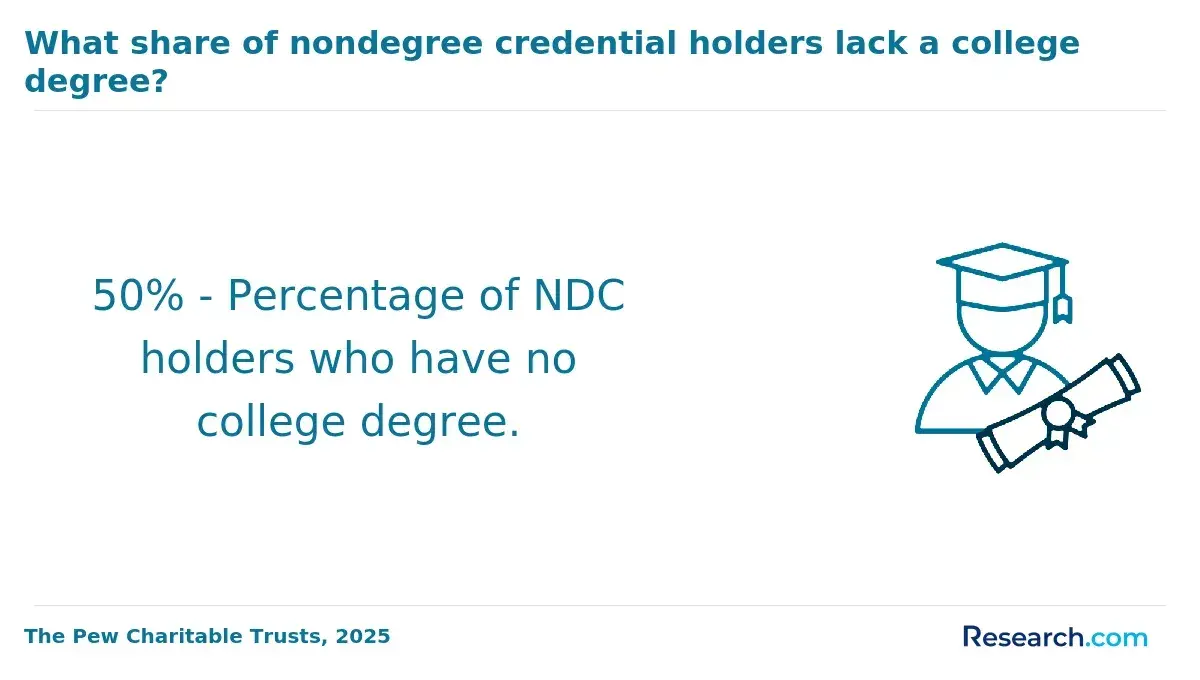
Earnings in health sciences bachelor's degree specializations differ widely based on the chosen field, reflecting diverse skill sets and job roles. Graduates focusing on areas like health informatics or healthcare administration frequently see higher average salaries, often ranging from around $50,000 to $60,000 initially. In contrast, those entering community health or health education sectors may start closer to $40,000 but benefit from meaningful careers in public outreach. These salary variations highlight how the specialization influences earning potential early in one's career.
Several elements drive these salary differences, including the complexity of required skills, sector demand, and the nature of daily work duties. Specializations demanding technical knowledge, such as expertise in electronic health systems and data management, tend to offer increased compensation as these skills are highly sought after. Additionally, careers linked to healthcare management and technology continue to grow rapidly, pushing salaries upward. Conversely, roles that involve direct patient care or community services often provide non-monetary rewards that complement modest starting salaries.
Graduates of online and on-campus health sciences bachelor's degree programs typically attain comparable core knowledge and skills, including anatomy, healthcare administration, and patient care fundamentals. Employers increasingly accept online degrees as equivalent to traditional ones, particularly from accredited, rigorous programs. Research shows that salary differences between these graduates are generally minimal, with one study finding that earnings tend to converge within five years of entering the workforce. This reflects a growing recognition that theoretical knowledge and technical abilities acquired online can match those gained through on-campus study.
Factors influencing salary variations often relate more to experiential and professional opportunities than the degree format. On-campus students may access more networking events, internships, and hands-on clinical experiences, which can accelerate early career advancement. Conversely, online students often develop strong time management and self-discipline skills while balancing work or other commitments. Geographic location, industry demand, additional certifications, and continuous career development also play vital roles in shaping salary outcomes for health sciences graduates across both learning formats.
Tuition and fees for health sciences bachelor's degree programs vary widely, with average costs typically ranging from $5,000 to over $35,000 per year. These differences reflect a combination of factors that influence overall program expenses. Key considerations include:
- Institution Type: Public universities usually offer lower tuition rates for in-state students than private institutions, which often have higher fees regardless of residency status. Public schools may be more affordable, while private colleges often provide specialized resources or smaller class sizes.
- Program Format: Online health sciences programs generally offer more flexibility and can sometimes be less expensive than traditional on-campus degrees. However, online options may charge additional fees for technology access or in-person requirements.
- Program Length: Some degrees can be completed in as little as three years, while others require four or more years, especially if internships or clinical rotations are included. Longer programs and additional credits increase tuition and related costs.
- Specialization Costs: Programs that focus on technical or resource-intensive fields may include additional lab fees or equipment costs, reflecting the advanced training needed in areas like medical imaging or biotechnology.
- Location Impact: Schools in urban areas sometimes have higher tuition due to increased operational expenses compared to rural or suburban institutions.
Prospective students researching average tuition fees for health sciences bachelor's degrees should weigh these elements carefully. For those interested in flexible study options, there are online medical assistant programs with financial aid that may offer competitive pricing and additional benefits.
Students pursuing a bachelor's degree in health sciences have access to a variety of financial aid resources to help manage tuition and other educational expenses. According to the National Center for Education Statistics, nearly 85% of undergraduate students receive some form of financial aid. These options support students from diverse backgrounds by reducing out-of-pocket costs. Here are key financial aid forms available to health sciences degree students:
- Federal Grants: Need-based federal grants require no repayment and can significantly reduce education costs. The Pell Grant is a widely used example, aimed at supporting low-income students pursuing health sciences degrees.
- Student Loans: Federal student loans typically offer lower interest rates and more flexible repayment terms than private loans. These loans allow students to spread their tuition payments over time while focusing on their studies.
- Scholarships: Scholarships reward academic excellence, leadership, or special interests within health sciences. Many organizations and institutions offer scholarships specifically for students enrolled in health sciences programs.
- Work-Study Programs: These programs provide part-time employment opportunities for students with financial need. Work-study positions help students earn money to cover expenses while gaining practical experience relevant to their careers.
Exploring these scholarships and grants for health sciences students early can ease financial burdens and support successful academic progress. Many prospective learners also investigate specific pathways by pursuing an online kinesiology degree or other specialized health sciences bachelor's degrees that align with their career goals.
Choosing a health sciences bachelor's degree requires careful evaluation of academic preferences and future ambitions. A recent survey reveals that more than 40% of students prioritize flexible learning options, reflecting diverse needs in how programs are delivered. Considering multiple factors can help students find a degree that truly fits their goals.
Key aspects to keep in mind include:
- Academic Interests: Focusing on personal strengths and passions enhances motivation and success. Identifying a specialization that resonates with your interests encourages deeper engagement throughout your studies.
- Specialization Options: Programs offer a range of tracks such as public health, medical laboratory science, or health administration. Exploring available concentrations ensures alignment with your desired knowledge and skill sets.
- Program Format: The choice between on-campus, online, or hybrid formats impacts learning style and convenience. Selecting a format that matches your lifestyle can improve focus and course completion rates.
- Career Alignment: Investigating how each specialization connects to potential roles and salary prospects helps in setting realistic career expectations. Some paths lead to higher-paying management positions; others prepare for clinical or research roles.
- Long-Term Goals: Considering further education opportunities and professional advancement is vital. Choosing a program with clear pathways for graduate studies or certifications supports sustained career growth.
What Graduates Say About Different Types of Health Sciences Bachelor's Degrees
- Dante: "Choosing a specialization in health sciences focused on public health was a turning point for me, as I wanted to make a real difference in community wellbeing. The program's practical approach allowed me to secure an internship right after graduation, which quickly led to a full-time job in a nonprofit organization. My salary growth has been impressive, and I attribute much of this to the solid foundation my degree provided in both theory and real-world application."
- Collin: "Reflecting on my decision to pursue a health sciences bachelor's degree with a focus on healthcare administration, I'm grateful for the career flexibility it offered. The extensive coursework on healthcare systems prepared me exceptionally well for leadership roles, and within two years, I was promoted to a managerial position. This degree not only boosted my earning potential but also expanded my professional network significantly."
- Dylan: "Enthusiastically diving into a health sciences program specialized in rehabilitation therapy fueled my passion for patient care. The degree jumpstarted my career by opening doors to clinical positions where I gained valuable hands-on experience. Over time, I have seen my salary and responsibilities increase, reflecting the high demand for trained professionals in this field."
Other Things You Should Know About Health Sciences Degrees
Yes, graduates with a bachelor's degree in health sciences can pursue further education, often targeting fields such as public health, healthcare administration, medical research, or specialized clinical roles. Advanced degrees like a Master of Public Health (MPH), Master of Healthcare Administration (MHA), or various clinical specializations can enhance career prospects in 2027.
In 2027, prerequisites for a health sciences bachelor's degree typically include high school biology, chemistry, and mathematics courses. Some programs may also require physics or advanced placement science classes. These foundational subjects are crucial for success in health sciences education.
- 6 Things to Look For In a Health Science Program| University of Bridgeport https://www.bridgeport.edu/news/what-to-look-for-in-a-bachelors-in-health-science-program/
- Health Sciences, B.S. https://www.slu.edu/doisy/degrees/undergraduate/health-sciences.php
- Learnsic https://learnsic.com/blog/a-guide-to-the-bachelor-of-health-science-degree
- Bachelor of Science in Health Sciences (Honours) Simon Fraser University https://www.hotcoursesabroad.com/india/course/canada/bachelor-of-science-health-sciences-honours/59115827/program.html
- What are the Starting salaries with health science degree? - Answers https://www.answers.com/education/What_are_the_Starting_salaries_with_health_science_degree
- Tuition | IUHS https://www.iuhs.edu/tuition
- Bachelors Health Sciences Courses https://timescoursefinder.com/courses/life-sciences/health-sciences/undergraduate/bachelors
- How to choose a bachelor's in health science | edX https://www.edx.org/resources/how-to-choose-a-bachelors-in-health-science
- Programs A-Z - Health Sciences Education - Mayo Clinic College of Medicine & Science https://college.mayo.edu/academics/health-sciences-education/programs-a-z/
- 5 Key Courses in a Bachelor's in Health Sciences Degree - Healthcare Administration Degree Programs https://www.healthcare-administration-degree.net/lists/5-key-courses-in-a-bachelors-in-health-sciences-degree/