2027 Can You Get a Health Sciences Bachelor's Degree After 30?

Co-Founder and Chief Data Scientist
Returning to school for a bachelor's degree in health sciences after 30 can feel daunting amid work, family, and financial responsibilities. Many adults worry about balancing these demands while completing rigorous coursework. Yet, recent data shows that adults aged 30 and older now account for nearly 40% of enrollments in health sciences bachelor's programs nationwide-reflecting growing opportunities and support for mature learners. This article explores practical pathways, challenges, and strategies tailored to adult students seeking health sciences degrees after 30, helping them navigate enrollment, financing, credit transfer, and career prospects effectively.
Key Things to Know About Getting a Health Sciences Bachelor's Degree After 30
- Admission often requires proof of prior college credits or relevant work experience-many programs offer accelerated tracks and credit for military or professional training to ease transfer for learners over 30.
- Financing options include employer tuition assistance and federal aid-balancing study with family demands is feasible through online or hybrid formats conducive to adult learners' schedules.
- Graduates typically see improved long-term earnings-adult students earning a bachelor's in Health Sciences report median salary increases exceeding 20% within five years post-graduation.
Can You Really Get a Health Sciences Bachelor's Degree After 30?
Data from the National Center for Education Statistics (NCES) reveals a steady rise in enrollment among students aged 25 and older in bachelor's programs, including those pursuing health sciences degrees. Returning to college after 30 has become increasingly common as more adults seek to pivot careers, complete unfinished degrees, and balance education with life responsibilities. Many colleges have redesigned curricula and delivery methods specifically to meet the needs of adult learners, making it feasible to earn a health sciences bachelor's degree as an adult learner.
The journey involves navigating several factors-time management, financing, career impact, program options, and support systems-which this article will explore. While challenges such as balancing personal commitments and managing financial resources exist, millions of adults in the United States successfully complete their bachelor's degrees each year, including in fields related to health sciences.
- Enrollment Growth: Adults aged 25 and over now represent a growing share of bachelor's candidates, reflecting the increasing appeal of health sciences programs tailored to workforce needs and accessibility.
- Time Management: Flexible scheduling options, including evening, weekend, and online classes, help adult learners balance studies with jobs and family life.
- Financial Considerations: Many schools offer financial aid, scholarships, and employer tuition reimbursement programs that ease cost barriers for adult students.
- Career Impact: A health sciences bachelor's degree can open doors to careers in healthcare administration, public health, and allied health fields, offering a meaningful return on investment for those seeking to change paths.
- Support Systems: Resources such as dedicated advising, prior learning assessments, and veteran services provide critical support for adult learners, helping them accelerate their time-to-degree and leverage existing knowledge.
Those planning to earn a health sciences bachelor's degree after 30 may find it helpful to explore nursing programs with high acceptance rates as potential pathways. By understanding these aspects, adult students can make informed decisions that align with their goals and circumstances.
Why Are More Adults Over 30 Pursuing a Health Sciences Bachelor's Degree?
More adults over 30 are pursuing a health sciences bachelor's degree as workforce dynamics and educational pathways evolve. Longitudinal data from organizations such as the Lumina Foundation and the National Center for Education Statistics (NCES) show a consistent rise in adult learners returning for bachelor's credentials, especially in health sciences-related fields.
The trends driving adults over 30 to pursue a health sciences bachelor's degree include:
- Career Transitions: Many seek meaningful changes into sectors like health sciences that promise long-term growth, stable employment, and social impact.
- Employer Tuition Benefits: More employers now offer tuition reimbursement or assistance, lessening financial barriers for working adults.
- Layoffs: Economic disruptions have prompted many mid-career professionals to reskill, with a health sciences bachelor's providing a respected credential for reentry.
- Increased Online Program Availability: Expanding online and hybrid options make it easier for adults balancing work and family to complete degrees without relocating or changing schedules drastically.
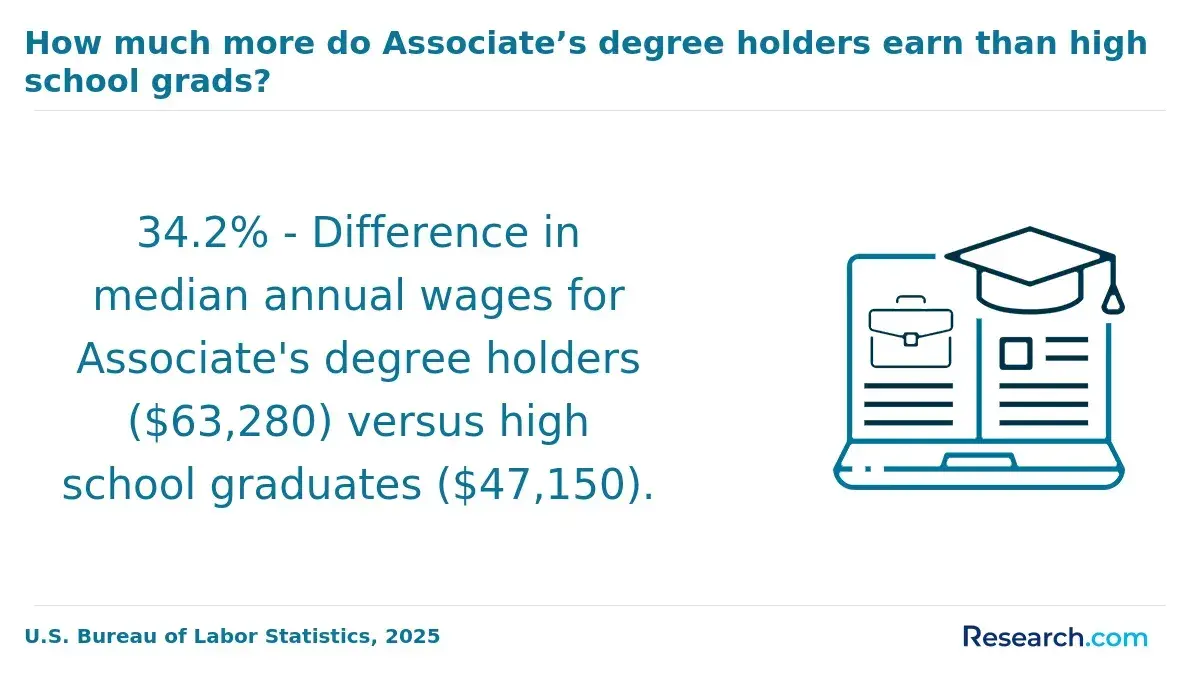
- Wage Premiums: Credential attainment in health sciences increasingly translates into higher wages and better job security.
Post-pandemic workforce shifts have heightened demand for health sciences professionals, making the field more accessible and attractive to career changers over 30. The educational infrastructure now supports adult learners robustly through flexible course options, credit for prior learning, and tailored advising-helping them achieve degree goals efficiently. Adults exploring these opportunities may consider programs like healthcare administration degrees for practical and affordable pathways. The benefits of earning a health sciences bachelor's degree after 30 include improved career prospects and meeting growing labor market demands.
What Are the Most Common Challenges Adults Over 30 Face When Pursuing a Health Sciences Degree?
- Time Constraints: Balancing employment and family duties often leaves adult learners with minimal study time, causing delays or breaks in their education. Research by Complete College America confirms that these competing demands are a major factor in extended degree completion timelines.
- Financial Pressures: Compared to recent high school graduates, adult students frequently manage tighter budgets and fewer financial aid options. Costs for tuition and materials, combined with potential lost wages, intensify stress and can lead to pauses in schooling as reported by the Bill & Melinda Gates Foundation.
- Technology Gaps: Adults may struggle with new learning platforms and digital tools, which can create frustration and hinder progress, especially for those who did not grow up with these technologies.
- Imposter Syndrome: Feelings of self-doubt about academic abilities are common, fueled by concerns over competing with younger classmates or mastering complex health sciences concepts. This psychological hurdle affects motivation but can be overcome with targeted support.
- Navigating Academic Bureaucracy: Understanding enrollment procedures, credit transfers, degree criteria, and aid rules can be overwhelming without clear guidance, leading to administrative delays and increased anxiety.
Most adult health sciences students encounter at least two or three of these challenges simultaneously, a reality that should lessen self-blame and encourage realistic approaches to overcoming obstacles.
A professional who pursued a health sciences bachelor's degree after 30 shared his experience highlighting obstacles beyond the typical barriers. He described initial frustration when trying to decipher complex requirements and conflicting advice from academic advisors, which made enrollment feel daunting. "It was like starting fresh in a foreign system," he recalled. Financial strain was eased somewhat by employer tuition support, yet juggling night classes with parenting remained exhausting. He noted moments of intense self-doubt, wondering if he could keep pace without sacrificing family time. However, access to tailored tutoring and peer groups helped rebuild confidence, while flexible course options offered necessary breathing room. His journey underscored that with proper resources and persistence, these challenges don't have to block success but can become part of the growth process.
Adult learners pursuing a bachelor's degree in health sciences benefit from a range of program formats tailored to their unique needs and schedules.
- Fully Online programs require no campus visits, making them ideal for those balancing work or family, with institutions like WGU and Arizona State Online offering asynchronous options that let students study at their own pace.
- Hybrid formats combine online learning with occasional in-person classes, suited for individuals who want some face-to-face interaction without a full campus commitment.
- Evening and Weekend On-Campus programs schedule classes outside regular business hours, supporting working adults who prefer traditional semester structures while maintaining full-time employment.
- Competency-Based Education (CBE): This approach emphasizes skill mastery over time-in-class, enabling students-especially veterans and career changers-to accelerate completion by earning credit for prior knowledge.
- Accelerated Cohort Models: These fast-paced programs move students through courses as a group, providing structure and peer support for those aiming to finish quickly.
Choosing the best format depends on personal lifestyle, learning preferences, and career goals. Flexible health sciences degrees for over 30 students often recognize prior learning and offer robust support, as seen in programs from institutions like SNHU. For adults evaluating financing and time-to-degree, exploring options such as the cheapest dnp programs online can provide insights into affordable pathways within health sciences education.
Adults over 30 pursuing a health sciences bachelor's degree can expect widely varying timelines influenced by enrollment status, prior credit transfer, and program design. Full-time students generally complete their degrees in about four years, reflecting traditional pacing, while part-time learners often extend beyond six years due to balancing work and family. Prior learning assessment (PLA), CLEP exams, and military credit transfers offer significant time reductions, sometimes cutting a year or more by recognizing previous experience and coursework.
Accelerated programs tailored for adult learners provide compressed schedules with evening, weekend, or online classes. Those entering with 30 or more transferable credits may finish in as little as two to three years, blending flexibility with speed. Constructing a personalized plan involves reviewing current credits, weekly availability, and graduation goals to predict a realistic timeline. Data from NCES shows nearly 60% of adults completing bachelor's degrees in 2023 utilized credit transfer or PLA, reflecting these options' critical role.
- Enrollment Status: Full-time study typically requires around four years, while part-time students should anticipate longer durations to accommodate external commitments.
- Prior Credit Transfer: PLA, CLEP, and military credits can reduce required coursework, accelerating degree completion by up to a year or more.
- Accelerated Programs: Targeted formats for adults, including hybrid and condensed courses, enable faster completion, sometimes in two to three years.
- Personalized Timelines: Assessing your existing credits and weekly schedule is vital to creating an achievable graduation plan.
- Recent Trends: A majority of adult learners relied on prior credit recognition in 2023, highlighting its growing importance in the health sciences field.
Reflecting on her journey, a professional who earned a health sciences bachelor's degree after 30 described initially feeling overwhelmed by the challenge of balancing studies, work, and family life. She emphasized how leveraging her military credits and taking advantage of PLA was crucial in shortening her path and boosting confidence. "It wasn't just about faster completion," she shared, "but about making each course relevant to my experience." With a flexible program that allowed evening classes and online options, she managed to stay engaged without sacrificing her commitments. Looking back, she encourages others to thoroughly research credit transfer possibilities and plan realistically, noting that success comes not only from speed but from aligning education with life's demands.
Financial support for adults pursuing a bachelor's degree in Health Sciences is more accessible than often assumed. The Federal Student Aid office confirms that aid is available to students of all ages, including those over 30, as long as the Free Application for Federal Student Aid (FAFSA) is completed-this is the essential first step for unlocking funding.
- Federal Financial Aid: Includes Pell Grants, which don't require repayment, along with subsidized and unsubsidized loans. Eligibility depends on factors like income and enrollment status rather than age.
- Employer Tuition Assistance Programs: Many employers reimburse tuition partially or fully for degrees related to current jobs, so employees in healthcare roles should check with HR for such benefits.
- State Adult Learner Grants: Various states offer grants or scholarships aimed specifically at adults returning to college, usually with more flexible qualification standards than traditional student funding.
- Scholarships from Health Sciences Professional Associations: Several associations provide scholarships targeting health sciences students, often factoring in work experience, career goals, or demographics.
- Income-Share Agreements (ISAs): These emerging options allow students to repay based on future earnings rather than upfront tuition, easing immediate financial burdens-especially useful for career changers.
Comparing tuition costs helps identify affordable routes-online programs generally cost less than private campus-based options, while public universities often offer the most economical traditional choices. Prior learning credits and military experience recognition can accelerate degree completion and reduce expenses.
To maximize funding availability before considering loans, adults should:
- Submit FAFSA applications promptly to access federal aid.
- Investigate employer tuition reimbursement policies.
- Search for relevant state grants for adult students.
- Apply for scholarships linked to health sciences fields.
- Explore certificates and transfer credits to shorten time and cost.
Enrollment of students aged 25 and older increased by 39% between 2010 and 2020, highlighting the growing demand and expanding support for adult learners in higher education.
Employers consistently place a high value on a regionally accredited health sciences bachelor's degree, regardless of whether graduates earn it at 22 or after 30. Data from a 2023 Society for Human Resource Management (SHRM) survey highlights that hiring managers prioritize the accreditation and quality of the degree over the candidate's age or the time taken to complete it-confirming that age is rarely a barrier when industry standards are met.
In many health sciences sectors, including healthcare administration, public health, and hospital management, a bachelor's degree is a non-negotiable baseline for employment. Employers view obtaining this credential as evidence of dedication and capability without discounting the graduate's age or timeline for completion.
- Professional Maturity: Adult learners often bring enhanced professionalism, reliability, and a strong work ethic shaped by life experience.
- Real-World Experience: Many adult students combine prior work or military experience with their education, providing practical skills highly valued by hiring managers.
- Credential Recognition: Applications and background checks verify the degree earned, not the graduate's age, ensuring fair eligibility.
- Industry Demand: According to LinkedIn Workforce Insights, a growing trend in 2024 shows mid-career entrants with health sciences degrees strengthening the workforce.
Ultimately, a well-earned health sciences bachelor's degree completed after 30 holds equal respect and effectiveness in opening career opportunities as one earned earlier, underlining the value of perseverance combined with relevant experience.
For adults pursuing a health sciences bachelor's degree, prior work experience credit in health sciences bachelor or other accelerated programs plays a crucial role in shortening degree completion timelines. Many colleges offer pathways to convert professional background into academic credit using several mechanisms, effectively reducing the time and cost of finishing a degree.
- Prior Learning Assessment (PLA): This process allows adult learners to prove college-level skills through portfolios or challenge exams. The Council for Adult and Experiential Learning (CAEL) highlights that students can earn up to 30 credits via PLA, nearly a year's worth of coursework, especially in healthcare-related fields.
- Portfolio Evaluation: Students document their employment history, certifications, and competencies in a portfolio reviewed by faculty. This is common for those returning to school after years in nursing, healthcare administration, or medical assisting.
- CLEP and DSST Exams: The College-Level Examination Program (CLEP) and DANTES Subject Standardized Tests (DSST) let students test out of introductory classes. Many accredited institutions accept these exam credits, enabling faster progression.
- ACE-Recommended Credit: The American Council on Education (ACE) recommends credit for specific professional training and certifications, such as Certified Medical Assistant or Emergency Medical Technician credentials, which align well with health sciences programs.
Admissions offices tend to value non-traditional applicants by assessing how professional background influences health sciences degree completion after 30. Presenting experience as academic readiness rather than educational gaps improves application strength. Schools like Excelsior College, Thomas Edison State University, and Charter Oak State College lead in PLA programs, sometimes awarding up to 40% of degree credits through these options.
Adults with relevant work history can also explore the best online radiology tech programs, which often integrate prior learning credit policies that suit working learners balancing family or career.
Admission requirements for health sciences bachelor's degree programs designed for adult learners, especially those over 30, often accommodate unique life circumstances with greater flexibility than traditional undergraduate programs. Institutions typically ask for a Minimum GPA from prior college work, usually around 2.0 to 2.5 on a 4.0 scale. However, some schools with open or rolling admissions may waive strict GPA rules if applicants demonstrate relevant experiences or skills. This flexibility is a key aspect of health sciences bachelor's degree admission requirements for adult learners aiming to reenter academia.
- Standardized Test Waivers: Many programs waive SAT or ACT requirements for students over 25, valuing prior learning and work experience over test scores.
- Letters of Recommendation: Applicants often provide one or two letters from employers, instructors, or professionals who can attest to their readiness and motivation. Some programs allow military or work experience to partially substitute these letters.
- Personal Statement: A thoughtfully written personal statement is required, enabling candidates to explain their career goals, commitment to health sciences, and any academic challenges they have faced.
- Residency and Transfer Credit Policies: Public institutions tend to prioritize in-state residents and carefully evaluate transfer credits, including military training, to avoid redundant coursework and accelerate progress.
- Addressing Low GPA: Adult applicants with low GPAs may explore academic renewal or grade forgiveness options, which exclude old poor grades from GPA calculations. Conditional admission tracks offering introductory courses also provide a pathway to full acceptance.
Those evaluating the minimum GPA for health sciences bachelor's programs for mature students should honestly assess past academic records and seek programs tailored for adult learners. Exploring fast pathways can be valuable-consider options like the fast track nutrition degree online as one example of accelerated credentialing. By gathering documentation and targeting flexible institutions, career changers, veterans, and parents returning to the workforce can find suitable programs matched to their unique profiles.
Adult learners pursuing a health sciences degree often juggle significant responsibilities that challenge degree completion. Caregiving duties for children or elderly relatives reduce study availability, while full-time employment further constrains scheduling flexibility. Financial pressures add complexity, with many balancing tuition and living expenses simultaneously. Time management techniques like dedicated study blocks, digital planners, and the Pomodoro method help adult students focus amid competing demands. Programs offering evening, weekend, or online classes provide necessary flexibility to accommodate diverse schedules.
Support networks are crucial for success. Employers who offer adjustable hours or remote work options enable students to attend to coursework without sacrificing income. Family and spousal assistance lighten caregiving loads, while institutional resources such as campus childcare and emergency financial aid offer critical relief. Establishing early communication with adult learner services allows students to access tailored resources designed specifically for their needs.
Before enrolling, evaluating personal support and opening dialogue with educational institutions can facilitate smoother progress through health sciences programs. Proactive planning and leveraging available accommodations greatly enhance the likelihood of timely degree completion.
- Caregiving Responsibilities: Managing childcare or eldercare limits study time and calls for personalized scheduling to maintain steady progress.
- Employment Demands: Full-time jobs restrict flexibility, making evening, weekend, and online class options essential for balancing work and education.
- Time Management Strategies: Using structured study periods and methods like Pomodoro helps prioritize tasks and improve focus.
- Support Systems: Employer flexibility and family support are vital, complemented by campus childcare services and emergency financial aid programs.
- Proactive Engagement: Early contact with adult learner services connects students to necessary accommodations and resources.
Adults pursuing a health sciences bachelor's degree face complex demands balancing work, family, and studies. Research from the National Student Clearinghouse and Complete College America highlights that programs with intensive advising show notably higher adult learner completion rates. It is essential for prospective students to verify each program's support infrastructure before committing.
- Dedicated Adult Learner Advisors: Advisors with expertise in adult education provide personalized assistance on course planning and managing multiple responsibilities, helping students navigate academic and personal challenges.
- Prior Learning Assessment Offices: These offices evaluate previous professional experience, military service, or informal learning for credit, reducing time-to-degree and preventing unnecessary repetition of coursework.
- Evening and Weekend Tutoring: Flexible tutoring schedules accommodate adults' varied availability, ensuring convenient access to academic help outside traditional hours.
- Virtual Library Access: Online research tools and digital resources enable adult learners to study remotely, crucial for those balancing education with other commitments.
- Career Services for Career Changers: Targeted career counseling and job placement support assist adults shifting into health sciences fields by identifying relevant opportunities and preparing them for workforce demands.
- Peer Networks for Non-Traditional Students: Community groups and online forums build social connections among adult learners, fostering support and reducing isolation during their academic journey.
When evaluating health sciences programs, confirming the availability of these services is crucial. Their presence strongly influences adults' persistence and on-time graduation, making them key considerations for learners over 30 advancing their education in this field.
What Graduates Say About Getting a Health Sciences Bachelor's Degree After 30
- Dante: "Returning to school after 30 was daunting, but the financial support options available through the program made it manageable-scholarships and flexible payment plans really eased the burden. I also appreciated the program's accreditation, which assured me that my degree would carry weight in the job market. Ultimately, this education empowered me to transition confidently into a rewarding healthcare career."
- Collin: "Reflecting on my journey, the value of enrolling in an accredited health sciences program cannot be overstated-it opened doors I hadn't imagined possible. The tailored financial support gave me the freedom to focus on my studies without constant worry about expenses. Now, I am proud to say that this degree directly influenced my advancement into a professional role that feels both challenging and fulfilling."
- Dylan: "My experience in the health sciences bachelor's program as a mature student was incredibly enriching. The career outcomes were tangible-networking opportunities and hands-on training translated into real job offers. Plus, knowing the program was accredited provided peace of mind, and the financial aid options meant I could attend without unnecessary stress."
Other Things You Should Know About Health Sciences Degrees
No. Many programs admit students from non-science majors if they meet general admission rules and finish prerequisite courses, often including anatomy, physiology, chemistry, and statistics. Some schools let students complete those prerequisites during the first year before upper-division Health Sciences classes.
Yes, several universities offer accelerated Health Sciences bachelor's programs that recognize prior learning and professional experience. These programs often allow adults over 30 to transfer previously earned college credits or receive credit for work experience, reducing the time and cost needed to complete their degree. This approach is particularly beneficial for those balancing work and family responsibilities.
A frequent misconception is that it's too late to start a degree or that older students won't fit in with younger classmates. In reality, many adult learners successfully complete their degrees and thrive in diverse cohorts. Another myth is that education after 30 doesn't impact career growth, but data shows adult graduates often experience measurable career improvements and employer recognition.
Adults over 30 should consider programs that offer flexible scheduling, online course options, and credit for prior learning. Evaluating the program's accreditation, faculty expertise, and connection to healthcare employers ensures the education is relevant and respected. Additionally, affordability and available support services for adult learners are critical factors for sustained success.
- Mature Students | Health Sciences University https://www.hsu.ac.uk/study/apply/how-to-apply/mature-students/
- How long does it take to become a doctor https://www.umhs-sk.org/blog/how-long-does-it-take-to-become-a-doctor
- How long does it take to earn a health sciences degree? https://www.herzing.edu/faq/how-long-take-health-sciences-degree
- Online Tuition-Free Bachelor's Degree in Health Science (BHS) https://www.uopeople.edu/programs/online-bachelors/health-science/
- Online College of Health and Human Services https://www.trident.edu/colleges/health-and-human-services/
- 35 Best Bachelors Degrees In Health Sciences https://www.bestcollegereviews.org/top/best-bachelors-degrees-in-health-sciences/
- 24 Mature students Bachelor Degree Complementary Health Scholarships available in Canada https://www.hotcoursesabroad.com/study/international-scholarships/canada/bachelor-degree/complementary-health/mature-students/all/32/124/h1/1175/nty/scholarship.html
- What to Expect as a Health Science Major https://www.grace.edu/what-to-expect-as-a-health-science-major/
- Riding the Health Degree Market Wave https://encoura.org/resources/wake-up-call/riding-the-health-degree-market-wave
- How Many Years is a Bachelor's Degree? https://www.snhu.edu/about-us/newsroom/education/how-long-does-it-take-to-get-a-bachelors-degree