2027 Is an Online Health Sciences Bachelor's Degree Worth It?

Co-Founder and Chief Data Scientist
Consider a working professional aiming to enter the health sciences field, yet bound by a full schedule and geographic limits. An online health sciences bachelor's degree offers a flexible solution, but is it truly a worthwhile investment?
According to the National Center for Education Statistics, online enrollment in health-related undergraduate programs increased by 18% in 2025, reflecting growing interest and acceptance. This article explores the value of pursuing such a degree online, evaluating career prospects, educational quality, and return on investment to help readers decide if this path fits their goals effectively.
Key Things to Know About the Value of an Online Health Sciences Bachelor's Degree
- An online health sciences bachelor's degree often offers flexible schedules and accredited programs, making it suitable for working parents, veterans, and mid-career professionals aiming to balance life goals with education.
- Many military-friendly programs offer generous transfer credit policies and financial aid, improving return on investment by reducing overall costs and accelerating time to degree completion.
- Graduates can expect enhanced professional opportunities in healthcare administration and public health-fields projected to grow 15% by 2030-supporting career advancement and graduate school eligibility.
What Are the Real Costs of Earning an Online Health Sciences Bachelor's Degree, and How Do They Compare to On-Campus Programs?
Tuition per credit hour for online health sciences bachelor's programs generally ranges from $300 to $600, according to IPEDS data and the College Board's Trends in College Pricing report. By comparison, traditional on-campus programs tend to charge between $350 and $700 per credit hour. This difference forms the baseline for a cost comparison of online health sciences bachelor's degrees versus on-campus programs.
- Fees: Both formats often include technology, registration, and lab fees. Online students typically pay a technology fee of around $100 to $200 per semester to support digital learning platforms and remote student services.
- Required Technology: Online learners need reliable hardware and high-speed internet, adding approximately $500 annually in expenses. While on-campus students may require similar technology, the reliance is generally less intensive.
- Indirect Costs: Online students save significantly on commuting, housing, and campus meal plans. However, some might face childcare or home workspace expenses.
- Accredited Programs Below National Average: Notable affordable options include the University of Florida, Regis University, Arizona State University, and East Carolina University, all offering accredited online health sciences bachelor's degrees priced below the national average.
When assessing total expenses and financial aid options for online health sciences bachelor's degree students, it's important to differentiate sticker price from net price. The sticker price covers published tuition and fees, but financial aid such as scholarships, grants, employer tuition reimbursement, and military benefits can reduce out-of-pocket costs dramatically.
Many institutions offer net price calculators to estimate personalized expenses. In exploring cost-effective routes to advance your career, also consider related specialized training like the medical billing and coding course, which some students use alongside their degree for immediate workforce entry.
What Is the Return on Investment (ROI) of an Online Health Sciences Bachelor's Degree Over a Career Lifetime?
The return on investment (ROI) for an online health sciences bachelor's degree measures how the total cost of the degree, including tuition, fees, books, and time, compares to the projected lifetime earnings gained through the degree. Key research from the Georgetown University Center on Education and the Workforce shows that bachelor's degree holders in health sciences typically earn more over their careers than those with only a high school diploma.
The PayScale College ROI Report supports this by highlighting starting salaries and mid-career income for health sciences graduates, demonstrating the financial benefits of this educational path. To estimate ROI, total expenditures for the degree should be weighed against future income increases attributed to the credential.
For instance, a degree costing $40,000 with an average annual earnings increase of $15,000 compared to a non-degree holder could see a payback period of just a few years. Over longer spans, such as 10 or 20 years, additional earnings typically far exceed initial costs, emphasizing the value over a career.
- 10-Year ROI: Low-cost online health sciences programs commonly show positive returns within the first decade, producing earnings 20-30% higher than individuals without a degree.
- 20-Year ROI: Over two decades, returns often surpass national averages for all bachelor's degrees, supported by steady healthcare sector demand and salary growth.
- Cost Comparison: Online programs tend to lower expenses through reduced tuition and avoided relocation, improving ROI against traditional programs.
- Career Impact: Beyond salary, the degree enhances opportunities for advancement, leadership, and professional accreditation, boosting overall value beyond financial metrics.
Non-monetary returns also contribute significantly to ROI. Job satisfaction is often high due to meaningful work in health sciences. Accredited credentials increase career mobility and recognition, enabling transitions within healthcare and graduate studies.
For prospective students prioritizing seamless advancement and cost efficiency, options like a nursing school without TEAS test may complement an online health sciences degree. This holistic approach, blending financial and intangible benefits, ensures a comprehensive view for those evaluating long-term career earnings with an online health sciences bachelor's degree.
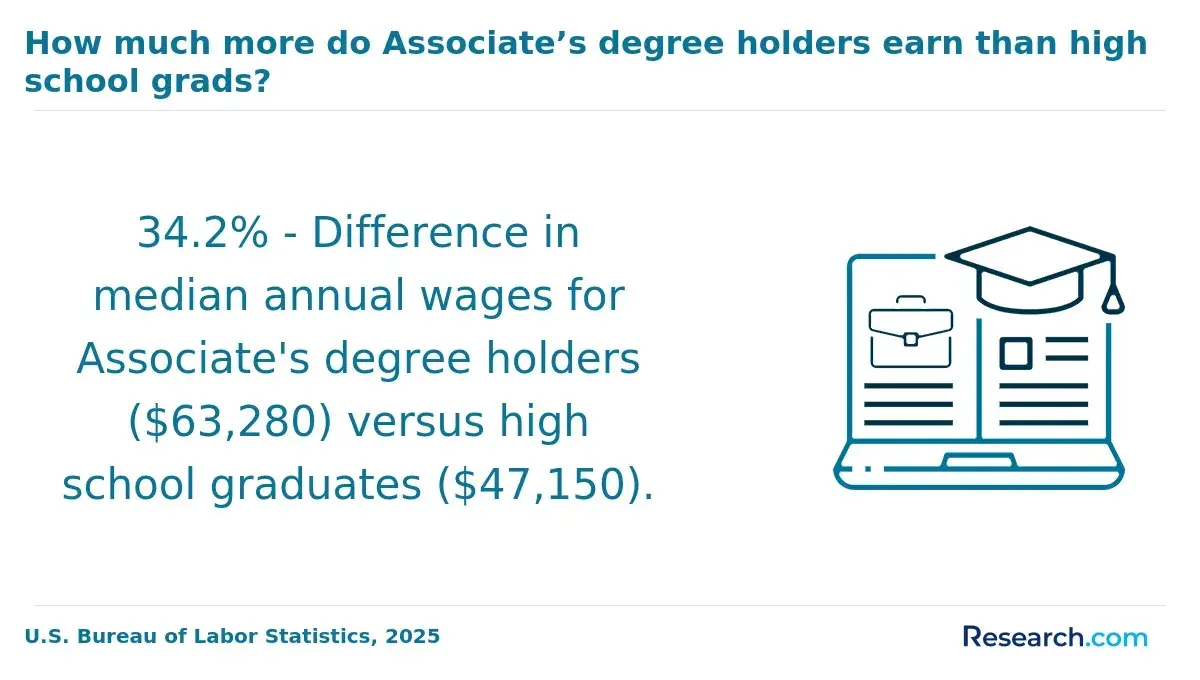
How Do the Salary Outcomes for Online Health Sciences Bachelor's Graduates Compare to Those With Traditional Degrees?
As online education becomes more widely accepted, employers increasingly evaluate candidates based on skills and credentials rather than whether a degree was earned online or on campus. Understanding how these factors shape earnings helps prospective students assess the true value of different program formats.
- Starting Salaries: Median entry-level earnings for those holding a bachelor's degree in health sciences usually fall between $40,000 and $50,000, influenced by factors like local job markets and specialization. Data show negligible variation between online and on-campus graduates once institutional prestige and regional employment conditions are accounted for.
- Mid-Career Earnings: With experience, health sciences graduates commonly see salaries increase to approximately $70,000-$80,000. Advanced certifications and years in the field tend to play a more critical role in income growth than whether the degree was earned online or face-to-face.
- Institution-Specific Outcomes: Several affordable online programs release transparency reports or IPEDS data showing alumni salary trends on par with traditional students. These findings suggest employer recognition is closely tied to accreditation quality and program reputation rather than delivery method.
- Influencing Factors: Geographic location, further education, and chosen health sciences specialties significantly impact salary trajectories more than learning format. For instance:Employment hubs and metropolitan regions commonly offer higher pay scales compared to rural areas.Graduates entering leadership or specialized clinical roles often achieve elevated compensation levels.
Reflecting on these realities, a professional who completed an online health sciences bachelor's degree shared that balancing coursework with family obligations was a challenge but ultimately rewarding. He described navigating credit transfers and selecting a program with solid institutional support as key to managing his progress.
While he initially worried about employer perceptions of an online degree, his experience proved that demonstrable skills and accreditation mattered most. "It wasn't about how I earned the degree, but what I did with it afterward," he noted, emphasizing that practical experience combined with a recognized credential helped him secure opportunities comparable to peers with traditional degrees.
Graduates holding an online health sciences bachelor's degree can pursue several career pathways with promising job outlooks, according to the latest data from the Bureau of Labor Statistics and O*NET OnLine. Many roles require only a bachelor's degree, while others need certification, licensure, or further graduate education. These distinctions influence long-term career planning and earning potential.
- Health Services Manager: Professionals in this area oversee healthcare facility operations such as hospitals or nursing homes. A bachelor's degree is often adequate, yet advanced roles may favor candidates with graduate credentials. Demand for these positions is expected to grow substantially as healthcare systems expand.
- Community Health Educator: These specialists focus on promoting wellness and disease prevention through educational initiatives. Obtaining certifications like Certified Health Education Specialist (CHES) can improve employment chances. Growth in this field remains steady due to ongoing public health priorities.
- Healthcare Analyst: Analysts apply data insights to enhance patient care and operational efficiency. Employers seek candidates with strong analytical abilities combined with health sciences expertise. This sector is rapidly expanding alongside the adoption of data-driven healthcare.
- Health Informatics Specialist: This role blends healthcare knowledge with IT skills to manage electronic health records and informatics systems. Post-degree certification often enhances career opportunities. The field is experiencing swift growth as technology becomes integral to healthcare delivery.
- Pre-Professional Roles: Many graduates leverage the bachelor's degree as a foundation for advanced studies in nursing, physician assistant programs, or health administration, which require further education but build on core health sciences competencies.
Choosing a concentration within an online health sciences bachelor's degree program, such as public health, healthcare management, or informatics, allows students to broaden or specialize their skill sets, directly impacting job prospects and suitability for in-demand roles. For those considering long-term advancement, exploring financial aspects like the cost of MHA degree can inform decisions about continuing education to improve career outcomes.
Student success in online bachelor’s programs depends heavily on access to structured, reliable support systems. Across disciplines, institutions design student support services to improve academic performance, strengthen engagement, and increase retention by addressing both academic and personal challenges in a flexible learning environment.
- Academic Advising: Personalized advising guides students through course options, degree pathways, and credit transfers, crucial for veterans and working adults balancing schedules. Advisors help translate military or work experience into academic credit and offer flexible planning tailored to individual needs.
- Tutoring Centers: Online tutoring offers support in foundational subjects such as biology, chemistry, and healthcare ethics with synchronous and asynchronous options, accommodating diverse learning styles and time constraints.
- Writing Labs: Virtual writing assistance improves skills for research assignments, case reports, and professional communications essential to success in health sciences curricula and future roles.
- Mental Health Counseling: Telehealth counseling provides accessible emotional and psychological support, helping students manage stress, anxiety, and other issues that can impact academic persistence and overall well-being.
Research from the National Survey of Student Engagement and institutional data consistently link comprehensive student support systems to higher retention and on-time graduation rates in online health sciences programs. These integrated services remain among the strongest indicators of academic success and degree completion.
Reflecting on her experience, a professional who completed an online health sciences bachelor's degree recalls navigating occasional self-doubt and time management challenges while juggling work and family. She valued the accessible advising and mental health counseling most, saying, "Knowing I could get help when I needed it, without leaving my home, made a huge difference."
The internship coordination opened doors to practical experiences that solidified her confidence entering the workforce. Her story highlights how well-structured student support can transform barriers into stepping stones.
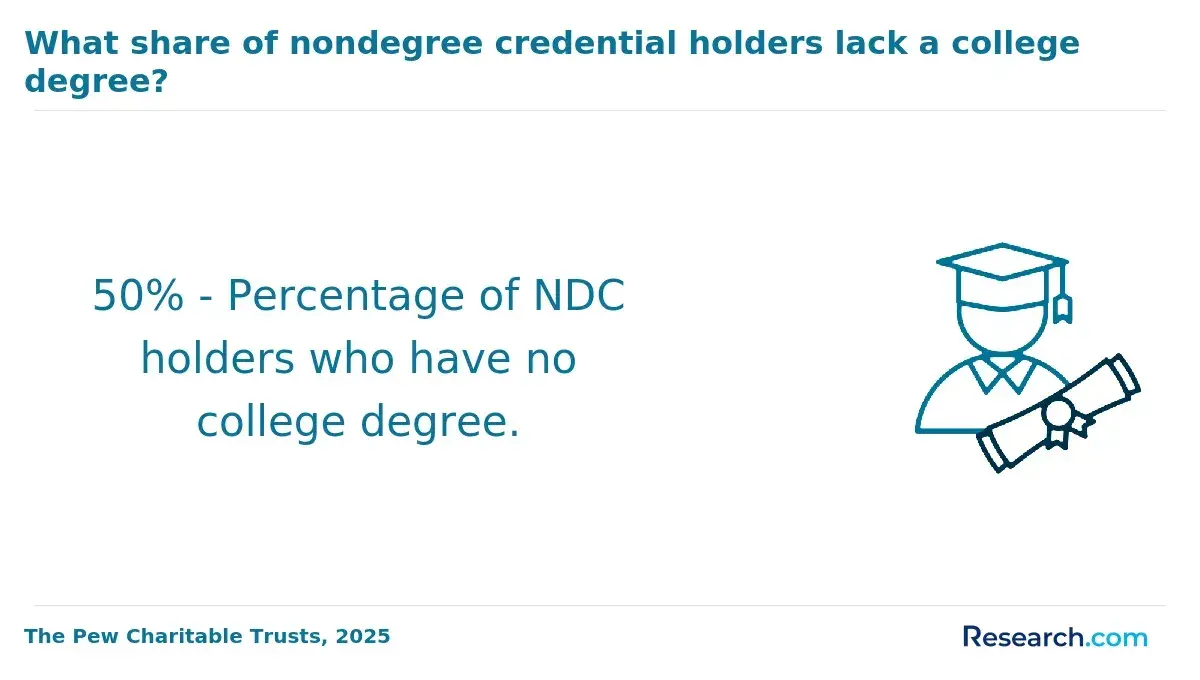
Recent data from the Society for Human Resource Management (SHRM) and Gallup highlight a growing acceptance of online health sciences degrees by employers, especially when programs hold recognized accreditation. More than 70% of HR professionals now express confidence in candidates with online credentials, indicating a significant shift in hiring attitudes.
Still, the acceptance varies by specialty. Administrative, informatics, and public health education roles typically treat online degrees as equivalent to traditional ones, while clinical fields like nursing or physical therapy often favor traditional or hybrid pathways due to licensing and hands-on requirements. Employers such as Kaiser Permanente and major healthcare consultancies actively recruit graduates from reputable online programs.
University-reported employment outcomes for online health sciences graduates further support their viability in competitive job markets. However, prospective students should research employer attitudes within their desired industry to gauge how an online degree will be perceived. Analyzing job descriptions, networking with professionals, and reviewing alumni success can provide valuable guidance.
Accreditation remains critical-programs accredited by recognized bodies carry more weight with employers than the delivery method of the degree. Ultimately, understanding employer perspectives specific to career goals aids in selecting programs that maximize long-term career prospects.
- Employer Acceptance: Surveys from SHRM and Gallup report that over 70% of HR professionals trust online health sciences credentials from accredited institutions, reflecting rising confidence.
- Field Equivalence: Online degrees are viewed as equal to campus degrees in administration and public health roles; however, clinical positions often require traditional or hybrid education for licensure.
- Major Recruiters: Leading healthcare organizations like Kaiser Permanente recruit graduates from respected online programs, indicating industry acceptance.
- Research and Networking: Investigating employer expectations via job postings and alumni networks helps confirm an online program's value in targeted career paths.
- Accreditation Importance: Accreditation status strongly influences employer respect and is often more decisive than whether a degree was earned online or in person.
Regional accreditation holds greater value than national accreditation for online health sciences bachelor's programs because it ensures smoother transferability of credits, higher employer acceptance, and better eligibility for graduate school. National accreditation often applies to vocational or technical schools, but usually lacks the widespread recognition that regional accreditation commands in the Health Sciences field.
The U.S. Department of Education recognizes six primary regional accrediting bodies:
- Higher Learning Commission (HLC): Covers institutions in the central United States.
- Southern Association of Colleges and Schools Commission on Colleges (SACSCOC): Oversees schools in the southern states.
- New England Commission of Higher Education (NECHE): Accredits institutions in the northeastern U.S.
- Middle States Commission on Higher Education (MSCHE): Serves schools in the mid-Atlantic region.
- Northwest Commission on Colleges and Universities (NWCCU): Covers the northwest states.
- WASC Senior College and University Commission (WSCUC): Accredits institutions in California and the western U.S.
Students can verify accreditation status through official databases maintained by the Council for Higher Education Accreditation (CHEA) or the U.S. Department of Education (ED). These resources help avoid programs with unrecognized or lapsed accreditation. Health Sciences programs may also hold specialized programmatic accreditation, such as from the Commission on Accreditation of Allied Health Education Programs (CAAHEP).
Attending an unaccredited or lapsed program risks losing federal financial aid eligibility, encountering non-recognition of degrees by employers, and facing credit transfer difficulties. According to recent data from the National Student Clearinghouse, enrollment in regionally accredited institutions increased by 2.5%, highlighting the importance of choosing accredited programs.
Completing an online health sciences bachelor's degree typically requires around 120 credit hours, equating to about four years of full-time study. This standard framework forms the baseline timeline; however, factors affecting the duration of online health sciences degree programs can shorten or extend this period considerably. Students who opt for accelerated eight-week course formats often finish sooner, as these courses concentrate learning in compressed terms.
Competency-based education (CBE) pathways offer another flexible option, allowing learners to advance by demonstrating mastery rather than spending fixed time in class, ideal for those with prior knowledge or experience. Programs with year-round enrollment, including summer, fall, and spring terms, further enable motivated students to maintain consistent progress and potentially complete their degree in two to three years.
For instance, Western Governors University's competency-based health-related bachelor's degree averages about two to three years for completion, depending on individual pace. Southern New Hampshire University also offers accelerated eight-week courses that allow full-time students to graduate in roughly three years. These shorter timelines reduce direct tuition expenses and minimize the opportunity cost of delayed full-time employment after graduation.
When planning your path, consider your schedule, prior credits, and preferred learning style carefully. Transfer credits from previous college courses or military training can significantly impact your program length if accepted. Informed evaluation of these variables is essential to understanding your personal average time to complete an online health sciences bachelor degree.
- Credit Requirements: Most online health sciences bachelor degrees require close to 120 credit hours, which traditionally equates to about four years of full-time study, providing a standard baseline timeline.
- Accelerated Courses: Eight-week course formats allow students to focus on fewer subjects at once, speeding up semester completion and enabling faster overall degree completion.
- Competency-Based Education: CBE programs let learners progress through mastering skills rather than adhering to set class hours, benefiting those with prior knowledge or experience.
- Year-Round Enrollment: Continuous enrollment across multiple terms, including summer, helps avoid study breaks and reduces total time to graduation.
- Transfer Credits: Acceptance of prior college or military credits can shorten program length significantly.
- Cost and Opportunity: Accelerated timelines lower tuition costs and reduce time away from full-time employment, making degree completion financially advantageous.
Military veterans and working adults often explore how these flexible options fit their unique needs. Additionally, students interested in foundational nursing degrees might also consider an online ASN program as a complementary option. Each element plays a key role in shaping the most practical and cost-effective route toward health sciences expertise and career advancement.
Financial aid options for online health sciences bachelor's programs under $10,000 include several primary sources designed to ease tuition costs and increase accessibility. Applying early to the Free Application for Federal Student Aid (FAFSA)-which opens October 1 annually-is essential since many funds are distributed on a first-come, first-served basis.
- Federal Pell Grants: Need-based grants for undergraduates showing financial need via FAFSA. These grants require no repayment and can notably reduce expenses.
- Direct Subsidized and Unsubsidized Loans: Federal loans with fixed interest rates and borrower-friendly repayment terms. Subsidized loans cover interest while enrolled for eligible students, whereas unsubsidized loans accrue interest immediately.
- Institution-Specific Scholarships: Colleges frequently award scholarships targeting online health sciences students based on merit, need, or demographics. Examples include the Healthcare Education Scholarship awarding up to $2,500 annually for students maintaining a minimum 3.0 GPA and the Online Health Scholars Award providing $1,500 to working professionals pursuing online degrees. Additionally, tuition assistance and employer reimbursement programs can be a vital resource.
- State Grant Programs: Many states offer grants for residents enrolled in accredited, online health sciences programs. Award amounts and eligibility vary by state, but often require proof of residency.
To optimize funding and minimize debt, students should layer multiple aid sources-combining grants, scholarships, employer tuition reimbursement, and federal work-study opportunities. Prospective students might also explore scholarships and tuition assistance for online health sciences students nationwide.
For those interested in advanced practice roles, researching specialized tracks like psychiatric NP programs can clarify continued education pathways and relevant funding.
Minimum GPA: Competitive online health sciences bachelor's programs typically require a cumulative high school GPA between 2.5 and 3.0, with more selective schools demanding higher academic standing. Open-enrollment programs often accept applicants with lower GPAs, focusing more on overall potential than strict grades.
- High School Diploma or GED: Completion of high school or an equivalent certification remains a universal prerequisite across all programs.
- Standardized Tests: While many institutions have adopted test-optional policies, some selective programs still require SAT or ACT scores for admission consideration.
- Prerequisite Coursework: Foundational classes in biology, chemistry, and math are often necessary, either completed in high school or through prior college credits.
- Strengthening Candidacy: Applicants who do not meet minimum criteria can improve their applications by taking relevant community college courses, obtaining credentials like CPR certification, or securing strong letters of recommendation from supervisors or educators.
Rolling admissions are common in online health sciences programs, enabling applicants to apply throughout the year rather than conforming to strict deadlines. This flexibility benefits working parents, veterans using transferable credits, and mid-career professionals balancing education with other commitments. Evaluating these admission requirements against one's academic record helps clarify potential preparatory steps to enhance acceptance chances.
Choosing the right online bachelor’s program requires aligning academic offerings with personal goals, career plans, and learning preferences. A careful evaluation of key factors such as curriculum quality, flexibility, cost, and support resources helps prospective students identify programs that meet admission requirements and support long-term success across different fields of study.
- Accreditation: Confirm that the program holds recognized regional or national accreditation validated by the U.S. Department of Education to ensure academic credibility and smooth credit transfer.
- Cost and ROI: Analyze the complete financial picture beyond tuition. Include technology fees, proctoring costs, textbooks, and potential residencies. Balance these with anticipated career earnings and advancement opportunities to understand true value.
- Program Format and Flexibility: Evaluate whether courses are synchronous or asynchronous and if part-time schedules are available to fit diverse life circumstances and learning styles.
- Career Outcomes Data: Find programs offering transparent graduate employment rates, salary averages, and regional placement stats to gauge realistic post-graduation prospects.
- Student Support Services: Prioritize access to tutoring, career guidance, technical support, and other resources that can improve student success and satisfaction.
- Transfer Credit Policies: Carefully assess how prior credits, especially military or previous college coursework, apply to avoid redundant classes and accelerate degree completion.
Utilize authoritative tools-such as the U.S. Department of Education's College Scorecard, the IPEDS Data Center, and specific institutional net price calculators-to create a detailed side-by-side comparison of your top programs. Remember to include hidden expenses that may not appear in base tuition figures.
What Graduates Say About the Value of Their Online Health Sciences Bachelor's Degree
- Dante: "I chose the online health sciences bachelor's degree program because of its flexibility and comprehensive curriculum, perfect for balancing work and study. The cost was very reasonable compared to traditional programs, and I quickly saw the return on my investment as I landed a managerial role within six months of graduating. This experience has truly transformed my career trajectory and boosted my confidence in the healthcare field."
- Collin: "Reflecting on my time in the online health sciences bachelor's degree program, I appreciate how practical and up-to-date the course content was. The financial commitment felt worth every penny, especially considering the scholarships and payment options available. Professionally, the program sharpened my skills and opened doors, allowing me to transition smoothly into a specialized healthcare analyst position."
- Dylan: "What drew me to the online health sciences bachelor's degree program was the opportunity to learn from experienced instructors without relocating. The affordability made it an accessible option, and I was pleased with the program's focus on real-world applications that improved my job prospects significantly. Since graduating, I've taken on more responsibilities at work and feel more equipped to contribute meaningfully to my team."
Other Things You Should Know About Health Sciences Degrees
Online health sciences bachelor's programs commonly use learning management systems to deliver coursework through video lectures, readings, discussion boards, and quizzes. Students typically experience a high degree of flexibility, allowing them to complete assignments on their own schedule. However, interaction with instructors and peers is often asynchronous, which means active time management is essential for success.
Many online health sciences bachelor's programs offer concentrations such as public health, health administration, clinical research, or healthcare informatics. These specializations enable students to tailor their education toward specific career paths within the broader health field. The selection of a concentration may impact future job opportunities and should align with the student's professional goals.
It should come from a regionally accredited college, and any program tied to licensure or clinical practice should also be approved by the relevant state board or professional accreditor. For some healthcare graduate paths, admissions offices also expect prerequisite courses to be listed on an official transcript.
- What do you learn in a bachelor's in health science? | edX https://www.edx.org/resources/what-do-you-learn-in-a-bachelors-in-health-science
- Online Tuition-Free Bachelor's Degree in Health Science (BHS) https://www.uopeople.edu/programs/online-bachelors/health-science/
- Health Services/Allied Health/Health Sciences https://www.fastweb.com/directory/scholarships-for-health-services-allied-health-health-sciences-majors
- Accreditation for Online Colleges and Healthcare Education https://www.edumed.org/resources/accreditation-for-online-colleges/
- Are Online Healthcare Degrees Respected by Employers? https://www.chcp.edu/blog/are-online-healthcare-degrees-respected-by-employers/
- 6 Reasons to Finish Your Bachelor's Degree on a Physical Campus Versus Online https://www.nuhs.edu/6-reasons-to-finish-your-bachelors-degree-on-a-physical-campus-versus-online/
- The Return on Investment (ROI) of Earning a BSN Degree https://everynurse.org/return-on-investment-bsn-degree/
- 6 Things to Look For In a Health Science Program| University of Bridgeport https://www.bridgeport.edu/news/what-to-look-for-in-a-bachelors-in-health-science-program/