2027 Online Family Nurse Practitioner Doctorate Programs with Practicum, Internship, Clinical, or Fieldwork Requirements

Co-Founder and Chief Data Scientist
Choosing an online Family Nurse Practitioner doctorate is not just about coursework; it is about whether you can complete required supervised practice. Nurse practitioner roles remain in strong demand, with the U.S. Bureau of Labor Statistics projecting 46% employment growth for nurse practitioners from 2023 to 2033.
This guide is for RNs, BSN-prepared nurses, MSN-prepared nurses, and current NPs comparing online doctoral options. You will learn how practicum, clinical, internship, and fieldwork requirements affect location, cost, scheduling, licensure, and career value before you enroll.
Key Things You Should Know
- Most online Family Nurse Practitioner doctorates are DNP programs, and practice-focused DNP curricula commonly require supervised clinical practice, a scholarly project, and enough documented experience to meet doctoral practice expectations.
- Online does not usually mean fully remote. FNP students often need approved primary care clinical sites, qualified preceptors, background checks, immunizations, malpractice coverage, and compliance documentation before starting fieldwork.
- The decision should be based on placement feasibility as much as tuition. BLS data published for May 2024 reports a $129,210 median annual wage for nurse practitioners, but salaries vary by state, setting, experience, and certification.
Which Online Family Nurse Practitioner Doctorate Programs Require Practicum, Internship, Clinical, or Fieldwork Experience?
Online Family Nurse Practitioner doctorate programs with hands-on requirements are usually designed for advanced clinical practice rather than purely academic research. The most common degree is the Doctor of Nursing Practice, or DNP, with an FNP track or post-master's FNP pathway.
Students comparing online nurse practitioner programs should look beyond course delivery and verify exactly where, when, and how supervised experience must be completed.
The table below summarizes the main online doctoral pathways that may include practicum, clinical, internship, or fieldwork components. It helps clarify which students each pathway fits and why requirements differ.
| Program type | Typical student profile | Experiential requirement pattern | Best fit |
| BSN-to-DNP Family Nurse Practitioner | Registered nurses with a BSN who want to become FNPs and earn a doctorate in one pathway | Usually includes advanced practice clinical hours for FNP preparation, DNP practice hours, and a final scholarly or quality-improvement project | Nurses seeking initial FNP preparation and doctoral practice training |
| MSN-to-DNP with Family Nurse Practitioner track | MSN-prepared nurses who are not yet FNPs or who need additional population-focused preparation | May require FNP clinical rotations plus doctoral practicum or project hours, depending on prior coursework and certification | Nurses changing specialties or adding FNP preparation at the doctoral level |
| Post-master's DNP for certified FNPs | Licensed, nationally certified FNPs who already completed graduate clinical training | Often emphasizes systems leadership, evidence-based practice, policy, population health, and DNP project practice hours rather than entry-level FNP clinical rotations | Practicing FNPs seeking leadership, academic, or advanced practice development |
| DNP completion program | APRNs with prior graduate clinical education who need a practice doctorate | Usually requires a gap analysis of prior clinical hours and additional practice hours if the student has not met program expectations | Experienced clinicians who want a flexible doctoral completion route |
| PhD in nursing with FNP-related research focus | Nurses interested in research, faculty roles, or health systems scholarship | Generally emphasizes research, dissertation work, and possibly teaching or research practica rather than FNP clinical licensure preparation | Nurses whose primary goal is research rather than becoming an FNP clinician |
For students who want to diagnose, treat, prescribe where state law allows, and provide primary care across the lifespan, the practice-focused DNP is usually the more relevant doctoral option. A PhD can be valuable, but it is not usually the degree designed to prepare students for FNP certification if they do not already have that preparation.
What Are the Practicum, Internship, Clinical, and Fieldwork Requirements for Online Family Nurse Practitioner Doctorates?
Practicum, internship, clinical, and fieldwork are related terms, but they are not always interchangeable. In online FNP doctorate programs, these experiences connect remote coursework to supervised patient care, quality improvement, leadership, and evidence-based practice.
The table below defines the most common experiential terms. Understanding the differences can prevent applicants from underestimating the time, supervision, and documentation involved.
| Requirement | What it usually means | How it may appear in an FNP doctorate | Key question to ask |
| Clinical placement | Supervised patient-care experience in an approved healthcare setting | Primary care rotations in family practice, internal medicine, pediatrics, women's health, geriatrics, or community health | How many direct patient-care hours are required for the FNP track? |
| Practicum | Applied professional experience tied to course outcomes | May include DNP project work, leadership practice, population health, informatics, policy, or systems improvement | Do practicum hours count toward DNP practice-hour expectations, FNP clinical expectations, or both? |
| Internship | Structured supervised work experience, often broader than one clinical course | Less common as a label in nursing doctorates, but may describe extended practice immersion | Is the internship paid, unpaid, clinical, administrative, or project-based? |
| Fieldwork | Hands-on experience outside the online classroom | May include community assessment, population health projects, rural health initiatives, or organizational practice | Where can fieldwork be completed, and who must supervise it? |
Many DNP programs evaluate practice hours from a post-baccalaureate perspective. The commonly cited DNP practice expectation is at least 1,000 post-baccalaureate practice hours, although the exact mix of prior MSN hours, new DNP practicum, and project-related hours depends on the school's curriculum and verification process.
Applicants should also distinguish between FNP clinical hours and DNP project hours. FNP clinical hours focus on direct care competencies across the lifespan, while DNP project hours may focus on improving outcomes, implementing evidence, or evaluating a practice change. Both can be valuable, but one does not automatically replace the other unless the program and applicable credentialing standards allow it.
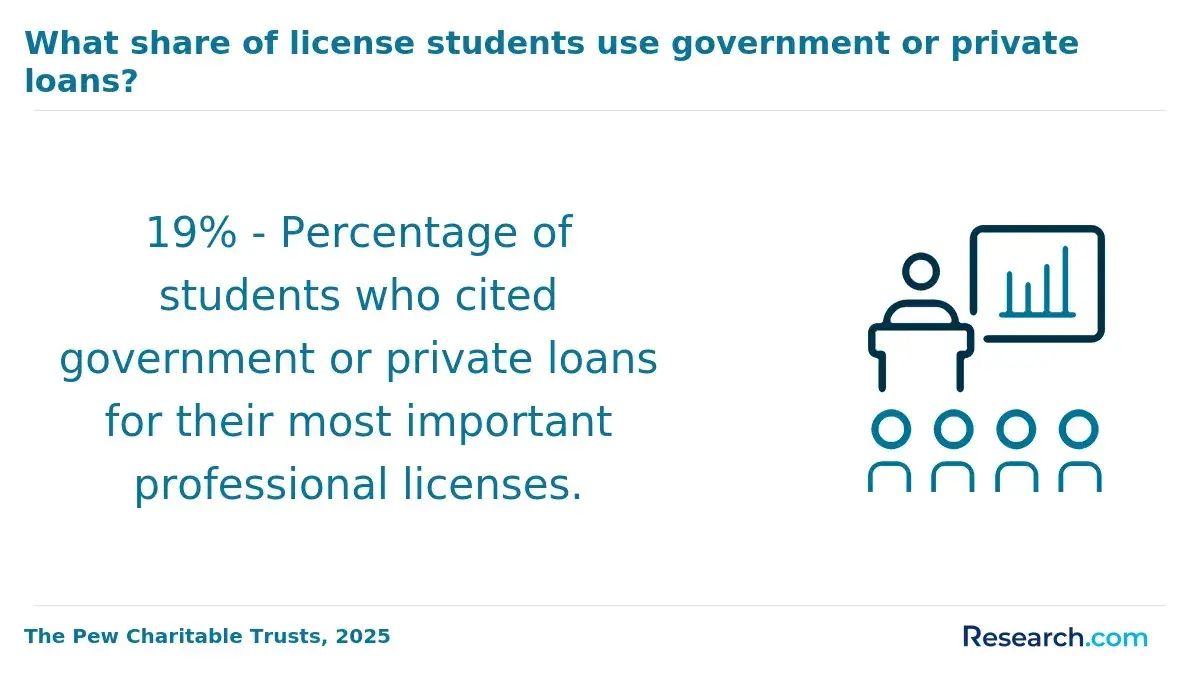
How Do Online Family Nurse Practitioner Doctorate Programs Arrange Practicum and Clinical Placements?
Placement policies are one of the biggest differences among online FNP doctorate programs. Some schools provide formal placement coordination, while others expect students to identify potential sites and preceptors for approval.
The program may still review credentials, affiliation agreements, state authorization, and patient-population fit even when students find the site themselves.
Before enrolling, students should ask direct placement questions in writing. The following steps help reduce the risk of finding out too late that a local placement is unavailable.
- Ask whether the school arranges clinical sites, assists with placement, or requires students to secure their own preceptors.
- Request the required number of direct clinical, practicum, project, residency, and immersion hours separately.
- Confirm whether the school has approved sites in your state, county, or commuting region.
- Ask whether affiliation agreements are already in place or must be created before you can begin.
- Verify preceptor requirements, including license type, board certification, specialty, experience level, and employment setting.
- Ask what happens if a preceptor withdraws, a site closes, or a placement is delayed.
- Request a written explanation of whether current employment sites can be used and under what conflict-of-interest rules.
A major red flag is vague language such as "students are responsible for clinical placement" without a clear approval process, backup plan, or timeline. That does not automatically make a program poor, but it does mean the student carries more logistical risk.
Students should also be realistic about competition for preceptors. Primary care practices, community clinics, and specialty sites may host students from multiple schools, and some regions have limited availability. A program with strong placement advising can save time, but no school can ignore state authorization, site capacity, or supervisor qualification rules.
Many students can complete online FNP doctorate fieldwork near home, but it depends on the school's state authorization, the availability of approved clinical sites, preceptor qualifications, and whether the required patient populations are accessible locally.
"Near home" may mean a local clinic for some students and a multi-hour commute for others, especially in rural or saturated placement markets.
The table below shows common location scenarios and what each one means for planning. Use it to evaluate whether a program's online format truly fits your geography.
| Student situation | Placement feasibility | Planning concern | What to verify |
| Lives in a large metro area | Often more site options, but also more competition | Multiple schools may compete for the same preceptors | Whether the school already places students in your city |
| Lives in a rural area | Possible, but may require travel to reach diverse patient populations | Fewer FNP-qualified preceptors or specialty rotations | Whether telehealth, community health, or regional clinics can satisfy requirements |
| Works in a healthcare organization | Potentially useful if the site meets program rules | Conflict-of-interest rules may prohibit direct supervision by a current manager | Whether your employer can sign an affiliation agreement |
| Lives near a state border | May increase options if the school is authorized in both states | State authorization and board rules may differ | Whether cross-state placements are allowed before enrolling |
| Plans to relocate during the program | Feasibility may change significantly | A school authorized in one state may not support placements in another | How relocation affects enrollment and clinical approval |
Students often assume an online program will automatically allow local fieldwork. That is one of the most common mistakes. The safer approach is to treat placement availability as an admissions criterion, not an afterthought.
If you are still early in the career path and comparing routes into advanced practice, a guide on how to become a nurse practitioner can help you understand how RN licensure, graduate education, certification, and clinical preparation connect before you commit to a doctoral pathway.
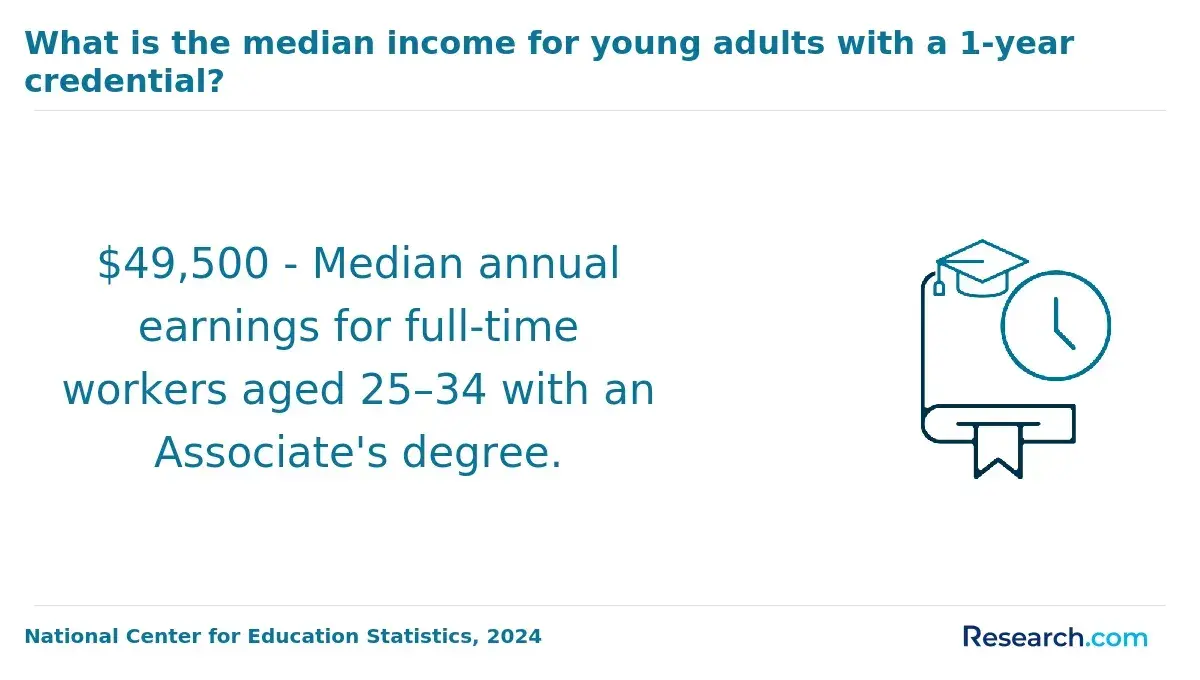
Clinical and fieldwork requirements can affect both the direct cost and the real-life cost of an online FNP doctorate. Tuition is only one part of the investment; students may also pay for travel, parking, immunization records, drug screening, background checks, health insurance, malpractice insurance, clinical tracking software, certification exam preparation, and unpaid time away from work.
Graduate borrowing costs can also matter. For federal loans first disbursed from July 1, 2024 through June 30, 2025, the Direct Unsubsidized Loan interest rate for graduate and professional students is 8.08%, while Direct PLUS Loans carry a 9.08% rate. That means a longer program or delayed placement can increase the total cost if students rely on borrowing.
The table below outlines the main cost and timeline pressures created by experiential requirements. It is not a tuition ranking; it is a planning tool for estimating affordability more accurately.
| Factor | How it affects cost | How it affects timeline | Decision point |
| Required clinical hours | May require reduced work hours, commuting, or unpaid daytime availability | More hours can extend enrollment if sites are limited | Can you complete hours while maintaining income? |
| Placement delays | May add tuition terms, fees, or loan interest | Can postpone graduation and certification eligibility | Does the school offer backup placement support? |
| Residency or campus visits | Adds travel, lodging, meals, and time off work | May be fixed to specific dates | Can you attend required in-person events? |
| Compliance requirements | Background checks, immunizations, CPR, and documentation systems can add recurring expenses | Missing documentation can delay clinical start dates | What must be completed before the first placement? |
| Preceptor or site fees | Some sites or matching services may charge fees, depending on school policy and local market | Payment does not guarantee faster approval | Are third-party placement fees allowed or discouraged? |
A shorter program is not always cheaper if the clinical schedule forces you to cut work hours or travel farther. Conversely, a longer part-time program may be financially manageable if it allows steady employment and predictable clinical scheduling.
Online FNP doctorate programs can be flexible in coursework but much less flexible in clinical scheduling. Online lectures, discussion boards, and asynchronous assignments may fit around work, while supervised patient care usually follows clinic hours, preceptor availability, and course sequencing.
Students comparing traditional, part-time, and accelerated nurse practitioner programs should evaluate whether speed creates placement pressure. An accelerated format can be valuable for students with strong support systems and flexible work arrangements, but it can be difficult if clinical hours must be completed during weekday business hours.
Flexibility usually depends on several program design features. These are the areas to compare before choosing a schedule.
- Course pacing: Determine whether the program is full-time only, part-time friendly, cohort-based, or self-paced within term limits.
- Clinical sequencing: Ask whether clinical courses must be taken in a fixed order and whether missed placements delay graduation by a full term.
- Preceptor availability: Confirm whether evenings, weekends, urgent care, retail clinics, or telehealth settings are allowed for any portion of the requirement.
- Residency requirements: Ask whether on-campus intensives are mandatory, optional, virtual, or tied to specific clinical assessments.
- Workplace use: Verify whether your employer can serve as a site and whether your supervisor can also serve as preceptor.
- Leave planning: Ask current students how many work hours they reduced during heavy clinical terms.
The most flexible program is not necessarily the one with the fewest hours. It is the one with transparent scheduling, realistic placement options, clear escalation procedures, and a curriculum that matches your employment situation.
Experiential requirements are closely tied to accreditation, certification eligibility, and state licensure. For FNP preparation, students should prioritize programs accredited by recognized nursing accreditors such as CCNE or ACEN and verify that the curriculum supports eligibility for national FNP certification through the appropriate certifying body.
A DNP is not universally required to practice as a nurse practitioner, and state rules vary. However, if a program prepares students for initial FNP certification, its clinical experiences must align with advanced practice competencies, population focus, and supervised care expectations. Students should not assume that doctoral fieldwork automatically satisfies licensure rules in every state.
Use the following checklist to evaluate accreditation and licensure fit before enrolling. This is especially important if you plan to move, practice across state lines, or complete placements outside the school's home state.
- Confirm institutional accreditation and nursing program accreditation.
- Ask whether the FNP track prepares graduates for ANCC or AANPCB FNP certification eligibility, as applicable.
- Contact your state board of nursing to confirm whether the program's format and clinical placements meet state requirements.
- Verify that the school is authorized to enroll students and supervise placements in your state.
- Ask how the program documents clinical hours, patient populations, procedures, and preceptor credentials.
- Confirm whether DNP project hours are recorded separately from direct FNP clinical hours.
- Ask whether relocation during the program could affect clinical approval or licensure eligibility.
Avoid choosing a program based only on the phrase "online DNP." Accreditation, state authorization, certification alignment, and supervised clinical documentation are what determine whether the degree supports your intended professional path.
Strong student support can make the difference between a manageable clinical experience and a delayed graduation plan. Online FNP doctorate students should expect academic advising, clinical coordination, compliance guidance, technology support, and faculty supervision for scholarly projects.
The table below explains the support services that matter most during practicum and fieldwork. These services are practical indicators of how much help students receive after admission.
| Support area | What useful support looks like | Why it matters |
| Clinical placement advising | Clear site approval steps, preceptor guidance, placement timelines, and escalation contacts | Reduces the risk of delayed clinical starts |
| Compliance management | Checklists for immunizations, background checks, CPR, drug screening, and health documentation | Prevents administrative issues from blocking fieldwork |
| Faculty supervision | Regular feedback on clinical performance, DNP project scope, and evidence-based practice work | Helps connect field experience to doctoral-level outcomes |
| Technology support | Training for clinical logging systems, learning platforms, telehealth tools, and library databases | Supports accurate documentation and remote learning |
| Career and certification support | Board exam resources, resume help, interview preparation, and role-transition advising | Helps students translate experience into career readiness |
Applicants should ask to speak with current students or recent graduates about placement support. Admissions representatives can explain policy, but students can often describe how quickly the school responds when a preceptor cancels or a site agreement stalls.
Another useful question is whether the school uses dedicated clinical placement staff or leaves coordination primarily to faculty and students. Neither model is automatically superior, but students should know how much responsibility they will personally carry.
Practicum and clinical experiences can strengthen career readiness because FNP work is hands-on, patient-facing, and judgment-intensive. Students practice assessment, diagnosis, care planning, prescribing considerations, health promotion, chronic disease management, and interprofessional communication under supervision.
The labor market context is favorable but not uniform. BLS employment projections published in 2024 estimate 46% growth for nurse practitioners from 2023 to 2033, much faster than the average for all occupations. For students, that signals broad demand, but local hiring still depends on state scope-of-practice rules, employer needs, specialty experience, and certification.
Clinical and fieldwork experiences can support career outcomes in several ways. These benefits are strongest when placements align with the student's intended practice setting.
- Primary care readiness: FNP-focused clinical rotations expose students to preventive care, acute visits, chronic disease follow-up, family education, and lifespan care.
- Professional networking: Preceptors and clinical sites may become references, mentors, or employment leads, although placements should not be viewed as job guarantees.
- Confidence with patient volume: Supervised experience helps students adapt from classroom reasoning to real patient flow, documentation, and care coordination.
- Leadership development: DNP practicum and project work can support roles in quality improvement, care model redesign, population health, and clinical leadership.
- Evidence-based practice: Doctoral fieldwork often requires students to evaluate outcomes, use data, and implement practice changes in real settings.
The highest-value placements are not always the most prestigious sites. A community clinic with strong precepting, diverse patients, and meaningful autonomy may be more useful than a famous institution where students mostly observe.
How Should Students Choose an Online Family Nurse Practitioner Doctorate With Experiential Requirements?
Choosing an online FNP doctorate with experiential requirements should start with a practical question: Can you realistically complete the supervised hours required for your goal, in your location, on your timeline, and within your budget? If the answer is unclear, keep comparing programs before committing.
Use the following decision process to compare options. It focuses on the issues most likely to affect completion, cost, and professional value.
- Define your goal first: Decide whether you need initial FNP preparation, post-master's doctoral advancement, leadership training, teaching preparation, or research preparation.
- Verify the degree type: Confirm whether the program is a BSN-to-DNP, MSN-to-DNP, post-master's DNP, DNP completion, or research doctorate.
- Separate clinical hours from DNP project hours: Ask for a written breakdown of direct care, practicum, immersion, residency, and project expectations.
- Check state authorization before applying: Confirm that the school can enroll you and approve placements where you live.
- Evaluate placement responsibility: Determine whether the school secures sites, supports your search, or places most responsibility on students.
- Calculate total cost: Include tuition, fees, travel, compliance expenses, lost work hours, loan interest, and possible placement delays.
- Confirm accreditation and certification alignment: Make sure the program supports the credential and state practice authority you intend to pursue.
- Ask about outcomes carefully: Request certification pass-rate context, graduation rates, placement support data, and examples of graduate roles without treating any outcome as guaranteed.
Be cautious about choosing only the fastest, cheapest, or the easiest NP program if it does not clearly support approved clinical placements and certification goals. Convenience matters, but clinical feasibility and accreditation matter more for long-term value.
An online FNP doctorate with practicum, internship, clinical, or fieldwork requirements is most worth considering for students who want advanced practice credibility, structured clinical development, leadership preparation, and a doctorate aligned with patient-care systems.
It may be a poor fit for students who cannot travel, cannot reduce work hours during clinical terms, live outside the school's supported placement areas, or primarily want a research career.
Other Things You Should Know About Family Nurse Practitioner Programs
No. A DNP is not universally required for FNP licensure or certification. Many FNPs enter practice with an accredited MSN or post-graduate certificate, but some nurses choose the DNP for doctoral-level practice, leadership, and advanced clinical preparation.
Some do and some do not. Programs may require short intensives, skills assessments, orientations, project presentations, or objective structured clinical exams. Always ask for the number, timing, and location of required in-person visits.
Often, yes. Many online DNP programs offer part-time plans, but clinical terms may still require daytime availability. Working students should ask how many hours per week are typical during the heaviest practicum or clinical semesters.
Requirements vary, but applicants commonly need an active RN license, a BSN or MSN from an accredited program, transcripts, professional references, a resume, a statement of goals, and sometimes clinical experience, APRN certification, an interview, or a background check.
- DNP Project Barriers https://doctorsofnursingpractice.org/forums/topic/dnp-project-barriers/
- Reasons to Consider an Online DNP Degree | Maryville Nursing https://nursing.maryville.edu/blog/reasons-to-consider-an-online-dnp-degree
- Home https://www.onlinefnpprograms.com/
- Nursing Practice Doctorate (DNP) Degree Online https://www.baypath.edu/academics/graduate-programs/nursing-practice-doctorate-dnp/
- Master of Science in Family Nurse Practitioner | University of Phoenix https://www.phoenix.edu/online-nursing-degrees/family-nurse-practitioner-masters-degree.html
- Eligibility for Accreditation Review https://www.apppostgradtraining.com/accreditation/eligibility-accreditation-review/
- Nurse Practitioner Education https://www.aanp.org/advocacy/advocacy-resource/position-statements/nurse-practitioner-education
- Online DNP Program - Doctor of Nursing Practice | Aspen University https://www.aspen.edu/nursing/dnp/
- Do DNP Programs Include an Internship? https://www.doctorofnursingpracticednp.org/do-dnp-programs-include-an-internship/