
2027 Online Family Nurse Practitioner Doctorate Programs with One-on-One Faculty Mentorship

Co-Founder and Chief Data Scientist
Choosing an online Family Nurse Practitioner doctorate is not only about tuition, schedule, or clinical placement; it is also about whether faculty will actively guide your research, practice development, and career direction. The need is timely: the American Association of Nurse Practitioners reported more than 385,000 licensed NPs in the U. S. in 2024, making differentiation and advanced preparation increasingly important. This guide is for working nurses comparing doctoral FNP options and explains how mentorship works, what strong support looks like, and how to decide whether it is worth the investment.
Key Things You Should Know
- Strong one-on-one mentorship means a named faculty advisor, regular individual meetings, documented project support, and access to mentors whose clinical or research expertise matches your FNP goals.
- The most relevant 2024 labor-market benchmark is the BLS median annual wage of $132,050 for nurse practitioners, but doctorate-level value depends on role fit, specialty, leadership opportunities, and cost-not the credential alone.
- A mentorship claim is weak unless the school can explain advisor caseloads, response times, mentor assignment, DNP project or dissertation supervision, online meeting formats, and what happens if a mentor leaves.
How Does One-on-One Faculty Mentorship Work in Online Family Nurse Practitioner Doctorate Programs?
In an online Family Nurse Practitioner doctorate, one-on-one faculty mentorship usually means more than basic academic advising. Academic advising helps you register for courses and meet degree requirements, while faculty mentorship should help you connect doctoral coursework to FNP practice, clinical leadership, scholarly inquiry, and long-term professional goals.
Most online FNP doctorate students are in a Doctor of Nursing Practice pathway, often a BSN-to-DNP FNP or post-master's DNP. A DNP typically emphasizes advanced clinical practice, systems improvement, evidence-based practice, and an applied scholarly project. A PhD in nursing is more research-intensive and may not prepare a student for FNP licensure unless the required APRN specialty preparation is built into the program.
Mentorship can be delivered through live video meetings, asynchronous feedback, project committee reviews, clinical-placement conversations, faculty office hours, and structured milestones. Students comparing online nurse practitioner programs should verify whether faculty mentorship is built into the curriculum or simply available if the student requests it.
Strong mentorship models usually include several formal touchpoints, not just an open-door policy. Before enrolling, ask the school to describe how the relationship works across the full program.
- Advisor assignment: When students are assigned a faculty mentor, whether the match is based on specialty interests, and whether students can request a different mentor.
- Meeting expectations: How often one-on-one meetings occur, whether they are required, and whether they are synchronous, asynchronous, or both.
- Project guidance: Whether the same faculty member supports the DNP project, capstone, dissertation, or quality-improvement work from proposal through final defense or presentation.
- Clinical relevance: Whether mentors have FNP practice experience, APRN credentials, primary care expertise, rural health experience, population-health knowledge, or leadership experience that matches the student's goals.
- Continuity plan: What happens if a mentor is unavailable, leaves the institution, goes on leave, or is assigned too many advisees.
The best programs make mentorship predictable. If a school cannot describe who mentors students, how often meetings happen, and how project feedback is delivered, the advertised support may be closer to general advising than individualized doctoral mentorship.
Which Online Family Nurse Practitioner Doctorate Programs Offer the Strongest Faculty Mentorship?
There is no single national ranking that verifies one-on-one mentorship quality across online FNP doctorate programs. The strongest programs are usually those that make faculty access visible, assign mentors early, publish DNP project expectations clearly, and show that faculty expertise aligns with FNP practice areas such as primary care, chronic disease management, pediatrics, women's health, geriatrics, rural health, health equity, and population health.
The table below shows how to identify stronger mentorship models without relying on vague marketing language. Use it to compare schools during admissions calls, faculty meetings, or virtual open houses.
| Mentorship evidence to look for | What it suggests | Why it matters for online FNP doctorate students |
| Named faculty advisor or mentor assigned early | The program has a formal mentoring structure | Students are less likely to navigate doctoral milestones alone |
| Published DNP project, capstone, or dissertation supervision process | Faculty support is tied to required scholarly work | Project delays are easier to prevent when expectations are clear |
| Faculty profiles showing FNP, APRN, DNP, PhD, or clinical leadership credentials | Mentors may have relevant expertise | Students can match their goals with faculty backgrounds before enrolling |
| Regular synchronous access such as video meetings or required conferences | Mentorship is not limited to email feedback | Working nurses can clarify problems quickly and maintain momentum |
| Documented advisor caseload or response-time expectations | The school tracks availability | Students can distinguish real access from broad claims of personal attention |
| Student or alumni references who can discuss mentoring | The model has been experienced by actual students | Prospective students can verify whether support is consistent |
When a school says it offers individualized support, ask for evidence. Strong programs can usually explain the advising structure, faculty-student communication norms, and how mentors support both clinical-practice development and doctoral scholarly work.
A useful red flag is a program that emphasizes flexibility but cannot explain faculty interaction. Flexibility is valuable for working nurses, but a self-paced or mostly asynchronous format may require more independent planning unless mentoring checkpoints are required.
How Does Faculty Mentorship Support Dissertation or Applied Research in an Online Family Nurse Practitioner Doctorate?
Most FNP doctoral students complete an applied scholarly project rather than a traditional dissertation, especially in DNP programs. This project often focuses on evidence-based practice, quality improvement, patient outcomes, workflow redesign, clinical education, telehealth implementation, or access to care in a defined practice setting.
Faculty mentorship matters because doctoral projects involve several stages that can stall without expert guidance. A mentor helps narrow the topic, align the project with available data, confirm ethical or institutional review requirements, and keep the work realistic for a working clinician.
The table below compares common doctoral project models and the type of faculty support each usually requires. This can help you judge whether a program's mentorship model matches the kind of scholarly work you expect to complete.
| Doctoral work type | Common in which pathway | Faculty mentorship needed | Main risk without strong mentoring |
| DNP scholarly project | BSN-to-DNP FNP or post-master's DNP | Evidence appraisal, project design, implementation planning, outcomes evaluation | Choosing a project too broad for the available timeline or clinical site |
| Quality-improvement project | Practice-focused DNP programs | Workflow analysis, stakeholder planning, data interpretation | Collecting data that does not answer the practice problem |
| Capstone or practice portfolio | Some post-master's DNP formats | Competency mapping, reflective synthesis, leadership framing | Submitting work that shows activity but not doctoral-level synthesis |
| Dissertation | Research-focused PhD programs | Research design, theory, methodology, publication strategy | Selecting a research question that lacks feasibility or faculty expertise |
Students should ask whether the faculty mentor also chairs the project committee, whether project methods courses include individualized feedback, and whether the program helps students secure a project site. Mentorship is especially valuable when a student's project involves primary care access, chronic disease management, rural clinics, vulnerable populations, or interprofessional practice redesign.
A common mistake is assuming that a clinical preceptor and a faculty mentor serve the same function. The preceptor supports clinical learning at the practice site, while the faculty mentor ensures the doctoral project meets academic, evidence-based, and professional standards.
One-on-one mentorship can support progress by reducing ambiguity. Online doctoral students often balance advanced coursework, clinical hours, employment, family responsibilities, and project deadlines. A consistent faculty mentor can help students sequence tasks, avoid unrealistic project scopes, and address problems before they become completion barriers.
Mentorship should not be interpreted as a guarantee of faster graduation. Program length still depends on entry point, transfer credits, clinical-hour requirements, part-time or full-time enrollment, project approval timelines, and state authorization or placement constraints. A BSN-to-DNP FNP pathway commonly takes longer than a post-master's DNP because it includes advanced practice preparation, while post-master's students may already hold NP certification and complete a shorter doctoral practice sequence.
In 2024, the U.S. Bureau of Labor Statistics reported a median annual wage of $132,050 for nurse practitioners. That figure can help students frame the opportunity cost of delayed completion: extra semesters may mean additional tuition, fees, and time before a student can pursue roles that require or prefer doctoral preparation, but salary outcomes still vary by region, employer, specialty, and experience.
Mentorship tends to be most useful at predictable pressure points. Students should pay special attention to whether the program provides direct faculty contact during these phases.
- Early planning: Clarifying whether the student's goal is clinical practice, leadership, teaching, policy, or research.
- Clinical sequencing: Coordinating specialty coursework, supervised practice experiences, and state-specific requirements.
- Project design: Choosing a feasible evidence-based practice question and identifying a site that can support it.
- Data and implementation: Interpreting outcomes, troubleshooting site barriers, and documenting doctoral-level impact.
- Final synthesis: Preparing the defense, presentation, manuscript, poster, or professional portfolio.
The biggest red flag is a program that assigns faculty only after the project stage begins. By then, a student may already have chosen an impractical topic, missed key approvals, or taken courses that do not align with the final project.
Online FNP doctorate programs usually fall into several mentorship models. None is automatically best for every student. The right choice depends on how much structure you need, how independent you are, whether you want close research guidance, and how much flexibility your work schedule requires.
Students exploring pathways, including accelerated nurse practitioner programs, should be especially careful. Faster timelines can be valuable, but compressed coursework may leave less room for slow mentor matching, project revision, or clinical-site changes.
The table below compares common online mentorship structures. Use it to identify the trade-off between individual attention, predictability, peer support, and flexibility.
| Mentorship model | How it usually works | Best fit | Potential drawback |
| Assigned one-on-one faculty mentor | Each student works with a designated faculty member across advising, project planning, or professional development | Students with specific research, leadership, or clinical goals | Quality depends heavily on mentor availability and fit |
| Project-chair model | A faculty chair becomes the main guide during the DNP project or dissertation phase | Students who are comfortable early in the program but need strong scholarly support later | Early coursework may feel less personalized |
| Cohort-based faculty support | Students move through the program together and receive group guidance from faculty | Students who benefit from peer accountability and structured deadlines | Individual project feedback may be less frequent unless separately scheduled |
| Course-embedded mentoring | Faculty provide individualized feedback inside key methods, clinical, or project courses | Students who want support tied directly to assignments | Mentorship may change from course to course |
| Student-success plus faculty model | Non-faculty advisors handle logistics while faculty guide academic and scholarly work | Working nurses who need both administrative support and expert project feedback | Students must know which person handles which issue |
A cohort-based model can be a better alternative when students want predictable deadlines, peer discussion, and a structured online rhythm. A highly individualized model is often better when the student's project, specialty interest, or career plan requires close expert guidance.
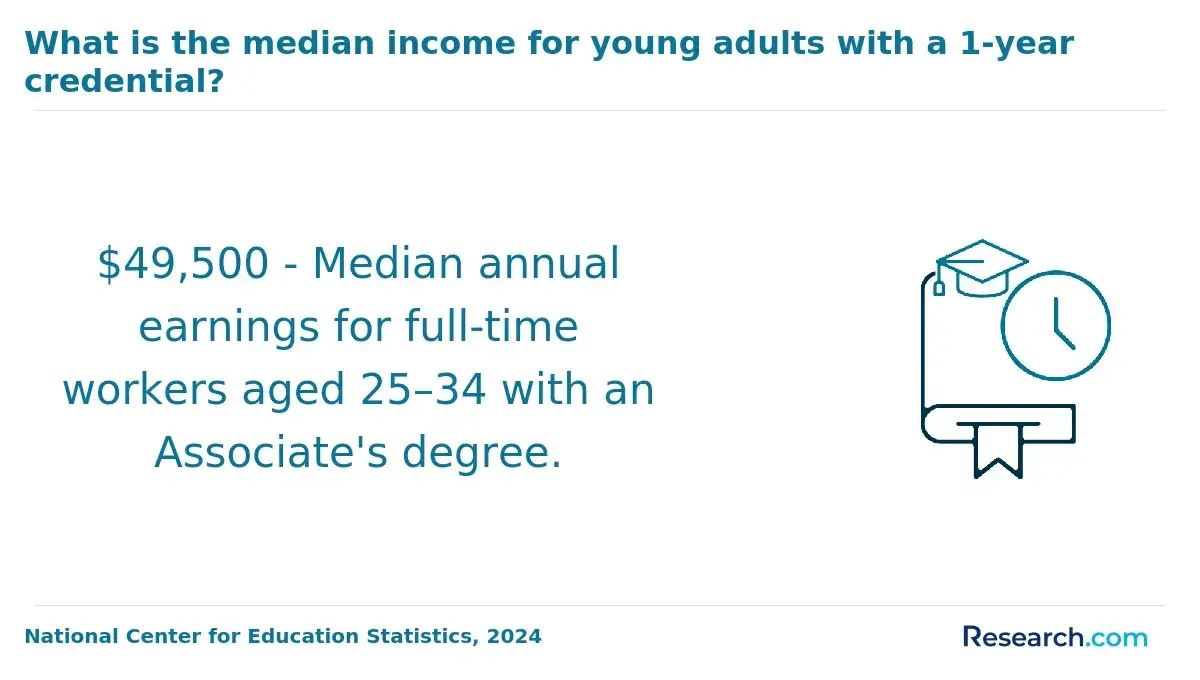
Faculty mentorship can help students translate doctoral work into career opportunities, but only when the mentor's expertise and network align with the student's goals. For FNP doctorate students, career value may come from deeper primary care expertise, leadership preparation, teaching experience, policy engagement, quality-improvement work, or preparation for advanced clinical and administrative roles.
A mentor may help a student turn a DNP project into a conference poster, quality-improvement presentation, manuscript, clinic protocol, leadership portfolio, or evidence-based practice initiative. This matters because doctorate-level career value is often demonstrated through outcomes and professional contributions, not the degree title alone.
Faculty mentoring can support several professional outcomes. Before choosing a program, ask whether these opportunities are common, optional, or limited to students who seek them out.
- Clinical leadership: Guidance on designing practice improvements, measuring outcomes, and communicating results to administrators.
- Academic preparation: Opportunities to guest lecture, assist with simulation, co-author scholarly work, or explore adjunct teaching.
- Professional visibility: Support for presenting at nursing, primary care, rural health, quality, or population-health conferences.
- Policy and advocacy: Mentoring on scope-of-practice issues, access to care, health equity, and state-level APRN policy.
- Career positioning: Feedback on CV development, project framing, interview narratives, and leadership statements.
The U.S. market for nurse practitioners remains strong, but employers differ in how they value doctoral preparation. Some clinical employers prioritize certification, experience, and productivity; others may value the DNP for leadership, quality, education, or system-level roles. Mentorship is most valuable when it helps students connect the doctorate to a specific career path rather than assuming the credential alone will change outcomes.
A strong mentor does not need to match every part of a student's background, but the mentor should have credible expertise in advanced nursing practice, doctoral scholarship, and the student's area of interest. For an online FNP doctorate, the most relevant mentors often combine clinical, academic, and systems-level experience.
Look beyond job titles. A professor may be an excellent scholar but not the best fit for a student focused on rural primary care implementation. Likewise, a highly experienced clinician may need a strong record of guiding doctoral projects if the student needs intensive help with methods, data, or dissemination.
The most useful mentor qualifications generally fall into four categories. Reviewing faculty bios with these categories in mind can help you avoid choosing a program based only on reputation.
- Clinical relevance: FNP certification, APRN practice experience, primary care background, or experience with the population the student wants to serve.
- Doctoral preparation: A DNP, PhD, EdD, or related terminal degree appropriate to the mentoring role.
- Scholarly and project expertise: Evidence-based practice, quality improvement, research methods, program evaluation, informatics, population health, or health systems leadership.
- Mentoring record: Experience chairing DNP projects or dissertations, advising online students, supporting publications or presentations, and giving timely feedback.
Students should also check whether faculty are full-time, part-time, adjunct, or primarily administrative. Adjunct experts can be valuable, especially when they bring current practice experience, but students should know whether adjunct faculty are available for sustained one-on-one mentorship or only course instruction.
A common mistake is assuming that a well-known faculty member will be available as a personal mentor. Ask admissions or the program director whether students can request specific mentors and how often those requests are granted.
One-on-one mentorship can increase value when it improves project quality, reduces avoidable delays, supports career positioning, or helps students complete a meaningful doctoral product. It can also contribute to higher tuition if the program uses smaller advising loads, more faculty time, live seminars, project committees, or residency experiences.
Cost evaluation should include more than tuition per credit. Online FNP doctorate students should compare total program cost, required fees, clinical-placement expenses, travel for intensives, technology fees, books, background checks, certification costs, and the financial effect of reducing work hours.
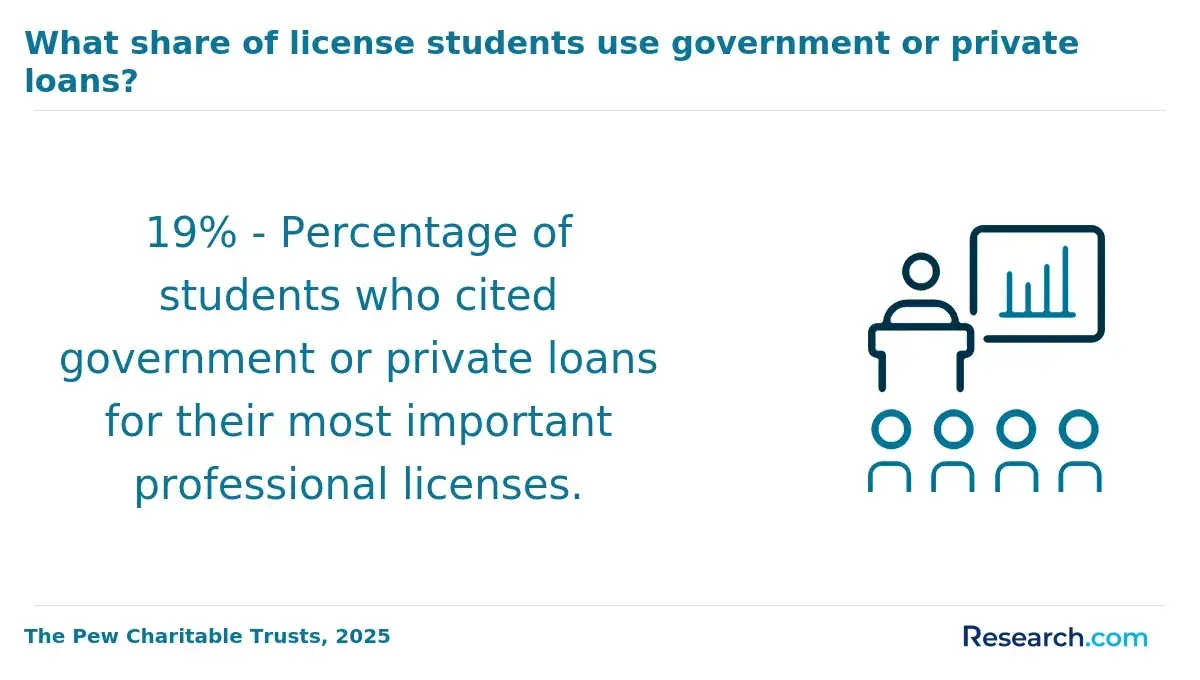
Federal borrowing limits can shape affordability. Graduate and professional students may borrow up to $20,500 per academic year in Direct Unsubsidized Loans, with additional borrowing often handled through Grad PLUS if eligible; this means a higher-cost doctorate may require careful debt planning even when federal aid is available.
The table below summarizes the cost factors most likely to affect the value of a mentorship-heavy online FNP doctorate. It is designed to help you compare programs with different tuition structures and support models.
| Cost or value factor | Why it matters | Mentorship-related question to ask |
| Tuition and mandatory fees | These determine the baseline cost of the degree | Is one-on-one project mentoring included in tuition or tied to additional project credits? |
| Program length | Extra terms can increase tuition and delay completion | Does mentoring begin early enough to prevent project delays? |
| Residency or campus visits | Travel can add significant out-of-pocket cost | Are residencies used for intensive faculty feedback or mainly orientation? |
| Clinical-placement support | Finding placements can be time-consuming and location-dependent | Do faculty help resolve placement barriers or is support handled separately? |
| Career development | The degree may be more valuable if it supports leadership, teaching, or scholarly visibility | Do mentors help students present, publish, lead projects, or build professional networks? |
A higher-cost program may be worth considering if faculty support is formal, frequent, and directly connected to your doctoral goals. A lower-cost program may be the better choice if you are highly independent, already have strong professional mentors, and mainly need an accredited pathway to complete the credential.
One-on-one mentorship is most valuable for students whose goals require individualized scholarly, clinical, or career guidance. It is less essential for students who already have a strong professional network, a clearly defined project site, and experience leading evidence-based practice initiatives.
Students still deciding how to become a nurse practitioner should separate two questions: first, which pathway leads to FNP eligibility or advancement; second, whether a doctoral mentorship model is necessary for their timeline and goals.
The following students tend to gain the most from individualized faculty mentoring. If several of these describe you, mentorship quality should rank high in your program comparison.
- BSN-prepared nurses entering a BSN-to-DNP FNP pathway: They are building APRN identity, clinical expertise, and doctoral skills at the same time.
- Students with a specific practice-change goal: They need a mentor who can help turn an idea into a feasible DNP project.
- Working nurses with limited time: Timely faculty feedback can prevent wasted effort and reduce confusion.
- Students interested in teaching or leadership: Mentors can help identify publication, presentation, committee, or academic opportunities.
- Students serving specialized communities: Rural health, underserved populations, pediatrics, geriatrics, women's health, or chronic disease projects may require faculty with targeted expertise.
Students who may not need a mentorship-centered program include those who mainly want the lowest-cost accredited credential, students who prefer highly structured cohort learning over individualized advising, and experienced NPs who already have a project sponsor and strong workplace support.
The most important trade-off is honest fit. If you cannot use regular faculty meetings because of work demands, time-zone issues, or preference for independent study, do not pay a premium for a mentorship model you will rarely use.
How Should Students Evaluate Faculty Mentorship Before Choosing an Online Family Nurse Practitioner Doctorate?
Students should evaluate mentorship before applying, not after enrolling. The goal is to determine whether the program has a reliable mentoring system, whether faculty expertise fits your goals, and whether the support is available in the online format you will actually use.
Start by confirming the fundamentals: accreditation, state authorization, APRN eligibility if you are seeking FNP preparation, clinical-hour requirements, admissions standards, transfer-credit policies, and certification alignment. Students comparing options such as the easiest NP program should be careful not to confuse accessibility with weak support; an easier admissions or scheduling model still needs strong faculty oversight for doctoral work.
Use the following steps to verify mentorship quality. These questions are practical because they force schools to describe the system rather than repeat broad claims about support.
- Ask when a faculty mentor is assigned: Early assignment is usually better for students who need help shaping goals and project ideas.
- Request typical meeting expectations: Ask how often students meet individually with faculty and whether meetings are required or optional.
- Clarify communication channels: Determine whether support happens by video, phone, email, learning-management-system comments, office hours, or project seminars.
- Ask about response times: A realistic response-time policy helps working students plan around deadlines.
- Review faculty bios: Look for mentors with FNP, primary care, quality-improvement, research, leadership, or population-health expertise that fits your interests.
- Ask about advisor caseloads: The school may not publish exact numbers, but it should explain how it protects faculty availability.
- Verify project support: Ask who approves the topic, who chairs the project, and how students receive methods and data feedback.
- Speak with current students or alumni: Ask whether mentoring was proactive, timely, and useful during stressful parts of the program.
- Confirm what happens if the match fails: A strong program has a process for changing mentors or resolving communication problems.
- Compare support against cost: Decide whether the mentoring model justifies tuition, fees, travel, and time commitment.
Admissions requirements vary, but many online FNP doctorate programs ask for an active RN license, prior nursing degree, transcripts, GPA minimum, resume, references, statement of purpose, and sometimes APRN certification or clinical experience depending on the entry point. Licensure and clinical requirements vary by state, so students should confirm eligibility with the school and the appropriate nursing board before enrolling.
The strongest final decision balances four factors: accreditation, clinical and licensure fit, affordability, and mentorship substance. If a school is strong in only one area, keep comparing; doctoral FNP education is too significant a commitment to choose based on a single marketing promise.
Other Things You Should Know About Family Nurse Practitioner
It can if the program includes the required APRN specialty preparation, clinical hours, accreditation, and certification alignment for FNP practice. Students should verify state authorization and board requirements before enrolling because licensure rules vary by state.
No. Many FNPs enter practice with a master's degree, although DNP programs are increasingly common for nurses seeking advanced clinical leadership, quality improvement, teaching, or systems-level roles.
No. Coursework may be online, but FNP clinical hours are completed in approved practice settings. Some schools help with placement, while others require students to identify local preceptors.
Students should look for institutional accreditation and nursing program accreditation from a recognized nursing accreditor such as CCNE or ACEN. Accreditation affects certification eligibility, transfer options, employer recognition, and access to federal financial aid.
- Advice for Creating New NP Mentorship Programs — Real World NP https://www.realworldnp.com/blog/mentorship-programs
- Faculty Leadership Mentoring Program - National Organization of Nurse Practitioner Faculties (NONPF) https://www.nonpf.org/page/MentoringProgram
- Faculty-Student Mentoring in Online Higher Education https://www.facultyfocus.com/articles/online-education/online-assessment-grading-and-feedback/faculty-student-mentoring-in-online-higher-education/
- The Benefits of Mentorship as a Nurse Practitioner (NP) https://www.npschools.com/blog/benefits-of-np-mentorship
- The Best Value DNP Degree Programs for 2025 https://www.doctorofnursingpracticednp.org/the-best-value-dnp-degree-programs/
- Most Affordable Online DNP Programs https://www.onlineu.com/most-affordable-colleges/dnp-degrees
- Developing and Supporting Novice Nurse Practitioners https://cnpj.ca/index.php/cnpj/article/download/533/538
- Home https://www.onlinefnpprograms.com/
- Doctor of Nursing Practice (DNP) Program https://www.creighton.edu/academics/programs/doctor-nursing-practice-dnp
- Online Doctor of Nursing Practice (DNP) Degree | WCU https://westcoastuniversity.edu/online-programs/doctor-nursing-practice


