
2027 PhD vs Professional Doctorate in Family Nurse Practitioner: Key Differences, Careers, and Salary Outcomes

Co-Founder and Chief Data Scientist
Choosing between a PhD and a professional doctorate as a Family Nurse Practitioner affects your time, cost, clinical future, and leadership options. The decision matters because the U. S. Bureau of Labor Statistics reports nurse practitioner employment is projected to grow 46% from 2023 to 2033, far faster than average. This guide is for nurses comparing research-focused and practice-focused doctorates. You will learn how each path differs in curriculum, dissertation or capstone work, admissions, funding, careers, salary context, and long-term value so you can choose the degree that fits your goals.
Key Things You Should Know
- A PhD is best for nurses who want to produce original research, teach in research-intensive universities, or shape evidence and policy; a professional doctorate, most commonly the DNP, is best for advanced practice, clinical leadership, quality improvement, and systems-level care delivery.
- Salary outcomes depend more on role than degree title: BLS May 2024 data place nurse practitioners at a median annual wage of $129,210, while many academic and research roles follow different pay scales and may trade higher clinical pay for scholarship, tenure, or grant-funded work.
- Professional doctorates are often designed for working clinicians and commonly take about 2 to 4 years after an MSN, while PhD study can take 4 to 6 years or longer but may offer stronger assistantship, fellowship, or tuition support at research universities.
What Is the Difference Between a PhD and a Professional Doctorate in Family Nurse Practitioner?
The core difference is purpose. A PhD in nursing with a Family Nurse Practitioner or primary care research focus prepares nurses to create new knowledge through original research. A professional doctorate in Family Nurse Practitioner, usually a Doctor of Nursing Practice, prepares nurses to apply evidence in clinical practice, lead care improvement, and improve patient and system outcomes.
This distinction matters because the degree should match the work you want to do most of the time. If you want to design studies, publish research, pursue tenure-track faculty roles, or lead funded investigations, the PhD is usually the more direct fit. If you want to remain in advanced practice, lead clinics, improve care models, manage population health initiatives, or qualify for senior clinical leadership roles, the professional doctorate is usually more aligned.
The table below summarizes the practical differences most applicants should compare before applying. Use it to identify which degree supports your preferred daily work, not just which credential sounds more prestigious.
| Comparison Point | PhD in Family Nurse Practitioner or Nursing Research | Professional Doctorate in Family Nurse Practitioner |
| Primary purpose | Generate new knowledge through original research | Apply evidence to improve clinical practice and health systems |
| Most common degree title | PhD in Nursing | DNP with FNP focus or post-master's DNP |
| Best fit | Future researchers, scholars, policy analysts, and tenure-track faculty | Practicing FNPs, clinical leaders, quality improvement directors, and advanced practice executives |
| Final project | Dissertation based on original research | DNP scholarly project or capstone focused on applied practice change |
| Clinical preparation | Usually not designed as the main route to FNP licensure unless paired with an NP program | Often built for licensed APRNs or nurses seeking advanced clinical and leadership preparation |
| Typical employer signal | Research expertise, grant potential, scholarly productivity | Clinical expertise, evidence-based leadership, practice transformation |
A common mistake is assuming a PhD is "higher" than a DNP. Both are terminal doctorates, but they answer different professional questions. The better degree is the one that aligns with whether you want your career centered on research generation or advanced clinical application.
How Do PhD and Professional Doctorate Curricula, Research, and Capstone Requirements Differ in Family Nurse Practitioner?
PhD and professional doctorate curricula overlap in evidence-based practice, leadership, ethics, health policy, and population health, but they use those subjects differently. PhD coursework trains you to ask researchable questions and produce generalizable evidence, while DNP coursework trains you to translate evidence into measurable practice improvements.
The curriculum comparison below helps clarify why the final doctoral project feels very different in each pathway. This is one of the most important differences to understand before committing to a program.
| Requirement Area | PhD Pathway | Professional Doctorate Pathway |
| Research methods | Advanced quantitative, qualitative, mixed-methods, theory development, and research design | Evidence appraisal, outcomes evaluation, implementation science, and quality improvement methods |
| Statistics and analytics | Often deeper preparation for independent research and publication | Focused on using data to evaluate practice change, safety, access, cost, and quality |
| Clinical practice hours | Not usually the central requirement unless combined with an APRN track | Commonly includes practice hours tied to advanced nursing competencies and project implementation |
| Final project | Dissertation that contributes original research to nursing science | Scholarly practice project that addresses a real clinical or systems problem |
| Typical output | Peer-reviewed manuscripts, conference presentations, grant proposals, research agenda | Practice protocol, quality improvement initiative, workflow redesign, outcomes report, leadership portfolio |
In a PhD program, you may study chronic disease management, primary care access, rural family health, health disparities, or FNP workforce issues as research problems. Your dissertation must make an original contribution, which means you are expected to design a study, collect or analyze data, defend your methods, and explain how the findings advance nursing knowledge.
In a professional doctorate program, the capstone or scholarly project is more applied. For example, an FNP might implement a diabetes screening workflow in a primary care clinic, evaluate telehealth follow-up for hypertension, or reduce inappropriate antibiotic prescribing. The goal is not necessarily to create new theory; it is to improve measurable outcomes in a real practice setting.
If you are still comparing earlier clinical routes before doctoral study, reviewing online nurse practitioner programs can help you understand how FNP preparation differs from post-licensure doctoral education.
What Are the Admissions Requirements for a PhD vs Professional Doctorate in Family Nurse Practitioner?
Admissions requirements vary by school, but the biggest difference is what the committee is trying to evaluate. PhD admissions committees look for research potential and scholarly fit with faculty mentors. Professional doctorate admissions committees look for clinical readiness, leadership potential, licensure standing, and ability to complete an applied practice project.
The table below shows common admissions elements and how they usually differ. Always confirm requirements directly with the program because state authorization, APRN licensure, clinical hour rules, and post-BSN versus post-MSN tracks can change the application profile.
| Admissions Element | PhD Expectations | Professional Doctorate Expectations |
| Prior degree | Often BSN, MSN, or related graduate degree depending on entry point | Often BSN-to-DNP or MSN-to-DNP; FNP-focused tracks may require RN licensure and clinical prerequisites |
| Licensure | RN licensure commonly required; APRN licensure may not be required for nonclinical research tracks | RN licensure required; APRN or FNP certification may be required for post-master's DNP tracks |
| Experience | Research exposure, publications, evidence of scholarly promise, or strong academic preparation | Clinical nursing or APRN experience, leadership experience, and readiness for practice-based change |
| Statement of purpose | Should identify research interests and potential faculty alignment | Should connect clinical goals to population health, quality improvement, or leadership outcomes |
| Writing sample or interview | Often used to assess research thinking and academic fit | Often used to assess professional maturity, project feasibility, and leadership goals |
Strong applicants tailor their materials to the degree type. For a PhD, name research questions you want to study and faculty whose work fits your interests. For a professional doctorate, describe the patient population, practice problem, or leadership challenge you want to address.
Before applying, use this short checklist to avoid choosing a program that does not match your goals:
- Confirm whether the program prepares new FNPs, already-certified FNPs, or both.
- Check whether the degree requires campus visits, local clinical placements, or employer-based project sites.
- Ask whether PhD applicants need a faculty mentor before admission.
- Ask whether DNP applicants must enter with a project idea or approved practice site.
- Verify whether your state accepts the program format for licensure or clinical placement purposes.
How Long Does a PhD vs Professional Doctorate in Family Nurse Practitioner Take, and Can You Work While Studying?
Time to completion depends on entry point, enrollment status, dissertation or project pace, transfer credits, clinical hour requirements, and whether you study full time or part time. In general, professional doctorates are more commonly structured for working clinicians, while PhD programs may require more sustained research immersion.
The timeline table below gives a practical planning view rather than a promise. Your actual time may be shorter or longer depending on the program and your project progress.
| Pathway | Common Time Range | Work Compatibility | Main Time Risk |
| BSN-to-DNP with FNP focus | Often about 3 to 4 years full time or longer part time | Possible in some programs, but clinical hours can make full-time work difficult | Clinical placement availability and course sequencing |
| MSN-to-DNP for certified FNPs | Often about 2 to 3 years part time | Usually designed for working APRNs | Project site access and leadership support |
| PhD in Nursing | Often about 4 to 6 years or longer | Possible part time in some programs, but funded full-time study may limit outside work | Dissertation design, data access, publication expectations, and faculty fit |
If you are trying to become an NP quickly before considering a doctorate, comparing accelerated nurse practitioner programs can help you separate the timeline for FNP eligibility from the timeline for doctoral advancement.
Working while studying is realistic for many DNP students, especially post-master's FNPs who complete projects in their own practice setting. It can be harder in PhD programs if the best funding package requires teaching, research assistantships, lab meetings, seminars, or full-time enrollment.
To decide whether you can keep working, ask programs these questions before enrolling:
- How many hours per week do enrolled students typically spend on coursework, research, clinical practice, or project implementation?
- Are classes asynchronous, synchronous, hybrid, or campus-based?
- Can my current employer serve as a DNP project site?
- Do funded PhD packages restrict outside employment?
- What happens if dissertation data collection or DNP project approval takes longer than expected?
How Much Does a PhD vs Professional Doctorate in Family Nurse Practitioner Cost, and Which Offers Better Funding?
Cost is one of the clearest trade-offs. NCES data released in 2024 for the 2022-23 academic year show average graduate tuition and required fees of about $12,500 at public institutions and about $29,900 at private nonprofit institutions. That does not include books, travel, clinical costs, lost work hours, technology fees, health requirements, or interest on loans, so applicants should compare total cost of attendance rather than tuition alone.
PhD programs at research universities may offer assistantships, tuition remission, stipends, fellowships, or grant-funded support, especially for full-time students. Professional doctorates, including DNP programs, are more often self-funded through savings, employer tuition benefits, federal loans, scholarships, or part-time work income, though some schools and health systems do provide support.
When comparing cost, focus on the full financial picture rather than the advertised per-credit rate. These are the cost items most likely to change your real return on investment:
- Published tuition, required fees, and per-credit charges
- Number of credits required after your BSN or MSN
- Clinical placement fees, background checks, immunizations, travel, and campus intensives
- Lost income if you reduce clinical work hours
- Employer tuition reimbursement and service commitments
- Assistantship workload, stipend amount, tuition remission, and health insurance for PhD students
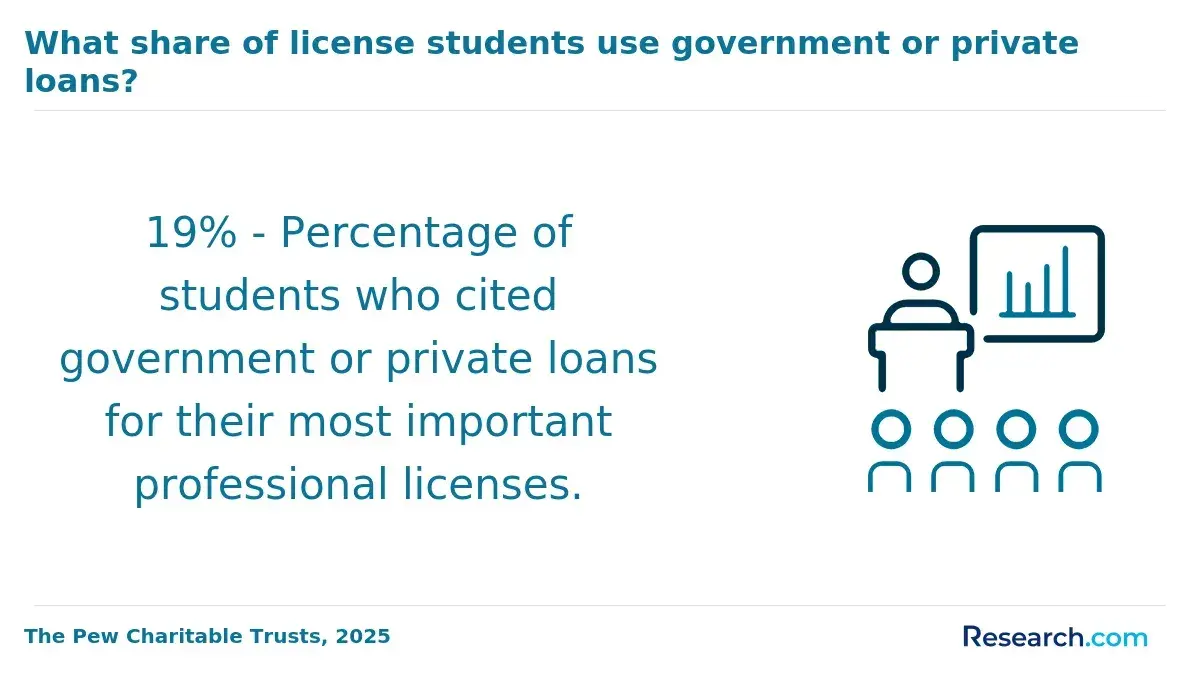
- Federal graduate borrowing limits, including the $20,500 annual Direct Unsubsidized Loan limit and possible Grad PLUS borrowing up to the school-certified cost of attendance
The table below shows how funding usually differs by degree type. Use it to ask better questions, not to assume every school follows the same model.
| Funding Factor | PhD | Professional Doctorate |
| Tuition remission | More common in full-time research programs | Less common, though scholarships or employer benefits may apply |
| Stipend or assistantship | Possible through teaching, research, or fellowship funding | Less typical because many students remain employed |
| Opportunity cost | Can be high if you leave clinical practice for full-time study | Can be lower if you continue working while enrolled |
| Loan dependence | Varies widely; funded programs may reduce borrowing | Can be higher if tuition is self-funded and employer support is limited |
| Best financial fit | Students seeking research careers who can secure strong funding | Clinicians who can use the degree for advancement while maintaining income |
A common red flag is choosing the cheapest program without checking accreditation, clinical placement support, project expectations, graduation rates, or employer recognition. A lower tuition price can still be a poor value if the program delays completion or fails to support your intended career path.
What Careers Can You Pursue With a PhD vs Professional Doctorate in Family Nurse Practitioner?
A PhD and a professional doctorate can both support senior nursing careers, but they point toward different labor markets. The PhD is strongest for research, scholarship, and academic knowledge production. The professional doctorate is strongest for advanced clinical practice, executive practice leadership, quality improvement, and population health implementation.
The table below connects each doctorate to common career directions and day-to-day responsibilities. It is especially useful if you are deciding whether you want your future work centered on patients, systems, research, or teaching.
| Career Direction | Better-Aligned Doctorate | Typical Responsibilities |
| Family Nurse Practitioner in primary care | Professional doctorate | Diagnose and manage common conditions, prescribe where authorized, provide preventive care, coordinate referrals, and manage chronic disease |
| Clinical director or advanced practice leader | Professional doctorate | Lead care teams, improve quality metrics, standardize protocols, mentor clinicians, and evaluate patient outcomes |
| Nurse scientist or principal investigator | PhD | Design studies, secure grants, analyze data, publish findings, and build a research agenda |
| Tenure-track nursing faculty | PhD | Conduct research, teach, advise doctoral students, publish, and contribute to academic service |
| DNP faculty or clinical educator | Professional doctorate or PhD | Teach practice-focused courses, supervise projects, evaluate clinical competencies, and support professional formation |
| Health policy or population health strategist | Either, depending on role | Analyze systems problems, develop interventions, evaluate outcomes, and influence organizational or public policy |
Readers who are not yet licensed as nurse practitioners should separate the FNP entry path from the doctoral decision. A guide on how to become a nurse practitioner can help clarify the steps before doctoral specialization or advancement.
Skills also differ by pathway. PhD graduates need research design, statistical reasoning, theory development, academic writing, grant writing, and dissemination skills. Professional doctorate graduates need clinical leadership, evidence translation, interprofessional communication, informatics, outcome measurement, change management, and quality improvement skills.
Which Pays More: a PhD or Professional Doctorate in Family Nurse Practitioner?
Neither degree automatically pays more. Salary depends on occupation, employer, location, specialty, experience, leadership scope, grant funding, clinical productivity, and whether the role is academic, clinical, administrative, or research-based. The degree can open certain doors, but the job title usually drives pay more than the letters after your name.
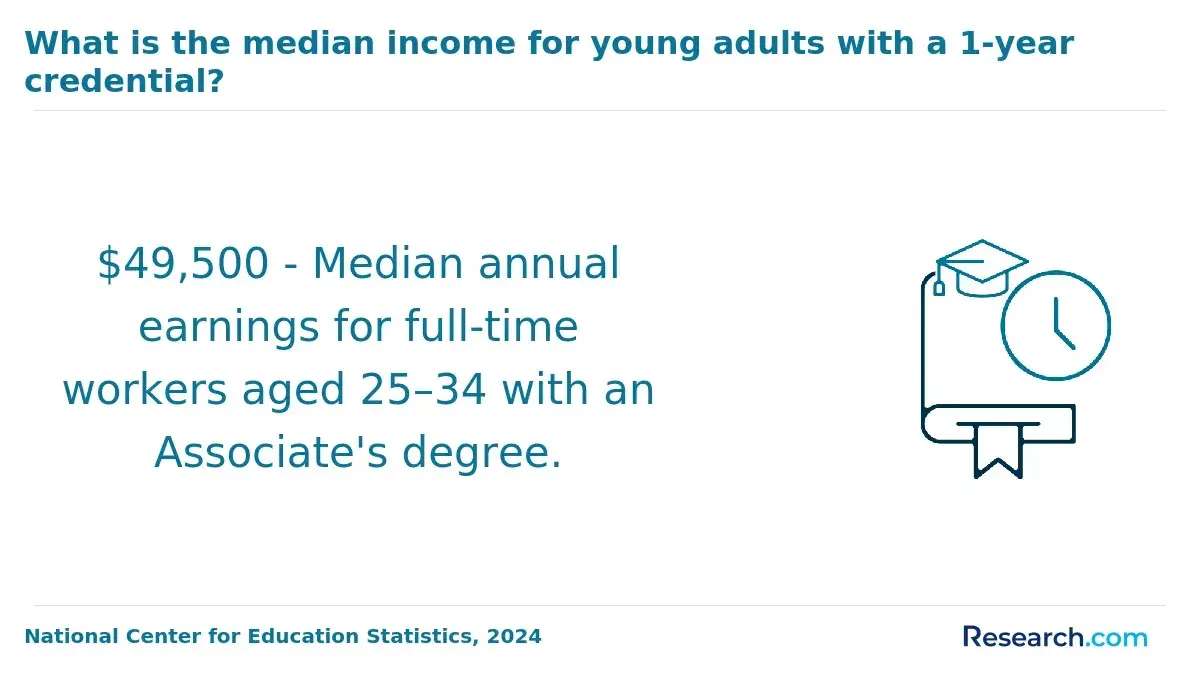
BLS May 2024 data give a helpful national baseline: nurse practitioners had a median annual wage of $129,210. This is most relevant to DNP-prepared or MSN-prepared FNPs working in clinical practice, not to PhD graduates who move into research faculty roles with different compensation structures.
The table below compares common salary contexts by career direction. Use it to think in terms of roles rather than assuming one doctorate has universally higher earning power.
| Role or Setting | Degree Often Seen | Salary Interpretation |
| FNP in outpatient primary care | MSN, DNP, or other qualifying NP credential | Pay is often tied to clinical market demand, productivity, employer type, state scope of practice, and experience |
| Clinical leadership or advanced practice administration | DNP often aligns well | Higher pay may be possible when the role includes management, budgeting, service-line responsibility, or system-wide outcomes |
| Tenure-track faculty at a research university | PhD often preferred | Pay may be lower than some clinical roles early on, but can include academic promotion, research support, and long-term scholarly career development |
| Nurse scientist or funded researcher | PhD usually preferred | Compensation varies by university, health system, grants, rank, and research portfolio |
| Consulting, policy, or informatics leadership | Either doctorate may fit | Pay depends heavily on sector, technical expertise, leadership scope, and prior achievements |
For ROI, compare the degree cost against the role you actually plan to pursue. A self-funded doctorate may be worth it for a clinician moving into executive leadership, but it may not make financial sense if your employer pays the same rate regardless of doctoral preparation. A funded PhD may have lower tuition risk, but the opportunity cost can be significant if you leave a high-paying clinical role for full-time study.
The safest way to estimate salary value is to collect real employer evidence. Ask current graduates, local health systems, academic departments, and recruiters whether the doctorate affects hiring level, promotion eligibility, salary bands, or leadership consideration in your target market.
What Is the Job Outlook for PhD and Professional Doctorate Graduates in Family Nurse Practitioner?
The outlook for FNP-related clinical work is strong because primary care demand, chronic disease management, access gaps, and an aging population continue to increase the need for advanced practice providers. BLS projects nurse practitioner employment to grow 46% from 2023 to 2033, which signals unusually strong demand for clinicians qualified to deliver advanced nursing care.
That projection is most directly relevant to NP practice roles, not every doctoral outcome. A DNP-prepared FNP may benefit from the same broad demand affecting advanced practice nursing, especially in primary care, outpatient clinics, retail health, telehealth, community health, and rural care. A PhD-prepared nurse may face a different market shaped by faculty openings, research funding, university hiring, and health system research priorities.
Several current trends affect the decision between the two doctorates. They do not make one path universally better, but they do change what employers may value:
- Primary care access pressure: FNPs remain important in clinics, community health centers, and underserved areas where access to routine care is limited.
- Telehealth and digital care: DNP-prepared clinicians with workflow, informatics, and outcomes skills may be well positioned for virtual care leadership.
- AI and clinical analytics: Both pathways benefit from data literacy, but PhD graduates may focus on studying AI-enabled care while DNP graduates may focus on safe implementation in practice.
- Nursing faculty needs: PhD graduates are especially important for research-intensive faculty roles, while DNP graduates are often valuable in practice-focused teaching and clinical education.
- Evidence-based practice expectations: Employers increasingly expect leaders to demonstrate measurable outcomes, not just hold advanced credentials.
The practical takeaway is that DNP graduates may find broader alignment with clinical and operational job growth, while PhD graduates may find stronger alignment with research, academia, and policy influence. Your local job market should carry more weight than national averages when estimating opportunity.
How Do Accreditation, Licensure, and Employer Recognition Differ for PhD vs Professional Doctorate in Family Nurse Practitioner?
Accreditation and licensure are critical because the wrong program can limit clinical eligibility, certification, state authorization, or employer recognition. For FNP clinical practice, the key issue is whether your NP program meets the educational requirements for national certification and state APRN licensure. A PhD alone is usually not a substitute for an accredited NP preparation pathway.
Professional doctorate programs with FNP preparation are typically reviewed through nursing accreditation bodies such as CCNE or ACEN, depending on the school and program. State boards of nursing and national certification organizations may also have specific requirements related to clinical hours, population focus, faculty supervision, and program authorization.
Employer recognition differs by setting. Health systems may recognize a DNP as evidence of advanced practice leadership, quality improvement skill, and systems readiness. Universities may recognize a PhD as stronger preparation for tenure-track research faculty roles. Some teaching roles accept either doctorate, but research-intensive institutions often prefer or require the PhD for faculty expected to secure grants and publish original research.
Before enrolling, verify these items directly rather than relying on marketing language:
- Confirm institutional accreditation and nursing program accreditation.
- Confirm whether the program is approved or accepted for your state's APRN licensure process.
- Ask which national FNP certification exams graduates are eligible to take, if the program includes FNP preparation.
- Check whether online or out-of-state clinical placements are allowed in your state.
- Ask employers or academic departments whether they recognize the degree for promotion, salary adjustment, faculty rank, or leadership eligibility.
- Review graduation rates, certification pass rates, placement support, and doctoral project or dissertation completion expectations.
A major mistake is assuming "doctoral" automatically means "licensure eligible." For FNP practice, licensure eligibility depends on the right accredited advanced practice preparation, not simply earning a PhD or DNP.
Is a PhD or Professional Doctorate in Family Nurse Practitioner Worth It for Your Career Goals?
A PhD or professional doctorate can be worth it when the degree clearly supports your next role, your financial plan is realistic, and the program's outcomes match your career goal. It is less likely to be worth it if you choose the degree mainly for status, assume it guarantees a raise, or enroll without checking accreditation, funding, project expectations, and employer value.
If you are still early in the NP selection process and comparing accessibility, admissions fit, or program difficulty, reviewing options such as the easiest NP program can help you clarify whether you first need an FNP pathway before committing to doctoral study.
Use this decision guide to choose the better fit:
- Choose a PhD if you want to conduct original research, publish scholarly work, pursue grants, become a nurse scientist, or compete for tenure-track faculty roles.
- Choose a professional doctorate if you want to remain close to practice, lead clinical teams, improve patient outcomes, build quality initiatives, or move into advanced practice leadership.
- Be cautious about a PhD if you dislike independent research, academic writing, statistics, or a long dissertation process.
- Be cautious about a professional doctorate if your main goal is a research-intensive academic career where employers strongly prefer PhD preparation.
- Delay either doctorate if you cannot explain how the degree changes your role, salary band, promotion path, research agenda, or leadership scope.
Common mistakes can be avoided with a more deliberate comparison. Do not compare programs only by tuition, assume online means easy, ignore clinical placement rules, choose a dissertation pathway when you want applied practice, or choose a DNP capstone pathway when you really want to become an independent researcher.
A practical next step is to write a one-page career case before applying. Identify your target role, required credential, expected salary range, total program cost, funding plan, time to completion, state licensure implications, and three employers or universities that value the degree. If the degree does not clearly improve your path, keep researching before enrolling.
Other Things You Should Know About Family Nurse Practitioner
Not always. FNP licensure and certification requirements depend on completing an accredited advanced practice nursing program, passing the appropriate national certification exam, and meeting state board rules. Many FNPs enter practice with an MSN, though some choose a DNP for advanced clinical leadership or future preparation.
Yes, many DNP-prepared nurses teach, especially in clinical, practice-focused, or DNP programs. However, tenure-track research faculty roles may prefer or require a PhD because those positions often emphasize original research, publications, and grant activity.
Yes, if the nurse also meets FNP certification and state APRN licensure requirements. The PhD itself usually does not replace clinical NP preparation, so a PhD-prepared FNP must maintain the appropriate clinical credentials to practice.
It depends on your goals, finances, and readiness for doctoral-level work. A BSN-to-DNP can be efficient if you are certain about advanced practice, while earning an MSN first may offer flexibility, earlier workforce entry, and time to decide whether a doctorate is necessary.
References
- DNP vs. PhD: What's the Difference? https://credenzahealth.com/career-advice/dnp-vs-phd-whats-the-difference
- Career Paths for Nurses With a DNP https://www.allnursingschools.com/dnp/career-paths/
- Client Challenge https://www.slideshare.net/slideshow/joyce-zurmehly/47250749
- Professional development: The DNP and PhD as a WHNP https://npwomenshealthcare.com/professional-development-the-dnp-and-phd-as-a-whnp/
- How to Become a Nurse Practitioner | 2026 Edition https://nursinglicensemap.com/advanced-practice-nursing/nurse-practitioner/
- Nurse Practitioner vs. Physician Salaries: State Breakdown | ThriveAP https://provider.thriveap.com/blog/nurse-practitioner-vs-physician-salaries-state-breakdown
- Blog Viewer https://community.cna-aiic.ca/blogs/cn-content/2021/06/28/to-all-the-nurse-practitioners-out-there-pursue-yo
- Five ways a doctoral degree in nursing can transform your career https://onlinedegrees.bradley.edu/blog/five-ways-a-doctoral-degree-in-nursing-can-transform-your-career
- Doctor of Nursing Practice (DNP) vs. Nurse Practitioner (NP) https://www.chamberlain.edu/blog/dnp-vs-np-whats-the-difference
- Professional Nursing: Is A Doctorate Degree Necessary? https://rn-journal.com/journal-of-nursing/professional-nursing-is-a-doctorate-degree-necessary





