
2027 Best Online Family Nurse Practitioner Doctorate Programs for Research Careers

Co-Founder and Chief Data Scientist
Choosing an online Family Nurse Practitioner doctorate for a research career is not the same as choosing a flexible clinical credential. The best fit depends on dissertation depth, faculty expertise, research funding, and whether the program prepares you for scholarship, grants, policy work, or academia. BLS May 2024 data places the median nurse practitioner wage at $129,210, showing the strong market value of advanced practice expertise.
This guide helps working nurses compare doctoral formats, avoid weak research preparation, and choose a program aligned with long-term investigative, academic, or evidence-generation goals.
Key Things You Should Know
- The strongest online option for a research career is usually a PhD in Nursing or a research-intensive hybrid doctorate, while a DNP-FNP is better for applied clinical leadership unless it includes rigorous methods, publishable scholarship, and strong faculty mentorship.
- For cost planning, use total program price instead of tuition alone. Federal graduate loan rates for 2024-2025 were 8.08% for Direct Unsubsidized Loans and 9.08% for Grad PLUS Loans, making funding and time-to-completion major ROI factors.
- Best-fit programs are institutionally accredited, nursing-accredited where applicable, transparent about dissertation or scholarly project expectations, and supported by faculty who publish in your target area such as primary care outcomes, rural health, chronic disease, health equity, informatics, or implementation science.
What Are the Best Online Family Nurse Practitioner Doctorate Programs for Research Careers?
The best online Family Nurse Practitioner doctorate program for a research career is the one that matches your intended research role, not simply the one with the lowest tuition or the most convenient schedule.
For prospective nurse scientists, faculty researchers, and evidence-based practice leaders, research design, mentorship access, dissertation structure, and publication support matter more than a broad promise of "online flexibility."
The table below compares the main types of online or hybrid doctoral pathways a Family Nurse Practitioner may consider. Use it to identify which program model best fits your research goals before comparing individual universities.
| Program type | Best fit | Research strength | Important trade-off |
| Online or hybrid PhD in Nursing with FNP-relevant research focus | Nurses aiming for nurse scientist, tenure-track faculty, grant-funded research, or policy research roles | Usually strongest because it centers on theory, methods, statistics, dissertation research, and scholarly publication | May require intensive writing, independent research, campus residencies, and a longer timeline |
| DNP-FNP with robust evidence-based practice project | Advanced practice nurses who want to lead practice improvement, implementation projects, or clinical quality research | Moderate to strong if faculty support publishable projects and advanced methods coursework | Often designed for applied practice rather than original dissertation-based research |
| Post-master's DNP for certified FNPs | Practicing FNPs who already hold certification and want doctoral-level leadership or outcomes research preparation | Variable; strongest when the program includes analytics, implementation science, and mentorship in a defined clinical population | May not qualify graduates for traditional research faculty roles without publication and grant experience |
| BSN-to-DNP FNP | Registered nurses seeking NP preparation and a practice doctorate in one pathway | Usually applied rather than research-intensive, though some programs include strong scholarly inquiry | Can be lengthy and clinically demanding, with less room for deep independent research than a PhD |
A useful starting point is to separate clinical NP preparation from doctoral research preparation. If you are still comparing entry routes into NP practice, reviewing online nurse practitioner programs can help you understand the broader market before narrowing your search to doctoral research pathways.
When evaluating "best" programs, prioritize evidence that the school can support your specific research agenda. A strong program should show faculty publications in your area, clear dissertation or project milestones, access to data or clinical sites, research ethics training, and opportunities to present or publish before graduation.
Should You Choose a PhD or Professional Doctorate in Family Nurse Practitioner for a Research Career?
A PhD and a professional doctorate can both support research-related careers, but they are designed for different outcomes.
The PhD is typically the better choice if your primary goal is to generate original research, compete for grants, teach in research universities, or build a publication record. A DNP is typically better if you want to apply evidence to improve care delivery, lead clinical innovation, or evaluate practice outcomes.
The distinction matters because many online FNP doctorates are practice-focused. That is not a weakness if your goal is implementation leadership, but it can be a mismatch if you want a career centered on independent research.
| Decision point | Choose a PhD if... | Choose a DNP or professional doctorate if... |
| Main career goal | You want to conduct original research, publish studies, and pursue academic or research institute roles | You want to translate evidence into practice, lead systems change, or improve patient outcomes in clinical settings |
| Final project | You want a dissertation based on original research and a sustained theoretical framework | You want a scholarly project, quality improvement initiative, or implementation project |
| Mentorship needs | You need close supervision from active researchers in your topic area | You need mentorship from clinical leaders, practice scholars, or implementation experts |
| Funding potential | You may be more likely to find assistantships or research roles, though online students should verify availability | You may rely more heavily on employer tuition benefits, self-funding, or federal loans |
| Best research-career outcome | Nurse scientist, faculty researcher, postdoctoral fellow, health services researcher | Clinical outcomes director, practice innovation leader, DNP-prepared faculty member, implementation specialist |
Choose a PhD if you want your doctoral identity to be built around research questions, methods, and scholarly contribution. Choose a DNP-FNP if you want to remain anchored in advanced practice while using research to improve care quality, access, safety, and outcomes.
Some students should also consider on-campus or hybrid study instead of a fully online path. If your research requires wet-lab collaboration, intensive statistical training, funded research assistantships, or regular participation in a faculty lab, a campus-based program may provide stronger research immersion than a flexible online format.
What Accreditation and Quality Indicators Should You Look for in an Online Family Nurse Practitioner Doctorate Program?
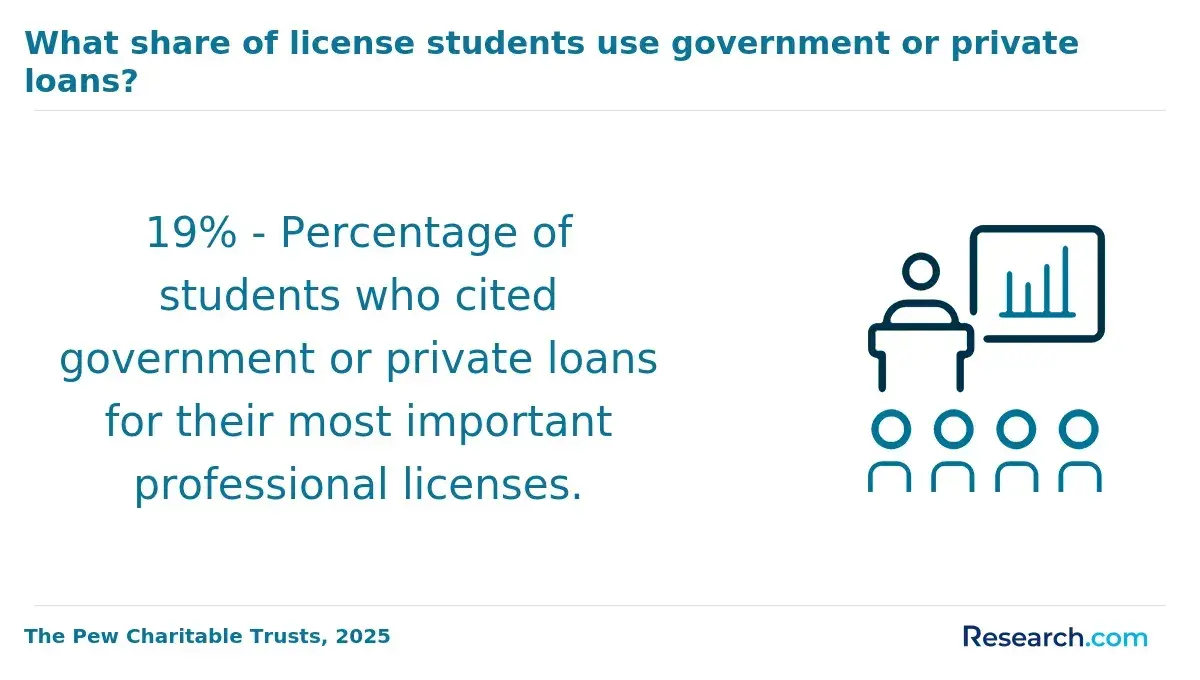
Accreditation is the first quality filter because it affects financial aid eligibility, licensure pathways, employer recognition, and academic credibility. For research careers, accreditation is necessary but not sufficient; you also need evidence that the program has the scholarly infrastructure to support doctoral-level inquiry.
Look for both institutional and nursing-specific indicators. These quality markers help you distinguish a reputable online doctorate from a convenient program with limited research depth.
- Institutional accreditation: The university should be accredited by an agency recognized by the U.S. Department of Education or the Council for Higher Education Accreditation.
- Nursing program accreditation: For FNP preparation, look for accreditation from CCNE or ACEN when applicable, and confirm that the curriculum supports certification and state requirements if the program includes NP licensure preparation.
- State authorization: Online programs must be authorized to enroll students in your state, and clinical placement rules can vary by location.
- Research-active faculty: Faculty profiles should show recent publications, funded projects, methodological expertise, or active scholarship in areas related to your interests.
- Transparent doctoral milestones: Strong programs explain qualifying exams, dissertation or project steps, proposal defense, IRB review, data collection, final defense, and expected timelines.
- Student support for online researchers: Look for library access, statistical consulting, writing support, research software, virtual colloquia, and dissertation coaching.
A common mistake is assuming that accreditation alone proves research strength. Accreditation confirms baseline quality, but it does not tell you whether a faculty member can mentor your dissertation on rural FNP practice, chronic disease management, health equity, telehealth, or implementation science.
Employer Confidence in Online vs. In-Person Degree Skills, Global 2024

Admission requirements vary by degree type, but online Family Nurse Practitioner doctorate programs generally look for a strong nursing background, evidence of graduate-level readiness, and a clear fit between your goals and the school's faculty expertise. Research-focused programs may be more interested in your scholarly writing, prior research exposure, and proposed area of inquiry than in clinical experience alone.
Most applicants should prepare the following materials before applying. Requirements differ by school, so verify each item directly with the program.
- Active, unencumbered RN license, with an APRN or FNP license often required for post-master's DNP pathways
- BSN or MSN from an accredited nursing program, depending on whether the pathway is BSN-to-DNP, MSN-to-DNP, or PhD
- Minimum GPA, commonly assessed through undergraduate or graduate nursing coursework
- Graduate transcripts, professional resume, and documentation of clinical practice experience
- Statement of purpose that explains your research interests, population focus, and career goals
- Writing sample, scholarly paper, or evidence-based practice project, especially for research-intensive programs
- Letters of recommendation from faculty, supervisors, or research mentors who can assess doctoral readiness
- Interview with faculty or admissions committee, often used to assess research fit and mentorship capacity
If you are still mapping the full pathway into advanced practice before doctoral study, this overview of how to become a nurse practitioner can help clarify the licensure and education sequence before you commit to a doctoral route.
The strongest application does not simply say that you want to "do research." It identifies a problem, explains why FNP practice gives you insight into that problem, and names the methods or populations you hope to study.
For example, a focused applicant might propose studying telehealth follow-up for rural diabetes care, deprescribing in older adults, or nurse-led interventions for hypertension control.
Research training is where online FNP doctorate programs differ most. A research-career-oriented doctorate should teach you how to ask answerable questions, evaluate evidence, design studies, analyze data, meet ethical requirements, and communicate findings to academic, clinical, and policy audiences.
For PhD students, the centerpiece is usually a dissertation that makes an original contribution to nursing science. For DNP students, the final requirement is usually a scholarly project that applies evidence to a real clinical or organizational problem. Both can be valuable, but they are not interchangeable.
| Requirement | Research-focused PhD | Practice-focused DNP-FNP |
| Core methods training | Advanced quantitative, qualitative, mixed-methods, theory, and measurement coursework | Evidence-based practice, quality improvement, outcomes evaluation, and implementation methods |
| Statistics and analytics | Often deeper, with emphasis on independent data analysis and research design | Usually applied, focused on interpreting data for clinical improvement |
| Ethics and IRB preparation | Required for human subjects research and dissertation approval | Required when projects involve patient data, clinical sites, or quality improvement review |
| Final scholarly product | Original dissertation with proposal, data collection or analysis, defense, and publishable findings | DNP project or capstone focused on practice change, implementation, or outcome measurement |
| Publication expectations | Often encouraged or expected for competitive research careers | Varies; strongest programs encourage conference presentations or manuscript submission |
Before enrolling, ask to see a sample dissertation or DNP project list from recent graduates. Titles can reveal whether students are completing rigorous studies aligned with your goals or producing narrow internal projects with limited research-career value.
Also ask how online students receive methods support. A strong program should provide access to research librarians, statistical consultants, qualitative analysis guidance, citation management tools, and faculty feedback across multiple drafts rather than only at the final defense stage.
Research specialization is one of the most important fit factors for an online Family Nurse Practitioner doctorate. A respected program may still be the wrong choice if no faculty member studies your population, method, or clinical problem.
The table below shows common FNP-relevant research areas and what to look for when assessing faculty mentorship. This can help you move beyond general program reputation and evaluate whether a school can actually support your dissertation or scholarly project.
| Research area | Examples of FNP-relevant topics | Mentorship indicators to verify |
| Primary care outcomes | Chronic disease management, preventive screening, medication adherence, care coordination | Faculty publications in primary care, outcomes measurement, or comparative effectiveness |
| Rural and underserved populations | Access to FNP care, telehealth, workforce distribution, rural chronic disease outcomes | Community-based research, rural health centers, public health partnerships, grant activity |
| Health equity | Disparities in hypertension, maternal health, diabetes, behavioral health access, preventive care | Equity-focused research agenda, community advisory models, culturally responsive methods |
| Implementation science | Adoption of clinical guidelines, care models, digital tools, quality improvement interventions | Training in implementation frameworks, site partnerships, evaluation expertise |
| Nursing education research | NP clinical education, simulation, preceptor models, competency assessment | Faculty teaching scholarship, doctoral education publications, assessment expertise |
| Informatics and AI-enabled care | Clinical decision support, patient portals, predictive analytics, documentation burden | Faculty with informatics methods, data governance knowledge, and healthcare technology research |
Current research trends also affect program choice. AI-supported clinical documentation, remote monitoring, telehealth, and real-world evidence are becoming more visible in healthcare research, so students interested in these areas should look for informatics coursework, data ethics training, and faculty who understand digital health implementation.
Do not rely only on faculty biographies. Search for recent publications, conference presentations, funded projects, and dissertation committees. Then ask admissions whether the faculty member is accepting new doctoral advisees; a perfect mentor on paper is not helpful if they are unavailable.
Completion time depends on your entry point, enrollment pace, clinical requirements, and final project or dissertation progress. A post-master's DNP may be completed faster than a PhD, while BSN-to-DNP FNP pathways usually take longer because they include graduate clinical preparation, doctoral coursework, and supervised practice hours.
Online does not always mean fully online. Many research-oriented doctorates use low-residency models because doctoral students benefit from proposal intensives, writing retreats, lab meetings, teaching development, or in-person defenses.
| Pathway | Typical format | Timeline considerations | Can it be fully online? |
| Post-master's DNP for certified FNPs | Online or hybrid | Often shorter because NP certification and many clinical requirements are already complete | Sometimes, but project site work may be local and residencies may be required |
| BSN-to-DNP FNP | Online didactic courses with clinical placements | Longer because it combines NP preparation and doctoral-level work | Rarely fully online because clinical hours and skills assessments are required |
| PhD in Nursing | Online, hybrid, or low-residency | Timeline depends heavily on dissertation progress, data access, and advisor availability | Sometimes, but many strong programs include campus intensives or synchronous research seminars |
| DNP-to-PhD or post-DNP PhD | Hybrid or online research doctorate | May allow advanced standing, but original dissertation work still takes time | Varies by school and dissertation requirements |
If speed is your main concern, compare the trade-off carefully. Some accelerated nurse practitioner programs may help students move quickly into NP preparation, but acceleration is not always ideal for doctoral research because high-quality scholarship requires time for methods training, data collection, analysis, and writing.
Part-time study can be realistic for working FNPs, but it can also extend dissertation momentum. Before choosing part-time enrollment, ask how long students remain in candidacy, whether continuous enrollment fees apply, and how often dissertation committees meet with online students.
The cost of an online Family Nurse Practitioner doctorate depends on tuition, fees, residency travel, clinical placement expenses, books, technology, research software, statistics support, and the number of terms needed to complete the dissertation or project. The lowest per-credit tuition is not always the lowest total cost if the program has a longer credit requirement or limited dissertation support.
Use a full-cost framework rather than comparing sticker tuition alone. The following cost categories commonly affect doctoral students in online or hybrid FNP pathways.
- Tuition charged per credit, per term, or by program block
- University and nursing program fees, including online learning, simulation, graduation, and clinical tracking fees
- Residency travel, lodging, meals, and time away from work if the program requires campus intensives
- Clinical placement expenses, background checks, immunizations, liability insurance, and site onboarding costs
- Research costs such as transcription, survey platforms, data access, statistical software, incentives, or poster presentations
- Lost income or reduced work hours during intensive coursework, practicum terms, dissertation data collection, or final defense preparation
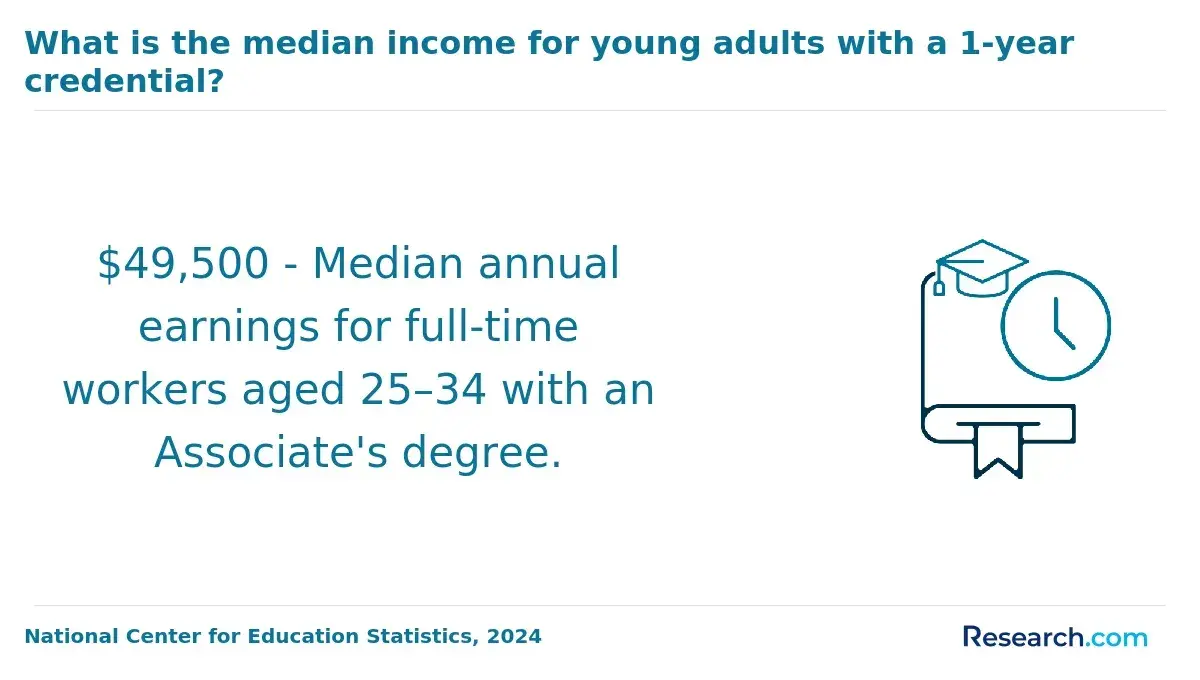
Financing also deserves close attention. Federal graduate loan rates for 2024-2025 were 8.08% for Direct Unsubsidized Loans and 9.08% for Grad PLUS Loans, which means borrowing can substantially increase the long-term price of a doctorate. This makes scholarships, employer tuition assistance, assistantships, and program length especially important.
Funding options for online doctoral students vary widely, so ask specific questions rather than assuming support is unavailable or guaranteed. Some research-intensive schools reserve assistantships for full-time or campus-based students, while others offer online teaching assistant roles, research assistant work, doctoral fellowships, or small dissertation grants.
Good funding questions include whether online students can receive assistantships, whether part-time students qualify for scholarships, whether the school funds conference travel, whether dissertation research mini-grants are available, and whether faculty have funded projects that can employ doctoral students.
A doctorate in Family Nurse Practitioner practice or nursing science can support several research-connected careers, but the best opportunities depend on degree type, research experience, publication record, faculty mentorship, and whether you can demonstrate methodological competence. The degree alone does not guarantee an academic or research job.
The table below summarizes common research-related paths. Salary varies by employer, region, funding source, clinical responsibility, and whether the role is primarily academic, clinical, governmental, or industry-based.
| Career path | Typical responsibilities | Best doctoral preparation | Salary context |
| Nurse scientist | Design studies, publish findings, seek grants, lead research teams, translate evidence into nursing science | PhD with strong dissertation, methods training, publications, and mentor support | Often tied to academic medical centers, research institutes, or grant-funded roles |
| Tenure-track nursing faculty | Teach graduate students, mentor research, publish scholarship, serve on committees, pursue external funding | PhD is typically preferred for research-intensive universities | Academic salaries vary and may be lower than some clinical NP roles |
| DNP-prepared clinical scholar | Lead evidence-based practice, quality improvement, outcome evaluation, and practice innovation | DNP-FNP with strong analytics, implementation science, and publishable project work | May be combined with clinical leadership or advanced practice compensation |
| Health services or policy researcher | Study access, cost, quality, workforce, safety, and care delivery models | PhD or research-intensive DNP with policy, statistics, and population health training | Employers may include universities, think tanks, government agencies, or health systems |
| Clinical research leader | Manage studies, oversee protocols, recruit participants, ensure compliance, and evaluate interventions | DNP or PhD with research ethics, project management, and clinical population expertise | May overlap with advanced practice, research administration, or industry roles |
| Industry evidence or medical affairs role | Evaluate evidence, support clinical strategy, communicate research findings, and advise on patient outcomes | Doctorate plus publication, analytics, and communication skills | Compensation can vary substantially by company, experience, and role scope |
BLS May 2024 data reports a $129,210 median annual wage for nurse practitioners. For research-minded FNPs, this is useful as a clinical benchmark: some academic or research roles may pay less initially, while hybrid clinical-research roles may preserve higher practice income depending on employer structure.
To be competitive for research careers, build evidence of scholarly productivity during the doctorate. Useful signals include conference abstracts, peer-reviewed manuscripts, grant writing exposure, IRB experience, advanced methods coursework, teaching experience, and participation in a faculty research team.
How Should You Choose the Best Online Family Nurse Practitioner Doctorate Program for Your Research Goals?
Choosing the best online Family Nurse Practitioner doctorate for research goals requires a structured comparison. The right program should fit your career target, research topic, funding plan, learning style, and capacity for doctoral writing and independent inquiry.
Use the following steps to compare programs before applying. This sequence helps you avoid being swayed by convenience, rankings, or marketing language alone.
- Define your target outcome first: nurse scientist, faculty researcher, DNP clinical scholar, policy researcher, implementation specialist, or hybrid clinician-researcher.
- Choose the degree type that matches that outcome, recognizing that PhD programs are usually stronger for original research and DNP programs are stronger for applied practice change.
- Identify faculty who publish in your topic area and confirm they are available to mentor new online doctoral students.
- Review dissertation or project titles from recent graduates to judge the level of scholarly rigor and topical fit.
- Compare research support, including statistics help, writing support, library services, IRB guidance, qualitative or quantitative software access, and conference funding.
- Calculate total cost, including fees, travel, research expenses, and potential income reduction, not just tuition per credit.
- Verify accreditation, state authorization, certification alignment, and clinical placement expectations before submitting an application.
- Ask about completion rates, average time in dissertation or project phase, faculty response expectations, and policies for changing advisors.
Common red flags include vague descriptions of the final project, no named research faculty in your area, limited online student access to research resources, unclear clinical placement responsibility, aggressive admissions pressure, and promises of career outcomes that no doctorate can guarantee.
If your priority is simply the least difficult route to an NP credential, the easiest NP program comparison may be more relevant than a research-focused doctorate search. For a research career, however, rigor, mentorship, and scholarly output are features to seek, not obstacles to avoid.
The best final choice is usually the program where your research question, mentor availability, dissertation or project structure, and funding plan align. If any one of those pieces is weak, ask whether the school can realistically support the career you want after graduation.
Other Things You Should Know About Family Nurse Practitioner Programs
Yes, but the likely research role is usually applied, clinical, or implementation-focused. If you want to lead original studies, publish extensively, or pursue tenure-track research faculty roles, a PhD is often the stronger preparation.
Some do. Even programs advertised as online may require residencies, intensives, skills assessments, proposal meetings, or final defenses. Always ask how many visits are required, when they occur, and whether travel costs are included in the budget.
No. PhD programs generally require a dissertation based on original research. DNP programs usually require a scholarly project or capstone focused on evidence-based practice, quality improvement, or implementation in a clinical setting.
Ask whether they are accepting doctoral advisees, how often they meet with students, what methods they supervise, whether students publish with them, and whether your proposed topic fits their active research agenda.
- 2026 Best Online Nurse Practitioner (NP) Programs and Schools - Nurse Practitioner Degrees https://npdegrees.org/degrees/online-np-masters-degrees/online-nurse-practitioner-programs/
- DNP Degree: What It Is & Why Demand Is Growing https://www.baypath.edu/news/bay-path-university-blogs/post/dnp-degree-what-it-is-why-demand-is-growing/
- Collaborative Research https://www.neh.gov/grants/research/collaborative-research-grants
- Advancing Your Nursing Career With a DNP https://www.saintmarys.edu/graduate-studies/nursing/nursing-practice/dnp-article
- Careers with a Doctor of Nursing Practice Degree | Neumann https://learn.neumann.edu/neuperspectives/careers-with-a-doctor-of-nursing-practice-degree


