2027 Online Educational Psychology Doctorate Programs with Cohort-Based Learning: Structure, Networking, and Student Support

Co-Founder and Chief Data Scientist
Choosing an online educational psychology doctorate is partly an academic decision and partly a scheduling decision. Cohort-based programs add structure, peer accountability, and networking, but they can reduce flexibility for working adults. NCES reported in 2024 that more than half of postbaccalaureate students took at least one distance education course, showing how normal online graduate study has become.
This guide explains how cohort learning works, what to ask schools, how costs and support compare, and when a cohort-based doctorate is worth choosing over a more self-paced option.
Key Things You Should Know
- Cohort-based online educational psychology doctorates move students through courses, milestones, and often dissertation or capstone stages with the same peer group, which can improve accountability but usually limits course-by-course pacing flexibility.
- Federal graduate borrowing costs are high: for 2024-25 disbursements, Direct Unsubsidized Loans for graduate students carried an 8.08% interest rate, so total program price and time to completion matter.
- The best fit is usually for working educators, instructional leaders, learning specialists, and psychology-adjacent professionals who want structured deadlines, live discussion, faculty access, and a professional peer network rather than maximum schedule control.
How Does Cohort-Based Learning Work in Online Educational Psychology Doctorate Programs?
Cohort-based learning means students begin the program together and progress through a defined sequence as a group. In an online educational psychology doctorate, that group may take courses in learning theory, cognition, motivation, assessment, research design, program evaluation, educational measurement, child and adolescent development, learning sciences, or school-related psychological practice, depending on the degree type.
The structure matters because doctoral work is long, independent, and often isolating. A cohort creates recurring academic contact points: shared courses, peer review groups, live seminars, research teams, dissertation or capstone check-ins, and faculty-led milestone meetings. It does not mean the program is easy, and it does not always mean students meet live every week.
Most cohort-based online doctorates combine several learning formats. The table below explains the common elements so applicants can distinguish a true cohort model from a program that simply admits students on the same start date:
| Cohort element | What it usually means | Why it matters for the student |
| Shared course sequence | Students take most core courses in the same order. | Creates predictable planning but can make it harder to skip terms or change pace. |
| Live online sessions | Faculty and students meet through scheduled video classes, seminars, or workshops. | Improves interaction, but students must protect specific evenings or weekends. |
| Peer collaboration | Students complete discussions, presentations, research critiques, or applied projects together. | Builds relationships and feedback loops, especially useful for practitioner-focused research. |
| Milestone pacing | Comprehensive exams, proposal defense, dissertation or capstone stages follow a planned timeline. | Reduces uncertainty but may create pressure if work or family demands change. |
| Faculty advising model | Students may meet with assigned advisers, dissertation chairs, or cohort faculty at set points. | Helps prevent drift during independent research phases. |
A strong cohort model should be easy to describe. If an admissions counselor cannot explain cohort size, live meeting expectations, group projects, milestone timing, and what happens when students fall behind, treat that as a red flag.
Which Online Educational Psychology Doctorate Programs Use Cohort-Based Learning?
Online doctorates labeled specifically as "educational psychology" are less common than broader online EdD or PhD programs in education, learning sciences, instructional design, school psychology, assessment, or organizational learning. Some use a formal cohort model; others use rolling starts or individualized plans. Because school policies change, applicants should verify cohort language directly in the current catalog, handbook, and sample degree plan.
The table below summarizes the main program categories where cohort-based online educational psychology learning is most likely to appear. Use it as a screening tool rather than a ranking list.
| Program category | Typical degree labels | Cohort likelihood | Best fit | Important verification point |
| Educational psychology doctorate | PhD or EdD in Educational Psychology, Human Development, Learning and Cognition, or Learning Sciences | Moderate | Students interested in learning theory, research, assessment, motivation, and educational interventions | Ask whether online students progress as a single cohort or only share some required courses. |
| Practitioner-focused education doctorate | EdD in Education, Educational Leadership, Curriculum and Instruction, or Learning Design with psychology-related coursework | High | Working educators, administrators, trainers, and learning leaders who want applied research | Confirm whether the dissertation, dissertation-in-practice, or capstone is completed individually or through cohort-based seminars. |
| School psychology pathway | EdS, PsyD, or PhD in School Psychology, sometimes with online or hybrid delivery | Variable | Students seeking school-based psychological services roles | Check NASP alignment, practicum, internship, residency, and state licensure requirements before assuming online delivery is enough. |
| Instructional design and learning technology doctorate | EdD or PhD in Instructional Design, Learning Technologies, or Instructional Systems | Moderate to high | Professionals focused on digital learning, workforce training, educational technology, or learning analytics | Ask whether collaboration is built into courses or limited to discussion boards. |
| General online psychology doctorate with an educational focus | PhD or PsyD in Psychology with educational, developmental, or learning-related specialization | Low to moderate | Students seeking psychology research or applied learning roles outside school psychologist licensure | Confirm accreditation, state restrictions, internship expectations, and whether the specialization supports your intended career. |
Students considering school-based practice should be especially careful. A doctorate with educational psychology content is not automatically a school psychology licensure pathway. If that is your goal, compare school psychology programs online accredited by NASP and verify state requirements before enrolling.
Common admission requirements include a master's degree, professional resume, statement of purpose, writing sample, recommendation letters, graduate transcripts, and sometimes evidence of education or psychology-related work experience. Many online doctoral programs have dropped GRE requirements, but applicants should not assume test-optional policies apply across all concentrations.
How Does Cohort Learning Affect the Online Educational Psychology Doctorate Workload and Schedule?
Cohort learning usually makes the workload more predictable but less adjustable. Instead of taking courses whenever they fit, students follow a planned sequence with set start dates, shared assignment windows, and group deadlines. That can be helpful for students who need structure but difficult for those with unpredictable travel, rotating shifts, caregiving demands, or seasonal workloads.
Most working adults should evaluate the schedule before they evaluate the course titles. The same doctorate can feel manageable or overwhelming depending on how live meetings, research deadlines, and practicum or residency requirements are distributed.
| Schedule feature | Cohort-based pattern | Decision impact |
| Start dates | Often one to three starts per year | Missing a start may delay enrollment by months. |
| Course pacing | Lockstep or semi-lockstep sequence | Good for planning, less ideal for students who want to accelerate or pause frequently. |
| Weekly rhythm | Asynchronous work plus scheduled live sessions in many programs | Students need protected time for reading, writing, meetings, and group work. |
| Residencies | May include virtual intensives, campus weekends, or summer institutes | Travel, lodging, childcare, and leave from work can affect total cost. |
| Research milestones | Proposal, data collection, analysis, and final defense may be tied to cohort seminars | Structure can reduce delays, but missed milestones may push students into a later cohort. |
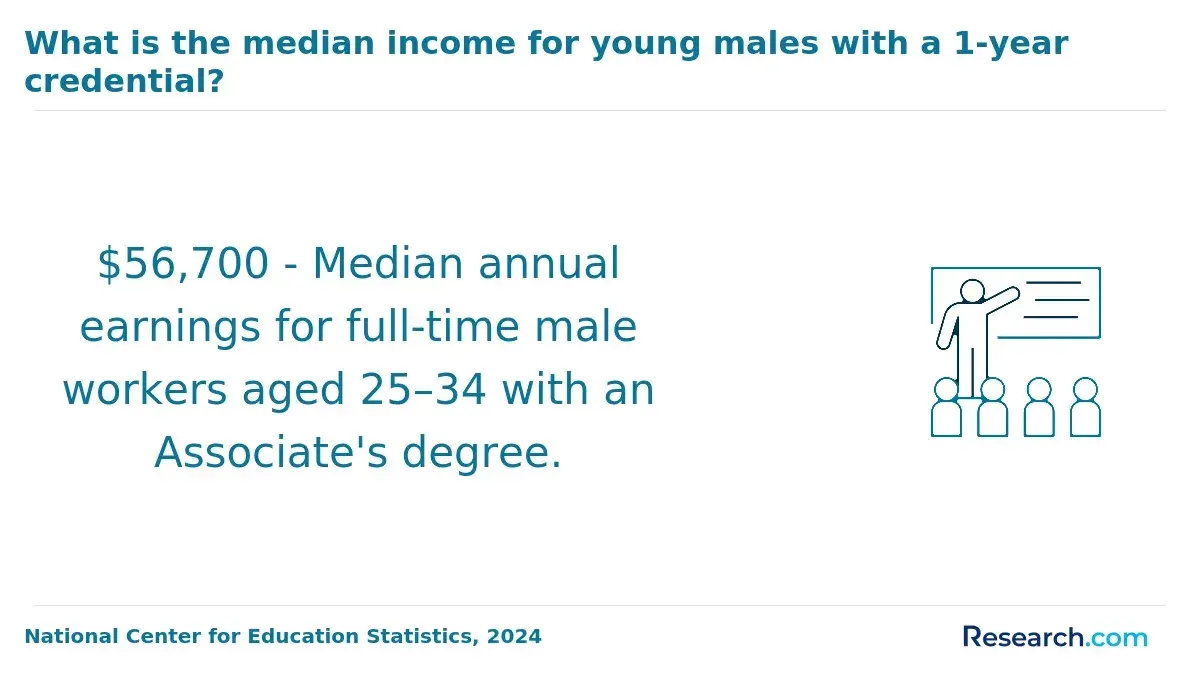
Applicants who want the fastest possible route should be realistic about the difference between "accelerated" and "cohort-based." Some accelerated doctorates use heavy course loads that are not compatible with every full-time job. If speed is a major priority, compare cohort pacing with options such as 1 year EdD programs online, while remembering that very short timelines may depend on transfer credits, prior graduate work, or nontraditional capstone structures.
Before enrolling, take these practical steps to test whether the schedule fits your life. These questions are especially important for students who work full time or support dependents:
- Ask for a term-by-term degree plan showing courses, live meetings, residencies, comprehensive exams, and dissertation or capstone milestones.
- Confirm the expected weekly time commitment during regular courses and during research-intensive terms.
- Ask what happens if you need to miss a live session, drop a course, take a leave of absence, or repeat a milestone.
- Review group project expectations because peer work can create additional meeting times outside scheduled classes.
- Compare the academic calendar with your busiest professional seasons before accepting an offer.
Cohort-based learning can build professional networks because students repeatedly interact with the same peers over several years. In educational psychology, that peer group may include teachers, school administrators, instructional designers, assessment specialists, learning scientists, counselors, training leaders, and higher education professionals. Those relationships can become sources of research feedback, job leads, conference collaboration, and long-term professional support.
The quality of networking depends on program design. A small, active cohort with faculty-facilitated collaboration can be far more valuable than a large online class where students only post short discussion replies. Applicants should look for repeated, purposeful interaction rather than vague claims about "community."
| Networking feature | Strong signal | Weak signal |
| Cohort size | Small enough for discussion and faculty recognition | So large that students rarely know one another |
| Faculty involvement | Faculty lead seminars, research groups, and milestone workshops | Most interaction happens only through automated course shells |
| Peer review | Students critique research questions, literature reviews, instruments, and presentations | Discussion boards are the main peer activity |
| Professional events | Programs support conference presentations, webinars, alumni panels, and practitioner roundtables | Networking is mentioned but not scheduled |
| Alumni access | Current students can speak with alumni and see examples of career paths | Alumni outcomes are not described clearly |
A common mistake is assuming that "cohort" automatically means strong networking. In reality, networking improves when programs create recurring reasons for students to exchange substantive work. Ask current students how often they interact outside required discussion posts, whether faculty know their professional goals, and whether alumni remain involved after graduation.
Student support is one of the biggest reasons to consider a cohort-based online doctorate. Doctoral students need more than course access; they need advising, research guidance, writing support, library help, technology support, and clear escalation paths when life disrupts the academic plan.
The most useful support services are those tied to predictable doctoral milestones. The table below shows what to look for and why each service matters in an online educational psychology doctorate:
| Support service | What strong programs provide | Why it matters |
| Academic advising | Regular check-ins tied to the cohort plan | Helps students understand sequence, registration, and milestone expectations. |
| Research mentoring | Early guidance on research questions, methods, ethics review, and data analysis | Reduces the risk of reaching the dissertation stage without a feasible study. |
| Writing support | Doctoral writing center, APA support, literature review workshops, and revision coaching | Educational psychology doctorates are writing-heavy, even in applied EdD formats. |
| Library and database support | Remote access to journals, citation tools, and librarian consultations | Students need current empirical research for theory, intervention, and assessment work. |
| Technology support | Help with learning platforms, video tools, statistics software, and accessibility tools | Online students cannot afford long delays during live classes or group deadlines. |
| Career and alumni services | Resume review, interview support, job boards, alumni panels, and applied project showcases | Helps students translate doctoral work into leadership, research, or learning design opportunities. |
Support should also be available when a student falls out of sequence. Ask whether the program has reentry plans, alternate course options, temporary reduced-load paths, and policies for students who need to pause. A cohort can motivate students, but it can also make setbacks more stressful if the school has no flexible support plan.
The choice between a cohort-based and self-paced online educational psychology doctorate is not about which format is universally better. It is about which structure matches the student's work schedule, learning style, career goals, and need for accountability.
The table below compares the two models across the decision points that most often affect adult doctoral students:
| Factor | Cohort-based doctorate | Self-paced or individually paced doctorate |
| Flexibility | Moderate; students follow a shared sequence | Higher; students may adjust course load more often |
| Accountability | Strong; peer groups and shared deadlines create momentum | Depends heavily on the student's self-management |
| Networking | Often stronger if collaboration is built into the curriculum | Can be weaker unless the program has active communities or residencies |
| Time to completion | More predictable when students stay on track | Can be faster or slower depending on transfer credits, workload, and motivation |
| Fit for unpredictable schedules | Lower if live sessions and group deadlines are frequent | Higher if courses are asynchronous and terms are flexible |
| Research support | Often structured through cohort seminars and milestone workshops | May require students to seek mentoring more independently |
A cohort model often fits students who want structured deadlines, frequent peer contact, and a guided path through research milestones. A self-paced model may fit students who travel often, manage irregular work schedules, or already have strong doctoral-level research experience.
Students comparing related education pathways should also think about whether a doctorate is necessary at all. For professionals focused mainly on learning technology, course design, or corporate training, the best online instructional design master's programs may provide a faster and less expensive route than a doctoral program.
Cohort-based learning may support persistence by reducing isolation, creating peer accountability, and giving students a visible path through the program. However, it should not be treated as a guarantee of completion. Completion depends on many factors, including advising quality, dissertation or capstone support, finances, employment stability, health, family responsibilities, and the feasibility of the student's research project.
The most important question is not whether cohorts help in theory, but whether a specific program has systems that keep students moving when doctoral work becomes difficult. Strong programs monitor progress, intervene early, and make dissertation or capstone expectations transparent before students reach the final stage.
Look for these persistence supports before choosing a program. They are better indicators than marketing language about community:
- A published milestone map showing when students complete methods courses, comprehensive exams, proposal work, data collection, analysis, and final defense or capstone presentation.
- Required research seminars that continue after coursework ends, when many doctoral students are most likely to lose momentum.
- Clear chair or committee assignment procedures so students are not left searching for faculty support late in the program.
- Documented leave, reentry, and course-repeat policies for students whose work or family obligations interrupt the cohort sequence.
- Transparent information about dissertation, dissertation-in-practice, capstone, or applied project expectations.
Students worried about the dissertation stage should compare program models carefully. Some practice-focused doctorates use applied capstones or dissertation-in-practice formats, and resources on online EdD programs no dissertation can help clarify how alternatives differ from traditional research dissertations.
An online educational psychology doctorate can support several career directions, but outcomes depend on the student's prior experience, specialization, licensure status, research skills, and employer market. Common paths include educational research, instructional leadership, assessment and evaluation, learning design leadership, higher education administration, school or district leadership, faculty roles, and organizational learning positions.
BLS wage data released in 2024 reported a May 2023 median annual wage of $120,000+ for training and development managers, one role where doctoral-level expertise in learning, assessment, and organizational development can be relevant. This figure should not be read as a doctorate-specific salary promise; it shows that advanced learning leadership roles can be financially meaningful, especially when combined with management experience.
Cohort learning can affect career outcomes in three practical ways. It gives students a peer network across schools and organizations, creates opportunities to present applied research, and helps students practice explaining evidence-based learning decisions to professional audiences.
| Career direction | How educational psychology training helps | How cohort learning may add value |
| Learning and development leadership | Applies motivation, cognition, assessment, and program evaluation to workforce learning | Peers from different sectors can become collaborators or referral sources. |
| School or district improvement | Supports data-informed intervention, student learning analysis, and professional development design | Cohort projects may expose students to practices from other districts or states. |
| Higher education teaching or administration | Builds research, curriculum, assessment, and student success expertise | Faculty-led cohorts can help students prepare presentations, publications, or teaching portfolios. |
| Educational research and evaluation | Develops methods, measurement, and applied research skills | Peer review groups can strengthen study design and interpretation. |
| Instructional design or learning technology leadership | Connects learning theory with digital learning strategy and evaluation | Cohort collaboration mirrors cross-functional design work. |
Students should also consider how AI is changing education and training work. Employers increasingly value professionals who can evaluate learning tools, interpret data responsibly, design accessible learning experiences, and explain why an intervention works. A cohort can help students test ideas with peers, but the program should still teach research methods, ethics, assessment, and technology evaluation directly.
The cost of a cohort-based online educational psychology doctorate varies by institution, residency requirements, transfer credit policy, dissertation length, technology fees, and whether tuition is charged per credit, per term, or by program. Public and private nonprofit institutions can both be expensive or affordable depending on residency status, aid, and program structure, so institution type alone should not determine your decision.
Federal borrowing costs are an important part of the calculation because doctoral programs often take several years. For the 2024-25 aid year, key federal graduate loan figures included:
- Direct Unsubsidized Loan annual borrowing limit for graduate students: $20,500
- Direct Unsubsidized Loan interest rate for graduate students for 2024-25 disbursements: 8.08%
- Direct Grad PLUS Loan interest rate for 2024-25 disbursements: 9.08%
- Direct Unsubsidized Loan origination fee for loans first disbursed during the standard 2024-25 fee period: 1.057%
- Direct Grad PLUS Loan origination fee for loans first disbursed during the standard 2024-25 fee period: 4.228%
Those rates mean a program that looks manageable at the tuition line can become much more expensive if students borrow for fees, residencies, books, technology, and extra terms. Cohort programs can help control cost when they keep students on schedule, but they can add cost if missed milestones force a student to wait for the next course cycle.
Use the table below to compare cost drivers across programs. The goal is to estimate total cost to completion, not just the first-year bill.
| Cost factor | What to ask | Why it changes total cost |
| Credits required | How many post-master's credits are required after transfer review? | More credits usually increase tuition and time. |
| Tuition model | Is tuition per credit, per term, or flat-rate by program? | Flat-rate and per-term models can penalize students who slow down. |
| Residencies | Are campus visits, summer institutes, or in-person defenses required? | Travel and lodging may not appear in tuition estimates. |
| Dissertation or capstone continuation | What fees apply if research takes longer than planned? | Continuation credits can add cost late in the program. |
| Transfer credits | How many graduate credits can apply, and which courses are excluded? | Accepted transfer credits may reduce cost and duration. |
| Employer support | Does your employer offer tuition assistance, release time, or research access? | Workplace support can improve affordability and feasibility. |
A practical ROI review should include tuition, fees, interest, time away from paid work, promotion potential, and whether the degree is required for your intended role. If the doctorate is mainly for personal growth, the financial calculation may be different than if it is tied to a specific promotion, faculty role, or leadership requirement.
How Should Students Choose a Cohort-Based Online Educational Psychology Doctorate Program?
Choosing a cohort-based online educational psychology doctorate should start with fit, not prestige claims. The right program should match your career goal, learning style, schedule, research interests, and support needs. It should also be institutionally accredited, transparent about online requirements, and clear about whether the degree supports any licensure goal you may have.
Use a structured decision process before applying. These steps help separate meaningful cohort design from surface-level marketing:
- Define your target outcome first, such as district leadership, learning design leadership, educational research, higher education teaching, evaluation, or school psychology practice.
- Confirm degree alignment by comparing the curriculum with the skills your target role requires, including research methods, assessment, learning theory, data analysis, and intervention design.
- Verify accreditation, state authorization, residency requirements, and any licensure implications before assuming an online doctorate will meet professional requirements.
- Request the cohort schedule, including live class times, group projects, residency dates, milestone deadlines, and policies for falling out of sequence.
- Ask about cohort size, faculty advising, dissertation or capstone chair assignment, alumni access, and student support after coursework ends.
- Estimate total cost to completion, including tuition, fees, travel, continuation credits, loan interest, and potential lost income.
- Speak with current students or alumni about workload, faculty responsiveness, peer interaction, and what they wish they had known before enrolling.
Students should avoid several common mistakes: assuming online means fully flexible, assuming cohort means strong networking, overlooking live meeting requirements, ignoring leave policies, and choosing a program before understanding dissertation or capstone expectations. A strong program will answer these questions clearly and consistently.
If you are still comparing doctorate formats, resources on 1-year EdD programs online can help you understand how accelerated options differ from cohort-based programs that prioritize structured progression over maximum speed.
The best choice is a program where the cohort structure solves a real problem for you. If you need accountability, peer feedback, and a guided research pathway, a cohort-based doctorate may be a strong fit. If you need maximum control over pacing, travel often, or cannot attend scheduled sessions, a self-paced or individually structured program may be the safer decision.
Other Things You Should Know About Educational Psychology
No. Educational psychology usually focuses on learning, cognition, motivation, assessment, research, and educational interventions. School psychology is a professional practice field that often involves assessment, counseling, consultation, and school-based services. Licensure requirements vary by state.
Usually, yes. Most doctoral programs include quantitative research, qualitative research, assessment, measurement, or program evaluation. Even applied EdD programs typically require enough methods training to design and defend a rigorous capstone or dissertation-in-practice.
Possibly, but it depends on the institution, role, research record, teaching experience, and whether the degree is a PhD, EdD, or another doctorate. Tenure-track research roles often expect strong research preparation and publications, while teaching-focused or practitioner programs may value professional expertise.
Many online educational psychology doctorates are post-master's programs, but requirements vary. Some admit students with a bachelor's degree into longer doctoral pathways, while others require a relevant master's degree, professional experience, and graduate-level research or statistics preparation.
- How Does Cohort Based Learning Work? Define With Examples [2026] https://creatorlms.net/cohort-based-learning/
- How Cohort-Based Learning Delivers What Members Actually Want https://hiapti.com/how-cohort-based-learning-delivers-what-members-actually-want
- Exploring PhD Completion Rates: How Many Finish on Time? https://wallyboston.com/phd-completion-rates/
- Mental Health in Academia: Get online to support wellbeing of graduate students | eLife https://elifesciences.org/articles/53178
- The Psychology of Cohort Learning: Key Insights for 2026 https://www.disco.co/blog/the-psychology-of-cohort-learning-key-insights-for-2026
- 25 Best Online EdD Programs of 2025 https://www.eddprograms.org/schools/best-online-doctor-of-education-programs/
- Ed.D. program boasts strong completion rate https://lipscomb.edu/news/edd-program-boasts-strong-completion-rate
- Cohort-based Learning: Learning Together Beats going it Alone https://www.scheer-imc.com/blog/article/cohort-based-learning-learning/
- Educational Psychology Degrees and Careers https://www.onlinepsychologydegrees.com/specialty/educational-psychology/
- Research mentorship for mental health research students https://riseglobaleducation.com/blogs/research-mentorship-for-mental-health-research-students