2027 Online Educational Psychology Doctorate Accreditation Guide: Institutional, Programmatic, and Licensure Considerations

Co-Founder and Chief Data Scientist
Choosing an online Educational Psychology doctorate is not just a curriculum decision; it is an accreditation and licensure risk decision. NC-SARA reports more than 2,400 participating institutions in its national distance education reciprocity system, showing how common interstate online enrollment has become.
This guide is for prospective doctoral students comparing online EdD or PhD options, especially those aiming for school psychology, psychology licensure, research, higher education, or applied learning roles. You will learn how to verify institutional accreditation, understand programmatic accreditation, check state licensure fit, and avoid programs that may not be recognized for your goals.
Key Things You Should Know
- Institutional accreditation is the baseline for legitimacy, federal financial aid eligibility, transfer review, and employer recognition. Verify it through the U.S. Department of Education's Database of Accredited Postsecondary Institutions and Programs or CHEA before enrolling.
- Programmatic accreditation is not always required for a general Educational Psychology doctorate, but it can be critical when the program is designed for regulated practice, such as school psychology, health service psychology, counseling, behavior analysis, or state education credentials.
- Licensure is state-specific. An online doctorate may be accredited and still fail to meet your state's supervised experience, practicum, internship, residency, exam, or approved-program requirements.
Is an Online Educational Psychology Doctorate Accredited Differently From an On-Campus Program?
An online Educational Psychology doctorate is not accredited under a separate "online accreditation" system simply because courses are delivered at a distance.
Legitimate accreditation evaluates the institution or program against the same academic quality, governance, faculty, assessment, student support, and learning outcome standards that apply to campus programs. The delivery format matters, but it is reviewed as part of quality assurance rather than as a different type of accreditation.
The key issue is whether the online format changes your ability to complete required experiences. Educational psychology doctoral programs may prepare students for research, instructional design leadership, learning analytics, school-based assessment, university teaching, district leadership, or psychology-related practice.
If the program includes licensure preparation, accreditors and state boards may scrutinize supervised fieldwork, identity verification, faculty oversight, internship placement, and residency components more closely.
The following table shows how accreditation expectations typically compare across delivery formats. It helps separate what should be the same from what online students need to inspect more carefully.
| Accreditation factor | Online doctorate | On-campus doctorate | Why it matters |
| Institutional accreditation | Should come from a recognized institutional accreditor | Should come from a recognized institutional accreditor | Confirms the institution meets baseline academic and administrative standards |
| Programmatic accreditation | May apply if the program prepares students for a regulated profession | May apply if the program prepares students for a regulated profession | Can affect licensure, certification, internship acceptance, and employer recognition |
| Field placement oversight | Often completed near the student's location with school approval | Often arranged through local campus partnerships | State boards may require specific supervisor credentials, settings, and hours |
| Residency or in-person requirement | May be limited, hybrid, or required during certain terms | Usually embedded in campus attendance | Some licensure pathways require face-to-face assessment, supervision, or cohort activities |
Do not assume that "online" means easier, less rigorous, or less recognized. The safer question is whether the school's accreditation, program approvals, and field experiences align with your intended state and profession.
What Is the Difference Between Institutional and Programmatic Accreditation for an Online Educational Psychology Doctorate?
Institutional accreditation evaluates the college or university as a whole. Programmatic accreditation evaluates a specific academic program, department, or professional preparation pathway.
For an online Educational Psychology doctorate, you usually need to understand both because one answers "Is the university legitimate?" while the other answers "Is this specific program recognized for my professional goal?"
The old shorthand of "regional" versus "national" accreditation is less useful than it used to be. Federal regulations now refer to institutional accreditors, and students should focus on whether the accreditor is recognized by the U.S. Department of Education, CHEA, or both.
A school can be institutionally accredited while a particular doctoral program has no programmatic accreditation, and that may be acceptable or problematic depending on your goal.
This comparison summarizes the practical difference. Use it when reviewing an online doctorate's accreditation page, catalog, and licensure disclosures.
| Accreditation type | What it reviews | Common examples relevant to this field | Student decision impact |
| Institutional accreditation | The entire university, including governance, finances, academic quality, faculty, and student support | Institutional accreditors recognized by the U.S. Department of Education or CHEA | Usually needed for federal financial aid, transfer review, employer confidence, and admission to later study |
| Programmatic accreditation or approval | A specific professional program or preparation pathway | APA Commission on Accreditation for health service psychology, NASP recognition or approval for school psychology, CACREP for counseling-related pathways, ABAI for behavior analysis pathways | May be required or strongly preferred for licensure, certification, internships, or specialized employment |
| State approval | Whether the program meets a state's education or professional preparation rules | State psychology boards, state education agencies, educator certification offices, or school psychology credentialing authorities | Can determine whether graduates may apply for state credentials, even if the school is accredited |
| State authorization | Whether the school may legally offer distance education to students in a state | SARA participation or state-by-state authorization | Allows enrollment access but does not automatically mean the program meets professional licensure rules |
A common mistake is treating institutional accreditation as a universal stamp of approval. It is essential, but it does not automatically mean the online doctorate satisfies psychologist licensure, school psychologist certification, or another regulated credential.
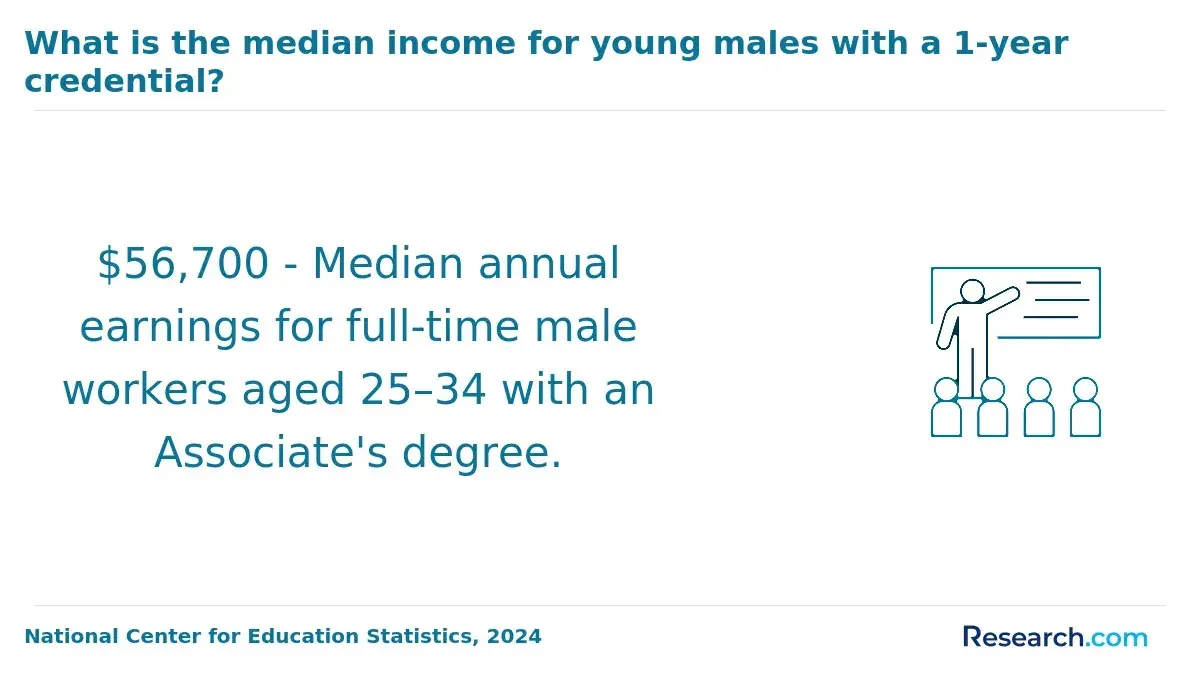
If you want a faster education leadership doctorate that is not designed for clinical or school psychology licensure, you may also compare options such as 1 year EdD programs online, but the same institutional accreditation checks still apply.
How Can You Verify That an Online Educational Psychology Doctorate and Its Accreditor Are Legitimate?
The safest way to verify accreditation is to check independent databases, not just the school's marketing page. Schools should clearly name the accreditor, the accredited entity, the accreditation status, and any program-specific approvals.
Vague phrases such as "internationally accredited," "recognized by employers," or "approved by a private education council" are not enough for a U.S. doctoral student making a licensure or financial aid decision.
Use the following verification sequence before applying or paying a deposit. It is designed to help you confirm both the institution and the specific doctoral program.
- Search for the institution in the U.S. Department of Education's Database of Accredited Postsecondary Institutions and Programs and confirm that the school, not just an affiliated system, is listed.
- Check whether the institutional accreditor is currently recognized by the U.S. Department of Education or CHEA and whether the accreditation is active, probationary, withdrawn, or pending.
- Review the school's accreditation page and catalog for the exact name of the online Educational Psychology doctorate, including whether it is an EdD, PhD, PsyD, or another doctoral title.
- If the program claims to prepare students for licensure or certification, verify the relevant programmatic accreditation or state approval directly with the accrediting body or state board.
- Read the professional licensure disclosure for your state and save a copy, especially if it says the school has not determined whether the program meets requirements.
- Ask admissions for written confirmation of practicum, internship, residency, and supervision requirements for your intended state and credential.
Legitimate schools usually make these details easy to find. If an advisor cannot name the institutional accreditor, cannot explain whether the program has programmatic accreditation, or pressures you to enroll before you verify state requirements, treat that as a serious warning sign.
The table below highlights common red flags and safer alternatives. It is useful when comparing programs that sound similar but differ in recognition, licensure fit, or student protections.
| Red flag | Why it is risky | Better alternative |
| The school says it is "fully accredited" but does not name the accreditor | You cannot verify recognition or status | Look for the exact accreditor and confirm it in federal or CHEA databases |
| The program claims licensure eligibility in all states | Licensure rules vary by state and can change | Ask for state-specific written disclosures and confirm with your board |
| The program is accredited by an organization that is not recognized for U.S. higher education purposes | Financial aid, transfer, employment, and licensure recognition may be limited | Prioritize recognized institutional accreditation and relevant programmatic approval |
| The doctorate has no supervised fieldwork even though it advertises practitioner preparation | Many regulated roles require documented supervised experience | Confirm required practicum, internship, and supervisor qualifications before enrolling |
Not every online Educational Psychology doctorate needs programmatic accreditation. Many educational psychology doctorates are research, policy, learning sciences, measurement, assessment, higher education, or instructional leadership degrees.
For these, institutional accreditation may be the main accreditation requirement, while faculty expertise, research fit, dissertation support, and employer recognition may matter more than a profession-specific accreditor.
Programmatic accreditation becomes much more important when the degree is connected to a regulated occupation. If the program is marketed as preparation for psychologist licensure, school psychologist credentials, counseling licensure, behavior analysis certification, or educator licensure, you should look beyond the degree title and verify the exact credential pathway.
Use this general decision guide to identify when programmatic accreditation is likely to matter. Requirements can vary, so it should not replace checking your state board.
| Your goal | Is programmatic accreditation usually important? | What to verify |
| University teaching or educational psychology research | Often not required | Institutional accreditation, faculty research fit, dissertation mentoring, and publication or research opportunities |
| District-level learning, assessment, or evaluation leadership | Sometimes important | Whether the role requires educator credentials, administrative licensure, or state approval |
| School psychologist credential | Often important or strongly preferred | NASP recognition or state-approved school psychology preparation, internship structure, and state credential rules |
| Licensed psychologist or health service psychology practice | Usually very important | APA accreditation or other state-recognized doctoral preparation standards, internship requirements, supervised postdoctoral hours, and exams |
| Behavior analysis or applied learning intervention roles | Can be important | Whether coursework and supervised experience meet certification-board and state licensure rules |
If your goal is school psychology specifically, compare programs with a close eye on professional recognition and state credentialing. A helpful starting point is a list of school psychology programs online accredited by NASP, but you should still verify the program's current status and your state's requirements before enrolling.
The accreditation that matters for licensure depends on the credential you want. "Educational psychology" is a broad academic field, while licensure categories are usually narrower. A state board may care less about the program's broad title and more about whether the curriculum, supervised experience, faculty qualifications, assessment training, and internship match the state's rules for a specific profession.
For example, a doctorate in educational psychology may support careers in research, learning assessment, program evaluation, instructional leadership, or educational consulting without leading to a psychology license.
By contrast, a student seeking licensure as a psychologist may need a doctoral program in clinical, counseling, or school psychology that meets health service psychology standards. A student seeking school psychologist certification may need a program approved by a state education agency, recognized by NASP, or structured around school psychology competencies.
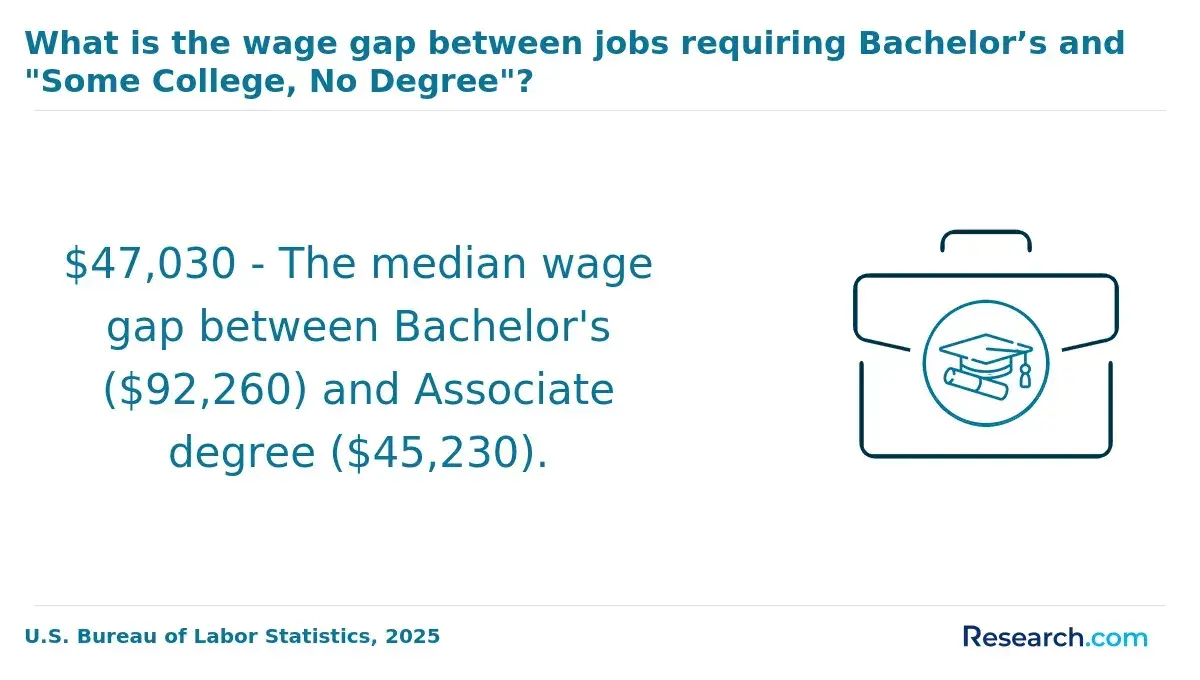
The Bureau of Labor Statistics lists the median annual wage for psychologists at $94,310 in May 2024 and projects employment growth for psychologists over the 2024 to 2034 period. That figure is not a promise for graduates of any one program, but it explains why licensure alignment matters: access to certain psychologist roles may depend on completing a board-acceptable doctoral pathway, not simply earning any doctorate with psychology in the title.
Before you assume a doctorate leads to a license, clarify these credential-specific issues:
- Whether your intended state recognizes the exact doctoral program type for the license or certificate you want
- Whether the state requires APA accreditation, NASP recognition, state-approved educator preparation, or another approved pathway
- Whether online coursework is accepted for the credential and whether any in-person components are mandatory
- Whether internship, practicum, residency, or postdoctoral supervision hours must occur in specific settings
- Whether the program's disclosure says it meets, does not meet, or has not determined requirements in your state
Licensure-focused students should be cautious with programs that use broad wording such as "psychology-based practice" or "prepares students for helping professions" without naming a specific license. The more regulated your goal, the more precise the accreditation and licensure evidence should be.
An online Educational Psychology doctorate will meet licensure requirements in your state only if the program's curriculum, accreditation, field experiences, and disclosures align with that state's rules.
Accreditation is important, but state boards make final decisions about licensure eligibility. This is especially important for students who live in one state, enroll in a university located in another state, and complete practicum or internship experiences in a third state.
State-specific review is not a formality. Some states require particular programmatic accreditation, prescribed coursework, supervised hours, internship length, background checks, exams, or board approval before you can receive a school psychology credential, psychology license, or education-related certification. Others may allow alternative pathways but require detailed documentation.
Use the following process before enrolling, not after you finish coursework:
- Identify the exact license, certificate, or credential you want, such as licensed psychologist, school psychologist, educational diagnostician, behavior analyst, or educator administrator.
- Find the official state board or agency that controls that credential in the state where you intend to work.
- Compare the state's education, accreditation, supervised experience, exam, and internship requirements against the program's catalog and licensure disclosure.
- Email the board with the program name, degree title, institution, delivery format, and fieldwork plan, and ask whether the program appears to satisfy the education requirement.
- Request written confirmation from the university that it can support your required field placement in your state.
- Save copies of all disclosures, emails, handbooks, and catalog pages because requirements can change while you are enrolled.
The biggest mistake is relying only on an admissions advisor's verbal assurance. Advisors can be helpful, but licensure boards control eligibility. If the school says it has not determined whether the program meets requirements in your state, treat that as a signal to investigate further before committing tuition and time.
Field experiences can be the deciding factor in whether an online doctorate supports licensure or certification. Coursework may be fully online, but many regulated roles require supervised practice in approved settings.
For school psychology, health service psychology, assessment, counseling-adjacent roles, and some education credentials, the quality and documentation of practicum or internship hours can be just as important as the degree itself.
Students often focus on convenience and overlook placement logistics. That can create problems if the school cannot approve a site in your state, the supervisor lacks the required credential, the setting does not match board rules, or the program's online format does not include required in-person assessment, consultation, or residency experiences.
Before enrolling in a licensure-oriented online doctorate, ask the program to answer these fieldwork questions in writing:
- Who is responsible for finding practicum and internship sites: the student, the university, or both?
- What credentials must site supervisors hold for your intended state or certification pathway?
- How many hours are required, and how are they documented, audited, and approved?
- Can the program place or approve students in your state, district, agency, clinic, or school system?
- Are there in-person residency, assessment, lab, or campus requirements, and when do they occur?
- What happens if you move to another state during the program?
If you are comparing program formats, remember that shorter or more flexible options may be excellent for leadership, research, or curriculum-focused goals but inappropriate for licensure if they lack required supervised experiences.
Some students also compare online EdD programs no dissertation when they prefer a capstone model, but a no-dissertation structure does not remove practicum, internship, or licensure requirements when those apply.
Accreditation affects more than reputation. Institutional accreditation is closely tied to federal financial aid eligibility, credit transfer review, employer tuition benefits, doctoral internship acceptance, faculty hiring, and admission to later study. Programmatic accreditation can also affect eligibility for professional internships, licensure exams, specialized credentials, and certain school district or clinical roles.
The financial stakes can be substantial. Federal Student Aid data for the 2024-25 award year lists the graduate Direct Unsubsidized Loan annual limit at $20,500 for eligible students, with Grad PLUS Loans potentially covering additional approved cost of attendance.
That does not mean borrowing is advisable for every student, but it shows why verifying accreditation before borrowing matters: an unrecognized or poorly aligned doctorate can create debt without delivering the credential value you expected.
This table summarizes the major downstream effects. Use it when weighing a lower-cost program against one with stronger accreditation, field placement, or licensure alignment.
| Decision area | How accreditation can matter | What to verify |
| Federal financial aid | Eligible institutions generally need recognized institutional accreditation | School listing in federal accreditation and aid databases |
| Transfer credits | Receiving schools often prefer credits from institutionally accredited institutions | Transfer policies at the destination school, not just the sending school |
| Employer recognition | Employers may screen for recognized institutional accreditation or profession-specific accreditation | Employer requirements for salary lanes, promotions, and licensed positions |
| Licensure and certification | Boards may require specific programmatic accreditation or state-approved preparation | Current state board rules and written program disclosures |
| Further study | Postdoctoral training, certificates, or second degrees may require an accredited doctoral background | Admission requirements for the next credential you may pursue |
Accreditation also intersects with career direction. If your goal is learning design, corporate training, or educational technology rather than licensure, a doctorate may not always be the most efficient next credential. Some professionals first compare the best online instructional design master's programs to build applied skills at a lower cost before deciding whether a doctorate is necessary.
What Happens if an Online Educational Psychology Doctorate Loses Accreditation or Is Only in Candidacy?
If an institution or program loses accreditation, students may face serious consequences. Those can include reduced financial aid eligibility, difficulty transferring credits, employer skepticism, interrupted field placements, and uncertainty around licensure eligibility. The impact depends on whether the loss affects institutional accreditation, programmatic accreditation, state approval, or a specific professional pathway.
Candidacy is different from full accreditation. It usually means the institution or program is in a review process and has not yet received full accredited status. Candidacy can be a positive step for a developing program, but it is not the same as being fully accredited.
For licensure-sensitive pathways, some state boards may not treat candidacy as equivalent to full accreditation, and some may only recognize graduates if accreditation is achieved by a specific point in time.
If a program is in candidacy, probation, show-cause status, teach-out, or accreditation review, ask direct questions before enrolling. The following questions are especially important for doctoral students who may spend several years in the program:
- Is the institution currently fully accredited, and is any status probationary, warning-based, or under review?
- Is the specific doctorate fully programmatically accredited, in candidacy, seeking accreditation, or not eligible for that accreditation type?
- If accreditation is pending, will current students be covered retroactively if full accreditation is granted?
- What teach-out protections exist if accreditation is denied, withdrawn, or voluntarily discontinued?
- How would accreditation loss affect financial aid, internship approval, licensure disclosures, and graduation timelines?
- Will the school provide these answers in writing before you enroll?
The safest approach is to avoid making a licensure-critical decision based on hoped-for future accreditation. If you can only qualify for your intended credential if accreditation is granted later, compare that risk against programs that already hold the required status.
Other Things You Should Know About Educational Psychology Programs
An EdD is often more practice-oriented and may fit education leaders, district specialists, and applied learning professionals. A PhD is usually more research-intensive and may fit students aiming for faculty roles, research positions, psychometrics, learning sciences, or policy analysis. Accreditation and licensure fit matter more than the degree label alone.
Sometimes, but not always. Many states require a doctoral program that meets specific psychology licensure standards, often in clinical, counseling, or school psychology. A general Educational Psychology doctorate may not qualify unless the curriculum, supervised experience, internship, and accreditation match state board requirements.
They can be respected when they come from an institutionally accredited university and align with the role. Employers may also consider research experience, dissertation quality, applied projects, licensure eligibility, faculty reputation, and whether the program includes meaningful supervised or professional practice.
Save the catalog page, accreditation page, tuition and fee schedule, professional licensure disclosure, fieldwork handbook, transfer policy, and any written answers from admissions or program directors. These records can help if requirements change or if you later need to document your preparation for a board, employer, or another university.
- Understanding the Differences: Institutional Accreditation, Programmatic Accreditation, and ISO Certification https://www.qahe.org/article/understanding-the-differences-institutional-accreditation-programmatic-accreditation-and-iso-certification/
- The Psychology License Map: A State-by-State Guide https://www.onlinemastersdegrees.org/student-resources/psychology/licensure-by-state/
- Psychology Licensing Requirements By State | Psychology.org https://www.psychology.org/psychology/licensure/
- PhD in Clinical Psychology https://www.fielding.edu/school-of-psychology/phd-in-clinical-psychology/
- Psychology Accreditation: What you need to know https://www.onlinepsychologydegrees.com/articles/accreditation/
- Institutional vs Program Accreditation: What You Should Look For | Articles | Unimy https://www.unimy.com/article/institutional-vs-program-accreditation-what-you-should-look-for
- Institutional vs. Programmatic Accreditation: Key Differences | Higher Ed Review https://higheredureview.com/institutional-vs-programmatic/