2027 Online Construction Management Master's Programs at Accredited U.S. Universities

Co-Founder and Chief Data Scientist
Choosing an online master's in construction management is a career and financing decision, not just an academic one. The right program can help experienced builders, engineers, project coordinators, career changers, and working adults move toward leadership roles without leaving their jobs. The wrong program can create avoidable debt, scheduling problems, transfer issues, or a credential that does not align with employer expectations.
Interest in online graduate study is strong: 45% of graduate students now prefer fully online formats, according to the National Center for Education Statistics. For construction management students, that flexibility matters because many applicants are already working around job sites, travel, family obligations, or irregular project schedules. Still, convenience should not outweigh accreditation, curriculum quality, total cost, faculty expertise, and the program's fit with your target role.
This guide explains how accredited U.S. online construction management master's programs are structured, what admission requirements to expect, how tuition and fees affect total cost, which delivery formats work best for different learners, and why accreditation and specialization choices can influence career mobility.
Key Things to Know About Online Construction Management Master's Programs at Accredited U.S. Universities
- Admission flexibility varies widely; programs prioritizing professional experience over standardized test scores accommodate working adults but may limit opportunities for recent grads lacking field exposure, affecting enrollment timing and competitiveness.
- Core curriculum alignment with industry standards heavily influences employer recognition, where gaps in real-world project integration can hinder graduate hiring prospects despite formal accreditation, highlighting workforce relevance over credential alone.
- Per-credit costs combined with potential hidden fees can disproportionately impact place-bound or first-generation students, requiring thorough financial planning as delayed graduation increases total debt and restricts career mobility.
What Is the Overall Structure and Purpose of Online Construction Management Master's Programs at Accredited U.S. Universities?
Online construction management master's programs are designed to prepare students for higher-level responsibility in planning, budgeting, scheduling, risk control, contract administration, and project leadership. At accredited U.S. universities, these programs usually combine graduate-level management coursework with applied construction knowledge so students can connect classroom concepts to real project constraints.
The main purpose is not simply to teach construction terminology. A strong program helps students understand how cost, labor, safety, regulation, technology, procurement, and stakeholder expectations interact across a project lifecycle. That makes these degrees especially relevant for professionals who already have field or technical experience but need stronger leadership, estimating, legal, or strategic decision-making skills.
- Academic structure: Most programs require 30 to 36 credit hours. Core courses commonly cover project controls, risk management, cost estimating, construction law, scheduling, safety, and leadership. Electives may focus on sustainability, infrastructure, digital tools, or specialized project sectors.
- Delivery model: Many online programs use asynchronous coursework, allowing students to watch lectures and complete assignments on a flexible schedule. Some add live sessions, group presentations, virtual labs, or required residencies.
- Time-to-degree: Completion typically spans two to three years, depending on credit load, course availability, transfer policy, and whether the student enrolls full time or part time.
- Student profile: Programs often serve working professionals, place-bound students, first-generation graduate students, military-affiliated learners, and career changers from engineering, architecture, business, or skilled trades backgrounds.
- Outcome focus: The best programs emphasize applied leadership: managing budgets, coordinating teams, evaluating risk, communicating with owners and subcontractors, and using construction technologies in realistic scenarios.
- Accreditation value: Institutional accreditation supports financial aid eligibility, credit transfer, and employer recognition. Programmatic accreditation, where available, may further signal that the curriculum meets industry-specific expectations.
The key tradeoff is flexibility versus structure. Online programs can make graduate study possible for students who cannot relocate or attend daytime classes, but they also require stronger self-management. Before applying, compare how each program handles advising, faculty access, software requirements, group work, career support, and capstone or practicum expectations.
Students still building an academic foundation may also want to review related online associate degree options before committing to a graduate pathway. The most useful master's choice is the one that fits your current preparation, budget, schedule, and target construction management role.
Which Accrediting Bodies Recognize Online Construction Management Master's Programs, and Why Does Accreditation Status Matter?
Accreditation matters because it affects whether a degree is recognized by employers, whether students can access federal financial aid, whether credits are likely to transfer, and whether the program may support certain professional or licensing goals. For online construction management master's programs, students should check both the university's institutional accreditation and any construction-specific programmatic recognition.
- Regional accreditation: This is institutional accreditation awarded by one of six federally recognized regional agencies. It verifies that the university meets broad academic and administrative quality standards. It is especially important for federal financial aid, graduate credit transfer, and general employer acceptance.
- Programmatic accreditation: Construction-related programs may seek specialized review from industry-focused organizations such as the American Council for Construction Education (ACCE). Programmatic accreditation evaluates whether the curriculum, faculty qualifications, assessment methods, and student outcomes align with construction education standards.
- ABET and related recognition: Some construction, engineering, or technology-oriented programs may reference accreditation or review from bodies such as ABET. Students should confirm whether the accreditation applies to the specific degree level and program they plan to enter, not only to the university as a whole.
- Licensing board relevance: Requirements vary by state and role. Some licenses or credentials may require specific academic preparation, professional experience, exams, or graduation from an accredited institution. Do not assume that an online master's alone satisfies licensure requirements.
- Employer acceptance: Many construction employers use accreditation as a basic screening factor. A degree from an unaccredited institution can raise concerns about academic rigor, transferability, and the credibility of the credential.
- Financial aid and transfer: Regional accreditation is often essential for federal aid eligibility and smoother transfer of graduate credits. Students who may later pursue another graduate credential should treat accreditation as a non-negotiable factor.
Before comparing tuition or rankings, verify accreditation directly through the university, the accreditor's database, and any relevant state licensing board. Also confirm that the accreditation applies to the online master's program itself. A university may be accredited while a specific program, concentration, or newly launched online version has different recognition status.
What Are the Admission Requirements for Online Construction Management Master's Programs at Accredited U.S. Universities?
Admission requirements vary by university, but most accredited online construction management master's programs evaluate academic readiness, professional preparation, communication skills, and fit with the program's curriculum. Meeting the minimum requirement does not always make an applicant competitive, especially at selective institutions or programs with limited seats.
- Bachelor's degree: Applicants generally need an undergraduate degree from an accredited institution. A construction management, engineering, architecture, business, or related technical background may be preferred, but some programs accept career changers.
- Undergraduate GPA: Programs usually look for a minimum GPA from 3.0 to 3.25, though some accept lower GPAs through flexible or conditional admissions, especially when applicants have strong professional experience.
- Prerequisite coursework: Some universities expect prior coursework in construction methods, project management, statistics, engineering principles, or business fundamentals. Others allow students to complete bridge or remedial courses before or during the program.
- Letters of recommendation: Most programs request two or three recommendations from supervisors, faculty members, or industry professionals who can speak to the applicant's technical ability, work ethic, leadership, and readiness for graduate study.
- Personal statement: A strong statement explains why the applicant wants the degree, how prior experience connects to construction management, and what career outcome the program is expected to support.
- Standardized tests: Many programs have adopted GRE-optional or GRE-free policies, though select institutions may still require GRE scores, particularly to assess quantitative preparation.
- Professional experience: Experience in construction, engineering, architecture, facilities, project coordination, estimating, or operations can strengthen an application and may offset weaker academic indicators.
- Resume or portfolio: Some programs value documentation of completed projects, certifications, software experience, leadership roles, or field responsibilities.
Public universities may emphasize access and workforce preparation, while selective private institutions may apply stricter academic and professional filters. Applicants should review admitted student profiles when available rather than relying only on minimum requirements.
Career changers should look for programs with clear prerequisite pathways, early advising, and foundational courses. Professionals seeking broader leadership preparation may also compare related options such as an online doctorate in organizational leadership, although doctoral study serves a different purpose than a construction management master's degree.
What Is the Minimum GPA Requirement for Construction Management Master's Program Admission, and How Does Selectivity Correlate With Program Reputation?
Minimum GPA requirements for online construction management master's programs typically fall between 2.75 and 3.5. A 3.0 GPA is a common baseline, but applicants should not treat the minimum as a guarantee of admission. Selective programs may admit students whose academic records, professional experience, recommendations, and statements show stronger preparation than the published minimum suggests.
GPA is important because it signals whether an applicant is likely to handle graduate-level quantitative, legal, managerial, and technical coursework. However, it is rarely the only factor. Construction management is an applied field, so admissions committees often give meaningful weight to work history, certifications, leadership experience, and evidence of project responsibility.
- Common minimums: Accredited programs usually expect a minimum 3.0 GPA, though some consider applicants with GPAs as low as 2.75 when other application components are strong.
- Higher selectivity: Programs with cutoffs around 3.5 may be more competitive and may have stronger industry networks, more selective cohorts, or better-known faculty. Still, reputation should be evaluated alongside outcomes, cost, curriculum, and student support.
- Holistic review: A lower GPA may be balanced by construction experience, professional certifications, strong recommendations, a persuasive statement, or recent success in relevant coursework.
- Conditional admission: Applicants below the preferred GPA may be admitted provisionally and required to earn satisfactory grades in bridge courses or initial graduate classes before full admission.
- Alternative preparation: Graduate certificates, continuing education, software training, or non-degree coursework can help demonstrate current academic readiness.
Selectivity and reputation often correlate, but not perfectly. A highly selective program may offer strong networking and brand recognition, while a more accessible program may provide practical instruction, flexible scheduling, and strong local employer ties. Students should look beyond GPA thresholds and ask about graduation rates, career services, faculty industry experience, capstone quality, and alumni outcomes.
Applicants near the minimum should apply strategically: submit early, explain academic weaknesses honestly, highlight measurable professional achievements, and choose recommenders who can speak to leadership and problem-solving in real construction settings. A well-prepared application can be more persuasive than a transcript alone.
How Many Credit Hours Are Required to Complete an Online Construction Management Master's Program, and How Does This Affect Total Cost and Time-to-Degree?
Online construction management master's programs at accredited U.S. universities typically require between 30 and over 60 credit hours. The total depends on the university's degree model, accreditation expectations, prerequisite structure, thesis or capstone requirements, practicum components, and whether the program includes added certificates or concentrations.
Credit hours directly affect both cost and completion time. A 30-credit program charging $600 per credit results in about an $18,000 tuition bill, while a 60-credit program at $500 per credit totals approximately $30,000. This is why students should never compare programs by per-credit tuition alone. A lower rate can still produce a higher total price if the degree requires substantially more credits.
- Typical credit range: Requirements usually span 30 to 60+ credits. Shorter programs may be designed for students with stronger prior preparation, while longer programs may include more technical depth, practicum work, or specialization options.
- Cost calculation: Total tuition is driven by required credits multiplied by the per-credit rate, plus mandatory fees and course materials.
- Time-to-degree: More credits usually mean more semesters, especially for part-time students who are working full time.
- Opportunity cost: Longer enrollment can increase indirect costs, delay promotion opportunities, or reduce flexibility for relocation and career changes.
- Academic value: More credits are not automatically better, but they may be worthwhile if they add recognized competencies, field experience, software training, or a concentration tied to your career goal.
Students who need a shorter route should compare curriculum quality carefully rather than choosing the smallest credit total by default. Some applicants may also research the fastest online construction management degree options if speed is a major factor, but acceleration should be weighed against workload, accreditation, advising, and employer recognition.
What Specializations and Concentrations Are Available in Online Construction Management Master's Programs at Accredited Universities?
Specializations allow students to align a construction management master's degree with a specific sector, project type, or technical skill set. The right concentration can make coursework more relevant to your target role, but it can also affect cost, credit requirements, scheduling, and the usefulness of the credential in different markets.
Universities may offer specializations as formal tracks, elective clusters, graduate certificates, or capstone themes. These formats matter. A track built into the degree may not add time, while an add-on certificate may require extra credits and tuition.
- Project Management: Focuses on planning, scheduling, budgeting, procurement, team coordination, and stakeholder communication. This is a practical choice for students aiming for project coordinator, assistant project manager, or project management leadership roles.
- Sustainable Construction: Covers environmentally responsible building practices, energy-aware project planning, materials decisions, and sustainability standards. It may appeal to students targeting firms with green building or public-sector work.
- Healthcare Facility Construction: Prepares students for complex building environments involving safety, continuity of operations, specialized regulations, and stakeholder coordination.
- Infrastructure Development: Emphasizes large-scale public works, transportation, utilities, and civil infrastructure projects. It can be useful for students interested in government, engineering, or heavy construction settings.
- Digital Construction Technologies: May include BIM tools, project management software, data-driven planning, and technology-enabled coordination.
- Lean Construction: Focuses on process improvement, waste reduction, workflow reliability, and efficiency in project delivery.
When comparing concentrations, ask whether faculty have current industry experience, whether required software is included in tuition, whether the specialization appears on the transcript, and whether employers in your region value that focus. A concentration should support a realistic job target, not simply sound current.
Students interested in broader operations, logistics, and process improvement skills may also compare an online MBA in operations management, especially if they want leadership options beyond construction-specific roles.
How Do Online Construction Management Master's Programs at U.S. Universities Compare in Format-Synchronous, Asynchronous, and Hybrid Delivery?
Delivery format affects how manageable an online construction management master's program will be. The curriculum may be similar across formats, but the weekly experience can be very different. Students should compare schedule control, interaction, travel requirements, technology expectations, group work, and access to instructors before enrolling.
- Asynchronous format: Students complete lectures, readings, discussions, and assignments on their own schedule within set deadlines. This is often the best fit for working professionals with variable jobsite hours, family responsibilities, travel, or time-zone constraints. The tradeoff is that students must be disciplined and comfortable asking for help through email, discussion boards, or scheduled office hours.
- Synchronous format: Students attend live online classes at specific times. This format supports real-time discussion, immediate feedback, presentations, and stronger peer interaction. It can be valuable for networking and group problem-solving, but it may be difficult for students with unpredictable work schedules.
- Hybrid format: Students complete much of the coursework online but attend some required campus visits, residencies, labs, orientations, or intensive sessions. Hybrid programs can provide hands-on learning and stronger faculty connection, but they add travel, lodging, time away from work, and scheduling complexity.
Do not rely on the word "online" alone. Ask the program how often live attendance is required, whether sessions are recorded, whether exams use proctoring, whether group projects require scheduled meetings, and whether any campus visits are mandatory. These details can determine whether the program is realistic for your work and personal life.
Administrative clarity also matters. Programs that respond quickly, publish course schedules early, and explain technology requirements reduce the risk of last-minute conflicts. For many students, the best format is not the most interactive one; it is the one they can complete consistently while maintaining work performance and personal obligations.
What Is the Average Cost per Credit Hour for Online Construction Management Master's Programs, and How Does It Differ Across Institution Types?
The average cost per credit hour for online construction management master's programs depends heavily on institution type and residency policy. Students should compare the full cost of the degree, not only the advertised per-credit rate, because total tuition is shaped by both price per credit and required credits.
- Public universities: In-state students often pay between $400 and $900 per credit hour. Out-of-state students may pay $700-$1,200 per credit, although some public universities use flat online rates.
- Private nonprofit institutions: These schools typically charge a uniform rate ranging from $900 to $1,500 per credit regardless of residency. Pricing is more predictable, but the per-credit rate may be higher than in-state public tuition.
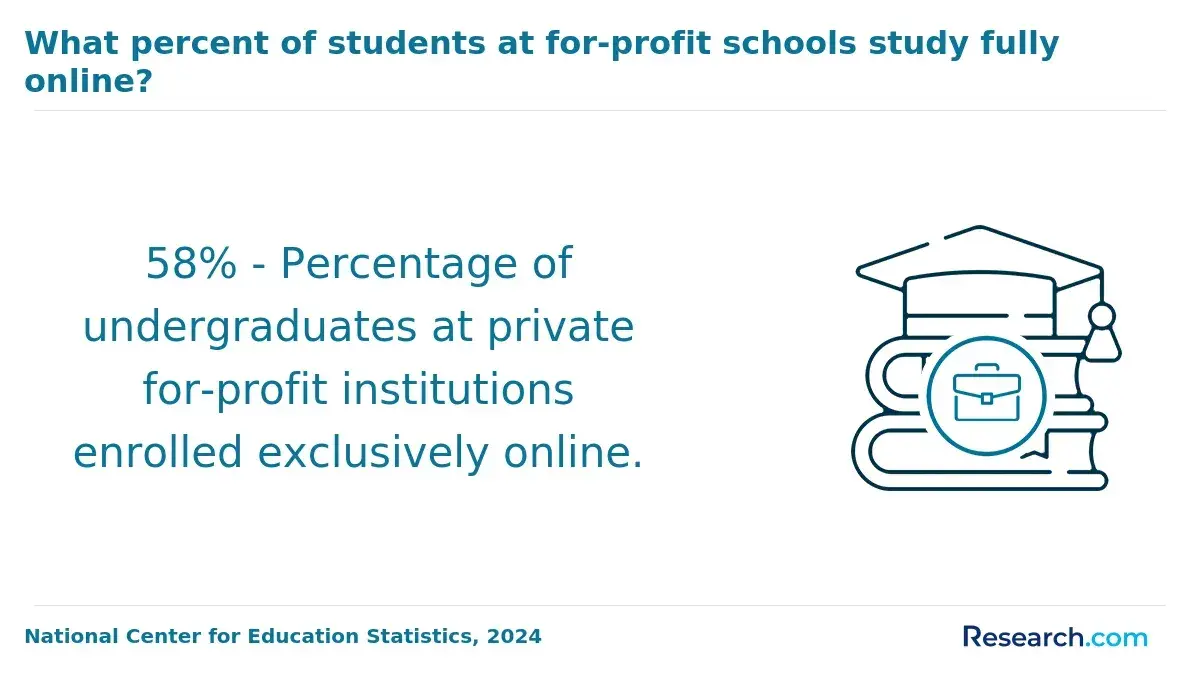
- Private for-profit schools: These institutions generally charge between $1,200 and $2,000 per credit. Some may emphasize accelerated pacing or flexible admissions, but students should examine accreditation, completion outcomes, and employer recognition closely.
- Program length: Many programs fall between 30 and 36 credits, but required credits can vary. A program with fewer credits may cost less overall, even if the per-credit rate is higher.
- Fees and materials: Technology fees, proctoring, software, textbooks, and graduation fees can change the real cost of attendance.
- Aid and employer support: Scholarships, assistantships, employer tuition assistance, and military benefits can lower out-of-pocket cost, but availability varies by school and student eligibility.
Per-credit price is a useful starting point, but it is not enough for a final decision. Ask each school for an estimated total program cost that includes tuition, fees, books, required software, and any residency or practicum expenses.
Students comparing education costs across life stages and career goals may also find context in guides to online college degrees for seniors, especially when evaluating affordability, flexibility, and long-term return.
How Do In-State and Out-of-State Tuition Policies Apply to Online Construction Management Master's Programs, and Which Schools Offer Flat Residency-Neutral Rates?
In-state and out-of-state tuition policies can significantly change the cost of an online construction management master's degree. Some public universities still charge different rates based on residency, even when all students complete the same online coursework. Others use flat, residency-neutral tuition for online learners, which can make budgeting simpler and reduce cost barriers for students outside the state.
- Residency-neutral pricing: Schools such as the University of Alabama, Oregon State University, and Colorado State University Global have adopted flat per-credit tuition rates for their online construction management master's programs. This model can help working professionals, military students, and place-bound learners avoid out-of-state tuition penalties.
- Differential pricing: Many flagship public universities continue to charge higher out-of-state tuition. Students should calculate whether the program's reputation, specialization, faculty, or employer network justifies the added cost.
- Tuition reciprocity agreements: Regional agreements such as the Western Interstate Commission for Higher Education (WICHE), Southern Regional Education Board (SREB), and the Midwest Student Exchange Program may reduce out-of-state tuition at participating schools. Eligibility depends on state, program, and institutional rules.
- Policy changes: Online tuition rules can change between academic years. A rate listed on a marketing page may not reflect all fees, residency rules, or program-specific charges.
Students should verify tuition directly with the bursar or financial aid office before applying or accepting admission. Ask whether the quoted rate is locked for the full program, whether online students pay campus-based fees, and whether relocation during the program affects tuition classification.
Residency policy is especially important for students who may move for work, relocate with family, or live near a state border. A flat-rate program can offer cost predictability, while a residency-based program may be affordable only if the student qualifies for in-state tuition or reciprocity.
Cost transparency is part of career planning. Just as salary research can shape decisions in other fields, such as reviewing a paralegal salary guide, construction management students should compare tuition against realistic promotion, mobility, and credential value rather than assuming any graduate degree will pay off automatically.
What Mandatory Fees and Hidden Costs Are Added to Tuition for Online Construction Management Master's Programs?
Mandatory fees and hidden costs can make an online construction management master's program more expensive than the advertised tuition suggests. These expenses matter because two programs with similar per-credit rates can have very different total costs once software, proctoring, practicum, and administrative charges are included.
- Technology fees: Online programs may charge per-semester or per-credit technology fees ranging from $100 to $500 to support learning platforms, digital tools, and technical services.
- Program fees: Some universities add fixed administrative or department-specific charges that can total several hundred dollars over the program.
- Student services fees: Online students may pay fees for library access, tutoring, advising, career services, or student support systems.
- Graduation fees: Diploma processing and commencement participation can cost around $100 or more.
- Liability insurance: Practicum or field placement components may require liability coverage, typically $50 to $150 per term.
- Background checks: Field placements may require criminal history screenings costing $30 to $100.
- Proctoring fees: Secure online exam monitoring may cost between $25 and $75 per exam.
- Required software: Project management, scheduling, estimating, or BIM tools can add hundreds or thousands of dollars if licenses are not included.
- Textbooks and materials: Specialized course materials may total several hundred dollars per semester.
- Licensing exam preparation: Optional review courses and materials for professional certification after graduation can cost upwards of $500.
To avoid surprises, request a full cost-of-attendance estimate from each school. Ask specifically about required software, hardware specifications, campus visit costs, field placement expenses, exam proctoring, and whether fees are charged every term or every credit.
Current students and alumni can be useful sources of information because they can describe costs that may not appear clearly on tuition pages. A program with higher tuition but included software, strong advising, and fewer surprise fees may be more affordable than a lower-cost program with frequent add-ons.
What Graduates Say About Online Construction Management Master's Programs at Accredited U.S. Universities
- : "Balancing a full-time job and family commitments made pursuing a master's in construction management daunting, so I chose an online program for its flexibility. The decision allowed me to complete coursework at night and still take on a summer internship, which turned out to be critical because employers in my area prioritized practical experience over just the degree. While I didn't advance to a licensed position immediately, the hands-on skills I gained led to a project coordinator role that values my portfolio and proactive site management. Axton"
- : "After a mid-career pivot, I aimed to break into construction management without leaving my current city or taking a pay cut. The online master's was an affordable alternative to traditional programs and offered industry connections through virtual job fairs. However, I quickly realized that many managerial roles still preferred candidates with professional licensure, so I've been supplementing with certifications while leveraging my expanded network. This approach has secured me a hybrid role with remote options, though I'm mindful of the licensing pathway if I want to climb further. Jaime"
- : "I enrolled in an online construction management master's because relocating wasn't an option and I wanted to accelerate my entry into the workforce. The workload was intense but manageable since the courses focused heavily on real-world software and regulatory standards. Despite encountering hiring managers who prioritize interns over fresh graduates, the program's capstone project gave me a strong portfolio piece that opened doors to entry-level project management jobs, albeit with a modest starting salary that reflects the current market's preference for experience over academic credentials. Roman"
Other Things You Should Know About Construction Management Degrees
Prospective students should evaluate program curriculum, faculty expertise, accreditation status, and industry connections. Additionally, considering factors like flexibility, technology integration in coursework, and graduate support services can provide insights into the program's quality and alignment with career goals. Comparing reputations and alumni outcomes can also aid in decision-making.
Job placement rates vary widely based on program reputation, industry connections, and geographic location. Programs with strong ties to regional construction industries and integrated internships typically report faster employment for graduates. Conversely, graduates of less connected or for-profit online programs often encounter longer job searches and lower starting salaries. Students should weigh program outcomes data critically, focusing on employment in their desired region and sector to ensure the credential yields a tangible career boost rather than just an academic credential.
Prioritizing programs that combine rigorous curricula with applied experiences such as capstones or managed internships enhances employability and justifies potential higher costs. Public universities often offer better value with comparable faculty expertise, while private nonprofit programs can provide more networking but at a premium. Evaluating industry partnerships, graduate outcomes, and state licensure support is crucial. Students should also consider flexibility versus cohort structure impacts on learning experience since asynchronous delivery can reduce peer interaction critical for job referrals in Construction Management.
Many online Construction Management master's programs offer limited scholarships compared to on-campus options, making employer tuition reimbursement programs particularly valuable for working professionals. Public university programs typically have lower tuition rates and sometimes offer targeted aid for in-state residents, while private programs rely more on loans. Before committing, students should prioritize programs with transparent financial aid support or robust employer partnerships to minimize debt, as high tuition without adequate aid may unbalance the cost-benefit ratio of earning the degree.
References
- How Long Does It Take to Get a Master's Degree? https://www.snhu.edu/about-us/newsroom/education/how-long-does-it-take-to-get-a-masters-degree
- Best Master’s in Construction Management Online Degree [currentyear] | NEIT https://www.neit.edu/blog/best-masters-in-construction-management-online-degrees
- Best Master’s in Construction Management Online for 2025 https://www.onlinemastersdegrees.org/best-programs/construction-management/
- Accreditation Bodies https://www.constructioneducation.com/accreditation-bodies
- Average Cost of a Master's Degree: 2025 Analysis https://educationdata.org/average-cost-of-a-masters-degree
- How Long is an Online Master's Degree Program? OnlineEducation.com https://www.onlineeducation.com/faqs/how-long-to-earn-masters-degree
- Study Construction Management in USA and Get a Good Job Opportunity https://www.studies-overseas.com/blogs/study-ms-in-construction-management-in-usa