2027 Cost per Credit for Online Construction Management Master's Programs: Tuition Comparison Guide

Co-Founder and Chief Data Scientist
The real question in choosing an online master’s in construction management is not “Which program has the lowest advertised tuition?” It is “What will this degree actually cost after credits, fees, residency rules, aid, and time to completion are included?” Two programs can look similar on a tuition page but produce very different bills once mandatory fees, practicum costs, and out-of-state pricing are added.
Cost transparency matters more as demand for flexible graduate education grows. A 2024 National Center for Education Statistics report shows a 15% rise in graduate enrollment within online programs emphasizing workforce alignment, reflecting stronger interest in credentials that can fit around full-time work. This guide explains how per-credit tuition works in online construction management master’s programs, how institution type affects pricing, which fees to watch, and how to compare programs by true net cost rather than headline rates.
Key Things to Know About the Cost per Credit for Online Construction Management Master's Programs
- Tuition per credit varies widely by institution type, but hidden costs like technology fees and proctored exam charges often add 10-15% more, requiring careful all-in cost analysis to avoid budgeting shortfalls.
- Accreditation directly impacts employer recognition and licensure eligibility, so lower per-credit costs at non-ABET or regionally accredited programs may reduce credential value for career mobility.
- Residency policies can limit in-state tuition benefits for online students, delaying enrollment decisions; with online education enrollment rising 12% annually, timing financially influences program affordability.
What is the average cost per credit hour for online construction management master's programs, and how does it compare across institution types?
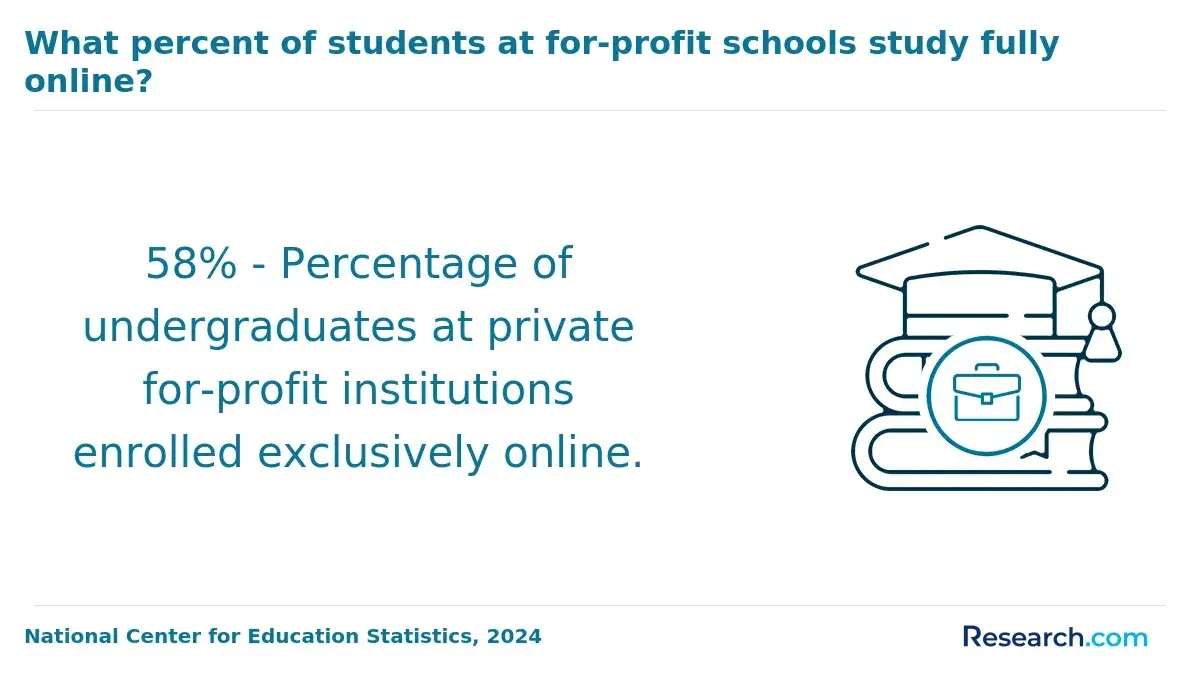
The average cost per credit hour for an online construction management master’s program depends heavily on institution type. Public universities usually offer the lowest rates, especially when online students qualify for in-state or flat-rate tuition. Private nonprofit universities tend to charge more but may offer smaller cohorts, specialized faculty support, or stronger professional networks. Private for-profit institutions often sit at the highest price tier, so students should examine accreditation, employer recognition, and total cost carefully before enrolling.
Per-credit tuition is useful because it shows the basic price unit of the degree. For example, a public university charging $500 per credit and a private for-profit institution charging $1,100 per credit create very different financial commitments, even before fees or credit requirements are considered. The final cost, however, depends on both the rate and the number of required credits.
| Institution type | Typical per-credit pattern | Cost issues to verify |
| Public universities | In-state rates typically between $400 and $700 | Out-of-state rates, online tuition rules, mandatory fees, and whether all online students receive the same rate |
| Private nonprofit universities | Roughly from $700 to $1,200 per credit | Program fees, scholarship availability, cohort support, and employer reputation |
| Private for-profit providers | Frequently exceeding $1,000 per credit | Accreditation status, licensure recognition, employer acceptance, and financing terms |
Public universities benefit from state funding, which can make them more affordable for residents. The tradeoff is that out-of-state students can see increases up to 50%, unless the school uses a flat online tuition model. Private nonprofit programs usually cost more, but some students may find value in specialized course design, faculty access, or career services. Private for-profit programs require the most careful review because high tuition does not automatically translate into stronger recognition in the construction industry.
Base tuition is only one part of the cost. Mandatory technology fees, student service fees, lab access charges, capstone expenses, and fieldwork-related costs can change the true price substantially. Applicants should compare the total program estimate, not just the published per-credit figure.
A practical cost review should include institution type, total required credits, residency rules, mandatory fees, available scholarships, employer tuition benefits, accreditation, and licensure relevance. Students comparing construction management with other academic paths may also find broader planning context in Research.com’s guide to the best college degrees for the future.
How many credit hours are typically required to complete an online construction management master's program, and how does that affect total tuition?
Online construction management master’s programs typically require between 30 and 60 credit hours. Many programs fall in the 30 to 45 credit range, while thesis-based, research-heavy, or fieldwork-intensive options can approach or exceed 60 credits. This matters because total tuition is driven by both the per-credit rate and the number of credits required to graduate.
A lower per-credit rate does not always mean a lower total price. A program with more required credits can cost more than a shorter program with a higher per-credit charge. Students should calculate the full degree cost before assuming one option is more affordable.
- Standard credit range: Many online construction management master’s programs require 30 to 45 credits, while programs with thesis, comprehensive, or expanded fieldwork requirements can approach or exceed 60 credits.
- Total tuition calculation: A useful starting formula is Total Tuition = (Total Credits × Per-Credit Cost) + Additional Practicum Fees.
- Practicum and internship costs: Some programs require supervised fieldwork, internships, site-based assignments, or practicum experiences that add flat fees or per-credit charges.
- Time-to-completion impact: More credits often mean a longer enrollment period, which can increase exposure to tuition changes, fees, and opportunity costs.
- Academic fit: A shorter non-thesis program may suit working professionals who want faster advancement, while a longer thesis option may be better for students pursuing research, teaching, or specialized technical roles.
Applicants should request a degree plan showing every required course, elective, capstone, internship, and fee. This is especially important for part-time students, because extending enrollment over multiple terms can make term-based fees and tuition increases more expensive than expected.
Which online construction management master's programs offer the lowest cost per credit hour among accredited institutions?
Some accredited online construction management master’s programs stand out for comparatively low per-credit tuition, but the lowest advertised rate is not always the lowest final cost. Students should compare tuition, required credits, fees, residency rules, enrollment schedules, and accreditation before making a decision.
The following programs are commonly discussed for lower per-credit pricing among accredited options, based on the cost figures provided:
- University of Texas at Arlington: Approximately $350 per credit for a 36-credit curriculum totaling about $12,600, with additional tuition-neutral technology and student fees averaging $250 per semester. In-state rates apply to all online students, which improves cost predictability for nonresident learners.
- California State University, East Bay: Roughly $300 per credit for a 30-credit program estimated at $9,000 plus campus fees and course materials totaling $800-$1,000. Slight cost increases for non-residents can affect the final budget.
- Mississippi State University: Around $275 per credit across 36 credits, roughly $9,900. The program is open nationwide, though out-of-state summer course fees may vary. Online delivery and lab fees can add to the final cost.
- University of Florida (UF Online): About $420 per credit for 30 credits, summing $12,600. Minimum enrollment thresholds and mandatory fees near $1,200 can raise the actual amount paid.
- Western Carolina University: Set at approximately $300 per credit for 36 credits, totaling $10,800. Out-of-state differentials may increase costs by 10-15%, and cohort-based scheduling can limit start-date flexibility.
Before choosing the lowest-cost option, confirm whether the posted rate applies to all online students, whether fees are charged by credit or by term, and whether the program’s accreditation aligns with your career goals. Students comparing affordable construction management universities should also look at graduation requirements, course sequencing, and whether the program supports the type of construction management role they want.
Per-credit comparisons are a starting point, not a final answer. A program with a slightly higher credit rate may become cheaper if it requires fewer credits or includes fewer mandatory fees. Conversely, a low per-credit rate can become less attractive when residency surcharges, materials, lab fees, or term fees are added.
Students who want a broader view of online affordability across related business fields can also review Research.com’s cheapest business administration degree online listings for context on how online tuition structures vary by discipline.
How do in-state vs. out-of-state tuition rates apply to online construction management master's programs, and which schools offer flat tuition regardless of residency?
In-state and out-of-state tuition rules still affect many online construction management master’s programs, especially at public universities. Some schools charge all online students the same rate, while others apply higher nonresident tuition even when students never come to campus. For out-of-state students, that difference can increase costs by up to 50%.
The most important question is whether the program uses a true flat online tuition rate or a residency-based model. A flat rate makes budgeting easier because students know the per-credit charge will not change simply because they live in another state. A residency-based rate may still be affordable for in-state students but can become much more expensive for nonresidents.
Public universities identified as offering consistent tuition regardless of location include:
- California State University, Fullerton: Flat per-credit pricing that improves cost predictability for online students.
- University of Florida: A single tuition rate removes many budgeting complications for out-of-state applicants.
- Nebraska University-Lincoln: Equal online tuition supports broader access for distance learners.
- Colorado State University: Uniform per-credit pricing helps students compare costs more clearly.
- North Carolina State University: Avoiding geographic tuition differences simplifies financial planning for online applicants.
Students should not rely only on a program page or marketing language. Tuition reciprocity agreements, including those under the Western Interstate Commission for Higher Education (WICHE) or the Southern Regional Education Board (SREB), may affect eligibility, but rules can change and may not apply to every graduate program. The safest approach is to ask the bursar or financial aid office to confirm the tuition category in writing before enrolling.
Residency rules can also influence program choice beyond cost. If a student is pursuing employment or credentialing in a specific state, they should confirm that the program’s curriculum, accreditation, and field requirements align with local expectations. A cheap nonresident option is not a good value if it limits professional recognition later.
One graduate described delaying enrollment during a rolling admissions cycle because she could not confirm whether she would be billed at a resident, nonresident, or flat online rate. She prepared application materials months in advance, but tuition clarity came only after several follow-ups with the bursar. The delay forced a last-minute loan adjustment and made budgeting harder. Her experience illustrates why applicants should verify residency pricing early, especially before accepting an offer or submitting a deposit.
What mandatory fees are added to per-credit tuition for online construction management master's programs, and how much do they increase the real cost?
Mandatory fees can raise the real cost of an online construction management master’s program by 10% or more. These charges may appear separately from tuition, which makes a program look cheaper than it is on first review. Applicants should always calculate an all-in cost that includes tuition, required fees, materials, and fieldwork expenses.
Common mandatory fees include:
- Technology fees: Charges for learning platforms, online proctoring tools, software licenses, technical support, and digital course infrastructure.
- Program or course fees: Fees attached to specialized construction management courses, simulations, project management tools, lab-style assignments, or industry-focused modules.
- Student services fees: Charges that support online access to advising, career services, library resources, tutoring, and administrative support.
- Graduation fees: One-time charges for degree processing, diploma issuance, or commencement-related administration.
- Practicum or fieldwork charges: Costs tied to supervised site visits, internship coordination, field documentation, or hands-on learning requirements.
The structure of these fees matters. A flat fee per term can be especially costly for part-time students because they pay it repeatedly across more semesters. A per-credit fee may be more predictable but increases with heavier course loads. A course-specific fee can also distort comparisons if one program includes more required technical or field-based classes than another.
To compare programs accurately, divide total required fees across the number of credits and add that figure to the published tuition rate. This creates a more realistic effective per-credit cost. Students should also ask whether fees are subject to annual increases and whether any required software, textbooks, safety training, or certification preparation expenses are excluded from the official tuition estimate.
How do online construction management master's program costs compare between public and private universities?
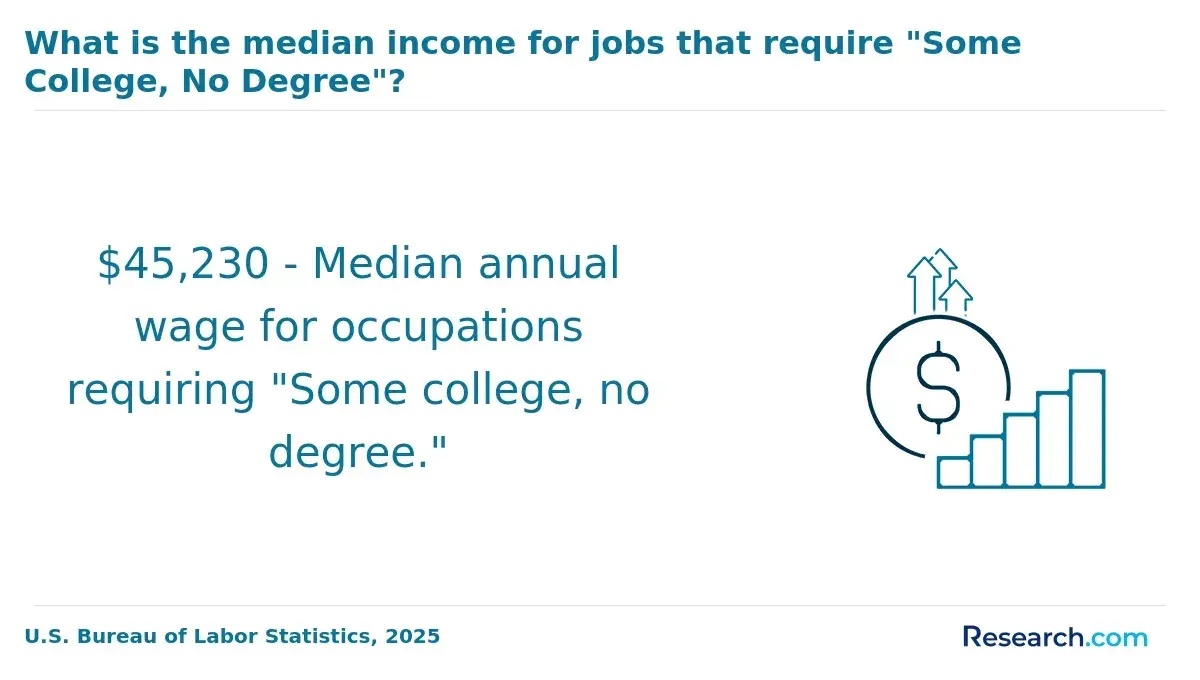
Public universities generally offer lower per-credit tuition for online construction management master’s programs, while private universities often charge more but may provide different forms of academic support, scheduling flexibility, or employer connections. The best value depends on net cost, accreditation, program fit, and career relevance—not public or private status alone.
- Public universities: These schools often keep tuition lower through state funding, tuition policies, and larger enrollments. They can be especially affordable for in-state students or when the school offers flat online tuition. The tradeoff is that course availability, cohort schedules, or administrative flexibility may be less personalized.
- Private nonprofit universities: These programs may cost more per credit, but some offer smaller cohorts, closer faculty interaction, specialized advising, or stronger career support. Students should decide whether those benefits justify the higher price.
- Private for-profit universities: These institutions often charge the highest per-credit rates and may market heavily to working adults. Before enrolling, students should verify regional accreditation, construction-related curriculum quality, transfer policies, employer recognition, and any licensure implications.
- Net cost differences: A private program with scholarships or employer reimbursement may cost less out of pocket than a public program with limited aid. Conversely, a low public tuition rate can still rise after fees and nonresident charges.
- Credential value: Employers often care about accreditation, practical experience, project-based learning, and industry relevance. A higher price does not automatically mean stronger outcomes.
Students comparing public and private options should request a full cost sheet from each school. That estimate should include per-credit tuition, program fees, technology fees, graduation fees, fieldwork costs, books, software, and any projected tuition increases. Financial aid estimates should be reviewed separately from sticker price so applicants understand their likely net cost.
Because construction management overlaps with operations, logistics, budgeting, and leadership, some students also compare this degree with an MBA in operations management online to understand how tuition models and career outcomes differ across related management-focused graduate programs.
Are there online construction management master's programs with tuition locked in at enrollment, and how does tuition lock affect long-term cost planning?
Some online construction management master’s programs offer tuition-lock policies that fix the tuition rate at enrollment for a defined period. This can protect students from tuition increases while they complete the degree, especially if they study part time. The value of a tuition lock depends on the policy details, not just the phrase “locked tuition.”
Tuition locks may apply to an entering cohort, a set number of semesters, or a specific academic period. Some policies require continuous enrollment. If a student stops out for work, family, deployment, health, or financial reasons, the lock may be lost and the student may return under a higher rate. Some schools also lock tuition but exclude mandatory fees, which can still increase over time.
Before relying on a tuition guarantee, students should ask these questions:
- What is locked? Confirm whether the guarantee applies only to tuition or also to program, technology, and student services fees.
- How long does it last? Ask whether the lock covers the full expected program length or only a limited number of terms.
- What enrollment status is required? Determine whether students must remain continuously enrolled or meet a minimum credit load.
- What happens after a break? Ask whether leaves of absence, missed terms, or delayed capstone work end the tuition guarantee.
- Is the policy documented? Get the terms in writing from the university, preferably before submitting an enrollment deposit.
Tuition locks are especially useful for working professionals who expect to take fewer courses each term. Without a lock, even modest tuition increases can compound over a longer enrollment period and make the total degree cost harder to predict.
One graduate said they delayed accepting an offer during rolling admissions until the school confirmed the tuition-lock policy in writing. The extra wait helped them build a more stable budget and avoid worrying about rate increases during an extended part-time plan. For students financing a degree with loans, savings, or employer reimbursement, that certainty can make long-term planning much easier.
What financial aid, scholarships, and employer tuition benefits are available to reduce the net cost of an online construction management master's degree?
Graduate students in online construction management programs can reduce net cost through federal loans, institutional scholarships, professional awards, and employer tuition benefits. However, graduate aid is usually more limited than undergraduate aid, and online students may have fewer assistantship options than on-campus students.
- Federal loans: Federal unsubsidized loans are a common funding source for graduate students. They can cover tuition and related expenses, but interest accrues while the student is enrolled, so borrowing should be tied to a realistic repayment plan.
- Graduate assistantships: Assistantships can include tuition waivers or stipends, but many are designed for on-campus students. Online applicants should ask whether remote assistantships, teaching support roles, or research positions are available.
- Institutional scholarships: Some universities offer merit-based or experience-based scholarships for graduate students in construction management. Awards may be limited, competitive, and tied to application deadlines.
- Professional association awards: Industry organizations may offer scholarships or fellowships for students with construction experience, leadership potential, or professional involvement.
- Employer tuition reimbursement: Employer support can be one of the most valuable options for working professionals. Under IRS rules, up to $5,250 in tuition reimbursement per year is tax-free.
Students should compare programs by net cost after aid, not by sticker tuition alone. A higher-priced program may become affordable with an employer benefit, while a cheaper program may require more borrowing if scholarships are unavailable. Applicants should ask each school for a financial aid estimate that includes tuition, mandatory fees, books, software, and any fieldwork expenses.
Employer reimbursement deserves early attention. Students should confirm annual caps, grade requirements, eligible course types, repayment obligations if they leave the company, and whether reimbursement is paid upfront or after course completion. A reimbursement policy that pays only after grades are posted may require short-term financing even when the employer ultimately covers part of the cost.
Students should also evaluate accreditation and professional recognition before borrowing. Financial aid can reduce immediate out-of-pocket costs, but it does not fix a weak program fit. For a similar example of comparing affordability with program quality, Research.com’s child psychology masters program review shows how net cost and outcomes can be evaluated together.
How does the cost per credit for online construction management master's programs differ by delivery format-synchronous, asynchronous, or hybrid?
Delivery format can affect both the posted per-credit cost and the real cost of completing an online construction management master’s program. Synchronous, asynchronous, and hybrid programs require different levels of technology, staffing, scheduling, and student travel. The least expensive format on paper is not always the least expensive in practice.
Synchronous programs require students to attend live online classes at scheduled times. These programs may charge more per credit because they rely on real-time faculty participation, live-streaming tools, technical support, and structured class meetings. The benefit is immediate interaction. The drawback is less schedule flexibility, which can slow progress for students with unpredictable work hours.
Asynchronous programs allow students to complete coursework on a more flexible schedule. They often benefit from scalable course design, reusable lectures, and learning management systems. This format can be more manageable for working adults, but students must be self-directed and comfortable learning without frequent live instruction.
Hybrid programs combine online coursework with required campus visits, labs, residencies, or field sessions. Their per-credit rates may look competitive, but travel, lodging, childcare, missed work, and transportation can raise total cost. Students should calculate these indirect expenses before choosing a hybrid option.
- Technology costs: Synchronous formats may require more live-tech support, which can increase operating costs.
- Scalability: Asynchronous formats can spread course development costs across more students, which may support lower tuition.
- Campus-related expenses: Hybrid formats can add facility, travel, and scheduling costs.
- Time-to-degree: A format that fits a student’s work schedule can help them finish faster and reduce repeated term fees.
- Learning fit: Students who need real-time interaction may perform better in synchronous courses, while independent learners may benefit from asynchronous flexibility.
Applicants should ask whether attendance is required at specific times, whether any campus visits are mandatory, and whether the program charges separate fees for technology, residencies, or field experiences. Delivery flexibility can be as important as tuition when estimating the real cost of completion.
Students considering how format affects affordability can also look at Research.com’s discussion of online photography degree programs for veterans, where delivery flexibility and student support similarly influence cost and completion planning.
What is the minimum GPA requirement for construction management master's program admission, and how does selectivity relate to per-credit cost?
Many online construction management master’s programs set a minimum undergraduate GPA near 3.0, though some may consider applicants with GPAs as low as 2.75 and more competitive programs may expect a minimum closer to 3.5. The published minimum is only an eligibility threshold. It does not guarantee admission.
Applicants should distinguish between the minimum GPA required to apply and the academic profile of admitted students. A candidate with a 2.9 GPA may technically qualify for a program with a 3.0 minimum only if exceptions are allowed, but may still face a difficult admissions process if most admitted students have GPAs above 3.5. Work experience, recommendations, a strong statement of purpose, and relevant construction or engineering background can help, but they do not erase weak academic preparation.
Selectivity and per-credit cost do not always move together. Some selective public programs remain relatively affordable because of institutional funding models. Some expensive private programs may be less selective but charge more for convenience, brand positioning, or flexible delivery. Tuition is therefore a poor shortcut for judging admission difficulty or academic quality.
- Minimum GPA: A common baseline is near 3.0, but the stated range can extend from 2.75 to closer to 3.5 depending on the program.
- Admissions reality: Meeting the minimum may make an applicant eligible, not competitive.
- Cost and selectivity: Higher tuition does not automatically mean a more selective or better program.
- Professional experience: Construction, architecture, engineering, estimating, project coordination, or site management experience can strengthen an application.
- Application strategy: Students should apply to programs where their GPA, experience, goals, and budget align rather than chasing prestige or low tuition alone.
The best approach is to ask admissions offices about GPA expectations, conditional admission options, prerequisite coursework, and the profile of recently admitted students. This helps applicants avoid spending time and application fees on programs that do not match their academic record or career plan.
What Graduates Say About the Cost per Credit for Online Construction Management Master's Programs
- : "Balancing a full-time job and family responsibilities made flexibility my top priority. I chose an asynchronous online construction management master’s program because I could study around my schedule. I could not pursue licensure immediately because of time and cost, but the program’s portfolio work and internships helped me move into a site supervisor role within six months of graduating. In my local market, that hands-on experience mattered more than formal certifications. — Axton"
- : "Coming from architecture, I underestimated both the tuition commitment and the workload. I compared in-person and online options and chose online because it was more accessible. The salary growth was slower than I expected without a PE license, but the degree strengthened my project management skills and helped me secure a role managing commercial renovations, where employers valued practical experience alongside the credential. — Jaime"
- : "I enrolled online because I wanted to move into construction management without relocating or leaving my job. The hardest part was managing coursework during busy work periods. The most useful parts of the program were practical requirements such as OSHA training and internships. Licensure limits still affected some advancement paths, but the program helped me access project estimation and vendor coordination roles that would have been difficult to reach otherwise. — Roman"
Other Things You Should Know About Construction Management Degrees
Beyond tuition, students should anticipate fees for technology access, software licenses, proctored exams, and specialized materials related to construction management tools. Additionally, some programs require onsite intensives or practicums that incur travel and lodging expenses. These extras can increase total cost by 10-20%, so a low per-credit rate can be misleading without factoring in these unavoidable ancillary costs.
Cost per credit is only meaningful when combined with program length, mandatory fees, and expected outcomes such as industry partnerships or licensure preparation. Prioritize programs that balance cost with demonstrated employer connections and practical coursework aligned with licensure requirements. A slightly higher per-credit cost might be justified if it reduces time to completion or enhances career entry opportunities.
Online per-credit rates are often lower than on-campus equivalents, primarily due to reduced facility fees and flexible scheduling. However, online programs may require additional technology fees or lack certain campus-based resources, which can offset savings. Consider how format impacts your learning style and access to networking since these factors influence the return on investment beyond straightforward tuition comparisons.
References
- Construction Management - Illinois Central College https://icc.edu/programs/construction-management-certificate/
- SEE MORE https://iticollege.edu/blog/should-i-study-a-construction-management-degree/
- Online Master’s in Construction Management Degree https://www.snhu.edu/online-degrees/masters/ms-in-management/construction-management
- Average Cost of a Master's Degree: 2025 Analysis https://educationdata.org/average-cost-of-a-masters-degree
- Study Construction Management in USA and Get a Good Job Opportunity https://www.studies-overseas.com/blogs/study-ms-in-construction-management-in-usa
- Online MBA Scholarships: Guide to Funding, Sponsorships, Financial Aid for Working Professionals https://ebsedu.org/blog/online-mba-scholarships-for-working-professionals/
- Best Master’s in Construction Management Online for 2025 https://www.onlinemastersdegrees.org/best-programs/construction-management/
- Best Master’s in Construction Management Online Degree [currentyear] | NEIT https://www.neit.edu/blog/best-masters-in-construction-management-online-degrees
- Master of Science in Construction Management https://www.kennesaw.edu/degrees-programs/master-degrees/construction-management.php