2027 Online Biomedical Engineering Bachelor's Degree Programs With No Prerequisites

Co-Founder and Chief Data Scientist
Adults seeking to enter biomedical engineering often face barriers due to prerequisite course requirements that delay career shifts. For example, many working professionals with unrelated bachelor's degrees find themselves unable to enroll in programs without completing extensive preliminary science classes. This obstacle affects access, considering the Bureau of Labor Statistics projects a 7% growth in biomedical engineering jobs from 2022 to 2032, highlighting rising demand. Online biomedical engineering bachelor's degree programs with no prerequisites provide a streamlined solution. This article explores these programs to help prospective students navigate accessible pathways into the biomedical engineering field without prior coursework burdens.
Key Benefits of Online Biomedical Engineering Bachelor's Degree Programs With No Prerequisites
- Flexible online biomedical engineering programs accommodate working professionals by allowing coursework at convenient times, enabling balance between career, family, and education without the need for prior prerequisites.
- No-prerequisite admission accelerates skill acquisition by granting immediate access to foundational and advanced biomedical engineering concepts, streamlining progress toward degree completion.
- Students build valuable biomedical engineering credentials affordably on schedules tailored to their lives, often benefiting from financial aid, transfer credits, and accredited instruction for strong career outcomes.
What Does 'No Prerequisites' Mean for Online Biomedical Engineering Bachelor's Degree Programs, and Who Benefits Most?
In online biomedical engineering bachelor's degree programs, no prerequisites means students can enroll without completing specific prior coursework or holding formal academic qualifications. This differs from open admission, which guarantees acceptance regardless of background, and low-barrier enrollment, which reduces some but not all entry requirements. Programs with no prerequisites focus on accessibility, serving a wide range of learners wishing to pursue biomedical engineering without prior subject-specific preparation.
The benefits of no prerequisites online biomedical engineering degree programs are especially significant for career changers entering from unrelated fields like business or the arts, working adults balancing education and employment, returning learners resuming studies after breaks, and first-generation college students seeking a straightforward pathway into STEM education. According to the National Center for Education Statistics (NCES), enrollment among non-traditional students-including adults over 25 and part-time learners-has increased steadily, highlighting the relevance of these programs for a growing demographic.
This article examines key issues important to prospective students choosing no-prerequisite biomedical engineering bachelor's degree programs:
- Admission Flexibility: Explores how removing traditional coursework barriers creates broader opportunities, distinguishing no-prerequisite policies from open admission and low-barrier enrollment models.
- Target Student Groups: Describes populations who gain the most, including career changers, working adults, returning learners, and first-generation students.
- Program Quality: Discusses how schools maintain accreditation and academic rigor despite fewer entry requirements to ensure a solid education.
- Support Services: Details tutoring, mentoring, and advisement designed to help students succeed without prior background knowledge.
- Financial Aid & Credit Transfer: Reviews funding options and how transferable credits can accelerate degree completion for non-traditional students pursuing biomedical engineering.
- Career Outcomes: Highlights employment prospects and industry relevance for graduates from these accessible programs.
Students interested in exploring options beyond biomedical engineering might also consider a pharmacy degree online, which offers flexible pathways for many working adults.
Which Accredited Online Biomedical Engineering Bachelor's Programs Accept Students With No Prior College Coursework?
Several regionally accredited institutions offer online Biomedical Engineering bachelor's degree programs that do not require prior college coursework, making them accessible to working adults, first-generation students, and career changers. These programs typically combine open admissions policies with foundational courses to prepare learners for rigorous study.
- Wiley University: Known for an open-admission policy, Wiley offers a fully online Biomedical Engineering program that accepts students with no previous college experience. Integrated foundational courses allow learners to build essential competencies alongside specialized biomedical engineering topics. Wiley is regionally accredited and provides extensive support services tailored to adult learners.
- Clearwater State University: This public university offers an asynchronous online bachelor's degree in Biomedical Engineering. While some prior math or science knowledge is preferred, Clearwater provides a non-credit foundational preparatory course as an alternative pathway for those without formal prerequisites. With enrollment above 12,000, many students are non-traditional learners.
- Horizon Tech College: Horizon Tech features a no-prerequisite admissions policy and emphasizes modular, competency-based learning combined with personalized advising to support adult reentrants. The college is regionally accredited and supports credit transfer options to shorten time to degree completion.
- Summit Valley University: Summit Valley admits students without prior college coursework, offering developmental and introductory STEM classes within the degree. The university has growing online enrollment and is regionally accredited, focusing on flexible scheduling and career development services.
- Evergreen State University: Evergreen's Biomedical Engineering program accepts students without formal prerequisites while offering extensive foundational coursework online. This regionally accredited institution emphasizes financial aid availability, transfer-friendly policies, and comprehensive student support.
These best no-prerequisite online biomedical engineering bachelor's degrees share common features: flexible admissions with minimal barriers, integrated foundational study, robust student support, and regional accreditation. Prospective students should verify accreditation, access to tutoring and advising, credit transfer policies, and financial aid opportunities. Understanding how much is online nursing school can also provide useful insight into managing educational expenses. Taking these factors into account helps ensure educational investment translates to strong career prospects and academic success.
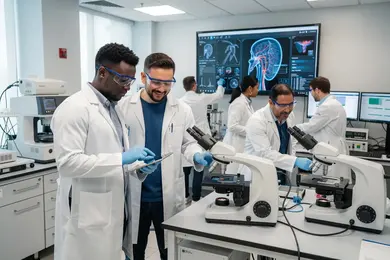
2026 Update: Hands-On Lab Requirements to Verify Before Enrolling
For 2026, this article was updated to help students look beyond “no prerequisites” and check how online biomedical engineering programs deliver required lab, design, and technical practice.
- Whether labs are fully online, completed with mailed kits, or require campus visits
- If any in-person sessions are mandatory and how far in advance they are scheduled
- What software, hardware, or home lab materials students must purchase separately
- How biomedical design projects are supervised and assessed in an online format
- Whether students need access to local labs, clinics, hospitals, or engineering facilities
- How safety training, lab documentation, and proctored technical assessments are handled
Checking these details early helps students choose an accessible program that still provides the practical engineering experience needed for advanced coursework and future career preparation.
How Do Open-Admission Policies in Online Biomedical Engineering Programs Differ From Traditional Selective Admissions?
Open-admission policies allow candidates with a high school diploma or equivalent to enroll in online biomedical engineering programs without meeting prior academic requirements. Unlike selective admissions, which assess GPA, standardized tests, or prerequisite courses, open admissions welcome a broader range of applicants. This approach differs from rolling admissions, where applications are continuously reviewed against academic standards, and conditional admissions, which require students to fulfill specific benchmarks or remedial work before full acceptance. Institutions such as Southern New Hampshire University and University of the People clearly outline their open-admission policies on their admissions pages and IPEDS data, showing commitment to accessible higher education without prior engineering background.
- Inclusive Access: Open admission reduces barriers by inviting working adults, first-generation students, and those changing careers, fostering diversity but resulting in varied academic preparation among enrollees.
- Supporting Academic Foundations: Programs often supplement learning with developmental courses, tutoring, or orientation modules to help students gain essential math and science skills before advancing in core biomedical engineering topics.
- Documented Policies: Schools like Southern New Hampshire University publicly verify their flexible entry criteria, providing transparency for prospective students seeking no-prerequisite options.
- Quality Considerations: While open admission promotes opportunity, the broad student readiness requires assessing whether the program offers strong advising and support to help students succeed.
- Career Fit: Those aiming for graduate study might lean toward selective programs; however, open-admission degrees can prepare learners for technical and entry-level biomedical engineering roles, especially when paired with internships or certifications.
- Growth Trends: Enrollment in fully online STEM bachelor's programs rose over 25% between 2015 and 2022, reflecting increased demand for flexible, accessible engineering education pathways.
A professional who enrolled in an online biomedical engineering bachelor's program without prerequisites shared insights on his experience transitioning careers. He described feeling initially overwhelmed by the diversity in classmates' preparation but found relief in the program's accessible tutoring and orientation sessions. "I appreciated how the coursework built up my fundamentals gradually," he said, emphasizing the importance of ongoing support. Despite some challenges in pacing, he felt the program gave him practical skills suited to starting in technical roles, reinforcing his confidence to pursue licensure and certifications alongside his degree.
What Are the Typical Enrollment Requirements for No-Prerequisite Online Biomedical Engineering Bachelor's Programs?
- Proof of High School Completion: Even in open enrollment policies for no-prerequisite online Biomedical Engineering bachelor's programs, institutions typically require a high school diploma or GED. This establishes that applicants have the foundational skills needed for college coursework.
- Minimum Age Requirements: Candidates usually must be at least 17 or 18 years old, depending on state and school policies. These age limits help ensure maturity and readiness for academic challenges while complying with regulatory standards.
- English Proficiency: For non-native English speakers, demonstrating language ability through exams like the TOEFL or IELTS is often necessary. Some programs offer conditional admission paired with language support to improve skills during study.
- Application Essentials: Students should gather documents such as transcripts, valid IDs, and completed forms. Private nonprofit schools might require additional personal statements or interviews to better assess a candidate's motivation and fit.
Alternative Enrollment Pathways: Those lacking basic qualifications can pursue GED certification or take dual-enrollment courses at community colleges-both recognized routes to meet enrollment requirements.
Public institutions with open enrollment policies simplify access to no-prerequisite online Biomedical Engineering bachelor's degrees, but quality and accreditation remain critical. Applicants should prepare carefully to transition smoothly. For those looking for online colleges no application fee, verifying specific standards is advised.
Are No-Prerequisite Online Biomedical Engineering Bachelor's Programs Available at Regionally Accredited Universities?
Regional accreditation plays a crucial role in ensuring online biomedical engineering bachelor's programs without prerequisites provide recognized and valuable credentials. Schools with regional accreditation meet strict standards assessed by organizations recognized by the U.S. Department of Education and the Council for Higher Education Accreditation (CHEA). This accreditation guarantees that credits earned are widely transferable to other accredited institutions, increasing flexibility for students who may want to switch schools or pursue advanced degrees.
Employers tend to favor degrees from regionally accredited universities, as these institutions maintain quality and rigor in their programs. Additionally, students attending regionally accredited programs remain eligible for federal financial aid, including grants and loans, which can be vital for working adults and career changers balancing education costs. In contrast, nationally accredited schools, often for-profit and vocational, may offer easier admissions but frequently lack credit transferability and access to most federal aid.
- Check the Accreditor: Make sure the university's accreditation is recognized by the U.S. Department of Education or CHEA to confirm program quality.
- Review Transfer Policies: Confirm that credits are accepted by other regionally accredited schools to maintain academic mobility.
- Confirm Financial Aid Eligibility: Verify availability of federal aid and scholarships specific to the program for financial support.
- Understand Program Accessibility: Identify programs offering foundational courses or no prerequisites to accommodate beginners and career changers.
A professional who completed an online biomedical engineering bachelor's program with no prerequisite courses shared that navigating options was initially challenging due to unclear accreditation details. She emphasized the relief upon finding a regionally accredited program that welcomed students without prior STEM classes, allowing her to build knowledge step-by-step. "The support and recognized accreditation made a huge difference," she recalled, "especially knowing my degree would hold weight with employers and that I could access financial aid." Her journey underscores the importance of accreditation in both accessibility and long-term career value.
How Do Students Without Academic Prerequisites Catch Up in Online Biomedical Engineering Bachelor's Courses?
Online biomedical engineering programs that do not require formal academic prerequisites often integrate various support systems to assist students in overcoming initial knowledge gaps. These services foster an environment where learners can confidently advance through challenging content.
- Foundational Coursework: Many accredited universities offer preparatory or bridge classes covering core topics such as mathematics, biology, and introductory engineering. These courses-sometimes available as online modules-allow students to build academic skills before engaging with advanced biomedical engineering material.
- Accessible Tutoring: Virtual tutoring centers staffed by faculty experts or experienced peers provide flexible, personalized help. Students gain opportunities to clarify difficult concepts in subjects like chemistry, physics, and anatomy on schedules that accommodate working adults or nontraditional learners.
- Peer Mentorship: Connecting new students with seasoned biomedical engineering majors facilitates guidance on coursework management, study techniques, and navigating remote learning challenges. This peer-to-peer support is key to fostering academic confidence and retention.
- Readiness Self-Assessments: Prospective enrollees can benefit from online diagnostic tools offered by institutions to evaluate their preparedness. Identifying knowledge gaps early on encourages timely engagement with supplemental resources and targeted preparation.
- Positive Impact on Completion: According to the National Survey of Student Engagement (NSSE), strong academic support correlates with higher retention and graduation rates in online STEM disciplines, including biomedical engineering. Students utilizing these services report improved satisfaction and persistence.
Recent data shows demand for no-prerequisite biomedical engineering degrees has grown by more than 15% over five years, driven by career changers and first-generation students seeking accessible educational paths supported by comprehensive academic assistance.
What Support Services Help No-Prerequisite Students Succeed in Online Biomedical Engineering Bachelor's Programs?
Students enrolled in online biomedical engineering bachelor's degree programs with no prerequisites benefit greatly from comprehensive support services designed to promote academic success and personal well-being. These resources help learners juggle coursework alongside work and family responsibilities, minimizing challenges that could lead to dropout.
- Academic Advising: Personalized advising helps students plan their courses effectively, identify transfer credit options, and stay on track for graduation. Top programs, including those ranked by U.S. News Best Online Bachelor's Programs, offer virtual advisors with flexible scheduling tailored for working adults.
- Mental Health Resources: Accessible counseling services and stress management workshops via video or phone address the unique pressures faced by first-generation students and career changers balancing education with life demands.
- Disability Accommodations: Accredited institutions comply with ADA standards by providing accessible learning materials and adaptive technologies. Virtual disability support staff collaborate directly with students to implement necessary accommodations.
- Career Counseling: Specialized career services include resume reviews, interview preparation, and virtual job fairs focused on biomedical engineering roles. These resources support adult learners transitioning into or advancing within technical fields.
Asynchronous and virtual formats allow students to access these services on their schedules-essential for those balancing work, family, and study. According to the National Center for Education Statistics, online students utilizing support services report a 30% higher retention rate than peers who do not engage with such resources. Investing in a no-prerequisite biomedical engineering program with strong student services infrastructure can significantly improve the likelihood of degree completion and future career success.
Can Transfer Credits or Prior Learning Assessments Replace Prerequisites in Online Biomedical Engineering Programs?
Many online biomedical engineering bachelor's degree programs offer transfer credit policies and Prior Learning Assessments (PLA) that allow students to replace traditional prerequisite coursework. This approach can save working adults and career changers both time and tuition by recognizing equivalent knowledge gained through previous college classes, military training, or professional experience.
- Transfer Credit Policies: Accredited institutions often accept transfer credits from regionally accredited colleges, especially when courses match biomedical engineering prerequisites. Certain schools permit up to 90 transfer credits toward a bachelor's degree, which can significantly reduce foundational requirements.
- Prior Learning Assessments (PLA): Programs such as CLEP (College-Level Examination Program) and DSST (DANTES Subject Standardized Tests) provide exams to validate knowledge in essential subject areas. Passing scores earn college credits that substitute for prerequisite courses in math, science, or engineering basics.
- ACE Credit Recommendations: The American Council on Education (ACE) evaluates workplace training, military service, and certifications, offering credit guidelines institutions use to award verified prior learning. This framework broadens credit acceptance for students entering biomedical engineering programs with diverse learning backgrounds.
- Institutional Flexibility: Universities like Thomas Edison State University, Charter Oak State College, and the University of Maryland Global Campus are notable for generous PLA and transfer credit acceptance. They also provide thorough credit evaluation services to maximize prerequisite waivers.
- Documentation Essentials: Students should submit official transcripts, detailed course descriptions, certificates, or portfolios when requesting transfer or PLA credits. Well-organized documentation streamlines evaluation and enhances the chance of credit approvals.
- Growing Trend: Nearly 45% of undergraduate students utilized some form of prior learning credit recently, reflecting increasing recognition of alternative credit pathways in STEM fields including biomedical engineering.
For students looking to enter programs with minimal prerequisite barriers, options such as open-admission biomedical engineering degrees exist alongside well-established credit transfer and PLA pathways. Exploring available financial aid, student support, and career outcomes remains essential for informed decision-making. Additionally, individuals interested in healthcare-related fields may also consider online ASN programs as a complementary or alternative route.
What Is the Average Time to Completion for No-Prerequisite Online Biomedical Engineering Bachelor's Degree Programs?
The average time to completion for no-prerequisite online biomedical engineering bachelor's degree programs generally follows the standard 120-credit-hour framework that aligns with most undergraduate degrees in the United States. However, the typical duration of online biomedical engineering bachelor's degrees with open enrollment can vary due to several factors such as enrollment pace, term length, and any prior credit students may bring.
- Standard Credit Requirement: Most bachelor's degrees require approximately 120 credit hours, often translating to four years of full-time study. Students without prior credits usually follow this timeline unless they accelerate their coursework.
- Enrollment Pace Impact: Full-time students tend to complete programs in about four years, whereas part-time students-common among working adults-may take six years or longer.
- Term Length and Scheduling: Many accredited online biomedical engineering programs offer accelerated eight-week terms or year-round course scheduling, which can shorten completion times. Institutions with competency-based formats also enable students to progress by demonstrating mastery, benefiting self-directed learners seeking quicker completion.
- IPEDS Data Comparison: According to IPEDS, open-admission programs with no prerequisites generally have longer average completion times compared to selective-admission programs, which often provide enhanced academic support and maintain stricter entry standards, facilitating faster graduation.
- Financial Considerations: Time to degree completion directly affects total tuition costs and opportunity costs such as lost income. These factors are critical for comparison when evaluating online biomedical engineering degrees, especially for career changers and first-generation students.
Students interested in related fields can explore options like an online nutrition degree as an alternative or complementary pathway. Understanding these timing and cost dynamics ensures informed decisions on education paths suited for working adults reentering higher education.
How Does Tuition Compare Between No-Prerequisite and Standard Online Biomedical Engineering Bachelor's Programs?
Tuition Rates: Open-admission biomedical engineering programs often feature comparable or slightly lower per-credit-hour tuition than traditional selective programs. However, this varies, as some open programs may charge higher rates due to costs associated with online delivery or private institution pricing models.
- Institution Type: Public universities usually provide lower in-state tuition across both program types, while private colleges typically have higher fees regardless of admission policies. Open-admission offerings are commonly found at community colleges or regional public institutions, which may offer moderate tuition but include extra fees.
- Additional Fees: Students in no-prerequisite programs may need to complete developmental or preparatory courses not required in selective programs, increasing total expenses and lengthening time to degree completion.
- Funding Models: Selective programs might benefit from endowments and research grants, enabling more competitive tuition and financial aid. Conversely, open programs often rely primarily on tuition revenue and may pass operational costs onto students.
- Program Delivery Format: Extensive use of asynchronous online materials in open-access biomedical engineering programs can reduce costs; however, some schools charge separately for specialized labs, technology fees, or proctoring services.
When comparing costs, students should calculate the full degree expense-including all required fees and extra coursework-instead of focusing solely on the advertised per-credit tuition rate. This approach provides a clearer financial picture when choosing between no-prerequisite and traditional online biomedical engineering pathways.
Which Online Biomedical Engineering Bachelor's Programs Allow Students To Start Without A High School Diploma Or GED?
Many accredited online biomedical engineering bachelor's programs welcome applicants with a GED or HiSET instead of a traditional high school diploma. This flexibility helps those pursuing a career change, returning to education, or who took nontraditional academic paths. Applicants usually need to submit official documentation from testing agencies or educational institutions to verify their equivalency credentials, streamlining the admission process without sacrificing standards.
- Admission Flexibility: Numerous programs treat GED holders comparably with graduates, occasionally providing conditional acceptance or preparatory courses to bridge knowledge gaps before advancing to demanding biomedical engineering classes.
- Testing and Readiness: Some universities require placement exams or foundational coursework in science and math to ensure GED students meet the program's academic level prior to full entry.
- Accreditation Assurance: Confirming regional and ABET accreditation is crucial for educational quality, financial aid eligibility, and future professional certification prospects.
- Supportive Resources: Schools with open admissions often supply tutoring, advising, and career services specially designed for nontraditional learners to navigate the rigorous biomedical engineering curriculum successfully.
- International Credentials: Prospective international students must usually present credential evaluations or recognized equivalency documents to demonstrate their secondary education aligns with U.S. standards.
What Graduates Say About Their Online Biomedical Engineering Bachelor's Degree Program With No Prerequisites
- Danny: "Choosing an online biomedical engineering degree with no prerequisites was a game-changer for me because I had no prior background in the field. The affordability made it accessible without putting a strain on my finances, which was crucial since I was working full-time. Since graduating, I've landed a position in a leading medical device company, and I feel confident that this program laid the perfect foundation for my career growth."
- Jamir: "Reflecting on my decision to pursue an online biomedical engineering bachelor's degree with no prerequisites, it was the flexibility that truly stood out-I could study around my family commitments without compromising quality. The cost was reasonable compared to traditional universities, which eased my worries about student debt. Professionally, this degree opened doors to opportunities in research and development I hadn't imagined when I started."
- Ethan: "From a professional standpoint, the no-prerequisites online biomedical engineering program allowed me to pivot my career smoothly into the healthcare technology sector. I appreciated how cost-effective the program was, especially since I wasn't able to seek employer sponsorship. This degree has added significant value to my resume and has directly contributed to my promotion within the company."
Other Things You Should Know About Biomedical Engineering Degrees
Employer perception of online biomedical engineering degrees depends heavily on the program's accreditation and the institution's reputation rather than admission policies. Degrees from regionally accredited schools or those accredited by ABET (Accreditation Board for Engineering and Technology) generally carry more weight. Employers recognize that open-admission policies increase accessibility, but they expect graduates to demonstrate core competencies and technical skills equivalent to traditional programs.
Graduates typically qualify for entry-level positions in biomedical device design, research and development, clinical engineering, and regulatory affairs. Many pursue roles involving medical equipment maintenance, quality control, or technical sales within biomedical and healthcare industries. The degree prepares students for graduate study and professional certifications, which can enhance opportunities in specialized biomedical engineering fields.
References
- Can a bio-medical engineering undergrad student apply to a graduate medical school program? https://talk.collegeconfidential.com/t/can-a-bio-medical-engineering-undergrad-student-apply-to-a-graduate-medical-school-program/1827476
- Online Biomedical Engineering Degree - Best of 2025 | UniversityH https://universityhq.org/degrees/online-biomedical-engineering-programs/
- The College Admission Process at Less Selective Colleges | College Coach Blog https://blog.getintocollege.com/blogs/2021/09/21/20/07/the-college-admission-process-at-less-selective-colleges
- World's Largest platform as University Common Application https://www.planstudyabroad.uniagents.com/course-details.php
- Prior Learning Assessment - West Georgia Technical College https://www.westgatech.edu/admissions/prior-learning-assessment/
- Online Biomedical Engineering Degree Programs: Courses & Cost https://www.onlineengineeringprograms.com/biomedical
- Course Catalog | Wiregrass Georgia Technical College https://www.wiregrass.edu/course-catalog/current/prior-learning-assessments
- The Best Biomedical Engineering Online Schools | A Guide to the Top Accredited Degrees https://www.geteducated.com/top-online-colleges/biomedical-engineering-online-schools/
- How the College Credit Transfer Process Works and How it Can Be Improved | ACE Blog https://ace.edu/blog/how-the-college-credit-transfer-process-works-and-how-it-can-be-improved/