2027 Online BA in Psychology - Mental Health: Comparing Programs for Caregiver Support Work

Co-Founder and Chief Data Scientist
If you support a family member with mental health needs - or work with caregivers in a community organization - an online psychology BA may deepen your understanding of behavior, family stress, and support services. But programs differ in how well they prepare students for nonclinical caregiver support work, and none grants a counseling license on its own. This guide compares the curriculum, scheduling, applied opportunities, costs, and career boundaries that matter most, so you can decide whether a BA, a more targeted qualification, or experience in the field is your best next step.
Key Things You Should Know
- Prioritize programs with lifespan development, mental health coursework, research literacy, and accessible supervised nonclinical experience - not a concentration name alone.
- A bachelor's degree commonly takes about four years of full-time study; transfer credit and part-time enrollment can change both the timeline and total cost.
- A psychology BA can support applications for caregiver outreach and service-coordination jobs, but it does not qualify graduates to diagnose conditions or provide psychotherapy.
What is an online bachelor's degree in psychology for mental health caregiver support work?
It is an undergraduate psychology degree studied primarily online and used as preparation for nonclinical work with people who care for someone experiencing mental health challenges. That work might involve explaining available services, organizing caregiver education, coordinating referrals, or helping a family navigate practical barriers. The caregiver might be a parent, partner, adult child, or another person providing support.
"Mental health" may describe a formal concentration, a group of electives, or simply the subject of a few courses. Compare the degree audit rather than relying on the label. A general BA with strong developmental psychology, research methods, and an approved community placement may serve this goal better than a named concentration with little applied learning. Programs in accredited addiction psychology undergraduate education may be worth comparing when substance use and family recovery are central to the work you want to do; check the actual degree and coursework rather than assuming the focus covers all mental health caregiver needs.
Experience you already have as a caregiver can sharpen your questions and communication skills. It does not, by itself, confer professional authority or replace training in confidentiality, referrals, and role boundaries.
What careers can you pursue with a psychology degree in caregiver support?
Start with your current experience and the tasks in a specific job posting. The following roles can involve caregiver-facing work, but titles and hiring requirements vary by employer and state. The comparison separates duties a BA may help you prepare for from qualifications you may still need.
| Potential role | Caregiver-related work | What to verify before applying |
| Family resource or caregiver support coordinator | Shares service information, organizes education, and follows up on referrals | Required degree, local service knowledge, and experience with the population served |
| Behavioral-health intake or outreach assistant | Explains intake steps, documents requests, and routes concerns to qualified staff | Privacy training, escalation procedures, and limits on screening or advice |
| Social and human service assistant | Helps clients and families access community resources under organizational supervision | Employer education requirements and any required travel or evening hours |
| Recovery-service support worker | Connects families with recovery resources and facilitates approved support activities | Whether the position requires a state-recognized peer or addiction credential |
These roles reward respectful listening, accurate documentation, cultural responsiveness, and knowing when to refer a concern to a qualified professional. For work involving substance-use recovery, compare career choices across recovery service settings before assuming that every support position has the same credential rules. A psychology BA may strengthen an application, but relevant service experience can matter as much as the major.
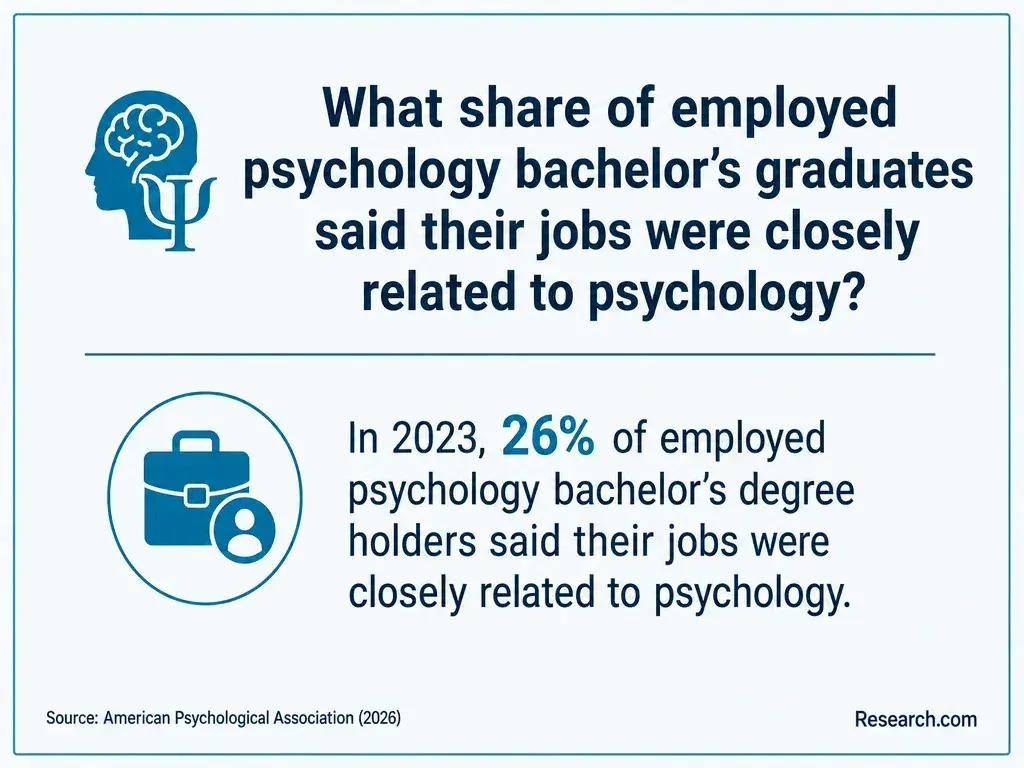
Does a psychology bachelor's degree qualify you for mental health counseling?
No. Studying psychopathology, counseling theories, or family relationships does not authorize a BA graduate to diagnose a condition, provide psychotherapy, or use a protected counseling title. In a caregiver-support position, you can offer information and approved practical assistance within your job description; clinical assessment and treatment belong to appropriately qualified professionals.
If your intended work is therapy with caregivers or families, compare qualifying graduate routes in counseling or social work and check the licensing board in the state where you intend to practice. A psychology BA can provide academic preparation, but the next program's education, supervised-practice, and examination requirements are separate decisions. Even intensive graduate study in clinical mental health counseling should be evaluated against state requirements and placement demands, not speed alone.
If you primarily want to organize caregiver groups, improve referrals, or coordinate services, ask employers whether a BA is required at all. Human-services experience, employer training, or a role-specific credential may be a more direct route.
Online delivery can reduce commuting, but it does not guarantee a flexible week. This comparison focuses on the commitments most likely to affect a student who is also providing care or working in a service organization.
| Decision factor | Online program | Campus-based program |
| Class schedule | May offer recorded coursework; live meetings and deadlines can still be fixed | Usually requires scheduled travel and class attendance |
| Faculty and peer access | May rely on virtual office hours, discussion, and remote group work | May make informal contact and local campus activities easier |
| Applied experience | May permit a locally arranged site, subject to program approval | May offer established nearby partners; site hours can still conflict with caregiving |
| Research opportunities | Remote projects may be available, but supervision and access must be confirmed | In-person labs may be easier to access, depending on the institution |
Ask for a sample term schedule, including live sessions, group projects, exams, and any campus visits. Compare the total cost as well as the format; inexpensive distance learning psychology options are a starting point, not proof that a program has the caregiver-focused courses or placement access you need.
Most psychology majors build from introductory study toward statistics and research methods, then offer advanced subjects. For caregiver support, the useful question is whether you can connect that foundation to family needs and service systems. Look for lifespan development, social and cultural psychology, mental health or psychopathology as academic subjects, health psychology, family-related electives, and coursework on ethics or community services where available.
Research methods matter in practical work: they help you judge whether a caregiver resource is supported by evidence and whether a program's reported results justify its claims. Applied courses can add referral practice, accessible communication, and supervised program support. Check prerequisites and how often desired electives run; an attractive catalog entry is not a promise that the course will fit your graduation plan.
Compare a psychology curriculum with an addiction counseling program selection guide if your target employer emphasizes substance-use services. The subjects may overlap, but different programs can have different professional aims and credential implications. Neither a course title nor a mental health elective establishes permission to counsel.
Requirements depend on whether you enter as a first-year or transfer student. Schools commonly review prior education and academic records; some have separate rules for admission to the psychology major. A returning student should request a written degree audit showing not just which credits are accepted, but which satisfy general education, psychology, statistics, research-methods, and remaining institutional requirements.
Ask the admissions and psychology advising offices whether a prior statistics course meets the major requirement and when you can take the next required course. If you may pursue graduate study later, keep those plans separate from BA admission: forensic psychology admissions and education planning, for example, addresses a different specialty and should not be treated as a checklist for entering a caregiver-focused BA. Future graduate programs set their own prerequisites.
A full-time bachelor's pathway commonly spans about four years, but that is a planning baseline, not an individual completion estimate. Accepted transfer credits, credits that actually fulfill major requirements, part-time study, and course availability can all change the finish date. For a working caregiver, a manageable schedule may be more valuable than the shortest advertised timeline.
Compare remaining required credits multiplied by the tuition rate, then add mandatory fees, books, technology, and any travel or reduced work hours associated with an approved placement. Get a school-specific estimate before borrowing. If your goal eventually changes to another specialty, a link advertising accelerated forensic psychology graduate completion routes is not evidence that a faster credential will prepare you for caregiver support - or that graduate credits will shorten this BA.
Confirm that the institution holds accreditation recognized by the U.S. Department of Education or the Council for Higher Education Accreditation, and verify its status with the accreditor. Accreditation is relevant to academic quality oversight and can affect federal-aid eligibility, but it does not certify that a particular caregiver-support internship exists or that graduates qualify for a regulated profession.
Do not look for APA accreditation as a requirement for a general psychology BA; APA accreditation covers specified professional psychology training programs, not ordinary bachelor's majors. Counseling programs have different recognition and licensing questions. If counseling is your eventual goal, financial planning for accredited counseling degrees belongs alongside a separate check of the graduate program and your state board's rules - not in place of checking the BA institution.
There is no single salary or employment-growth figure for "psychology graduates in caregiver support." Employers use different titles for outreach, intake, family resources, and human-services work, and pay depends on duties, location, experience, and funding. For a realistic estimate, match a target posting to the closest occupation in the U.S. Bureau of Labor Statistics Occupational Outlook Handbook, then compare local advertised wages and the posting's credential requirements.
For example, social and human service assistants are a more relevant occupational comparison for many resource-navigation jobs than licensed mental health counselors. Even that occupation's median wage describes workers across settings and experience levels - not the expected starting pay from a BA. Figures for comparing forensic psychology master's career earnings are especially poor substitutes for caregiver-support pay because the jobs, credentials, and responsibilities differ. Treat a promised salary attached to a degree alone as a warning sign.
How do you choose a reputable online psychology program?
Choose against the job you actually want, not a broad promise to "work in mental health." A strong option gives you relevant coursework, a workable schedule, credible applied learning, and a cost you can sustain. Before enrolling, use the following questions to obtain comparable answers from each school.
- Ask for the degree audit and a course rotation showing when required and caregiver-relevant classes are available.
- Confirm which classes have live attendance, whether campus visits are required, and what happens if caregiving interrupts a term.
- Ask whether a local, supervised nonclinical placement is available, who approves the site, and whether your current job could qualify.
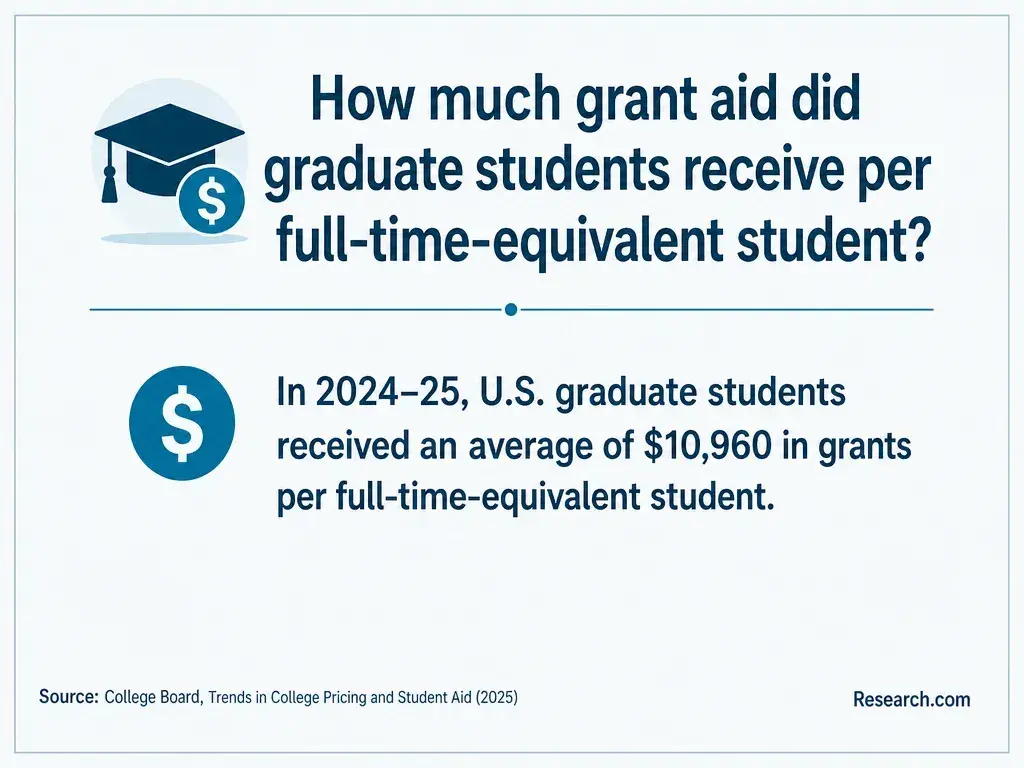
- Request the full remaining-cost estimate and ask what financial aid or employer support you can actually use.
- Ask career services for examples of relevant employer relationships and clearly defined graduate outcomes, including how those outcomes were measured.
If addiction-related family support is your focus, scholarship options for online addiction counseling undergraduates can inform your funding questions, but verify eligibility for your specific school and degree. Favor the program that can document a feasible path to your target duties. If you already have a bachelor's degree and only need service-navigation skills, ask local employers whether targeted training and supervised experience would be a better investment than a second BA.
Other Things You Should Know About Psychology
Not automatically. The psychology department must approve the site, duties, supervision, and learning objectives. Personal caregiving may inform your studies without meeting an academic placement requirement.
Protect their privacy and ask permission before sharing identifiable details. Follow your instructor's rules; use a fictionalized example when appropriate rather than assuming a family relationship makes disclosure acceptable.
Some do, particularly positions advertised as certified peer roles; others do not. Check the exact job posting and your state's credential rules before paying for training.
Yes. Contact the school's disability services office early to discuss documentation and accommodations for online coursework. Ask separately how any placement site will address accessibility needs.
- Accreditation in the U.S. | ed.gov http://www.ed.gov/laws-and-policy/higher-education-laws-and-policy/college-accreditation/accreditation-in-the-us
- Supporting Family Caregivers in Providing Care - NCBI - NIH https://www.ncbi.nlm.nih.gov/books/NBK2665/
- About Mental Health | cdc.gov https://www.cdc.gov/mental-health/about/index.html
- Behavioral Health | ACL Administration for Community Living http://acl.gov/programs/health-wellness/behavioral-health
- Mental health of older adults | who.int https://www.who.int/news-room/fact-sheets/detail/mental-health-of-older-adults
- Program Eligibility, Written Arrangements, and Distance Education | 2024-2025 Federal Student Aid Handbook https://fsapartners.ed.gov/knowledge-center/fsa-handbook/2024-2025/vol2/ch2-program-eligibility-written-arrangements-and-distance-education
- 4.1.21 Instructional Modalities and Distance Education | Illinois State https://policy.illinoisstate.edu/academic/4-1-21
- FAQs for Clinical Courses: Practicum, Internship, & Field Experience - Wake Forest Department of Counseling https://counseling.wfu.edu/faqs-for-clinical-courses-practicum-internship-field-experience/
- Employment-Based Practicum Placements | charlotte.edu https://socialwork.charlotte.edu/practicum-education/employment-based-practicum-placements/
- Policies and Guidelines: SLU https://www.slu.edu/provost/distance-education/overview-of-distance-education/policies-and-guidelines.php