2027 Online BA in Psychology - Mental Health for Peer Support Workers: What to Check Before Changing Careers
Audited and Verified:
Our Editorial and Data Verification Process
Research.com uses government datasets, official education statistics and primary institutional information to support its career and degree guides. Our review process checks factual accuracy, occupational definitions, source dates and the requirements associated with the credentials discussed.
How This Article Was Fact-Checked
Our editorial team verifies salary estimates, employment projections, education requirements and program information against original data providers and official organizations. Salary figures are checked against the relevant occupational definitions and reporting periods. Information about licensure, accreditation and required in-person training is reviewed separately.
Fact-checked and verified on:

Co-Founder and Chief Data Scientist
Your experience supporting people in recovery may be the strongest part of your preparation for peer support work. An online psychology BA could add useful knowledge, but it may not be the credential an employer or state requires. If you are changing careers - or hoping to advance from volunteer or informal support - check the role's certification rules before committing to a degree. This guide explains where psychology study helps, where it does not, and how to compare the time, cost, and practical experience each path demands.
Key Things You Should Know
- A psychology BA is generally not required for peer support work and does not replace a state-recognized peer credential when one is required.
- Many bachelor's programs require about 120 semester credits, but transfer decisions and your degree audit determine how many you would still need.
- Choose the degree for a specific longer-term goal - such as broader human-services work or graduate preparation - not on the assumption that it authorizes counseling or therapy.
What Is an Online BA in Psychology for Peer Support Workers?
An online Bachelor of Arts (BA) in psychology is an undergraduate degree in behavior, psychological science, and research. It is not usually a degree designed specifically to certify peer support workers. Some programs offer mental-health, addictions, or community-service electives; others offer only a general psychology major. Check whether an advertised focus is an official concentration or simply a choice of electives.
Peer support is different from clinical care. In a peer role, a worker draws appropriately on lived experience of recovery or a related experience to build connection, support self-directed goals, share resources, and help someone navigate services. The exact population and duties depend on the position. A psychology BA can deepen understanding of behavior and service systems, but it neither substitutes for lived experience nor grants authority to diagnose or treat a mental-health condition.
The degree makes more sense if you want academic preparation beyond peer work, can use it for advancement, or intend to meet a later program's bachelor's-degree requirement. If your immediate goal is a peer position, compare the degree with the shorter credential route first. Guidance on selecting an online psychology bachelor's program is most useful after you know what you need the degree to accomplish.
Can an Online Psychology Bachelor's Degree Lead to Peer Support Work?
Yes, a graduate can apply for peer support jobs, but the BA alone may not establish eligibility. Employers often care more immediately about the population you have experience supporting, your ability to maintain boundaries, and any peer credential required by the state, payer, or organization. Lived experience is a defining feature of many peer roles; academic study cannot stand in for it.
If you already volunteer or work in recovery services, identify what you can demonstrate: group facilitation within your role, resource navigation, documentation, collaboration with care teams, and respectful communication. Then compare those skills with local job postings. The following distinction can prevent an expensive mismatch between education and the job you want.
| Target role | What to check before pursuing it | How a psychology BA may help |
| Peer support or recovery-support worker | Lived-experience criteria, state or employer training, certification, and permitted duties | Adds academic context; may not be required |
| Human-services or program-support position | Employer's degree preference, relevant experience, and documentation skills | May meet a bachelor's requirement and support broader responsibilities |
| Licensed counselor or therapist | Qualifying graduate program, supervised practice, examinations, and state rules | Can provide undergraduate preparation; does not confer the license |
For a closer look at nonclinical options, explore recovery services employment pathways. Focus on the duties and credentials attached to each job title rather than assuming similar-sounding positions have the same requirements.
Is an Online BA in Psychology Accredited and Career-Relevant?
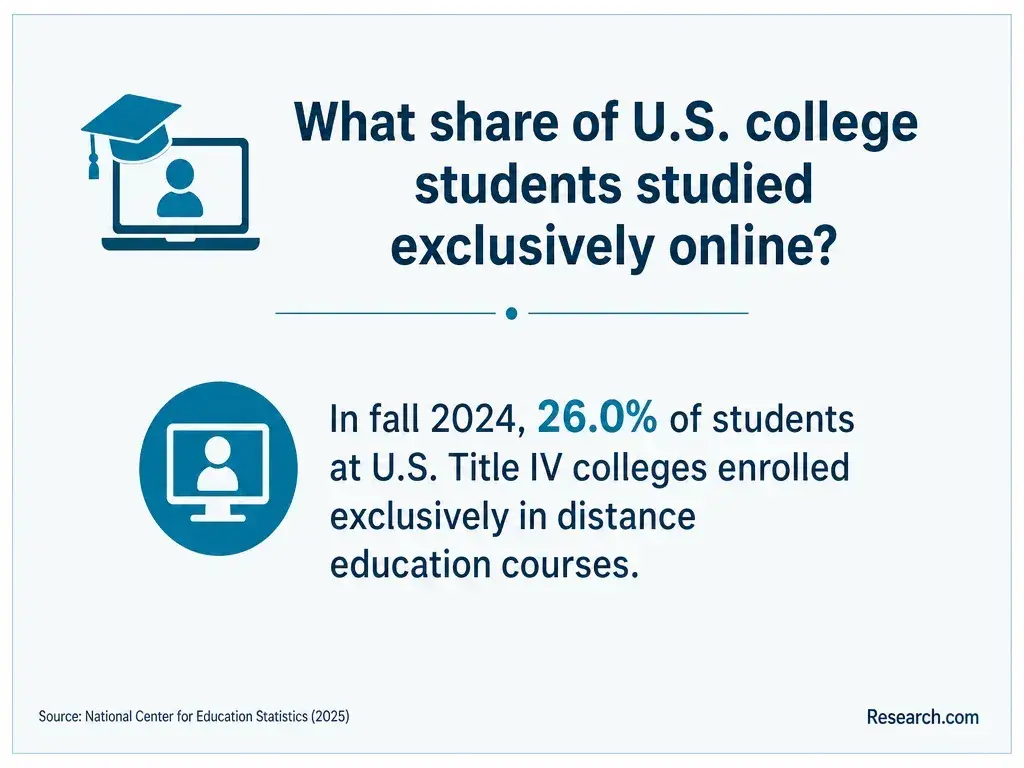
Check the institution's accreditation with its stated accreditor and confirm that the online BA is offered by that institution. Institutional accreditation matters for academic recognition and can affect eligibility for federal student aid. Do not expect an ordinary psychology BA to carry American Psychological Association accreditation: APA accreditation applies to specified professional psychology training programs and internships, not general undergraduate psychology majors.
Career relevance is a separate test. Ask whether the curriculum covers research methods, development, mental health, and ethical practice; whether the school supports students seeking local nonclinical experience; and whether career services have connections to the community agencies where you hope to work. A degree can be legitimate yet poorly matched to your target job.
If you may eventually pursue substance-use-disorder counseling, investigate that profession's state-specific education and supervised-experience requirements independently. Academic routes into addiction counseling address a different credential decision from peer support; neither a psychology major nor an addictions elective automatically qualifies you to counsel clients.
Typical psychology majors combine introductory study with developmental, social, biological, and abnormal psychology, plus statistics and research methods. Requirements vary by school. For peer support workers, the most useful courses are those that improve understanding without blurring the boundary between learning about mental health and providing treatment.
Developmental and cultural psychology can inform how you communicate with people whose circumstances differ from yours. Research methods can help you judge claims about recovery programs rather than accepting a promising anecdote as proof of effectiveness. Ethics coursework should strengthen your approach to confidentiality, consent, and professional boundaries. None of these courses authorizes you to interpret restricted psychological tests or provide psychotherapy.
If a later psychology master's degree is part of your plan, protect time for statistics, methods, and strong academic writing; admission prerequisites differ by program. Compare that objective with accelerated online master's degrees in psychology only after checking whether a prospective graduate program serves a research or nonclinical goal rather than a licensure goal.
First-time applicants generally submit evidence of secondary-school completion and any materials the institution requests. Transfer applicants usually provide transcripts from every college attended; a school may also have separate requirements for entry to the psychology major. An unrelated prior field does not automatically rule out admission.
For a career changer with previous college work, admission and degree completion are different decisions. A school may accept a course as elective credit without applying it to statistics, research methods, general education, or the psychology major. Ask for a written degree audit showing remaining requirements, course sequencing, and any credits that must be completed at the institution before you estimate your time or cost.
Collect syllabi for courses that might satisfy major requirements, especially statistics and methods. If an evaluation is unclear, ask which office decides substitutions or appeals. A guide to transfer credit reviews for psychology applicants can help you prepare questions, but only the enrolling school can determine how your credits apply.
A bachelor's degree commonly totals about 120 semester credits, often planned as four years of full-time study from the beginning. Your timeline could be shorter with applicable transfer credit or longer if you study part time, need prerequisite courses, or cannot take required classes when offered. An online label alone says nothing about the number of credits you have left.
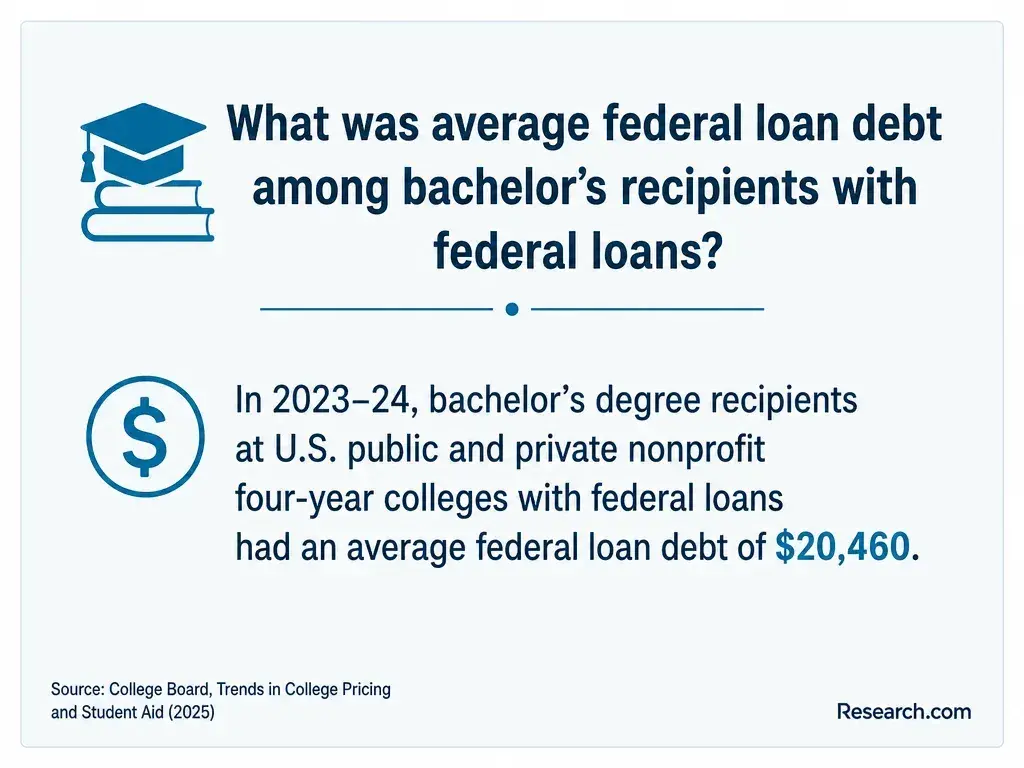
Request an individualized cost estimate based on your degree audit and intended pace. Include tuition, mandatory fees, books, technology, any travel or placement expenses, and the income you might forgo if coursework reduces paid hours. Ask whether your employer offers education assistance and whether changing enrollment intensity would affect your aid; do not count either benefit until its terms are confirmed.
For a peer-support goal, compare that total commitment with the cost and timing of the applicable peer-training route. If a BA is still justified, use finding an affordable psychology degree route as a starting point, then compare schools using your remaining credits and full charges - not advertised tuition alone.
Online study can let you keep a peer-support job while completing academic coursework, and your current work may give you practical context for class discussions. It does not necessarily make the program self-paced. Check for live sessions, group projects, proctored assessments, required campus visits, and courses offered only in particular terms.
Campus programs may make it easier to meet faculty and find local research or community connections, while an online program may better accommodate a shift schedule. Neither format guarantees an internship or permission to use your workplace for academic credit. If experiential learning matters to your career plan, ask who approves the site, who supervises the work, and whether your existing duties meet the course's learning objectives.
Already have a bachelor's degree? Compare the specific job's requirements before starting a second one. Even faster routes through forensic psychology graduate coursework illustrate why an online or accelerated label is not a substitute for checking scheduling and career fit; forensic graduate study is not a peer-support credential.
There is no single nationwide peer support certificate that a psychology BA replaces. Requirements differ across states, populations, employers, and positions funded through particular service systems. A posting may call for a state-recognized peer specialist credential, an employer's approved training, supervised hours, or another documented qualification. Ask the relevant state credentialing authority and prospective employer what applies to the exact role and location.
Before enrolling in training, confirm its eligibility rules, approved provider, assessment and supervision requirements, renewal obligations, and whether the credential is recognized if you move. Also ask which duties require supervision and what to do when someone needs clinical or emergency help. Peer support relies on connection and referral, not independent diagnosis or treatment.
If you are actually aiming to become a licensed mental-health counselor, that is a different, longer educational decision. Compare qualifying graduate-program requirements and state licensing rules - not peer certification or a BA concentration. Information on clinical counseling master's fees and graduation timelines can help frame that alternative without treating it as a requirement for peer work.
Beyond peer support, a psychology BA may help you compete for nonclinical jobs in outreach, intake, service coordination, program support, or research assistance. Your experience with community members can be especially relevant to positions involving trust, accessible communication, and referral pathways. Employers may still require particular documentation skills, direct-service experience, or training that the degree does not provide.
Choose applied opportunities by the evidence they let you show. A supervised outreach project might demonstrate resource navigation and collaboration; a research assistantship might demonstrate careful data handling. Use only information you are authorized to access, and never place identifiable client details in a class project or job portfolio.
Some graduate specializations lead toward different work, but their titles can obscure qualification gaps. For example, a forensic psychology master's employment and pay guide concerns a distinct career direction; a forensic degree alone does not make someone a licensed psychologist or qualify them to conduct forensic evaluations. Before changing direction, compare actual job postings with your experience and the credential each position requires.
What Salary and Job Outlook Can Psychology Graduates Expect?
There is no reliable salary figure for "online psychology BA graduates," and peer support jobs do not map neatly to one dedicated Bureau of Labor Statistics occupation. Pay varies with the employer, location, funding, hours, and whether the job is peer support, outreach, or a different human-services position. Wages published for counselors or psychologists should not be used as expected peer-worker pay: those occupations have different duties and often different education or licensing requirements.
For a useful outlook, compare current local postings for the exact peer credential or job title you want. Record the stated pay range, schedule, benefits, and advancement requirements. Then ask whether the BA would change your eligibility or pay at those employers - or whether certification and experience would get you there sooner. That comparison is more informative than a broad mental-health employment projection.
If borrowing is part of your plan, compare expected payments with the pay shown in those postings rather than assuming the degree will produce a raise. The distinction between grants versus loans for substance abuse counseling bachelor's students is useful when evaluating aid, though eligibility and awards for your psychology program must be confirmed with its financial aid office.
Other Things You Should Know About Psychology
Generally, your application should address the school's stated requirements, not disclose private health information unnecessarily. If you need an accommodation, contact the school's accessibility office about its process.
Possibly, but only if the college has an applicable prior-learning or transfer-credit policy and approves that training. Ask whether any awarded credit would satisfy a requirement or count only as an elective.
Share only what you are comfortable sharing. Explain how your experience informs empathy, boundaries, and support for someone else's goals without suggesting that your recovery path applies to everyone.
Do not assume that changing names is enough. Check your employer's confidentiality rules and your instructor's requirements before using any client information; a hypothetical example or public source may be safer.
- Cost of Attendance (Budget) | 2025-2026 Federal Student Aid Handbook https://fsapartners.ed.gov/knowledge-center/fsa-handbook/2025-2026/vol3/ch2-cost-attendance-budget
- Core Competencies for Peer Workers: Behavioral Health | samhsa.gov https://www.samhsa.gov/substance-use/recovery/peer-support-workers/core-competencies
- Behavioral Health Practicum, Internship, and Field Experience Opportunities | NC DAC https://www.dac.nc.gov/divisions-and-sections/health-services/behavioral-health-practicum-internship-and-field-experience-opportunities
- Paths to Certification - Ohio Department of Behavioral Health https://dbh.ohio.gov/community-partners/peer-supporters/certified-peer-recovery-supporter-cprs-adult/paths-to-certification/paths-to-certification
- Chapter 6 - How To Become a Peer Specialist - NCBI https://www.ncbi.nlm.nih.gov/sites/books/NBK596268/
- Employment Outcomes After Certification as a Behavioral Health Peer Specialist in Four U.S. States - PubMed https://pubmed.ncbi.nlm.nih.gov/35734863/
- Licensed Professional Counselor - Oklahoma.gov https://oklahoma.gov/behavioralhealth/academic-requirements/licensed-professional-counselor.html
- How to Become a Licensed Psychologist | Texas Behavioral Health Executive Council https://bhec.texas.gov/texas-state-board-of-examiners-of-psychologists/applying-for-a-psychology-license/how-to-become-a-licensed-psychologist/
- Types of Financial Aid: Grants, Work-Study, and Loans | studentaid.gov https://studentaid.gov/understand-aid/types
- What you need to know to get licensed | apa.org https://www.apa.org/gradpsych/2004/01/get-licensed