2027 Online BA in Psychology - General Psychology for Work in Technology Customer Success Teams: Compare Degree Fit and Hiring Requirements
Audited and Verified:
Our Editorial and Data Verification Process
Research.com uses government datasets, official education statistics and primary institutional information to support its career and degree guides. Our review process checks factual accuracy, occupational definitions, source dates and the requirements associated with the credentials discussed.
How This Article Was Fact-Checked
Our editorial team verifies salary estimates, employment projections, education requirements and program information against original data providers and official organizations. Salary figures are checked against the relevant occupational definitions and reporting periods. Information about licensure, accreditation and required in-person training is reviewed separately.
Fact-checked and verified on:

Co-Founder and Chief Data Scientist
If you want to work on a technology customer success team, an online BA in general psychology may sound relevant: the job involves understanding customers and helping them adopt a product. But employers also expect product fluency, commercial judgment, and evidence that you can manage accounts.
This guide compares those requirements with what a psychology degree actually teaches. It is especially useful if you are choosing a major or changing careers and need to decide whether a full degree, targeted coursework, or direct work experience is the better investment.
Key Things You Should Know
- A general psychology BA can strengthen research, communication, and behavior-change skills, but it is not a standard requirement for technology customer success jobs.
- Many US bachelor's degrees are designed around approximately 120 credits; the credits you still need, not the advertised program length, determine your likely time and cost.
- Prior customer-facing experience plus product, CRM, and account-management skills may provide a more direct route than another degree. Customer success manager pay cannot be reliably inferred from psychology-graduate or broad customer-service wage figures.
What is an online BA in psychology, and can it prepare you for technology customer success?
An online BA in general psychology is an undergraduate degree covering behavior, cognition, social interaction, research methods, and statistics. "General" usually means broad study rather than a formally named specialty. Online describes how instruction is delivered; it does not, by itself, indicate easier coursework or a different professional credential.
Technology customer success teams help customers realize value after buying a product. Depending on the company, their work includes onboarding, training, monitoring adoption, resolving obstacles with support teams, and discussing renewals or expansion. Psychology can help a graduate investigate why users disengage, communicate with different stakeholders, and test whether an intervention worked. It does not normally teach the company's software, sales process, or account metrics.
When comparing online psychology degree curricula, look for substantive methods and statistics courses and room for business or technology electives. The useful question is what you could demonstrate to an employer alongside the diploma.
What degree and skills do technology customer success teams typically require?
Requirements vary sharply by product and account type. Some associate roles accept varied bachelor's majors or equivalent experience; enterprise and technical roles may ask for prior software, account-management, implementation, or industry experience. A psychology BA can meet a general bachelor's preference, but it rarely substitutes for those functional requirements.
The following comparison separates responsibilities a psychology student might practice from skills that usually need to be learned in a workplace or through targeted training.
| Customer success task | Relevant psychology preparation | Evidence employers may also seek |
| Understand adoption barriers | Research design, interviewing, and cautious interpretation of behavior | Product-use analysis and a credible improvement recommendation |
| Guide onboarding | Learning, motivation, and clear communication | Training materials, product demonstrations, and implementation experience |
| Manage an account | Listening and stakeholder awareness | CRM use, account planning, escalation judgment, and renewal experience |
| Report customer outcomes | Statistics and evidence evaluation | Spreadsheet or analytics skills and familiarity with the employer's success metrics |
Read the actual posting rather than treating a degree title as a hiring rule. Requirements for a specialized psychology pathway - and the outcomes discussed in one-year forensic psychology study and career outcomes - address a different labor market, not an additional qualification for customer success.
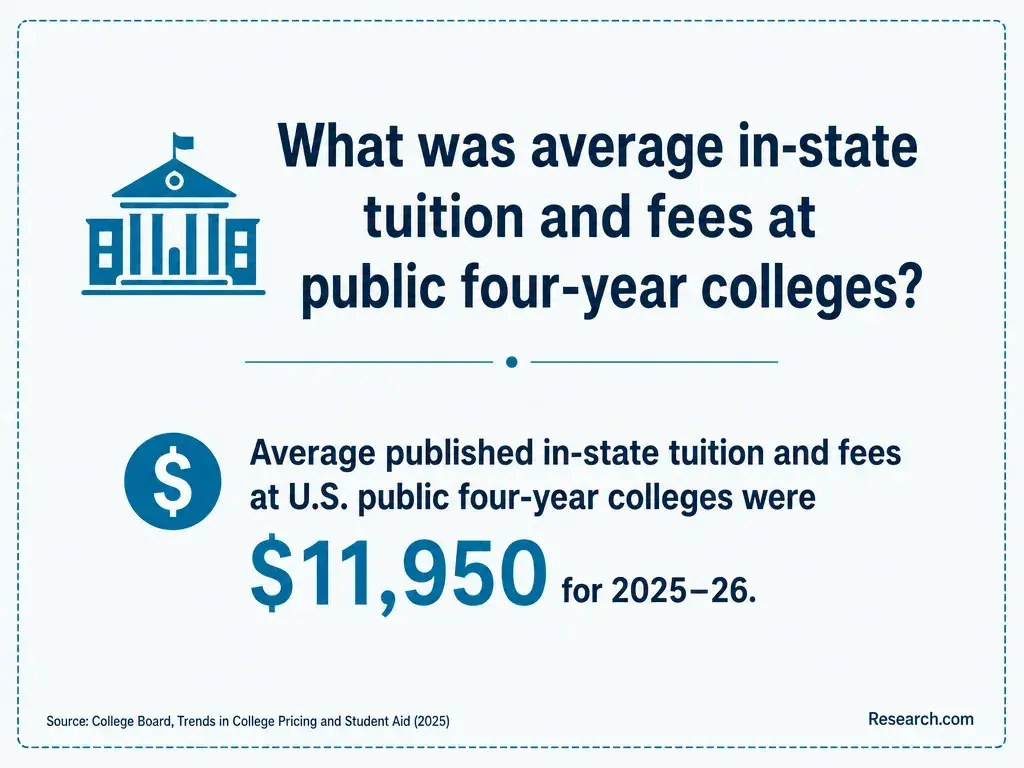
Is a psychology bachelor's degree a good fit for customer success careers?
It can be a good fit if you need a bachelor's degree and want broad preparation you will actively connect to customer-facing work. Its strongest contribution is disciplined thinking about people: asking sound questions, recognizing that survey respondents may not represent all users, and distinguishing a plausible explanation from evidence of improvement. A class project alone does not establish that you can retain accounts.
For a career changer who already has a bachelor's degree, a second BA may be hard to justify. Experience in retail, hospitality, training, support, or account service could be paired with product training, CRM practice, and applications to associate roles. If you are choosing a first major, business or information systems may provide more direct commercial or technical coursework; psychology may be preferable if its research and behavioral content fits your interests and you can add applied experience.
Concentration labels should follow the job goal, not lead it. Accredited addiction psychology undergraduate education may serve a different professional interest, but addiction-specific study is not a customer success credential. Compare the required courses and total remaining credits before choosing either route.
An online BA can make degree completion more feasible while you work, and a campus program may make it easier to attend in-person events or build local connections. Neither format guarantees an internship, faculty research access, flexible deadlines, or employer introductions. A synchronous online course can still require attendance at set times.
Compare the formats on the opportunities that would make you hireable: access to statistics instruction, team projects, career advising, internships, and permission to complete an applied project with a suitable organization. Ask whether required courses are offered when you need them and whether any campus visits or live meetings are mandatory.
Check the institution's accreditation and degree requirements directly; do not assume professional psychology accreditation applies to a general BA. Accelerated graduate-format comparisons, such as short-duration online forensic psychology graduate options, should not be used to estimate an undergraduate psychology BA's schedule or customer success value.
Programs vary, but a general major commonly includes introductory psychology, research methods, statistics, and courses in social, cognitive, developmental, or biological psychology. For customer success, methods and statistics are particularly useful: they can help you assess feedback, identify limitations in adoption data, and communicate what the evidence does - and does not - show.
Choose electives to close the gap between that academic foundation and the target job. Business communication, information systems, data visualization, marketing, and organizational behavior may be more directly applicable than clinical electives. If an internship or capstone is available, a nonclinical project about training materials or user adoption could supply work samples, provided you have permission to use the data and share the result.
Different goals warrant different curricula. Addiction counseling degree curriculum choices concern a service field with distinct training and possible credential rules; they should not be mistaken for the technical and commercial preparation customer success teams seek.
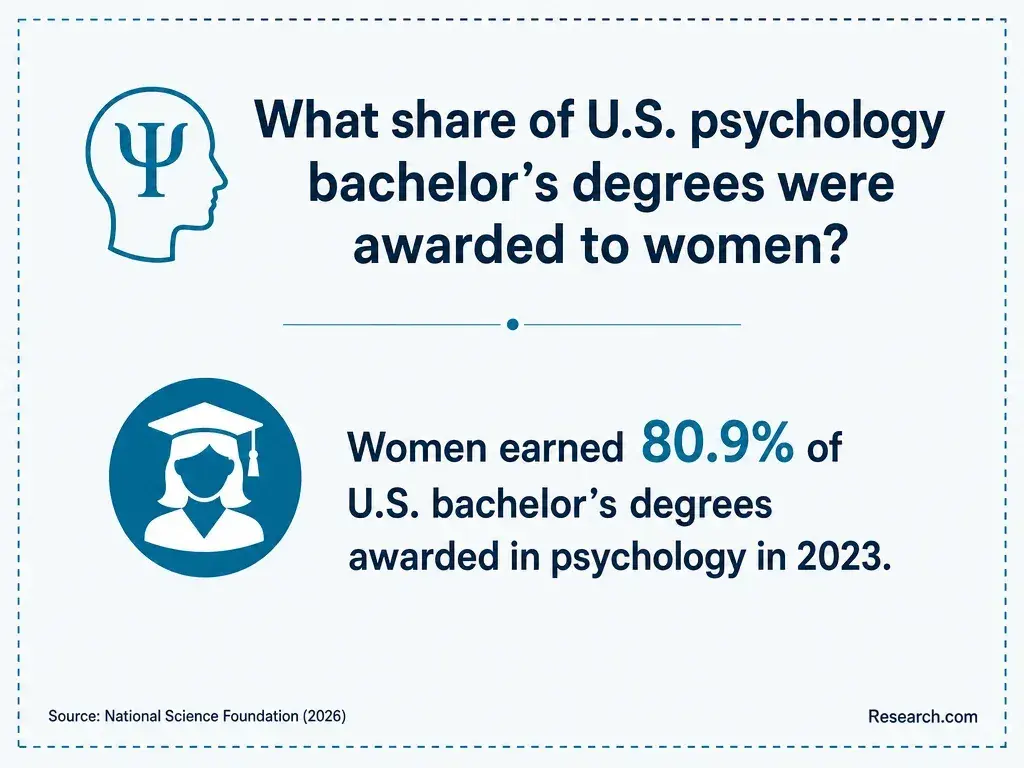
First-year applicants typically submit evidence of secondary-school completion and the institution's required application materials. Transfer applicants generally provide transcripts from prior colleges. Tests, minimum grades, deadlines, and separate admission to the psychology major vary by school; check the policy for your intended entry term rather than assuming one national standard.
If you have previous college work, request a written degree audit showing not just credits accepted but how they apply to general education, psychology requirements, electives, and residency rules. Ask specifically whether prior statistics or research-methods courses satisfy major requirements. That distinction matters more to completion planning than the headline number of transferable credits.
Admissions criteria for another specialty are not a shortcut: evaluating forensic psychology degree admissions serves a different program-choice question. Obtain the requirements for the actual general psychology BA you intend to enter.
A conventional US bachelor's degree is often structured around approximately 120 credits and four years of full-time study, but those are planning references, not a promise about a particular online BA. Transfer-credit application, course sequencing, part-time enrollment, and required residency credits can change the finish date substantially.
Compare schools using a written estimate of remaining credits multiplied by the applicable tuition rate, then add mandatory fees, books, technology, any travel, and the cost of time away from paid work. Confirm whether tuition differs by residency or enrollment status and whether employer assistance applies. Do not assume an advertised per-credit rate is the total cost.
Funding comparisons must match the credential you actually need. Affordable accredited mental health counseling study options involve a different educational and potentially licensure-oriented decision; their prices are not substitutes for a general psychology BA estimate.
Job titles are inconsistent across companies, so assess responsibilities and required experience. A graduate with limited technology experience might pursue customer support specialist, onboarding coordinator, implementation support, or customer success associate roles. A customer success manager position may be attainable when the applicant can also show account ownership, product knowledge, and stakeholder management. Technical CSM or solutions-oriented positions may require substantially deeper software or industry expertise.
Build evidence for the level you seek: describe a real customer issue you resolved, document how you taught someone a process, or present an authorized, nonconfidential analysis of user feedback. In interviews, explain the result and its limits rather than claiming a psychology course directly caused a business outcome.
A graduate degree is not a routine prerequisite for these jobs. Comparing the fastest psychology master's formats is more relevant if you have a separate graduate-study objective; for customer success entry, relevant experience may be the better next step.
There is no dependable national salary figure specifically for customer success professionals with psychology degrees. The US Bureau of Labor Statistics does not publish that degree-and-job combination as an occupation. Its customer service representative data covers a broader type of work, while technical sales occupations can involve very different duties and qualifications. Neither is a sound estimate of what a new customer success manager will earn.
Use current, location-relevant postings for the exact role and product category instead. Separate base pay from commissions or bonuses, check whether variable pay depends on renewals or sales targets, and compare the experience demanded at each pay level. This is more useful for judging an offer - and the likely return on a BA - than attributing an occupation-wide wage to psychology graduates.
Likewise, comparing prices for online psychology master's degrees may inform a separate graduate-school decision, but a lower graduate tuition figure does not establish a customer success salary premium.
Does working in technology customer success require psychology licensure or certification?
No psychology license is ordinarily required to perform nonclinical technology customer success work. A psychology BA does not authorize psychotherapy, diagnosis, independent psychological assessment, or use of a protected professional title. Those activities are outside the role, even if the software company serves healthcare customers.
An employer may value product-specific training, CRM proficiency, security awareness, or an industry certification, but check the particular posting before paying for one. If your actual goal is counseling rather than supporting users of a technology product, the educational decision changes: comparing accredited counseling degree completion times concerns a distinct professional pathway with jurisdiction-specific requirements.
Other Things You Should Know About Psychology
An employer may ask you to prioritize at-risk accounts, explain a product feature to a customer, or respond to an adoption problem. Clarify the assumptions you are making and show how you would seek missing information.
Only with appropriate permission. Remove confidential customer and employer information, and follow workplace agreements; an invented or public-data example is safer when permission is unclear.
Some do, particularly for enterprise accounts, events, or on-site implementation; others are remote. Check the posting and ask how often travel actually occurs.
Review several postings in your target product area, talk with people doing the work, and try an entry-level support or onboarding opportunity. Compare the skills you lack with the courses and experience each route would provide.
- Customer Success Management: The next evolution in... - PMC https://pmc.ncbi.nlm.nih.gov/articles/PMC7439993/
- Find the Right Online Degree Program by Using a Comparison Framework | Columbia Southern University https://www.columbiasouthern.edu/blog/blog-articles/2026/august/find-the-right-online-degree-program
- Course Work Taken Elsewhere - USC Catalogue https://catalogue.usc.edu/content.php
- General Psychology | Online Bachelor's Degree | Capella University https://www.capella.edu/online-psychology-degrees/bs-psychology-program/bachelors-general-psychology/
- How Do Transfer Credits Work When You Go Back to School? | Whitworth Online https://online.whitworth.edu/news-articles/how-do-transfer-credits-work-when-you-go-back-to-school/
- Transferable Skills: Examples for Psychology Graduates | East Carolina University https://onlineprograms.ecu.edu/blog/transferable-skills-examples/
- Online Bachelor of Arts in Psychology (BA) - apu.apus.edu https://www.apu.apus.edu/online-bachelor-degrees/bachelor-of-arts-in-psychology/
- How to Become a Client Success Manager | Western Governors University https://www.wgu.edu/career-guide/business/client-success-manager-career.html
- What to Prioritize with Accelerated Bachelor's Degrees Online | Saint Mary's University of Minnesota https://www.smumn.edu/blog/what-should-you-look-for-when-choosing-an-accredited-accelerated-bachelors-degree/
- Career Paths for Working Professionals With a Psychology Degree | YSU https://online.ysu.edu/degrees/undergraduate/ba-psychology/paths-for-working-professionals/