2027 Online AGACNP Programs for Nurses in Alaska: MSN Options and Acute Care Clinicals
Audited and Verified:
Our Editorial and Data Verification Process
Research.com uses government datasets, official education statistics and primary institutional information to support its career and degree guides. Our review process checks factual accuracy, occupational definitions, source dates and the requirements associated with the credentials discussed.
How This Article Was Fact-Checked
Our editorial team verifies salary estimates, employment projections, education requirements and program information against original data providers and official organizations. Salary figures are checked against the relevant occupational definitions and reporting periods. Information about licensure, accreditation and required in-person training is reviewed separately.
Fact-checked and verified on:

Co-Founder and Chief Data Scientist
For an Alaska RN considering adult-gerontology acute care nurse practitioner preparation, finding an online MSN is only the first step. The program must enroll Alaska residents, support approved acute care clinical experiences, and prepare graduates for the right certification and state licensure. Geographic distance can make those conditions harder to satisfy than the online coursework suggests. This guide explains how to screen potential programs, assess Alaska clinical arrangements, and compare the time and cost against your intended NP role before applying.
Key Things You Should Know
- An online MSN-AGACNP is not fully remote: supervised, program-approved patient care and possibly campus visits remain necessary.
- Ask each school to confirm Alaska enrollment eligibility and clinical-site support in writing; an online listing alone establishes neither.
- AGACNP preparation centers on 3 advanced clinical foundations - pathophysiology, pharmacology, and health assessment - and leads toward a separate certification and Alaska APRN licensing process.
What are online AGACNP programs for nurses in Alaska?
An online adult-gerontology acute care nurse practitioner (AGACNP) program is a postlicensure graduate pathway for RNs preparing to care for adolescents through older adults with acute, complex, or critical conditions. An MSN-AGACNP combines online coursework with supervised clinical education at sites the school approves. "Online" describes much of the instruction, not a substitute for direct patient care.
The acute care population focus matters more than the job title alone. It differs from family nurse practitioner preparation, which is oriented toward primary care across the lifespan. An experienced Alaska ICU or emergency RN may bring valuable judgment to AGACNP study, but RN experience does not replace graduate preparation or grant NP authority.
These programs assume an RN license; they do not prepare a non-nurse for initial licensure. Someone entering nursing from another field should first examine career-change nursing routes at the master's level, then assess whether later acute care NP preparation fits the intended career.
Which online MSN-AGACNP programs accept students in Alaska?
No school should be treated as a confirmed Alaska option solely because it advertises an online AGACNP track. Residency eligibility can vary by entry term, and a school may allow coursework while limiting clinical placements in a particular location. The following are programs to investigate, not a verified list of schools currently accepting Alaska students.
Each offers an MSN adult-gerontology acute care NP pathway to examine. The decisive comparison is whether its admissions and clinical teams will approve your Alaska-based plan.
| Program to investigate | Alaska-specific confirmation needed before applying |
| Georgetown University MSN-AG-ACNP | Alaska residency eligibility, required in-person activities, and local clinical placement policy |
| University of Cincinnati MSN-AGACNP | Current Alaska enrollment authorization and approved acute care sites and preceptors |
| University of South Alabama MSN-AGACNP | Alaska eligibility for the intended start term and responsibility for arranging clinicals |
Request written answers from both admissions and the AGACNP clinical-placement team. Ask whether Alaska sites have been approved before, whether an affiliation agreement is needed, who initiates it, and what happens if a placement falls through. If you hold an ADN rather than a BSN, check the actual degree sequence before assuming a bridge reaches this specialty; MSN pathways that accept ADN-prepared nurses do not necessarily include AGACNP preparation.
What Alaska clinical requirements apply to online AGACNP students?
The school determines its approved clinical hours, competencies, settings, preceptor qualifications, faculty oversight, and documentation requirements in light of applicable certification and regulatory standards. A hospital job in Alaska - even in an ICU - does not automatically count as student clinical time. Neither employment hours nor simulation should be assumed to replace required supervised encounters.
Alaska's small, widely dispersed healthcare market makes site fit and timing especially important. A prospective site must offer the relevant adult-gerontology acute care experiences, have an acceptable preceptor, permit student access, and complete any school-required agreement before hours begin. A site near home may not provide the patient mix a course requires; travel to another Alaska community or out of state may be necessary.
Before paying a deposit, obtain the school's clinical handbook and ask its coordinator to review likely locations, anticipated rotations, travel expectations, and the deadline for site approval. Compare the school's placement commitments with comparing FNP preceptor placement policies only as a way to formulate questions: FNP placement support does not establish that a school can place AGACNP students in Alaska.
Check credentials at three distinct levels: the university's institutional accreditation, the nursing degree's applicable programmatic accreditation, and the specific AGACNP track's fit with certification and Alaska APRN requirements. Institutional accreditation alone does not confirm that the NP track qualifies its graduates for a particular exam. Verify the school and nursing program in the relevant accreditors' directories, then obtain the track's stated certification outcomes and Alaska eligibility information directly from the school.
A strong comparison goes beyond an accreditation badge. Ask how the program evaluates direct-care competencies, whether it helps establish Alaska site agreements, how many campus visits it requires, and whether published certification pass rates identify the exam, cohort, and reporting period. Also ask what the school does when an approved clinical site becomes unavailable.
For an RN who already holds an MSN or DNP, a post-graduate AGACNP certificate may avoid repeating some graduate work - but the receiving school must perform a formal review of prior courses and clinical preparation. A nurse considering a doctorate instead can use comparing DNP eligibility requirements to identify entry differences; a DNP without an AGACNP track is not, by itself, acute care NP preparation.
Curricula typically combine advanced pathophysiology, advanced pharmacology, and advanced health assessment with adult-gerontology acute care diagnosis and management, clinical decision-making, evidence-based practice, and supervised specialty practicums. Programs may organize acute, critical, and complex care content differently, so compare course descriptions and clinical objectives rather than course titles alone.
Online study can accommodate some work shifts, but case discussions, examinations, simulation, intensives, and clinical days may have fixed schedules. Ask for a sample course calendar and the sequence in which clinical placements must be completed; taking fewer credits may extend the time during which a site and preceptor must remain available.
Do not confuse these practicums with the coursework in RN-to-BSN programs without traditional clinical rotations. An AGACNP track prepares a nurse for a new advanced practice population focus and requires assessed clinical learning, even when most lectures are online.
Programs commonly expect an active RN license, an eligible nursing degree, transcripts meeting their academic standards, and application materials such as references and a statement of purpose. Some require or prefer recent acute care RN experience. The amount and type of experience, minimum GPA, and whether an ADN-prepared RN can enter vary by school; admission to the university does not guarantee entry to its AGACNP track.
For an Alaska applicant, the most consequential admissions question may be whether the school will enroll a resident and support clinical education where that applicant can realistically complete it. Disclose your state of residence, RN license jurisdiction, intended clinical region, and any foreseeable travel restrictions when seeking an eligibility decision.
Entrance-test policies in other nursing pathways should not be mistaken for AGACNP requirements. For example, no-HESI nursing school application pathways address a different admissions decision; use the graduate specialty's own published criteria and ask whether they apply to your entry term.
There is no reliable Alaska-wide MSN-AGACNP price or completion time. Schools differ in required credits, clinical sequence, part-time availability, tuition rates, and required visits. An advertised shortest completion time may assume uninterrupted enrollment and immediate access to every clinical placement - assumptions worth testing if you work shifts or live far from an approved site.
Compare schools using a total-cost estimate, not tuition alone: required credits multiplied by the applicable per-credit charge, plus mandatory fees, books, technology, travel, lodging, clinical compliance expenses, certification and licensing costs, and any income lost during clinical days. Request a term-by-term estimate and ask whether a delayed placement triggers additional tuition or fees.
If you are not yet an RN, do not budget for an AGACNP MSN as your first nursing qualification. A practical nurse, for example, would need an RN pathway first; a guide to faster practical-to-registered nursing routes can inform that separate cost decision, but it does not shorten the AGACNP clinical requirements that follow.
The sequence is graduate specialty preparation, eligibility for and passage of an appropriate national AGACNP certification exam, and an application for Alaska advanced practice authorization through the Alaska Board of Nursing. The American Nurses Credentialing Center and AACN Certification Corporation offer adult-gerontology acute care NP certification routes; confirm the chosen exam's current eligibility rules against the exact program before enrolling.
Certification, an RN license, and Alaska APRN authority are distinct. The board determines state licensing requirements, while an employer separately verifies privileges, role-specific skills, and onboarding. If prescribing is part of the intended position, verify Alaska's applicable prescribing requirements rather than assuming the degree or certification grants that authority automatically.
An applicant without an RN license needs initial nursing preparation first. Second-bachelor's nursing program entry comparisons may help someone who already holds a non-nursing bachelor's degree evaluate that earlier step; they are not substitutes for AGACNP graduate preparation.
AGACNPs may pursue roles involving hospitalized adults, critical care, specialty consultation, or other services for patients with acute and complex needs, subject to the position's population focus and the clinician's privileges. In Alaska, the availability of a suitable job can depend heavily on location, employer services, staffing model, and the applicant's prior RN and NP experience. Graduation and certification do not guarantee a position or immediate independent readiness.
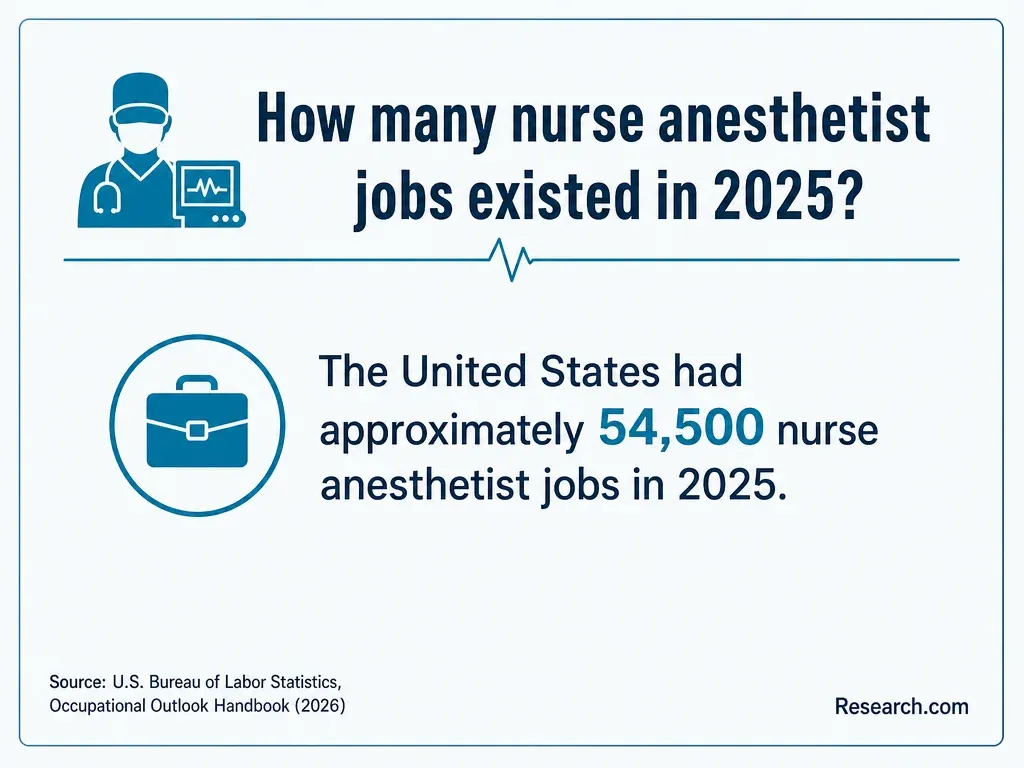
For salary comparisons, the relevant federal occupation is nurse practitioner, not "MSN graduate" or a separately reported AGACNP occupation. A national NP median cannot predict an Alaska acute care offer: ask employers about base pay, shift and call duties, travel, benefits, onboarding, and any experience requirements. Published salary figures should be checked for their wage year and whether they describe Alaska NPs specifically before using them in a return-on-investment calculation.
Someone still exploring entry into nursing should separate that decision from an AGACNP job search. Prelicensure degree options for future nurses lead toward initial RN eligibility, not directly to an acute care NP job.
What is the job outlook for adult-gerontology acute care nurse practitioners?
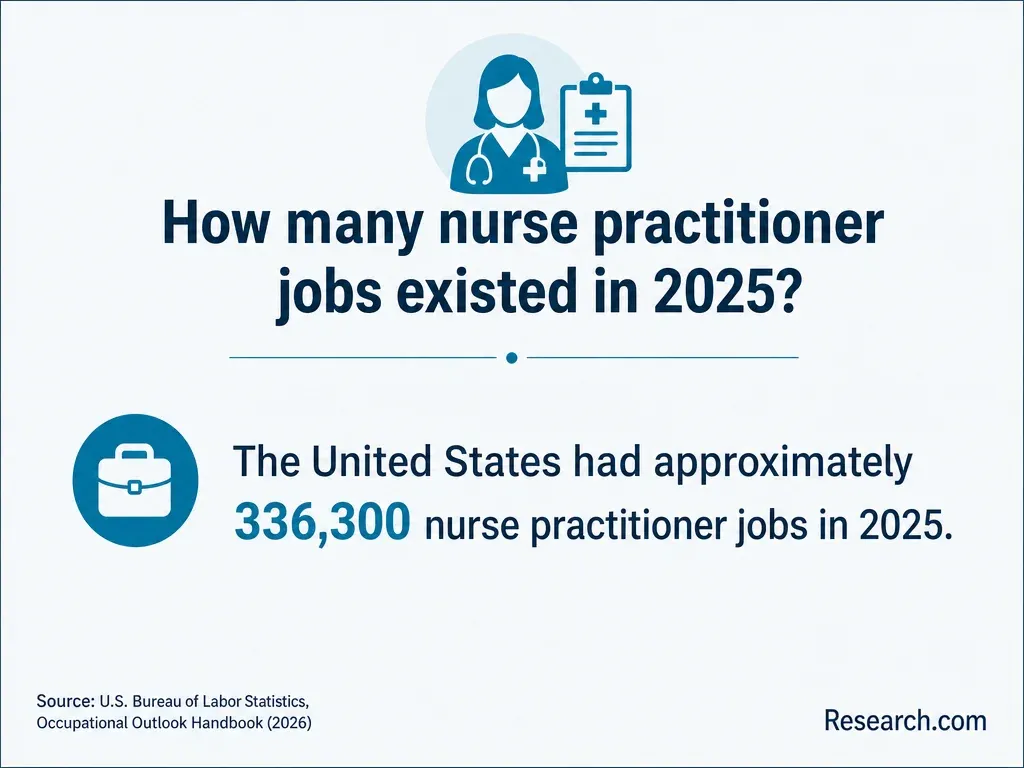
The U.S. Bureau of Labor Statistics projects employment for the broader nurse practitioner occupation, but it does not publish a separate national growth projection for AGACNPs in Alaska. A strong nationwide NP projection therefore cannot establish how many acute care openings will appear in Anchorage, Fairbanks, or a smaller community during a graduate's job search.
Use national NP growth as background, then test the local market: review actual postings for AGACNP certification, setting, call expectations, and experience; ask prospective clinical partners which services hire NPs; and compare the number of plausible employers within your travel radius. If your target is a different patient population or service, compare that role's training and market separately. For example, comparing faster PMHNP certificate pathways addresses a different NP population focus and should not be treated as interchangeable with acute care preparation.
Other Things You Should Know About Nursing
Often, but check the actual clinical-day schedule and attendance rules. Reducing paid shifts may be necessary when practicums begin, even if coursework is online.
Possibly. The school must approve the site, preceptor, learning activities, supervision, and separation of student hours from paid RN duties before the placement begins.
AGACNP preparation is not a general pediatric NP qualification. Check the program's defined population focus, certification scope, state rules, and employer privileges for any role involving younger patients.
Ask an AGACNP program for a formal review of your graduate courses and documented clinical preparation. Your existing NP credential does not automatically add acute care population-focus authority or waive required supervised experiences.
- Foreign Educated Nurse Requirements | alaska.gov https://www.commerce.alaska.gov/web/cbpl/ProfessionalLicensing/BoardofNursing/ForeignEducatedNurseRequirements
- Online MSN: Adult Gerontology Acute Care Nurse Practitioner | Cedar Crest College https://www.cedarcrest.edu/program/nursing-adult-gerontology-acute-care-nurse-practitioner/masters/
- NP Clinical Hours, Preceptors and Placement Explained | Arkansas State University Online https://degree.astate.edu/online-programs/healthcare/msn/np-clinical-hours-and-placement/
- AGACNP Post Master's Certificate - College of Nursing | ECU https://nursing.ecu.edu/msn/post-masters-certificate/agacnp-certificate/
- Online Acute Care Nurse Practitioner (AG-ACNP) | Georgetown https://nursing.georgetown.edu/degree-programs/masters/ag-acnp-online/
- Adult Gerontology Acute Care Nurse Practitioner - Penn Nursing https://www.nursing.upenn.edu/adult-gerontology-acute-care-nurse-practitioner/
- Best Adult Gerontology Nurse Practitioner Programs Online - 2025 | RegisteredNursing.org https://www.registerednursing.org/nurse-practitioner/gerontology/programs/