2027 One-Year Online Media Communication Master's Degree Programs: Accelerated Options, Costs & Outcomes

Co-Founder and Chief Data Scientist
Professionals from unrelated fields face the challenge of quickly acquiring relevant media communication skills to enter a competitive industry without spending years in traditional programs. Many cannot afford lengthy degrees due to time or financial constraints. Recent studies show that 62% of online media communication master's graduates gain employment within six months of graduation, highlighting the value of accelerated programs.
This article explores one-year online media communication master's degree options, focusing on accelerated formats, associated costs, and career outcomes to guide prospective students in making informed decisions that balance speed, affordability, and professional growth.
Key Things to Know About One-Year Online Media Communication Master's Degree Programs
- Online media communication master's programs offer flexible scheduling ideal for recent graduates balancing entry-level work or internships with advanced study.
- Accelerated formats enable career changers to gain critical media communication skills in 12 months, reducing downtime and improving rapid workforce reentry.
- International applicants benefit from virtual access to diverse peer and faculty networks, enhancing cross-cultural collaboration and global professional connections.
What Exactly Is a One-Year Online Media Communication Master's Degree Program, and How Does It Differ from a Standard Graduate Format?
A one-year online media communication master's degree is an accelerated format enabling students to complete graduate studies in significantly less time than traditional two-year or part-time programs. These intensive programs condense coursework into back-to-back semesters, often including summer terms, demanding a full course load each term. The compressed schedule requires strong time management and commitment, distinguishing one-year online media communication master's degree differences from conventional timelines.
For example, the University of Southern California's Annenberg School offers a rigorous one-year online master's program with continuous study across three semesters annually. Syracuse University's Newhouse School provides an accelerated online option blending immersive coursework and practical projects, while Northwestern University emphasizes strategic media management within a fast-paced, one-year online master's structure. These programs exemplify accelerated media communication master's programs versus traditional timelines that span multiple years with lighter semester demands.
Such formats best suit specific learners:
- Working Adults Seeking Flexibility: Professionals balancing careers and personal lives benefit from concentrated study periods and online access to complete degrees swiftly.
- Career Changers: Individuals aiming to pivot into media communication fields can complete necessary coursework rapidly to enter the workforce sooner.
- Recent Graduates Aiming for Quick Re-Entry: Those fresh from undergraduate studies who want to shorten time away from employment appreciate the streamlined progression.
- Motivated Self-Starters: The demanding pace favors organized, disciplined students prepared for intensive learning without extended breaks.
- Those Prioritizing Intensive Learning: Learners seeking a highly immersive education often choose these programs for concentrated skill development efficiently.
Prospective students should also consider tuition structures, financial aid, and outcomes data on employment, salary, and advancement when evaluating these accelerated options. For insights on degrees you can get online that pay well, including other accelerated formats, consulting specialized resources can be valuable.
Which Accredited Universities Currently Offer Legitimate One-Year Online Media Communication Master's Programs?
Accreditation plays a crucial role when selecting legitimate one-year online media communication master's programs. Graduates benefit most from regionally accredited institutions because regional accreditation maintains rigorous academic standards and ensures credit transferability, which is vital for career advancement and further education. While nationally accredited programs may offer faster or more affordable options, they often lack the widespread recognition that employers in competitive media communication fields require.
Specialized accreditations like those from the Association to Advance Collegiate Schools of Business (AACSB) or the Accrediting Council on Education in Journalism and Mass Communications (ACEJMC) further enhance the credibility of these programs. Reliable sources for verifying accreditation and program details include databases such as Peterson's and the U.S. Department of Education's College Navigator.
Below are five regionally accredited universities across major U.S. regions offering one-year or accelerated online media communication master's programs, suitable for prospective students seeking legitimate accelerated media communication master's degrees online:
- Northeast: Syracuse University: Syracuse's Newhouse School offers an accelerated online MS in Communications Management, completed within 12 months and costing around $49,000. It holds regional accreditation from the Middle States Commission on Higher Education.
- Midwest: Northwestern University: Through its Medill School of Journalism, Media, Integrated Marketing Communications, Northwestern provides a one-year online MS program accredited by the Higher Learning Commission, with tuition near $57,000.
- South: University of Florida: The College of Journalism and Communications offers a fully online MS in media production and dissemination, regionally accredited by the Southern Association of Colleges and Schools Commission on Colleges, designed for 12-month completion at about $30,000.
- West: University of Southern California: USC's Annenberg School offers an accelerated online MA in Media, Communication, and Leadership lasting one year, regionally accredited by the Western Association of Schools and Colleges, priced around $63,000.
- Pacific Northwest: University of Washington: UW's Department of Communication delivers an online accelerated master's in communication completed in one year, accredited by the Northwest Commission on Colleges and Universities, with tuition approximately $34,000.
Financial aid and cost-of-attendance estimates vary across these accelerated programs, so reviewing admissions requirements-such as GPA, prerequisite coursework, and professional experience-is essential for candidates. Graduates of these programs generally see positive employment rates, competitive salary trajectories, and opportunities for professional advancement. Those interested in related EdD programs can consult trusted databases for further guidance.
How Much Does a One-Year Online Media Communication Master's Program Typically Cost in Tuition and Fees?
Tuition for one-year online media communication master's degrees varies widely depending on the type of institution. Public universities generally charge between $15,000 and $30,000 for the full program, with in-state students often paying toward the lower end of this range. Private institutions typically cost more, ranging from $30,000 up to $60,000, reflecting differences in resources and reputation.
- Technology and Course Fees: Online programs usually require additional fees for technology that supports virtual learning environments. These charges often fall between $500 and $1,500 annually. Course-related costs, such as digital materials or textbook subscriptions, can add another $300 to $1,000 depending on the curriculum.
- Exam and Proctoring Expenses: Some master's programs incorporate remote exam proctoring, which involves fees from $50 to $200 per exam. The total cost varies based on the number of assessments and the specific proctoring services used.
- Residency or On-Site Components: While the majority of these programs are fully online, a few require short residencies for orientation or capstone projects. These in-person visits may bring additional travel and lodging costs worth planning for.
- Tuition Variability by Institution Type: Public universities generally offer lower tuition costs, especially for state residents, while private institutions command higher fees up to twice that amount, typically associated with broader program features and prestige.
- Requesting Complete Cost Information: Because total expenses vary, prospective students should request detailed cost-of-attendance estimates from schools, encompassing tuition, fees, and projected living expenses to plan their finances accurately.
Graduate tuition has risen about 2.9% annually over the past five years, according to recent National Center for Education Statistics data.
A professional who pursued an online media communication master's to shift careers shared that budgeting was a significant stressor. "Estimating the full impact of fees beyond tuition was tricky," he explained. He had to carefully track additional costs like software subscriptions and occasional travel for a residency week, which were not initially clear. "I learned that asking schools upfront for a complete breakdown saved me from surprises," he added, emphasizing how this thorough preparation smoothed his transition into the new field despite the intensive pace of the one-year program.
Graduate students pursuing one-year online media communication master's financial aid options often qualify for federal loans, including Direct Unsubsidized and GradPLUS loans. Work-study opportunities are rarer due to the accelerated schedule but may be available at select institutions. It is vital to submit the FAFSA early, especially since accelerated programs frequently have unconventional start dates that affect aid deadlines.
- Federal Financial Aid Eligibility: Students in accelerated media communication programs can access federal loans tailored to graduate studies, while work-study positions are limited but possible. Timely FAFSA filing ensures students don't miss critical funding windows tied to program start times.
- Merit-Based Scholarships: Many programs award scholarships based on academic merit, professional experience, or compelling portfolios. Although renewal options might exist, these awards are competitive in accelerated tracks with limited spaces.
- Departmental Fellowships: Some media communication departments offer fellowships connected to teaching or research duties. These typically require early application and may include financial stipends or tuition assistance in exchange for service.
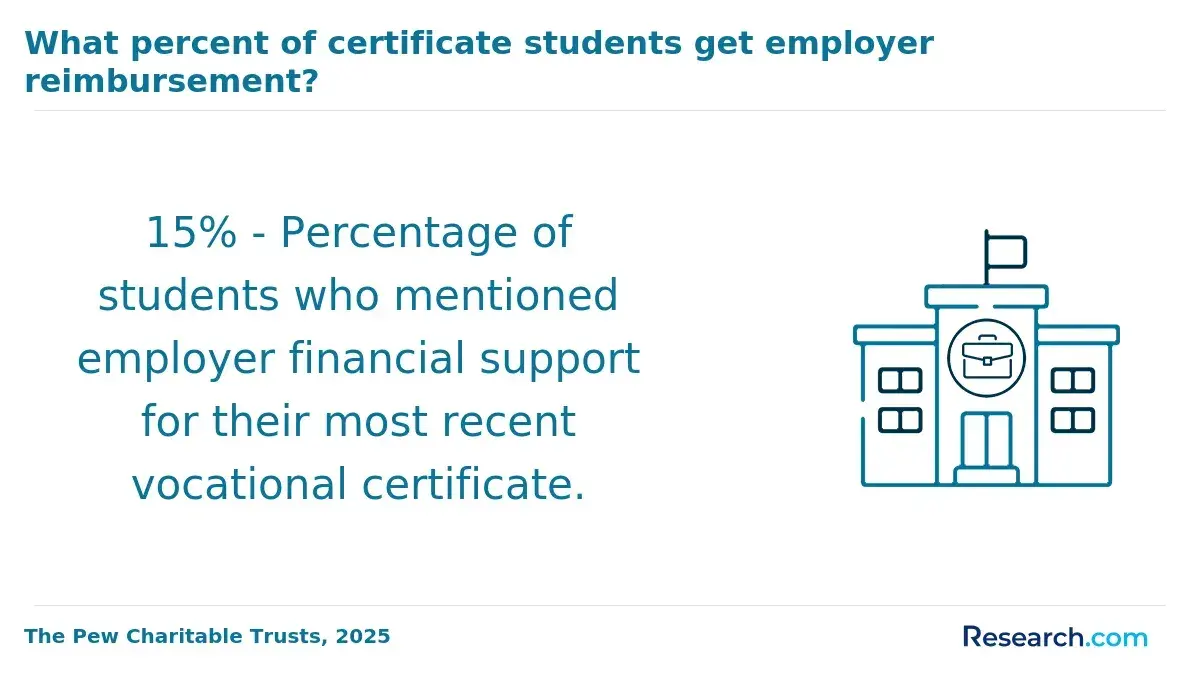
- Employer Tuition Reimbursement: Professionals enrolled while working should explore tuition support through their employers, which can reduce costs either partially or fully depending on company policy and eligibility.
- Scholarship Search and Financial Aid Guidance: Utilizing tools like the College Board's Scholarship Search and consulting program financial aid offices helps identify external funding and clarify application requirements for accelerated media communication master's programs.
Recent data from the National Center for Education Statistics show over 60% of graduate students rely on some form of financial aid, highlighting its importance for those seeking scholarships for accelerated media communication master's programs. Prospective students can also compare costs and career outcomes by exploring what bachelors degree should I get, helping inform long-term investment decisions.
Most accelerated one-year online media communication master's programs set a minimum undergraduate GPA benchmark around 3.0 on a 4.0 scale. However, admissions committees often assess applicants' academic records within the context of their previous institution's rigor and accreditation. This flexibility sometimes benefits candidates with strong professional backgrounds, even when their GPA is slightly below the norm.
Typical prerequisite coursework includes foundational classes such as communication theory, media writing, digital media, and research methodologies. Applicants lacking these courses may need to complete prerequisite or bridge classes prior to or during the program. In some cases, professional experience relevant to these areas can substitute for formal coursework requirements.
Professional experience is increasingly important, particularly as over 60% of accelerated media communication master's programs have eliminated GRE mandates. Those who have worked in communications, journalism, or marketing fields often strengthen their applications by demonstrating practical skills that supplement academic credentials.
Admission criteria show significant variability among programs, so it's crucial that candidates investigate each school's specific requirements rather than assume uniform standards. Engaging with admissions advisors can help clarify eligibility questions and prepare an application that aligns with individual program expectations.
- Minimum GPA Requirements: Most institutions prefer applicants with a minimum 3.0 GPA but consider the academic context and allow flexibility for professional achievements.
- Prerequisite Coursework: Foundational media communication subjects are usually required, but deficiencies may be covered with bridge courses or relevant work experience.
- Professional Experience: Practical experience in media-related roles can enhance applications and often replaces standardized testing obligations.
- Program Variability: Admission standards vary widely; thorough research and direct consultation with programs are essential.
- Recent Trend: More than 60% of accelerated online media communication master's programs now waive GRE requirements, favoring professional experience.
When speaking with a professional who advanced her career after completing an online media communication master's program, she reflected on the admissions process as a balancing act. She explained, "I was initially concerned my GPA wouldn't meet typical standards, but my extensive internship projects and freelance work in digital media seemed to count just as much."
She appreciated how the program's admissions team valued her portfolio and experience, helping her navigate prerequisite gaps through supplemental workshops. "It felt empowering to have my professional skills recognized alongside academics; it made the fast-paced curriculum feel achievable from day one."
Many one-year online media communication master's programs have shifted toward test-optional or test-free admissions, a change largely propelled by the COVID-19 pandemic. This approach reduces barriers by focusing on a holistic evaluation rather than relying solely on GRE or GMAT scores.
Some programs still require standardized tests, especially when applicants have lower undergraduate GPAs or lack a relevant academic background. In these cases, waivers are often available for candidates with substantial professional experience, portfolios showcasing their work, or advanced coursework pertinent to media communication.
A rich professional portfolio or a history of media-related work can frequently replace the need for standardized exams in many accelerated programs. Admissions committees increasingly prioritize evidence of practical skills and accomplishments that indicate an applicant's ability to handle rigorous graduate coursework.
Because policies evolve frequently, prospective students should regularly review each school's admissions webpage to stay informed about current test requirements and waiver options.
- Test-Optional Adoption: Since 2020, most accelerated online media communication master's programs have embraced test-optional policies, placing greater emphasis on undergraduate performance, professional expertise, and recommendations.
- Waivers Based on Experience: Candidates bringing years of relevant work experience or a strong portfolio often qualify for GRE/GMAT waivers, particularly if their academic credentials are solid or unconventional.
- Standardized Tests Still Required: Certain institutions maintain testing requirements for applicants with conditional admission status or for international students needing additional transcript evaluation.
- Comprehensive Admissions Review: Essays, recommendation letters, and well-articulated career goals carry increasing weight within an overall evaluative process.
- Admissions Policies Vary Often: Schools update their criteria regularly, so applicants must consult official admissions sources before applying.
A 2023 survey found that over 60% of media communication master's programs across the country now offer GRE or GMAT waivers for eligible applicants, highlighting the growing value placed on professional experience.
Accelerated online media communication master's programs typically condense traditional semester timelines into shorter, intensive terms lasting 8 to 12 weeks, each carrying 9 to 12 credit hours. This compressed format requires students to commit 15 to 20 hours weekly to manage readings, lectures, and assignments effectively. The accelerated pace challenges students to engage consistently but allows completion within a one-year timeframe.
Instruction blends synchronous and asynchronous delivery models to accommodate diverse learner needs. Synchronous sessions, such as live video lectures or real-time discussions, foster direct interaction but occur less frequently to suit multiple time zones. Meanwhile, asynchronous materials-including recorded lectures and discussion boards-offer flexibility for students to study on their own schedules without compromising engagement or comprehension.
Capstone projects, practicums, or theses are key components typically integrated midway through the program. These culminating experiences emphasize practical application of theoretical knowledge, allowing students to develop professional skills while completing course requirements. The concurrent design ensures students gain hands-on expertise within the compressed academic calendar.
- Compressed Terms and Credit Load: Programs accelerate degree completion by offering 8- to 12-week terms with 9-12 credit hours each, intensifying coursework to meet graduation requirements in one year.
- Blended Delivery Models: A strategic mix of synchronous live sessions and asynchronous content balances real-time interaction with scheduling flexibility for diverse students.
- Weekly Study Expectations: Students should allocate 15-20 hours weekly to stay current with lectures, readings, and assignments in the demanding accelerated format.
- Capstone and Practicum Integration: Most programs embed a capstone, thesis, or practicum beginning mid-program to develop applied skills alongside academic learning.
According to the National Center for Education Statistics, accelerated online master's programs have experienced a 12% enrollment increase over five years, reflecting rising demand for flexible graduate study options among working professionals.
One-year online media communication master's curriculum typically centers on essential core courses that develop fundamental skills rapidly. These foundational classes include media theory, digital content creation, communication research methods, and strategic communication planning to provide a broad framework suited for multiple career paths.
Students in accelerated programs often choose from various specialization tracks in accelerated media communication programs, such as digital media management, public relations, journalism, or social media strategy. These concentrations allow learners to build targeted expertise that aligns with industry demands, enhancing job readiness in specific subfields.
Accelerated curricula compress the depth of traditional two-year master's degrees into one intensive year. While this reduces opportunities for electives and extended research, it emphasizes applied learning and focused coursework. This format suits students eager to enter the workforce sooner but requires excellent time management and dedication.
Reputable one-year media communication programs maintain industry relevance by regularly reviewing and updating their curriculum with input from media professionals, alumni, and academic advisors. This process ensures that courses reflect evolving technologies, communication trends, and ethical standards, keeping graduates well-prepared for current challenges.
- Core Foundations: Courses cover media theory, digital literacy, research methods, and strategic planning, establishing a versatile base for communication across diverse platforms.
- Specialization Tracks: Options such as digital media management or public relations enable focused training that improves employability in targeted roles.
- Curriculum Compression: Intensive schedules condense two years of study into one, accelerating career entry while demanding disciplined study habits.
- Industry-Relevant Updates: Ongoing curriculum revisions ensure alignment with the latest media technology, trends, and ethical considerations.
- Practical Application: Emphasis on hands-on projects and case studies allows students to apply theory directly to real-world media scenarios.
Prospective students should consider tuition structures and financial aid options carefully; for example, those seeking affordable pathways might explore resources highlighting cheap online EdD programs that sometimes offer transferable insights into cost management. Overall, one-year online media communication master's curriculum blends foundational knowledge with specialization flexibility to prepare graduates for fast-paced media careers.
One-year online media communication master's degree programs often raise concerns about whether their accelerated pace compromises academic quality. However, many such programs successfully balance rigor with speed through deliberate design strategies and robust student support. Research and employer surveys indicate that graduates from compressed formats demonstrate competencies comparable to those from traditional-length programs, alleviating fears of watered-down curricula. Understanding academic challenges in accelerated media communication master's programs involves recognizing how these programs maintain depth despite shorter durations.
Program structures play a critical role in maintaining academic rigor. Cohort models foster peer collaboration and sustained engagement, while block scheduling and intensive modules concentrate coursework into focused periods. These approaches allow students to dive deeply into subjects without distraction, enhancing retention and skill mastery despite shorter timelines. Such strategies for success in one-year online media communication degrees help students manage intensive learning efficiently.
Faculty qualifications are another key quality marker. Accelerated programs frequently employ instructors with advanced degrees and current industry experience to ensure relevant, high-level instruction. Alongside expert teaching, comprehensive advising, tutoring, and career coaching help students navigate the fast pace, clarify concepts, and prepare for professional success. Prospective students should seek programs with transparent alumni outcomes, published job placement rates, and active alumni networks, which provide tangible proof of a program's value in the job market.
- Cohort Models And Scheduling: Many online programs use cohort learning and block course formats, enabling students to focus intensively on a subject while benefiting from peer interaction, which supports a deeper understanding despite the compressed timeframe.
- Faculty Expertise: Accelerated programs prioritize hiring professors with terminal degrees and real-world experience, ensuring instruction is both academically rigorous and professionally relevant.
- Student Support Services: Dedicated advising, tutoring, and career coaching provide ongoing guidance, helping students manage the accelerated workload and prepare for career transitions effectively.
- Learning Outcomes: Research shows graduates from accelerated programs perform on par with traditional students on key competencies, reassuring applicants about the quality of expedited curricula.
- Alumni Networks And Job Placement: Programs with strong alumni engagement and published employment data offer critical insights into postgraduation success and overall program quality.
For those interested in related fields, exploring an online construction management degree program can offer insights into how accelerated degrees maintain quality across disciplines.
Mastery of industry-standard software is essential in one-year online media communication master's programs, equipping students to meet employer expectations for digital content production and data-informed strategies. Proficiency in creative suites and communication platforms enables graduates to contribute effectively in competitive media environments.
Students should ensure their technology setup meets program requirements, including a fast and stable internet connection, a computer capable of running advanced design and editing software, and necessary software licenses. Several programs offer complimentary or discounted access to premium tools, helping reduce entry costs.
- Content Creation Software: Training focuses on Adobe Creative Cloud applications such as Photoshop, Premiere Pro, and After Effects, enabling students to produce high-quality graphics, video edits, and motion graphics essential for modern media roles.
- Data Analysis and Social Media Tools: Students learn platforms like Google Analytics, Hootsuite, and Sprout Social to monitor audience engagement, analyze metrics, and develop targeted communication strategies crucial for data-driven decision-making.
- Digital Collaboration Platforms: Familiarity with content management systems like WordPress and communication tools such as Slack and Zoom prepares students for remote teamwork and online publishing workflows common in media industries.
- Technical Setup Requirements: Programs usually demand high-speed internet and hardware capable of handling resource-intensive software; access to licenses is often included or subsidized to ease financial burdens.
- Emerging Media Technologies: Exposure to podcast editing tools and fundamental coding in HTML and CSS expands graduates' versatility in multimedia production across various platforms.
Recent industry data indicates that 72% of media employers prioritize candidates demonstrating advanced software proficiency, underscoring the importance of technical skills in career advancement within media communication.
A one-year online media communication master's degree generally requires completing 30 to 36 credits within 12 months, demanding about 15-20 hours of study weekly. This workload covers watching lectures, readings, discussions, and assignments. Many students working full time find balancing the program possible but challenging, relying heavily on strong organizational skills and supportive employers.
Effective strategies include strict time-blocking-allocating specific daily hours for study-and taking advantage of asynchronous coursework, which offers flexibility to engage with materials at convenient times. Some employers facilitate this balance through flexible or remote work policies. Surveys from several universities report that up to 40% of enrollees in accelerated programs maintain full-time jobs, underscoring the importance of clear communication with both program advisors and employers regarding expectations.
Prospective students should ask admissions counselors these key questions:
- Typical Weekly Time Commitment: Clarify the average study hours needed per credit to assess how the program fits alongside a full-time job.
- Course Flexibility: Confirm whether courses are fully asynchronous to gauge scheduling freedom.
- Employer Support Resources: Inquire if the program assists with negotiating flexible work arrangements.
- Extension and Part-Time Policies: Understand options available in case workload becomes overwhelming.
- Student Experience Balancing Work and Study: Request insights from current or former students on managing both commitments effectively.
What Graduates Say About Their One-Year Online Media Communication Master's Degree Program
- Mark: "Choosing an online media communication master's degree was a strategic move to pivot my career from corporate sales to digital storytelling. The flexibility it offered allowed me to balance work and studies without relocating. I was pleasantly surprised by the program's affordability, which made a big difference compared to traditional on-campus options."
- Jocelyn: "Reflecting on my journey, pursuing an online media communication master's degree was essential in advancing my career in public relations. This program gave me access to up-to-date industry knowledge and practical skills that I could immediately apply. The cost was reasonable, and the return on investment became clear as new opportunities opened up after graduation."
- Katherine: "The impact of my online media communication master's degree has been profound in refining my strategic thinking and communication leadership abilities. I appreciated the program's innovative approach and how it catered to working professionals wanting to enhance their credentials without sacrificing their current roles. Overall, it was a cost-effective decision that enriched my expertise and expanded my professional network."
Other Things You Should Know About Media Communication Degrees
Most programs require a bachelor’s degree from an accredited institution, official transcripts, a résumé, a statement of purpose, and two letters of recommendation. Many also ask for a 3.0 GPA minimum and may request a writing sample or portfolio for applicants with media, PR, or journalism experience.
Graduates with a one-year online media communication master's degree often experience noticeable salary increases and improved career opportunities within a year of graduation. The accelerated format can appeal to employers by demonstrating a candidate's ability to manage intense workloads effectively. Many alumni report advancement into managerial or specialized communication roles, especially in digital media, public relations, and corporate communications.
Employers often view one-year online media communication master's degrees favorably, especially valuing candidates with practical skills and real-world project experience. However, they may scrutinize the reputation and accreditation of the institution, so choosing a well-regarded university is crucial to enhancing career prospects.
- Online MSc While Working | CU Online Guide for 2026 https://www.onlinecu.in/blog/cu/can-i-do-online-msc-while-working-full-time.php
- 2025 Online Master’s in Communication Programs No GRE Required https://www.mastersincommunications.com/faqs/online-masters-in-communication-gre-requirements
- Masters (EN): Media and Communication Management SG – Admission & fees https://www.macromedia-fachhochschule.de/en/master/media-communication-management-sg/admission-fees/
- Digital Media and Communications (Online) MA https://www.tees.ac.uk/postgraduate_courses/media_&_journalism/ma_digital_media_and_communications_(online).cfm
- Essential Digital Skills for Media Students and Graduates https://al-fanarmedia.org/2025/04/essential-digital-skills-for-media-students-and-graduates/
- Masters in Media and Entertainment Online | Rome Business School https://romebusinessschool.com/masters-media-and-entertainment-online/
- 22 Master's Degree Communication Studies Scholarships available https://www.hotcoursesabroad.com/study/international-scholarships/all/master-s-degree/communication-studies/cid/98/ka.1/scholarship.html
- Funding opportunities for masters students https://sheffield.ac.uk/ijc/postgraduate/funding-masters-students
- Funding and Financial Aid / Media University https://www.media-university.de/en/study/funding-options/funding-and-financial-aid/
- 2034+ Masters Scholarships in Journalism, Media And Mass Communication globally 2026-27 [Updated] https://www.wemakescholars.com/masters-scholarships-in-journalism-and-mass-communication-to-study-abroad