2027 Best Online Media Communication Degree Master's Programs for Career Changers

Co-Founder and Chief Data Scientist
Career changers face unique challenges when pursuing an online media communication degree master's program, often juggling full-time jobs while adapting to a new field. Many struggle with finding accredited programs that offer flexibility without sacrificing industry relevance. According to the National Center for Education Statistics, enrollment in online graduate programs increased by 35% over the past five years, reflecting a growing demand for accessible education in dynamic fields like media communication.
This article examines the best online media communication master's programs tailored for career changers, aiming to guide readers toward flexible and reputable options that align with their professional goals.
Key Benefits of Online Media Communication Degree Master's Programs for Career Changers
- Online media communication master's degrees offer flexible scheduling, enabling working professionals to balance studies alongside full-time jobs and personal commitments without sacrificing career progression.
- Accelerated curricula focus on practical skills, allowing career changers to quickly gain expertise in digital storytelling, strategic communication, and content production.
- Students access diverse, global networks through virtual cohorts and industry connections, enhancing job prospects and cross-cultural collaboration opportunities in a competitive market.
What Are the Best Online Media Communication Master's Programs for Career Changers?
Selecting a specialized track in an online media communication master's program is a strategic way for career changers to build targeted expertise and leverage transferable skills in high-growth niches. The U.S. Bureau of Labor Statistics projects an 8% increase in digital content creation and multimedia communication jobs over the next decade, emphasizing the advantage of focused study in these expanding fields. Here are some specialized areas well-suited to professionals moving into media communication, especially those exploring top accredited online media communication graduate degrees for professionals switching careers:
- Digital Media Strategy: Perfect for individuals with backgrounds in marketing, management, or technology, this specialization sharpens skills in online content planning and audience engagement.
- Social Media Communication: Ideal for those experienced in public relations or customer service aiming to manage and enhance brand reputation across various platforms.
- Multimedia Journalism: Designed for graduates from unrelated disciplines who want to integrate storytelling with digital formats like video and audio production.
- Corporate Communication: Suitable for professionals with business or administrative experience focused on improving organizational communication internally and externally.
- Media Analytics: Tailored to data-oriented learners interested in applying metrics and analysis to optimize media campaigns and content performance.
For career changers researching flexible, accredited paths, exploring 1 year masters programs can offer accelerated opportunities to pivot effectively into media communication fields.
What Are the Admission Requirements for Online Media Communication Master's Programs for Non-Majors?
Many online media communication master's programs have adapted to prioritize professional potential and transferable skills over a specific undergraduate major, making them accessible to career changers. Enrollment in interdisciplinary master's programs has risen by over 20% recently, signaling growing acceptance of diverse academic backgrounds and encouraging non-traditional students seeking a fresh start in media communication.
Admission criteria for career changers in media communication master's programs typically focus on the following essentials:
- Bachelor's Degree: A completed bachelor's degree from an accredited institution is required, regardless of the major. This ensures all candidates have a foundational academic background necessary for graduate-level work.
- Professional Resume: Applicants should submit a professional resume highlighting relevant work experience and leadership roles that demonstrate transferable skills applicable to media communication.
- Letters of Recommendation: Strong recommendations from academic or professional references help validate an applicant's readiness and potential for success in the program.
- Personal Statement: A clear, purpose-driven personal statement is essential. Candidates must articulate their career goals and motivation for the pivot, showing commitment and alignment with the program's objectives.
- Prerequisite Coursework: Many programs require completion of foundational "bridge" classes covering key media communication concepts to address gaps in prior academic preparation and ensure readiness for graduate study.
These admission requirements for non-traditional students entering online media communication graduate degrees support a diverse student body and offer flexible, accredited pathways into the industry. For individuals exploring flexible graduate education options, resources like accelerated msw programs without bsw also illustrate how tailored programs cater to career changers seeking new professional directions.
How Is the Curriculum Structured for Career Changers in Online Media Communication Master's Programs?
Contemporary online media communication master's programs are carefully designed to guide students from unrelated backgrounds through a tiered learning path, equipping them with basic concepts and advanced professional skills. Studies show that about 70% of graduates in these programs enter media roles within a year, highlighting the success of this educational framework.
- Foundational Bridge Modules: These introductory courses focus on essential theories and terminology, helping newcomers build confidence and a clear understanding of the media communication landscape. They serve as a crucial gateway for those without prior experience, setting a solid groundwork for more specialized learning.
- Core Industry Competencies: This stage emphasizes practical skills such as digital storytelling, ethics in media, audience engagement, and evolving communication technologies. By addressing current industry demands, students develop professional capabilities that translate well across various media contexts.
- Applied Capstone Projects: Hands-on practicum experiences enable students to integrate their knowledge by working on real-world challenges. Leveraging their previous career insights, they create innovative solutions that reflect a blend of their past expertise and new media communication skills.
A professional who undertook an online media communication master's degree shared with me that the most difficult part was initially adapting to an entirely new vocabulary and mindset. He described feeling overwhelmed but appreciated how the curriculum paced the learning, allowing him to steadily build competence without being discouraged. "The capstone project, in particular, helped me realize how my former marketing background could enrich my approach to storytelling," he noted. This blend of structure and flexibility made the transition manageable and rewarding, as he could gradually translate his prior experiences into his new career path.
Recent employer perspectives show a major shift in how online education is valued, reaching a tipping point where 92% of employers now regard online master's degrees as equally credible to on-campus ones. This change is particularly relevant for those considering an online media communication master's degree as respected as an on-campus degree in career switching.
For professionals pivoting into media communication, the reputation and accreditation of the institution carry more importance than whether the coursework was completed online or in person. Choosing a well-established program ensures the degree holds weight in the job market.
Earning a media communication master's degree online can also serve as a powerful indicator of a candidate's ability to manage multiple responsibilities effectively. Balancing a demanding curriculum with full-time work or other commitments highlights strong time management, self-discipline, and digital fluency-qualities prized in the industry. Furthermore, diplomas from top-tier schools awarded to online learners are identical to those given to traditional students, with no mention of the mode of study.
Those seeking flexible options might also explore cacrep-accredited online counseling programs as similarly accredited alternatives for career development.
Online media communication programs designed for career changers offer a range of pacing options to fit various work and personal commitments. These options allow students to progress at a speed that suits their circumstances, whether they are accelerating their studies or balancing other responsibilities. Notably, recent research indicates that 45% of graduate students in digital environments perceive online programs as significantly speeding up their educational journey compared to traditional classroom settings.
- Accelerated Completion: These pathways enable highly motivated students to finish their degrees within 12 to 18 months, often by taking a rigorous, full-time course load and leveraging transferable credits or prior knowledge.
- Standard Full-Time: A more typical route involves completing the program in about two years, balancing a full-time enrollment schedule with work or family commitments, which allows for deeper engagement with course material.
- Part-Time or Self-Paced: Ideal for those who require maximum flexibility, this option can extend to three years or more, giving students ample time to absorb foundational concepts and adapt to the field's demands at their own pace.
When discussing how long it takes to earn a media communication master's degree online, a professional who transitioned careers after completing such a program shared her experience. She described the process as both challenging and rewarding, especially juggling coursework alongside a full-time job and family life. "It wasn't easy to stay motivated at times," she noted, "but being able to learn on my own schedule made all the difference." Her journey emphasized the importance of persistence and flexible programming in successfully making a career pivot through online education.
Online master's degrees in media communication are frequently more cost-effective due to the absence of campus-related expenses like housing, transportation, and facility fees. This format also allows students to maintain employment while studying, helping to manage costs. The total tuition for these programs generally falls between $15,000 and $45,000. Several key factors influence the final investment required:
- Institution Reputation: Accredited and well-known universities often command higher tuition fees, reflecting the perceived value of their programs and the opportunities available upon graduation.
- Program Length and Credit Hours: The total number of credits required and the program's duration directly impact tuition, with extended or more credit-intensive curricula typically costing more.
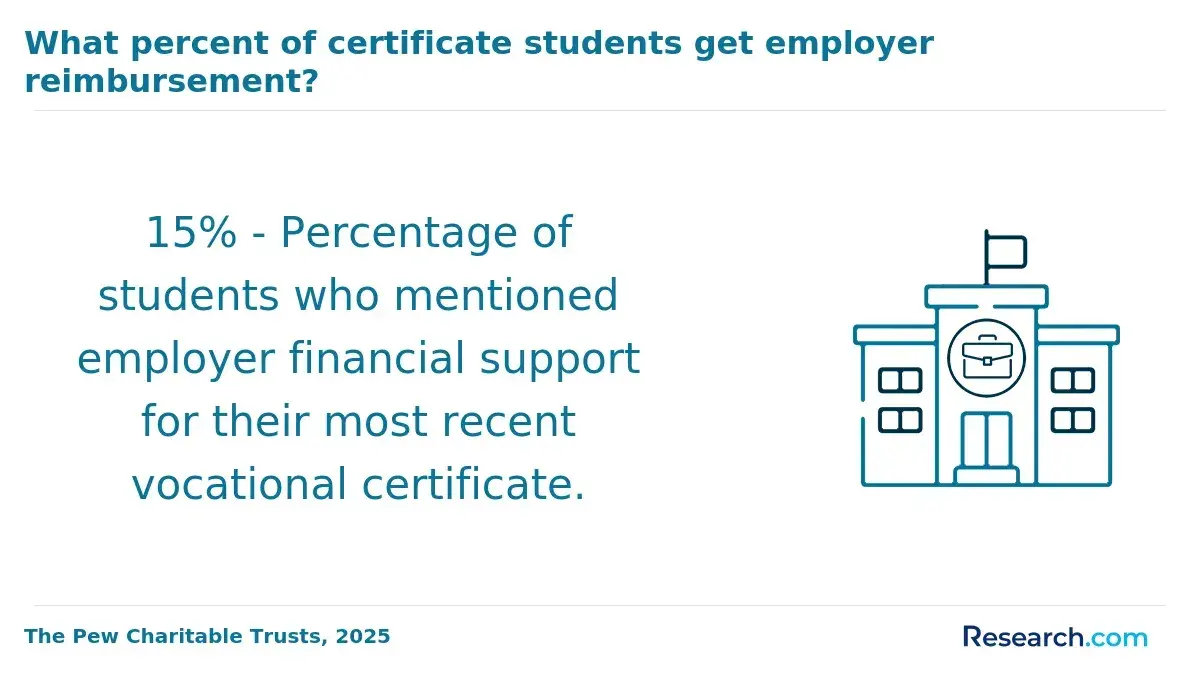
- Financial Assistance: Availability of scholarships, grants, or employer tuition reimbursement can substantially lower out-of-pocket expenses, making some programs more affordable.
- Residency Status: In programs that differentiate tuition rates, in-state students usually pay less than out-of-state counterparts, which can meaningfully affect overall costs.
These elements should be carefully considered alongside detailed tuition breakdowns to select a media communication master's program that fits both financial and career objectives.
Online media communication master's programs build on a student's existing professional background to provide targeted expertise essential for success in the media communication industry. These programs equip career changers with skills that match a field expected to grow by 7% between 2022 and 2032, according to the U.S. Bureau of Labor Statistics, highlighting strong demand for qualified professionals.
- Strategic Communication: Master techniques for crafting, delivering, and analyzing messages across diverse platforms, addressing varied audience segments effectively.
- Digital Media Proficiency: Gain hands-on experience with emerging technologies, content management systems, and analytics tools focused on maximizing media reach and audience engagement.
- Media Law and Ethics: Understand the legal frameworks and ethical standards that guide responsible content creation and distribution in today's digital landscape.
- Research and Data Analysis: Develop the ability to interpret media trends and evaluate consumer behavior using both qualitative and quantitative research methods.
- Project Management: Acquire skills to lead and coordinate media campaigns, ensuring delivery within budget and on schedule.
These competencies enable students to pivot confidently into roles such as media strategists, content developers, and communication specialists, offering a flexible, accredited pathway for professionals transitioning from unrelated fields into media communication.
The specialized nature of a media communication master's degree equips career changers with advanced academic expertise and technical skills, enabling them to bypass traditional entry-level barriers and enter new professional fields. Data from the National Association of Colleges and Employers highlights that 67% of employers in communication-related industries are open to hiring graduates with strong academic credentials, even without practical work experience.
These graduate credentials align with some of the top career paths for media communication graduate degree holders. Several industries actively recruit candidates who hold a media communication master's degree but lack prior field experience:
- Public Relations: PR firms value professionals skilled in media strategy and digital communication. Graduates who bring fresh perspectives and academic training in message crafting are highly sought after in this evolving industry.
- Corporate Communications: Large corporations require talent to manage both internal and external communications. Individuals with formal graduate training can quickly adapt to developing and delivering strategic messaging.
- Digital Marketing: The growing demand for content creation, social media management, and media analytics creates openings for graduates proficient in modern media technologies.
- Broadcasting and Media Production: This industry seeks those with a strong understanding of storytelling across multiple platforms. Academic programs offer a solid foundation for mastering these skills despite limited professional experience.
- Nonprofit Organizations: Effective communication is essential for nonprofits to engage their stakeholders, and many welcome graduates demonstrating strategic communication expertise gained through graduate programs.
For professionals considering a career pivot to media communication, exploring flexible, accredited programs can be essential. Those searching for affordable graduate education options may find it helpful to review programs like the cheapest online master's in psychology, which exemplifies how cost-effective online degrees can open doors in related fields.
A master's degree in media communication serves as a powerful catalyst for salary growth by qualifying career switchers for mid-to-senior level roles that would otherwise be inaccessible. Recent projections indicate that master's degree holders in this field often earn significantly higher salaries than those with only undergraduate credentials, providing concrete financial motivation for pursuing advanced education.
- Immediate Post-Graduation Salary Bump: Career changers transitioning into media communication roles from unrelated fields typically experience a 20-30% salary increase. This boost reflects the value employers place on newly acquired industry-specific knowledge and relevant expertise, enhancing the earning potential with online media communication master's programs.
- Long-Term Career Trajectory: Holding a master's accelerates advancement into leadership and executive positions, often resulting in salaries 40-60% higher than bachelor's degree holders. This reduces the time required to reach these upper pay scales, making the investment in education financially rewarding over a career span.
- Regional and Remote Premiums: Many online graduates take advantage of remote work flexibility, unlocking access to high-paying roles in major media hubs regardless of their physical location. This access often commands a 10-15% premium over local salaries in lower-cost areas, further enhancing the media communication master's degree salary boost.
For those interested in pursuing a flexible and accredited path, exploring options like lmft online programs can provide valuable guidance on finding efficient graduate degree routes that complement career pivot goals.
For professionals shifting careers, an online media communication master's program should do more than award a degree; it needs to connect previous work experience with essential industry skills. Research shows that 65% of employers prioritize transferable skills alongside technical knowledge, highlighting the importance of programs that integrate both.
- Flexible Curriculum: A curriculum designed to accommodate diverse academic and professional backgrounds, offering foundational courses as well as advanced topics, helps learners build a comprehensive knowledge base tailored to their starting point.
- Hands-On Experience: Opportunities such as internships, projects, or practicums allow students to apply theoretical concepts and develop relevant portfolios critical for entering media communication roles.
- Current Technology Training: Exposure to up-to-date digital tools, software, and platforms ensures students can quickly adapt to the evolving technological demands of the media communication industry.
- Career Services Support: Access to specialized advising and networking designed for career changers can significantly improve job placement outcomes and professional connections.
- Accreditation and Industry Recognition: Enrolling in a program accredited by recognized bodies and respected within media communication circles guarantees educational quality and enhances employer confidence.
What Graduates Say About Online Media Communication Degree Master's Programs for Career Changers
- Reign: "Choosing an online media communication master's degree was a deliberate step to pivot from my previous marketing background into a more dynamic and tech-focused field. The program's affordability made it accessible without overwhelming my finances, which was a major concern for me. Since graduating, I've landed a role in digital content strategy that I never thought possible before."
- Priscilla: "I decided to pursue an online media communication master's degree to shift careers entirely and gain credibility in the communications industry. The flexibility allowed me to continue working full-time while upgrading my skills, and the cost was reasonable compared to traditional on-campus programs. It really broadened my professional network and opened doors to managerial positions faster than I'd anticipated."
- Logan: "The biggest motivation for enrolling in an online media communication master's was to make a significant career change without relocating. The balance of quality education at a lower cost was exactly what I needed, especially as I was mindful about investing wisely in my future. The degree has had a transformative impact, equipping me with the knowledge and confidence to excel in corporate communications roles."
Other Things You Should Know About Media Communication Degrees
No. Many 2027 online media communication master's programs accept applicants from other fields, including business, education, and the humanities. Typical requirements include a bachelor's degree from an accredited institution, a minimum GPA of 3.0, a statement of purpose, and official transcripts.
Many online media communication master's programs incorporate internships or practicum components to provide hands-on experience, though requirements vary by institution. These practical opportunities help students apply theoretical knowledge, build professional networks, and enhance their resumes, which is especially valuable for career changers entering the field without prior experience.
Online media communication master's programs are often designed with flexibility to accommodate working professionals. Many offer asynchronous coursework, evening or weekend classes, and part-time study options, enabling students to balance their education with employment and personal commitments during a career transition.
- What Can You Do With a Master’s Degree in Communication? Careers https://www.mastersincommunications.com/faqs/careers-with-a-masters-in-communication
- 20 Online Jobs You Can Land With Little to No Experience | The Muse https://www.themuse.com/advice/online-jobs-careers-no-experience
- The Benefits of Pursuing an Online Degree In Master of Arts in Journalism & Mass Communication https://wlp-cu.com/blog/the-benefits-of-pursuing-an-online-degree-in-master-of-arts-in-journalism-and-mass-communication.html
- Why Study Communication? Jobs for Master’s in Communication Graduates https://www.snhu.edu/about-us/newsroom/liberal-arts/jobs-for-masters-in-communication-graduates
- Online Master’s in Applied Communication, Social Media, MS https://www.fitchburgstate.edu/academics/programs/online-masters-applied-communication-social-media-ms
- Where can you do a Master's degree in Digital Communication? - INSEEC https://www.inseec.com/en/guides/orientation-guide/where-can-you-do-a-masters-degree-in-digital-communication/
- Master’s in Communications Salary and Careers https://teach.com/online-ed/communications-degrees/online-masters-communications/salary-and-career-outlook/
- Curriculum | Online MS in Interactive Media and Communications https://grad.qu.edu/programs/online-masters-degree/interactive-media-and-communications/curriculum/
- 2025 Most Affordable Online Master's in Communications https://www.onlineu.com/most-affordable-colleges/communications-masters-degrees
- Media and Communication: Strategic Communication and Social Media | Master’s | BGSU https://www.bgsu.edu/academics/online/media-and-communication-strategic-communication-and-social-media-masters.html