2027 No-Exam Online Media Communication Master's Degrees: Schools, Costs & Outcomes

Co-Founder and Chief Data Scientist
Professionals seeking advanced credentials in media communication often face barriers like costly entrance exams and rigid schedules. For instance, a working marketer balancing family and a full-time job may struggle to apply for traditional master's programs demanding GRE or GMAT scores. Notably, 65% of recent online media communication master's students prioritized flexible admission policies when choosing their programs.
This shift underscores a growing demand for no-exam pathways that reduce application hurdles while maintaining academic rigor. This article explores no-exam online media communication master's degrees, comparing schools, tuition costs, and career outcomes to guide prospective students toward informed choices.
Key Benefits of No-Exam Online Media Communication Master's Degrees
- No-exam online media communication master's programs often partner with accredited institutions, ensuring quality education without traditional testing barriers.
- These degrees reduce costs by eliminating exam fees and commuting expenses, with average tuition around $18,000, making advanced education more accessible.
- Graduates report enhanced career outcomes, with 65% securing roles in digital media or communications within six months of completion.
Why Do Some Online Media Communication Master's Programs Eliminate Admission Exams?
The shift toward test-optional or exam-free admissions in online education has grown significantly, with recent data showing that over 60% of online master's programs no longer require standardized entrance exams. This trend reflects a broader effort to remove barriers and provide greater access to graduate education.
Below are key reasons why some online media communication master's programs waive admission exams:
- Access and Equity: Eliminating exams reduces financial and logistical challenges, allowing a wider range of applicants-including working professionals and underrepresented groups-to apply without the burden of costly fees or scheduling issues.
- Holistic Evaluation: Admissions focus on academic achievements, professional experience, and personal statements, offering a more comprehensive assessment of candidates beyond test scores.
- Relevance to Workforce: Online media communication degrees prioritize practical skills and industry knowledge, areas that standardized tests often fail to measure effectively.
Programs that embrace no-exam policies support inclusivity and flexibility, enhancing educational opportunities for busy professionals. For those researching no-exam online media communication master's programs, comparing schools, tuition costs, and career outcomes is essential. To explore options with competitive pricing, consider checking resources like affordable online MBA programs that highlight accessible pathways to advanced degrees.
How Do You Compare Schools Offering No-Test Online Media Communication Graduate Programs?
While the absence of an entrance exam in no-test online media communication master's programs may broaden access, prospective students should carefully evaluate multiple academic and career-related factors when comparing programs. For instance, median student loan debt for master's graduates varies widely by institution, underscoring the importance of assessing value beyond admissions ease.
Here are key criteria to consider when comparing these programs:
- Accreditation: This ensures programs meet established educational standards, which affects credit transferability and employer recognition, providing assurance of academic quality.
- Curriculum Relevance: Coursework should align with current industry trends to prepare students for evolving challenges in media communication and related fields.
- Faculty Expertise: Experienced instructors bring practical knowledge and research opportunities, enhancing learning quality and professional development.
- Tuition Costs: Evaluating affordability is critical for budgeting and determining the return on investment relative to career outcomes.
- Career Support Services: Internship placements, alumni networks, and job placement assistance directly influence post-graduation employment prospects.
Prospective students interested in affordable no-test media communication graduate schools can also explore resources on colleges online that accept FAFSA to find programs that fit their financial needs. Comparing no-exam online media communication master's programs by evaluating factors such as curriculum quality and faculty expertise helps ensure an informed decision that aligns with both academic goals and career ambitions.
What Are the Admission Requirements for No-Exam Online Media Communication Master's Programs?
No-exam online media communication master's programs do not require standardized tests but still enforce rigorous academic and professional standards. For example, a 2023 survey by the Council of Graduate Schools revealed that nearly 60% of graduate programs removed testing requirements to emphasize a more comprehensive candidate review.
Below are key admissions criteria for no-exam media communication master's programs:
- Bachelor's Degree Requirement: Applicants must hold a bachelor's degree from an accredited college or university, typically in communications or a related discipline; some programs accept diverse academic backgrounds.
- Professional Experience: Many programs prioritize relevant work experience in media, journalism, marketing, or digital communication. This is usually demonstrated through a detailed resume or portfolio.
- Letters of Recommendation: Two or three recommendations from academic or professional supervisors help assess the candidate's skills, professionalism, and potential for graduate study.
- Personal Statement or Essay: Candidates write about their career goals, motivation for pursuing the master's degree, and how their experience aligns with program objectives.
- Resume or Portfolio Submission: A comprehensive document showcasing practical work, projects, or media content is often required to support application evaluation.
- Other Admission Requirements: Some programs may include remote interviews or writing samples to further gauge readiness and compatibility.
This admissions approach reflects a shift toward holistic evaluation rather than reliance on exam scores. Prospective students looking for affordable options might also explore the cheapest executive MBA programs as part of broader graduate education planning.
Tuition for no-exam online media communication master’s programs goes beyond the per-credit rate. Total cost can vary widely depending on hidden fees, residency, and program structure. Knowing these nuances early can make planning and financing the degree far easier than simply comparing sticker prices.
Here are the costs and factors that can affect tuition for no-exam online media communication master’s programs:
- Cost per Credit: Tuition is mostly calculated per credit hour, so programs requiring more credits naturally raise the overall price.
- Total Program Cost: This is determined by multiplying the number of credits by the per-credit fee, plus any additional charges the school imposes.
- Public vs. Private Pricing: Public universities typically offer lower tuition compared to private institutions, particularly benefiting residents of the state.
- In-State vs. Out-of-State Pricing: Students from outside the state often face higher tuition rates at public universities, which can substantially affect total costs.
- International Tuition: Fees for international students tend to be higher and can vary significantly depending on the institution.
- Additional Fees: Expenses such as technology access, course materials, or administrative fees may apply, influencing the final cost beyond tuition alone.
When discussing tuition with a graduate of an online media communication master's degree program that required no entrance exams, he shared that despite initial concerns about affordability, managing the payment was feasible. "The lack of an entrance exam didn't change the upfront costs, but it removed a barrier that often delayed my application," he explained.
He noted that budgeting was easier because tuition was transparent and tied closely to credit hours rather than hidden fees. However, he also recalled "a few surprise fees for digital resources" that added up, emphasizing the importance of reviewing all potential costs before enrolling. His experience highlighted how non-academic factors can influence the actual financial commitment in these programs beyond just tuition per credit.
Admission exam requirements, such as GRE or GMAT waivers, generally do not influence a student's eligibility for federal or institutional financial aid in no-exam online media communication master's programs. According to the National Center for Education Statistics, about 57% of graduate students obtain some form of financial support annually.
Below are common financial aid options available to students in these programs:
- Federal Student Loans: Graduate students can access up to $20,500 per year through unsubsidized federal loans, regardless of whether their program requires entrance exams.
- Graduate Scholarships: Many universities and private organizations offer scholarships based on merit or financial need, which apply equally to online media communication students.
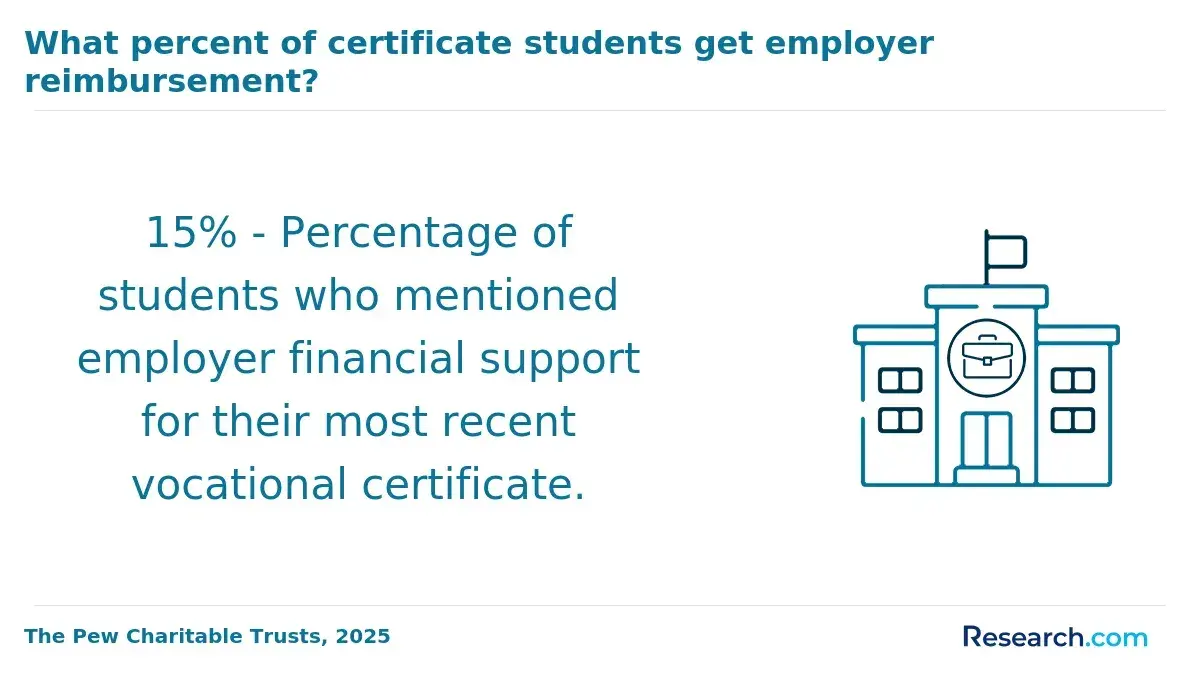
- Employer Tuition Assistance: Professionals often receive partial or full tuition reimbursement from their employers, which can significantly offset program costs.
- Institutional Grants: Some institutions award grants specifically designed for distance learners or those pursuing media communication, providing non-repayable funds to support education.
Students should consult their program's financial aid office to explore specific opportunities and eligibility requirements, as offerings can vary by institution. The absence of exam prerequisites does not typically limit access to these valuable funding resources, enabling a wide range of learners to pursue advanced degrees in media communication.
For most no-exam online media communication master's programs, bypassing entrance tests does not shorten the overall duration. These degrees generally require between 30 and 36 credits, which typically translates to about 18 to 24 months for full-time students to complete.
Several factors influence how long it takes to finish the program, including enrollment pace and course structure. Key considerations include:
- Full-Time vs. Part-Time Enrollment: Full-time attendance often allows completion within two years, while part-time students usually extend their studies to three years or longer, depending on workload and personal commitments.
- Accelerated Course Options: Some schools offer fast-track sessions or summer classes, enabling learners to accumulate credits faster and finish their degree ahead of the standard timeline.
- Transfer Credit Opportunities: Students who bring relevant graduate-level credits from previous studies can reduce the number of courses needed, shortening the time required to graduate.
- Capstone or Thesis Requirements: Programs demanding a thesis or major project may prolong completion, as research phases can add months beyond standard coursework deadlines.
After speaking with a professional who completed a no-exam online media communication master's, she shared that managing the program alongside her job was initially daunting but rewarding. Flexibility was key to balancing assignments and deadlines, especially during high-demand phases like the final project.
She noted that although the absence of entrance exams eased admission stress, the program's pacing depended heavily on her chosen schedule and load. Reflecting on the experience, she emphasized how structured planning and time management were crucial to finishing within two years, remarking, "The program challenged me but also fit into my life in ways traditional degrees might not have."
Programs that waive entrance exams for no exam online media communication master's courses maintain rigorous academic standards identical to those requiring traditional admissions testing. Most programs require 30 to 36 credit hours, typically composed of core classes, electives, and culminating projects that ensure comprehensive skill development.
The following overview highlights common curriculum components found in this field:
- Core Courses: These foundational classes cover media theory, communication research methods, digital storytelling, and strategic communication. They establish a broad understanding of how media shapes public perception and organizational messaging.
- Elective Options: Students can tailor their studies by choosing electives in social media management, multimedia production, media ethics, or public relations. This flexibility broadens career opportunities within the communication field.
- Capstone or Applied Project: Many programs require a final project or thesis that integrates theory and practice. This practical experience allows students to demonstrate mastery by conducting research or developing media campaigns.
- Specialization Tracks: Some schools offer advanced tracks focused on areas such as digital media analytics, corporate communication, or global media strategies. These specializations help align coursework with individual professional goals.
The curriculum structure for media communication master's programs is designed to equip students with both theoretical knowledge and applied skills, preparing them for diverse roles in the media and communication industries. Exploring details about costs and program options, prospective students might find the most affordable EdD programs useful for comparison, even though these focus on a different degree type.
Employers increasingly recognize test-optional or no-exam graduate programs, placing greater emphasis on a candidate's skills and credentials rather than admissions details. According to a 2022 survey by the National Association of Colleges and Employers, 72% of employers prioritize a program's accreditation and reputation over standardized test requirements during hiring.
The following factors significantly influence employer perception of no-exam media communication master's degrees:
- Accreditation: Accreditation assures employers that a program meets high educational standards, making it a vital criterion. Programs lacking accreditation often face skepticism in competitive job markets.
- Program Reputation: Well-established and respected schools tend to carry more weight with employers, regardless of their entrance exam policies. A degree from a renowned institution often opens more career opportunities.
- Professional Experience: Candidates demonstrating relevant work experience or internships in media communication attract positive attention. Employers often value practical exposure over academic admission methods.
- Demonstrated Skills: A strong portfolio and tangible skills usually outweigh whether the master's degree was earned through no-exam admission. Employers prioritize results and the ability to apply knowledge effectively.
For those exploring flexible graduate options, many top institutions now offer no-exam online Media Communication master's degrees, reflecting the evolving education landscape. Prospective students interested in expedited pathways may also consider accelerated MFT programs as alternative options. Ultimately, when evaluating the impact of no entrance exam on media communication career prospects, the program's credibility and practical competencies remain paramount.
Earning a no-exam online media communication master's degree opens doors to the same professional opportunities as traditional programs. For example, employment of advertising, promotions, and marketing managers, a common role for media communication graduates, is projected to grow 10% over a decade, faster than the average for all occupations.
Below are some typical career paths for graduates of these programs, with insights on responsibilities and how the degree prepares them for success:
- Public Relations Specialist: These professionals craft and maintain a favorable public image for their clients or organizations. They manage press releases, handle media inquiries, and develop communication strategies using skills gained from media ethics and crisis communication coursework.
- Content Strategist: Content strategists plan and manage digital content to engage target audiences effectively. Their work includes creating editorial calendars and analyzing audience data, drawing on training in digital tools and strategic communication.
- Social Media Manager: Responsible for managing social media campaigns and engagement, these managers use analytics and media planning techniques learned during their degree to boost brand presence and interact with communities.
- Corporate Communications Manager: Overseeing internal and external company communications, they ensure messaging consistency and handle crisis response, guided by strong research methods and communication theory foundations.
- Media Planner: Media planners evaluate and select optimal media channels for advertising campaigns. Their understanding of audience engagement metrics and media relations supports effective budgeting and campaign execution.
Earning a no-exam or test-optional master's degree in media communication generally results in salary outcomes similar to those of graduates from conventional programs. On average, professionals with a master's in media communication in the U.S. earn between $60,000 and $85,000 annually, though this varies by role and location.
Below are key factors that impact earning potential for these graduates:
- Industry and Job Role: Compensation differs greatly across sectors like public relations, digital marketing, broadcasting, and corporate communication, reflecting the specific demands and budgets of each field.
- Geographic Location: Salaries tend to be higher in major metropolitan areas and media industry hubs due to increased demand and cost of living compared to rural regions.
- Experience Level: Professionals with several years of relevant work experience combined with a master's degree typically secure better pay than those just entering the field.
- Employer Size and Type: Larger corporations and specialized agencies often offer more competitive salary packages and benefits compared to smaller or less established organizations.
Overall, graduates from no-exam media communication master's programs can achieve strong financial rewards, especially when leveraging practical experience and making strategic career decisions.
What Graduates Say About Their No-Exam Online Media Communication Master's Degrees
- Briony: "Choosing the right school for my no-exam online media communication master's degree was initially overwhelming, but the flexibility and accreditation of the programs helped narrow my options. The cost was significantly more affordable compared to on-campus alternatives, which made it easier to manage alongside my job. Earning this degree has truly expanded my professional network and opened doors to leadership opportunities I previously thought were out of reach."
- Luke: "Reflecting on my decision to pursue a no-exam online media communication master's degree, I value the careful balance of quality and affordability these programs offer. The lower tuition fees allowed me to invest in additional professional development resources, enhancing my skill set. Since graduating, I have noticed a clear impact on my career trajectory, with better roles and increased confidence in my strategic communication abilities."
- Angel: "From a practical standpoint, selecting a no-exam online media communication master's degree program was about convenience and cost-efficiency. The absence of exams reduced stress, letting me focus on applying what I learned directly to my work. This degree has been instrumental in securing a promotion, proving that investing in education without traditional testing can still yield impressive career advancements."
Other Things You Should Know About Media Communication Degrees
Yes, reputable no-exam online media communication master's programs are accredited by recognized regional or national accrediting agencies. Accreditation ensures the program meets established quality standards and is generally accepted by employers and other educational institutions. Prospective students should verify a school's accreditation status before enrolling to ensure the degree holds value in the job market.
While no-exam online programs offer flexibility, they may lack the rigor associated with traditional programs. The absence of exams might lead to less comprehensive assessment of skills, potentially impacting program reputation and graduate employability. Ensuring the program is accredited can mitigate these drawbacks.
Most programs require a laptop or desktop computer, a webcam, microphone, and stable high-speed internet, usually at least 25 Mbps download. Students also need access to learning platforms such as Canvas or Blackboard and may use video-conferencing tools like Zoom for live seminars and presentations.
Most no-exam online media communication master's programs do not mandate prior professional experience, though some may recommend it to enhance learning and career outcomes. Admission focuses more on academic history and personal statements rather than work background. Applicants without substantial experience can still gain valuable skills and credentials through these programs.
- Online Master’s in Communication Programs No Thesis Required https://www.mastersincommunications.com/faqs/online-masters-in-communication-capstone-requirements
- Why Study Communication? Jobs for Master’s in Communication Graduates https://www.snhu.edu/about-us/newsroom/liberal-arts/jobs-for-masters-in-communication-graduates
- EU cancels entrance exam after switch to online testing https://www.politico.eu/article/eu-cancel-entrance-exam-switch-online-testing/
- 4 Factors to Consider when Choosing an Online Degree Program https://www.indwes.edu/articles/2023/01/4-factors-to-consider-when-choosing-an-online-degree-program
- MA in Digital Media & Global Communications online & on-campus | UNF https://www.unfc.ca/academics/graduate/master-of-arts-in-digital-media-and-global-communications
- How to Evaluate and Compare Schools’ Graduate Programs - Graduate Programs for Educators https://www.graduateprogram.org/blog/how-to-evaluate-and-compare-schools-graduate-programs/
- What Can You Do with a Master’s in Communications? https://online.pace.edu/articles/communications/what-can-you-do-with-masters-in-communications/
- Fully Funded Master's Programs in Communications and Journalism | ProFellow https://www.profellow.com/fellowships/fully-funded-masters-programs-in-communications-and-journalism/
- Digital Media and Communication https://hochschule-burgenland.at/en/master-digital-media-and-communication/