2027 Nursing Job Shadowing Before Accepting an Offer: What to Observe and Ask
Audited and Verified:
Our Editorial and Data Verification Process
Research.com uses government datasets, official education statistics and primary institutional information to support its career and degree guides. Our review process checks factual accuracy, occupational definitions, source dates and the requirements associated with the credentials discussed.
How This Article Was Fact-Checked
Our editorial team verifies salary estimates, employment projections, education requirements and program information against original data providers and official organizations. Salary figures are checked against the relevant occupational definitions and reporting periods. Information about licensure, accreditation and required in-person training is reviewed separately.
Fact-checked and verified on:

Co-Founder and Chief Data Scientist
A nursing job offer tells you what the employer promises; a job shadow shows you part of how the unit actually works. For new graduates, experienced nurses changing specialties, and nurses comparing employers, that distinction matters when staffing, supervision, and schedules will shape daily practice.
This guide explains what to watch, which questions to ask, and how to check what you saw before deciding. A shadow is only a snapshot, but used carefully, it can reveal issues worth resolving before you sign.
Key Things You Should Know
- Observe an entire workflow if possible: handoff, changing patient needs, access to help, breaks, and end-of-shift documentation. One shadowed shift is a sample, not proof of typical conditions.
- Ask for usual assignments by shift and acuity - not just a single nurse-to-patient number - and confirm how orientation, overtime, and floating work in writing.
- Compare the offer against three sources: what you observed, what staff and managers explain, and the employer's written policies or offer terms. Resolve important differences before accepting.
What should you observe during a nursing job shadow?
A nursing job shadow is an employer-approved opportunity to observe a nurse's work, usually without independently providing care. Before arriving, ask how long you may stay, which areas you may enter, and what confidentiality rules apply. Tell the nurse what role you are considering so they can point out the work most relevant to that position.
Watch the flow of the shift rather than counting procedures. Notice whether handoff conveys changes in patient condition, how quickly nurses can reach a charge nurse or clinician, whether equipment and supplies are available, and what happens when several patients need attention at once. Observe documentation time and whether nurses can take breaks. Ask afterward which moments were typical and which were unusual; patient details should stay out of your notes.
If you are changing careers and observing nursing before pursuing initial licensure, separate what a shadow can teach you about the role from what a school can promise about admission. Accessible admission routes to accelerated nursing study are a separate decision; neither shadowing nor a prior non-nursing degree grants an RN license.
What questions should you ask nurses before accepting a job offer?
Ask questions that require examples rather than a simple "yes." A staff nurse may describe day-to-day practice, while the manager or recruiter should confirm policies and offer terms. If possible, speak with a nurse who works the shift you would actually join.
These questions help distinguish an appealing shadow shift from a sustainable job:
- "What changes when admissions, discharges, or call-outs occur at the same time?"
- "When you need help with a deteriorating patient or unfamiliar task, who responds, and how quickly?"
- "How often are nurses floated, and what support is available on an unfamiliar unit?"
- "What surprised you about this job after you started?"
- "What would you want clarified in writing before accepting this position?"
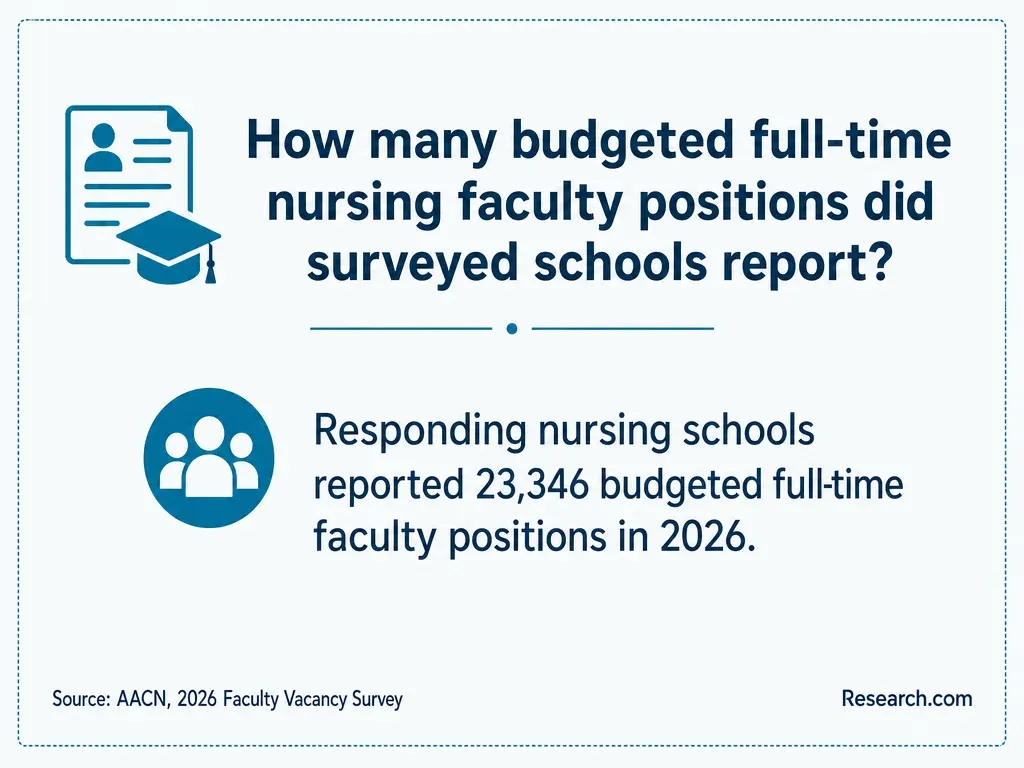
Tailor follow-up questions to your experience. A new graduate needs details about supervised progression; an experienced RN moving into a new specialty should ask which skills the employer will assess rather than assume previous experience transfers unchanged. An ADN-prepared RN considering future graduate roles can investigate ADN-prepared RN graduate study options separately from whether this particular job provides appropriate clinical experience.
How can job shadowing reveal a nursing unit's workplace culture?
Workplace culture becomes visible when plans change. Notice whether nurses can raise concerns without being dismissed, whether questions receive useful answers, and whether charge nurses redistribute work when an assignment becomes difficult. Pay attention to how staff speak to nursing assistants, students, and other disciplines - not only to a visiting candidate.
One tense interaction cannot define a unit. Repeated interruptions, reluctance to ask for help, or different accounts of how staffing decisions are made deserve follow-up. Ask staff what happens after a safety concern is reported and whether they see changes afterward. If answers differ, request another conversation or shadow on the shift you would work.
A nurse hoping to move away from bedside work should also avoid treating a degree as a remedy for a poor unit fit. RN-to-BSN study without added bedside rotations may fit an education goal, but it does not change the culture of the job being offered or guarantee a nonbedside position.
Count the number of patients assigned to the nurse you shadow, but do not treat that number as a complete staffing measure. Acuity, admissions and discharges, isolation needs, available nursing assistants, and the charge nurse's patient assignment all affect the workload. A ratio observed at 9 a.m. may differ substantially from the workload later in the shift.
Ask the manager for usual assignments on your proposed shift, how assignments change when staffing is short, and who makes those decisions. Ask whether a resource nurse is consistently available or is routinely assigned patients. State rules and facility policies may also set staffing requirements; verify those that apply to the specific unit rather than assuming one national ratio covers every setting.
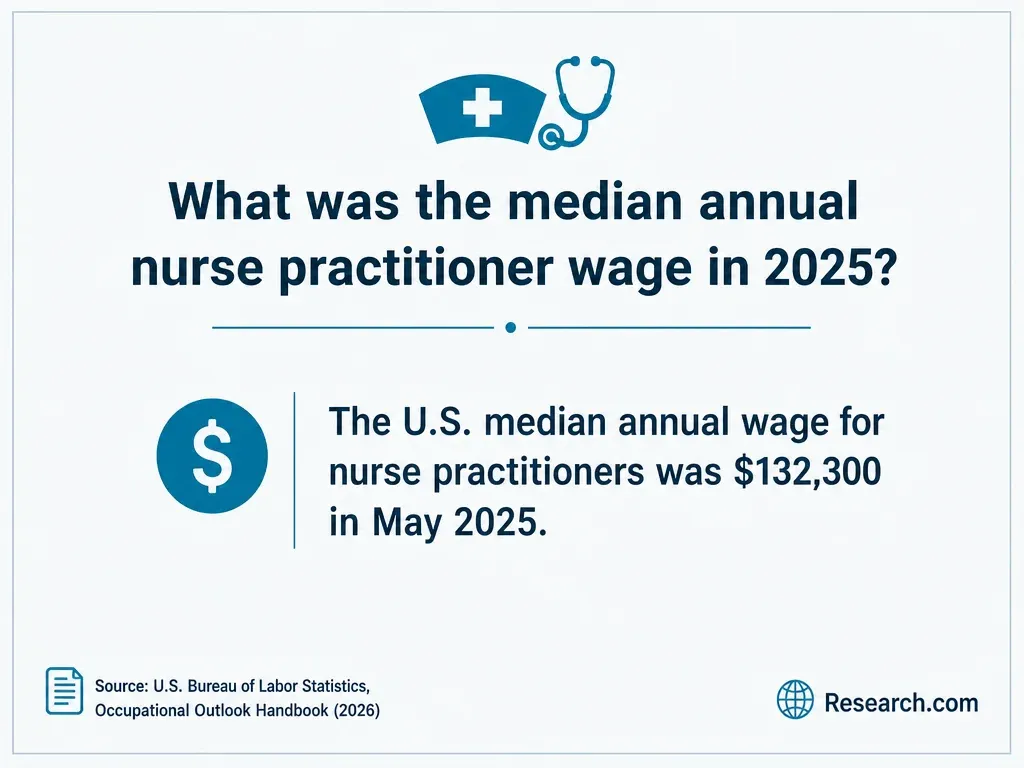
Compare roles before comparing numbers. An outpatient nurse, bedside RN, and nurse practitioner may each manage patients under different workflows and responsibilities. If a family NP role is your longer-term goal, comparing 12-month family NP programs is a separate education decision; an RN shadow cannot establish what an NP caseload or preparation would be like.
The posted shift length does not tell you when work reliably ends. Ask about handoff, late admissions, unfinished documentation, on-call duties, weekend and holiday rotation, and how far in advance schedules are published. Distinguish required overtime from opportunities to volunteer for extra shifts, and ask how often either occurred on your prospective unit recently.
Scheduling terms matter especially if you have caregiving obligations, another job, or planned study. Get the assigned shift, rotation, call expectations, and any promised scheduling flexibility in writing. A nurse considering short-format DNP degree programs should evaluate the program's actual live sessions and practice requirements separately; a shorter advertised format does not make an unpredictable work schedule manageable.
New graduates should expect more than a stated number of orientation weeks. Ask who precepts you, whether preceptors receive preparation and protected time, how your assignment progresses, and how competency is assessed before independent practice. Find out what happens if you need additional time or if a preceptor is absent. A nurse residency may add structured learning and support, but its name alone does not establish its quality.
Experienced nurses entering a new specialty also need role-specific onboarding. Prior RN licensure and employment experience do not automatically demonstrate competence with unfamiliar patients, equipment, or workflows. Ask which tasks require supervised practice, who can answer questions after orientation, and how concerns about readiness are handled.
If you are comparing this job with future advanced practice training, keep employer orientation distinct from a school's supervised clinical requirements. For example, online FNP school responsibilities for preceptors must be confirmed with the program; an employer's willingness to mentor you at work does not automatically supply an approved academic placement.
Ask for the actual job description and compare it with what you see. Depending on the setting, an RN role may emphasize assessment, medication administration, patient education, care coordination, documentation, delegation, or rapid escalation. Confirm the patient population, equipment, common procedures, and which responsibilities require additional training or employer-validated competency.
Do not infer the role from the unit name alone. On a behavioral health unit, for example, ask about therapeutic communication, observation and safety procedures, medication workflows, and response to behavioral emergencies. An RN interested in future psychiatric advanced practice can separately explore short-format PMHNP master's options; working on the unit does not itself qualify an RN for NP practice.
Compare the written offer's total terms, not just its hourly base rate. Confirm shift and weekend differentials, overtime eligibility, bonus conditions, retirement contributions, insurance premiums and deductibles, paid leave, parking or commuting costs, and any education assistance. Ask whether a sign-on bonus must be repaid if you leave within a specified period and whether differentials apply during orientation.
Calculate an estimated annual amount using the hours you are actually guaranteed, then compare likely take-home costs and schedule demands. Do not use overtime you have not agreed to work to make an offer appear affordable. Broad occupational wage figures cannot tell you what this facility will pay for your shift and experience.
If an offer's tuition benefit influences your decision, request its eligibility date, annual limit, approved-program rules, and repayment terms. Nurses weighing a future specialty change should compare those terms with psychiatric NP program costs rather than assume reimbursement will cover a graduate degree.
Look for reliable ways to escalate concerns: accessible supervisors, clear responses to changes in patient condition, functioning equipment, and staff who can obtain help without blame. Observe whether nurses and other team members exchange relevant information during handoff and whether leaders respond when workload exceeds available resources. These signs matter more than a general claim that the unit "values safety."
Ask how staff report near misses, who follows up, and whether nurses participate in improving workflows. You may not see a rare emergency during a shadow, so use specific examples and consistent answers across staff to assess preparedness. If your longer-term interest is systems improvement rather than a different bedside assignment, DNP program options beyond new clinical licensure may be worth evaluating separately; a DNP is not required simply to raise safety concerns or contribute to a unit improvement effort.
How can you verify a nursing employer before accepting an offer?
Use the shadow to generate questions, then verify the answers with the people and documents responsible for them. Ask the recruiter or manager for the current job description, written offer, benefits materials, orientation outline, and applicable scheduling or bonus terms. Confirm the facility's license or regulatory status with the relevant state authority and review publicly available quality information where it applies, recognizing that facility-wide measures may not describe your unit or shift.
Finally, compare what staff said with what the employer will commit to in writing. A difference does not automatically mean anyone misled you - policies and daily practice can vary - but a material unresolved difference in staffing support, orientation, pay, or schedule is a reason to pause. If education assistance is part of the offer, check its written terms before using it to budget for affordable nursing master's study for BSN graduates.
Other Things You Should Know About Nursing
A pre-employment observation may be unpaid, but arrangements and wage-and-hour obligations depend on what you are required to do. Clarify in advance whether you will only observe. If the employer expects productive work, ask how you will be paid and supervised.
Ask for a conversation with a nurse on your proposed shift, a unit tour where permitted, and specific written answers about the role. Lack of a shadow is not proof of a problem, but you should know which important questions remain unanswered.
Follow facility rules and record only job-related observations, such as workflow questions. Do not photograph, copy, or retain patient information, even if you do not include a patient's name.
Yes, if you have not accepted it. Thank the employer and decline promptly and professionally. If you have already accepted, review any signed terms before withdrawing and communicate your decision as soon as possible.
- Nurse Staffing and Patient Care Quality and Safety - NCBI - NIH https://www.ncbi.nlm.nih.gov/books/NBK2676/
- Fact Sheet: Federal Holidays - "In Lieu Of" Determination | U.S. Office of Personnel Management https://www.opm.gov/policy-data-oversight/pay-leave/work-schedules/fact-sheets/Federal-Holidays-In-Lieu-Of-Determination
- Fact Sheet #22: Hours Worked Under the Fair Labor Standards Act (FLSA) | U.S. Department of Labor https://www.dol.gov/agencies/whd/fact-sheets/22-flsa-hours-worked
- Code of Conduct - Career Center | University of South Carolina https://sc.edu/about/offices_and_divisions/career_center/student_career_hub/gain_experience/job_shadowing/job-shadow-code-of-conduct/
- "Effects of Interruptions from Patient Admissions and Discharges on Nur" by Lorena Estrella | ScholarWorks https://scholarworks.waldenu.edu/dissertations/16313/
- Guidelines for Job Shadowing in Clinical Settings | The Doctors Company https://www.thedoctors.com/articles/job-shadowing-observers-volunteers-and-students-in-clinical-settings
- Safe Staffing: Critical for Patients and Nurses | dpeaflcio.org https://www.dpeaflcio.org/factsheets/safe-staffing-critical-for-patients-and-nurses