2027 Most Valuable Skills You Build in a Biomedical Sciences Degree and Which Careers Use Them Most

Co-Founder and Chief Data Scientist
How do the skills acquired in a biomedical sciences degree translate into real-world careers? With 75% of graduates entering diverse fields beyond traditional research roles, proficiency in data analysis, laboratory techniques, and critical thinking has become essential for adaptability. Employers increasingly prioritize these core skills alongside effective communication and ethical judgment. This shift calls for students and career switchers to understand which competencies hold the greatest value across evolving sectors like healthcare, pharmaceuticals, and biotechnology. This article explores the most valuable skills developed during a biomedical sciences degree and highlights the careers that rely on them to guide informed career planning.
Key Benefits of the Most Valuable Skills You Build in a Biomedical Sciences Degree
- Developing critical thinking and analytical skills in biomedical sciences boosts career readiness by enabling graduates to solve complex problems in healthcare, research, and biotechnology sectors.
- Strong laboratory and data interpretation skills foster adaptability across industries including pharmaceuticals, public health, and environmental science, broadening employment opportunities.
- Continuous learning and evidence-based decision-making cultivated in biomedical sciences support long-term professional growth amid evolving scientific and technological advancements.
What Are the Core Skills Taught in Biomedical Sciences Programs?
Programs in biomedical sciences focus on building essential laboratory and research techniques in biomedical sciences that prepare students to analyze and interpret complex biological data. More than 70% of graduates report confidence in their analytical and research abilities, reflecting strong preparation for diverse professional environments. These programs emphasize skills that support scientific inquiry and effective problem-solving in real-world contexts.
Key core skills developed during biomedical sciences studies include the following:
- Critical Thinking: Evaluating experimental results and interpreting scientific literature allows students to make well-informed decisions. This skill is vital for designing experiments and developing evidence-based projects.
- Data Analysis: Proficiency in processing quantitative data helps students draw accurate conclusions from complex datasets. This ability underpins research advancements and clinical decision-making.
- Scientific Communication: Clear written and verbal communication is cultivated to meet professional standards. Students learn to create reports and presentations that effectively convey technical information.
- Research Methodology: Mastery of experimental design, hypothesis testing, and ethical research practices ensures systematic and responsible scientific work. This foundation supports adherence to professional and regulatory guidelines.
- Problem-Solving: Students develop strategies to identify challenges and implement solutions. This skill enhances adaptation to evolving scientific questions and improves experimental protocols.
For those exploring further educational opportunities related to healthcare, understanding the cost of medical coding and billing certification can also be an important consideration.
What Technical Skills Are Taught in Biomedical Sciences Programs?
Biomedical sciences programs build essential technical competencies that enable students to apply academic knowledge to experimental and clinical settings effectively. With over 70% of roles in life sciences demanding strong digital literacy and technical proficiency, these skills are critical for advancing research and practical applications. Developing these competencies helps bridge theoretical understanding and real-world scientific challenges.
Programs emphasize the following core technical skills:
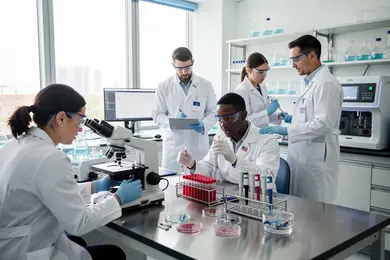
- Laboratory Techniques: Fundamental procedures such as pipetting, cell culturing, staining, and microscopy are taught to ensure accurate experiment conduction and biological sample analysis. These techniques form the practical foundation for laboratory investigations significant in biomedical sciences degree technical skills development.
- Molecular Biology Methods: Training includes DNA/RNA extraction, polymerase chain reaction (PCR), gel electrophoresis, and sequencing. Mastery of these methods allows students to explore genetic material and understand molecular interactions that underpin many biomedical research areas.
- Data Analysis and Bioinformatics: Students gain proficiency in statistical software and bioinformatics tools to interpret complex datasets like genomic sequences and clinical trial results. This technical skill is vital for drawing informed scientific conclusions and enriching biomedical research.
- Computational Skills: Basic programming knowledge and experience with platforms such as MATLAB or R are incorporated to model biological systems or analyze large datasets effectively. These skills reinforce the integration of computational techniques in modern biomedical studies.
Students interested in specialized pathways or complementary degrees may also explore options such as the cheapest online RN to BSN programs, which provide additional clinical and technical training that can enhance career versatility within health sciences.
What Soft Skills Do Biomedical Sciences Students Develop?
Biomedical sciences programs equip students with vital interpersonal and behavioral skills that enhance both their academic journey and future professional roles. Studies show that 92% of employers value strong communication and teamwork abilities when making hiring decisions, emphasizing the importance of these competencies. Below are some of the key soft skills developed throughout these studies.
- Effective Communication: Students refine the ability to share complex scientific concepts clearly, whether through writing or speaking. This skill supports collaboration with peers and the capacity to explain ideas to diverse audiences.
- Analytical Thinking: Learners are trained to assess information critically and draw evidence-based conclusions. This approach deepens problem-solving capabilities applicable in research and workplace situations.
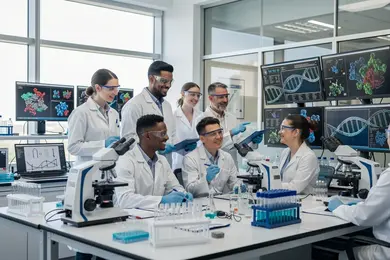
- Collaborative Teamwork: Group projects and laboratory work cultivate cooperation, task delegation, and appreciation of differing viewpoints. This prepares students to thrive in dynamic, multidisciplinary environments.
- Time Management: Balancing multiple academic and research responsibilities teaches prioritization and maintaining productivity under deadlines, which is essential for long-term projects.
- Adaptability: Given the fast pace of biomedical advances, students learn to stay flexible and open to new methods, enhancing their readiness to handle change effectively.
A biomedical sciences degree graduate shared their experience, highlighting how group assignments initially caused stress due to differing working styles and expectations. Through repeated collaboration and open communication, they gained confidence in leading discussions and resolving conflicts. The graduate remarked, "Navigating those challenges helped me become more patient and articulate, skills I now rely on daily." This journey reinforced the significance of interpersonal skills alongside technical knowledge in their career development.
Employers increasingly seek candidates with transferable skills that adapt across industries; in fact, 94% value complex problem-solving and critical thinking. The versatility of these competencies supports career mobility and workforce adaptability, crucial for Biomedical Sciences graduates navigating diverse fields. Recognizing the broad applicability of transfer skills gained from a biomedical sciences degree opens numerous career opportunities for biomedical sciences graduates.
The following key skills illustrate how a biomedical sciences degree prepares students for success beyond the laboratory or clinic:
- Analytical Thinking: Developing the ability to critically assess data and identify meaningful patterns helps graduates make evidence-based decisions that are essential in areas ranging from healthcare policy to financial services.
- Research Proficiency: Mastery of designing experiments and interpreting results equips students to thrive in data-driven roles, including regulatory affairs and academic research.
- Effective Communication: Articulating complex scientific information clearly fosters collaboration across interdisciplinary teams in education, pharmaceuticals, and public health sectors.
- Project Management: Skills in organizing resources, timelines, and procedures enable graduates to coordinate multifaceted projects in environments such as clinical trials and quality assurance.
Students interested in accelerating their educational journey may explore a fast track program to gain these valuable competencies more efficiently.
Over 70% of biomedical sciences employers report difficulty finding candidates with advanced technical skills, underscoring a significant gap in workforce expertise. Graduates equipped with specialized competencies are increasingly essential to meet evolving demands across research, healthcare, and industry. The most sought-after skills reflect a blend of scientific knowledge and analytical ability.
The following core skills are highly valued in today's biomedical sciences landscape:
- Molecular Biology Techniques: Mastery of procedures like PCR, gene editing, and sequencing allows for in-depth analysis of cellular functions and disease mechanisms, forming the backbone of both research innovations and diagnostic applications.
- Bioinformatics and Data Analysis: Handling and interpreting large datasets is critical due to high-throughput technologies generating complex biological information. Proficiency in computational tools enhances accuracy and insight in experimental outcomes.
- Experimental Design and Laboratory Skills: Careful planning and rigorous documentation ensure experiments are reproducible and scientifically sound, which is vital in academic studies and product development alike.
- Critical Thinking and Problem Solving: Evaluating data with a questioning approach allows professionals to build hypotheses and identify novel solutions in a rapidly advancing field.
- Regulatory and Ethical Awareness: Compliance with evolving guidelines in clinical research and patient data management safeguards ethical standards and legal responsibility in biomedical work.
When asked about which skills are most in demand, a professional with a biomedical sciences degree reflected on the real-world challenges she faced early in her career. She explained that navigating complex datasets often involved trial and error, with moments of uncertainty that tested her resilience. Developing a meticulous approach to data verification was crucial, as was learning to communicate findings clearly to multidisciplinary teams. She recalled the satisfaction of successfully overcoming these hurdles, saying, "It really shaped how I approach problems today-always thorough, always curious." This journey highlighted for her how technical expertise must be paired with adaptability and clear thinking to succeed in biomedical sciences.
Employers gauge entry-level biomedical sciences graduates largely on foundational skills that combine technical expertise with readiness for practical work environments. A 2023 study indicates that more than 70% of employers prioritize communication and problem-solving abilities when selecting recent graduates in this sector. These criteria underscore the need for a comprehensive skill set extending beyond academic knowledge.
Several essential competencies commonly prioritized by employers include the following:
- Analytical Thinking: The capability to critically interpret data and recognize trends or irregularities is highly regarded. New graduates are expected to employ analytical methods to support research processes and resolve laboratory challenges efficiently.
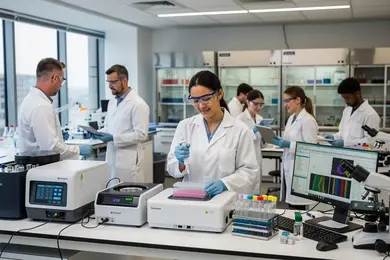
- Technical Proficiency: Hands-on experience with laboratory procedures, tools, and experimental methods is crucial. Graduates should be able to operate standard biomedical equipment and follow established protocols to contribute meaningfully to research activities.
- Effective Communication: Conveying scientific concepts clearly, both verbally and in writing, is essential. Entry-level professionals must present findings accurately, prepare detailed reports, and work collaboratively within diverse scientific teams.
- Attention to Detail: Precision in executing procedures and documenting results ensures accuracy and compliance. Employers expect graduates to maintain high standards in data integrity and adhere to regulatory guidelines.
- Problem-Solving Skills: The ability to approach obstacles systematically and generate practical solutions is vital. Entry-level biomedical scientists need to adapt their methods based on new insights and refine experimental designs under guidance.
Over 65% of biomedical sciences graduates secure employment in science and health-related fields within five years, reflecting strong demand for their versatile skills across industries. Employers increasingly value expertise that combines laboratory proficiency and data analysis with a deep understanding of biological systems. This adaptability makes biomedical sciences graduates valuable in diverse career paths.
The following career areas commonly rely on skills developed through biomedical sciences programs:
- Pharmaceutical and Biotechnology Research: Professionals in this field use molecular biology and biochemistry knowledge to support the development and testing of new drugs, vaccines, and medical devices, driving innovation in healthcare solutions.
- Clinical and Diagnostic Laboratories: Graduates work closely with clinicians to perform critical laboratory tests that help diagnose diseases and guide patient care, applying precise technical and analytical skills.
- Public Health and Epidemiology: Experts analyze epidemiological data to track disease outbreaks and contribute to strategies that improve population health, using biology and statistics to support evidence-based policies.
- Environmental Health and Safety: Careers in this area assess the impacts of pollutants and environmental factors on human and ecosystem health, demonstrating the interdisciplinary reach of biomedical sciences knowledge.
These roles highlight how core competencies-such as critical thinking, laboratory techniques, and data interpretation-developed in biomedical sciences programs support vital functions across healthcare, research, and environmental sectors.
Certain biomedical sciences skills significantly enhance earning potential due to their technical complexity and high demand across various industries. Employers value these skills because they contribute to innovation, compliance, and efficient research processes, often reflected in compensation decisions that reward expertise.
Below are key skills linked to higher salaries for biomedical sciences graduates, highlighting the measurable financial benefits associated with each:
- Data Analysis and Bioinformatics: Professionals who excel in interpreting complex biological data and employing advanced software tools generally receive a 10% to 25% salary premium. This is driven by the expanding use of big data in genomics, drug discovery, and personalized medicine.
- Laboratory Techniques and Instrumentation: Mastery of high-throughput screening, mass spectrometry, or CRISPR gene editing often leads to an annual salary increase of $5,000 to $15,000. Employers seek these skills to accelerate experimental workflows and improve efficiency.
- Regulatory Knowledge and Compliance: Expertise in clinical trial regulations or quality assurance for agencies like the FDA or EMA can boost wages by about 7% to 15%. This reflects the critical role such professionals play in securing product approvals.
- Scientific Communication and Reporting: Strong ability to convey complex scientific data to diverse audiences can increase pay by approximately 5% to 12%, as clear communication enhances decision-making and funding.
For students exploring the highest paying careers for biomedical sciences degree holders, building these skill sets is crucial. Those interested in expanding their expertise might also consider related fields, such as those covered by the best dietetics programs, to diversify their career options and increase marketability.
Internships are essential in enhancing biomedical sciences practical skills by providing hands-on exposure to real-world environments, such as laboratories, healthcare facilities, or research centers. These experiences allow students to apply complex theoretical concepts in practical settings, bridging the gap between academic knowledge and professional demands.
Research shows that about 70% of biomedical sciences graduates who completed internships report improved practical skills and greater confidence entering the workforce. This immersive learning environment ensures students consolidate their classroom learning with tangible experience, which is critical for their career development.
Through structured and supervised tasks, internships help students refine important competencies like critical thinking, scientific methodology, and technical proficiency with laboratory equipment. Working closely with experienced mentors, interns develop meticulous attention to detail and problem-solving abilities essential in biomedical sciences.
Moreover, internships foster effective communication and teamwork, often requiring collaboration with clinicians and researchers, which strengthens both practical skills and professional readiness. For students interested in expanding their credentials, exploring ADN to FNP programs can be a valuable option.
Presenting biomedical sciences skills effectively on a resume helps highlight your relevant expertise and ensures your qualifications resonate with hiring managers. Clear organization makes it easier for employers to assess your suitability for a role by quickly identifying your core competencies. The following guidelines offer advice on how to showcase these skills with precision and professionalism.
- Categorize Skills: Group related abilities under distinct headings like Laboratory Techniques or Data Analysis to improve readability. This structure allows recruiters to locate specific talents without difficulty.
- Be Concise and Specific: Use brief yet accurate descriptions that emphasize practical application rather than academic knowledge alone. Avoid vague phrases and choose industry-recognized terminology.
- Highlight Applied Experience: Include references to particular methodologies, instruments, or software tools to demonstrate hands-on expertise. This adds credibility and shows you can translate theory into practice.
- Combine Hard and Soft Skills: Integrate relevant interpersonal abilities such as critical thinking and communication alongside technical skills. This balanced approach provides a fuller picture of your capabilities.
- Maintain Focus: Select only the most pertinent skills for the job to avoid overwhelming the reader. A targeted skillset creates a stronger, more memorable impression.
What Graduates Say About the Most Valuable Skills You Build in a Biomedical Sciences Degree
- Esteban: "Completing my biomedical sciences degree opened my eyes to the diverse skill sets required at each level of study, from mastering laboratory techniques to understanding the complex biochemical pathways. The hands-on experience was challenging but essential in building my confidence in analytical thinking and problem-solving. Now, as a clinical research coordinator, I rely daily on these skills to manage studies and interpret data accurately."
- Alexis: "Reflecting on my biomedical sciences journey, the toughest part was adapting to the fast-paced nature of laboratory work while maintaining precise documentation. Developing resilience and attention to detail has been invaluable in my role within pharmaceutical development. This degree truly equips you with the discipline and scientific acumen necessary for a career in biotech innovation."
- Eli: "The most rewarding aspect of my biomedical sciences degree was learning how to translate theoretical knowledge into practical applications, especially through internships and collaborative projects. These experiences sharpened my communication and teamwork skills, which are crucial in my current job as a health policy analyst. The degree gave me a comprehensive foundation to understand and address real-world healthcare challenges effectively."
Other Things You Should Know About Biomedical Sciences Degrees
Critical thinking skills allow graduates to analyze data, identify inconsistencies, and design efficient experiments. In research careers, these abilities help in forming hypotheses and interpreting complex scientific results accurately. This skillset is essential for advancing knowledge in fields such as molecular biology, pharmacology, and epidemiology.
Most biomedical sciences master’s and PhD programs expect at least a 3.0 GPA on a 4.0 scale, with competitive applicants often near 3.3 or higher. Many also require official transcripts, two to three references, and a GRE score only if the program still asks for it.
Data analysis skills enable graduates to interpret clinical trial outcomes and assess drug efficacy. In the pharmaceutical industry, these skills support decision-making processes and ensure regulatory compliance. They are vital for roles in drug development, quality control, and pharmacovigilance.
- The Future of Biomedical Science Careers https://pathologylabtraining.co.uk/biomedical-sciences/future-careers
- 6 Essential Biomedical Labs Skills for Career Building https://www.labster.com/blog/6-essential-biomedical-lab-skills-career-building
- The Benefits of Biomedical Internships https://24x7mag.com/professional-development/education/internships/benefits-biomedical-internships/
- Key Biomedical Resume Skills - Stand Out in the Field - LesSearch-Lars https://searlescholars.net/key-skills-to-highlight-in-your-biomedical-resume/
- Which skills does it take to make a good biomedical scientist? https://www.the-microbiologist.com/careers/which-skills-does-it-take-to-make-a-good-biomedical-scientist/724.article
- 4 Benefits of Earning a Biomedical Science Degree from National University https://www.nuhs.edu/4-benefits-of-earning-a-biomedical-science-degree-from-national-university/
- Train for a Healthcare Career While Your Kids Learn Too https://workforcesolutionsnews.com/high-skill-high-paying-jobs-in-biomedical-and-life-sciences/
- 3 Biomedical Science CV example + guide [Land interviews] https://standout-cv.com/cv-examples/science/biomedical-science-cv
- Highest Paying Biomedical Science Careers and Salary | SRG Talent https://www.srgtalent.com/blog/top-10-highest-paying-careers-in-biomed
- The Soft Skills You Should Be Looking For In The Life Sciences | Scientific Search https://scientificsearch.com/blog/the-soft-skills-you-should-be-looking-for-in-the-life-sciences/